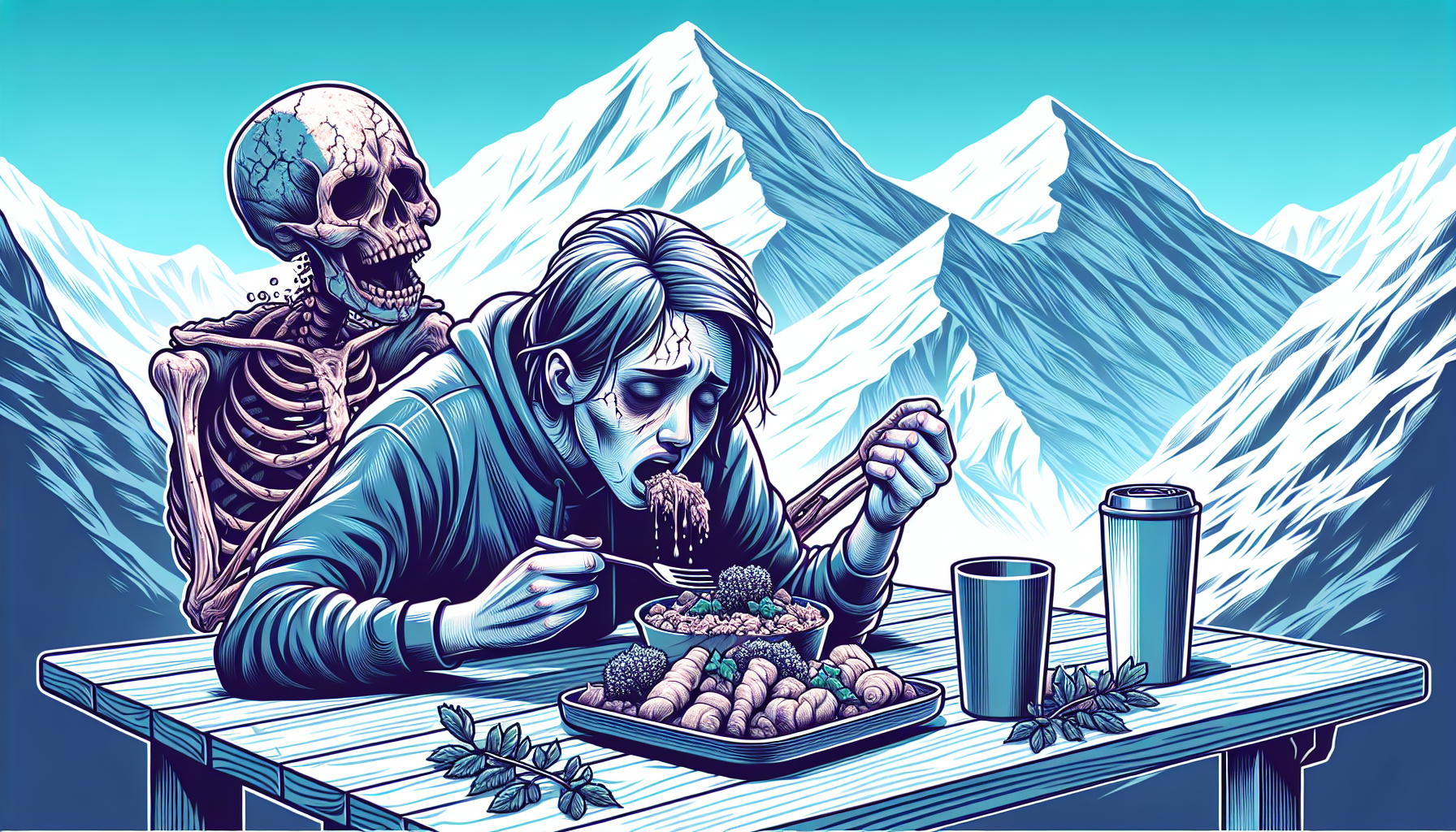
Appetite loss at altitude is easy to dismiss as a minor nuisance, but in practice it can amplify acute mountain sickness, slow recovery, and turn a manageable day into a dangerous descent. In the altitude illness world, this issue sits inside AMS management and recovery because reduced food intake affects hydration, energy availability, nausea control, sleep quality, and the body’s ability to acclimatize under hypoxic stress. I have seen this repeatedly on trekking routes and climbing itineraries: a person stops eating because they feel slightly off, then their headache worsens, they become weaker, they drink less, and by evening they are far sicker than their morning symptoms suggested. Understanding why appetite loss happens, what it does to the body, and how to respond early is central to managing altitude illness safely.
At altitude, lower barometric pressure reduces the partial pressure of oxygen, creating hypoxia. The body responds with faster breathing, changes in fluid balance, hormonal shifts, and altered gastrointestinal function. Acute mountain sickness, or AMS, is the common syndrome that includes headache plus symptoms such as nausea, fatigue, dizziness, and poor sleep after ascent, typically above 2,500 meters. Appetite loss is not just associated with AMS; it is one of the most practical warning signs that acclimatization is not going smoothly. When people eat less, they usually also consume fewer carbohydrates, less sodium, and less total fluid, all of which can worsen perceived exertion and compound existing symptoms. That is why a smart AMS recovery plan treats appetite as a core clinical signal, not an afterthought.
This article serves as a hub for AMS management and recovery by connecting the physiology, symptom patterns, field assessment, nutrition strategy, medication use, descent decisions, and prevention habits that matter most. If you need a simple answer, it is this: appetite loss at altitude makes symptoms worse because it reduces fuel and fluid intake at the exact time your body needs both to cope with hypoxia. The result can be a cascade of low energy, dehydration, worsening nausea, poor judgment, and delayed recovery. The good news is that early recognition, deliberate eating and drinking, conservative pacing, and timely descent when symptoms progress can stop that cascade before it becomes serious.
Why altitude suppresses appetite in the first place
Appetite often drops within the first day or two after ascent because hypoxia changes both the brain’s appetite regulation and the digestive system’s comfort level. Research has linked altitude exposure to shifts in hormones involved in hunger and satiety, including leptin and ghrelin, although the exact response varies by person and altitude. What matters operationally is straightforward: many people feel less hungry, fuller sooner, or mildly nauseated. Hard exertion, cold air, anxiety, disrupted sleep, and dehydration make that effect stronger. On expeditions, I have found that even experienced hikers underestimate how quickly this subtle reduction in intake starts to matter, especially when they are still moving for six or eight hours a day.
The gut also behaves differently at altitude. Blood flow may be prioritized toward vital organs and exercising muscles, while gastric emptying can feel slower in some people. Foods that are usually appealing at sea level may seem heavy, dry, or unpalatable. A person who forces down a fatty meal when nauseated often feels worse afterward, which teaches them to avoid food entirely. That pattern is a problem. Smaller, more frequent, carbohydrate-rich foods are usually better tolerated because they require less digestive effort and provide usable energy quickly. This is one reason many trekking menus lean on rice, potatoes, noodles, soup, bread, porridge, and sweet drinks during acclimatization periods.
Appetite loss is also influenced by logistics. Water may taste flat, frozen snacks become hard to eat, and meal breaks get shortened by wind or cold. If someone is breathing hard just sitting still, the idea of chewing a large meal can feel unappealing. None of this means poor intake is harmless. It means the environment is pushing in the wrong direction, so the response must be intentional. In practical AMS management, the person who says, “I’m just not hungry,” deserves closer monitoring than the person who is eating normally and only reporting mild fatigue.
How eating less can make AMS symptoms worse
Loss of appetite worsens AMS through several overlapping mechanisms. First, reduced calorie intake lowers available energy, and at altitude the body often relies heavily on carbohydrate metabolism because carbohydrates produce more energy per unit of oxygen than fats. If a trekker skips meals, they may feel disproportionately exhausted, shaky, and mentally foggy. Those symptoms can be mistaken for normal altitude fatigue, but inadequate fueling is often a major contributor. In the field, I look for the combination of headache, low mood, unusual irritability, and a person who has eaten almost nothing since breakfast. That pattern deserves correction immediately.
Second, appetite loss commonly reduces fluid intake. People often drink with meals and consume substantial fluid through soups, tea, fruit, and high-water foods. If they stop eating, they frequently stop drinking enough as well. Mild dehydration does not directly cause AMS, but it can intensify headache, dry mouth, constipation, elevated heart rate, and general malaise, making the overall picture worse. This distinction matters: hydration alone will not cure AMS, but poor hydration can make someone with AMS feel significantly worse and recover more slowly.
Third, nausea feeds on itself. A slightly nauseated person avoids food, then low blood sugar, dehydration, exertion, and medication side effects can deepen the nausea. Once that cycle starts, routine trail food may become impossible to tolerate. This is when practical recovery tactics matter most: rest, warmth, small sips, bland carbohydrates, oral rehydration solution if needed, and anti-nausea strategies under medical guidance. Delaying intervention because “they just need to tough it out” is one of the most common judgment errors I have seen at moderate altitude.
Fourth, inadequate intake affects recovery overnight. People with AMS often sleep poorly, and if they go to bed underfueled they may wake with worse headache and fatigue. A simple evening snack and steady fluid intake can improve the next morning substantially, even when no dramatic treatment has been used.
| Problem triggered by low intake | What it looks like on the mountain | Why it matters for AMS recovery |
|---|---|---|
| Low carbohydrate intake | Weakness, heavy legs, poor pace, shakiness | Less efficient energy production under hypoxia |
| Reduced fluid and sodium intake | Headache feels worse, dry mouth, low urine output | Exaggerates discomfort and slows functional recovery |
| Worsening nausea | Skipping meals, gagging at normal foods | Creates a self-reinforcing cycle of poor intake |
| Poor evening fueling | Restless sleep, worse morning fatigue | Reduces overnight recovery and next-day resilience |
Recognizing when appetite loss is a warning sign, not a side note
Appetite loss alone can occur during normal early acclimatization, but context determines whether it is benign or concerning. If a person has mild appetite reduction yet is drinking, urinating regularly, walking steadily, and improving after rest, watchful management may be enough. If appetite loss appears alongside headache, nausea, unusual fatigue, dizziness, poor coordination, or reduced exercise tolerance, treat it as part of the AMS picture. The Lake Louise Score remains a useful structured tool for assessing AMS symptoms, though it should support judgment rather than replace it. Any worsening trend after continued ascent is especially important.
Red flags are clear. Inability to keep fluids down, repeated vomiting, confusion, marked shortness of breath at rest, chest tightness, stumbling, or altered behavior are not routine AMS recovery issues; they raise concern for severe altitude illness and require descent and medical evaluation. High-altitude cerebral edema and high-altitude pulmonary edema can evolve from what first looked like an ordinary bad acclimatization day. A person who is not eating, not drinking, and becoming less functional should not be reassured simply because they are “still talking normally.” Functional decline matters.
In group settings, appetite changes are often noticed before more dramatic symptoms. Teammates see who leaves most of dinner untouched, who skips breakfast, or who stops accepting hot drinks. That information is clinically useful. Guides who ask direct questions at each stop, such as what the person last ate, when they last urinated, and whether nausea is better or worse, usually catch deteriorating cases earlier than guides who only ask about headache.
Best practices for AMS management and recovery when food intake drops
The first principle is simple: stop ascending if symptoms suggest AMS, and prioritize recovery behaviors immediately. Rest at the same altitude can be appropriate for mild cases, but continued ascent with headache, nausea, and poor intake is how minor problems become serious. The second principle is to make eating easier, not more ambitious. Offer frequent small portions every thirty to sixty minutes instead of large meals. Favor familiar, bland, carbohydrate-rich options such as crackers, rice, toast, bananas, noodles, applesauce, porridge, broth, and diluted sports drink. Warm foods are often better tolerated than cold, dense snacks.
Fluids should be steady, not forced. The goal is adequate hydration judged by thirst, regular urination, and overall status, not overdrinking. Oral rehydration solutions can help when a person has been eating poorly, sweating heavily, or vomiting. Caffeine is acceptable in moderation for habitual users, but strong alcohol use is counterproductive because it worsens sleep, judgment, and hydration habits. If a person cannot tolerate plain water, flavored warm drinks or soup may work better. In practice, successful recovery often depends less on one perfect intervention than on many small tolerable inputs over several hours.
Medications can support recovery, but they do not replace descent decisions. Acetazolamide can help acclimatization and is used for prevention and sometimes treatment support. Analgesics may reduce headache. Antiemetics may be appropriate in some situations under qualified guidance. Dexamethasone has a role in certain severe scenarios, especially when descent is delayed, but it is not a license to continue upward. Supplemental oxygen and portable hyperbaric bags are valuable expedition tools where available. The rule remains unchanged: if symptoms worsen, if the person cannot function normally, or if severe signs appear, descend.
Recovery also depends on pacing and thermal management. Cold stress suppresses appetite further and increases fatigue. A chilled, wind-exposed hiker who is told to eat standing beside the trail may fail repeatedly; the same person in shelter with gloves off, boots loosened, and a warm drink often improves enough to begin taking calories. These details matter because AMS management is not abstract medicine. It is practical problem solving in a hostile environment.
Prevention strategies that protect appetite and reduce recovery problems
The best way to manage appetite loss at altitude is to reduce the chances that it becomes severe. Gradual ascent remains the cornerstone. Widely accepted guidance includes limiting sleeping elevation gain once above roughly 3,000 meters and adding rest or acclimatization days regularly, especially after large gains. “Climb high, sleep low” can be useful when applied sensibly. Hard exertion early in an itinerary is a consistent trigger for poor appetite and more obvious AMS symptoms, so conservative pacing on the first days is not laziness; it is effective risk control.
Nutrition planning should begin before symptoms appear. People who rely only on hunger cues often underfuel. A better approach is scheduled eating: breakfast before movement, a small snack every hour or two, a deliberate recovery meal after arrival, and a simple carbohydrate snack before bed if appetite has been low. Portable options that work well include energy chews, soft bars, nut butter packets, instant soup, mashed potato cups, rice balls, dried fruit, pretzels, and drink mixes with sodium. Individual tolerance matters, so field testing foods during training is far better than discovering at 4,000 meters that your preferred bars become inedible bricks.
Medication prevention has a place for travelers with prior AMS, fast itineraries, or unavoidable ascent profiles. Acetazolamide is the standard option, but it should be discussed with a clinician beforehand because dosing, side effects, sulfonamide history, and itinerary details matter. The same is true for people with diabetes, gastrointestinal disease, or conditions affecting fluid and electrolyte balance. A realistic prevention plan also includes sleep, warmth, sun protection, and honest symptom reporting. The most preventable deterioration I see is silence: people hide appetite loss because they do not want to delay the group.
When to descend and when to seek medical help
Descent is the definitive treatment when AMS is moderate, worsening, or accompanied by inability to eat and drink adequately. If symptoms improve with rest, food, and fluids at the same altitude, continued observation may be reasonable. If they do not, losing elevation is the safest move. Descent does not need to be dramatic to help; even 500 to 1,000 meters can produce clear relief. What matters is acting early enough that the person can still move safely with support.
Seek urgent medical care for ataxia, confusion, persistent vomiting, severe lethargy, cyanosis, shortness of breath at rest, cough with frothy sputum, or any rapid deterioration. Those findings suggest complications beyond simple AMS. Appetite loss may have been the quiet early clue, but once severe signs appear the priority is no longer meal strategy. It is oxygen, descent, and higher-level care. For anyone traveling to altitude, that is the key lesson: treat reduced appetite as useful information, respond early, and never separate nutrition from the broader AMS management and recovery plan. Review your itinerary, carry foods you can tolerate, and act fast when eating becomes difficult.
Frequently Asked Questions
Why does appetite often drop at altitude in the first place?
Appetite loss is extremely common at altitude, and it happens for several overlapping reasons. The biggest factor is hypoxic stress, meaning your body is operating with less available oxygen than it is used to. That stress changes how the gut feels and functions, influences hormones that regulate hunger and fullness, and often makes food seem less appealing. At the same time, many people develop mild nausea, a metallic taste, bloating, or an unsettled stomach as they gain elevation, all of which make eating feel like work instead of relief.
Altitude also changes behavior in ways that indirectly suppress appetite. People breathe faster, lose more fluid through respiration, get dehydrated more easily, sleep poorly, and often push themselves physically during trekking or climbing days. Fatigue, cold, and exertion can make someone postpone meals until they are already depleted. Unfortunately, once that pattern starts, low intake can worsen weakness, headache, irritability, and nausea, which then further reduces the desire to eat. That is why appetite loss at altitude should not be brushed off as a minor inconvenience. It is often an early signal that the body is under strain and may be heading toward more significant altitude-related symptoms.
How can not eating enough at altitude make acute mountain sickness symptoms worse?
Reduced food intake can quietly intensify acute mountain sickness in several practical ways. First, when you eat too little, your energy availability drops. At altitude, the body is already working harder just to move, stay warm, breathe, and adapt to lower oxygen levels. If fuel intake falls behind demand, fatigue builds quickly, and normal trekking effort starts to feel disproportionately hard. That can make AMS symptoms such as exhaustion, dizziness, and poor concentration feel much more severe.
Second, appetite loss often goes hand in hand with reduced drinking. Many people skip both food and fluids when they feel slightly nauseated or tired. That combination can worsen headache, dry mouth, lightheadedness, constipation, and overall malaise. Dehydration does not directly cause AMS, but it can mimic it, amplify it, and make recovery harder to judge. Third, low food intake can aggravate nausea itself. Small, regular meals often help settle the stomach, whereas an empty stomach can make nausea more persistent. That creates a frustrating cycle where nausea reduces eating, and not eating prolongs nausea.
Finally, inadequate intake can interfere with sleep and recovery. Poor overnight fueling may contribute to restless sleep, early waking, weakness in the morning, and a reduced ability to tolerate the next day’s elevation gain. In the real world, this is where a manageable headache-and-fatigue day can become a bad day on the trail. Someone who might have stabilized with rest, food, fluids, and a conservative plan instead deteriorates because they keep moving upward while underfueled.
What are the warning signs that appetite loss is becoming a meaningful altitude problem rather than a minor nuisance?
A reduced desire to eat for a meal or two can be normal at altitude, especially after a hard travel day or rapid ascent. The concern rises when appetite loss persists, deepens, or appears alongside classic AMS symptoms. Warning signs include worsening headache, nausea that is limiting intake, unusual fatigue, poor balance, dizziness, vomiting, marked weakness, inability to finish short walks without stopping, or a sudden drop in motivation and mental sharpness. If someone is barely eating and also struggling to drink, sleep, or keep pace with routine camp tasks, that deserves attention.
Another red flag is when food aversion starts changing decisions. For example, a trekker skips breakfast, nibbles very little during the day, then arrives in camp too tired or nauseated to eat dinner. By the next morning, they are significantly more depleted, yet still planning to ascend. That pattern can accelerate decline. Repeated missed meals, dark urine, orthostatic lightheadedness when standing, and persistent stomach upset should all prompt a reassessment of the plan.
It is also important to watch the broader altitude illness picture. Appetite loss by itself is not the most dangerous symptom, but when it sits next to increasing headache, vomiting, shortness of breath at rest, confusion, or difficulty walking straight, it may be part of a more serious progression. In those situations, the priority is no longer “how do we get calories in?” but “should this person stop ascending, rest, or descend now?” Appetite loss matters because it can be one of the quiet factors pushing someone from coping into struggling.
What should you eat or drink when altitude has killed your appetite but you still need to function and recover?
When appetite is poor at altitude, the goal is not perfect nutrition. The goal is practical intake that is easy to tolerate, easy to repeat, and sufficient to support hydration, energy, and symptom control. Small, frequent portions usually work better than large meals. Many people tolerate bland, familiar, carbohydrate-rich foods best, such as rice, potatoes, noodles, soup, toast, crackers, porridge, bananas, applesauce, or simple sandwiches. Warm foods and drinks are often easier to handle than heavy, greasy meals, especially in cold environments where comfort matters.
Liquids and semi-solids can be especially useful if chewing feels unappealing. Broth-based soups, drinkable yogurt, smoothies, recovery shakes, oatmeal, and oral rehydration solutions can provide both fluid and calories. Even simple snacks taken every 30 to 60 minutes can make a noticeable difference: a handful of trail mix, a few bites of an energy bar, dried fruit, pretzels, biscuits, or a gel if nothing else goes down. The point is steady intake, not waiting until you feel hungry, because at altitude hunger cues are often unreliable.
It also helps to separate “what sounds ideal” from “what is realistic.” A person with mild nausea at 3,500 meters may do better with plain noodles and tea than with a large high-protein dinner. That is fine in the short term. Prioritize foods the person actually wants to eat, keep portions modest, and encourage regular sipping of fluids. If nausea is a major barrier, rest, slower pacing, and appropriate AMS management may be necessary in addition to food. Nutrition supports recovery, but it cannot compensate for continued ascent when symptoms are clearly worsening.
Can eating more prevent altitude illness, or is appetite management mainly about recovery and safer decision-making?
Eating well at altitude is helpful, but it is not a shield against altitude illness. AMS is primarily driven by insufficient acclimatization to lower oxygen levels, especially after ascending too high too fast. You cannot out-eat a poor ascent profile. That said, good intake absolutely matters because it improves resilience, supports day-to-day function, and reduces the chance that a borderline situation becomes a serious one. In other words, food does not replace acclimatization, but it can make acclimatization efforts more effective and recovery more reliable.
Appetite management is especially important in the gray zone where symptoms are mild to moderate and the team is deciding whether to rest, continue cautiously, or descend. Someone who is taking in fluids, tolerating simple foods, sleeping reasonably, and stabilizing may recover well with a conservative plan. Someone with the same initial symptoms but ongoing appetite loss, poor fluid intake, and progressive weakness is more likely to unravel. That difference matters on trekking routes and climbing itineraries where the margin for error is small.
The practical takeaway is simple: treat appetite loss as useful information, not background noise. If it is mild and temporary, respond early with rest, easier foods, and deliberate hydration. If it is persistent or tied to worsening headache, nausea, vomiting, or functional decline, assume the body is not coping well with the current altitude. At that point, better eating is supportive care, not the complete solution. Slowing down, stopping ascent, and descending when indicated remain the core safety decisions.