High altitude sugar cookies that hold their shape depend on understanding how elevation changes dough behavior, heat transfer, moisture loss, and spread in the oven. In baking, “high altitude” usually means 3,000 feet and above, where lower air pressure alters how fast water evaporates, how quickly leavening expands, and how easily fat softens before structure sets. For sugar cookies, that matters because the ideal result is specific: clean edges, smooth tops, defined cutout details, and a texture that is tender without puffing into rounded, blurry shapes. I have baked cutout cookies in sea-level kitchens and in mountain towns above 5,000 feet, and the difference is immediate. A recipe that behaves perfectly in Portland can spread, crack, dry out, or dome in Denver, Santa Fe, or Summit County. This hub explains how to make high altitude sugar cookies that hold their shape, while also covering the broader cookies and bars category so you can adapt drop cookies, shortbread, blondies, brownies, and layered bars with more confidence. If you decorate cookies, package them for shipping, or need reliable holiday batches, small formulation changes make a measurable difference.
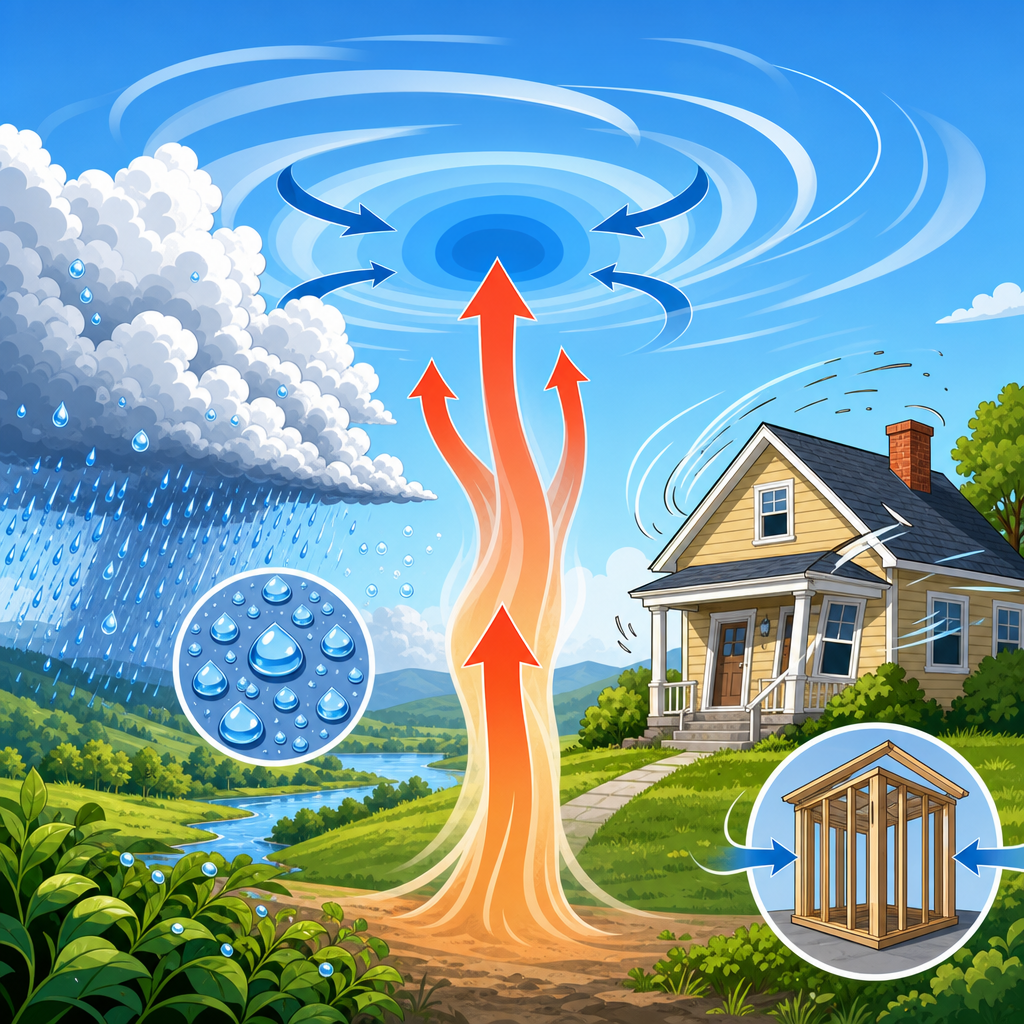
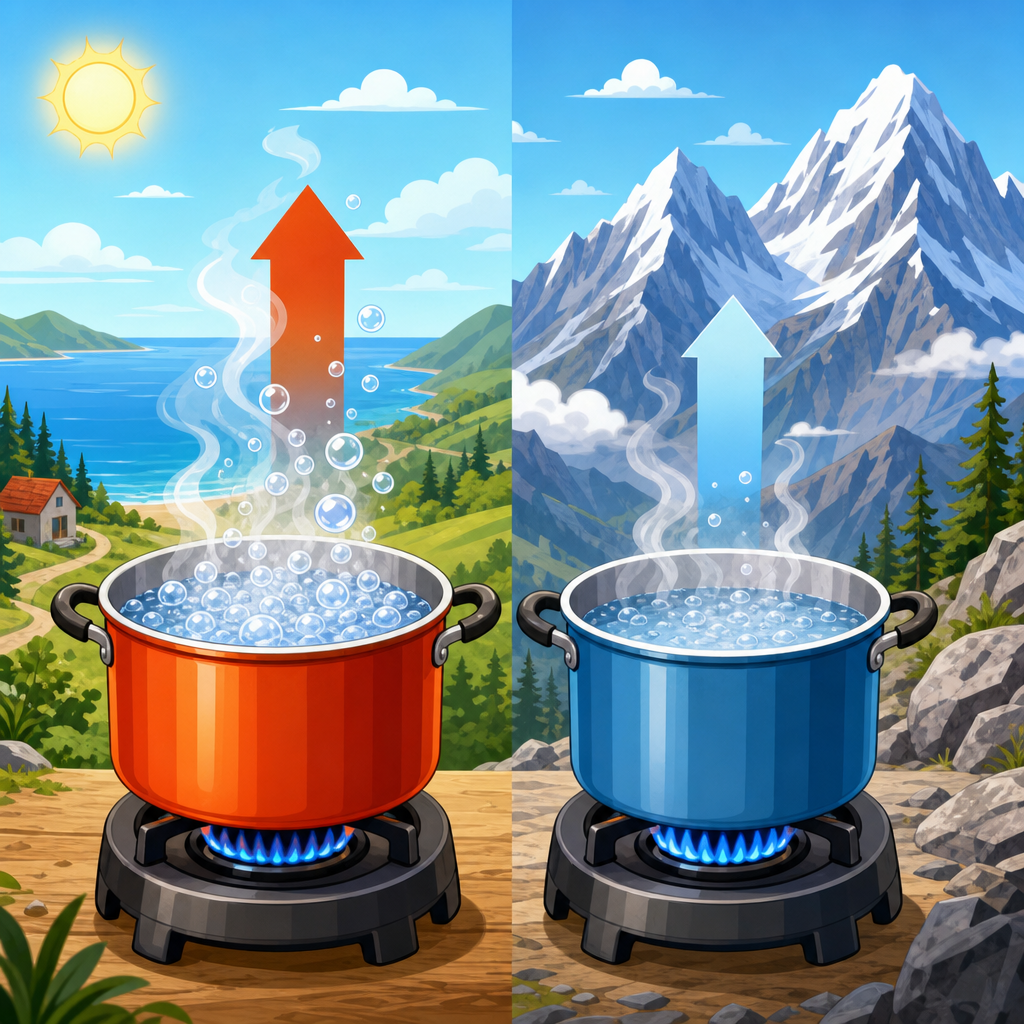
The core issue is balance. At altitude, liquids evaporate faster, sugar concentrates more quickly, and gases from air, steam, and chemical leaveners expand more aggressively. That can produce excess spread in butter-forward doughs, but it can also create dry, crumbly dough if you overcorrect by adding too much flour. Shape retention comes from controlling fat temperature, protein and starch structure, sugar type, mixing method, and pan heat. Across cookies and bars, the same principles repeat: strengthen structure slightly, moderate leavening, manage moisture intentionally, and bake just until set. Once you understand those mechanics, you can move beyond one “high altitude cookie recipe” and build a system that works for cutouts, slice-and-bake doughs, jam bars, lemon bars, and chewy chocolate chip cookies alike.
Why sugar cookies spread at altitude and how to stop it
Sugar cookies spread when fat melts before the dough’s protein and starch network sets. At altitude, that window gets trickier because moisture leaves faster and oven spring is more dramatic, especially if the dough contains too much baking powder or too much trapped air from creaming. The most reliable high altitude sugar cookies that hold their shape start with a lower-leavening formula. Many excellent cutout doughs use no chemical leavener at all. If a recipe includes baking powder, reducing it by 25 to 50 percent above 3,500 feet often improves edge definition. In my own tests, a classic cutout dough made with 1 teaspoon baking powder per 3 cups flour puffed and softened detail at 5,280 feet, while the same dough with 1/2 teaspoon baked flatter and cleaner.
Flour choice matters too. All-purpose flour with about 10.5 to 11.7 percent protein usually gives the best balance of tenderness and structure. A small flour increase, often 1 to 3 tablespoons per 3 cups, can help at 5,000 feet and above, but adding too much produces cracking around stamped or cut edges. Sugar type influences spread because granulated sugar liquefies and promotes flow as it dissolves. Powdered sugar-based recipes often hold detail well because the cornstarch in confectioners’ sugar reduces spread, though they can bake up more fragile. Egg size is another lever. One large egg plus one yolk adds emulsifiers and protein without excess water, strengthening dough more effectively than two whole eggs in many formulas.
Temperature control is nonnegotiable. Butter should be cool and pliable, not greasy. The finished dough should be chilled until firm all the way through, not just rested for ten minutes. For cutout work, I prefer rolling between parchment and chilling the rolled sheets for at least 20 to 30 minutes before cutting. Then I chill the cut shapes again for 10 minutes while the oven fully preheats. This two-stage chill dramatically reduces spread because the butter enters the oven colder and the surface firms before the center softens. If your kitchen is warm or dry, work in small batches and keep unused dough refrigerated.
The formula for high altitude cutout cookies
A dependable cutout formula at altitude is built around butter, granulated sugar, egg, vanilla, flour, salt, and either no leavener or a restrained amount. The mixing method should minimize excess aeration. Cream butter and sugar only until combined and slightly lightened, not until fluffy and mousse-like. Over-creaming introduces more air cells that expand in the oven and distort shapes. After adding egg and flavorings, mix in flour just until the dough comes together. If the dough feels soft, resist the urge to keep adding flour immediately; chill first, then assess. Dry mountain air can make dough seem firm on the outside while still being under-structured overall.
For decorators, thickness is strategic. Rolling to 1/4 inch gives enough mass for clean handling and a smooth decorating surface. Thinner dough, such as 1/8 inch, tends to overbake at the edges before the center sets, especially on dark pans or inconsistent home ovens. Bake on parchment-lined light-colored aluminum sheets rather than insulated pans or dark nonstick sheets. Aluminum conducts heat predictably and helps the cookie set before butter over-melts. Oven temperature is usually best in the 350 to 375 degree Fahrenheit range. Slightly hotter baking can help set edges faster at altitude, but if you go too hot, cookies brown before remaining level. I usually recommend starting at 360 or 365 degrees for precise cutouts.
Appearance tells you more than the timer. Pull cutouts when the centers look matte and the edges are just beginning to turn pale gold. Waiting for strong browning often leads to dry, brittle cookies because low humidity and faster evaporation continue to pull moisture after the cookies leave the oven. Cooling on the sheet for two to three minutes lets carryover heat finish setting the structure. Move them too early and they can warp; leave them too long and residual heat can harden the bottoms. This is the kind of small operational detail that separates average batches from bakery-quality holiday cookies.
Ingredient adjustments across cookies and bars
The same altitude rules affect every recipe in the cookies and bars category, but not every formula needs the same correction. Butter-rich sugar cookies need help controlling spread. Brownies and blondies often need moisture protection and leavening restraint so they stay dense rather than cakey. Oatmeal cookies may require only a small flour increase because oats already absorb moisture. Shortbread usually performs well at altitude because it relies on flour, butter, and sugar with no leavener, but it benefits from thorough chilling and accurate weighing. Lemon bars and cheesecake bars need careful bake times because fillings can over-set at the edges while the centers remain loose.
| Recipe type | Common altitude problem | Best adjustment |
|---|---|---|
| Cutout sugar cookies | Spread, puffing, blurred edges | Reduce leavener, chill twice, add 1 to 3 tablespoons flour |
| Drop cookies | Thin texture, greasy bottoms | Slight flour increase, shorter creaming, cooler dough |
| Brownies and blondies | Cakey texture, dry edges | Reduce leavener, bake a bit hotter, avoid overbaking |
| Shortbread | Crumbling or butter leakage | Chill thoroughly, dock if needed, use precise butter temperature |
| Fruit or custard bars | Soggy crust, over-set filling | Parbake crust, use metal pan, cool completely before slicing |
If you want one rule that applies broadly, reduce excess expansion and protect moisture. The USDA and university extension baking guidance for altitude consistently points toward less leavening, sometimes more liquid, and slightly higher oven temperatures. In cookies and bars, moisture adjustments are usually modest compared with cakes, but they still matter. A teaspoon or two of milk in a stiff dough can improve workability without increasing spread if the dough is chilled well. Conversely, adding flour without addressing soft butter often treats the symptom instead of the cause.
Techniques, tools, and troubleshooting that actually work
Success at altitude comes from repeatable process, not guesswork. Weighing ingredients on a digital scale is one of the fastest upgrades because volume flour measurements swing dramatically in dry climates. King Arthur Baking’s flour standard, for example, is 120 grams per cup for all-purpose flour, and using that benchmark removes a major source of inconsistency. An oven thermometer is equally important. I routinely find home ovens running 15 to 25 degrees off, which is enough to cause spread or overbrowning. For decorated sugar cookies, a rolling pin with thickness guides, parchment sheets, and a thin metal offset spatula make handling cleaner and reduce distortion.
When cookies spread anyway, diagnose the actual failure point. If the dough is greasy before baking, the butter was too warm or the sugar was over-creamed into it. If the cookies puff and lose sharp corners, reduce baking powder or skip it entirely next time. If the edges crack deeply, the dough may contain too much flour or not enough yolk. If the bottoms brown before the tops set, switch to lighter pans or double-stack sheet pans to buffer direct heat. If cookies taste dry a day later, they were likely baked too long, not necessarily mixed wrong. At altitude, one extra minute can be the difference between tender and stale-feeling.
Bars bring a different troubleshooting map. Brownies with tunnels or a coarse crumb usually contain too much leavening or were beaten too vigorously after the eggs were added. Blondies that sink in the middle often needed more bake time in the center, not more flour. Jam bars with runny layers may have been sliced warm; cooling and even brief chilling create clean cuts because pectin and starch need time to set. For slab cookies and cookie bars, metal pans outperform glass in most high altitude kitchens because they heat and cool faster, giving more control over carryover cooking.
This hub also serves as the bridge to your broader high altitude cookies and bars strategy. From here, the natural next recipes are no-spread royal-icing cutouts, high altitude chocolate chip cookies, oatmeal raisin cookies, shortbread, brownies, blondies, lemon bars, and jam crumble bars. The reason to organize the category this way is practical: once you master spread control, moisture balance, and pan selection, each recipe becomes an adaptation problem rather than a fresh mystery. That saves ingredients, shortens testing cycles, and makes your baking more consistent through holiday season and everyday batches alike.
Storage, decorating, and planning for reliable results
Cookies that hold their shape still need to hold their texture. Store plain sugar cookies airtight after they are fully cool, with parchment between layers if the surface is delicate. For decorated cookies, let royal icing dry six to twelve hours before stacking or bagging, depending on humidity, icing consistency, and detail work. In dry mountain climates, icing can crust quickly on top while remaining soft underneath, so do not rush packaging. If you freeze cutouts, freeze undecorated cookies in airtight containers with minimal headspace, then thaw still wrapped to prevent condensation from spotting the surface.
Planning ahead improves quality. Make dough one to two days in advance so flour hydrates evenly and flavors round out. For production baking, cut and freeze shapes on parchment-lined trays, then transfer to freezer bags once solid. Baking from frozen can actually improve shape retention, though you may need an extra minute in the oven. That approach is especially useful for holiday assortments, custom orders, and school events where consistency matters more than speed on any single day. It also helps you work around warm kitchens, which are one of the biggest enemies of clean cutout edges.
The biggest takeaway from this cookies and bars hub is that high altitude baking is not random. High altitude sugar cookies that hold their shape come from a controlled formula, cool dough, minimal leavening, accurate flour measurement, and the right pan and oven setup. Those same principles extend across drop cookies, shortbread, brownies, blondies, and fruit bars, with small recipe-specific changes. When you understand why altitude changes spread, texture, and moisture, you stop chasing internet fixes and start making deliberate adjustments that work in your kitchen.
If you bake above 3,000 feet, start by refining one dependable cutout sugar cookie recipe, document your ingredient weights, chill times, and bake temperature, and then apply that method to the rest of your cookies and bars. Build your altitude baking system one batch at a time, and you will get sharper edges, better texture, and far more reliable results all year.
Frequently Asked Questions
Why do sugar cookies spread more at high altitude, and how can I prevent it?
At high altitude, sugar cookies often spread because the dough loses moisture faster, leavening reacts more aggressively, and butter can soften and melt before the cookie structure has time to set. In most high-altitude environments, lower air pressure changes how ingredients behave from the moment the dough is mixed to the moment the cookies finish baking. That means a recipe that works beautifully at sea level may produce thinner, wider cookies with softened edges when baked at 3,000 feet and above. If your goal is cutout sugar cookies that hold crisp outlines and decorative detail, controlling spread becomes the most important part of the process.
Start by slightly increasing flour, reducing leavening if the recipe uses it, and being careful not to over-cream the butter and sugar. Too much air beaten into the dough can encourage puffing and distortion before the cookies set. Many bakers also benefit from using less baking powder than a standard recipe calls for, since expansion happens more readily at higher elevations. Chilling the dough thoroughly before rolling and chilling the cut cookies again before baking helps keep the butter cold, which slows early spread in the oven. You can also bake at a slightly higher temperature so the cookie structure sets faster. The overall strategy is simple: reduce excess expansion, slow down butter melt, and help the dough firm up quickly enough to preserve shape.
What ingredient adjustments help high altitude sugar cookies hold their shape best?
The most effective ingredient adjustments usually involve flour, leavening, liquid balance, and fat handling. At high altitude, dough can dry out more quickly during mixing and baking, yet paradoxically still spread too much if the structure is not strong enough soon enough. That is why small, targeted changes tend to work better than dramatic rewrites. A modest increase in flour can provide more support and reduce excessive spread, especially in rolled sugar cookie dough. If the dough feels too soft after mixing, that is often a sign that it needs either a bit more flour or more chilling time before being rolled and cut.
Leavening is another key factor. For shape-holding sugar cookies, many bakers use very little baking powder or skip it altogether, depending on the texture they want. At altitude, less air pressure allows gases to expand more easily, so a recipe that is lightly leavened at sea level can become overly puffy or distorted higher up. Sugar and butter ratios also matter. Too much sugar can encourage spread, while too much butter relative to flour can soften the dough structure. Some bakers improve consistency by adding a small amount of extra liquid, such as an egg yolk or a teaspoon or two of milk, if the dough becomes crumbly from faster moisture loss. The goal is a dough that is firm, smooth, easy to roll, and stable enough to go from cutter to oven without losing detail.
Should I chill high altitude sugar cookie dough, and for how long?
Yes, chilling is one of the most reliable techniques for high altitude sugar cookies that need to keep clean edges and well-defined shapes. Because lower air pressure and drier conditions can speed up how ingredients warm, soften, and evaporate, dough often becomes less stable at room temperature than bakers expect. Chilling firms the butter, hydrates the flour more evenly, and gives the dough time to settle after mixing. That resting period can make a major difference in both texture and appearance, especially for cutout cookies where fine details matter.
As a general approach, chill the dough after mixing until it is firm enough to roll without sticking excessively, often at least 1 to 2 hours. If your kitchen is warm or your butter started very soft, longer chilling may be even more helpful. After rolling and cutting, place the cut cookies on baking sheets and chill them again for 10 to 20 minutes before they go into the oven. This second chill is especially useful at altitude because it helps prevent the edges from relaxing too quickly in the first few minutes of baking. If the dough becomes hard and difficult to roll after refrigeration, let it rest briefly at room temperature just until workable. The ideal dough should feel cool, pliable, and structured, not greasy or brittle.
What baking temperature and method work best for sugar cookies at 3,000 feet and above?
For high altitude sugar cookies that are meant to hold their shape, a slightly higher baking temperature often gives better results than a lower one. The reason is that a hotter oven helps the exterior structure set before the fat fully melts and before leavening causes too much lift and movement. When cookies spread too much, the issue is often not just the recipe but the timing of structure formation. If the oven runs cool or the dough goes in too warm, the butter can melt into the dough before the proteins and starches have a chance to stabilize it.
Many bakers find success by increasing the baking temperature modestly and watching the cookies closely rather than relying strictly on sea-level times. Heavy, light-colored baking sheets generally promote more even baking and cleaner bottoms than dark pans, which can overbrown before the centers are set. Lining pans with parchment paper can also help with even heat distribution and reduce sticking without encouraging excess spread. It is a good idea to bake one test tray first and evaluate edge sharpness, surface smoothness, and bottom color. If the cookies are spreading before setting, your dough may need to be colder, your oven may need to be slightly hotter, or your recipe may need a bit more flour and less leavening. At altitude, small adjustments can produce noticeably better definition.
How do I get high altitude sugar cookies with smooth tops, crisp edges, and a tender texture instead of dry or tough results?
The challenge at high altitude is balancing structure with moisture. You want enough strength in the dough to preserve the shape, but not so much flour or overbaking that the cookies turn dry, dense, or tough. Smooth tops and crisp edges usually come from well-mixed dough, proper flour measurement, controlled creaming, and consistent oven temperature. Tender texture comes from avoiding overmixing once the flour is added and pulling the cookies at the right moment. Because moisture evaporates more quickly at altitude, sugar cookies can go from perfect to overbaked faster than many bakers expect.
Measure flour carefully, preferably by weight, since too much flour can create a dry, crumbly cookie while too little can increase spread. Cream butter and sugar only until combined and slightly fluffy rather than extremely light and airy. Over-creaming can trap too much air, which may lead to puffing and shape loss. Roll the dough evenly so all cookies bake at the same rate, and bake just until the edges and surface are set rather than waiting for strong golden color. Let the cookies cool on the pan briefly before transferring them so they finish setting without breaking. If your batches keep coming out dry, reduce baking time slightly, check your oven accuracy, and consider adding a touch more moisture to the dough. The best high altitude sugar cookies are not just shape-stable; they also have a fine crumb, a smooth surface for decorating, and a bite that stays tender rather than brittle.