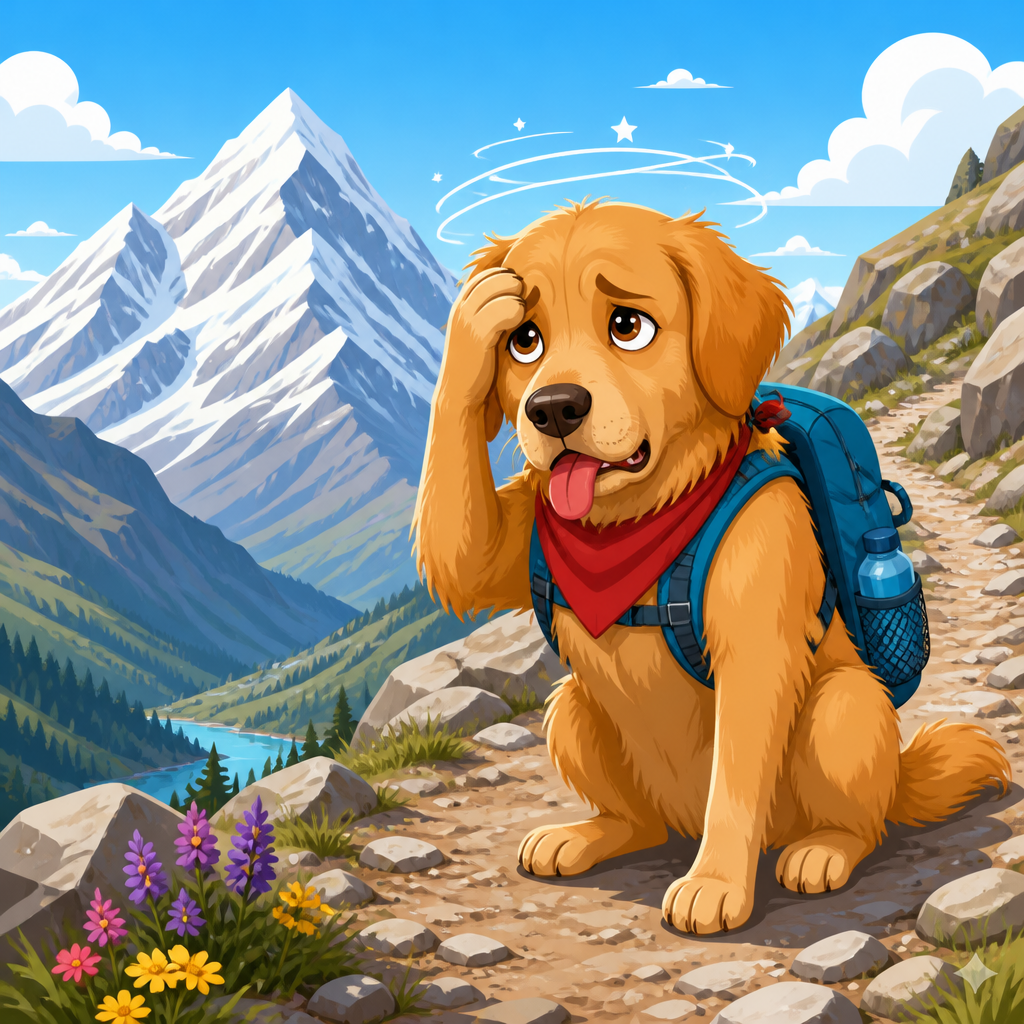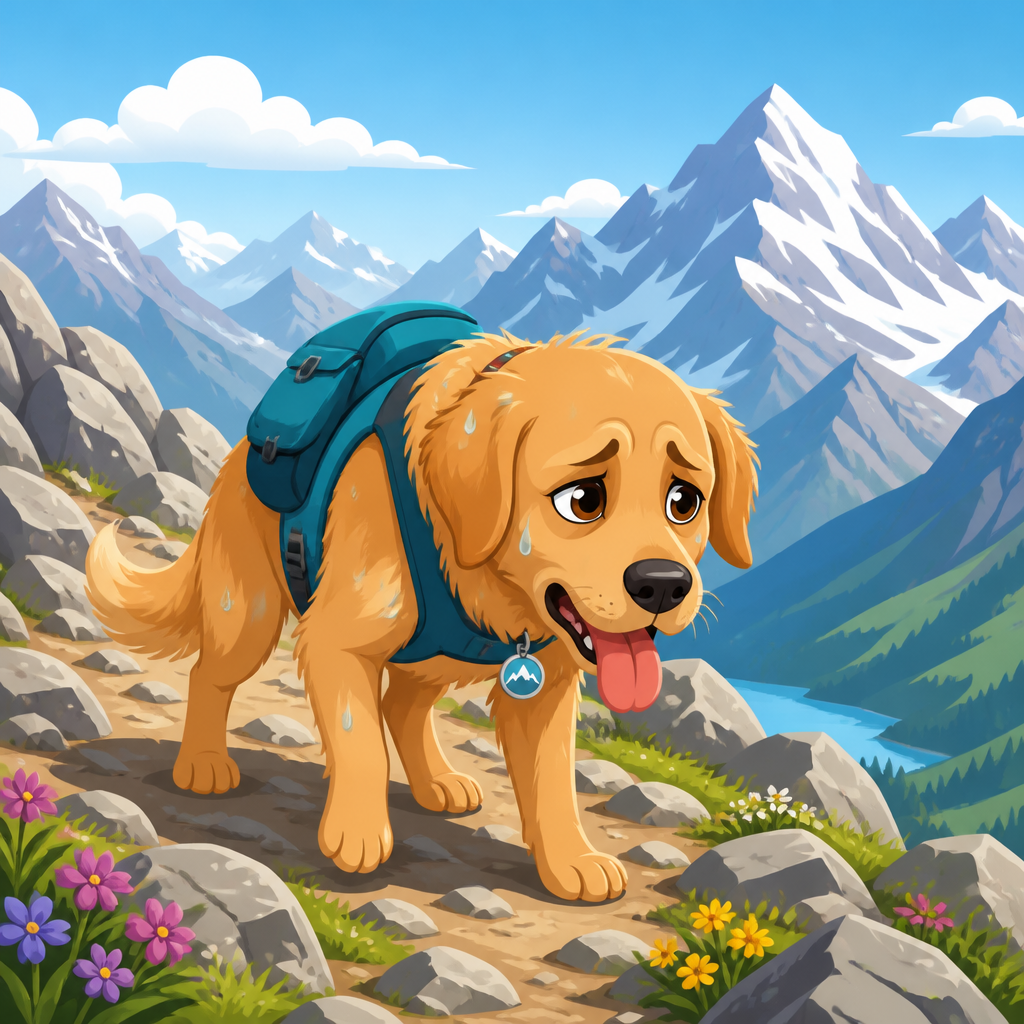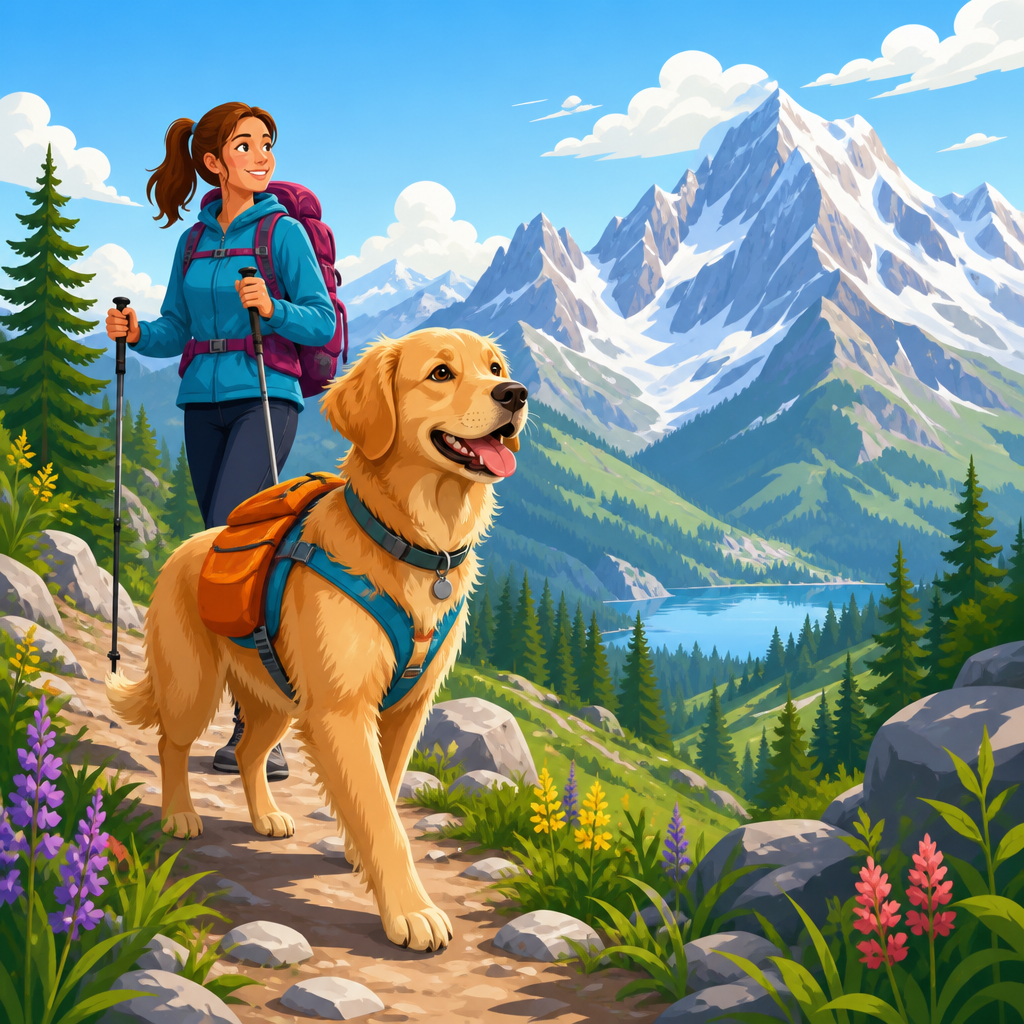
Dry mountain air changes how dogs eat, drink, recover, and perform on the trail. A routine that works at sea level often fails in alpine conditions because lower humidity, stronger sun, colder nights, and greater daily exertion all increase water loss while suppressing thirst in some dogs. For owners planning hikes, camping trips, or full-time mountain living, the best food and water routine for dogs in dry mountain air is not a single feeding chart. It is a system built around hydration timing, calorie density, electrolyte awareness, altitude adaptation, coat and paw condition, and trail-specific logistics. I have managed this routine with active dogs on long ridge hikes and multi-day camping trips, and the pattern is consistent: dogs do best when food and water are scheduled proactively rather than offered only when the dog appears thirsty or hungry. That matters because dehydration reduces stamina, slows thermoregulation, thickens saliva, increases gastrointestinal stress, and can turn a manageable hike into an avoidable emergency. This hub article explains the complete routine for mountain dogs and hiking, from daily hydration targets to meal timing, trail snacks, water safety, seasonal adjustments, and the practical gear that makes consistency possible in dry alpine environments.
Why dry mountain air changes canine nutrition and hydration
Dry mountain air increases insensible water loss, meaning dogs lose more moisture through breathing and normal body processes even before heavy exercise begins. At altitude, many dogs pant harder during climbs, and panting is a major route of evaporative cooling and fluid loss. Add reflective sun, rocky terrain, wind exposure, and long vehicle travel to trailheads, and the hydration burden rises quickly. Food routines are affected too. Some dogs burn significantly more calories during mountain activity, yet mild altitude stress or travel excitement can reduce appetite. That is why mountain feeding plans should focus on digestibility, energy density, and predictable gastrointestinal tolerance. In practice, I look for a complete and balanced food that uses named animal proteins, moderate fat for endurance, and stable fiber rather than abrupt formula changes before a trip.
Healthy dogs generally need about 0.5 to 1 ounce of water per pound of body weight per day at baseline, but active mountain dogs often need more, especially during long hikes in dry conditions. A fifty-pound dog may therefore need roughly 25 to 50 ounces on a normal day, with trail days pushing intake beyond that range. Exact needs vary with temperature, pace, elevation gain, coat type, age, and health status. Brachycephalic breeds, seniors, puppies, and dogs with kidney, heart, endocrine, or gastrointestinal disease need tighter management and veterinary guidance. Cold weather is not protective by itself. Dogs can dehydrate in winter mountains because cold suppresses thirst while respiration in dry air still strips moisture.
The key definition here is routine. A mountain routine means water is offered before thirst spikes, meals are portioned around exercise, and recovery starts the moment the hike ends. Owners who rely on ad hoc feeding usually see the same problems: gulping water after overexertion, vomiting after a large pre-hike meal, stool changes from random treats, or fading energy late in the day. A structured plan prevents most of that.
Building the daily food routine for mountain dogs
The best daily routine starts at home, not at the trailhead. Dogs adapt better when their feeding schedule is steady for at least a week before a demanding hike or mountain trip. For most healthy adult dogs, two meals per day work well: one meal after the morning activity window and one in the evening after recovery. If a dog hikes early, I usually avoid a full breakfast immediately before strenuous exercise because a large meal can increase the risk of nausea, cramping, or, in deep-chested breeds, contribute to bloat risk when paired with hard exertion. Instead, I use a small pre-hike snack, then feed the main meal after the dog has cooled down.
Food choice matters. Active mountain dogs often do well on performance-oriented formulas with adequate protein to preserve muscle and enough fat to support sustained effort. Protein quality is more important than marketing labels. Named ingredients such as chicken, salmon, beef, turkey, or lamb should be identifiable, and the food should meet AAFCO nutrient profiles for the dog’s life stage. Working and sporting formulas can be useful for dogs hiking several days per week, but they are not automatically better for every pet. A lower-activity dog that joins occasional hikes may simply need slightly larger portions on trail days rather than a richer formula that leads to weight gain at home.
Portion adjustments should be evidence-based. Use body condition score, stool quality, post-hike recovery, and weekly weight trends. Ribs should be easy to feel without heavy fat cover, and the dog should recover normal breathing and interest in food within a reasonable time after exercise. If stools become loose, the first step is not always changing brands. More often, owners are overusing trail treats or feeding too much at once after activity. Keep the base diet stable and make small changes in 10 percent increments.
For dogs on long mountain days, I prefer splitting calories across the day: a light pre-hike bite, measured trail snacks, then a full recovery meal. This supports energy without overloading the stomach. It also gives owners multiple points to assess appetite, which is one of the earliest signs that a dog is not coping well with altitude, heat, fatigue, or illness.
Water timing, quantity, and safe delivery on the trail
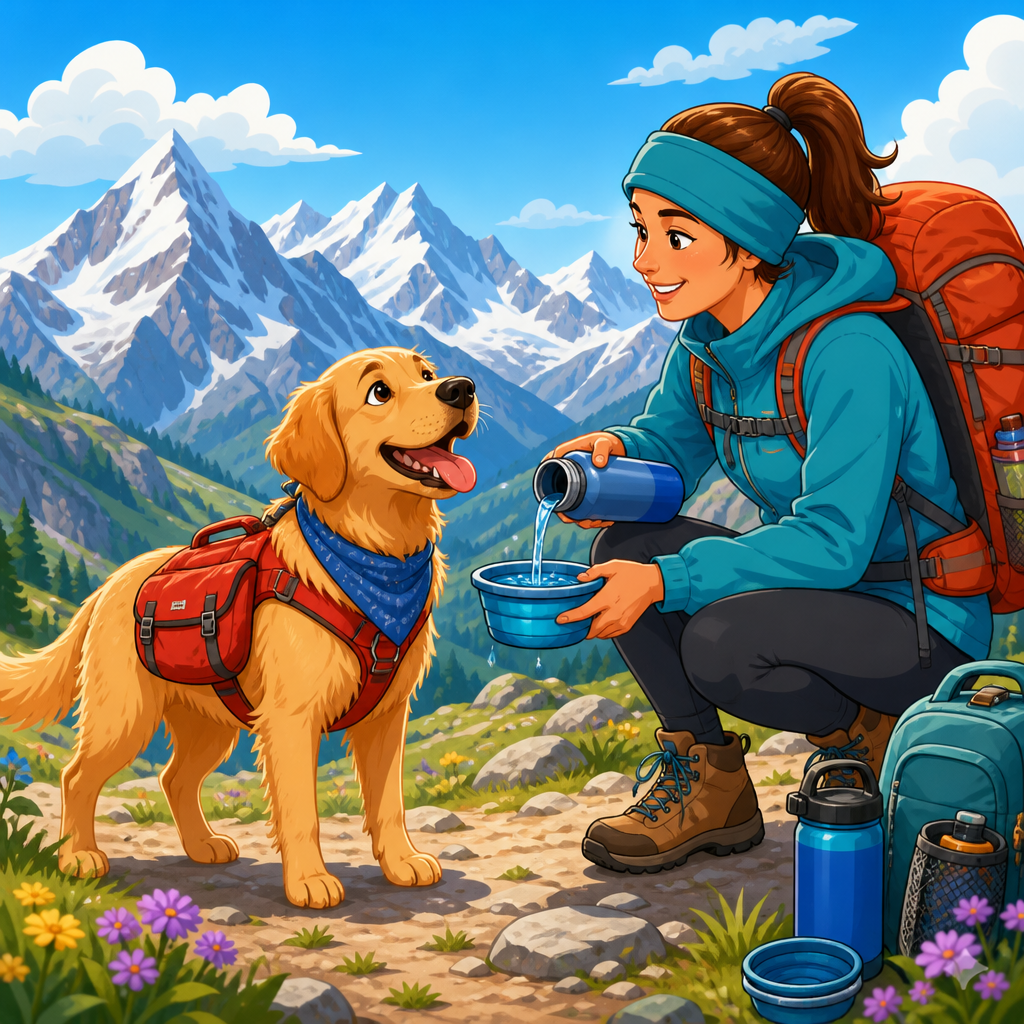
Dogs should arrive at the trail already hydrated. That means normal access to water overnight and an opportunity to drink before loading into the car. On the drive, offer small amounts during breaks, especially on long approaches to high trailheads where panting in a crate can quietly increase water loss. Once hiking begins, do not wait for intense panting before offering water. In dry mountain air, small frequent drinks are safer and more effective than infrequent large volumes. For many dogs, offering water every 15 to 30 minutes during active climbing is a practical rule, then adjusting based on weather, pace, and the dog’s enthusiasm for drinking.
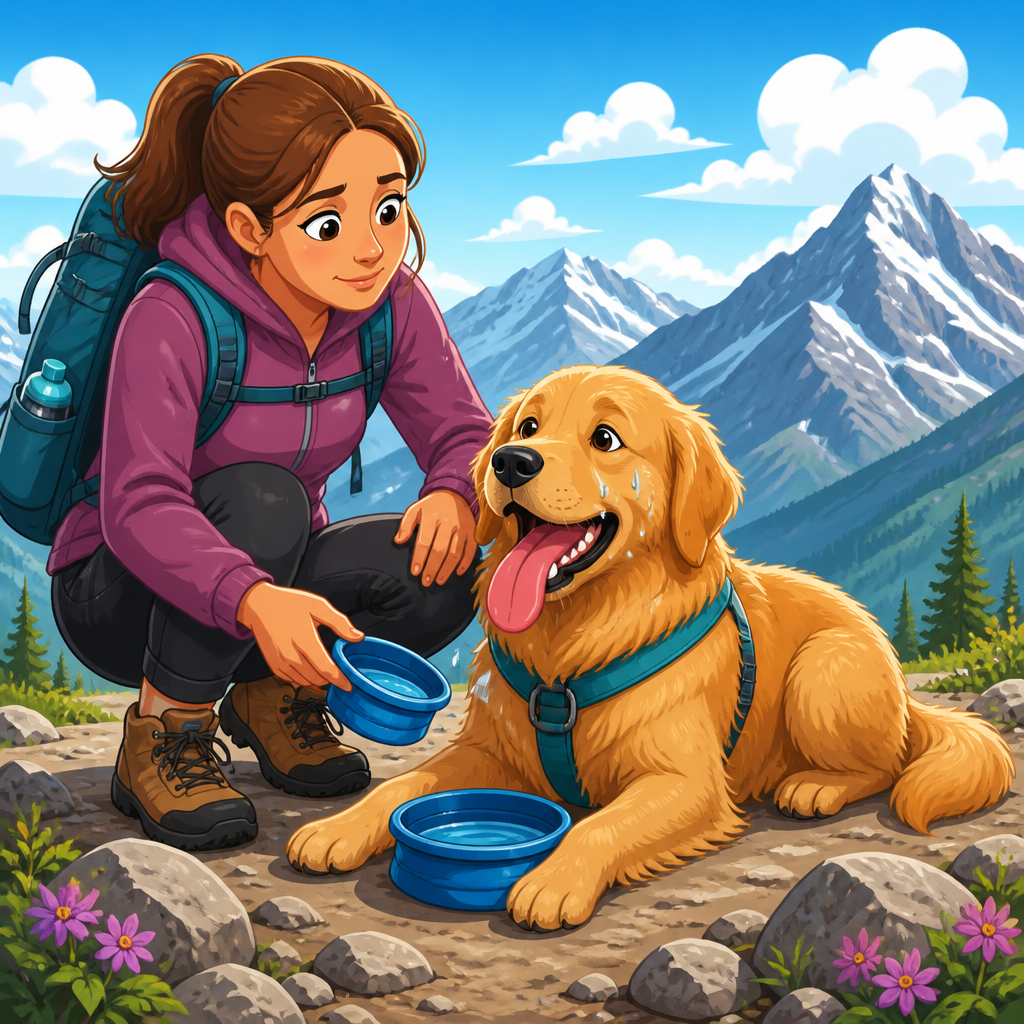
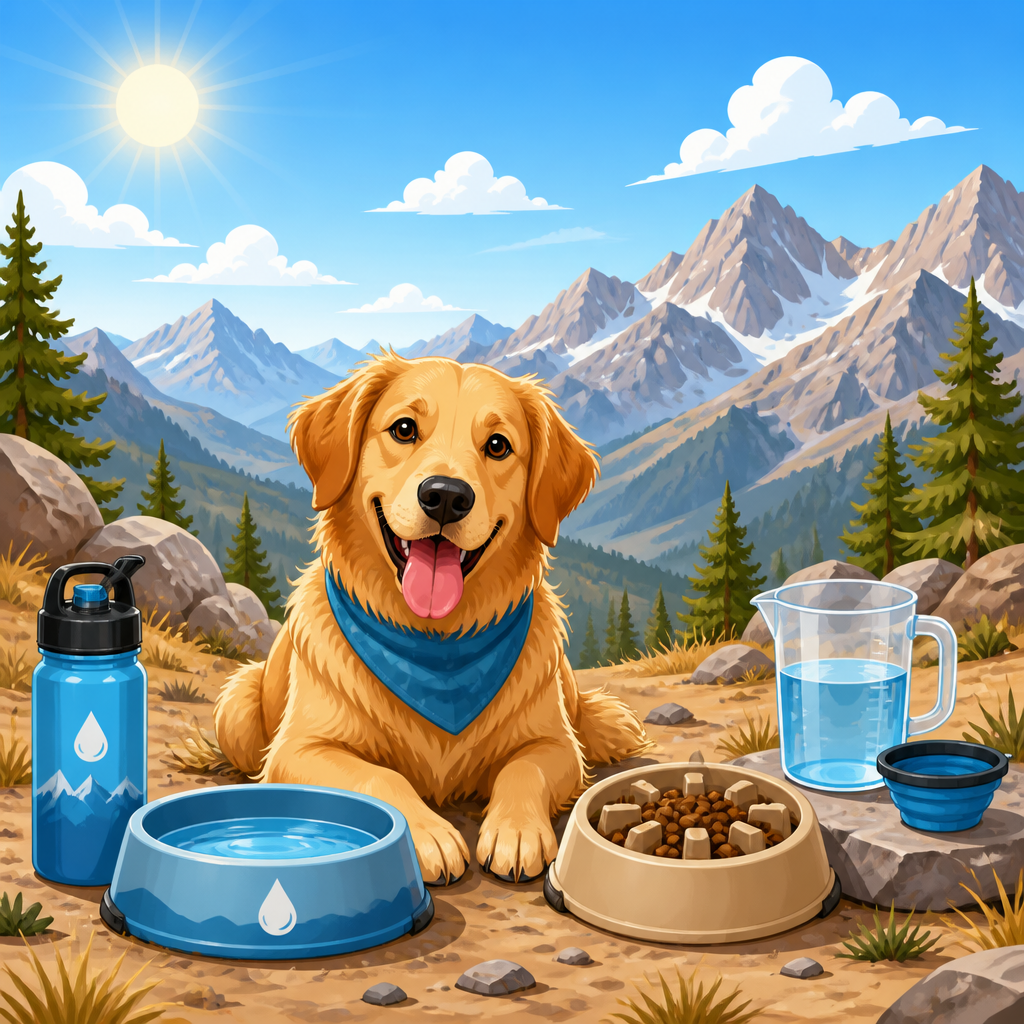
Use a collapsible bowl or a bottle with an integrated dog cup so you can meter intake. This matters because some dogs ignore streams and then gulp a large amount when they finally stop. Rapid overdrinking can trigger vomiting or discomfort, especially if the water is icy. During recovery, continue with controlled servings until breathing normalizes. If the dog is still panting heavily, seeking shade, or showing tacky gums, prioritize cooling, rest, and repeated small drinks.
Natural water sources in mountain areas are not automatically safe. Giardia, Cryptosporidium, blue-green algae, agricultural runoff, mine drainage, and bacterial contamination can all be present. Fast-moving water can still carry pathogens. I treat my dogs’ water the same way I treat my own when the source is uncertain. Filtration systems from brands such as Sawyer, Katadyn, and Platypus are practical for backpacking, while boiling or chemical treatment may be useful at camp. Avoid stagnant ponds, algae blooms, livestock troughs, and snowmelt pools near heavy animal traffic.
| Situation | Best practice | Why it works |
|---|---|---|
| Before a hike | Offer normal water access and a small drink at the trailhead | Starts the dog hydrated without creating stomach slosh |
| During steady climbing | Offer small drinks every 15 to 30 minutes | Prevents thirst lag and reduces gulping |
| After intense exertion | Rest in shade and give repeated small servings | Supports cooling and lowers vomiting risk |
| Using streams or lakes | Filter or carry known-safe water | Reduces pathogen and toxin exposure |
| Winter hiking | Offer lukewarm water more often | Cold suppresses voluntary drinking |
Trail snacks, recovery meals, and electrolyte caution
Trail snacks should solve a specific problem: maintaining energy on long outings without upsetting digestion. They should not replace the dog’s complete diet. I use small, familiar, high-value foods that travel well and have simple ingredient lists, such as pieces of dehydrated meat, measured training treats, or a portion of the dog’s kibble packed separately. On all-day hikes, snacks every 60 to 90 minutes can help highly active dogs, especially during sustained elevation gain. For shorter hikes under two hours, many dogs need only water unless they are very small, very young, or unusually hard working.
Recovery meals are where many owners make mistakes. A dog finishing a hard hike may act ravenous, but a massive meal immediately after exertion can lead to regurgitation or loose stool. I let the dog cool down first, rehydrate in stages, and then feed the main meal once breathing and posture are normal. Adding water to kibble can increase fluid intake, but do it only if the dog tolerates it well and the meal will be eaten promptly. Wet food can also help hydration, though it is less convenient on remote trips.
Electrolytes deserve caution. Most healthy dogs on complete commercial diets do not need sports drinks or homemade electrolyte mixes. Human products often contain too much sugar, inappropriate sodium levels, or sweeteners such as xylitol, which is toxic to dogs. In veterinary medicine, electrolyte support is reserved for specific cases such as significant fluid loss, heat injury, or illness, ideally under professional direction. For routine mountain hiking, clean water and a balanced diet are the correct default. If a dog repeatedly shows poor recovery, weakness, or vomiting despite good routine management, that is a veterinary problem to investigate, not a reason to improvise supplements.
Adapting the routine for altitude, season, and dog type
Not every mountain dog faces the same challenge. Dogs newly arriving from low elevation may eat less or tire sooner for a day or two, just as people sometimes do. The answer is a lighter first day, closer monitoring, and conservative pacing. Acclimatization matters. I plan shorter hikes for the first 24 to 48 hours at high elevation and watch for persistent lethargy, disorientation, unwillingness to continue, or abnormal breathing. While severe altitude illness is less documented in dogs than in humans, dogs can absolutely struggle at elevation, and dehydration makes every other stressor worse.
Season changes the routine. Summer requires more aggressive hydration scheduling, heat avoidance, and paw checks for hot rock. Winter requires moisture awareness despite lower visible sweat and panting. Snow can help a dog cool its mouth, but it should not be treated as an adequate water source because intake is inconsistent and cold exposure can discourage enough consumption. In shoulder seasons, wind and bright sun often create hidden dehydration even when temperatures feel mild.
Breed and body design also matter. Double-coated dogs may overheat on sunny climbs even in cool air, while lean short-coated dogs may need faster post-hike warmth and calories in cold weather. Small dogs can burn through energy quickly, and giant breeds may need stricter meal-exercise separation because of gastric dilatation-volvulus risk. Puppies should not be pushed into endurance work, and senior dogs often need more frequent rest, easier-to-chew foods, and closer observation of kidney function, dental comfort, and arthritis pain. Dogs with medical conditions should have individualized plans from their veterinarian, especially if they take diuretics, steroids, insulin, or anti-inflammatory drugs.
Hub essentials for mountain dogs and hiking
As the central guide for mountain dogs and hiking, this article connects the food and water routine to the broader system that keeps dogs safe outdoors. Hydration only works when paired with conditioning, route choice, and recovery. Start with fitness. A dog that hikes once a month is not conditioned for a steep eight-mile alpine push. Build gradually with shorter local walks, then add elevation, pack weight only if appropriate, and technical terrain last. Good fitness improves appetite regulation, drinking behavior, and heat tolerance.
Gear supports routine execution. Carry a measured water supply, backup purification, a collapsible bowl, leash, paw protection if terrain demands it, insulation for rest stops, and a canine first-aid kit. I also recommend knowing your dog’s normal gum moisture, resting energy, and stool pattern before any big trip. Those baselines make it easier to notice early dehydration or gastrointestinal stress. After the hike, inspect paws, check urine color when possible, and note whether the dog resumes normal drinking and eating within the next few hours.
Owners should also think about internal linking in practical terms by building a knowledge system around this hub: conditioning plans, paw care, backpacking checklists, wildlife safety, winter mountain routines, and first-aid response. Those topics all connect back to food and water because fueling errors often appear first as behavior changes on the trail. A dog that refuses water, lags behind, seeks shade repeatedly, or stops taking familiar treats is telling you something important long before collapse or vomiting occurs.
The best food and water routine for dogs in dry mountain air is proactive, measured, and flexible. Feed a stable, complete diet that matches workload. Time meals so strenuous exercise does not follow a large feeding. Offer small frequent drinks before, during, and after activity. Use safe water sources or treatment, not assumptions about clear streams. Adjust for altitude, season, age, breed, and medical status. Most trail problems I see are not caused by remote wilderness hazards but by simple preventable mistakes: starting slightly dehydrated, overfeeding before a climb, relying on random treats, or waiting too long to offer water. When owners fix those basics, dogs hike farther, recover faster, and stay safer in dry mountain conditions. Use this hub as your starting point, then build a complete mountain routine for your dog before your next trip.
Frequently Asked Questions
How does dry mountain air change my dog’s food and water needs compared with lower elevations?
Dry mountain air increases fluid loss in ways many owners do not notice at first. Dogs lose water through panting, breathing, normal body processes, and activity, and those losses rise when humidity drops, sun exposure increases, trails become steeper, and temperatures swing between warm afternoons and cold nights. At the same time, some dogs do not feel as thirsty as expected, especially when they are excited, distracted, or focused on the trail. That combination means a dog can become mildly dehydrated before an owner sees obvious warning signs.
Food routines also change because digestion and exertion compete with one another. A meal schedule that works at home may feel too heavy before a long hike, yet too little food can leave a dog flat, slow to recover, and more prone to muscle fatigue. In mountain conditions, the best routine usually shifts toward planned hydration before, during, and after activity, along with meals timed to support energy without overloading the stomach. Instead of relying on one large feeding and whatever water the dog chooses to drink, owners usually get better results with smaller, well-timed water opportunities and meals adjusted to workload, weather, and overnight recovery.
In practical terms, expect your dog to need more attention to water access, more frequent drink breaks, and closer observation of appetite, energy, urine concentration, and stool quality. A good mountain routine is less about rigid numbers and more about building a reliable system: hydrate early, offer water often, avoid extreme feeding right before hard effort, and increase calories thoughtfully when the dog is consistently working harder than normal.
What is the best daily water routine for a dog in dry mountain air?
The best water routine is proactive, not reactive. Do not wait for your dog to act thirsty. Begin hydration well before activity starts by making sure your dog has easy access to water in the morning and drinks normally before heading out. Once on the trail, offer small amounts regularly rather than encouraging one large drink after a long stretch. Frequent drink breaks are usually easier on the stomach, more effective for maintaining hydration, and more realistic for dogs that get distracted outdoors.
During hikes or active days, use terrain, temperature, and effort level to guide how often you stop. Dogs climbing exposed trails in strong sun generally need more frequent water breaks than dogs walking shaded forest paths. Cold weather does not eliminate risk, because dogs still lose moisture through panting and respiration, and cold, dry air can be surprisingly dehydrating. After activity, continue the routine instead of assuming the day is done. Offer water again during cooldown, at camp, with the evening meal, and before bed. Many dogs recover better when hydration is spread throughout the entire day.
If your dog is reluctant to drink, make water more appealing. Some owners have success with cool fresh water, separate travel bowls instead of squeeze bottles, or adding a small amount of moisture to meals. Wet food or water mixed into kibble can also help increase total fluid intake. What matters most is consistency. A strong mountain hydration plan means your dog is getting fluids before exertion, during exertion, and after exertion, rather than trying to make up losses all at once.
How should I adjust my dog’s feeding schedule for hiking, camping, or active days in the mountains?
For active mountain days, meal timing often matters as much as meal amount. Many dogs do better when they avoid a full, heavy meal immediately before strenuous activity, especially if the day includes steep climbing, fast movement, or travel by car to the trailhead. A large pre-hike meal can leave some dogs sluggish or uncomfortable. Instead, many owners find success with a lighter meal several hours before activity, followed by the main calorie replacement after the hike when the dog has cooled down and is ready to rest.
Dogs doing repeated long hikes, backpacking trips, hunting work, or full-time mountain living may need more total calories than they do at home. However, that increase should be made gradually and based on body condition, stamina, and recovery rather than guesswork alone. If your dog is finishing hikes leaner, hungrier, slower to bounce back, or visibly dropping weight, it may be time to increase food. For sustained activity, splitting food into two or even three smaller feedings can help maintain energy while reducing digestive strain.
Hydration should stay tied to feeding. Adding water to kibble, using moisture-rich foods, or offering a drink shortly after meals can support overall intake. At camp, a recovery-focused evening meal is often the most important one of the day because it helps replace calories used on the trail and supports overnight repair. If the next day will also be active, a good evening meal plus consistent water access overnight and in the morning usually sets a dog up better than a large meal right before departure.
What are the warning signs that my dog is not getting enough water or is struggling with the mountain environment?
Early signs of trouble can be subtle. A dog that is slightly dehydrated may pant more than usual, seem less interested in food, become unusually tired, slow down on climbs, or stop seeking engagement on the trail. You may also notice tacky or dry gums, darker or more concentrated urine, reduced urine output, or slower recovery after rest stops. Some dogs become cranky, restless, or reluctant to continue, which owners sometimes mistake for stubbornness when the real issue is fluid loss, fatigue, or altitude-related stress.
More serious warning signs require immediate attention. These include repeated vomiting, diarrhea, weakness, stumbling, confusion, collapse, excessive lethargy, refusal to drink, very pale gums, or breathing that seems abnormally hard even after rest. Heat stress can happen in mountain settings too, especially on exposed trails where strong sun reflects off rock and dogs work hard in thin, dry air. Cold nights add another layer because recovery suffers when a dog is chilled, underfed, or dehydrated at the end of the day.
The safest approach is to watch trends, not just dramatic symptoms. If your dog is drinking less than usual, eating poorly, and recovering slowly over a day or two in the mountains, something in the routine needs to change. More frequent breaks, easier mileage, better access to water, extra meal moisture, and earlier camp stops can make a major difference. If symptoms are severe, persistent, or out of proportion to the level of activity, contact a veterinarian promptly.
What is the best overall food and water system for dogs living or adventuring regularly in dry mountain air?
The best overall system is one that treats hydration and nutrition as a daily rhythm instead of isolated events. Start each day by checking your dog’s baseline: energy, appetite, gum moisture, stool quality, and interest in water. Build the day around planned drink opportunities before the trail, during rest breaks, after exertion, and again at camp or at home. Pair this with a feeding schedule that supports the dog’s workload, usually by avoiding overly large pre-activity meals and emphasizing recovery nutrition later in the day.
For regular mountain dogs, consistency is powerful. Carry enough water for both you and your dog instead of assuming natural sources will be available or safe. Offer water in a familiar bowl whenever possible. Use meals with adequate quality protein and fat for sustained activity, and adjust portions gradually if your dog is working harder or burning more calories in cold, dry conditions. Moistening meals can help dogs who underdrink, and splitting calories across the day often improves energy and digestion.
Just as important, match the routine to the individual dog. Age, breed, coat type, fitness, health conditions, and trail intensity all change what “best” looks like. A senior dog on moderate walks will need a different system than a young, high-drive dog covering big mountain miles. The goal is simple: maintain steady hydration, stable energy, good recovery, and normal appetite. If your routine delivers those results day after day, you are on the right track. If it does not, mountain conditions are usually asking for more structure, more fluid timing, and smarter meal placement rather than just more food or more water at random times.