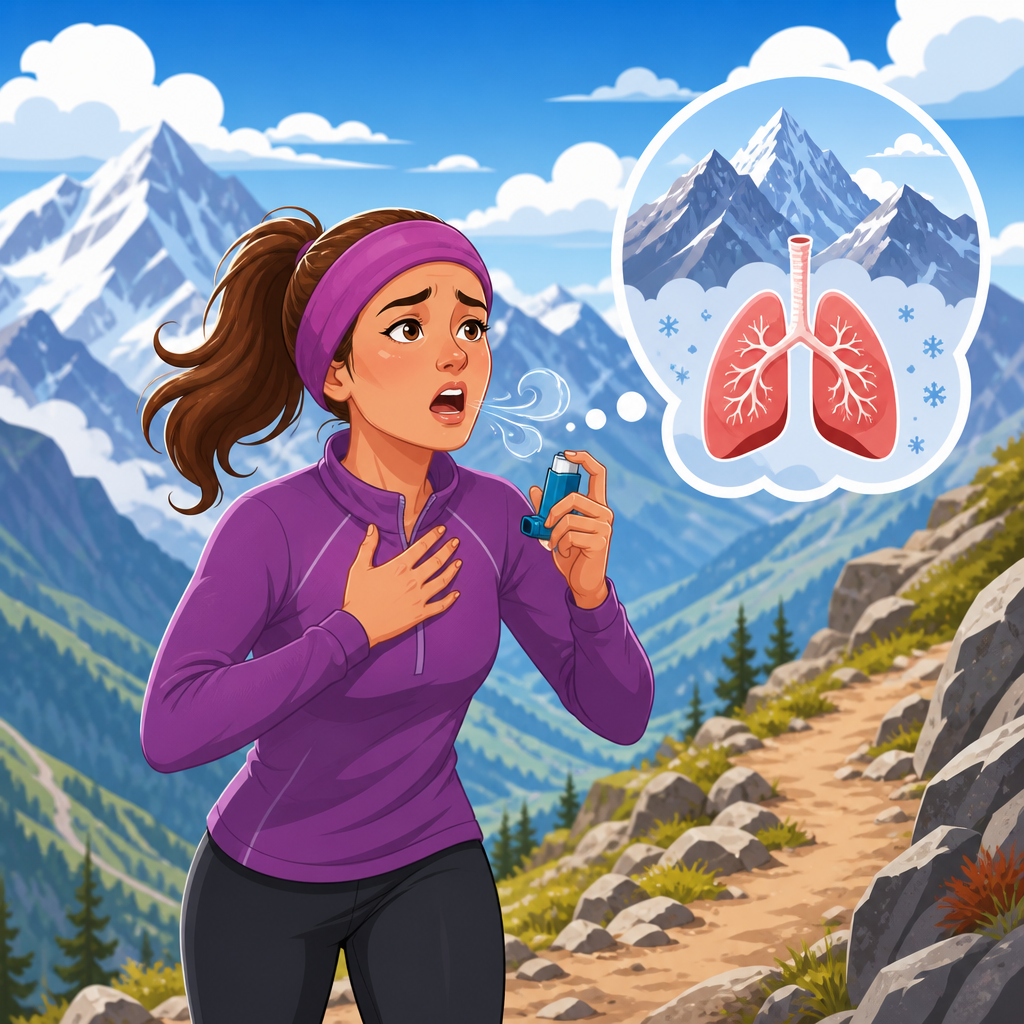
Remote altitude travel turns ordinary medication management into a risk-control exercise, because distance from pharmacies, reduced oxygen, cold exposure, dehydration, schedule disruption, and evacuation delays can all magnify the consequences of a missed dose, spoiled drug, or unstable chronic condition. A medication backup plan is a written, tested system for keeping essential prescriptions available, effective, documented, and usable if your primary supply fails. In practice, that means carrying redundant quantities, protecting drugs from temperature and moisture, aligning refill timing with your itinerary, preparing proof for border or security checks, and matching every medication to the specific physiological stresses of elevation. This matters most for travelers with asthma, COPD, hypertension, coronary disease, diabetes, sleep apnea, clotting disorders, severe allergies, and other chronic conditions, but healthy trekkers taking short-term prescriptions also benefit. I have built these plans for mountain trips where weather closed airstrips, guides split loads across pack animals, and return dates slipped by days. The lesson is consistent: at altitude, small medication problems become operational failures fast. Good pre-trip medical planning prevents those failures by replacing assumptions with checklists, buffers, and clear contingencies before you leave home.
Start with a clinical inventory, not a packing list
The first step in pre-trip medical planning is to create a medication inventory that links each drug to its purpose, dose, timing, route, storage needs, and failure consequences. Most travelers begin by counting tablets. That is too late in the process and too narrow. Start by listing every prescription, over-the-counter medicine, inhaler, injectable, medical device, and rescue treatment you rely on. Include the generic and brand name, strength, dosing schedule, prescriber, pharmacy, refill number, expiration date, and the minimum amount you need to remain stable for the full itinerary plus delay days. This inventory becomes the core document for your backup plan and supports the rest of your respiratory, cardio, and chronic conditions travel preparation.
For each item, classify it by criticality. Life-sustaining or relapse-preventing medicines need the highest redundancy. Examples include insulin, anticoagulants, seizure medication, beta blockers, antiarrhythmics, maintenance inhalers, corticosteroids for adrenal insufficiency, and epinephrine auto-injectors. Symptom-relief medicines, such as simple analgesics, are important but easier to replace or substitute. Then identify single points of failure. A traveler with asthma may have enough controller medication but only one rescue inhaler. A person with hypertension may have tablets but no updated prescription record if luggage is lost. A CPAP user may have a machine but no adapter, filter, or battery strategy. In remote altitude settings, these are not minor oversights; they are reasons for descent, evacuation, or dangerous delay.
Altitude-specific review matters because several common drugs interact with ascent physiology. Diuretics can worsen dehydration. Sedatives may aggravate sleep-related breathing instability. NSAIDs can affect kidney function if combined with dehydration. Acetazolamide, often used for acute mountain sickness prevention, can interact with other medicines and change urination patterns. Travelers with pulmonary or cardiovascular disease need clinician review of oxygen needs, exertional limits, and blood pressure targets before they build quantity plans. The output of this stage should be a clear document you can hand to a physician, pharmacist, trip leader, or family member without further explanation.
Calculate quantity buffers and separate supplies intelligently
A reliable medication backup plan for remote altitude travel uses planned redundancy, not guesswork. My standard rule is to carry enough medication for the full trip plus a conservative delay buffer based on the hardest-to-reach segment of the itinerary. For road-based travel with daily town access, a three- to five-day buffer may be adequate. For trekking, expedition climbing, fly-in lodges, or regions with weather-dependent extraction, a seven- to fourteen-day buffer is usually more realistic. If seasonal storms, permit restrictions, political delays, or cargo limits are common, increase the reserve. The right buffer depends on how long you could be delayed without access to your normal pharmacy, not on the scheduled return date printed on the ticket.
Redundancy also means physical separation. Keep the primary supply with you, never in checked baggage, and place a secondary supply in a different bag carried by you or a trusted companion. If one pack is lost in a river crossing, loaded onto the wrong vehicle, or delayed at a bush airstrip, your trip does not immediately become a medical problem. For couples or teams, I often recommend mirrored micro-kits for the most critical therapies: one daypack kit, one duffel kit, and one emergency pocket module containing the next twenty-four hours of essential doses. This approach is especially useful for rescue inhalers, nitroglycerin, glucose treatments, and anti-seizure rescue medications.
Use original labeled containers whenever possible, but balance that with field practicality. Large pharmacy bottles are bulky and may expose the full supply every time you open them. A common solution is to retain original labels, carry a photo of each label, and repack a working amount into smaller pharmacy-labeled containers prepared by your pharmacist when available. Never combine different tablets in one unmarked bottle for remote international travel. It complicates emergency care, customs inspection, and dose verification. If your route includes internal flights with strict weight limits, document your medical need for carry-on exceptions in advance.
Protect medication from temperature, moisture, pressure, and light
Many medication failures in mountain travel are storage failures. High camps can freeze overnight, vehicles can overheat in the sun, and constant condensation can degrade tablets, strips, sensors, and paper instructions. A strong backup plan maps each medication to its acceptable storage range and then uses protective layers to keep it there. This matters for insulin, biologics, liquid antibiotics, eye drops, nitroglycerin, some emergency injectables, and many diagnostic supplies. Even dry tablets can crumble or lose integrity after repeated moisture exposure inside a jacket pocket.
Cold is frequently underestimated. Medications carried close to the body during the day can still freeze in a tent vestibule or external pack pocket at night. I advise storing temperature-sensitive medicines in an insulated pouch inside the sleeping bag area during subfreezing conditions, while preventing direct contact with chemical warmers unless the manufacturer permits it. Heat damage is just as real at altitude because solar radiation is intense and sealed vehicles trap warmth. Do not leave medicine kits on dashboards, in roof boxes, or near stove heat. Use desiccant packs where appropriate, keep labels legible, and protect blister packs from crushing. Metered-dose inhalers, glucose meters, pulse oximeter batteries, and adhesive sensors all deserve the same storage planning as tablets.
| Item | Main Risk at Altitude | Backup Measure |
|---|---|---|
| Insulin | Freezing overnight or overheating in transit | Insulated pouch, split supply, temperature monitoring habit |
| Rescue inhaler | Loss, crushing, empty canister | Carry two inhalers in separate locations, confirm dose counter |
| Nitroglycerin | Heat and moisture reducing potency | Original container, body-carry, check expiration before departure |
| CPAP battery | Cold reducing battery performance | Charge fully, protect from cold, carry power adapter redundancy |
| Epinephrine auto-injector | Temperature extremes and inaccessible placement | Keep on person, second device in backup bag, review use steps |
If a medication has narrow storage rules, ask your pharmacist for the manufacturer’s handling guidance and document it in your trip folder. Do not rely on memory. In remote care situations, written storage notes help you decide whether a drug is still usable after a freeze event, prolonged heat exposure, or accidental soaking. When the answer is uncertain, your backup supply is what preserves options.
Coordinate clinicians, prescriptions, and documentation before departure
Strong pre-trip medical planning depends on timing. Ideally, schedule your medication review four to six weeks before departure, earlier if visas, vaccinations, or specialist clearance are involved. That window allows dose changes to stabilize, refill restrictions to be addressed, and any trial of altitude-related medications to happen at home rather than on the trail. Ask the prescribing clinician to review ascent profile, sleeping elevation, exertion level, remoteness, and access to medical care. For travelers under cardiology or pulmonology care, a written summary with diagnoses, baseline vitals, recent test results, and contingency guidance can be more useful than a stack of visit notes.
Request documentation in plain language. The ideal packet includes a current medication list, copies of prescriptions, a diagnosis summary, known allergies, required devices, and a letter stating why controlled medicines, injectables, sharps, oxygen equipment, or batteries are medically necessary. International travelers should verify whether any medication is restricted, requires import approval, or is known by a different brand name in the destination country. Embassy websites, national customs authorities, and airline medical desks are more reliable than social media forums. Keep digital copies offline on your phone and in cloud storage, and print a hard copy sealed against moisture.
Pharmacists are often underused in this process. They can identify duplicate therapies, timing conflicts across time zones, stability concerns, and practical packaging solutions. They can also explain what to do if vomiting, diarrhea, or appetite loss interferes with absorption. For anticoagulants, insulin, inhaled therapies, and biologics, this counseling is especially valuable. If your insurer limits early refills, ask about vacation overrides. If a medication is frequently back-ordered, secure it well before your departure month. A backup plan built around a medication you still have not obtained is not a plan.
Build condition-specific contingencies for altitude and isolation
The hub function of pre-trip medical planning is to connect general preparation to condition-specific risk. Travelers with respiratory illness should confirm baseline control, inhaler technique, trigger management, and when to escalate treatment. At altitude, cold dry air and exertion commonly worsen bronchospasm, so carrying a spacer, knowing your personal action plan, and separating controller from rescue medication are basic safeguards. People with COPD or interstitial lung disease may need altitude simulation testing, oxygen planning, or stricter ascent limits. A pulse oximeter can support trend awareness, but symptoms and clinician guidance matter more than a single reading.
For cardiovascular conditions, define exertional ceilings and emergency thresholds before departure. Stable hypertension often remains manageable with careful adherence, hydration, and pacing, but uncontrolled blood pressure, recent angina, decompensated heart failure, or significant arrhythmia warrant specialist review before remote altitude exposure. Travelers taking anticoagulants should have a bleeding response plan and know how trauma, delayed care, and drug interactions affect decision-making. For diabetes, backup planning must cover insulin storage, hypoglycemia treatment, meal variability, extra testing supplies, and the effect of cold on meters and sensors. Glucose can run high with stress and altitude illness, then drop quickly with prolonged climbing effort.
Sleep apnea, severe allergies, migraine disorders, inflammatory bowel disease, and seizure disorders each add their own backup requirements. CPAP users need verified power solutions and a realistic decision about whether the route supports therapy use. People at risk of anaphylaxis should carry two epinephrine auto-injectors and ensure companions can recognize symptoms. Those with seizure disorders should protect dosing regularity despite early starts, disrupted sleep, and nausea. The key principle is simple: for every chronic condition, identify the most likely altitude-related failure mode, then match it with a redundant medication supply, a written response plan, and a clear trigger for descent or evacuation.
Train your team and rehearse the failure scenarios
The final layer of a medication backup plan is human reliability. Medication security is not just what you pack; it is what you and your companions can execute under fatigue, cold, and stress. Before departure, walk through realistic scenarios: a bag goes missing, snow delays exit for four days, vomiting prevents oral doses, an inhaler is empty, insulin partially freezes, or a team member is too confused to self-manage. Decide in advance who knows where medications are stored, who carries the backup list, and who can contact clinicians, insurers, or evacuation support. If the trip is guided, disclose essential conditions to the leader at a level that enables response.
Rehearsal should include practical skills. Demonstrate inhaler and auto-injector use. Confirm that tablets are sorted by local dosing times after time-zone changes. Label emergency medicines so another person can act quickly if you cannot. Test headlamp access to your night doses, and verify that gloves do not prevent device use. On longer trips, set a daily medication check routine that includes dose count, storage status, battery level for medical devices, and next resupply milestone. This is not excessive caution; it is standard expedition discipline. The best backup plan is the one that still works when weather worsens, plans slip, and everyone is tired. Review your medications, build redundancy, and leave with written contingencies rather than hope.
Frequently Asked Questions
What should a medication backup plan for remote altitude travel include?
A strong medication backup plan should cover four essentials: supply, protection, documentation, and failure response. Start with enough medication for the full itinerary plus a realistic buffer for weather delays, route changes, transportation disruptions, or a slower-than-expected descent. For critical prescriptions, many travelers use a primary supply and a physically separate backup supply so one lost or damaged bag does not eliminate access. Pack medicines in clearly labeled containers, keep them dry and temperature protected, and separate them across carry locations rather than storing everything in one pack. This is especially important in remote altitude environments, where cold can degrade some products, heat from direct sun can damage others, and freezing overnight in tents or vehicles can ruin certain liquid medicines, injectables, or devices.
Documentation matters just as much as the pills themselves. Bring a current medication list with generic and brand names, dosage, schedule, indication, prescriber contact information, pharmacy details, allergy information, and any prior adverse reactions. Include copies of prescriptions when possible, and carry a brief medical summary explaining chronic conditions such as asthma, diabetes, seizure disorders, heart disease, severe allergies, or adrenal insufficiency. If a guide, expedition leader, or travel partner may need to help in an emergency, make sure they know where the medications are stored, what the dosing schedule is, and which medicines are truly time-sensitive. A backup plan should also spell out what you will do if a dose is missed, a medication is vomited, spoiled, soaked, frozen, or left behind. That written plan is what turns a medication list into a practical risk-control system.
How much extra medication should I bring for a high-altitude trip?
In most cases, you should bring more than the exact number of doses required for the itinerary. Remote altitude travel often includes delays caused by storms, road closures, flight cancellations, evacuation bottlenecks, or extra acclimatization days. Even a short delay can become medically significant if it affects insulin, blood pressure medicines, anti-seizure medications, inhalers, antidepressants, anticoagulants, or other drugs where missed doses may trigger serious problems. A useful rule is to carry enough medication for the planned trip plus additional days beyond your expected return, with the exact margin depending on the remoteness of the route, the reliability of transport, and the consequences of interruption. The more remote the setting and the more critical the medication, the more conservative your buffer should be.
It also helps to think in layers rather than just total quantity. Keep one accessible working supply for daily use and another reserve supply that stays sealed and separate. If you are checking luggage during part of the journey, do not place all medication in checked bags; keep the essentials with you in transit. For long expeditions, review refill timing before departure so you are not forced to ration doses near the end. If your insurer limits early refills, address that well in advance with your clinician or pharmacy. For medications with a narrow therapeutic window or withdrawal risk, extra doses are not a convenience item; they are part of trip safety planning. The goal is to avoid being put in a position where weather, logistics, or altitude-related illness turns a simple refill problem into a medical emergency.
How do I protect medications from cold, heat, moisture, and altitude conditions?
Environmental protection is one of the most overlooked parts of medication planning for remote altitude travel. Medicines can lose effectiveness or become unsafe if they are frozen, overheated, exposed to repeated temperature swings, or damaged by condensation and moisture. At altitude, cold nights are often the biggest threat. Do not assume a medicine is safe just because it is in a backpack pocket or vehicle overnight. Some liquids, biologics, injectables, and device-based therapies can be permanently damaged by freezing. If a medication must be kept above freezing, store it close to your body during cold travel periods, use an insulated pouch, and avoid leaving it in unheated baggage compartments, tents, or parked vehicles. In bright sun, do the opposite: keep medications shaded and insulated, since dark packs left in direct sunlight can heat quickly.
Moisture control matters too. Snow, rain, river crossings, and condensation inside tents can all affect tablets, strips, labels, and paper instructions. Use waterproof bags or hard-sided containers, and keep desiccant only when appropriate and in the original packaging if instructed. Leave medications in labeled pharmacy containers when possible so identity and dosing remain clear. For medicines that require refrigeration or have strict temperature limits, ask your pharmacist exactly what the acceptable storage range is, how long the medicine can remain out of ideal conditions, and what signs indicate it should be discarded. Also confirm whether altitude itself changes the medication’s stability or the device’s function. Some delivery systems, meters, and aerosols can behave differently with pressure and temperature changes. The safest approach is to know the storage rules for each item in your kit before you leave, then build packing around those requirements rather than improvising in the field.
What documents and emergency information should I carry with my medications?
You should carry enough information for a clinician, pharmacist, guide, or rescue team to understand your medication needs without relying on memory. At minimum, bring a written medication list that includes the drug name, strength, exact dosing schedule, reason for use, prescribing clinician, pharmacy contact, and known allergies. List both generic and brand names because the same medication may be recognized differently in different places. Include over-the-counter drugs, supplements, rescue medications, and anything used only as needed, such as epinephrine auto-injectors, inhalers, migraine medication, motion sickness tablets, or altitude-related prescriptions. If you have a condition that can deteriorate rapidly when treatment is delayed, such as diabetes, epilepsy, severe asthma, adrenal insufficiency, or anaphylaxis risk, make that highly visible on the first page of your paperwork.
It is also wise to carry copies of prescriptions and a short clinical summary from your physician when appropriate, especially if you use controlled substances, injectable therapies, oxygen-related equipment, or medications that could raise questions during transport or at border crossings. Add emergency contacts, insurance details, evacuation membership information if applicable, and a note describing what to do if you are confused, unconscious, or unable to self-administer. If there are medicines that should not be substituted, state that clearly. Keep one paper copy with your medications and one digital copy accessible offline on your phone. If traveling with partners, make sure at least one other person knows where the documents are and how to use them. In remote settings, this kind of preparation can save valuable time when communications are limited and local care options are far away.
How can I test my medication backup plan before leaving for a remote high-altitude trip?
The best backup plans are not just packed; they are rehearsed. Before departure, run through your plan exactly as you would use it in the field. Confirm that every medication is current, correctly labeled, and packed in the right protective containers. Check expiration dates, dose counts, device function, spare batteries if needed, and storage needs for each item. Then walk through failure scenarios: What happens if your primary medication pouch is lost? If a storm delays your exit by several days? If you develop vomiting and cannot keep oral medicines down? If one of your medicines freezes overnight? If you become too fatigued, hypoxic, or confused to manage your own schedule? Your written plan should answer each of those questions clearly.
It is also smart to review the plan with your prescribing clinician or travel medicine specialist before you go, particularly if you have chronic illnesses or take drugs that interact with dehydration, reduced appetite, sleep disruption, or altitude illness treatments. Ask specifically whether your dosing should change if you are eating less, exerting more, or using medications such as acetazolamide, dexamethasone, anti-nausea drugs, or pain relievers. If you use rescue therapies, practice with the device and make sure your travel companions know when and how to help. Finally, test the logistics: can you access the reserve supply without unpacking everything, can labels still be read in low light, and can someone else identify your critical medications quickly? A backup plan is effective only if it still works when you are cold, tired, short of breath, and far from help. That is why a pre-trip rehearsal is one of the most valuable safety steps you can take.