Cold mountain air can make you feel surprisingly thirsty, even when sweat is minimal and the landscape looks frozen, and understanding why matters for comfort, safety, skin health, eye health, and day-to-day performance. Many people assume dehydration is mainly a hot-weather problem, yet in higher, colder environments the body loses water through breathing, dry air exposure, heavier clothing, altitude-related physiology, and reduced thirst awareness. I have seen this firsthand on winter hikes and ski trips: people carry less water because they do not feel hot, then end the day with headaches, chapped lips, dry eyes, fatigue, and an odd sense that they cannot quite warm up. Thirst in cold mountain weather is not a contradiction. It is a predictable response to how the body regulates temperature, oxygen, and fluid balance.
To define the key terms, thirst is the brain’s signal that fluid intake should increase, dehydration is a state in which the body loses more water than it takes in, altitude refers to elevations high enough to change oxygen availability and breathing patterns, and low humidity means the air contains little moisture. Mountain weather often combines all four factors at once. That combination affects everyday health and comfort far beyond athletic performance. It influences skin barrier function, tear film stability in the eyes, nasal dryness, sleep quality, headaches, energy, and even how warm your home or hotel room feels overnight. Because this article serves as a hub for everyday health and comfort, it also connects the mountain-thirst question to broader practical concerns: winter indoor dryness, hydration habits, skin care basics, eye comfort strategies, and simple home adjustments that reduce avoidable symptoms.
The practical point is straightforward: if you understand why cold mountain weather increases fluid loss and dulls the normal cues to drink, you can prevent many common problems before they escalate. Mild dehydration can impair concentration, worsen fatigue, and increase the chance of dizziness or constipation. At altitude, those same symptoms can overlap with early altitude illness, making self-assessment harder. People with contact lenses, eczema, rosacea, sinus issues, or frequent nosebleeds often notice symptoms faster because cold, dry air stresses already sensitive tissues. Families traveling to ski towns often blame the trip itself when children become irritable, adults wake with dry mouths, and everyone feels unusually thirsty by afternoon. In reality, the environment is doing exactly what physiology predicts. Once you know the mechanisms, the solutions become practical, consistent, and easy to apply in daily life.
Why cold mountain weather increases thirst
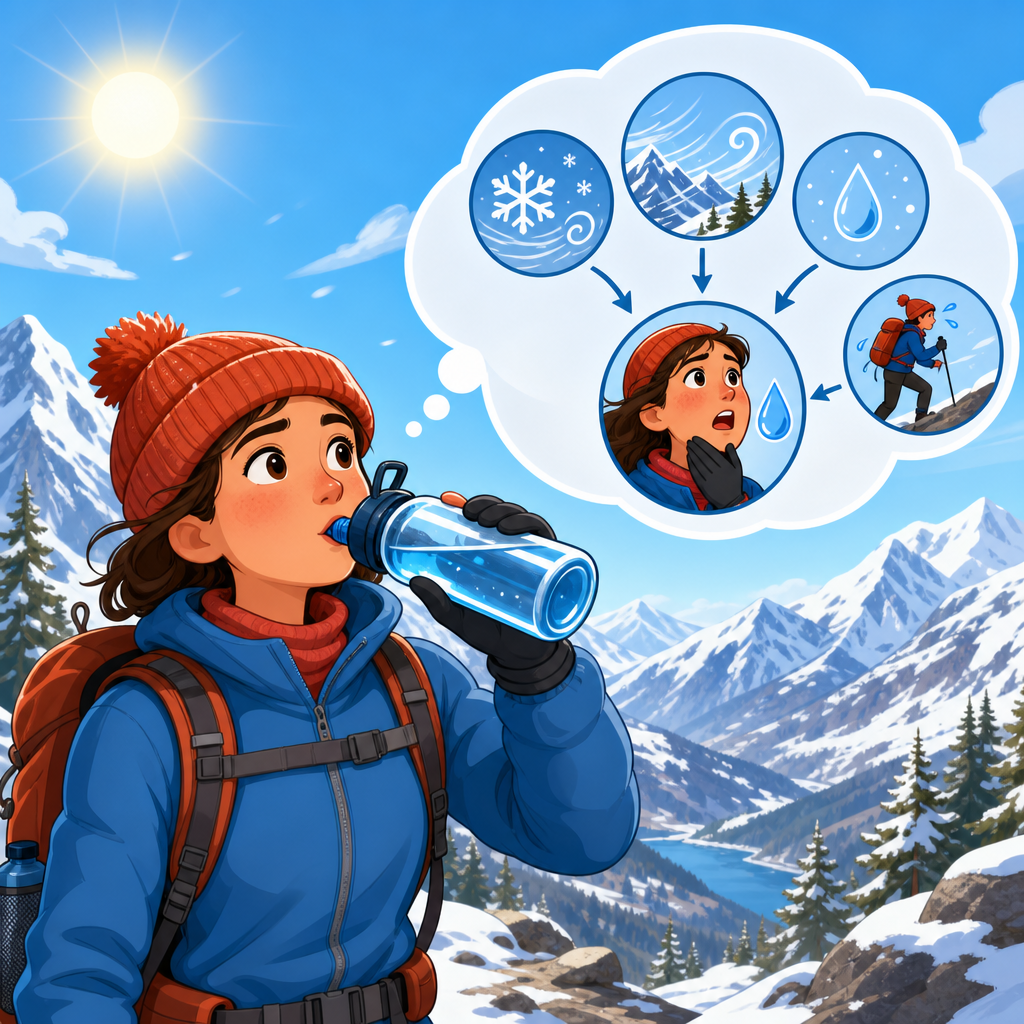
The main reason you feel thirstier in cold mountain weather is increased water loss through respiration. Cold air holds less moisture than warm air, and mountain air is often especially dry. Before that air reaches the lungs, your body must warm it and humidify it to nearly full saturation. Every exhalation then releases water vapor. The faster you breathe, the more moisture you lose. At higher elevations you usually breathe more rapidly and more deeply because oxygen pressure is lower. That means altitude and dry cold work together: you are losing extra water with nearly every breath, even if your clothing stays dry and you never notice sweat.
There is also a well-known effect called cold-induced diuresis. When you are exposed to cold, blood vessels in the skin constrict to conserve heat. That shifts more blood toward the body’s core. The kidneys interpret that shift as excess central fluid volume and respond by making more urine. In plain terms, cold weather can make you pee more, which contributes to fluid loss. This is one reason people often visit the bathroom more frequently during winter outdoor activities. Add coffee, tea, or alcohol at a lodge, and losses can rise further, especially if fluid intake has already been lagging.
Another factor is that thirst perception often falls behind actual need in cold environments. Heat makes fluid loss obvious because sweat is visible and the sensation is urgent. Cold does the opposite. You may not feel sweaty, so you underestimate how much water you have lost. Gloves, layers, lift lines, and travel logistics also create friction around drinking. People avoid taking off gear, do not want to carry bottles, or simply forget. I regularly see people drink less on a freezing hike than on a warm walk of the same duration, even though mountain breathing has increased losses the whole time. The result is a delayed thirst signal that suddenly catches up later in the day, often alongside headache, dry lips, and fatigue.
Altitude, dry air, and the body systems you notice first
Altitude changes several body systems at once, which is why mountain dryness feels different from ordinary winter weather at sea level. Lower oxygen pressure stimulates ventilation, so you breathe more. Increased breathing raises insensible water loss, the moisture lost without obvious sweat. At the same time, the dry environment pulls water from exposed tissues. The eyes can feel gritty because the tear film evaporates faster. The nose and throat can feel raw because mucous membranes dry out. Skin on the lips, cheeks, and hands often becomes tight or flaky because the stratum corneum, the outer barrier layer, loses water more readily in low-humidity conditions. When people say, “The mountains dry me out,” that is not vague. It is an accurate summary of what is happening to multiple body surfaces simultaneously.
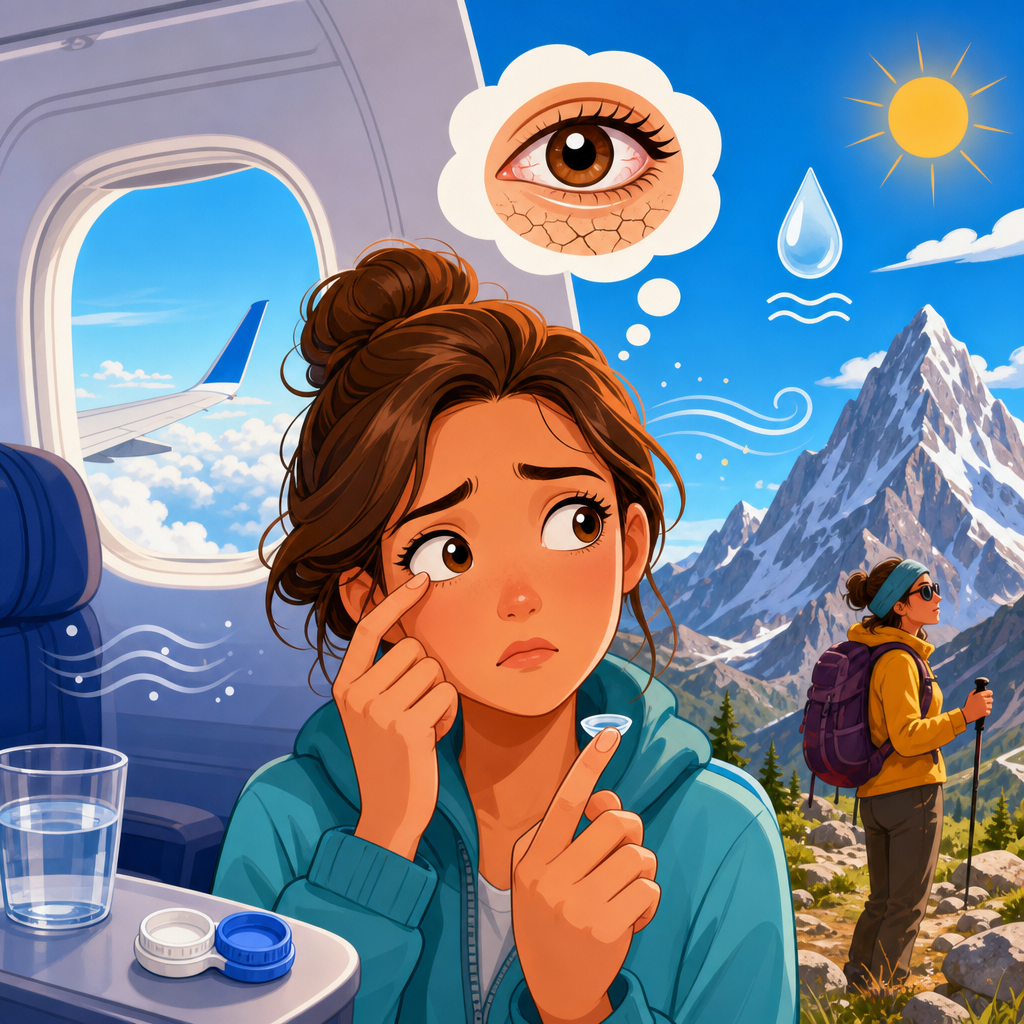
This is why thirst in the mountains often appears alongside other comfort issues. Dry skin and dehydration are related but not identical. You can have dry skin from environmental exposure even if overall hydration is decent, and you can be mildly dehydrated without dramatic skin symptoms. Still, they commonly travel together because the same environment promotes both. Contact lens wearers are a good example. In resort towns and cabins, indoor heating lowers humidity further. After a day outside, lenses may feel uncomfortable, eyes may sting, and the person may also be drinking too little. Similarly, someone with eczema may notice more itching and assume the problem is only skin care, when low fluid intake, hot showers, and dry indoor air are all contributing.
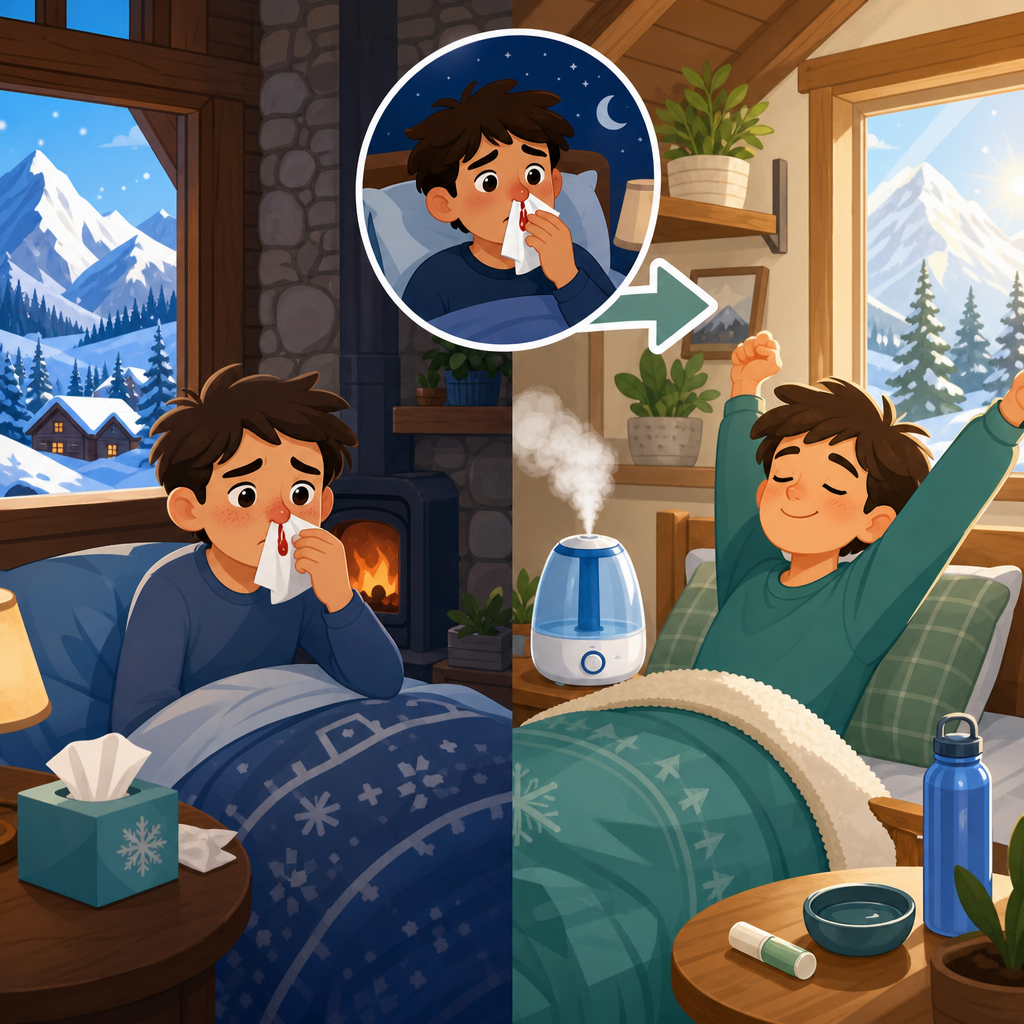
Mountain weather can also affect sleep and morning comfort. At altitude, some people breathe faster or wake more often at night during the first days of exposure. Bedrooms are frequently overheated and under-humidified. That combination leads to dry mouth, cracked lips, thirst on waking, and sometimes morning headaches. These are common everyday health complaints, not just outdoor sports issues. They matter because they influence mood, recovery, and how well you function the next day. When the simple needs of hydration, humidity, and barrier care are addressed early, many of these symptoms improve quickly.
Common signs you are getting behind on fluids
People often expect severe thirst to be the first sign of dehydration, but in cold mountain weather the earlier clues are usually subtler. A mild headache, unusual tiredness, reduced concentration, dizziness when standing up, darker urine, and a dry or sticky mouth are more common. You may notice your lips feel tight, your breath seems dry, or your heart rate rises more than expected during a walk uphill. Skin may look dull, but skin appearance alone is not a reliable hydration test. A better practical check is to watch urine color, bathroom frequency, and how consistently you are drinking small amounts through the day.
It is also important to separate simple dehydration from problems that need more caution. At altitude, headache, nausea, fatigue, and poor sleep can point to acute mountain sickness as well as low fluid intake. Drinking water helps if dehydration is part of the picture, but it does not treat altitude illness on its own. If symptoms are worsening, accompanied by vomiting, confusion, severe shortness of breath, or poor coordination, the safer response is to stop ascending and seek medical evaluation. Everyday comfort advice should never blur that distinction.
| Situation | What is happening | What to do |
|---|---|---|
| Dry mouth and dark yellow urine after a ski morning | Likely under-drinking plus respiratory water loss | Drink water steadily, eat a salty snack, take a warm indoor break |
| Gritty eyes and contact lens discomfort in a heated lodge | Low humidity increasing tear evaporation | Use lubricating eye drops, limit lens wear, increase room humidity |
| Cracked lips and tight facial skin | Cold wind and low humidity damaging the skin barrier | Apply petrolatum-based lip balm and a ceramide moisturizer |
| Headache, nausea, poor sleep after rapid ascent | Possible altitude illness, not just dehydration | Rest, avoid further ascent, hydrate, and seek medical advice if symptoms persist |
How to stay hydrated and comfortable in daily mountain life
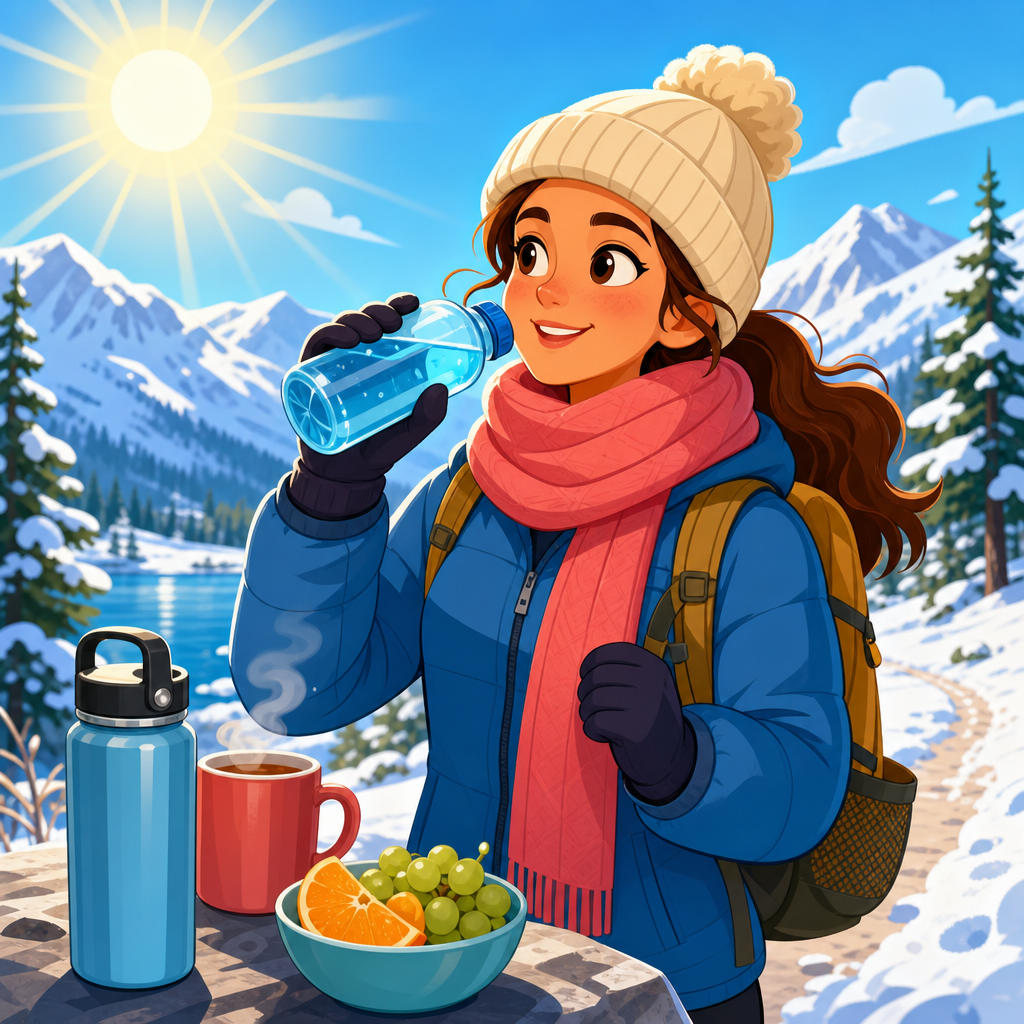
The most effective strategy is to drink on a schedule rather than waiting for strong thirst. For most adults, that means starting the day with water, drinking with meals, and taking regular sips during activity. The exact amount varies with body size, elevation, exertion, and diet, so rigid one-size targets are less useful than consistent habits and symptom tracking. If you are active for several hours, include electrolytes when sweating, breathing hard, or urinating frequently. A sports drink, oral rehydration mix, or water paired with salty food can work. The goal is not extreme fluid loading. Overdrinking can dilute sodium, especially during prolonged exercise. The goal is steady replacement that matches losses reasonably well.
Food choices matter more than people think. Soups, oatmeal, fruit, yogurt, and water-rich meals help maintain hydration without feeling like a chore. Caffeine in moderate amounts is generally acceptable for regular users, but it should not be your entire fluid plan. Alcohol deserves more caution because it can worsen sleep, increase urine output, and reduce judgment about cold exposure and fluid needs. On ski vacations I advise people to treat après-ski drinks as extras, not hydration. A glass of water before and after alcohol is a simple rule that prevents many next-day complaints.
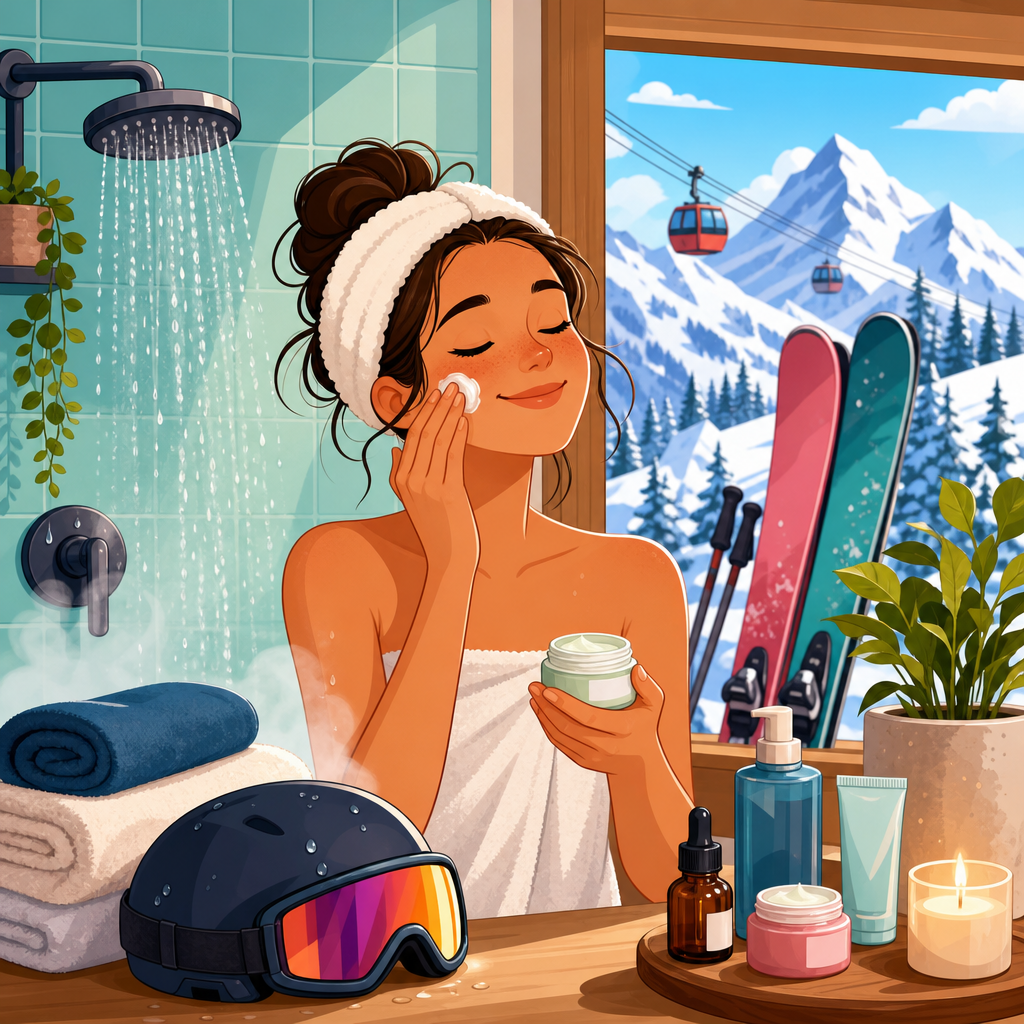
Comfort also improves when you protect the tissues that dry out fastest. Use a bland moisturizer with ceramides or glycerin on the face and hands, and apply it soon after washing. Petrolatum-based lip balm works better than many flavored products because it reduces transepidermal water loss and is less likely to sting irritated skin. For the eyes, preservative-free artificial tears can be useful, especially for contact lens wearers and anyone spending time in wind, bright snow glare, or heated indoor spaces. In lodging, a cool-mist humidifier can help if room air is very dry, though it must be cleaned properly to avoid microbial growth. Shorter lukewarm showers, not long hot showers, preserve the skin barrier better. These are small habits, but together they reduce the cycle of dryness, thirst, and discomfort that makes mountain weather feel harder than it should.
Making this article your hub for everyday health and comfort
Thirst in cold mountain weather is one of the clearest examples of how hydration, skin, eyes, and the indoor environment interact in daily life. The same principles apply at home in winter: dry air increases evaporation from skin and eyes, heating lowers indoor humidity, and people often drink less when they are not visibly sweating. That is why this topic belongs at the center of everyday health and comfort. If you understand one practical chain of cause and effect, you can solve several routine problems at once. Better hydration habits support energy and concentration. Better humidity management supports sleep, nasal comfort, and eye comfort. Better barrier care supports healthier skin and lips.
Use this page as your starting point for the broader subtopic. The mountain example points naturally to related questions people face every day: why skin feels tighter in winter, how to choose a moisturizer for a damaged barrier, when dry eyes are caused by screens versus dry air, how bedroom humidity affects sleep, and what simple home changes make heated spaces more comfortable. These are not isolated annoyances. They are linked by the same environmental mechanics and the same preventive habits. When people address them together instead of one by one, results come faster and are easier to maintain.
The key takeaway is simple: cold mountain weather makes you thirstier because dry air, heavier breathing, altitude, and cold-induced urination increase fluid loss while blunting the usual cues to drink. If you respond early with regular fluids, smart electrolyte use, skin and eye protection, and better indoor humidity, you prevent many common symptoms before they interfere with the day. Keep this principle in mind whether you are traveling to a ski town or managing winter comfort at home, and use the rest of the Everyday Health & Comfort hub to build a routine that keeps you hydrated, comfortable, and functioning well.
Frequently Asked Questions
Why can cold mountain weather make you feel thirstier even if you are not sweating much?
Cold mountain weather often hides how much water your body is actually losing. In warm conditions, sweat is obvious, so people naturally connect heat with dehydration. In cold environments, sweat may evaporate quickly or stay trapped in base layers and outerwear, making it less noticeable. At the same time, your body still loses fluid in several important ways. One of the biggest is breathing. Cold air is usually very dry, and every breath must be warmed and humidified before it reaches the lungs. That process uses water from your body, and at higher elevations you often breathe faster and more deeply, which increases fluid loss even more.
There is also the effect of altitude and cold on circulation. In cold weather, blood vessels near the skin constrict to preserve heat, which can temporarily shift more blood toward the body’s core. Your body may respond by producing more urine, a process sometimes called cold-induced diuresis. That means you can lose water without realizing it. Add in heavy clothing, uphill effort, dry wind, and the simple fact that people tend to drink less when they do not feel hot, and it becomes easy to understand why thirst can show up unexpectedly in the mountains. In short, minimal visible sweat does not mean minimal fluid loss. Cold, dry air and altitude can be surprisingly dehydrating, and thirst is often your body trying to catch up.
Does altitude increase dehydration risk in the mountains?
Yes, altitude can absolutely increase dehydration risk, and it does so in ways that are easy to overlook. As elevation rises, the air becomes thinner and usually drier. Your body compensates for lower oxygen levels by increasing breathing rate and depth, especially during exertion. Every exhale carries moisture out of the body, so the more you breathe, the more water you lose. This respiratory water loss is one of the main reasons people can become dehydrated in alpine environments without noticing the usual signs they associate with hot weather.
Altitude can also change how your body regulates fluids. Early in altitude exposure, some people urinate more often, which adds to fluid losses. If you are hiking, skiing, mountaineering, or simply moving around in layered clothing, your total water needs can rise further. Dehydration at altitude may also make common mountain problems feel worse. Headaches, fatigue, dry mouth, dizziness, poor concentration, and reduced physical performance can overlap with altitude-related symptoms, making it harder to tell what is going on. While drinking water alone does not prevent altitude sickness, staying well hydrated supports circulation, comfort, temperature regulation, and overall function. That is why steady fluid intake is such an important part of mountain travel, especially when the air is cold enough to trick you into thinking hydration is less important.
Why do my skin, lips, nose, and eyes feel drier in cold mountain air?
Cold mountain air is often extremely dry, and that dryness affects the tissues that are most exposed to the environment. Your skin naturally loses water to the air, but when the surrounding air is very dry, that water loss increases. Wind can make the effect even stronger by stripping away the thin layer of moisture that normally helps protect the skin’s surface. The result can be tight skin, flaking, itching, chapping, and irritation, especially on the face, hands, and lips. Heavier clothing may protect much of the body, but exposed areas take the full hit from cold, dry air and sun exposure.
Your nose and eyes are vulnerable for similar reasons. The nasal passages have to warm and humidify incoming air, and in very cold, dry conditions that can leave them irritated, dry, or even prone to nosebleeds. The eyes can feel gritty, watery, or tired because wind and low humidity disrupt the tear film that keeps the surface of the eye comfortable. Bright sun, snow glare, and UV exposure at elevation can add another layer of stress. These symptoms are not just about comfort; they are signs that your body is losing moisture to a demanding environment. Good hydration helps from the inside, but it also helps to use lip balm, moisturizer, UV-protective sunglasses or goggles, and practical face protection. In the mountains, dryness is not a minor side effect of winter scenery. It is part of how the environment steadily pulls moisture from the body.
Why is it easy to forget to drink water in cold weather?
Cold weather tends to blunt the usual cues that remind people to drink. In hot conditions, heat, sweat, and overheating create an obvious sense that fluid is needed. In cold mountain weather, those signals are weaker or less noticeable. You may not feel sweaty, your clothing may hide moisture, and you may be more focused on staying warm, navigating terrain, or keeping your hands functional than on taking a drink. Many people also naturally want warm beverages rather than cold water, and if fluids freeze, are packed away, or require stopping to access them, drinking becomes less convenient.
There is also a real physiological component. Thirst sensation may be reduced in cold conditions, which means you can be behind on hydration before you feel a strong urge to drink. Breathing losses, altitude effects, and cold-induced urination can continue in the background while your awareness lags behind. On winter hikes and mountain days, this creates a common pattern: people drink less than they need, then notice fatigue, headache, dry mouth, or reduced energy later on. That is why experienced hikers and mountain travelers often rely on habits rather than thirst alone. Drinking at regular intervals, checking urine color when possible, carrying insulated bottles or protected hydration systems, and planning warm drinks can all make it easier to stay on top of hydration when the cold is telling you that water is not a priority.
How can you stay properly hydrated in cold mountain conditions?
The most effective approach is to treat hydration as something you manage proactively rather than reactively. Start the day already well hydrated instead of trying to catch up once you are outside. Drink regularly before, during, and after time in the mountains, even if you do not feel especially thirsty. Small, steady sips are usually easier than waiting until you feel very dry or tired. If you are active for several hours, especially at altitude, pair water intake with electrolytes or food so that you replace not only fluid but also some of the minerals lost through sweat and normal body function. Warm drinks such as herbal tea or warm water with electrolytes can be especially helpful because people are often more willing to drink them in the cold.
Practical gear choices matter too. Use insulated bottles, keep them inside your pack or upside down if appropriate for freezing conditions, and check hydration hoses carefully because they can freeze quickly. Build drinking into your routine by taking a few sips at rest stops, trail junctions, or every set period of time. Pay attention to early signs of dehydration such as headache, unusual fatigue, dry mouth, darker urine, irritability, and declining performance. Also remember that hydration works alongside other protective habits. Moisturizer, lip balm, eye protection, breathable layers, and sensible pacing all help reduce how harsh the environment feels. In cold mountain weather, staying hydrated is not just about avoiding thirst. It supports endurance, clear thinking, circulation, skin and eye comfort, and overall safety when conditions are demanding.