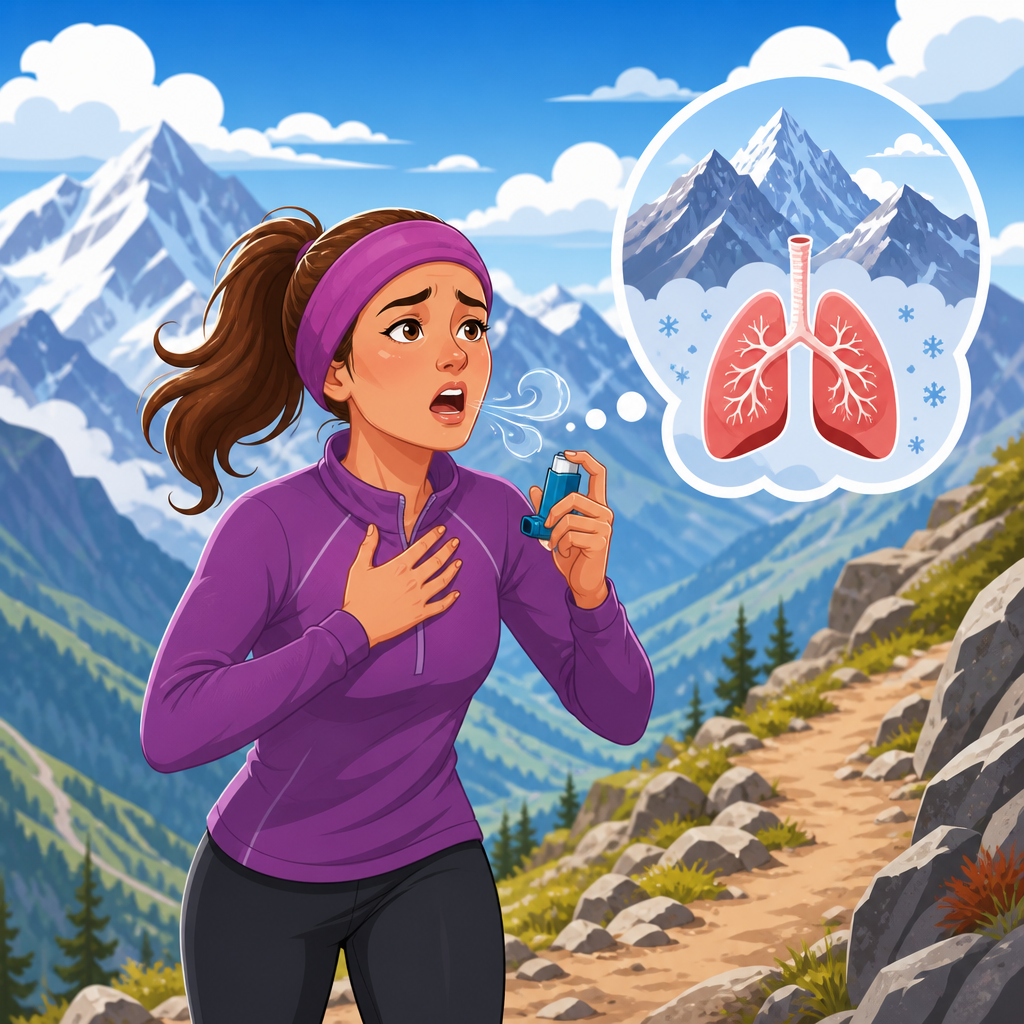
Pregnancy at altitude and visiting altitude during pregnancy are not the same physiological situation, even though both involve thinner air and reduced oxygen pressure. The difference matters because the body adapts very differently when a pregnant person lives for weeks, months, or generations at elevation compared with when they travel from sea level to a mountain destination for a short stay. In clinical terms, altitude usually refers to elevations above 1,500 meters, with moderate altitude often defined as 1,500 to 2,500 meters, high altitude as 2,500 to 3,500 meters, and very high altitude above that range. Pregnancy adds another layer because normal gestation already changes breathing, heart rate, blood volume, sleep, and oxygen demand. When I counsel patients planning mountain travel or managing a pregnancy in Denver, La Paz, Cusco, or rural Himalayan regions, the key question is not simply “Is altitude safe?” but “What kind of altitude exposure are we talking about, and what risks are shaped by duration, acclimatization, and underlying health?”
This distinction matters for fetal growth, maternal symptoms, travel decisions, and prenatal monitoring. A resident at altitude may be fully acclimatized, yet still face a different pattern of placental blood flow and a higher population-level risk of fetal growth restriction than someone spending four days at a ski resort. A visitor may have a normal placenta but struggle with acute mountain sickness, dehydration, overexertion, and disrupted sleep during a rapid ascent. The same oxygen challenge produces different outcomes because timing changes biology. For a hub page on pregnancy and altitude, it helps to separate chronic exposure from short-term exposure, then connect both to practical questions: how oxygen delivery works in pregnancy, what warning signs need urgent care, which conditions increase risk, what activities are sensible, and how prenatal follow-up should change. Understanding those differences allows better choices before conception, during travel planning, and throughout prenatal care.
At altitude, barometric pressure falls, so each breath contains fewer oxygen molecules even though the percentage of oxygen in air stays about 21 percent. In pregnancy, progesterone increases ventilation, tidal volume rises, and the diaphragm elevates as the uterus grows, which means many patients already feel more short of breath at baseline. Cardiac output and plasma volume also increase to support the placenta and fetus. Those normal adaptations usually work well at low elevation, but altitude reduces the margin for error. The placenta depends on steady uterine blood flow, and the fetus depends on maternal oxygen transfer. That is why altitude can affect both maternal comfort and fetal growth. The rest of this article explains how long-term residence differs from short visits, what science says about outcomes, and what pregnant travelers or residents should discuss with their clinician.
How pregnancy changes oxygen needs and why altitude amplifies the issue
Pregnancy is a high-demand state for oxygen delivery. Maternal oxygen consumption rises by roughly 20 percent over the course of gestation because the uterus, placenta, fetus, kidneys, and heart all require more energy. Ventilation increases early, largely driven by progesterone, which lowers arterial carbon dioxide and creates a mild respiratory alkalosis. That change actually helps move oxygen across the placenta, but it also means the pregnant body is already working harder to maintain gas exchange. At sea level, these adaptations are efficient. At altitude, lower inspired oxygen tension reduces arterial oxygen saturation, especially during sleep or exertion. In plain terms, a pregnant person can become breathless faster, desaturate more with activity, and have less reserve if illness occurs.
Shortness of breath by itself is common and not always dangerous, but altitude changes the context. A sea-level resident who flies to 3,000 meters may notice headache, insomnia, palpitations, and reduced exercise tolerance within hours because acclimatization has not occurred yet. A long-term resident at that same elevation may feel normal at rest because ventilation, hemoglobin concentration, and tissue oxygen handling have adapted over time. However, acclimatization is not the same as complete protection. Even well-adapted residents can show pregnancy-specific effects on uteroplacental circulation and fetal growth, particularly at higher elevations. The central rule is simple: visitors face acute adaptation stress; residents face chronic oxygen limitation with longer-term placental consequences.
Living at altitude during pregnancy: chronic exposure and placental adaptation
Pregnant people who live at altitude experience ongoing hypobaric hypoxia, and that chronic exposure affects the placenta more than many travelers realize. Studies from the Andes, the Rocky Mountains, and Himalayan populations consistently show that average birth weight declines as elevation rises, especially above about 2,500 meters. The mechanism is not that fetal oxygen disappears overnight; it is that sustained lower oxygen pressure can reduce uterine artery blood flow, alter placental vascular development, and limit nutrient delivery. In practice, clinicians watch more closely for fetal growth restriction when pregnancy occurs at high elevation, particularly if the mother is newly relocated rather than ancestrally adapted.
One important nuance is that populations with long multigenerational residence at altitude often show partial protection. Research in Andean and Tibetan groups suggests inherited and developmental adaptations can preserve uterine blood flow better than in lowland newcomers. That does not eliminate risk, but it changes the baseline. In my experience, this is where counseling needs precision: a healthy person living long term at 1,800 meters is in a very different situation from a recent transplant spending a pregnancy at 3,600 meters. The first may need routine care with attention to growth trends; the second may need serial ultrasounds, blood pressure monitoring, and lower thresholds for maternal-fetal medicine input.
Chronic altitude exposure also intersects with hypertensive disorders, anemia, and sleep-disordered breathing. If hemoglobin is elevated from altitude, it should not automatically be assumed that iron status is normal. High hematocrit can coexist with iron deficiency, and iron deficiency still matters for maternal fatigue and fetal development. Likewise, nocturnal oxygen drops can worsen symptoms in patients with obesity, asthma, or preexisting cardiopulmonary disease. The main clinical point is that living at altitude is not a travel scenario. It is an environmental condition that can shape placental performance across the entire pregnancy.
Visiting altitude during pregnancy: acute exposure and travel-related risk
Visiting altitude during pregnancy usually means rapid ascent without full acclimatization, and that creates a different set of concerns. The most common issue is acute mountain sickness, marked by headache, nausea, poor sleep, dizziness, and fatigue after ascent, often above 2,500 meters. These symptoms can overlap with normal pregnancy complaints, which makes them easy to dismiss. A mild first-trimester nausea pattern is different from new headache and vomiting that begin after arrival at altitude. The practical distinction is timing: if symptoms start after ascent and improve with rest, hydration, or descent, altitude is a likely driver.
Travel also adds behavior-related risks. Visitors often walk more, eat less, sleep poorly, and become dehydrated from dry air and increased respiratory water loss. A pregnant traveler who would be comfortable at home may overexert on hiking trails, ski slopes, or sightseeing itineraries. Because maternal oxygen saturation falls more during exertion than at rest, hard activity is often the trigger for symptoms. Most healthy pregnancies tolerate moderate altitude visits reasonably well when ascent is gradual and activity is conservative, but safety data are stronger for short stays at moderate altitude than for strenuous travel to very high elevation. Above roughly 3,500 meters, uncertainty increases, especially if access to medical care is limited.
The good news is that a brief visit does not appear to create the same sustained fetal growth effect seen with chronic residence. The placenta is not being exposed for months. The main risks are maternal illness, reduced reserve, and complications if an underlying condition is present. That difference is why clinicians often reassure healthy pregnant travelers about a weekend in a mountain town while being more cautious about living an entire pregnancy at very high altitude.
Key differences at a glance
| Issue | Living at altitude during pregnancy | Visiting altitude during pregnancy |
|---|---|---|
| Exposure pattern | Continuous, weeks to months | Short term, often rapid ascent |
| Main biological challenge | Chronic reduced oxygen pressure affecting placental function | Acute lack of acclimatization causing symptoms and reduced exercise tolerance |
| Typical fetal concern | Higher risk of fetal growth restriction at higher elevations | Usually minimal if trip is brief and pregnancy is uncomplicated |
| Typical maternal concern | Ongoing blood pressure, sleep, and oxygenation issues in vulnerable patients | Acute mountain sickness, dehydration, overexertion |
| Monitoring focus | Serial growth assessment and routine prenatal surveillance | Symptom recognition, hydration, pacing, descent if symptoms worsen |
Which pregnancies need extra caution before altitude exposure
Not every pregnant person faces the same level of risk. The highest-caution group includes those with preeclampsia risk factors, chronic hypertension, fetal growth restriction, significant anemia, asthma requiring frequent rescue medication, congenital heart disease, pulmonary hypertension, cyanotic heart disease, sickle cell disease, obstructive sleep apnea, or a history of serious altitude illness. Multiple gestation also deserves more caution because baseline oxygen demand is higher and preterm birth risk is already elevated. If a patient has placenta-mediated complications in a prior pregnancy, I discuss altitude more carefully because any factor that may reduce uteroplacental perfusion becomes more relevant.
Gestational age matters too. Early pregnancy symptoms can make acute mountain sickness harder to identify. Late pregnancy brings greater oxygen demand, more mechanical shortness of breath, and more logistical travel constraints. Commercial air travel is generally cabin-pressurized to an altitude that many healthy pregnant passengers tolerate, but remote mountain travel after 28 weeks raises practical issues: distance from obstetric care, weather-related delays, and limited evacuation options. Those are not theoretical concerns. In mountain medicine, access is part of risk assessment.
For healthy pregnancies, the usual advice is to favor moderate elevation, ascend gradually when possible, avoid maximal exertion, maintain hydration, and know where medical care is available. For high-risk pregnancies, individualized review is essential. A destination may be fine for one patient and inappropriate for another even at the same altitude.
Symptoms, warning signs, and when descent or urgent care is needed
The most important question many patients ask is what symptoms are expected and what symptoms are dangerous. Mild breathlessness with exertion can be normal in pregnancy and more noticeable at altitude. Mild headache on day one may reflect acute mountain sickness. However, severe or progressive headache, persistent vomiting, confusion, chest pain, blue lips, fainting, reduced fetal movement, vaginal bleeding, contractions, or shortness of breath at rest are not “normal altitude symptoms” to wait out. They warrant prompt medical assessment and often descent.
Clinicians should also distinguish altitude illness from obstetric emergencies. Headache and visual change could be acute mountain sickness, but in pregnancy they also raise concern for hypertensive disease. Leg swelling may be benign, yet unilateral swelling and chest symptoms require assessment for thromboembolism. Breathlessness with wheeze may be asthma, while breathlessness with crackles and marked desaturation raises concern for high-altitude pulmonary edema, a true emergency. Severe ataxia, confusion, or altered mental status suggests high-altitude cerebral edema and requires immediate descent and emergency care. Pregnancy does not protect against these conditions.
A practical rule works well: if symptoms are worsening despite rest, hydration, and stopping ascent, or if oxygen saturation is unexpectedly low for the setting, stop travel plans and seek evaluation. Portable pulse oximeters can help trend symptoms, but numbers must be interpreted in context because normal values drop somewhat with altitude.
Practical guidance for travel, exercise, and prenatal monitoring
For short visits, the safest plan is conservative. Sleep the first night at a moderate elevation if possible, keep the first twenty-four hours light, avoid alcohol, hydrate steadily, and eat regularly. Choose walking over intense hikes on arrival day. If sleeping above 2,500 meters, pay close attention to headache, nausea, and unusual fatigue. Acetazolamide is commonly used for altitude prevention in nonpregnant travelers, but medication decisions in pregnancy should be individualized with an obstetric clinician because risk-benefit decisions vary by trimester, indication, and alternatives. Self-prescribing is not appropriate.
For people living at altitude, prenatal care should include thoughtful growth surveillance rather than alarm. Fundal height trends remain useful, but ultrasound is more precise when growth is a concern. If the pregnancy is at high elevation or additional risk factors exist, serial fetal growth scans and blood pressure checks are reasonable. Nutrition, iron status, sleep quality, and management of asthma or cardiovascular disease deserve extra attention. Exercise is still beneficial in most uncomplicated pregnancies, yet exertion targets should reflect symptoms and environment. A pace that feels easy at sea level may be too aggressive at 3,000 meters.
The main benefit of understanding pregnancy at altitude versus visiting altitude is better decision-making. Chronic residence calls for long-view prenatal monitoring because the placenta is adapting across months. Short-term travel calls for symptom awareness, pacing, and contingency planning because acute acclimatization is the challenge. If you are pregnant and live in the mountains, ask about fetal growth follow-up and blood pressure surveillance. If you are planning a mountain trip, review your itinerary, health conditions, and gestational age with your clinician before you go.
Frequently Asked Questions
What is the main difference between being pregnant at altitude and visiting altitude during pregnancy?
The key difference is time for adaptation. A person who lives at altitude during pregnancy is exposed to lower oxygen pressure continuously, so their body has time to make physiologic adjustments that support both maternal health and fetal oxygen delivery. These adaptations may include changes in breathing patterns, circulation, blood volume, and placental function. In populations that have lived at altitude for generations, there may also be inherited traits that improve oxygen use and blood flow in low-oxygen environments.
By contrast, someone who normally lives at sea level and travels to the mountains while pregnant experiences a sudden change in oxygen availability. The body has not had weeks or months to acclimatize, so short-term responses such as faster breathing, elevated heart rate, disturbed sleep, dehydration, and altitude symptoms are more likely. That is why “living at altitude” and “visiting altitude” should not be treated as identical situations, even though both involve thinner air. The physiologic context is very different, and that difference matters when thinking about symptoms, exertion tolerance, and pregnancy-specific risk.
Why does altitude affect pregnancy differently in long-term residents than in short-term visitors?
Pregnancy already changes the cardiovascular and respiratory systems significantly. Blood volume expands, oxygen demands rise, and the placenta becomes the critical interface for delivering oxygen and nutrients to the fetus. At altitude, the lower partial pressure of oxygen adds another layer of stress. Long-term residents often adapt gradually, allowing the maternal body and placenta to function more effectively under those conditions. Over time, increased ventilation, altered vascular responses, and changes in uterine blood flow can help compensate for reduced oxygen availability.
Short-term visitors do not arrive with those adjustments in place. Instead, they rely on acute responses that are less efficient and sometimes uncomfortable. They may become short of breath more quickly, tire faster with walking or climbing, and be more prone to headaches, nausea, poor sleep, and reduced exercise tolerance. During pregnancy, those symptoms can overlap with normal pregnancy discomforts, making it harder to tell what is due to altitude versus what is due to pregnancy itself. This is one reason clinicians separate chronic exposure from brief travel exposure when discussing safety and risk.
Is it generally safe to visit high altitude while pregnant?
In many uncomplicated pregnancies, brief travel to moderate altitude may be tolerated, but “safe” depends on several factors: the elevation reached, how quickly the ascent occurs, how long the stay will be, what activities are planned, and whether there are any maternal or fetal complications already present. Altitude is commonly defined in clinical discussions as beginning above about 1,500 meters, and the physiologic effects usually become more noticeable as elevation increases. A healthy pregnant traveler going to a moderate mountain destination for a quiet stay is in a very different situation from someone planning strenuous hiking, rapid ascent, or travel to very high elevation.
Pregnant travelers should be more cautious if they have high blood pressure, heart or lung disease, anemia, placental concerns, fetal growth concerns, preeclampsia risk, or any pregnancy complication that could make reduced oxygen delivery more consequential. It is also important to recognize warning signs such as persistent severe headache, vomiting beyond expected pregnancy nausea, marked shortness of breath at rest, chest pain, fainting, reduced fetal movement later in pregnancy, or symptoms that suggest altitude illness. A personalized discussion with an obstetric clinician before travel is the best approach, especially if the destination is high, remote, or difficult to descend from quickly.
Does living at altitude during pregnancy increase risks for the baby?
Long-term pregnancy at altitude has been associated in some settings with a higher likelihood of fetal growth restriction or lower birth weight, particularly at higher elevations where oxygen pressure is significantly reduced. The proposed reason is that chronic hypoxia can affect placental blood flow and the amount of oxygen reaching the fetus. However, this is not a simple, universal rule. Risk varies by elevation, maternal health, nutrition, access to prenatal care, and whether the population has long-standing adaptation to altitude.
In fact, people from high-altitude populations may show better uterine artery blood flow and more effective placental adaptation than recent arrivals to the same elevation. So the question is not just “How high?” but also “For how long?” and “With what degree of biologic adaptation?” Good prenatal care is especially important in these pregnancies because clinicians may pay closer attention to maternal blood pressure, fetal growth, and signs of placental insufficiency. The presence of altitude does not automatically mean poor outcomes, but it does mean that monitoring and clinical context matter.
What practical precautions should a pregnant person take when traveling to altitude?
The safest approach is to ascend gradually when possible, stay well hydrated, avoid overexertion during the first day or two, and pay close attention to symptoms. Because pregnancy already increases fatigue and shortness of breath, even normal acclimatization can feel more intense than expected. Resting more, eating regularly, avoiding alcohol, and limiting strenuous activity early in the trip can reduce stress on the body. If the itinerary includes hiking, skiing, or remote travel, it is wise to scale back expectations and make sure descent is easy if symptoms develop.
It is also important to know that severe altitude illness is not something to “push through,” especially during pregnancy. Symptoms such as worsening headache, confusion, difficulty breathing at rest, inability to keep fluids down, bluish lips, or extreme weakness require prompt medical evaluation and often descent. Travelers should discuss medication use, trip elevation, and timing in pregnancy with their clinician ahead of time. In practical terms, pregnancy at altitude is about ongoing adaptation, while visiting altitude is about managing an acute environmental change carefully and conservatively.