Snow blindness on bright alpine days is a preventable eye injury, yet I still see hikers, skiers, climbers, and even experienced guides underestimate how quickly ultraviolet exposure can damage the cornea at altitude. In practical terms, snow blindness is photokeratitis: a sunburn of the corneal surface caused mainly by intense ultraviolet radiation, especially UV-B, reflected from snow and ice. The condition is painful, disruptive, and often completely avoidable with the right eyewear, timing, habits, and trip planning. As the hub for Eye Care & Vision within Daily Life, Skin, Eyes & Home Comfort, this guide explains how snow blindness happens, who is most at risk, what prevention methods work best, how to choose protective sunglasses or goggles, and what first aid steps matter if symptoms begin. It also connects this specific mountain hazard to broader everyday eye care, including dry eye management, UV protection, contact lens safety, home comfort, and long-term vision preservation.
Bright alpine terrain creates a near-perfect setup for overexposure. Fresh snow can reflect up to 80 percent of ultraviolet radiation, far more than grass, soil, or water, and UV intensity increases with elevation because the atmosphere is thinner and filters less radiation. Add cold air, wind, dehydration, and reduced blinking from concentration or speed, and the eye’s natural defenses are strained. Many people assume snow blindness only happens on bluebird days at extreme altitude, but I have seen mild cases develop during overcast tours because clouds do not block all UV, and reflected light remains intense. Understanding the risk matters because untreated symptoms can leave a person temporarily unable to descend safely, drive, read terrain, or manage equipment. Prevention is simpler than recovery, and in the mountains, simple measures are often the difference between a strong day and an emergency.
What snow blindness is and why alpine snow makes it worse
Snow blindness is acute photokeratitis, sometimes accompanied by photoconjunctivitis. The corneal epithelium absorbs ultraviolet energy, especially wavelengths below 320 nanometers, and enough exposure causes microscopic injury to surface cells. Symptoms usually do not peak immediately. Like skin sunburn, the damage often declares itself several hours later, which is why people may feel fine during the climb and become miserable in the hut or on the drive home. Typical symptoms include severe eye pain, a gritty or sandy sensation, tearing, redness, eyelid swelling, blurred vision, halos, marked light sensitivity, headache, and an urge to keep the eyes closed.
Alpine conditions amplify exposure in four ways. First, altitude increases UV intensity, with a commonly cited rise of roughly 10 to 12 percent per 1,000 meters, though exact values vary by atmospheric conditions and surface albedo. Second, snow reflects radiation upward into the eyes, bypassing the protection offered by brow ridges or hat brims. Third, broad open slopes reduce shade and create prolonged exposure windows. Fourth, wind and cold dry the tear film, making the ocular surface less resilient. That combination explains why mountaineers have long relied on glacier glasses with side shields and why modern ski goggles are built around wraparound coverage, not just dark lenses.
Who gets snow blindness and what raises the risk
Anyone outside on snow can get snow blindness, but risk climbs with duration, elevation, reflection, and inadequate coverage. Skiers, snowboarders, alpine climbers, snowshoers, winter runners, snowmobilers, patrollers, photographers, and workers on snowfields are all exposed. Children are vulnerable because they may not recognize early discomfort and often remove eyewear. Beginners commonly rent helmets and skis but neglect proper eye protection. Experienced athletes sometimes make a different mistake: they start before dawn wearing clear lenses, then keep them on too long as the sun intensifies.
Several factors consistently raise risk. Poor-quality sunglasses that lack verified UV400 protection are a major problem because dark tint alone reduces visible light without stopping ultraviolet rays. Fashion sunglasses with large gaps at the sides allow reflected UV to reach the cornea from oblique angles. Contact lens wear can add discomfort in cold, dry, windy conditions, especially with reduced blinking. Photosensitizing medications, recent eye surgery, and preexisting ocular surface disease can make exposure less tolerable. Fatigue and summit focus also matter. I have watched disciplined people remember avalanche checks and water purification yet forget that eye protection deserves the same planning.
How to choose eyewear that actually prevents snow blindness
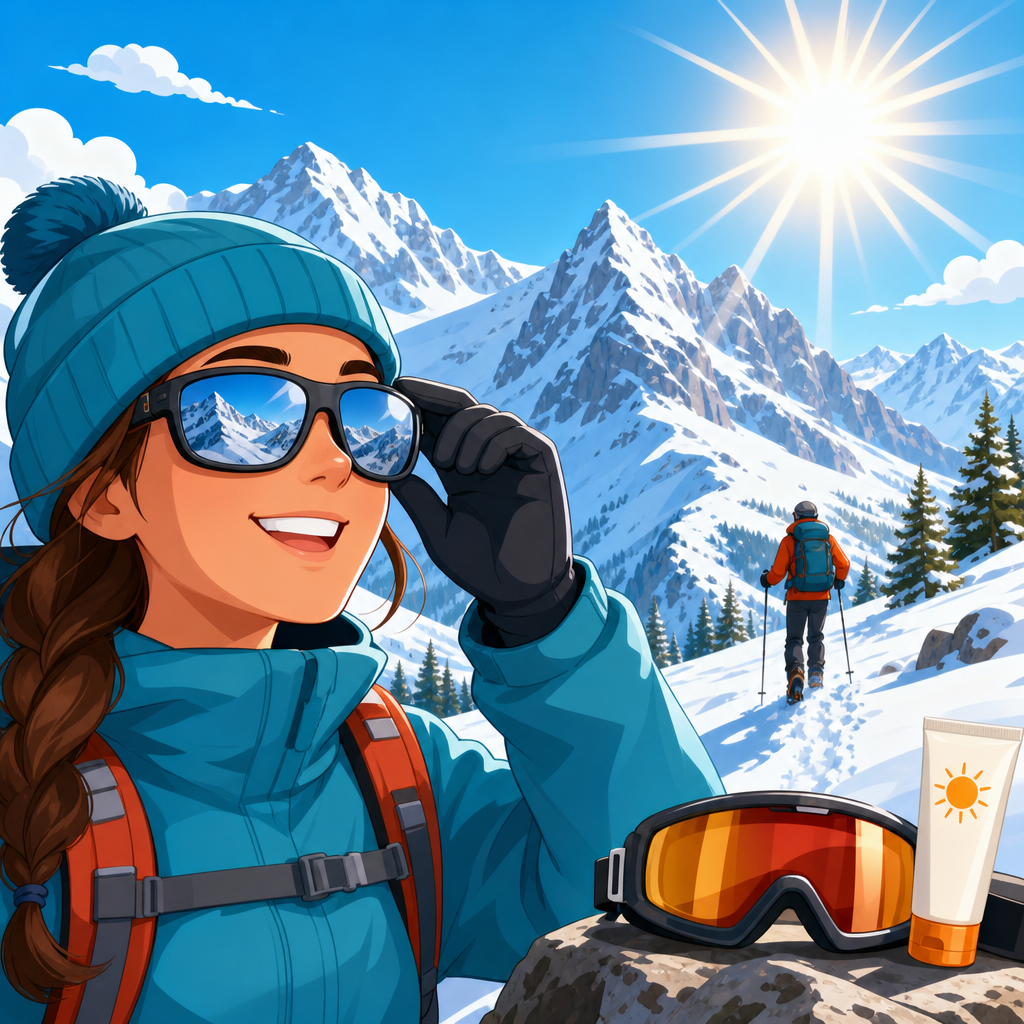
The best prevention starts with eyewear built for alpine light, not casual winter use. Look first for complete ultraviolet protection labeled UV400 or 100 percent UVA and UVB protection. Then assess coverage. For travel on glaciers, ridges, or bright spring snow, wraparound sunglasses with close facial fit and side shields are excellent for hiking or climbing at slower speeds. For skiing, boarding, snowmobiling, or windy traverses, goggles often provide superior sealing and comfort. Lens category matters too. In European classification, category 3 lenses suit many bright days, while category 4 lenses are intended for exceptionally intense sun at high altitude or on glaciers and are not appropriate for driving.
Lens color affects contrast more than protection. Brown, amber, rose, and copper tints often improve terrain definition in flat light or mixed cloud. Gray preserves neutral color perception and works well in strong sun. Mirrored coatings can reduce glare but do not replace UV protection. Polarization helps cut reflected glare on some surfaces, though on snow many athletes prioritize contrast, anti-fog performance, and compatibility with helmets over polarization alone. Fit is nonnegotiable. If light leaks in from the sides, top, or below, protection drops sharply. Anti-fog vents and high-quality coatings matter because people remove fogged eyewear, and unprotected minutes on a bright slope can be enough to start damage.
| Eyewear type | Best use | Main advantage | Common limitation |
|---|---|---|---|
| Wraparound sunglasses with side shields | Mountaineering, hiking, glacier travel | Strong UV coverage with airflow and lower bulk | Can fog less, but may still leak light if fit is loose |
| Ski goggles | Skiing, snowboarding, wind, storms, high speed | Full coverage, wind protection, helmet integration | Can fog if ventilation is poor or face covering vents upward |
| Standard fashion sunglasses | Town use, low-reflection environments | Comfortable and widely available | Usually inadequate side coverage for alpine snow |
| Photochromic lenses | Variable light during long days | Adapts to changing conditions | Transition speed and cold-weather performance vary by model |
Field habits that reduce exposure all day long
Even excellent eyewear works best when paired with disciplined habits. Put eye protection on before the sun hits the snow, not after glare becomes uncomfortable. Early exposure counts, especially on east-facing slopes at sunrise. Keep glasses or goggles on during breaks, transitions, and summit photos, which are exactly when many people remove them. Carry a backup pair because dropped glasses, broken arms, or lost goggles are common in cold gloves and high wind. For expeditions, I recommend a rigid case, a microfiber cloth, and anti-fog treatment in the repair kit right beside sunscreen and lip balm.
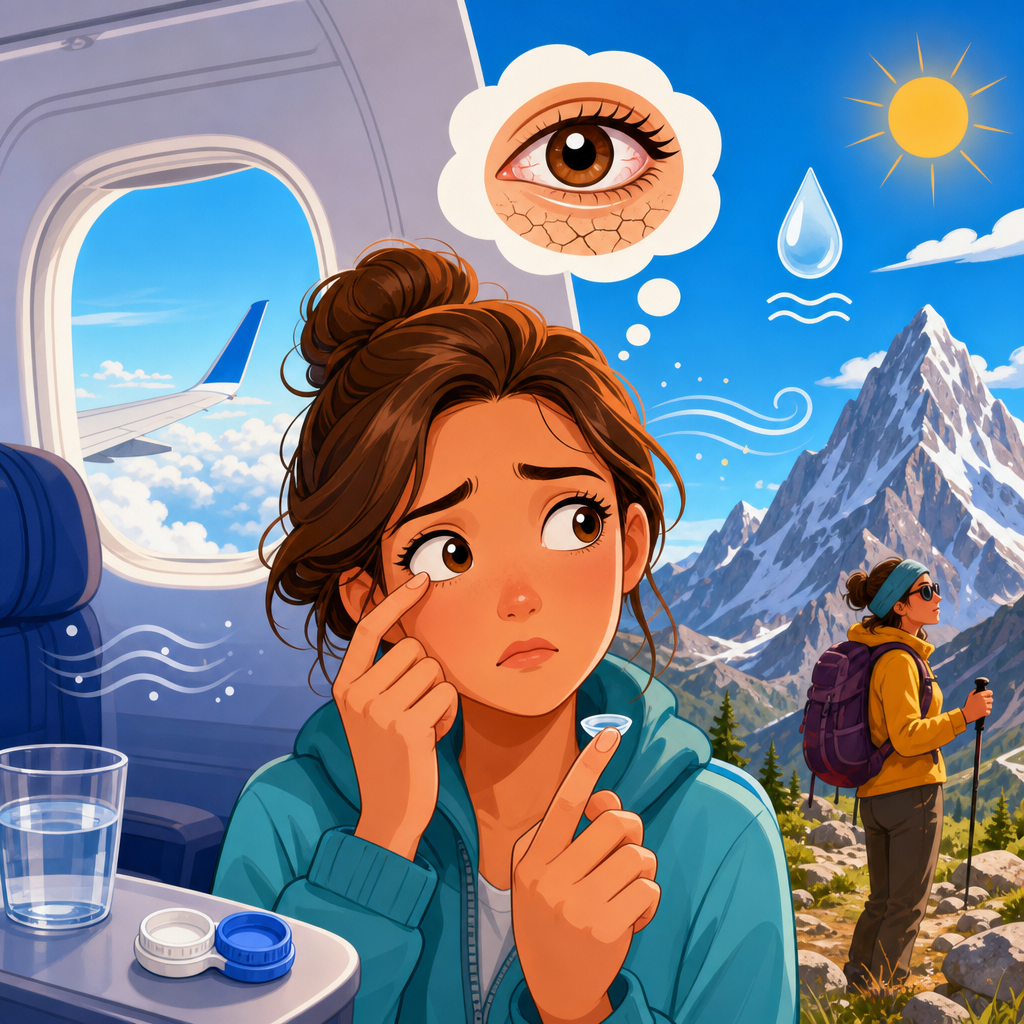
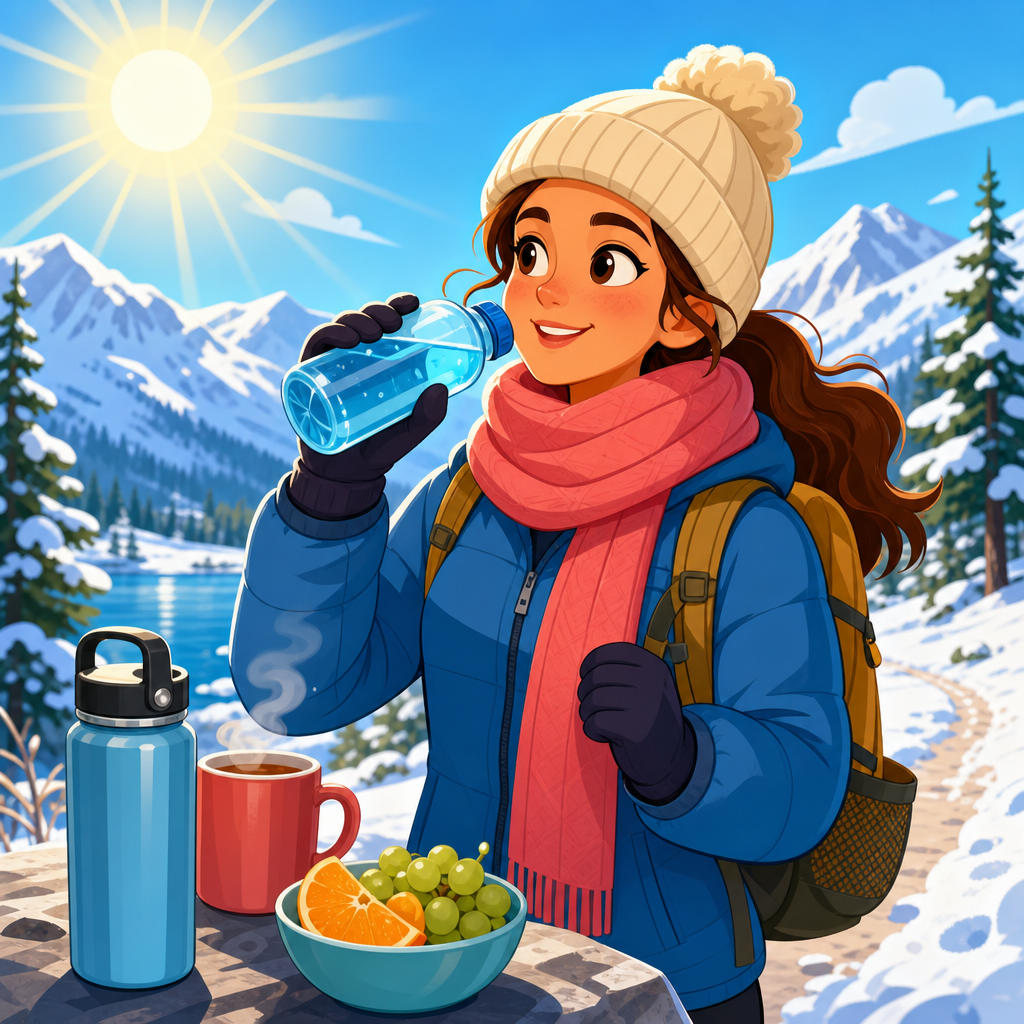
Route timing and body position also help. Use shade from terrain, huts, lift stations, or tree cover when possible. A cap or helmet visor can reduce overhead light, though it does little against reflected UV from below. Stay hydrated and protect the tear film; dry eyes sting sooner and tolerate wind poorly. If you wear contacts, consider lubricating drops approved for your lens type, and switch to glasses if your eyes become dry or irritated. On storms or whiteout days, do not assume safety from UV. Diffuse radiation and reflection still expose the cornea, and low contrast may tempt you to remove dark lenses precisely when wraparound protection is still needed.
Children, contact lenses, and prescription needs
Families and prescription wearers need extra planning because fit and compliance determine real protection. For children, choose durable frames with retention straps or youth goggles that seal well with a helmet. Explain in plain terms that snowy sunlight can burn eyes the way sun burns skin. Kids respond better to that than to abstract warnings about radiation. For adults who need vision correction, prescription wraparound sunglasses are ideal for hiking, while over-the-glasses goggles can work well for skiing. Contact lenses are convenient, but cold air, cabin heating, and altitude-related dryness often make them less comfortable than expected.
If you rely on contacts, carry rewetting drops, wash hands carefully before handling lenses, and never use melted snow or untreated water to rinse them. Daily disposables are often the most practical choice on short trips because they reduce hygiene burden. After refractive surgery such as LASIK or PRK, follow your surgeon’s timeline closely before returning to high-glare snow travel, since the ocular surface may be more sensitive during healing. People with a history of dry eye, blepharitis, recurrent corneal erosion, or autoimmune disease should be especially strict about moisture support and high-coverage eyewear. Good mountain vision is not only about sharpness; it is about preserving the health of the eye surface under stress.
How to recognize early symptoms and respond fast
The earliest warning signs are often subtle: unusual glare sensitivity, frequent squinting, a sensation of dryness or grit, mild headache, or eyes that feel tired out of proportion to effort. Because significant pain may be delayed, do not wait for severe symptoms before acting. If you suspect overexposure, get out of direct glare, stop rubbing your eyes, and keep protective eyewear on if you must continue moving. Once indoors or in sheltered shade, remove contacts if present, rest with eyes closed, and use preservative-free lubricating drops. Cold compresses on closed lids can help comfort. Oral pain relievers may reduce symptoms, provided the person can take them safely.
Most uncomplicated photokeratitis improves within 24 to 48 hours because the corneal epithelium heals quickly. However, there are clear red flags. Seek urgent medical care if vision loss is marked, pain is severe or worsening, only one eye is affected, there is trauma, chemical exposure, pus-like discharge, a history of recent surgery, or symptoms persist beyond two days. Avoid topical anesthetic eye drops unless they are administered by a clinician for examination; they can delay healing and mask worsening injury. Antibiotic drops are not routinely needed for simple ultraviolet injury, and patching the eye is generally not recommended. The right first aid is protective, soothing, and medically cautious.
Building year-round eye care habits beyond the mountain
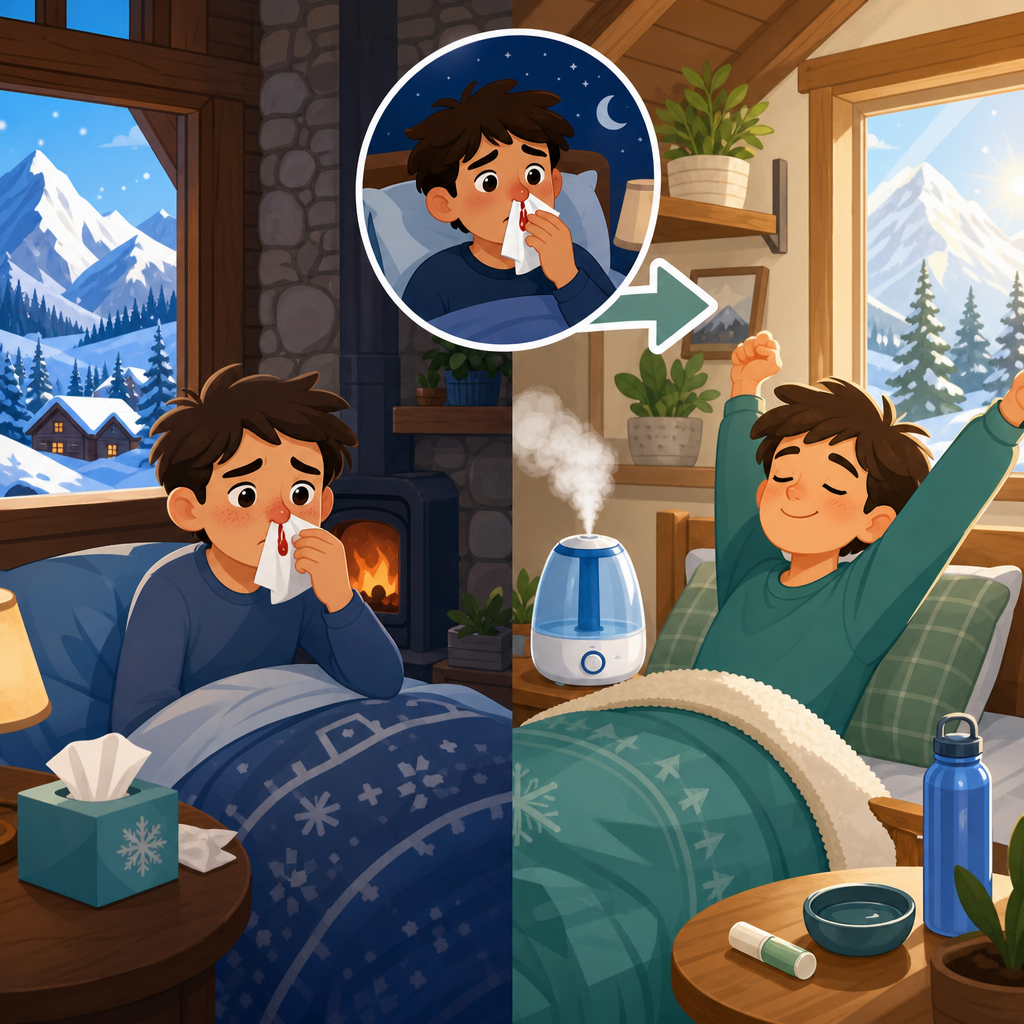
Snow blindness prevention fits into a bigger Eye Care & Vision strategy that applies at home, at work, and outdoors in every season. The same people who forget glacier glasses often skip sunglasses on water, underestimate UV on cloudy days, or work for hours in dry heated rooms without breaks. Healthy vision habits are cumulative. Use verified UV-blocking sunglasses year-round, schedule routine eye exams, manage screen strain with regular blinking and distance breaks, and keep indoor humidity at a comfortable level during heating season. If your home air is dry, a humidifier can reduce irritation, though devices must be cleaned properly to avoid microbial growth.
For long-term comfort, treat the tear film as part of overall wellness. Adequate hydration, omega-3 intake where appropriate, blink awareness during concentrated tasks, and management of eyelid inflammation all support a more resilient ocular surface. If you use retinoids around the eyes, antihistamines, acne medications, or other products that increase dryness or sun sensitivity, account for that before a high-glare trip. Quality matters in gear and in care. Cheap lenses with poor optical clarity can cause eyestrain even if they block UV, while premium lenses from established brands typically provide better distortion control, coatings, and fit systems. Protecting vision is rarely one big decision; it is the result of many small competent choices repeated consistently.
Preventing snow blindness on bright alpine days comes down to a clear rule: block ultraviolet exposure before it reaches the cornea, and support the eye surface so it can handle cold, wind, glare, and long hours outside. The essentials are straightforward. Wear well-fitted UV400 wraparound sunglasses or goggles designed for alpine conditions. Match lens category to the intensity of light. Keep protection on during the full day, not just during descents or summit breaks. Carry backups, manage dryness, and take early symptoms seriously. These steps are simple, but they work because they address the actual causes of photokeratitis rather than just reducing visible brightness.
As the hub for Eye Care & Vision, this topic connects naturally to everyday concerns: choosing safe sunglasses, caring for contact lenses, preventing dry eye, improving home comfort in heated air, and knowing when eye symptoms require urgent care. Good eye protection preserves more than comfort. It helps you read terrain accurately, travel safely, and recover faster after demanding days outdoors. If you spend time on snow, review your eyewear before your next trip, replace anything that fits poorly or lacks verified UV protection, and build eye care into your standard mountain checklist. Your eyes heal, but they should not have to prove it.
Frequently Asked Questions
What exactly is snow blindness, and why is it so common on bright alpine days?
Snow blindness is the common name for photokeratitis, which is essentially a sunburn on the surface of the eye. The cornea and surrounding tissues become inflamed after being exposed to too much ultraviolet radiation, especially UV-B. In alpine environments, the risk rises sharply because snow and ice reflect a large portion of incoming UV light back into the eyes. That means your eyes are not only getting direct sunlight from above, but also reflected radiation from below and around you. At higher elevations, the atmosphere is thinner and filters less UV, so exposure becomes more intense even when the air feels cold.
This is why hikers, skiers, mountaineers, and climbers can get into trouble quickly on clear, bright days. Many people associate sun injuries with heat, but snow blindness has nothing to do with temperature. A freezing day with brilliant sun can be more dangerous for your eyes than a warm day at lower elevation. It is also common because early symptoms are easy to dismiss. People may notice glare, squinting, or mild eye fatigue and keep going, only to develop severe pain, tearing, light sensitivity, and the sensation of grit in the eyes several hours later. The good news is that snow blindness is highly preventable once you understand how UV exposure behaves in snowy mountain terrain and take eye protection seriously from the start of the day.
What kind of sunglasses or goggles are best for preventing snow blindness?
The most important feature is full UV protection. Look for eyewear labeled 100% UV protection or UV400, which means it blocks both UVA and UVB rays. Dark lenses alone are not enough. A lens can look very dark and still fail to block harmful ultraviolet radiation, so the protective rating matters more than the tint. For alpine travel, visible light transmission also matters. On bright snow, category 3 lenses are often appropriate for general use, while category 4 glacier-style lenses may be better for intense high-altitude conditions. Category 4 lenses are extremely dark and designed specifically for very bright environments such as glaciers and snowfields.
Coverage is just as important as lens quality. Wraparound sunglasses or glacier glasses with side shields help block light coming from the sides, top, and reflected surfaces below. Standard fashion sunglasses often leave too many gaps, allowing UV to reach the eyes even if the lenses themselves are protective. Goggles can be an excellent choice in windy, exposed, or highly reflective conditions because they provide a more complete seal and reduce both glare and environmental irritation. A secure fit matters as well. If eyewear slides down your nose, leaves large gaps, or is uncomfortable enough that you keep taking it off, it will not protect you consistently. For serious alpine travel, the best approach is to use well-fitted, high-quality eye protection designed for mountain conditions and to keep it on throughout exposure, not just when the sun feels intense.
Can you still get snow blindness when it is cloudy, overcast, or cold?
Yes, absolutely. This is one of the most common and costly misunderstandings in the mountains. Ultraviolet radiation can penetrate cloud cover, and snow continues reflecting that radiation even when the sky looks muted or gray. On overcast days, people often relax their eye protection habits because the visible brightness seems lower, but UV exposure can still be strong enough to injure the cornea. Cold temperatures make this even more deceptive because they reduce the feeling that the sun is intense. Your skin and eyes can still be taking damage when the weather feels mild, cool, or even bitterly cold.
Conditions such as thin cloud, broken cloud, haze, and flat light can be particularly misleading because they reduce contrast without reliably reducing UV. In those situations, people may remove sunglasses to see terrain better, especially while hiking, skiing, or route-finding. That can increase risk substantially if proper protective eyewear is not replaced with another UV-blocking option. The practical rule is simple: if you are on snow, ice, or at altitude during daylight, protect your eyes whether the day feels dazzling or subdued. Consistency is what prevents snow blindness, not guesswork based on temperature or how bright the sky looks at a glance.
What are the first signs of snow blindness, and what should you do if it happens?
Early signs often include increasing glare sensitivity, excessive squinting, eye redness, tearing, and a feeling that your eyes are dry or irritated. As the condition progresses, symptoms can become much more severe. People commonly describe intense pain, a gritty or sandy sensation, blurred vision, swelling, headache, and marked sensitivity to light. Symptoms often do not peak until several hours after exposure, which is why someone may finish a long day outdoors before realizing how much damage has occurred. In more serious cases, keeping the eyes open becomes very difficult.
If you suspect snow blindness, the first step is to stop further UV exposure immediately. Move indoors, into a tent, vehicle, hut, or any shaded area. Remove contact lenses if you wear them. Rest the eyes and avoid rubbing them, since that can worsen irritation. Cool compresses and preservative-free lubricating eye drops may help with comfort. Many people also benefit from resting in a dark room because light sensitivity can be intense. If pain is significant, if vision changes are severe, if symptoms affect only one eye, or if there is no improvement within a day, medical evaluation is important. You should also seek prompt care if there is concern for another eye injury, such as a scratch, foreign body, or infection. Most cases of photokeratitis improve with time and supportive care, but the experience can be debilitating enough to end a trip, which is exactly why prevention matters so much.
Besides wearing sunglasses, what else can you do to prevent snow blindness during alpine travel?
Good prevention is a system, not a single piece of gear. Start by planning around exposure. UV intensity is often highest during the middle part of the day, so if your itinerary allows it, schedule long glacier crossings, open snowfield travel, or exposed ridge sections for earlier or later hours. Build habits that reduce the chance you will remove eye protection at the wrong moment. Keep sunglasses or glacier glasses easily accessible, use a retention strap so they stay on in wind, and carry a backup pair in case of loss or breakage. If conditions are especially bright or windy, switch to goggles rather than trying to tough it out in less protective eyewear.
Helmet brims, hats, and caps can reduce direct overhead glare, though they do not replace proper UV-blocking lenses. Group awareness also helps. Partners should watch for each other removing eyewear, squinting excessively, or complaining about glare. In guided settings or multi-day trips, it is wise to treat eye protection the same way you treat sunscreen, water, or avalanche gear: as a standard safety item, not an optional comfort accessory. Finally, remember that prevention begins before symptoms appear. Once your eyes start feeling strained on snow, exposure may already be accumulating. Staying ahead of that curve with reliable eyewear, smart timing, and consistent use is the most effective way to avoid snow blindness on bright alpine days.