Wildfire smoke prep for mountain homeowners starts long before the first plume appears on the ridge, because smoke is not just an outdoor nuisance but a whole-property stress test for the house, vehicles, utilities, and daily routines that keep mountain living workable. In mountain home maintenance, wildfire smoke prep means reducing smoke entry, protecting indoor air quality, keeping critical systems operating during long smoky periods, and planning for evacuation or sheltering in place when roads, power, and services become unreliable. I have worked with homeowners in high-elevation communities where smoke events lasted for weeks, and the pattern is always the same: people who focused only on masks or air purifiers were underprepared, while those who treated smoke as a systems issue protected their homes and families far better.
Mountain properties face a distinct smoke risk profile. Higher wind exposure, steeper topography, longer drive times to services, private wells, propane heat, backup generators, and outbuildings all complicate wildfire season. Fine particulate pollution from wildfire smoke, commonly measured as PM2.5, can penetrate leaky buildings, linger in soft materials, and aggravate asthma, heart disease, COPD, and eye irritation even when flames are many miles away. The U.S. Environmental Protection Agency and Centers for Disease Control and Prevention both emphasize that the smallest smoke particles are the most hazardous because they travel deep into the lungs. For mountain homeowners, preparation therefore belongs inside a broader mountain home maintenance plan that links air sealing, filtration, HVAC upkeep, vehicle readiness, water resilience, and emergency supplies into one practical operating system.
This hub article explains how to prepare a mountain home for wildfire smoke with clear priorities. It covers how smoke gets inside, how to create a cleaner indoor environment, how to maintain heating and ventilation equipment, what to stock for extended smoke events, and how to connect this topic to related maintenance tasks across the property. If you are asking what matters most, the short answer is this: tighten the building envelope, filter indoor air effectively, reduce indoor pollution sources, protect mechanical systems, and plan for disruptions that usually arrive with smoke. Those five actions deliver the highest return for mountain homeowners because they improve comfort and resilience even outside fire season.
Understand how wildfire smoke affects mountain homes
Wildfire smoke enters a house through gaps around doors and windows, attic bypasses, unsealed utility penetrations, fireplace dampers, range hood backdraft paths, and any ventilation system that brings in outside air without adequate filtration. In mountain homes, stack effect often worsens the problem. Warm indoor air rises and escapes through upper leaks, which pulls replacement air in through lower leaks. I see this constantly in multilevel cabins and ridge homes with vaulted ceilings: owners run bathroom fans or clothes dryers, indoor pressure drops, and smoky outside air gets drawn through every weak point in the shell.
Smoke also affects more than breathing. It loads furnace filters quickly, leaves residue on mini-split coils, reduces solar production when panels ash over, and creates visibility problems for driving narrow roads. If a property depends on opening windows for summer cooling, smoke can eliminate that strategy for days at a time, causing indoor temperatures to rise. That tradeoff is especially important for older mountain homes with little insulation, dark roofs, and large west-facing glass. Good smoke preparation recognizes that indoor air quality, thermal comfort, and mechanical durability are linked.
Seal the building envelope before smoke season
The best air purifier cannot overcome a very leaky house. Start with the building envelope because every gap you close lowers smoke intrusion and improves heating efficiency all year. Priority areas include weatherstripping on exterior doors, adjustable thresholds, window lock alignment, attic hatches, crawlspace penetrations, can lights below unconditioned attic space, and plumbing or electrical openings under sinks and behind appliances. High-quality acrylic or polyurethane sealants work well for many cracks, while fire-rated caulk is appropriate where codes require it around certain penetrations.
For homes with forced-air systems, duct leakage deserves special attention. Leaky return ducts in garages, crawlspaces, or mechanical rooms can pull dirty air directly into circulation. A duct blaster test or at minimum a careful visual inspection with mastic sealing often produces immediate results. If the house has an old woodstove or open masonry fireplace that is not in use during smoke season, close the damper tightly and consider a temporary inflatable chimney plug only if the appliance is fully cold and local safety guidance allows it. The goal is simple: control where air enters rather than letting smoke choose for you.
Build a clean-air room and improve whole-house filtration
Every mountain home should have one designated clean-air room during wildfire season. This is usually a bedroom or living room with the fewest leaks, manageable square footage, and access to power. Put a portable HEPA purifier in that room sized for the space, and run it continuously on smoky days. Check the unit’s Clean Air Delivery Rate, not just marketing claims. As a rule, I advise homeowners to choose a purifier capable of several air changes per hour in the room, because undersized units create a false sense of security.
Whole-house filtration matters too, but the correct setup depends on your equipment. A central forced-air system can often use a MERV 13 filter if the blower is designed to handle the added resistance; verify this in the equipment manual or with an HVAC technician. If static pressure rises too much, airflow drops and the system can suffer. Homes with ductless mini-splits need regular screen cleaning, but those washable screens do not capture fine smoke particles well, so room purifiers remain necessary. Energy recovery ventilators and heat recovery ventilators may help maintain controlled ventilation, yet they must be configured carefully during smoke events so they do not import polluted outside air unnecessarily.
| System or tool | Best use during wildfire smoke | Main limitation |
|---|---|---|
| Portable HEPA purifier | Creates a clean-air room quickly and captures fine particles effectively | Only protects the rooms where it operates |
| Central HVAC with MERV 13 filter | Filters air throughout the home when blower capacity is adequate | Not all systems can handle higher-pressure filters safely |
| Box fan with taped furnace filter | Low-cost temporary particle reduction in a single room | Performance varies and build quality matters for safety |
| Ductless mini-split | Maintains cooling or heating with windows closed | Standard washable filters are poor at removing smoke particulates |
Manage ventilation, heat, and indoor pollution sources
One of the most common homeowner questions is whether to bring in fresh air during smoke season. The answer is usually no when outdoor air quality is poor, unless you need ventilation for a specific safety reason or your system can filter incoming air effectively. Use local air quality readings from AirNow, PurpleAir, or your county public health agency to time ventilation when conditions improve. In many mountain valleys, smoke concentration swings dramatically by hour because of inversion layers and wind shifts. Opening windows at the wrong time can undo a full day of indoor air cleaning in minutes.
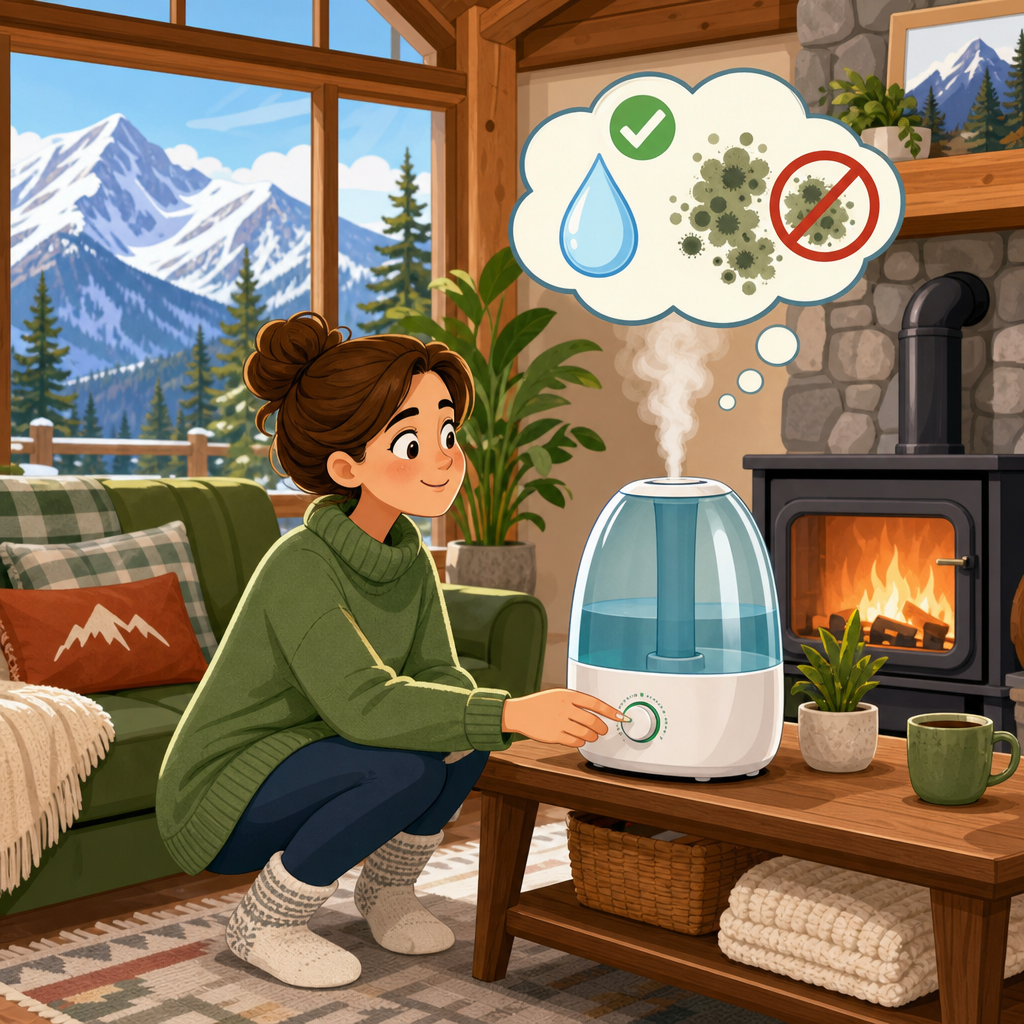
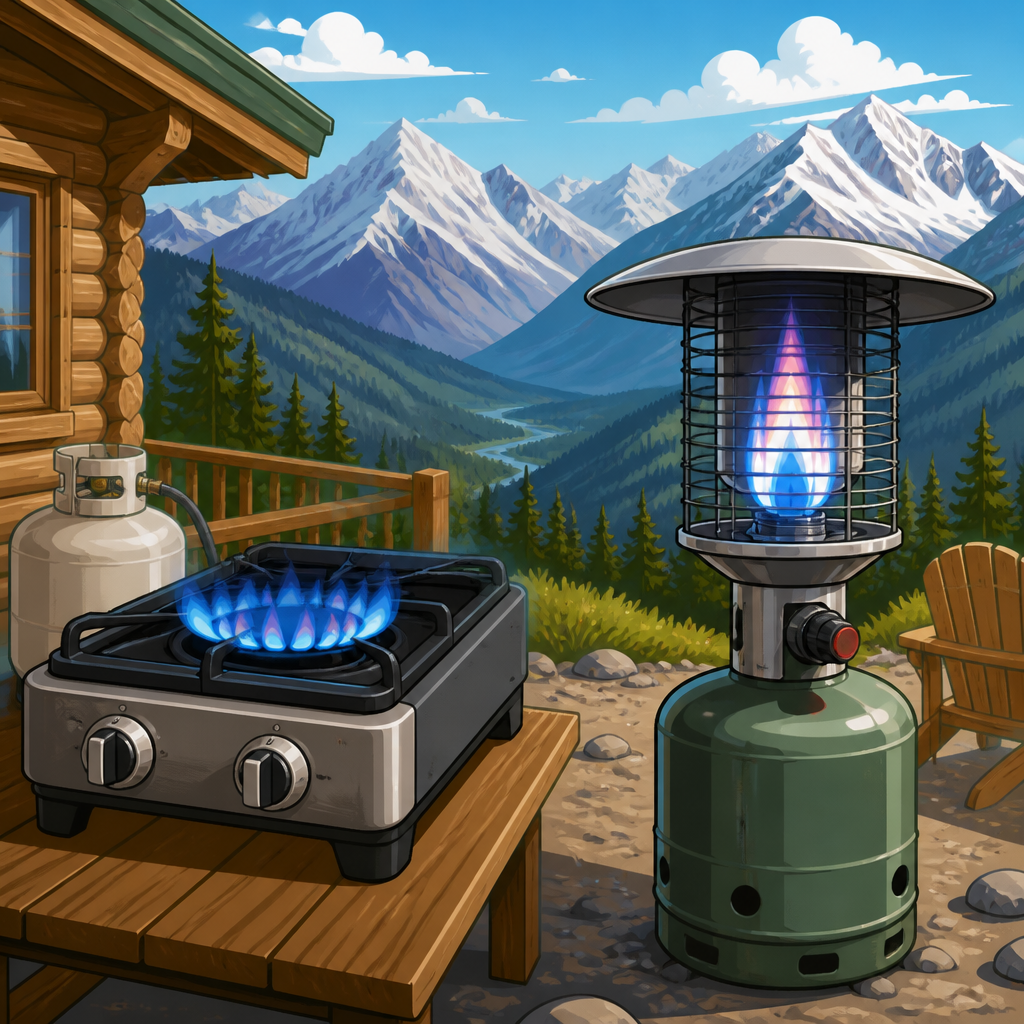
Indoor sources matter more during smoke events because they stack on top of outdoor pollution. Avoid burning candles, frying foods at high heat, vacuuming without a sealed HEPA machine, smoking indoors, or using unvented combustion appliances. If you have a gas range, use a properly vented hood only when the vent path and damper do not create a major smoke draw problem; this balance depends on the house and fan strength. I often tell homeowners that the cleanest indoor air strategy is boring by design: closed windows, simple meals, minimal particle generation, steady filtration, and careful humidity control to maintain comfort without adding contaminants.
Protect HVAC, water, power, and vehicles during extended smoke events
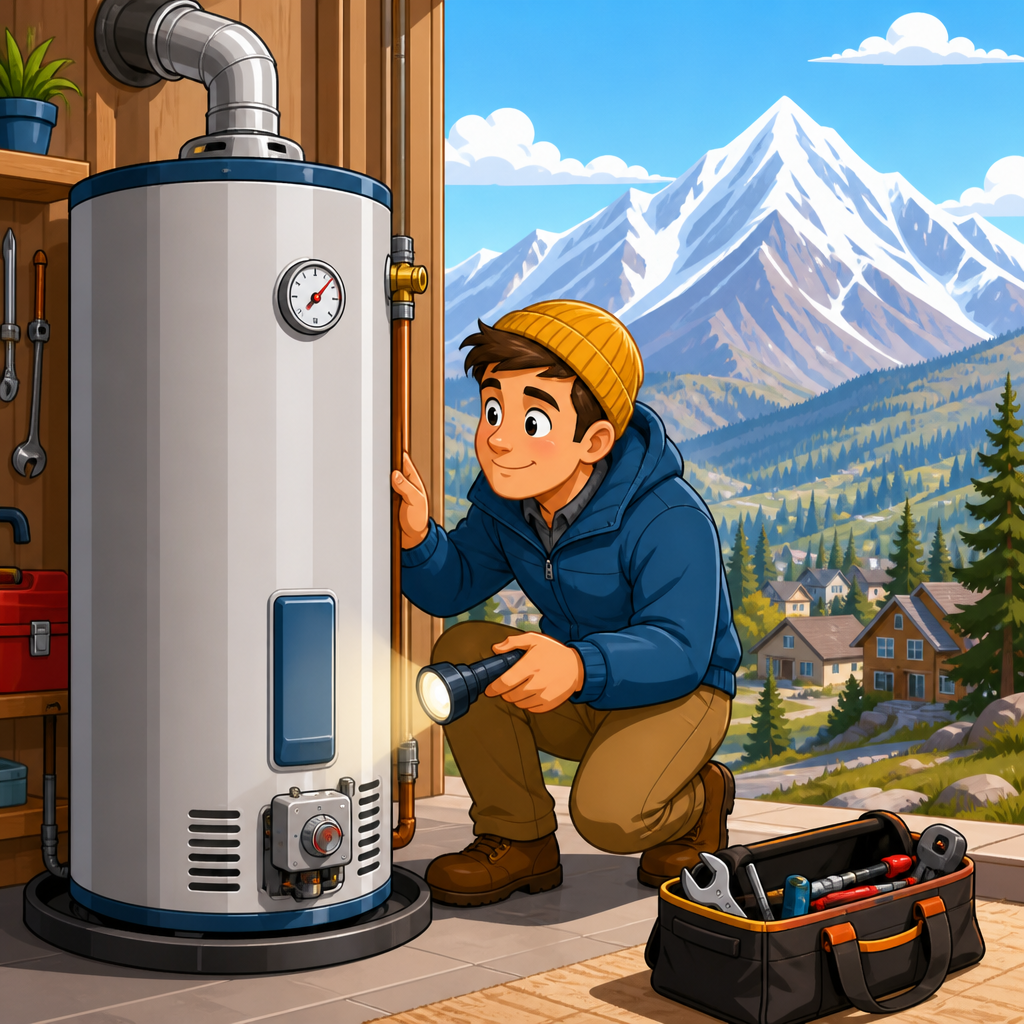
Wildfire smoke prep for mountain homeowners should extend to the systems that support off-grid or semi-rural living. Replace HVAC filters more often during active smoke periods, and keep spares on hand because stores sell out fast in fire-prone counties. Inspect outdoor condenser coils and heat pump cabinets for ash buildup, but do not pressure-wash delicate fins. Follow manufacturer cleaning instructions, usually involving low-pressure rinsing when conditions are safe. If your home uses a generator, stock oil, filters, stabilized fuel if applicable, and spare spark plugs, and test the unit before peak fire season. Smoke events often coincide with outages caused by preventive utility shutoffs or fire damage elsewhere on the grid.
Water systems deserve equal attention. Homes on wells should verify backup power for the pump and pressure tank controls. If you store water for emergency use, rotate it and protect tanks from heat and contamination. Vehicles should be maintained as evacuation tools, not just transportation. Keep cabin air filters fresh, fuel tanks above half, tires ready for rough shoulders, and windshield washer fluid topped up because ash and dust reduce visibility quickly. For households with trailers, boats, or livestock equipment, preplan which assets can realistically move and which must be hardened and left behind. Smoke season punishes indecision.
Stock the right supplies and document a practical smoke-season plan
Preparation works best when it is written down. A smoke-season plan should list your clean-air room, filter sizes, purifier models, medication refills, pet needs, backup power steps, and evacuation thresholds. Include contact numbers for neighbors, propane providers, well technicians, and your county emergency alerts. I also recommend documenting how to shut down nonessential equipment, where replacement filters are stored, and which windows or vents tend to leak most. This turns mountain home maintenance from memory-based improvisation into a repeatable checklist.
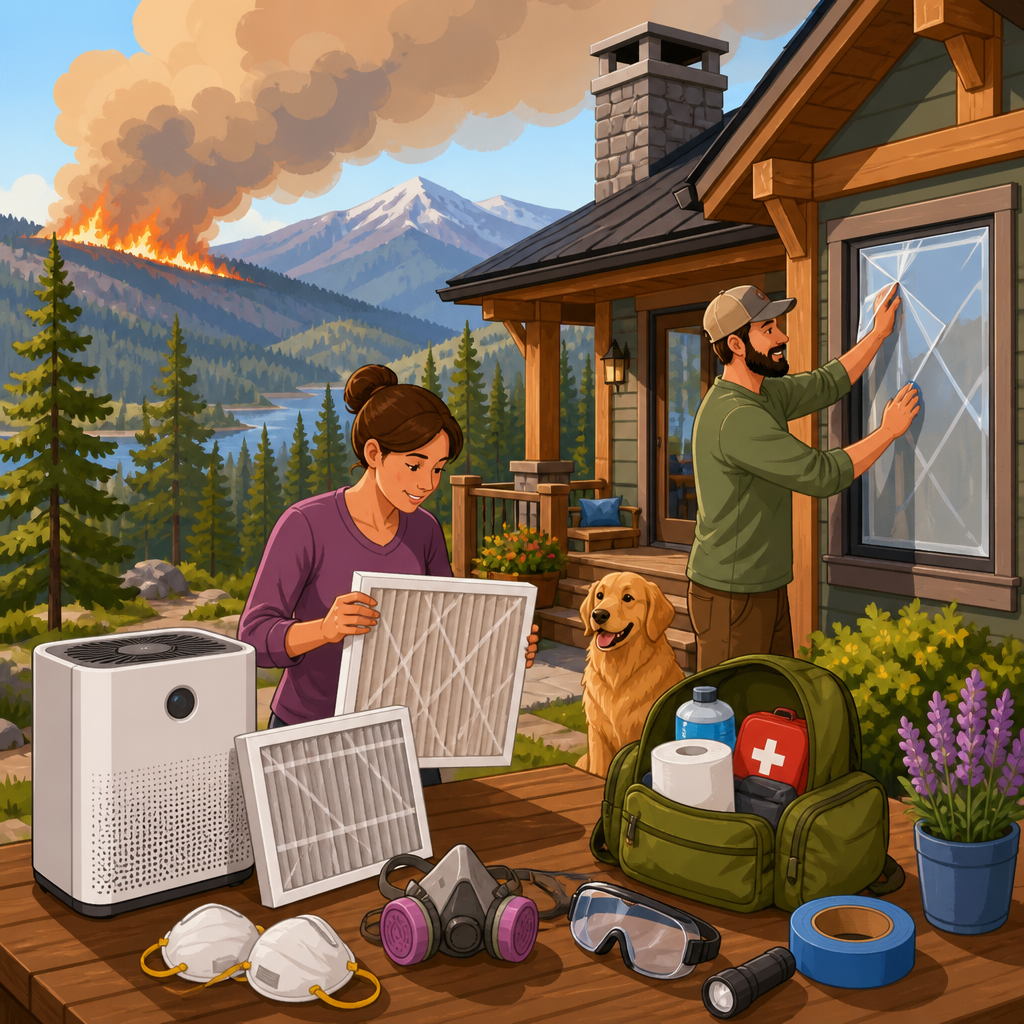
Supply priorities are straightforward: N95 respirators for necessary outdoor tasks, replacement HVAC and purifier filters, saline eye drops, extra prescription medications, shelf-stable food that does not require high-heat cooking, batteries, flashlights, and sealed bins for important papers. If anyone in the home has asthma or cardiovascular disease, talk with a clinician before fire season about symptom thresholds and medication plans. Pets need their own considerations, including indoor relief options for short periods, carriers, food, and medical records. The strongest households are rarely the most expensive ones; they are the ones that rehearsed what to do when air quality turns hazardous.
Use this hub to guide year-round mountain home maintenance
As a hub within Home Systems, Vehicles & Off-Grid Living, this mountain home maintenance page connects wildfire smoke prep to a larger set of jobs that should be scheduled across the year. Air sealing links directly to winter heat retention and ice-dam prevention. HVAC filter management supports both smoke resilience and routine heating efficiency. Generator service supports outages from fire, snow, and wind. Vehicle readiness matters for evacuations, winter storms, and remote-road reliability. In practice, mountain homeowners save money and reduce risk when they stop treating these as separate chores.
Use this article as the starting point for your maintenance calendar. Pair preseason smoke preparation with roof and gutter cleaning, defensible space work, chimney inspection, well and pump testing, battery backup checks, and a review of insurance documentation including photos of the house, tools, and outbuildings. If you rent the property seasonally, add written instructions for guests on how to operate purifiers, keep windows closed during smoke events, and report filter warnings or unusual odors. A mountain home is a small ecosystem, and wildfire smoke exposes every weak connection in it. Strengthen those connections now, and your home will be safer, cleaner, and easier to manage when fire season arrives. Start with one room, one filter, and one written checklist this week.
Frequently Asked Questions
What should mountain homeowners do before wildfire smoke season begins?
The most effective wildfire smoke prep starts well before smoke is visible. Mountain homeowners should begin by treating smoke as a whole-home issue, not just an air-quality inconvenience. Start with the building envelope: inspect doors, windows, attic hatches, crawlspace accesses, and any visible gaps around plumbing, wiring, vents, and utility penetrations. Weatherstripping, caulk, and door sweeps can significantly reduce smoke intrusion. Next, evaluate the home’s heating and cooling system. If the home has forced air, make sure the filter is upgraded to a manufacturer-approved high-efficiency option, such as a MERV 13 filter if the system can handle it. Replace old filters ahead of fire season, and keep extras on hand in case conditions remain smoky for days or weeks.
Indoor air quality should also be planned in layers. Many mountain homes benefit from creating at least one designated “clean room,” usually a bedroom or main living area, where windows stay closed and a portable HEPA air purifier runs continuously during smoke events. Homeowners without central air should think ahead about heat buildup, because closing windows in summer can make indoor temperatures uncomfortable. Blackout shades, ceiling fans, and strategic use of mini-splits or portable cooling options can help. It is also wise to stock N95 respirators for essential outdoor tasks, along with extra medications, saline eye drops, and supplies for pets. Finally, review transportation and utility readiness. Replace cabin and engine air filters in vehicles, keep fuel tanks topped off, test backup power systems if used, and create a clear plan for both evacuation and shelter-in-place scenarios. Preparation is strongest when it combines home maintenance, indoor air planning, and practical daily-life backup strategies.
How can homeowners keep smoke from getting inside the house?
Keeping smoke out of a mountain home is partly about sealing leaks and partly about managing airflow. Smoke enters through surprisingly small openings, including worn weatherstripping, loose window frames, fireplace dampers, attic penetrations, pet doors, range hood vents, bath fans, and unsealed gaps around pipes or electrical lines. The first step is to identify these weak points and reduce leakage wherever practical. Exterior doors should close tightly, windows should latch fully, and any cracked or missing sealant should be repaired. If the home has an older woodstove or fireplace, confirm that dampers close properly when not in use, because chimneys can become a major smoke pathway during nearby fire activity.
Ventilation strategy matters just as much as sealing. During heavy smoke, windows should remain closed and whole-house fans generally should not be used, because they can pull outdoor air indoors. Exhaust fans in kitchens and bathrooms should be used only when necessary, since they can create negative pressure that draws smoke into the home through leaks. If the house has mechanical ventilation, homeowners should learn whether the system can recirculate indoor air without continuously bringing in smoky outdoor air. In some cases, the right approach is to switch to recirculation mode temporarily while monitoring indoor air quality and humidity. Portable HEPA air purifiers add another important layer by cleaning the air that does get inside. For homes with multiple floors, placing purifiers in the most-used areas and keeping interior doors managed can help concentrate cleaner air where people spend the most time. The goal is not to achieve a perfectly airtight house, which is unrealistic, but to meaningfully reduce smoke entry and maintain healthier indoor conditions for as long as smoke persists.
What is the best way to protect indoor air quality during extended smoky periods?
During prolonged smoke events, indoor air quality depends on consistency. Homeowners should start by closing windows and exterior doors as much as possible, then run appropriately sized HEPA air purifiers in key rooms continuously rather than intermittently. If the home uses a central forced-air system, running the fan in recirculate or “fan on” mode can help move air through the system filter, provided the filter is efficient and the equipment is designed for that level of filtration. Filter maintenance is critical during smoky stretches because filters load faster when particulate levels stay high. A neglected filter can reduce system performance and, in some cases, strain equipment. That is why keeping replacement filters in storage before fire season is such a practical step for mountain homeowners.
Indoor activities also matter more than many people realize. During wildfire smoke events, avoid adding unnecessary indoor pollution from candles, incense, frying, grilling indoors, aerosol sprays, harsh cleaning chemicals, or vacuuming with a machine that lacks strong filtration. Even routine activities such as burning a fire in a fireplace or woodstove can make indoor air worse. If temperatures allow, simplify cooking methods and choose low-smoke options. It can also help to monitor indoor air with a particulate sensor so decisions are based on actual conditions rather than guesswork. For households with children, older adults, people with asthma, heart conditions, or other respiratory vulnerabilities, keeping one especially clean zone in the home is a smart safeguard. Ultimately, protecting indoor air quality during long smoke periods is about reducing infiltration, filtering continuously, limiting additional particle generation indoors, and checking that the plan remains workable for comfort, health, and equipment performance over several days or longer.
How should mountain homeowners prepare their vehicles, utilities, and essential systems for wildfire smoke?
Wildfire smoke affects more than breathing comfort. It can interfere with daily function across the property, especially in mountain settings where homes may depend on longer drive times, private utilities, backup systems, and limited service access. Vehicles should be part of smoke prep, not an afterthought. Replace cabin air filters regularly so occupants have cleaner air while driving, and inspect engine air filters as well, since smoky, dusty conditions can shorten service life. Keep fuel tanks at least half full during fire season in case road conditions change or evacuation orders are issued with little notice. It is also wise to store emergency supplies in each vehicle, including water, phone chargers, medications, paper maps, and respirators for passengers.
At home, utilities and support systems deserve equal attention. Backup generators should be serviced, tested, and fueled safely according to manufacturer and fire-safety guidance. HVAC systems, mini-splits, portable purifiers, and dehumidification equipment should all be checked before smoke season so they are ready for continuous use if needed. If the property relies on a well, remember that power interruptions can affect water availability, so backup power planning should include water access. Homeowners should also think about electronics and maintenance tasks: smoke and fine particulates can accumulate on surfaces, in garages, and around equipment, so keeping tools, spare filters, and outdoor gear stored cleanly can reduce headaches later. Communication readiness is another major factor in mountain areas. Save local alert systems, wildfire evacuation routes, utility outage contacts, and neighborhood check-in plans ahead of time. Good smoke preparation protects mobility, water, power, communication, and the ability to live safely and functionally through extended smoky conditions.
When should homeowners evacuate versus shelter in place during wildfire smoke events?
The decision to evacuate or shelter in place depends on both fire behavior and the household’s ability to maintain safe conditions indoors. If local authorities issue an evacuation order, that order should be followed immediately. Mountain roads can become congested, visibility can deteriorate quickly, and conditions that seem manageable can change very fast when wind shifts or fire activity increases. Even before an official order, homeowners should seriously consider early departure if anyone in the household has breathing difficulties, cardiovascular conditions, compromised immunity, mobility limitations, or a low tolerance for sustained poor air quality. Waiting too long can turn a manageable exit into a stressful and potentially dangerous one.
Sheltering in place may be reasonable only when there is no evacuation order, fire is not an immediate structural threat, roads remain stable, and the home is prepared to support healthier indoor air and basic daily needs. That means the house can be largely closed up, filtered air can be maintained, medications and supplies are on hand, pets are accounted for, and the household can tolerate indoor temperatures without opening windows. Even then, sheltering in place should be an active decision, not a passive default. Homeowners should continue monitoring official fire updates, air-quality reports, weather shifts, and local emergency notifications. A go-bag, important documents, pet carriers, and vehicle readiness should remain in place throughout the event. In practical terms, the safest mindset is to prepare for both outcomes in advance: create a home setup that supports temporary sheltering during smoke, while also staying ready to leave quickly if fire movement, health symptoms, or emergency directives make evacuation the safer choice.