Altitude changes acne in both directions: some people notice fewer clogged pores in cool, less humid mountain air, while others develop more irritation, breakouts, and lingering redness because high elevation weakens the skin barrier, increases water loss, and amplifies sun exposure. In practical terms, the answer to “does acne get better or worse at altitude?” is that acne often feels drier and more inflamed at first, then improves or worsens depending on climate, routine, and skin type. This matters for anyone traveling, moving, skiing, hiking, or living in mountain regions because acne is not only about oil. It is a disorder of follicles, inflammation, microbes, hormones, and barrier function, and altitude affects each of those factors differently.
When dermatologists discuss acne, they usually mean acne vulgaris: blackheads, whiteheads, papules, pustules, and sometimes nodules that form when hair follicles clog with sebum and dead skin cells. “Altitude” generally refers to higher elevation above sea level, where humidity is often lower, air pressure drops, temperatures may be colder, and ultraviolet radiation rises. A useful companion concept is transepidermal water loss, the passive escape of water through the skin. I have seen this pattern repeatedly in mountain climates: patients blame a new breakout on “bad skin,” but the deeper issue is often dehydrated, irritated skin overcorrected with harsh cleansers or strong actives.
As the hub for skin care and dryness in daily life, this guide explains how altitude changes acne, why skin becomes dry and reactive, what routines work best, and when to adjust treatment. It also connects the broader subtopic: facial dryness, chapped lips, irritated eyes, indoor heating, hard water, sunscreen habits, and overnight home humidity all influence breakouts. If your skin changed after arriving in Denver, Park City, Cusco, Mexico City, or the Alps, understanding the environment is the fastest path to control. High altitude does not create acne from nowhere, but it can expose weaknesses in a routine that worked perfectly at sea level.
How altitude affects acne and skin dryness
The main reason acne can worsen at altitude is barrier disruption. Higher elevation often means lower ambient humidity, stronger wind, colder temperatures, and more time in heated indoor spaces. Together these conditions increase water loss from the outer skin layer, the stratum corneum. Once the barrier dries out, skin becomes tight, flaky, itchy, and easier to inflame. That inflammation matters because acne is fundamentally an inflammatory condition. Even if oil production does not rise, dehydrated skin can make existing pimples look redder, heal more slowly, and sting when treated with benzoyl peroxide, salicylic acid, tretinoin, adapalene, or azelaic acid.
Altitude can also change how acne looks. In drier climates, comedones may seem less greasy but more rough and congested because dead skin cells do not shed evenly. Some people produce compensatory oil after over-drying the face, which creates the familiar cycle of tight skin in the morning and shine by afternoon. Others experience acne mechanica from face coverings, helmets, balaclavas, chin straps, and ski goggles. Add sweat, friction, and sunscreen residue, and breakouts can cluster around the jawline, cheeks, and nose bridge. That is why mountain sports often trigger a mixed picture: dryness plus clogged pores plus irritation.
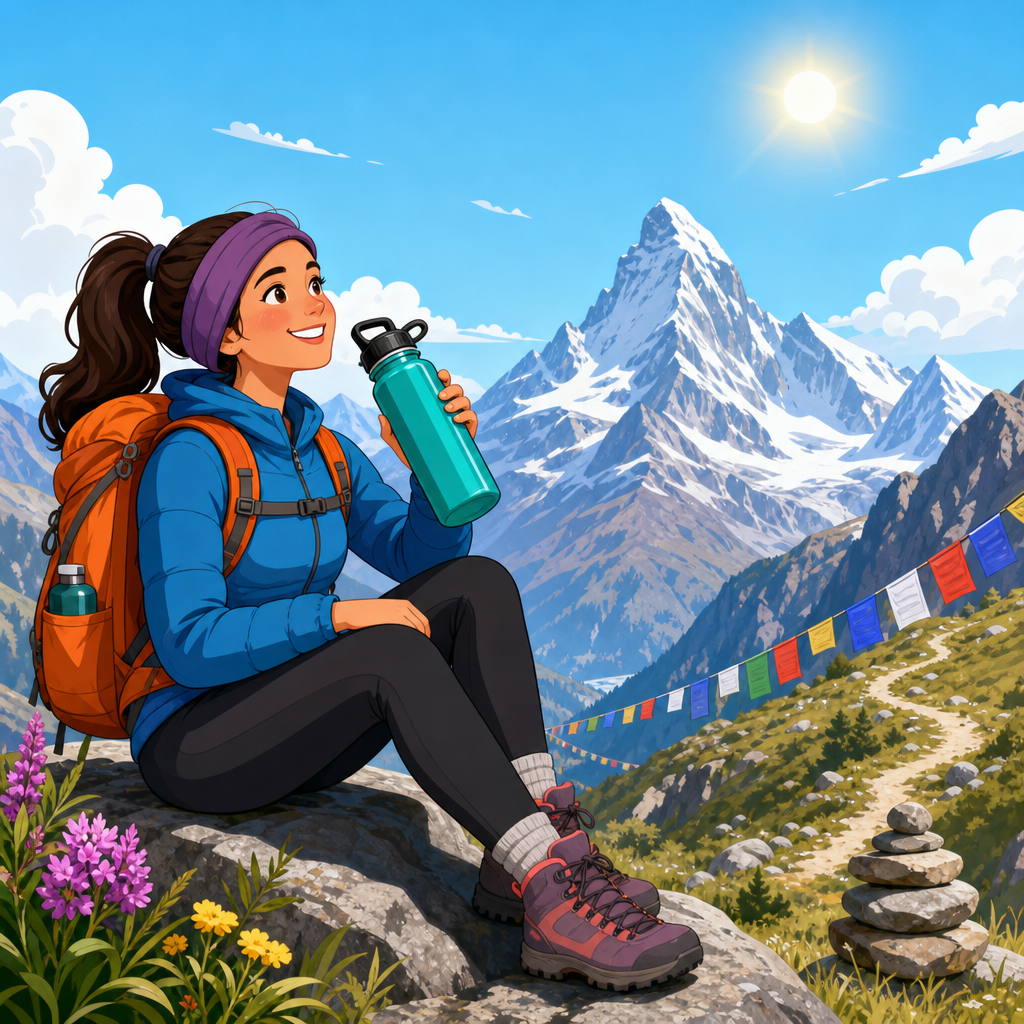
Sun exposure is another major variable. Ultraviolet intensity increases with elevation, commonly estimated at about 10 to 12 percent for every 1,000 meters gained, though cloud cover, snow reflection, and latitude change the exact number. Snow can reflect a large share of UV, increasing exposure from below. Short term, a tan or mild inflammation can make acne seem temporarily better because lesions dry out or redness appears masked. Long term, excess UV worsens post-inflammatory hyperpigmentation, prolongs erythema, weakens the barrier, and raises skin cancer risk. In clinic, I often see mountain travelers mistake sun-dried irritation for acne improvement until peeling, burning, and dark marks appear days later.
Why some people improve at higher elevation
Not every move to altitude causes worse skin. Some people improve because their trigger was heat, heavy humidity, or sweat retention rather than dryness. In a cooler, less humid environment, skin may feel cleaner, less greasy, and less prone to occlusion. Yeast-related folliculitis can improve when sweat sits on the skin less often. People who leave a polluted urban environment may also experience fewer irritant exposures. Better sleep, lower stress on vacation, more time outdoors, and a simpler routine can all reduce picking and overuse of products, which sometimes does more for acne than any serum.
There is also a behavioral effect. Many people automatically switch to lighter makeup, wash sweaty gear more often, and use sunscreen more consistently at altitude because the weather feels harsher. Those changes can help, especially if previous breakouts were caused by occlusive cosmetics or poor cleansing after exercise. In adolescents and adults with oily skin who tolerate retinoids well, the drier air may slightly reduce surface oiliness and make pores look less prominent. That is a real improvement, but it is not universal, and it should not be confused with disease resolution. If the barrier starts to crack, improvement usually reverses quickly.
Common altitude triggers that make acne worse
Several predictable triggers explain most altitude-related acne flares. First is overcleansing. People feel dry, dusty, or sunscreen-covered and start washing two or three times a day with foaming cleansers. That strips lipids and raises irritation. Second is continuing the exact same active regimen used at sea level. A nightly retinoid plus benzoyl peroxide wash plus salicylic acid toner may have been tolerable before, but at altitude it often becomes too aggressive. Third is under-moisturizing because of the old myth that acne-prone skin should avoid creams. In reality, a non-comedogenic moisturizer reduces irritation and helps acne treatment work.
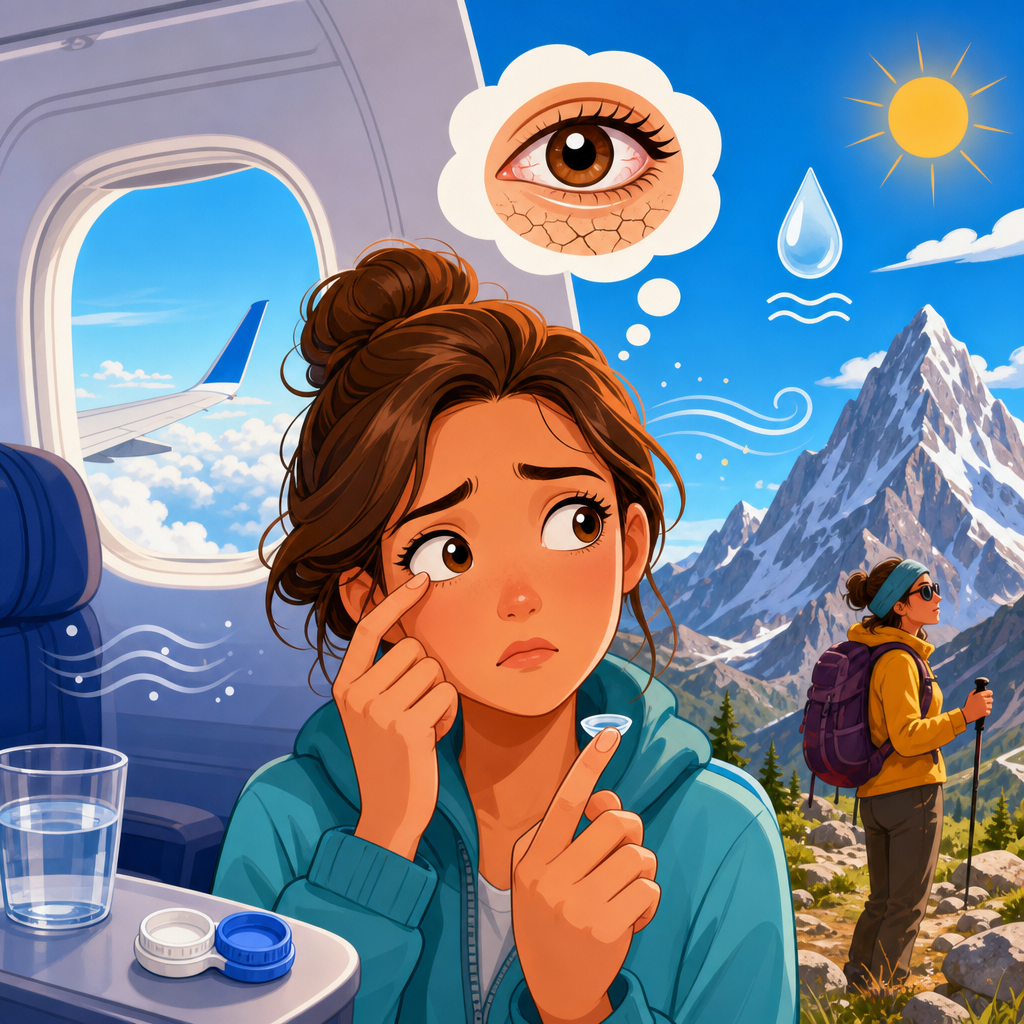
Indoor environments matter as much as outdoor conditions. Forced-air heat, wood stoves, and long hot showers dry the skin and scalp. Hard water can worsen a feeling of residue or tightness and may irritate people with eczema-prone skin, which often overlaps with acne sensitivity. Travel itself adds more triggers: recycled airplane air, disrupted sleep, dehydration, alcohol, unfamiliar products, and missed medications. For athletes and outdoor workers, friction and occlusion are major contributors. Sunscreen that is excellent for UV protection may still trigger breakouts if it is very heavy for your skin type. The best approach is not “stronger acne products,” but fewer irritants and smarter support for the barrier.
| Altitude factor | What it does to skin | Typical acne result | Best response |
|---|---|---|---|
| Low humidity | Increases water loss and flaking | Red, irritated, rough breakouts | Add ceramide moisturizer twice daily |
| Stronger UV exposure | Causes inflammation and pigment changes | Temporary drying, then darker marks | Use broad-spectrum SPF 30 or higher |
| Wind and cold | Disrupt barrier and cause chapping | Stinging from acne treatments | Reduce active frequency, protect exposed skin |
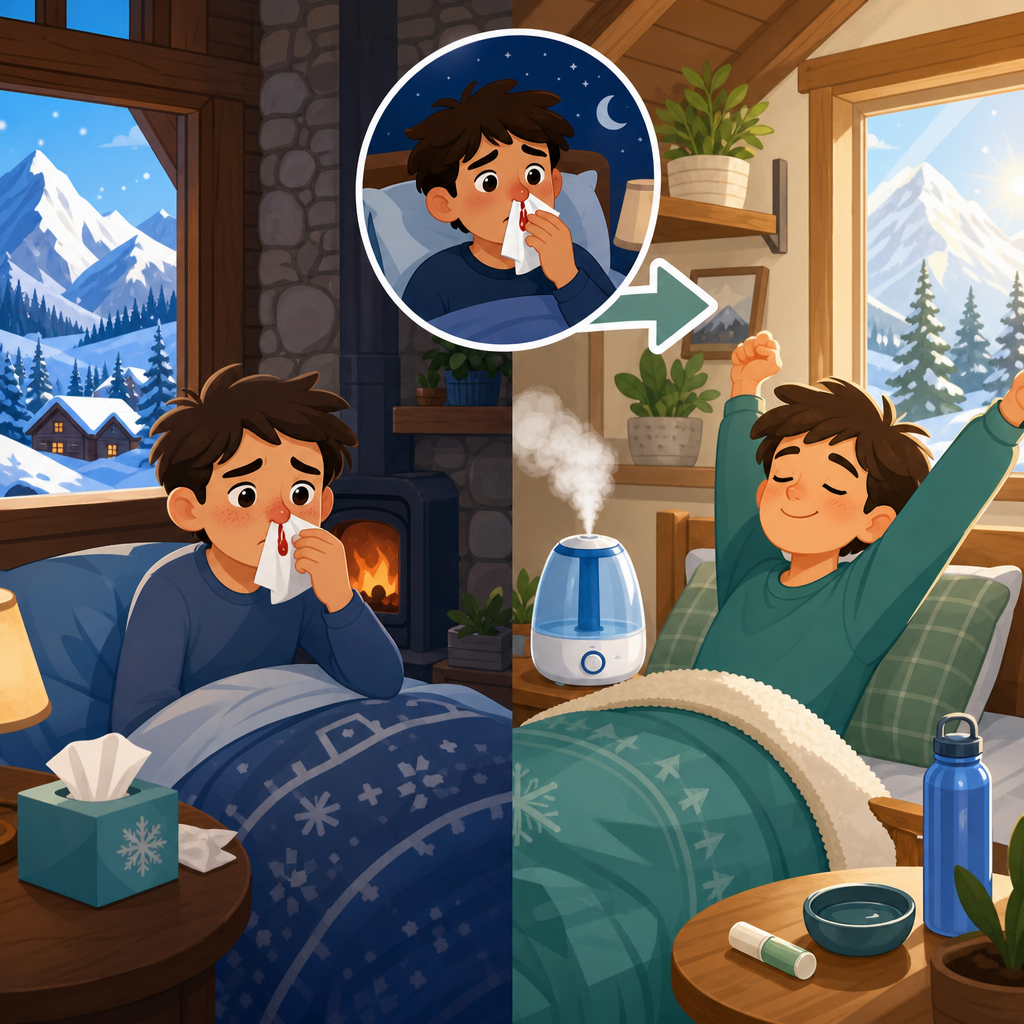
| Indoor heating | Dries air overnight | Morning tightness and rebound oil | Run a humidifier, especially in bedrooms |
| Gear friction | Creates pressure and occlusion | Cheek, chin, and jawline bumps | Clean straps, use breathable liners |
| Overcleansing | Strips protective lipids | More inflammation than true oil control | Cleanse gently once or twice daily |
Best skin care routine for acne-prone skin at altitude
A good altitude routine starts by separating acne treatment from barrier care. Morning: use a gentle cleanser or simply rinse if your skin is very dry, apply a fragrance-free moisturizer with humectants and ceramides, then use broad-spectrum sunscreen SPF 30 or higher. Look for zinc oxide, titanium dioxide, or well-formulated modern chemical filters, depending on tolerance. Gel creams can work for oily skin, while lotion or cream textures suit dry or retinoid-treated skin better. Reapply sunscreen every two hours outdoors, and remember that lip balm with SPF matters because lips crack quickly at altitude and licking them worsens inflammation around the mouth.
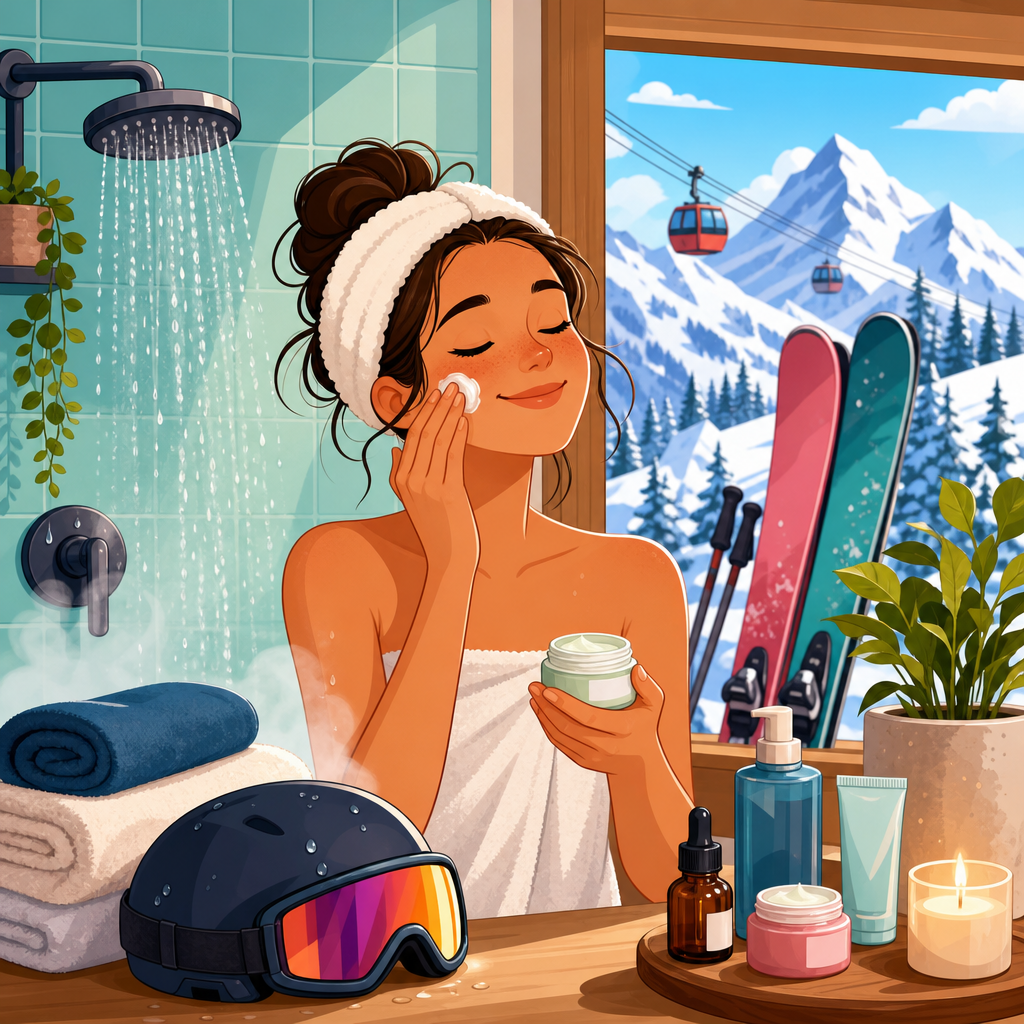
At night, cleanse off sunscreen, sweat, and particulate residue with a mild cleanser. Then apply your acne treatment strategically. If you use a retinoid such as adapalene or tretinoin, consider reducing frequency when you first arrive at altitude: every third night for one to two weeks is often more successful than pushing through nightly irritation. The “moisturizer sandwich” technique works well: moisturizer, retinoid, then a second thin layer of moisturizer. If benzoyl peroxide causes burning, switch from a leave-on to a short-contact wash or lower concentration. Salicylic acid can help clogged pores, but daily use may be too drying in mountain climates.
Ingredients matter. Ceramides, glycerin, hyaluronic acid, squalane, niacinamide, and petrolatum in small targeted amounts can support the barrier without automatically worsening acne. Petrolatum is highly effective on lips and irritated corners of the nose, though some people dislike its feel on the full face. Avoid fragranced toners, scrub particles, alcohol-heavy astringents, and essential oils when your skin is adapting. If you also have redness or rosacea features, azelaic acid is often one of the best all-around options because it treats acne, helps discoloration, and is generally less irritating than many alternatives. The most successful altitude routine is boring, consistent, and protective.
How dryness, eyes, and home comfort connect to acne
This subtopic extends beyond pimples. Dry indoor air affects the whole face, including eyelids, lips, nasal passages, and the skin around the mouth where acne treatments often migrate. If your eyes burn or feel gritty, that may reflect the same low-humidity environment drying your skin. People then rub the eye area, apply heavier creams randomly, or let facial moisturizer creep onto the lash line, which can irritate sensitive skin. A coordinated plan helps: humidify sleeping spaces to roughly 30 to 50 percent, avoid direct heater airflow toward the bed, and use separate products for acne-prone facial skin, lips, and eyelids rather than one heavy balm everywhere.
Home comfort choices have measurable effects. Bedrooms that stay extremely dry overnight often produce the classic morning pattern of tight cheeks, flaky nose folds, and an oily T-zone by noon. A cool-mist humidifier can reduce that cycle if cleaned properly to prevent mold or mineral aerosol. Shower habits matter too. Long hot showers feel good after cold weather exposure but worsen dryness. Keep water lukewarm, limit time, and moisturize within minutes after washing. Bedding, detergents, and fabric softeners can also irritate the face, especially if you sleep on one side. For many people, improving room humidity and reducing friction from rough towels or pillowcases lowers irritation enough that acne treatments become tolerable again.
When to see a dermatologist and what to ask
See a dermatologist if acne becomes painful, cystic, widespread, scarring, or resistant to a careful routine after eight to twelve weeks. Also seek help if your “acne” itches intensely, clusters around hair follicles on the trunk, or flares mainly with sweat, because that can suggest folliculitis rather than classic acne. If you develop severe facial redness, scaling around the nose and mouth, or burning with every product, you may be dealing with irritant dermatitis, seborrheic dermatitis, perioral dermatitis, or rosacea in addition to acne. These conditions often worsen at altitude and require different treatment choices than simply adding stronger exfoliants.
Bring specifics to the visit: your elevation change, climate, sport or work exposures, complete product list, shower habits, indoor humidity if known, and exactly when symptoms changed. Ask whether your current retinoid strength is appropriate, whether a short-contact benzoyl peroxide wash would be better than leave-on treatment, and how to prevent post-inflammatory hyperpigmentation in high UV conditions. For severe cases, prescription combinations, oral antibiotics for limited courses, hormonal therapy, or isotretinoin may be appropriate, but those treatments still require careful barrier management and sun protection. The goal is not only fewer breakouts. It is calmer skin that can tolerate treatment consistently in a dry environment.
Altitude does not have a single effect on acne. It can reduce surface oil and sweat-related congestion for some people, yet more often it exposes how dependent acne control is on a healthy skin barrier. The pattern is consistent: dry air, wind, UV, indoor heating, friction, and overuse of active ingredients create irritation, and irritated skin breaks out more easily and heals more slowly. That is why the best answer to “does acne get better or worse at altitude?” is conditional but practical: acne often worsens when skin becomes dehydrated, and it improves when your routine adapts quickly to the environment.
The key takeaways are straightforward. Use gentle cleansing, reliable moisturization, and daily broad-spectrum sunscreen. Reduce the frequency of retinoids or acids if stinging and flaking increase. Protect lips, support bedroom humidity, and watch for friction from sports gear and masks. If symptoms look unusual, consider overlapping problems such as folliculitis, rosacea, or dermatitis. Most importantly, do not treat altitude breakouts by doubling down on harsh products. In my experience, patients improve faster when they calm the barrier first and then rebuild treatment intensity gradually.
Use this hub as your starting point for skin care and dryness in daily life, then review related guidance on chapped lips, dry eyes, indoor humidity, sunscreen at elevation, and winter home comfort. If your skin has changed after moving or traveling uphill, simplify your routine tonight, moisturize strategically, and schedule expert help if breakouts keep worsening. Small adjustments made early prevent weeks of irritation later.
Frequently Asked Questions
Does acne get better or worse at altitude?
It can go either way. For some people, acne seems to improve at altitude because cooler temperatures and lower humidity may reduce excess oil and make pores feel less congested. Skin that tends to get greasy in hot, humid conditions may look clearer in a drier mountain climate, at least temporarily. However, altitude also creates several stressors that can make acne look and feel worse. Higher elevation usually means drier air, faster transepidermal water loss, and greater ultraviolet exposure. That combination can weaken the skin barrier, trigger irritation, increase redness, and make existing breakouts feel more inflamed.
In real-world terms, many people notice that their skin feels tighter, drier, and more sensitive first. After that initial adjustment period, acne may improve if reduced humidity helps limit oiliness and clogged pores, or worsen if dryness, irritation, and sun exposure trigger more inflammation. Skin type, the local climate, your usual routine, and how quickly you adapt all matter. So if you are asking whether acne gets better or worse at altitude, the most accurate answer is that it often becomes drier and more reactive at first, then shifts in either direction depending on how well your skin barrier is supported.
Why does high altitude make acne look more red or irritated?
High altitude can make acne appear angrier even when you are not developing dramatically more pimples. One major reason is barrier disruption. At elevation, the air is typically drier, which causes skin to lose moisture more quickly. When that happens, the outer layer of skin becomes less resilient and more prone to irritation. If you already use active ingredients such as retinoids, benzoyl peroxide, salicylic acid, or exfoliating acids, they may suddenly feel stronger than usual. Skin that is dehydrated and overexposed can sting, flake, burn, and flush more easily, making every blemish look more obvious.
Sun exposure is another important factor. Ultraviolet radiation becomes more intense at higher elevations, and inflamed acne lesions often become redder and can leave behind lingering marks more easily when exposed to UV light. Wind, cold, and rapid weather changes can add to the problem by aggravating sensitive or compromised skin. The result is that even a normal breakout may seem more swollen, more noticeable, and slower to calm down. This is why altitude-related acne is often described not just as “more acne,” but as acne that feels drier, more irritated, and more inflamed.
Can altitude cause breakouts even if my skin is usually clear?
Yes, it can. Altitude does not guarantee acne, but it can create conditions that trigger breakouts in people who do not normally struggle with them. The most common pathway is irritation. When the skin barrier becomes dry and disrupted, the skin may respond with inflammation, uneven shedding, and increased sensitivity to products that were previously well tolerated. That can contribute to clogged pores and acne-like bumps, especially if you compensate by layering heavy creams, occlusive sunscreens, or unfamiliar travel skincare products.
Changes in routine also play a role. Travel, outdoor activity, sweat trapped under hats or helmets, infrequent cleansing, richer moisturizers, and more sunscreen reapplication can all affect the skin. In some cases, what looks like acne may actually be irritation, folliculitis, or a rash caused by friction, sun, or product buildup. So while altitude itself is not the only reason breakouts happen, the environmental shift can absolutely be a trigger. If your skin is usually clear, the best approach is to keep your routine simple, support hydration, avoid over-exfoliating, and use non-comedogenic products while your skin adjusts.
How should I change my skincare routine at altitude if I am acne-prone?
The goal at altitude is to control breakouts without damaging the skin barrier. Start by simplifying your routine. Use a gentle cleanser that removes sunscreen and debris without leaving your skin squeaky or tight. Follow with a lightweight but effective moisturizer that contains barrier-supporting ingredients such as ceramides, glycerin, hyaluronic acid, squalane, or niacinamide. Even acne-prone skin usually needs more hydration at elevation than it does at sea level. Skipping moisturizer because you are worried about breakouts often backfires by increasing dryness and irritation.
Be more cautious with acne treatments than you might be at home. If you use a retinoid, benzoyl peroxide, salicylic acid, or exfoliating acids, consider reducing frequency temporarily until you see how your skin responds. For example, a nightly retinoid may be better tolerated every other night at first. The same goes for leave-on acids and spot treatments. Daily broad-spectrum sunscreen is essential because UV exposure is stronger at altitude, and post-acne marks can darken or persist longer without protection. Choose a non-comedogenic formula and reapply as needed, especially during outdoor activities. Overall, the best altitude routine for acne-prone skin is gentle, consistent, hydrating, and less aggressive than what you may use in more humid environments.
How long does it take for acne to adjust to altitude, and when should I get help?
Adjustment time varies, but many people notice changes within a few days of arriving at higher elevation. The earliest signs are often dryness, tightness, flaking, and increased sensitivity. Over the next one to three weeks, your skin may begin to settle if you adapt your routine and protect the barrier. During that time, acne may start looking better if reduced humidity helps decrease oiliness and congestion, or it may continue worsening if irritation, wind, sun, and dehydration are not addressed. Short trips may not allow enough time for full adjustment, which is why some people only experience the “dry and irritated” phase.
You should consider getting professional advice if breakouts become painful, widespread, cystic, or unusually persistent, or if redness and burning seem disproportionate to the amount of acne present. Help is also a good idea if you are not sure whether you are dealing with acne, rosacea, folliculitis, dermatitis, or a reaction to products or sun exposure. A dermatologist can help you separate true acne from altitude-related irritation and adjust your treatment plan so you are not accidentally making things worse. If acne changes dramatically after moving to a higher elevation and does not improve with a gentler, barrier-focused routine, expert guidance is often the fastest way to get your skin back on track.