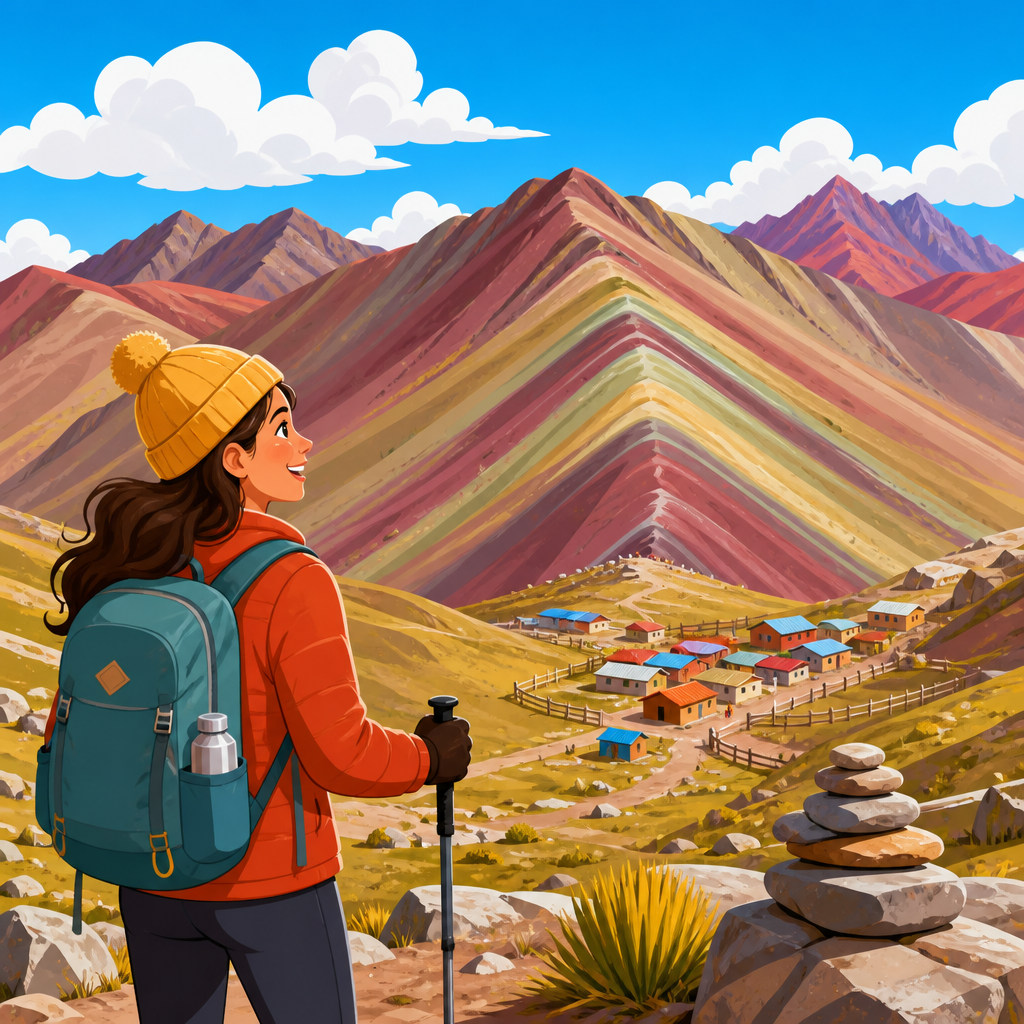
La Rinconada, Peru, is the highest permanent settlement on Earth, sitting at roughly 5,100 meters, or 16,700 feet, above sea level. For first-time visitors, that single fact matters more than any packing list, hotel review, or sightseeing plan, because altitude shapes everything here: how you breathe, sleep, walk, eat, think, and recover. An effective La Rinconada altitude guide starts with one core idea: this is not just a cold mountain town, but an extreme high-altitude community where ordinary travel assumptions stop working.
High altitude generally means elevations above 2,500 meters, where lower barometric pressure reduces the amount of oxygen available with each breath. At La Rinconada’s elevation, the body faces severe hypobaric hypoxia, meaning less oxygen reaches the bloodstream and tissues unless breathing rate and heart rate rise to compensate. Visitors often ask whether fitness protects them. In my experience planning mountain itineraries and helping travelers prepare for Andes routes, the answer is no. Strong athletes can struggle badly, while slower, more cautious travelers often do better because they respect acclimatization.
La Rinconada also matters beyond one destination. It is a vivid example of how high-altitude communities function under environmental stress. Studying it helps travelers understand similar places across the Andes, Himalayas, Ethiopian Highlands, and Tibetan Plateau, where infrastructure, health risks, work patterns, and social life are all shaped by thin air. This page serves as a practical hub for that wider topic, using La Rinconada as the clearest case study for altitude adaptation, visitor safety, and realistic expectations.
Unlike Cusco or even Puno, La Rinconada is not a typical tourism base with broad traveler services. It grew around artisanal and small-scale gold mining, and its rapid expansion has outpaced sanitation, housing quality, and formal healthcare capacity. That means first-time visitors need to think about altitude together with cold exposure, limited medical support, long overland access, hygiene concerns, and physical exhaustion. If you understand those interacting risks before arrival, you make better decisions about pacing, fluids, sleep, medications, and whether the trip is appropriate at all.
What altitude feels like in La Rinconada
Most first-time visitors want a direct answer: what does 5,100 meters actually feel like? In plain terms, even simple tasks can leave you winded. Walking uphill, carrying a daypack, climbing stairs, or talking while moving may force frequent stops. Many people notice a pounding heartbeat at rest, dry mouth, poor sleep, vivid dreams, mild headache, and a strange sense that their body is working hard even when they are sitting still. Nights often feel worse because breathing can become irregular during sleep.
The reason is straightforward. At sea level, the partial pressure of oxygen is high enough that the lungs can saturate blood efficiently. At 5,100 meters, available oxygen is dramatically lower, so the body compensates through hyperventilation and cardiovascular strain. This is why “taking it easy” is not optional advice but a physiological requirement. A traveler who lands in Juliaca, drives upward quickly, and starts walking around La Rinconada as if they were in Lima can trigger acute mountain sickness within hours.
Typical early symptoms include headache, nausea, fatigue, dizziness, poor appetite, and disturbed sleep. More serious warning signs include breathlessness at rest, inability to walk straight, confusion, blue lips, persistent vomiting, and chest tightness. Those can indicate high-altitude cerebral edema or high-altitude pulmonary edema, both medical emergencies. The standard mountain medicine rule applies here with extra force: if symptoms worsen, do not ascend farther; if severe symptoms appear, descend immediately. No viewpoint or reporting assignment is worth gambling with brain or lung swelling.
Because La Rinconada is a high-altitude community rather than a trekking pass, visitors can underestimate danger. They think, “People live there, so my body will adjust on arrival.” Residents often have long-term adaptations, and many migrants still struggle with chronic altitude stress. Permanent habitation does not make the elevation benign. It simply shows that humans can survive there under specific conditions, not that short-term visitors can ignore acclimatization science.
How to acclimatize before you go
The safest approach is staged ascent. Spend several nights at a lower Andean city before attempting La Rinconada. For many travelers, Arequipa can be a useful first stop, then Cusco or Puno, before moving higher. Puno, at around 3,800 meters, is still demanding but provides a much better acclimatization platform than rushing directly upward. In practical itinerary design, I recommend at least two to three nights above 3,000 meters and ideally another two nights near 3,800 meters before considering 5,100 meters.
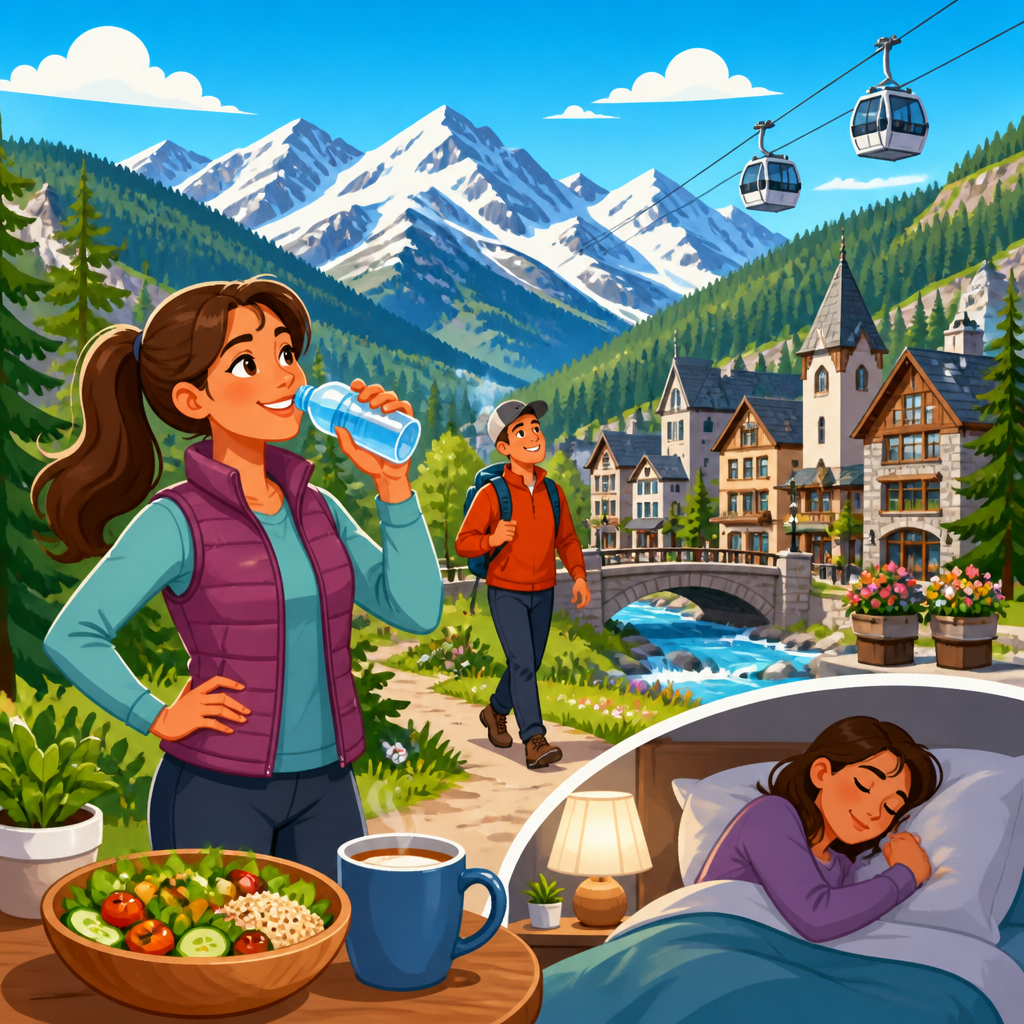
Hydration matters, but it is often misunderstood. You do not prevent altitude illness simply by drinking extreme amounts of water. Overhydration can create its own problems. The goal is steady fluid intake that offsets dry air and faster breathing without forcing liters beyond thirst. Urine should be light yellow, not completely clear all day. Eat regular carbohydrate-rich meals because appetite often drops at altitude while energy demand rises. Soups, rice, potatoes, oats, bread, and fruit are easier to tolerate than heavy, greasy food on the first days.
Medication can help some travelers, especially acetazolamide, commonly sold as Diamox. Wilderness Medical Society guidance supports its use for prevention when ascent is rapid or prior altitude illness is likely. It works by stimulating acclimatization through mild metabolic acidosis, effectively encouraging deeper breathing. It is not a magic shield, and it can cause tingling, altered taste for carbonated drinks, and increased urination. Travelers with sulfonamide concerns or kidney issues should discuss it with a clinician before travel.
Sleeping aids deserve caution. Alcohol, sedative medications, and overexertion on arrival can worsen breathing patterns and recovery. I have seen travelers sabotage acclimatization by celebrating a hard travel day with drinks, sleeping badly, and assuming the next morning’s headache was only dehydration. At La Rinconada altitude, poor decisions compound quickly. A conservative first 24 hours is often the difference between manageable discomfort and a forced descent.
What to pack and how to prepare physically
Preparation for La Rinconada should focus less on fashion and more on function. Temperatures are cold year-round, especially overnight, and weather can shift quickly. Layering is essential: moisture-wicking base layers, an insulating mid-layer such as fleece or light down, and a wind-resistant outer shell. Bring warm gloves, a hat that covers the ears, UV-protective sunglasses, sunscreen rated SPF 30 or higher, lip balm, and durable waterproof footwear. Solar radiation is intense at altitude, and snow glare can increase exposure even on cloudy days.
Physical training helps with comfort but does not replace acclimatization. Cardio fitness improves movement efficiency, yet altitude illness depends primarily on how your body responds to reduced oxygen, not on how far you can run at sea level. The best conditioning plan is gentle aerobic training before the trip, combined with honest pacing during the trip. Practice walking slowly with nasal or controlled breathing. If your normal hiking style is aggressive, deliberately retrain for patience.
| Preparation area | Best practice for first-time visitors | Why it matters in La Rinconada |
|---|---|---|
| Ascent plan | Sleep several nights at intermediate altitude first | Reduces acute mountain sickness risk |
| Clothing | Use layered cold-weather systems | Prevents heat loss in a harsh alpine climate |
| Medication | Ask a clinician about acetazolamide before travel | Can support acclimatization when used correctly |
| Hydration | Drink consistently, not excessively | Dry air increases fluid loss through breathing |
| Activity level | Keep the first day deliberately light | Overexertion is a common trigger for symptoms |
| Emergency plan | Know descent routes and nearest medical options | Severe altitude illness can escalate fast |
Bring a pulse oximeter only if you understand its limits. Oxygen saturation readings at 5,100 meters will be lower than at sea level, sometimes much lower, and a number alone does not determine whether someone is safe. Trend and symptoms matter more than a single reading. Similarly, portable oxygen can provide temporary relief, but it should never be treated as permission to remain at dangerous altitude with worsening symptoms.
Health, safety, and daily life in a high-altitude mining town
La Rinconada is unusual because environmental hardship and industrial reality overlap. Many visitors arrive focused on altitude alone and fail to account for the pressures of a mining settlement: crowded transport, variable lodging standards, muddy or icy streets, waste management challenges, and limited emergency response compared with major cities. If you are visiting for journalism, research, photography, or regional travel, build a safety plan that covers water quality, food hygiene, communications, and exit timing, not just altitude medication.
Air quality can also be a concern. Dust, vehicle exhaust, indoor smoke, and mining-related pollutants may irritate the lungs, which are already stressed by thin air. For travelers with asthma or cardiopulmonary disease, this combination raises the threshold for deciding not to go. A pre-travel medical consultation is prudent if you have hypertension, arrhythmia, chronic obstructive pulmonary disease, sleep apnea, prior high-altitude pulmonary edema, or any condition affected by reduced oxygen. In such cases, the safest itinerary may be to study high-altitude communities from lower elevations instead.
Another overlooked issue is decision-making fatigue. Hypoxia can subtly impair judgment, patience, and coordination. People become clumsy, irritable, or overconfident. In field travel, that translates into missed meals, minor falls, gear mistakes, and delays in recognizing serious symptoms. Use checklists, keep your schedule simple, and travel with someone who will notice if you are acting differently. The buddy system is not just for mountaineers; it is useful in any extreme-altitude environment.
If you develop a headache at La Rinconada, treat it as data, not background noise. Rest, hydrate normally, avoid further exertion, and assess for associated symptoms such as nausea, ataxia, or shortness of breath. If symptoms improve with rest and remain mild, continue cautiously. If they intensify, descent is the treatment. This is the governing rule across high-altitude communities worldwide, from Peruvian mining towns to Himalayan roadheads: when the body says the elevation is too much, lower altitude is the fix.
What La Rinconada teaches about high-altitude communities worldwide
As a hub for high-altitude communities, La Rinconada offers a framework for understanding why people live in seemingly inhospitable places. Usually the answer combines economics, culture, mobility, and adaptation. In the Andes, mining, trade routes, family networks, and regional identity sustain settlements above elevations most outsiders visit only briefly. Similar dynamics appear in Tibetan pastoral areas, Ladakhi villages, and Ethiopian highland towns, where people balance livelihood opportunities against environmental constraints.
These communities reveal three consistent patterns. First, infrastructure is harder to build and maintain. Water systems freeze, roads deteriorate, fuel costs rise, and construction is complicated by cold, slope, and remoteness. Second, health demands are different. Maternal care, chronic disease management, emergency evacuation, and respiratory illness all take on added complexity at altitude. Third, daily routines adapt to oxygen scarcity. Work pace, sleep timing, load carrying, and childhood development all reflect a landscape where exertion is metabolically expensive.
For travelers, the key lesson is respect. High-altitude communities are not adventure backdrops; they are functioning societies with their own constraints and expertise. Visit with humility, move slowly, spend locally when appropriate, and avoid treating hardship as spectacle. If La Rinconada is part of broader Peru travel planning, use it as a reminder that destinations above 3,000 meters require a different standard of preparation than lowland city breaks. Read destination-specific guidance, compare ascent profiles, and build extra days into every itinerary. If you are considering La Rinconada, start with acclimatization, medical clearance when needed, and a realistic plan to descend quickly if your body objects.
Frequently Asked Questions
How high is La Rinconada, and why does that matter so much for first-time visitors?
La Rinconada sits at about 5,100 meters, or roughly 16,700 feet, above sea level, making it the highest permanent settlement on Earth. For first-time visitors, that number is not just an interesting fact. It changes nearly every part of the travel experience. At this elevation, the air contains far less available oxygen than most people are used to, so normal activities such as walking uphill, carrying a bag, climbing stairs, or even talking while moving can feel surprisingly difficult. Many travelers expect cold weather to be the main challenge, but altitude is usually the real issue because it affects breathing, energy levels, appetite, sleep quality, hydration, and concentration.
This is why La Rinconada should never be approached like an ordinary mountain destination. Even healthy, active people can feel weak or breathless there. If you normally live near sea level, your body will need time to adapt to the reduced oxygen, and that process is never fully predictable. Some people develop only mild symptoms, while others feel strongly affected within hours. The key point is that first-time visitors should treat the altitude as the central factor in planning the trip. Your pace, itinerary, rest schedule, fluid intake, and expectations all need to be adjusted for the environment.
What altitude sickness symptoms should I watch for in La Rinconada?
The most common concern for first-time visitors is acute mountain sickness, often called altitude sickness. Typical early symptoms include headache, nausea, dizziness, unusual tiredness, loss of appetite, poor sleep, and shortness of breath with mild exertion. In a place as high as La Rinconada, these symptoms can appear quickly and may feel stronger than they would at lower high-altitude destinations. A mild headache or a restless night can be common, but symptoms should never be ignored, especially if they get worse instead of improving with rest.
More serious warning signs include severe headache that does not improve, vomiting, confusion, difficulty walking in a straight line, extreme weakness, chest tightness, worsening breathlessness even at rest, or a sense that the person is becoming disoriented or unusually drowsy. These can signal dangerous altitude-related conditions that require immediate attention and descent. In practical terms, the rule for first-time visitors is simple: if symptoms are mild, stop, rest, hydrate, and avoid further exertion; if symptoms are moderate or worsening, do not continue higher or push through them; if symptoms are severe, seek medical help and descend as soon as possible. In La Rinconada, taking symptoms seriously is not being cautious for the sake of it. It is basic safety.
How should first-time visitors acclimatize before going to La Rinconada?
The best approach is gradual acclimatization. Instead of traveling directly from low elevation to La Rinconada and expecting your body to cope, spend time at intermediate altitudes first. Many travelers do better if they acclimatize in places such as Cusco, Puno, or other high-elevation areas before attempting the final ascent. Even then, La Rinconada is so extreme that prior acclimatization reduces risk but does not eliminate it. If possible, give yourself several days to adapt before going higher, keep your first day or two very light, and avoid building a tight schedule around physical activity.
Once you arrive, move slowly and intentionally. This is one of the most important pieces of advice in any La Rinconada altitude guide. Do not rush from transport to lodging to sightseeing as if you were in a lower-altitude city. Walk slowly, rest often, stay warm, eat light meals if your appetite drops, and drink water consistently without overdoing it. Alcohol, intense exercise, and sleep deprivation can all make acclimatization harder. Some travelers also speak with a doctor before the trip about preventive medication for altitude illness, especially if they have had problems at altitude before. The goal is not to prove toughness. The goal is to give your body the best chance to function in an environment that is genuinely extreme.
What does the altitude actually feel like day to day in La Rinconada?
For many first-time visitors, the biggest surprise is how ordinary tasks start to feel unusually demanding. You may notice that your breathing becomes faster after only a short walk, that stairs feel much steeper than expected, or that your legs tire quickly even if you are normally fit. Some people describe a dull pressure in the head, a slightly foggy feeling, or interrupted sleep that leaves them tired the next day. It is also common to feel colder and less energetic, partly because your body is working harder simply to maintain basic function in thin air.
Day to day, the most helpful mindset is to operate at a lower gear than usual. Plan extra time for everything. Walk more slowly, pause often, and accept that productivity and stamina may be reduced. Eating can also feel different, as high altitude may suppress appetite or make heavy meals less appealing. Sleep may be lighter or more fragmented. None of this means something is necessarily wrong, but it does mean you should respect the limits your body is showing you. Visitors who do best in La Rinconada are usually the ones who stop trying to perform normally and instead adapt their expectations to the altitude. In practical terms, that means simpler days, more rest, and less pressure to do too much.
Is La Rinconada safe for everyone to visit, or are there people who should be especially cautious?
La Rinconada is not automatically unsafe, but it is absolutely not a casual destination from a physiological standpoint. People with heart conditions, lung disease, uncontrolled high blood pressure, sleep-related breathing disorders, anemia, or a history of severe altitude illness should be especially cautious and should speak with a qualified medical professional before planning a visit. Pregnant travelers and older travelers may also need more individualized advice depending on their overall health. Even healthy visitors should understand that being fit at sea level does not guarantee an easy experience at 5,100 meters.
What makes La Rinconada different is the severity of the altitude rather than the existence of altitude itself. Plenty of people travel safely in the Andes, but this town is at the far end of the high-altitude spectrum. That means the margin for error is smaller. If you have any underlying medical issue, if you are traveling alone, or if you have never been at extreme altitude before, planning conservatively is the smart choice. Build in acclimatization time, know the warning signs of altitude illness, keep your itinerary flexible, and have a descent plan. For first-time visitors, the safest attitude is to treat the trip with the same seriousness you would give any extreme environment. La Rinconada is extraordinary, but your health has to come first.