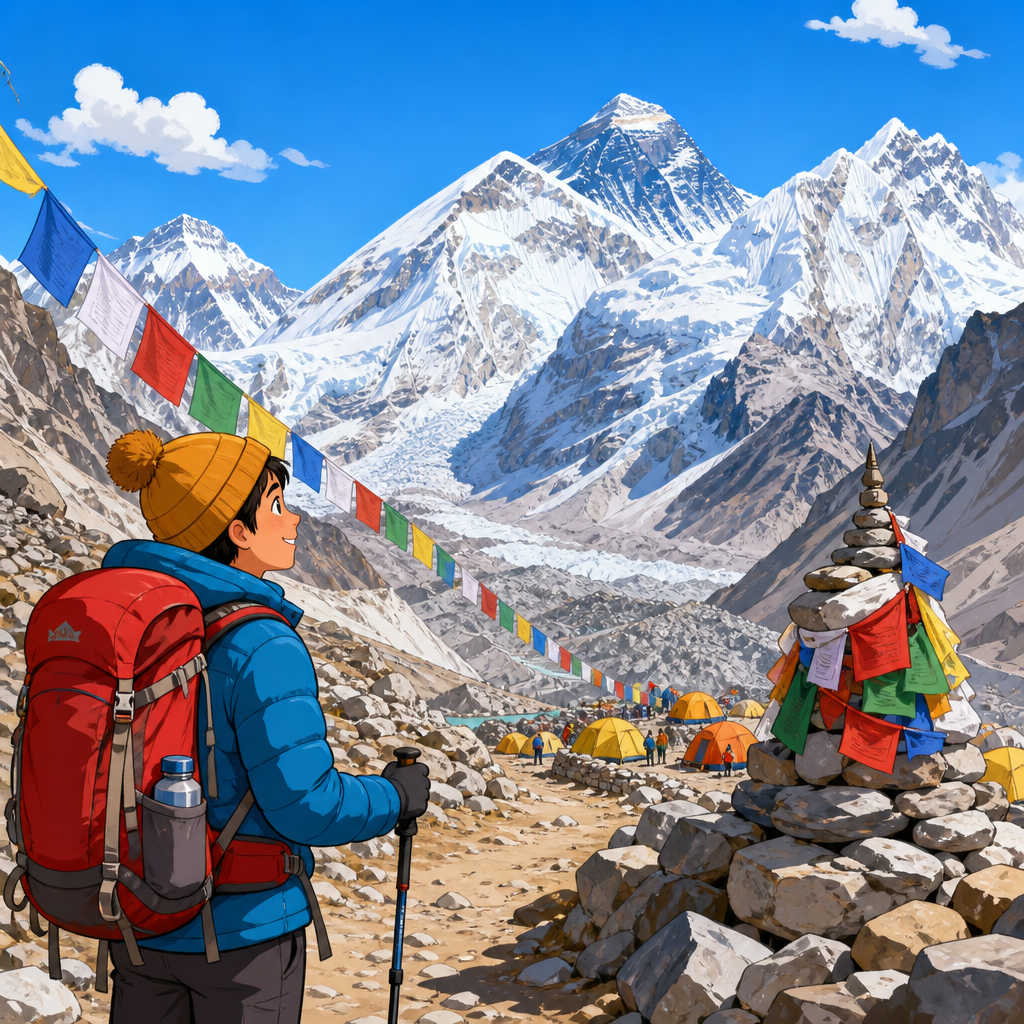
Everest Base Camp altitude is the single factor that shapes how first-time visitors should plan, pace, and prepare for this trek. In practical terms, altitude means elevation above sea level, and on the Everest Base Camp route that elevation rises from roughly 2,860 meters in Lukla to about 5,364 meters at base camp, with many trekkers also climbing Kala Patthar at 5,545 meters for the classic panoramic view. I have planned and reviewed Himalayan itineraries for years, and the mistake I see most often is treating this journey like an ordinary multi-day hike. It is not. The challenge is not technical climbing; it is how your body responds to thin air over many days, while carrying fatigue, cold exposure, variable sleep, and long walking hours.
For first-time visitors, an Everest Base Camp altitude guide matters because altitude affects almost every preparation decision: itinerary length, fitness training, gear selection, hydration strategy, insurance, and even what you eat in tea houses. As elevation increases, barometric pressure drops and less oxygen is available with each breath. That does not mean the air has less oxygen percentage; it means your body receives less usable oxygen. The result can be shortness of breath, slower recovery, disturbed sleep, reduced appetite, and, if you ascend too quickly, acute mountain sickness. In more serious cases, trekkers can develop high-altitude cerebral edema or high-altitude pulmonary edema, both medical emergencies.
This guide covers trek preparation through the lens of elevation, because that is the most useful way to organize your planning. You will learn how the altitude profile works day by day, what “acclimatization” actually means, how to train before departure, what symptoms require immediate descent, and which gear choices help at 3,000 meters versus above 5,000 meters. Think of this page as the central planning hub for first-time Everest Base Camp trekkers: it connects route logic, safety, packing, timing, and expectations into one altitude-first framework. If you understand the altitude, you make better decisions on every other part of the trek.
Everest Base Camp altitude profile: what first-time trekkers should expect
The standard Everest Base Camp trek begins with a flight from Kathmandu or Ramechhap to Lukla, where the trail starts at about 2,860 meters. From there, most classic itineraries move through Phakding, Namche Bazaar, Tengboche, Dingboche, Lobuche, Gorak Shep, and finally Everest Base Camp. The usual sleeping heights are more important than the daytime high points, because your body adapts based largely on where you rest. A common progression is Phakding at 2,610 meters, Namche Bazaar at 3,440 meters, Tengboche at 3,860 meters, Dingboche at 4,410 meters, Lobuche at 4,910 meters, and Gorak Shep at about 5,164 meters before the base camp visit.
That progression explains why the trek feels manageable for the first few days and then abruptly harder. Above roughly 3,000 meters, many first-time trekkers notice reduced pace and heavier breathing on climbs. Above 4,000 meters, sleep often becomes lighter, dehydration risk rises, and recovery slows even if the actual walking distance remains moderate. By the time you reach Gorak Shep, simple tasks such as climbing steps, putting on boots, or repacking a duffel can leave you winded. This is normal to a point, but it is also the stage where poor pacing and skipped acclimatization days produce problems.
| Location | Approximate altitude | Why it matters for preparation |
|---|---|---|
| Lukla | 2,860 m | Starting altitude is already higher than many mountain destinations in Europe or North America |
| Namche Bazaar | 3,440 m | First major acclimatization threshold; symptoms often begin here |
| Dingboche | 4,410 m | Thin air becomes obvious; sleep and appetite may change |
| Lobuche | 4,910 m | Recovery slows sharply; hydration and pacing become critical |
| Everest Base Camp | 5,364 m | Destination altitude is high enough to challenge even fit trekkers |
| Kala Patthar | 5,545 m | Common side ascent and often the hardest effort of the trip |
For most first-time visitors, the practical question is simple: how high is too high, too fast? Widely accepted mountain medicine guidance recommends conservative ascent once sleeping altitude exceeds 3,000 meters, often summarized as limiting sleeping elevation gain and building in rest days. On the Everest route, that is why reputable operators schedule acclimatization days at Namche Bazaar and Dingboche. Those pauses are not “days off” in the lazy sense. They are planned adaptation days, usually with short hikes to higher viewpoints followed by a return to sleep lower.
Acclimatization: how your body adjusts and why schedule matters more than fitness
Acclimatization is the physiological process by which your body responds to lower oxygen availability. In the first days at altitude, breathing rate increases, heart rate rises, and the kidneys begin adjusting blood chemistry to support faster breathing. Over time, your body also stimulates red blood cell production, though that adaptation is limited on a short trek. The key lesson for first-time Everest Base Camp visitors is that acclimatization cannot be rushed by determination. I have seen strong runners, cyclists, and gym-trained hikers struggle more than slower, steadier walkers because they assumed fitness made them immune to altitude. It does not.
The phrase “climb high, sleep low” is useful, but it is often misunderstood. It does not mean chasing maximum elevation every day. It means introducing controlled exposure to a slightly higher altitude during an acclimatization hike, then descending to your planned sleeping elevation. In Namche, for example, many trekkers hike to the Everest View Hotel area or Khumjung before returning to sleep in Namche. In Dingboche, a common acclimatization walk heads toward Nangkartshang Peak. These hikes stimulate adaptation without the full strain of moving your overnight base higher too quickly.
A good itinerary for first-time trekkers usually spans 12 to 14 days on the trail, not including international travel. Faster schedules exist, but they reduce your margin for safe adaptation and weather delays. If you are deciding between a shorter and a longer trek, the longer itinerary is almost always the better preparation choice. Altitude success is less about peak athletic ability and more about cumulative restraint: slow walking, steady fluid intake, adequate calories, and willingness to descend if symptoms worsen.
Altitude sickness explained: symptoms, prevention, and when to descend
The most common altitude-related condition on the Everest Base Camp trail is acute mountain sickness, often abbreviated as AMS. Typical symptoms include headache, nausea, dizziness, unusual fatigue, loss of appetite, and poor sleep. Mild symptoms can appear even on a well-paced itinerary, especially around Namche Bazaar or above. What matters is whether symptoms improve with rest, hydration, and time, or whether they worsen as you gain elevation. A headache that does not respond to fluids and basic medication, especially if paired with nausea or loss of coordination, should be treated seriously.
The two life-threatening altitude illnesses are high-altitude pulmonary edema, known as HAPE, and high-altitude cerebral edema, known as HACE. HAPE often presents with breathlessness at rest, persistent cough, chest tightness, reduced exercise tolerance, and sometimes crackling sounds in the lungs. HACE involves severe headache, confusion, altered behavior, poor balance, and sometimes hallucinations. Both require immediate descent and urgent medical attention. Supplemental oxygen, portable hyperbaric bags, and medications can help in expedition settings, but the definitive treatment is descent.
Prevention starts with itinerary design, not medication. A slow ascent, acclimatization days, good hydration, and avoiding alcohol excess all reduce risk. Some trekkers use acetazolamide, commonly sold as Diamox, for prevention or early symptom management. It can be effective, but it is not a license to ascend recklessly, and you should discuss its use with a qualified clinician before travel, especially if you have kidney issues, sulfa allergies, or other medical concerns. If symptoms progress, the correct decision is to stop ascending. If they continue or intensify, descend. No viewpoint and no itinerary goal is worth gambling with altitude illness.
Training for Everest Base Camp: fitness that actually helps at altitude
You cannot train your lungs to ignore altitude, but you can build the traits that make the trek safer and more comfortable. The most useful preparation is aerobic endurance, hiking-specific leg strength, and the ability to move steadily for several hours on consecutive days. In practice, that means brisk uphill walking, stair sessions, long weekend hikes, and strength work for quads, glutes, calves, and core. If I were advising a first-time trekker with twelve weeks to prepare, I would prioritize three cardio sessions per week, one longer hike, and two short strength workouts, then gradually increase duration rather than intensity.
Loaded walking is particularly valuable because it conditions your feet, hips, and shoulders for repeated trail days. Even if porters carry your main duffel, you will still carry water, extra layers, snacks, and essentials in a daypack. Train with a pack weighing roughly what you expect to carry, often 5 to 8 kilograms. Include downhill walking too. Many trekkers focus only on climbing fitness, then discover that long descents from base camp and back toward Lukla are what strain knees, toes, and stabilizing muscles.
What fitness does help with is resilience. A fitter trekker usually walks more efficiently, recovers faster overnight, manages cold better through movement, and has more reserve when appetite dips. What fitness does not do is eliminate altitude risk. That distinction should shape your mindset before departure.
Gear and clothing by altitude band: what changes above 3,500 meters
The best Everest Base Camp packing lists are altitude-specific. Below about 3,500 meters, many trekkers can walk comfortably in light layers during the day, even if mornings are cool. Above that level, weather shifts become more important, and by 4,500 meters you should expect cold mornings, strong sun, biting wind, and rapidly changing comfort levels depending on whether you are moving or resting. The solution is a disciplined layering system: moisture-wicking base layer, insulating mid-layer such as fleece or light synthetic jacket, and a weather-resistant outer shell. A packable down jacket becomes essential for tea house evenings and early starts.
Footwear should be broken-in trail boots or sturdy hiking shoes with reliable grip. Waterproofing helps, but fit matters more. Cold feet are often caused by poor circulation from tight boots or thick socks crammed into the wrong size. Bring liner socks or blister plasters if you know you are prone to hotspots. Trekking poles are not optional luxury items on this route; they reduce strain on knees and improve balance on uneven stone steps, moraine sections, and descent days.
At high altitude, sun exposure is stronger because the atmosphere is thinner. UV protection is a safety issue, not a style choice. Use category 3 or 4 sunglasses from a reputable brand, broad-spectrum sunscreen, lip balm with SPF, and a hat that works with changing conditions. A sleeping bag rated for sub-freezing nights is wise, even if tea houses provide blankets, because insulation standards vary widely. Add a headlamp, water purification method, insulated water bottles or sleeves, and a basic personal medical kit. Preparation becomes easier when you pack according to altitude realities instead of generic trekking advice.
Food, hydration, sleep, and logistics on the trail
Hydration is one of the most practical altitude defenses because dry air, exertion, and faster breathing increase fluid loss. Aim for regular intake throughout the day rather than chugging water at night. Clear or pale urine is a useful rough check, though overhydration is also unhelpful. Purify all drinking water using tablets, drops, filters, or UV treatment. Buying sealed bottles all the way up is expensive and environmentally poor, and many lodges discourage it.
Food choices matter because appetite often falls as altitude rises. The classic tea house staple, dal bhat, remains one of the best meals on the trek because it combines rice, lentils, vegetables, and usually repeat servings. Porridge, potatoes, eggs, garlic soup, noodles, and fried rice are also common. Meat is often avoided above Namche by experienced guides because refrigeration and transport conditions become less reliable. Eat consistently, even when you do not feel hungry. Your body needs carbohydrate-rich fuel to handle cold and exertion.
Sleep can be frustrating at altitude. It is common to wake frequently, breathe irregularly, or feel that your sleep was light. Good sleep hygiene helps: avoid heavy alcohol use, keep warm without overheating, use earplugs in busy lodges, and eat enough at dinner. Logistically, first-time visitors should also prepare for flight delays to Lukla, cash-only purchases on much of the route, limited charging access, and patchy connectivity. Those details sound separate from altitude, but they affect stress, recovery, and your ability to adapt calmly each day.
Season, itinerary design, and choosing support for a safer first trek
The main Everest Base Camp trekking seasons are pre-monsoon, especially March to May, and post-monsoon, especially late September to November. Spring usually brings milder temperatures at lower elevations, rhododendron blooms, and busier trails, while autumn often offers the clearest mountain views and crisp conditions. Winter trekking is possible but colder, with greater snow and ice risk, especially higher up. Monsoon season brings cloud, rain, leeches at lower elevations, and frequent flight disruption. For most first-time visitors, autumn and spring are the best balance of safety, scenery, and logistics.
Itinerary design should include buffer days if your schedule allows. Lukla flights are famously weather-sensitive, and a delayed departure can cause expensive knock-on problems for international connections. Guided treks remain the best choice for most first-time trekkers because a strong local guide monitors pace, checks symptoms, handles lodge coordination, and knows when a “tired client” is actually showing early AMS signs. Independent trekking appeals to experienced hikers, but altitude judgment is where local support pays for itself. If you use an operator, ask specific questions about acclimatization days, guide-to-client ratio, emergency protocols, oxygen access, and whether their itinerary includes realistic walking times rather than marketing shortcuts.
Travel insurance should explicitly cover high-altitude trekking and helicopter evacuation in Nepal. Many standard policies exclude trekking above a certain elevation, and Everest Base Camp exceeds common cutoffs. Read the policy wording. Confirm the maximum covered altitude, emergency contact process, and whether pre-existing conditions affect claims. That administrative step is part of trek preparation, not a last-minute detail.
Everest Base Camp altitude is the thread that ties every smart preparation decision together. When first-time visitors understand the elevation profile, they stop asking only, “Can I do it?” and start asking better questions: “How should I pace it, what symptoms matter, and what support will reduce risk?” Those questions lead to safer choices. The route is achievable for many reasonably fit travelers, but only when they respect the climb from Lukla to over 5,300 meters as a physiological challenge, not just a scenic walk.
The core lessons are straightforward. Choose an itinerary with proper acclimatization days, especially at Namche Bazaar and Dingboche. Train for steady endurance and repeated hiking days, not speed. Pack for cold, sun, and changing conditions by altitude band. Eat and drink consistently, sleep as well as you can, and never ignore worsening symptoms. Use guides, insurance, and buffer days to manage the real logistical risks of trekking in the Khumbu. Every one of those steps improves your odds of reaching base camp comfortably and returning in good health.
If you are planning your first trek, use this Everest Base Camp altitude guide as your preparation checklist and build the rest of your trip around it. A realistic schedule, informed gear choices, and disciplined acclimatization will do more for your success than optimism alone. Start training early, review your itinerary carefully, and prepare for the altitude before you prepare for the photographs.
Frequently Asked Questions
What is the altitude of Everest Base Camp, and why does it matter so much for first-time visitors?
Everest Base Camp sits at approximately 5,364 meters (17,598 feet) above sea level, and that number is far more than a simple milestone on an itinerary. For first-time visitors, altitude is the central planning factor because it directly affects how your body performs, sleeps, hydrates, digests food, and adapts to thinner air. The trek typically begins in Lukla at around 2,860 meters, then climbs steadily through places like Namche Bazaar, Tengboche, Dingboche, Lobuche, and Gorak Shep before reaching base camp. Many trekkers also add Kala Patthar, which rises to about 5,545 meters, making it one of the highest points most visitors will reach on the trip.
The reason altitude matters so much is that as elevation increases, the amount of oxygen available to your body decreases. You are not suddenly “out of oxygen,” but each breath delivers less usable oxygen than it would at sea level. That leads to slower hiking speeds, heavier breathing, increased fatigue, disrupted sleep, and a higher risk of acute mountain sickness if you ascend too quickly. First-time trekkers often underestimate this because the route is non-technical and widely accessible, but the physical challenge is driven less by terrain difficulty and more by the cumulative effects of high elevation. In practical terms, understanding Everest Base Camp altitude helps you build a safer itinerary, take acclimatization days seriously, manage expectations about pace, and recognize that feeling strong at lower elevations does not guarantee an easy experience higher up.
How should first-time trekkers pace their ascent to Everest Base Camp to acclimatize properly?
The best approach is to treat acclimatization as part of the trek itself, not as a delay or optional extra. A standard Everest Base Camp itinerary usually includes at least two acclimatization days, most commonly at Namche Bazaar around 3,440 meters and Dingboche around 4,410 meters. These stops give your body time to adjust to lower oxygen levels before you continue higher. For first-time visitors, this pacing is one of the strongest predictors of a successful trek. The most common mistake is trying to move too quickly because the legs feel good early on. Your muscles may feel capable, but your physiology still needs time to adapt.
A smart rhythm is to climb gradually, keep daily effort controlled, and follow the basic high-altitude principle of “climb high, sleep low” when possible. On acclimatization days, you may hike to a higher point during the day and then return to sleep at a lower elevation. This helps stimulate adaptation without adding the full strain of sleeping higher too soon. It is also important to walk at a deliberately slower pace than you think you need, especially above Namche. Trekking slowly is not a sign of weakness in the Khumbu; it is often the strategy that gets people to base camp comfortably. Add in consistent hydration, regular meals, enough rest, and flexibility in your itinerary, and you give yourself the best possible chance to acclimatize well. First-time trekkers should think in terms of steady progress rather than speed.
What altitude sickness symptoms should I watch for on the Everest Base Camp trek?
The most common early signs of altitude illness include headache, nausea, loss of appetite, unusual fatigue, dizziness, poor sleep, and shortness of breath that feels out of proportion to your effort. Mild symptoms can happen even when people are acclimatizing reasonably well, but they should never be ignored. A headache that does not improve with rest, hydration, and basic treatment is especially important to take seriously. If symptoms get worse as you continue higher, that is a major warning sign. The key rule for first-time visitors is simple: never ascend with worsening symptoms.
More serious altitude-related conditions include high-altitude cerebral edema (HACE) and high-altitude pulmonary edema (HAPE), both of which are medical emergencies. Warning signs of HACE can include confusion, poor coordination, severe lethargy, or altered behavior. HAPE may present with breathlessness at rest, chest tightness, a persistent cough, or a crackling sensation in the lungs. These conditions require immediate descent and urgent medical attention. One reason I emphasize this so strongly for first-time trekkers is that many people expect altitude sickness to feel dramatic right away, when in reality it can begin subtly and worsen if ignored. The safest mindset is to monitor your symptoms honestly, communicate with your guide or group, and prioritize descent over summit-style thinking. Reaching base camp is optional; protecting your health is not.
Is Kala Patthar harder than Everest Base Camp because of the altitude?
For many trekkers, yes. Although Everest Base Camp is the headline destination at 5,364 meters, Kala Patthar is higher at about 5,545 meters and often feels more demanding because of both altitude and effort. The climb is steeper, usually done in very cold conditions, and often attempted early in the morning or late in the day for the best mountain views. By that point in the trek, accumulated fatigue also plays a role. So even though Kala Patthar is not dramatically higher in numerical terms, the added elevation combined with the climb itself can make it feel significantly tougher than the walk to base camp.
That said, Kala Patthar is also where many trekkers get the classic panoramic view of Everest, which base camp itself does not provide. Whether you should attempt it depends on how you are feeling at Gorak Shep and whether you are acclimatizing well. If you have a headache, poor energy, nausea, or any signs that your body is struggling, forcing a Kala Patthar ascent is rarely a wise decision. First-time visitors should see it as a bonus objective, not an obligation. If conditions are good and you feel strong, it can be the visual highlight of the trip. But if your body says no, skipping it is the correct choice. High-altitude judgment is part of successful trekking, and knowing when not to push is often what keeps the whole experience positive.
How can I prepare for Everest Base Camp altitude before the trek?
The best preparation combines physical training, realistic itinerary planning, and an honest understanding of what altitude can and cannot be trained for. Good cardiovascular fitness helps because a stronger aerobic base makes long trekking days more manageable, especially when the air gets thinner. Prioritize hiking, stair climbing, incline walking, and endurance work several weeks or months before your trip. Strengthening your legs and core is useful, but equally important is getting comfortable moving steadily for hours at a time. However, fitness alone does not prevent altitude sickness. Extremely fit trekkers can still acclimatize poorly if they ascend too fast.
For first-time visitors, practical preparation also means choosing an itinerary with proper acclimatization days, avoiding rushed schedules, packing for cold and variable conditions, and understanding basic altitude safety. If you have access to moderate elevation before the trek, some pre-acclimatization exposure may help, but it is not essential for most people. What matters more is arriving healthy, well-rested, and with a plan that allows flexibility. Hydration, nutrition, and sleep should be taken seriously from day one, not only when symptoms appear. It is also worth discussing altitude medication such as acetazolamide with a qualified medical professional before your trip, especially if you have concerns or limited time for acclimatization. Ultimately, the most effective preparation is respecting Everest Base Camp altitude from the beginning. Trekkers who treat it as the defining challenge of the route usually make better decisions, pace themselves more wisely, and enjoy the journey far more.