La Rinconada is the highest permanent settlement on Earth, sitting in the Peruvian Andes at roughly 5,100 meters, or about 16,700 feet, above sea level, and that single fact shapes nearly every physical sensation a traveler will notice on arrival. In practical terms, “high altitude” usually means elevations above 2,500 meters, where oxygen pressure drops enough to affect breathing, sleep, digestion, exercise tolerance, and judgment. At La Rinconada’s elevation, those effects intensify sharply because the body is functioning with far less available oxygen than at sea level. I have worked on travel health briefs for mountain itineraries across Peru and Bolivia, and La Rinconada stands apart even from Cusco or Puno. This is not just another mountain town with thin air. It is a true extreme-altitude environment where ordinary tasks, from walking uphill to carrying a bag, can feel unexpectedly difficult within minutes of arrival.
Understanding what to expect physically matters because surprise is one of the biggest risk factors in high-altitude travel. People who arrive assuming they will feel only mildly winded often push too hard, ignore early symptoms, or misread altitude stress as fatigue, dehydration, or anxiety. La Rinconada also matters within the broader topic of high-altitude communities because it shows, in the clearest possible way, how human settlement adapts to environmental limits. Around the world, communities in the Andes, Himalayas, Ethiopian Highlands, and Tibetan Plateau share common patterns: lower oxygen, stronger ultraviolet exposure, colder nights, drier air, slower exertion, and practical adjustments in work, housing, and movement. La Rinconada is the extreme case that helps travelers understand the rule. If you know what happens to your body here, you can better prepare for other high-altitude destinations as well.
The key physical themes are straightforward. First, breathing becomes faster and deeper because your body is trying to capture more oxygen. Second, your heart rate rises, especially with movement. Third, fluid loss increases through respiration, which can lead to dehydration even in cold weather. Fourth, appetite and sleep often worsen for a day or two, while headaches become more likely. Finally, cold, wind, rough ground, and intense sun combine with low oxygen to make the environment feel harsher than the thermometer alone suggests. The goal of this guide is to explain those effects plainly, show which sensations are normal, and identify the warning signs that should never be ignored when arriving in La Rinconada or any other very high-altitude community.
The first hour: what your body notices immediately
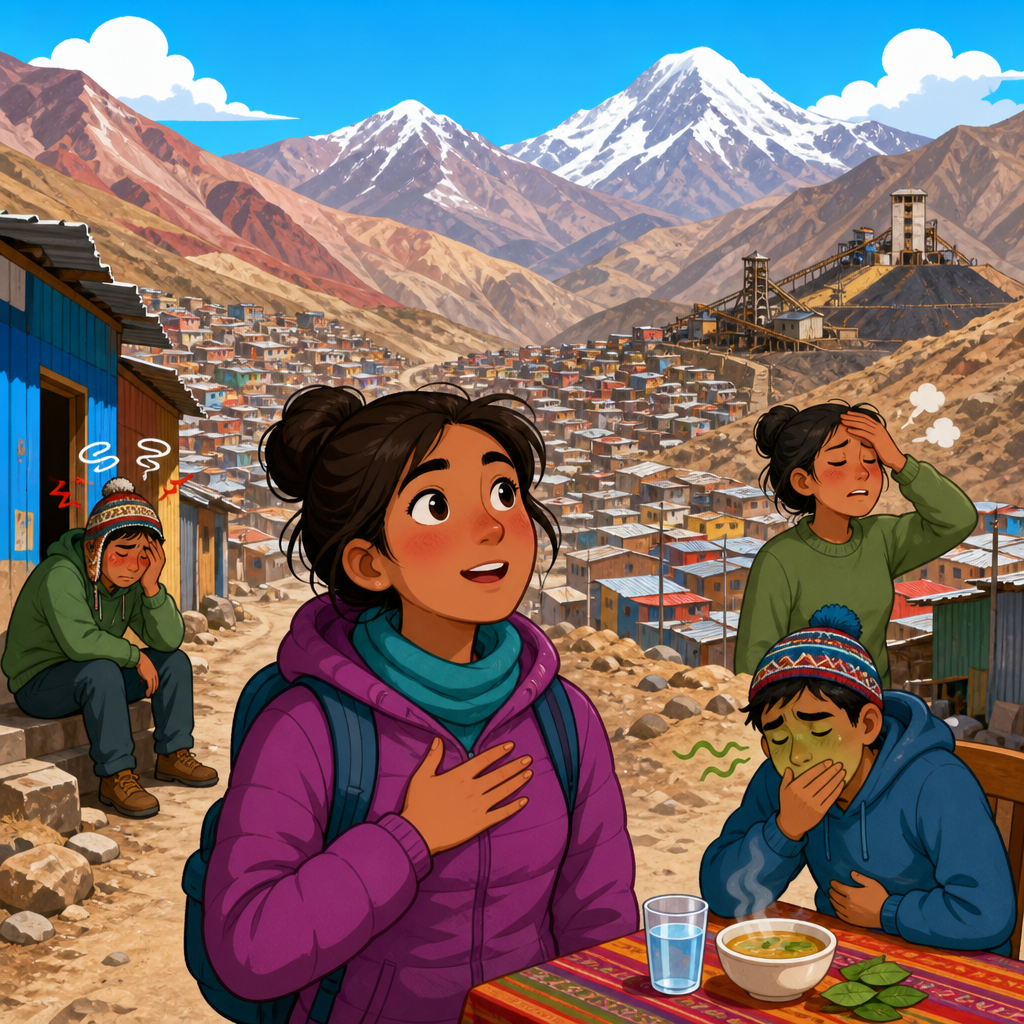
Most travelers feel the altitude in La Rinconada almost at once. The first sensation is usually breathlessness that seems disproportionate to the effort involved. Walking across a short street, climbing a few steps, or lifting luggage may trigger rapid breathing. That happens because air still contains about 21 percent oxygen, but the barometric pressure is much lower, so each breath delivers less usable oxygen to the bloodstream. At roughly 5,100 meters, the drop is severe enough that even healthy people can feel physically limited. In my experience reviewing ascent profiles, the people who cope best are not the fittest; they are the ones who slow down immediately and accept that the body needs time.
A second common reaction is lightheadedness. You may feel slightly dizzy when standing up quickly or when bending and straightening. Some travelers describe a “floating” sensation, mild confusion, or difficulty concentrating on simple logistics. These effects are usually temporary, but they are real, and they are one reason arrivals should avoid rushing through the town. Hands and lips can feel dry within an hour because the cold, thin air increases moisture loss with each exhalation. You may also notice that your pulse feels stronger or faster than normal. A resting pulse that would seem high at sea level is common at extreme altitude, especially after travel, poor sleep, or dehydration.
Cold hits differently too. Because exertion is harder, people generate less body heat while moving. At the same time, wind exposure and fatigue can make the environment feel more punishing than in lower mountain cities. In high-altitude communities, physical arrival is never just about oxygen. It is a combined stress load involving respiratory effort, temperature, terrain, and often basic infrastructure limitations.
How altitude affects breathing, circulation, and energy
The central physical challenge in La Rinconada is hypobaric hypoxia, the medical term for low oxygen availability caused by reduced air pressure at high elevation. Your body responds through acclimatization. Ventilation increases first, which means you breathe more often and more deeply. The heart pumps faster to circulate available oxygen. Over the next days, kidneys adjust acid-base balance to support continued faster breathing, and later the body may produce more red blood cells. Those later changes are useful for residents and long stays, but they do not protect a new arrival on day one.
Energy output falls quickly at this elevation. At sea level, a moderately fit traveler may climb stairs while talking comfortably. In La Rinconada, speaking full sentences while walking uphill can be difficult. This is normal physiology, not weakness. The body is prioritizing oxygen delivery to essential systems, so pace must drop. This is also why many high-altitude communities develop movement habits that look deliberate to outsiders: slower walking, more pauses, and efficient task planning. Those patterns are not cultural quirks alone; they are practical adaptations.
Exercise intolerance is the rule, not the exception. Running, carrying heavy packs, or even prolonged standing can provoke headaches, pounding heartbeat, nausea, or marked shortness of breath. That is why mountain medicine guidelines from organizations such as the Wilderness Medical Society emphasize gradual ascent and limited exertion at very high elevations. If La Rinconada is reached quickly from a lower town, your first day should be conservative by design. Save photography walks, market browsing, and uphill exploration for later, and keep your expectations realistic.
Symptoms that are common, and symptoms that are dangerous
Many physical symptoms after arrival are unpleasant but expected. Mild headache, reduced appetite, unusual fatigue, restless sleep, dry mouth, and getting winded easily are all common responses to sudden altitude exposure. Some travelers also experience mild nausea or a sense that food is less appealing. Sleeping can be frustrating because breathing patterns may become irregular. You drift off, wake suddenly, and feel as though you need a deep breath. This periodic breathing is common at altitude and does not automatically mean something is wrong.
The danger lies in symptoms that intensify instead of stabilizing. A severe or worsening headache, repeated vomiting, inability to walk in a straight line, unusual irritability, confusion, or breathlessness at rest are red flags. They may indicate acute mountain sickness progressing toward high-altitude cerebral edema or high-altitude pulmonary edema, two life-threatening conditions. In plain terms, if someone seems mentally altered, cannot coordinate movements, develops a persistent cough, or struggles to breathe while sitting still, that is not normal acclimatization. Immediate descent and medical help are required.
| Physical sign on arrival | Usually expected | Needs urgent attention |
|---|---|---|
| Breathing | Winded with walking, faster breathing | Short of breath at rest, chest tightness, blue lips |
| Headache | Mild, improves with rest and fluids | Severe, worsening, paired with vomiting or confusion |
| Balance and thinking | Slight fogginess, slower concentration | Staggering gait, disorientation, unusual behavior |
| Energy | Fatigue with simple tasks | Collapse, extreme weakness, inability to stand |
| Sleep | Interrupted sleep, waking to breathe deeply | Breathing distress while awake or persistent gasping |
Travelers often ask whether fitness prevents altitude illness. It does not. In fact, very fit travelers sometimes get into trouble because they trust their conditioning and overexert early. Acclimatization depends primarily on ascent rate and individual response, not athletic pride.
Cold, sun, dehydration, and the environmental load
La Rinconada’s physical stress is not only about altitude. It is also about the environment that surrounds altitude. The air is cold, often windy, and very dry. You lose water faster through respiration because each rapid breath humidifies air before it leaves your body. That means dehydration can develop quietly, without the sweating people usually associate with fluid loss. Dark urine, headache, dizziness, and a racing pulse can all reflect this. The fix is simple but important: drink regularly, not just when thirsty, and include electrolytes if you have been vomiting or exerting yourself.
Sun exposure is another major factor in high-altitude communities. Ultraviolet radiation increases with elevation, and reflection from pale ground, ice, or nearby snowfields can intensify it. Travelers sometimes arrive bundled for cold weather and forget sun protection, then develop facial burns or badly chapped lips on the first day. Use high-SPF sunscreen, UV-blocking sunglasses, and lip balm. Eye strain, watering, and headaches can come from both altitude and glare, so reducing light exposure matters more than many people expect.
Skin and airways also react to the dryness. Nosebleeds are common in very dry mountain air, especially if you already have irritated sinuses. A saline spray can help. Throat irritation, cough, and cracked hands are common as well. In settlements like La Rinconada, where dust, smoke, and uneven sanitation may add extra irritation, respiratory comfort can drop quickly. This is a recurring trait across high-altitude communities: local residents adapt over time, but visitors usually feel the dryness and environmental roughness immediately.
Eating, sleeping, and moving in an extreme-altitude town
Expect your normal routines to change. Appetite often falls on the first day at altitude because the digestive system slows under stress and nausea is more likely. Eat small, simple meals rather than forcing large portions. Carbohydrate-rich foods are generally easier to tolerate and support exertion better than heavy, greasy meals. In Andean travel corridors, soups, rice, potatoes, bread, and tea are often easier starters than rich meat dishes. Alcohol is best avoided initially because it worsens dehydration, disrupts sleep, and can blur the line between normal fatigue and altitude illness.
Sleep is usually lighter and more fragmented than travelers expect. Even if you are exhausted from the journey, your breathing pattern may keep waking you. This is common at very high elevations and can happen even in healthy people. Good sleep hygiene helps, but it will not remove the altitude effect completely. Keep your sleeping area warm, avoid overexertion before bed, and stay hydrated. If a clinician has prescribed acetazolamide for acclimatization, take it exactly as directed; it has solid evidence behind it and is widely used in mountain medicine.
Movement in town should be deliberate. Short, flat walks are better than ambitious climbs. Use the “rest step” instinctively: pause briefly after several paces on inclines and let breathing settle. Watch your footing. High-altitude communities often have steep, muddy, icy, or uneven surfaces that become more hazardous when coordination and stamina are reduced. The practical lesson is simple: plan fewer activities, leave more time between them, and treat arrival day as physiological adaptation time rather than sightseeing time.
How La Rinconada fits the wider pattern of high-altitude communities
La Rinconada is unusual in its elevation and mining-driven identity, but the physical themes travelers meet there connect directly to other high-altitude destinations. In Cusco at 3,400 meters, many visitors notice shortness of breath and mild headache. In Puno at about 3,800 meters, stairs can feel punishing and sleep often worsens. In Lhasa, Leh, and villages of the Tibetan Plateau, the same basic rules apply: oxygen is lower, sunlight is stronger, and pacing matters more than ambition. What changes with greater elevation is intensity. La Rinconada compresses those lessons into a sharper experience.
This is why it serves as a useful hub example for understanding high-altitude communities as a travel category. Whether you are researching Andean settlements, Himalayan towns, or remote alpine work camps, the same questions matter. How quickly are you ascending? What symptoms are normal? How much effort is safe on day one? What environmental stresses besides oxygen loss are present? How accessible is medical care if something goes wrong? Once travelers start asking those questions systematically, they make better decisions across the entire high-altitude travel spectrum.
The most important expectation to carry into La Rinconada is respect for the place rather than fear of it. Your body will almost certainly feel different there, and that difference is the point. Extreme altitude changes breathing, energy, sleep, thirst, and movement in predictable ways. If you understand those changes, pace yourself, and treat warning signs seriously, arrival becomes manageable rather than chaotic. For anyone exploring high-altitude communities, La Rinconada offers the clearest lesson of all: the environment always sets the terms, and smart travelers adapt early. Use this guide as your starting point, then build your itinerary, packing list, and acclimatization plan around the physical reality of altitude before you go.
Frequently Asked Questions
What does the thin air in La Rinconada actually feel like when you first arrive?
The first thing most people notice is that the air does not feel “empty,” but their body reacts as if every movement suddenly requires more effort. At roughly 5,100 meters, the oxygen available with each breath is dramatically lower than at sea level, so simple actions such as walking uphill, carrying a bag, climbing steps, or even talking while moving can leave you short of breath surprisingly fast. Many arrivals describe a pounding heartbeat, faster breathing, mild dizziness, pressure in the head, and an unusual sense of heaviness in the legs. You may also feel colder than expected, not only because temperatures are harsh in the Andean environment, but because your body is working harder just to maintain normal function.
What catches many travelers off guard is how quickly routine tasks become physically demanding. You might feel fine while standing still, then notice immediate breathlessness once you begin walking. This is normal at extreme altitude, but it should still be taken seriously. Your body is trying to compensate for the reduced oxygen pressure by increasing breathing rate and heart rate. That adjustment is stressful, especially in the first hours after arrival. Expect to move slower, pause more often, and need longer recovery after even minor effort. In La Rinconada, this is not a sign of poor fitness alone; it is a direct response to one of the most oxygen-poor living environments on Earth.
Is it normal to get altitude sickness in La Rinconada, and what symptoms should you watch for?
Yes, it is extremely common for newcomers to experience some degree of altitude illness in La Rinconada, especially if they ascend quickly without acclimatizing first. At this elevation, even healthy, fit people can develop symptoms. The most common form is acute mountain sickness, which often begins with headache, nausea, loss of appetite, unusual fatigue, dizziness, poor sleep, and a general feeling that the body is not functioning normally. Some people also notice mental fog, irritability, or a sense that they cannot think clearly. These symptoms can begin within hours of arrival and may worsen overnight.
The important distinction is between expected altitude stress and dangerous altitude illness. Mild symptoms can happen as the body starts adapting, but severe or rapidly worsening symptoms should never be ignored. Warning signs include inability to walk in a straight line, confusion, severe weakness, persistent vomiting, blue lips, chest tightness, or shortness of breath at rest that is getting worse instead of better. A cough that becomes wet or frothy, or a feeling of drowning while breathing, can point to high-altitude pulmonary edema. Severe headache, confusion, loss of coordination, or altered behavior can suggest high-altitude cerebral edema. Both are medical emergencies. At La Rinconada’s elevation, symptoms can escalate faster than many travelers expect, so close attention to how you feel is essential from the moment you arrive.
How will sleeping, eating, and digestion be affected at that altitude?
Sleep is often one of the first everyday functions to become noticeably disrupted. Many people sleep lightly, wake up often, or feel as though they stop and restart their breathing during the night. This happens because the body is struggling to regulate oxygen and carbon dioxide efficiently at very high altitude. Even if you spend enough hours in bed, your sleep may feel shallow and unrefreshing. It is common to wake with a headache, dry mouth, or a sensation of having rested poorly. Vivid dreams and nighttime breathlessness can also happen, particularly during the first few nights.
Appetite and digestion also commonly change. A lot of newcomers feel less hungry than usual, and some develop nausea, bloating, or mild stomach discomfort. Digestion can seem slower, and heavy meals may feel especially unpleasant. Dehydration can make all of this worse, because the cold, dry air and faster breathing increase fluid loss even if you do not feel sweaty. People often underestimate how much water they are losing simply by breathing in such conditions. The best expectation is that eating may feel less natural at first, energy may dip, and your usual routines may not work the same way. Lighter meals, slower pacing, and consistent hydration tend to be much better tolerated while the body is under altitude stress.
Can physical fitness protect you from the effects of arriving in La Rinconada?
Fitness helps with general resilience, but it does not make anyone immune to extreme altitude. This is one of the most important things to understand before arriving in La Rinconada. A strong runner, climber, or athlete may still feel weak, breathless, and headachy within minutes of exertion there. That is because altitude sickness and oxygen deprivation are driven primarily by atmospheric pressure, not by motivation or conditioning. Fit people often perform better once acclimatized, but on arrival they are still subject to the same reduced oxygen environment as everyone else.
In some cases, physically fit travelers actually overdo it because they assume they can push through the initial discomfort. That can backfire badly at 5,100 meters. The body needs time, not toughness. Fast walking, lifting gear, climbing steep streets, or trying to “test yourself” shortly after arrival can intensify symptoms and increase risk. The smartest physical expectation is humility: your capacity will be temporarily reduced, recovery will be slower, and effort that feels trivial at lower elevations can become exhausting. Respecting that limit is far more protective than relying on fitness alone.
How long does it take for your body to adjust, and what should you realistically expect in the first day or two?
Some adjustment begins within hours, but meaningful acclimatization takes time, and complete comfort may not happen quickly at all in a place as high as La Rinconada. In the first 24 to 48 hours, most people should expect reduced stamina, labored breathing with activity, headache, poor sleep, and a general sense of moving through tasks more slowly than normal. The body will try to compensate by breathing more, increasing heart rate, and gradually changing blood chemistry and circulation patterns. Those changes are useful, but they do not immediately restore normal performance.
What is realistic is gradual improvement, not instant adaptation. You may notice that you can speak, walk, and recover a little more easily after a day or two if symptoms remain mild and stable. But at this elevation, even acclimatized people often continue to feel the effects of thin air during exertion. That means you should expect your body to remain under unusual stress for as long as you stay there. The most practical mindset is to arrive assuming you will need to slow down, monitor symptoms closely, and avoid forcing normal activity too soon. In La Rinconada, physical adjustment is not just a comfort issue; it is a genuine safety issue, and the body deserves time to catch up to the altitude.