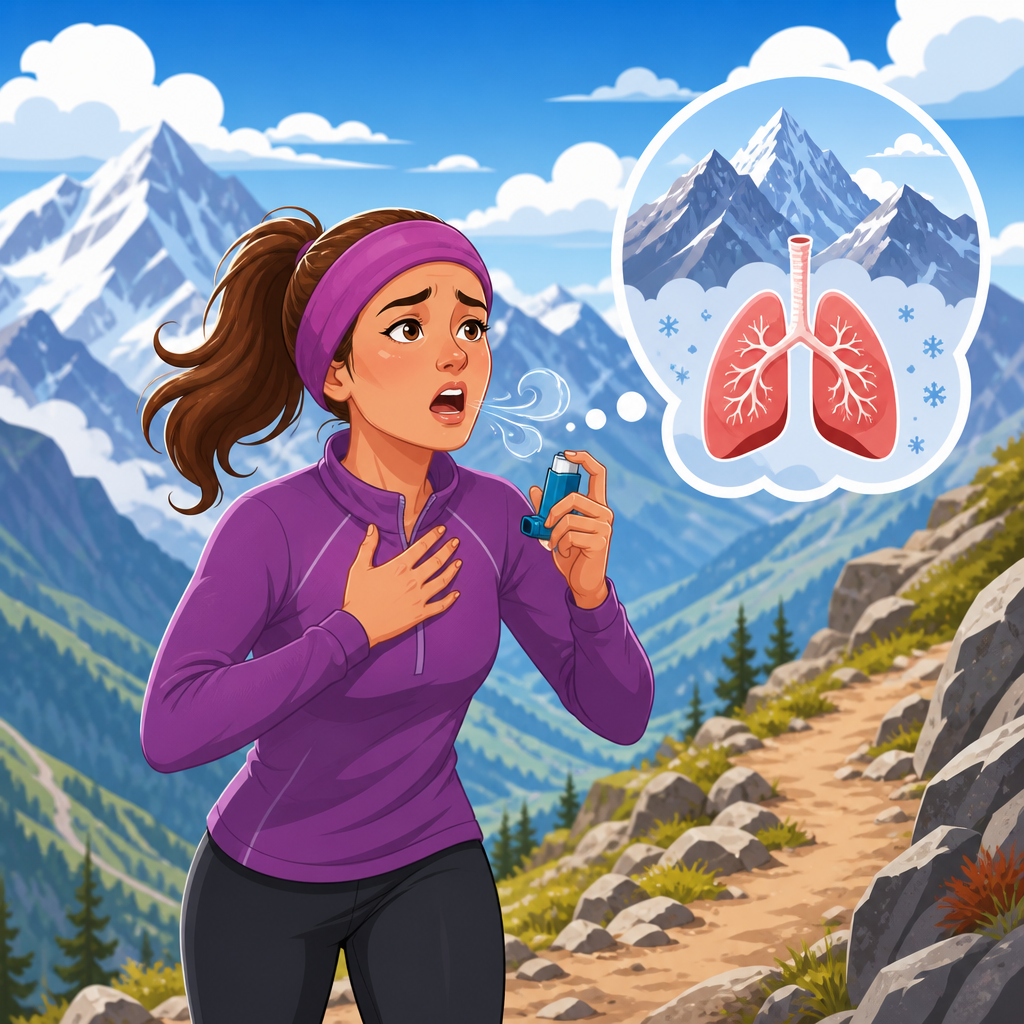
Angina at altitude becomes a problem when reduced oxygen in the air outpaces the heart’s ability to deliver blood to its own muscle, especially in people with coronary artery disease, uncontrolled blood pressure, or other chronic cardiac conditions. Angina means chest discomfort caused by inadequate oxygen supply to the myocardium, most often because narrowed coronary arteries cannot increase flow enough during exertion, cold exposure, stress, or hypoxia. Altitude usually refers to elevations above 1,500 to 2,500 meters, where barometric pressure falls and each breath delivers less oxygen than it does at sea level. I have worked with travelers and patients preparing for mountain destinations, and the pattern is consistent: some do well with planning, while others discover that a modest climb, poor sleep, dehydration, or skipped medication exposes underlying heart disease quickly. This matters because high-altitude symptoms can mimic anxiety, indigestion, or simple breathlessness, yet they may signal myocardial ischemia, dangerous blood pressure swings, arrhythmia risk, or heart failure strain.
As a hub for heart and blood pressure issues within chronic respiratory and cardiovascular health, this guide explains how altitude affects oxygen delivery, coronary demand, blood pressure, circulation, medications, and decision-making before travel. It also helps connect related topics people commonly search for, including stable angina, unstable angina, hypertension, coronary artery disease, heart failure, pulmonary hypertension, anemia, sleep apnea, and recovery after stents or bypass surgery. The central concept is straightforward: at altitude, the body compensates for lower oxygen by breathing faster, increasing heart rate, activating the sympathetic nervous system, and changing fluid balance. Those responses are useful in healthy people, but they raise cardiac workload. If coronary blood flow is limited or blood pressure control is fragile, lower oxygen can become the trigger that turns a manageable condition into symptoms.
People often ask a practical question: can someone with angina go to high altitude safely? Sometimes yes, but not automatically. Safety depends on diagnosis, symptom stability, exercise tolerance, recent cardiac testing, current medications, altitude reached, rate of ascent, and access to emergency care. A person with stable symptoms, good blood pressure control, and recent clearance may manage moderate elevation with paced activity. Someone with recent chest pain at rest, poorly controlled hypertension, severe aortic stenosis, advanced heart failure, or a recent heart attack should not assume the same risk profile. Understanding where lower oxygen intersects with heart disease is the foundation for safer travel, better prevention, and faster recognition of when chest discomfort requires immediate descent and urgent medical evaluation.
Why altitude stresses the heart and circulation
At sea level, oxygen moves from air into the lungs and then into the bloodstream with a comfortable margin. As altitude rises, the percentage of oxygen in air remains about 21 percent, but barometric pressure drops, reducing the partial pressure of inspired oxygen. That means less oxygen crosses into the blood with each breath. The body responds within minutes through hyperventilation and a surge of catecholamines, which raise heart rate and can raise blood pressure. Cardiac output initially increases because the heart must circulate blood faster to maintain oxygen delivery. In someone with healthy coronary arteries, this is usually tolerated. In someone with obstructive coronary disease, the mismatch between oxygen demand and oxygen supply can produce angina.
The heart is especially vulnerable because it extracts a high percentage of oxygen from coronary blood flow even at rest. Unlike skeletal muscle, it cannot simply extract much more when demand increases. It mostly relies on increased coronary perfusion. If plaques limit that reserve, then climbing stairs at 2,500 meters, carrying luggage in cold air, or walking uphill after a poor night’s sleep may be enough to create ischemia. I often explain it this way: altitude takes away part of your oxygen budget, and the heart responds by spending more. If supply is fixed by narrowed arteries, symptoms can arrive sooner and with less effort than they do at home.
Altitude also changes blood pressure regulation. Sympathetic activation can push systolic pressures higher, especially during exertion. Over several days, fluid shifts and increased diuresis may lower plasma volume, while poor hydration can thicken blood and reduce exercise capacity. In susceptible people, these changes contribute to headaches, palpitations, dizziness, or reduced perfusion. They also complicate interpretation of symptoms, because chest tightness may overlap with altitude illness, reflux, musculoskeletal strain, or anxiety. When the symptom is new, occurs with exertion, radiates to the arm or jaw, or improves with rest or nitroglycerin, cardiac ischemia moves higher on the list and should be treated seriously.
Who is at higher risk for angina at altitude
The highest-risk group includes people with known coronary artery disease, prior myocardial infarction, previous coronary stents, coronary bypass surgery, or a history of exertional chest pressure even if symptoms are usually mild. Risk also rises in those with uncontrolled hypertension, left ventricular hypertrophy, diabetes, chronic kidney disease, smoking history, high LDL cholesterol, obesity, anemia, and sleep apnea. These conditions either impair oxygen delivery, increase afterload, reduce coronary reserve, or accelerate atherosclerosis. Age alone is not the deciding factor, but older adults are more likely to carry several of these risks at once.
There are also condition-specific concerns. Pulmonary hypertension can worsen significantly with hypoxia because pulmonary arteries constrict when oxygen falls, increasing right-heart strain. Heart failure can deteriorate because tachycardia and exertion increase demand while lower oxygen reduces reserve. Significant arrhythmias may become more frequent due to sympathetic stimulation, sleep disruption, alcohol, and dehydration. Valvular disease matters too: severe aortic stenosis limits the heart’s ability to increase output and is a recognized red flag for strenuous altitude exposure. Even people without diagnosed heart disease can develop symptoms if they have unrecognized coronary disease and push too hard too fast.
| Condition | Why altitude increases risk | Practical concern |
|---|---|---|
| Stable coronary artery disease | Reduced oxygen plus higher heart rate increases ischemia risk | Angina may occur at lower workloads |
| Uncontrolled hypertension | Sympathetic activation can raise blood pressure further | Higher chance of headache, strain, and cardiac events |
| Heart failure | Lower oxygen and tachycardia reduce reserve | Breathlessness and edema may worsen |
| Pulmonary hypertension | Hypoxia causes pulmonary vasoconstriction | Right-heart stress can escalate quickly |
| Anemia | Less oxygen-carrying capacity compounds altitude hypoxia | Fatigue and chest discomfort appear earlier |
| Sleep apnea | Nighttime desaturation adds to daytime oxygen stress | Poor sleep, blood pressure swings, arrhythmia risk |
One overlooked group is people recovering from a recent cardiac event or procedure. After a heart attack, stent placement, or bypass surgery, altitude travel should be individualized, not guessed. Functional capacity, symptom stability, and clinician guidance matter more than optimism. Another commonly missed issue is silent ischemia in diabetes, where reduced symptom perception delays recognition. For these travelers, planning is not optional. It is risk management.
Symptoms, warning signs, and when chest pain is an emergency
Classic angina feels like pressure, squeezing, heaviness, burning, or tightness in the center or left side of the chest, often triggered by exertion and relieved by rest. It may spread to the jaw, neck, shoulder, back, or arm. At altitude, symptoms can be less textbook. Some people notice unusual breathlessness, reduced pace, nausea, sudden fatigue, upper abdominal discomfort, or a sense that climbing has become disproportionately hard. Women, older adults, and people with diabetes are more likely to present atypically, so the absence of dramatic chest pain does not rule out ischemia.
Seek emergency help immediately if chest discomfort occurs at rest, lasts more than a few minutes, becomes more frequent, wakes you from sleep, is accompanied by fainting, cold sweats, vomiting, severe shortness of breath, confusion, bluish lips, or oxygen saturation that remains low despite rest. Unstable angina and heart attack can begin this way. Descending, stopping exertion, and using prescribed nitroglycerin are first steps, not complete treatment. If symptoms persist after one dose or recur, local emergency protocols matter more than finishing the itinerary.
Distinguishing angina from acute mountain sickness is important but not always easy. Acute mountain sickness usually features headache, poor appetite, nausea, sleep disturbance, and general malaise after ascent. Angina is more tightly linked to exertion and often improves with rest. Yet these conditions can coexist, and severe altitude illness can also impair oxygen delivery enough to stress the heart. When in doubt, chest symptoms deserve a cardiac lens first, particularly in anyone with known heart or blood pressure disease.
Blood pressure, medications, and altitude planning
Blood pressure often behaves unpredictably at elevation. Early in the stay, sympathetic stimulation can increase readings, especially during exercise and in cold weather. Later, dehydration, alcohol, diarrhea, poor intake, or over-diuresis may push pressure lower and cause dizziness. That is why home monitoring before travel and portable monitoring during the trip are useful for patients with hypertension or coronary disease. A validated upper-arm cuff is better than guessing from symptoms.
Medication planning deserves precision. Continue prescribed beta blockers, calcium channel blockers, statins, antiplatelet therapy, and long-acting antianginals unless your clinician has advised otherwise. Do not stop beta blockers because you expect to exercise; abrupt withdrawal can worsen angina and raise heart rate. Nitroglycerin should be carried where it is immediately accessible, not left in luggage. Diuretics require extra caution because altitude increases fluid loss, and dehydration can worsen kidney function, dizziness, and exercise intolerance. For people taking phosphodiesterase-5 inhibitors for erectile dysfunction or pulmonary hypertension, clinicians must review timing carefully because combining certain formulations with nitrates can cause dangerous hypotension.
Acetazolamide, commonly used to prevent altitude illness, can be helpful for acclimatization but is not a cardiac drug and does not protect against angina. It may alter taste, increase urination, and affect electrolytes. Travelers on complex antihypertensive regimens, including ACE inhibitors, ARBs, mineralocorticoid receptor antagonists, or loop diuretics, should review kidney function and sick-day rules before departure. In my experience, the people who do best are those who have a clear medication list, know why each drug is prescribed, pack extra supply, and understand exactly when chest pain moves from inconvenience to emergency.
How to prepare for altitude with heart disease
Preparation starts weeks before the trip, not at the airport. A pre-travel review should confirm the exact diagnosis, current symptom pattern, blood pressure control, recent changes in exercise tolerance, and whether recent testing is needed. For some patients, an exercise stress test or functional capacity assessment is useful because it approximates whether the heart can meet increased demand. Clinicians often think in metabolic equivalents: if you cannot manage ordinary stairs or brisk walking at home without symptoms, altitude hiking is a poor experiment.
Ascent strategy matters almost as much as diagnosis. Gradual ascent gives the body time to ventilate more efficiently and adjust. Rest on arrival, avoid heavy exertion for the first day or two, stay warm, and pace every incline. Hydration should be steady but not excessive; overdrinking does not prevent altitude illness and can be harmful. Alcohol and sedatives deserve restraint because they worsen breathing during sleep and cloud symptom recognition. If you use CPAP for sleep apnea, bring it and verify power options. Nighttime oxygen desaturation is a real trigger for morning headache, blood pressure spikes, and poor recovery.
Emergency planning is part of preparation. Know the nearest clinic, hospital, evacuation route, and local emergency number. Travel insurance should cover pre-existing cardiovascular conditions if applicable. People with established angina should discuss a written action plan covering rest, nitroglycerin use, aspirin if previously advised, and when to descend. For remote travel, the safest decision may be choosing lower altitude lodging and day trips rather than sleeping high. The goal is not to avoid life; it is to remove preventable risk.
Related heart and chronic conditions this hub connects
This hub sits at the intersection of cardiology, pulmonary medicine, and long-term disease management because altitude rarely affects one organ system in isolation. Coronary artery disease is the most direct pathway to altitude-related angina, but hypertension shapes afterload and event risk, heart failure determines reserve, pulmonary hypertension alters right-sided pressures, and chronic lung disease can lower baseline oxygenation before ascent even begins. Anemia, thyroid disease, kidney disease, and infection can further erode tolerance by increasing heart rate or reducing oxygen carrying capacity.
That is why a complete heart and blood pressure resource should connect the reader to deeper articles on stable versus unstable angina, hypertension management, post-stent travel, heart failure at altitude, sleep apnea and blood pressure, COPD overlap, and emergency signs of heart attack. These topics reinforce one principle: symptom context matters. Chest pressure after a rushed uphill walk in cold air means something different in a healthy young trekker than it does in a person with diabetes, prior bypass surgery, and morning blood pressures above target. Good education helps patients and families interpret those differences early.
Prevention remains the main benefit. When people understand how lower oxygen affects circulation, they make better choices about pace, ascent, medication adherence, sleep, hydration, and when to seek care. Angina at altitude is not merely a travel inconvenience. It is a warning that myocardial oxygen supply may be failing under stress. Learn your baseline, plan before you ascend, and treat new chest symptoms seriously. If you live with heart or blood pressure disease, use this hub to review the related conditions that shape altitude risk, then speak with your clinician before your next trip.
Frequently Asked Questions
Why can angina get worse at higher altitude?
Angina can worsen at altitude because the air contains less oxygen as elevation increases, even though the percentage of oxygen stays the same. That lower oxygen availability means the body must work harder to deliver enough oxygen to tissues, including the heart muscle. In someone with healthy coronary arteries, the heart can usually compensate by increasing blood flow. But in people with coronary artery disease or other cardiac conditions, narrowed or stiffened coronary vessels may not be able to increase flow enough to meet demand. The result can be myocardial ischemia, which often feels like chest pressure, tightness, heaviness, burning, or discomfort.
Altitude also triggers several physiologic responses that can raise the heart’s workload. Heart rate often increases, breathing becomes faster, and blood pressure may rise, especially during the first days at elevation. Physical exertion that feels mild at sea level, such as climbing stairs, carrying luggage, or hiking uphill, can become significantly more demanding. Cold temperatures, emotional stress, dehydration, and poor sleep can amplify these effects. When oxygen demand rises at the same time oxygen supply becomes less reliable, angina symptoms are more likely to appear.
This is why altitude can be especially problematic for people with known coronary artery disease, prior angina, previous heart attack, uncontrolled hypertension, heart failure, or other chronic cardiovascular conditions. The issue is not simply “thin air,” but the mismatch between how much oxygen the heart needs and how much the coronary circulation can actually deliver under stress.
At what altitude does angina become a concern?
Angina risk can increase at surprisingly moderate elevations, particularly in susceptible individuals. In general, altitude-related symptoms and cardiovascular stress begin to matter more above about 1,500 to 2,500 meters, or roughly 5,000 to 8,000 feet, but there is no single threshold that applies to everyone. Some people with stable heart disease tolerate moderate elevation well if they ascend gradually and avoid overexertion, while others notice symptoms at lower heights, especially if they are deconditioned, recently ill, or have poorly controlled cardiac disease.
The real issue is not just the number on the map but the combination of altitude, speed of ascent, activity level, temperature, and personal heart health. For example, flying into a mountain destination and immediately walking uphill with heavy bags can provoke symptoms more easily than a slow ascent over several days. High altitude environments often add other stressors too, including cold air, dehydration, interrupted sleep, and increased sympathetic activation, all of which can raise myocardial oxygen demand.
People with a history of stable angina, coronary artery disease, prior stents or bypass surgery, or significant cardiovascular risk factors should discuss travel plans with their clinician before going to higher elevations. The concern becomes more urgent if symptoms are new, worsening, happening at rest, or occurring with less exertion than usual. Those patterns suggest reduced cardiac reserve and a lower margin for physiologic stress.
What symptoms suggest that chest discomfort at altitude may be angina rather than normal shortness of breath from being high up?
Mild shortness of breath with exertion is common at altitude, especially during the first day or two. Angina, however, usually has a different quality. It often feels like pressure, squeezing, heaviness, tightness, or fullness in the center or left side of the chest. Some people describe it as burning, aching, or a band-like discomfort. It may also radiate to the neck, jaw, shoulder, back, or arm. In many cases, it appears during exertion, emotional stress, cold exposure, or uphill walking and improves with rest.
Other warning signs that point toward angina or another serious cardiac problem include chest discomfort accompanied by unusual shortness of breath, sweating, nausea, dizziness, palpitations, or marked fatigue. Symptoms that occur with less activity than usual, last longer than expected, wake someone from sleep, or happen at rest are especially concerning. A change in a person’s typical angina pattern matters just as much as symptom intensity. For instance, discomfort that used to happen only during vigorous exercise but now starts while walking slowly at altitude deserves prompt medical attention.
It is also important to remember that not everyone experiences classic chest pain. Women, older adults, and people with diabetes may have more subtle signs such as unexplained breathlessness, pressure in the upper back or jaw, indigestion-like discomfort, or sudden exhaustion. Because altitude can mask or confuse symptom interpretation, it is safest to treat any suspicious chest discomfort seriously, stop activity immediately, and seek urgent evaluation if symptoms persist, worsen, or do not respond to prescribed treatment.
How can someone with known angina or coronary artery disease prepare for travel to altitude?
Preparation should start before the trip. Anyone with known angina, coronary artery disease, prior heart attack, heart failure, uncontrolled blood pressure, or significant arrhythmias should check in with their clinician before traveling to higher elevations. This is especially important if symptoms have changed recently, exercise tolerance has declined, or there has been a recent hospitalization or medication adjustment. A pre-travel review may include confirming that the condition is stable, reviewing current medications, discussing exertion limits, and making sure rescue treatment such as nitroglycerin is available and understood.
Practical planning matters a great deal. Ascend gradually if possible, and build in time to acclimatize before strenuous activity. Avoid rushing on arrival, carrying heavy loads uphill, or attempting intense exercise in the first day or two. Stay well hydrated, eat regularly, limit excess alcohol, and protect yourself from cold exposure, since cold can constrict blood vessels and increase cardiac workload. Continue prescribed heart medications consistently unless a clinician has specifically advised otherwise. It is also wise to know where medical care is available at the destination, particularly if traveling to a remote mountain area.
People should also have a clear action plan. That means knowing what symptoms to watch for, when to stop activity, how and when to use prescribed nitroglycerin, and when to call emergency services. If angina occurs more often than usual, lasts longer, happens at rest, or does not improve promptly with rest and prescribed medication, that should be treated as a medical emergency. Good preparation does not eliminate all risk, but it can significantly reduce the chance that lower oxygen at altitude will trigger a dangerous mismatch between the heart’s oxygen supply and demand.
What should you do if angina symptoms develop at altitude?
If angina symptoms develop at altitude, the first step is to stop exertion immediately and rest. Sit upright, stay warm, and avoid continuing uphill or “pushing through” the discomfort. If the person has been prescribed nitroglycerin, it should be used exactly as directed by their clinician. If symptoms are mild and clearly improve quickly with rest and prescribed medication, the person should not resume strenuous activity until they have been medically advised it is safe to do so. Even if symptoms settle, the episode may indicate that the altitude, pace, or exertion level exceeded the heart’s reserve.
Emergency evaluation is needed if chest discomfort is severe, lasts more than a few minutes, recurs repeatedly, happens at rest, or is accompanied by shortness of breath, fainting, sweating, nausea, weakness, confusion, or pain radiating to the arm, jaw, or back. In that setting, the concern is not only angina but possible acute coronary syndrome or heart attack. If oxygen is available and local protocols support its use, supplemental oxygen may help while awaiting medical care, but it should never delay contacting emergency services.
In some cases, descending to a lower altitude can reduce physiologic stress and improve oxygen availability, but descent is not a substitute for emergency care when symptoms suggest unstable angina or a heart attack. The key message is simple: new, worsening, or persistent chest discomfort at altitude should be taken seriously. Lower oxygen levels can turn a marginal blood supply problem into a dangerous one, and early action is the safest response.