Altitude sickness often feels worse after dinner because the body is already struggling to adapt to lower oxygen at elevation, and the evening adds a stack of stressors: heavier breathing demands after a day of exertion, mild dehydration, large meals, alcohol, colder air, and the natural drop in ventilation that occurs as people wind down for sleep. In mountain clinics and on trekking routes, I have repeatedly seen the same pattern: hikers who felt merely “off” in the afternoon develop a pounding headache, nausea, bloating, or unusual fatigue within a few hours of eating dinner. That pattern matters because it often marks early acute mountain sickness, commonly called AMS, the mildest and most common form of altitude illness. AMS usually appears above about 2,500 meters, or 8,200 feet, after a rapid ascent, though some people develop symptoms lower and others remain well much higher. The core problem is hypobaric hypoxia, meaning less available oxygen because air pressure falls with altitude. Your lungs can still fill with air, but each breath delivers less oxygen to the blood. The body responds by breathing faster, increasing heart rate, shifting fluid balance, and changing sleep patterns. When that adjustment lags behind the ascent, symptoms appear.
As a hub page for AMS basics and risk factors, this article explains why evenings can feel rougher, what symptoms deserve attention, who is at greatest risk, and what practical steps reduce the chance of a bad night becoming a dangerous situation. It also helps separate ordinary post-hike discomfort from altitude illness. That distinction is important because people often blame dinner itself, indigestion, or simple tiredness and miss the bigger picture. Headache after arrival at altitude is never something to brush off casually. Understanding the timing, triggers, and warning signs of AMS helps travelers, trekkers, skiers, and climbers make safer decisions before symptoms escalate.
What acute mountain sickness is and why evenings expose it
Acute mountain sickness is a syndrome caused by insufficient acclimatization after ascending to higher elevation. Consensus criteria commonly rely on recent gain in altitude plus headache and at least one additional symptom such as nausea, loss of appetite, dizziness, fatigue, or poor sleep. The Lake Louise Scoring System, updated by the International Society for Mountain Medicine, remains the most recognized field tool for assessing AMS symptoms. In plain terms, AMS is your body signaling that the current elevation exceeds your present acclimatization.
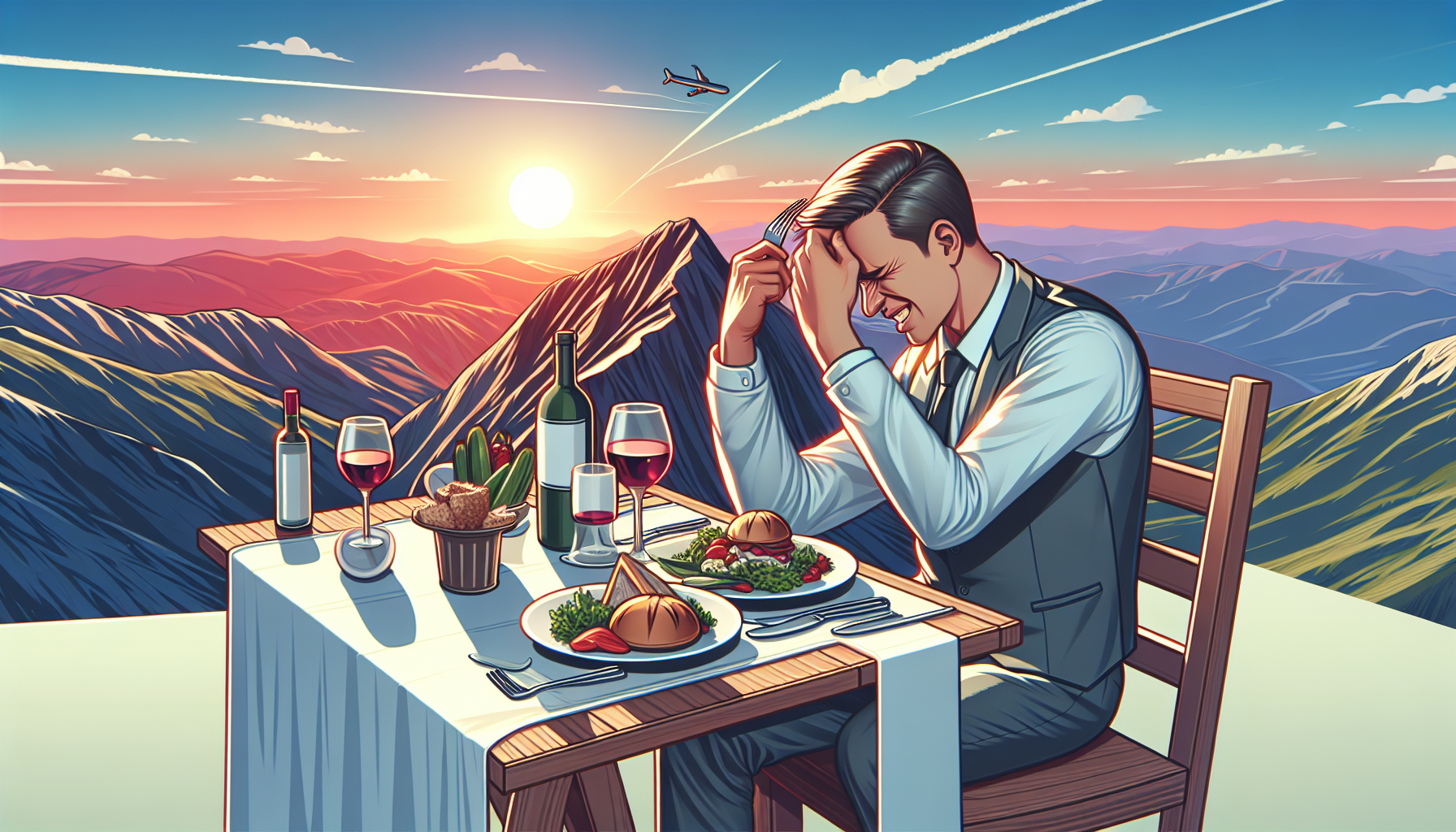
Symptoms often feel worse after dinner for several physiological reasons. First, dinner usually comes after the day’s climb or activity, so cumulative exertion, fluid loss, and calorie deficit are peaking. Second, people frequently sit down in a warm lodge, tent, or hut and finally notice symptoms they ignored while moving. Third, large meals redirect blood flow toward digestion and can worsen bloating, reflux, or nausea, which overlap with AMS. Fourth, evening routines often include beer, wine, or dessert drinks, and alcohol can impair breathing, worsen dehydration, and cloud judgment. Fifth, as bedtime approaches, ventilation naturally declines. At altitude, that reduced breathing can amplify hypoxia and make headache or restlessness more obvious. In practice, the evening is when hidden strain becomes undeniable.
A common question is whether dinner causes altitude sickness. The answer is no, but dinner can unmask or intensify symptoms that are already developing. A heavy, salty meal may increase thirst and gastric discomfort. Eating too little can also backfire by leaving a person depleted. I advise people at altitude to think of dinner as a checkpoint, not the culprit: if appetite is fading, headache is growing, and unusual fatigue or nausea appears, assume AMS is possible until proven otherwise.
Why altitude sickness often feels worse after dinner
The after-dinner worsening has a specific logic. At altitude, the body relies on hyperventilation to maintain oxygen levels. During the day, walking, talking, and staying upright can stimulate breathing. In the evening, once activity slows, minute ventilation can drop. That means less oxygen intake exactly when fatigue is highest. Later, during sleep, periodic breathing becomes common, especially above 2,700 to 3,000 meters. People alternate between deep breaths and brief pauses, which fragments sleep and can intensify headache by morning. What feels like “dinner made me sick” is often a transition from active compensation to relative respiratory slowdown.
Hydration status is another major factor. Mountain air is dry, and faster breathing increases respiratory water loss. Add sweat from hiking, limited drinking during the day, and maybe caffeine or alcohol, and many travelers arrive at dinner mildly dehydrated. Dehydration does not directly cause AMS, but it magnifies headache, fatigue, dizziness, constipation, and the feeling of being unwell. In other words, dehydration can make a mild altitude problem feel significantly worse.
Food choices matter too. Very large meals, especially those high in fat, can slow gastric emptying and increase nausea. Carbonated drinks may add bloating. Salty packaged foods can provoke thirst overnight. Spicy meals may trigger reflux when people lie down in a sleeping bag. None of these effects are unique to altitude, but altitude lowers the margin for comfort. Even a modest digestive stress can combine with hypoxia and tip someone from manageable symptoms to obvious misery.
Cold exposure contributes as well. Evening temperatures drop rapidly in mountain environments, and peripheral blood vessels constrict in the cold. People may breathe shallower if they are chilled, and poor sleep follows. The result is a cluster I hear often: “I felt okay walking in, but after dinner I got a headache, stopped wanting food, and couldn’t get warm.” That story should prompt a serious AMS check, not just an extra blanket.
| Evening factor | How it can worsen symptoms | Typical real-world example |
|---|---|---|
| Post-hike fatigue | Cumulative exertion raises perceived headache, dizziness, and weakness | Trekker reaches lodge after a 1,000-meter gain and crashes at dinner |
| Mild dehydration | Intensifies headache, dry mouth, lightheadedness, and malaise | Skier drinks little all day, then develops pounding headache with the meal |
| Large or rich dinner | Worsens nausea, bloating, reflux, and poor appetite | Climber eats a heavy fried meal and blames “bad food” for AMS symptoms |
| Alcohol | Can impair ventilation, disturb sleep, and worsen dehydration | Traveler has two beers at 3,400 meters and feels markedly worse by bedtime |
| Reduced evening breathing | Lowers oxygen intake when the body needs compensation most | Headache becomes obvious once sitting still in a hut |
| Cold and poor sleep | Increase stress response and make overnight symptoms more noticeable | Camper shivers through the night and wakes with severe fatigue |
Core AMS symptoms and the difference between mild, moderate, and dangerous illness
The hallmark symptom of AMS is headache after recent ascent. On its own, headache is not enough for a field diagnosis, because dehydration, sun exposure, eyestrain, caffeine withdrawal, and poor sleep can all cause it. The pattern matters. If headache occurs with nausea, reduced appetite, unusual fatigue, dizziness, or sleep disturbance after going higher, AMS rises to the top of the list. Most mild cases improve with rest at the same elevation, fluids, simple food, and time. Many people can remain where they are if symptoms are mild and not worsening.
Moderate AMS is more disruptive. The headache is stronger, appetite drops, walking feels harder than expected, and sleep may be miserable. At this stage, ascent should stop. A person who feels worse after dinner and still worse an hour later should not continue higher the next morning by default. That is one of the most common judgment errors I see on group trips.
Dangerous altitude illness is not just “worse AMS.” High-altitude cerebral edema, or HACE, and high-altitude pulmonary edema, or HAPE, are life-threatening emergencies. HACE involves brain swelling and can present with severe headache, vomiting, confusion, marked drowsiness, poor coordination, or altered behavior. HAPE involves fluid in the lungs and causes breathlessness at rest, persistent cough, reduced exercise capacity, chest tightness, and sometimes pink frothy sputum. If someone is confused, cannot walk a straight line heel-to-toe, or struggles to breathe at rest, the right response is immediate descent and emergency treatment, not another meal, another hour, or another opinion.
Who gets AMS: the major risk factors travelers should know
The strongest risk factor for AMS is how fast you ascend. A healthy marathon runner who flies from sea level to Cusco or Lhasa can be at higher risk than a slower, less fit traveler who stages the ascent. Prior history is the next major predictor. If you have had AMS before at a given altitude and ascent profile, your odds are higher on a similar trip. Sleeping altitude matters more than daytime high point, which is why “climb high, sleep low” works. Going from 1,500 meters to sleeping at 3,500 meters in one day is dramatically different from spending a night at 2,500 meters first.
Exertion early in the trip increases risk because hard effort raises oxygen demand before acclimatization catches up. Dehydration, respiratory infections, and poor sleep can worsen the experience, even though they are not sole causes. Alcohol and sedative medications may compound the problem by suppressing breathing or masking symptom progression. Children can develop AMS, and older age does not protect against it. Fitness is often misunderstood here: being fit helps with the workload of hiking, but it does not confer immunity to hypoxia.
Altitude thresholds are useful but imperfect. Many travelers first notice symptoms between 2,500 and 3,500 meters. Risk rises with each additional sleeping elevation gain, particularly if nightly gains exceed about 500 meters once above 3,000 meters. That rule of thumb appears in many trekking plans because it works in the field. Rest days every 1,000 meters of sleeping elevation gain also reduce risk. These numbers are not arbitrary; they reflect the pace at which ventilation, kidney compensation, and red blood cell signaling can adapt.
Prevention strategies that work in the real world
The single best prevention strategy is gradual ascent. If an itinerary allows, spend a night or two at moderate altitude before sleeping much higher. On trekking routes, cap sleeping elevation gains and build in acclimatization days. On ski trips or road trips where ascent is sudden, take the first day easy, avoid maximal exertion, and treat any evening headache seriously. Hydrate consistently, but do not force excessive water; overhydration can create its own problems. Aim for pale yellow urine and steady fluid intake through the day.
Meal strategy helps. I recommend a moderate dinner with familiar foods, adequate carbohydrates, and enough protein to recover, without turning the evening into a feast. Carbohydrates require less oxygen per unit of energy than fat metabolism, which is one reason high-carb eating is often better tolerated at altitude. Avoid heavy alcohol intake, especially on the first nights. Keep warm, protect sleep, and do not ignore appetite loss. Reduced appetite is common in AMS and is useful information.
Medication can be appropriate. Acetazolamide is the standard preventive drug for many higher-risk ascents. It works by causing a mild metabolic acidosis that stimulates breathing and improves acclimatization. Common preventive dosing is 125 milligrams twice daily for adults, though plans vary and individual medical advice matters. Side effects can include tingling fingers, altered taste of carbonated drinks, and increased urination. Dexamethasone prevents AMS in some settings but does not aid acclimatization the way acetazolamide does, so it is usually reserved for specific situations, rescue use, or when acetazolamide cannot be used.
What to do when symptoms get worse after dinner
If symptoms intensify in the evening, first stop ascending. Then assess severity. Ask four practical questions: Is there a headache after recent ascent? Is there nausea, dizziness, fatigue, or poor appetite? Is the person thinking clearly and walking normally? Is there breathlessness at rest or a wet cough? Mild symptoms call for rest, fluids, light food, avoiding alcohol, and close observation. Many people improve overnight if they do not continue upward.
If symptoms are moderate, worsening, or interfering with normal function, the safest move is to descend at least 500 to 1,000 meters if feasible. Supplemental oxygen helps when available. Acetazolamide may be used for treatment, and dexamethasone is an important rescue medication for significant AMS or suspected HACE when descent is delayed. For suspected HAPE, nifedipine has a role in selected cases, but descent and oxygen remain primary. Portable hyperbaric chambers can be lifesaving on remote expeditions.
One final point is practical but critical: never let group momentum override symptoms. Dinner is often when plans are made for the next day. If someone is quieter than usual, not eating, rubbing their temples, or saying they just want to sleep it off, that is the exact moment to slow down and reassess. Use the night as a checkpoint. Respect the symptoms, adjust the itinerary, and seek medical guidance when red flags appear. That simple habit prevents many altitude problems from becoming emergencies.
Altitude sickness often feels worse after dinner not because the meal creates the problem, but because evening conditions expose the body’s struggle to adapt. Fatigue, dehydration, richer food, alcohol, colder temperatures, and lower evening ventilation all combine to make early AMS more noticeable. The key takeaway is straightforward: a worsening headache, nausea, appetite loss, dizziness, or unusual fatigue after ascent should be interpreted in altitude context first. Treat dinner-time symptoms as useful diagnostic information.
For most travelers, prevention comes down to ascent rate, conservative first-day behavior, smart hydration, moderate meals, and early recognition. AMS is common, predictable, and manageable when taken seriously. It becomes dangerous when people dismiss symptoms, keep climbing, or confuse warning signs with ordinary indigestion or tiredness. If you are planning a mountain trip, use this hub as your starting point, review your itinerary, and build acclimatization into the plan before you go.
Frequently Asked Questions
Why does altitude sickness often seem to get worse after dinner instead of earlier in the day?
That pattern is very common, and it usually comes down to timing and physiology rather than a sudden change in the altitude itself. By evening, your body has already spent the whole day trying to function with less oxygen than it is used to. Even if symptoms were mild in the afternoon, the cumulative stress of hiking, climbing stairs, carrying gear, sun exposure, wind, and cold can leave you more depleted by dinnertime. At altitude, that fatigue matters because your body is relying on faster breathing and other compensations to keep oxygen delivery up.
Dinner can then add several triggers at once. A large meal increases the body’s workload because digestion requires blood flow and energy. If you are slightly dehydrated from the day, that can worsen headache, nausea, and the sense that you cannot quite catch your breath. Many people also relax in the evening, sit still, breathe more shallowly, or have a drink, all of which can reduce the margin their body had been using to cope. Colder nighttime air and the normal evening drop in ventilation as the body prepares for sleep can make symptoms feel more obvious as well. In real-world trekking and mountain clinic settings, it is extremely common for someone who felt only “a bit off” during the day to develop a pounding headache, nausea, dizziness, or unusual fatigue after dinner because all of those small stressors stack up at once.
Can eating a big meal make altitude sickness symptoms worse?
Yes, it can, especially if the meal is heavy, greasy, very rich, or simply larger than your body comfortably handles at elevation. A big dinner does not directly cause altitude sickness, but it can absolutely magnify how bad you feel. Digestion is an active process. Your body has to redirect blood flow to the digestive tract, manage fluid shifts, and work through food while already under the strain of lower oxygen availability. That extra demand can make symptoms such as nausea, bloating, headache, and breathlessness feel more intense.
Large meals can also create a very practical problem: they make it harder to tell what is coming from the stomach and what is coming from altitude illness. People often assume, “It was just something I ate,” when in fact altitude is a major contributor. Feeling overly full can increase discomfort when breathing, especially if you are already breathing faster than normal. If you then lie down soon after eating, reflux, nausea, and chest tightness may feel even worse. A better approach at altitude is to eat smaller, lighter, carbohydrate-friendly meals, stay well hydrated, and avoid overloading your system late in the day. If dinner consistently triggers a sharp worsening of headache, vomiting, confusion, severe fatigue, or shortness of breath at rest, do not dismiss it as indigestion alone.
Does alcohol at dinner make altitude sickness feel worse?
Very often, yes. Alcohol can make altitude symptoms feel worse for several reasons, and the timing at dinner is especially unhelpful. First, alcohol tends to dehydrate you, and even mild dehydration can intensify common altitude complaints like headache, dizziness, dry mouth, and fatigue. Second, alcohol can disrupt the normal breathing response your body depends on at elevation. At altitude, your body needs to breathe more to compensate for lower oxygen levels. Alcohol can blunt that drive, particularly later in the evening and during sleep, which may leave you feeling worse overnight or early the next morning.
Alcohol also muddies the picture. It can produce symptoms that overlap with acute mountain sickness, including poor sleep, nausea, headache, clumsiness, and lightheadedness. That makes it harder to judge whether you are adapting normally or slipping into a more significant problem. In mountain environments, people commonly underestimate how strongly one or two drinks can affect them because the combination of altitude, fatigue, cold, and underhydration changes their tolerance. If you are newly arrived at elevation, already symptomatic, or planning to go higher the next day, skipping alcohol or keeping intake minimal is the safer choice. It is not just about comfort; it is about preserving your body’s ability to acclimatize and making sure worsening symptoms are not overlooked.
Why do altitude symptoms often become more noticeable in the evening and at bedtime?
Evening and bedtime are when many people first realize how strained they really are. During the day, movement, distractions, sunlight, conversation, and the momentum of travel can mask symptoms. Once you stop, sit down, and become still, the headache, nausea, and heavy fatigue are harder to ignore. There is also a true physiologic reason for this shift. As the body winds down toward sleep, ventilation naturally decreases. At sea level that is usually no problem, but at altitude, where oxygen is already limited, even a modest drop in breathing can make oxygen levels dip further and symptoms feel stronger.
Nighttime conditions can add to the problem. Temperatures drop, dry air may irritate breathing passages, and many people are mildly dehydrated after a full day outdoors. If you have eaten a big meal or had alcohol, the combined effect can be significant. Some people also experience more unstable breathing at altitude during sleep, including periods of deeper and shallower breathing that fragment rest and create the sensation of waking up breathless. That does not always mean a dangerous condition is developing, but it does explain why nighttime can feel distinctly worse. Good hydration, a light evening meal, limited alcohol, warm clothing, and a gradual ascent can all reduce this evening slump. Still, if symptoms escalate sharply at night, especially with severe headache, repeated vomiting, confusion, trouble walking straight, or breathlessness at rest, that deserves prompt attention.
How can I tell whether feeling worse after dinner is normal altitude adjustment or a sign I should stop ascending?
Mild worsening in the evening can happen during normal acclimatization, but there are clear limits to what should be considered acceptable. A mild headache, reduced appetite, light nausea, and tiredness that improve with rest, fluids, and a slower pace can fit early acute mountain sickness. What should make you cautious is progression. If symptoms are becoming stronger rather than leveling off, if they interfere with eating, walking, or thinking clearly, or if they persist despite rest, that is a sign your body is not keeping up well with the altitude.
A useful rule is this: do not ascend higher with ongoing altitude symptoms, especially if they are worse after dinner and continue into the night or next morning. Warning signs that should be taken seriously include severe or throbbing headache not relieved by simple measures, repeated vomiting, marked weakness, unusual drowsiness, confusion, poor coordination, inability to walk normally, or shortness of breath at rest. Those can signal more dangerous altitude illness and may require descent and medical evaluation. In practical terms, the safest response to worsening evening symptoms is to stop, rest at the same elevation, hydrate, avoid alcohol, eat lightly, and monitor closely. If symptoms are intensifying or any red-flag features appear, descending is the right move. In the mountains, waiting too long because symptoms seemed to start “just after dinner” is a mistake people make more often than they should.