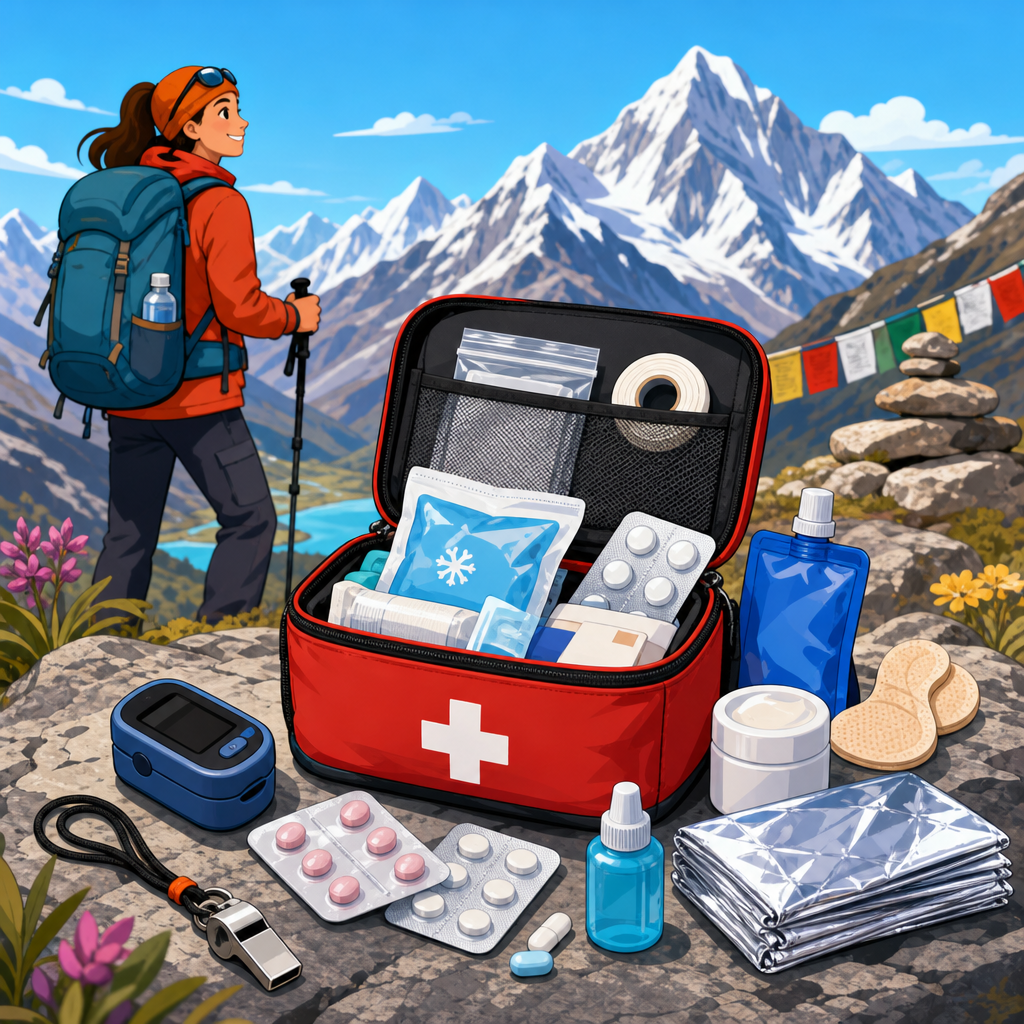
Best first-aid kit additions for high-altitude hiking start with understanding that altitude changes the kinds of problems hikers face, the speed at which small issues become serious, and the supplies that matter most when help is far away. A standard trail kit built for day hikes at low elevation usually covers blisters, cuts, and minor sprains, but high-altitude hiking adds cold exposure, intense ultraviolet radiation, dehydration, altitude illness, and delayed evacuation. In practical terms, that means your kit should support assessment, stabilization, monitoring, and self-rescue decisions, not just wound care. When I build kits for alpine routes, I treat them as part medical pouch, part navigation backup, and part incident-management system. The goal is not to carry a miniature emergency room. The goal is to carry the few additions that solve the most likely high-consequence problems. This hub for Safety & Navigation explains what to add, why each item earns its weight, and how those additions fit with route finding, weather judgment, communication, and turnaround discipline.
Why high altitude changes first-aid priorities
High altitude generally refers to elevations above 8,000 feet, with much greater stress above 12,000 feet, where lower oxygen pressure reduces physical performance and increases the risk of acute mountain sickness. Common symptoms include headache, nausea, unusual fatigue, dizziness, and poor sleep. More severe forms, high-altitude cerebral edema and high-altitude pulmonary edema, are less common but life-threatening. These conditions are not fixed by bandages, so a high-altitude first-aid kit must support early recognition and rapid descent. That is why the best additions are often diagnostic or decision-support items rather than more gauze.
Cold, wind, and sun also behave differently in alpine terrain. Exposed ridgelines can create hypothermia in summer, while reflected ultraviolet light from snow can burn skin and eyes quickly. Navigation errors carry bigger consequences because terrain is steeper, trails may be faint, and afternoon storms can cut visibility. In the field, I have seen a small blister become a mobility problem, a mild headache mask dehydration, and a wrong turn turn into an unplanned bivouac. A good kit for altitude accounts for that chain reaction. It helps you keep moving safely, identify when symptoms are worsening, and buy time until descent or rescue.
The smartest medical additions to pack
The most valuable additions for high-altitude hiking are medications and tools aimed at altitude illness, pain control, hydration support, and temperature management. Acetazolamide, used under clinician guidance, is the best-known prescription option for preventing or reducing acute mountain sickness in susceptible hikers. Dexamethasone may be prescribed for emergency use in specific cases, especially on remote expeditions, but it is not a substitute for descent. Ibuprofen can help with pain and some altitude-related headache symptoms, while ondansetron is a useful prescription anti-nausea option for people who struggle to keep fluids down. These medications belong in clearly labeled waterproof bags with dosage instructions.
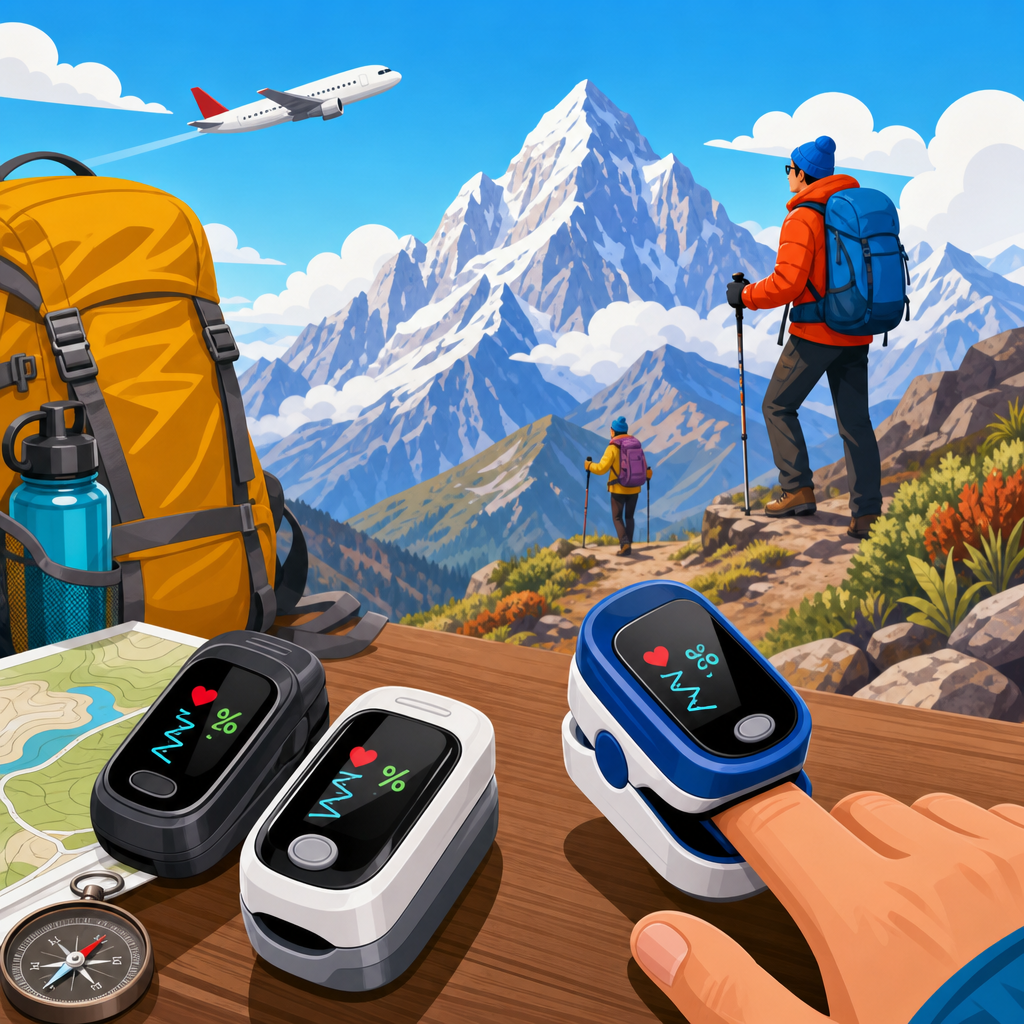
Pulse oximeters are often discussed, and they can be helpful, but they are not magic. At altitude, oxygen saturation normally runs lower, cold fingers distort readings, and numbers should never override symptoms. Still, for group leaders comparing trends in the same person over time, a compact pulse oximeter can add context. A digital thermometer is also worth considering on longer trips because hypothermia and infection can be hard to judge when everyone looks tired. Add oral rehydration salts, not just electrolyte drink mix. Proper oral rehydration formulas replace sodium and glucose in ratios that support fluid absorption better than many sports drinks.
For skin and soft-tissue problems, hydrocolloid blister dressings, leukotape or kinesiology tape, a small irrigation syringe, and a larger-than-usual supply of adhesive dressings are high-value additions. High-altitude routes often involve scree, crampon contact, ski edges, or stiff boots, so feet and lower legs take abuse. A triangular bandage and an elastic wrap can stabilize a shoulder, ankle, or wrist long enough to descend. Nitrile gloves, trauma shears, and a CPR face shield are sensible for group kits. None of these items are exotic, but together they turn a basic kit into one that matches alpine reality.
Tools that connect first aid with safety and navigation
On high mountains, first aid and navigation are inseparable because the best treatment for many serious problems is getting to a lower, safer place quickly. That is why my preferred additions include a map in a waterproof sleeve, a compass, a fully charged headlamp with spare batteries, a whistle, and a satellite communicator such as a Garmin inReach or ZOLEO. These are not medical supplies in the narrow sense, yet they directly affect patient outcomes. If a hiker develops worsening ataxia, confusion, or breathlessness, the ability to identify the nearest descent line, communicate coordinates, and move before dark is part of treatment.
A small notebook and pencil deserve a place in the kit as well. Recording onset time, symptoms, medications given, fluid intake, urine output, and vital signs creates a clearer picture under stress and improves handoff to rescuers. I have relied on these notes when deciding whether someone’s headache improved after hydration or whether coordination actually worsened over an hour. Add a laminated emergency checklist with altitude illness red flags, local rescue numbers, and turnaround criteria. Under pressure, memory narrows. Written prompts reduce error.
| Addition | Primary use at altitude | Why it matters |
|---|---|---|
| Acetazolamide | AMS prevention or symptom reduction | Supports acclimatization when prescribed appropriately |
| Oral rehydration salts | Dehydration and nausea recovery | Improves fluid absorption better than plain water alone |
| Pulse oximeter | Trend monitoring | Adds context when interpreted with symptoms |
| Hydrocolloid blister dressings | Foot protection | Preserves mobility, which is critical for descent |
| Satellite communicator | Emergency contact and tracking | Enables rescue when cell coverage fails |
| Emergency bivy | Heat retention during delay | Reduces exposure risk during storms or injury stops |
Essential additions for exposure, eye protection, and delayed descent
Emergency heat and shelter items belong in a high-altitude first-aid kit even if some hikers classify them as survival gear. An emergency bivy is more protective than a thin space blanket because it traps warm air around the body and is easier to secure in wind. Chemical hand warmers can help rewarm cold hands enough to restore dexterity for zippers, stoves, or communication devices, though they should not delay evacuation. A lightweight foam sit pad is another underrated addition. It insulates an injured person from snow, rock, or frozen ground during assessment and prevents heat loss while stopped.
Eye care deserves special attention. At altitude, ultraviolet exposure increases, and snow glare can trigger photokeratitis, essentially a sunburn of the cornea. Add lubricating eye drops, backup sunglasses with high UV protection, and for snow travel, glacier glasses or goggles with side coverage. If a contact lens wearer loses a lens in dusty wind, saline and a spare pair of glasses can prevent a minor problem from becoming a navigation hazard. Sunscreen and lip balm with high SPF are preventive items, but prevention is part of first aid when sun injury can impair judgment and hydration over a long day.
Because storms build quickly, I also add a reliable lighter, fire starter tabs where legal and appropriate, and a spare battery bank or insulated phone storage pouch for cold conditions. Lithium batteries outperform alkaline cells in low temperatures. These additions support communication, illumination, and morale during an unplanned stop. They are especially relevant on this Safety & Navigation hub because many incidents start with weather exposure plus a route error, not with a dramatic fall.
How to tailor the kit to route, group, and altitude profile
No single packing list fits every mountain. A half-day hike to 10,000 feet on a busy trail requires different additions than a multi-day traverse above 14,000 feet with snowfields and weak cell service. Start with four planning variables: maximum elevation, remoteness, weather volatility, and group experience. The higher and more remote the route, the more your kit should shift toward stabilization and overnight contingency. That means more blister care, more insulation, more water-treatment redundancy, and stronger communication capability.
Group composition matters just as much. If anyone has asthma, severe allergies, migraine history, diabetes, prior altitude illness, or a prescription medication schedule, the kit should reflect those realities. An epinephrine auto-injector, rescue inhaler, glucose gel, or spare personal medication may be more important than any generic item. For guided groups, I prefer a modular system: a personal pouch for everyday needs, a shared trauma and altitude module, and a navigation-communication module. This setup speeds access and avoids dumping the whole kit on wet ground.
Weight discipline still matters. The best additions are not the most numerous; they are the ones that are multi-use, evidence-based, and matched to foreseeable risk. Before every trip, lay out the kit and ask three questions: What is most likely, what is most dangerous, and what can I realistically manage before professional help arrives? That method usually removes dead weight while protecting the truly important items.
Training, limits, and the decisions that save lives
Even the best first-aid kit additions for high-altitude hiking are only as useful as the judgment behind them. Formal wilderness first aid or wilderness first responder training teaches the assessment sequence, spinal precautions, splinting, evacuation planning, and the practical difference between discomfort and deterioration. For altitude specifically, hikers should know the classic rule: mild symptoms may allow rest, fluids, food, and observation, but worsening symptoms at the same altitude mean stop ascending, and severe symptoms demand descent immediately. No gadget changes that.
It is also important to acknowledge limits. Over-the-counter canned oxygen offers little real value for hiking emergencies because supply is brief and flow is low. Prescription medications require medical advice and an understanding of side effects and contraindications. Satellite communicators can fail if batteries die or messages are delayed by terrain. Navigation apps like Gaia GPS, CalTopo, and onX Backcountry are excellent, but a downloaded map is not a substitute for compass skills when screens freeze or users misread terrain. Redundancy and competence matter more than brand names.
The strongest Safety & Navigation strategy is simple: prevent what you can, detect problems early, and carry additions that preserve decision-making and mobility. Build your high-altitude kit around altitude illness response, hydration, blister prevention, heat retention, and emergency communication. Pair that kit with route research, acclimatization, turnaround times, and practiced navigation. Review your supplies before each trip, replace expired items, and customize for the mountain ahead. If you hike high places regularly, upgrade your kit this week and train with every item you pack.
Frequently Asked Questions
What should a first-aid kit include specifically for high-altitude hiking beyond a standard trail kit?
A first-aid kit for high-altitude hiking should go well beyond the basics used for low-elevation day trips. Standard supplies such as adhesive bandages, gauze, medical tape, blister treatment, antiseptic wipes, tweezers, and an elastic wrap still matter, but higher elevation adds a different layer of risk. The most useful additions are items that help with cold, sun, hydration, altitude-related symptoms, and the possibility of a longer wait for help. That usually means carrying a compact emergency bivy or survival blanket for sudden weather changes, chemical hand warmers for cold exposure, high-SPF sunscreen, lip balm with sun protection, and glacier-style or high-coverage sunglasses to reduce damage from intense ultraviolet exposure.
Hydration support is also more important at altitude because dry air, heavy breathing, and exertion increase fluid loss. Oral rehydration salts can be a very smart addition, especially for hikers who may struggle with dehydration, nausea, or diarrhea. Many hikers also add medications they have discussed with a healthcare professional, such as acetazolamide for altitude illness prevention or treatment, along with pain relievers and anti-nausea options that are appropriate for their medical history. A pulse oximeter is not mandatory, but some hikers like to include one as a supplemental monitoring tool, especially on multi-day treks. It should never replace symptom awareness, though, because how a person feels matters more than a device reading alone.
Because evacuation can be delayed in remote alpine terrain, it is also wise to include extra supplies for wound care and immobilization. A few more sterile dressings than you would normally pack, a triangular bandage, and a lightweight splinting material or wrap can make a meaningful difference if a minor injury becomes a prolonged self-care situation. The goal is not to carry a full clinic in your backpack. It is to adapt your kit to the specific realities of altitude: faster weather changes, colder conditions, stronger sun, thinner air, and a greater chance that a manageable problem could escalate if you cannot descend or get assistance quickly.
Which first-aid supplies are most helpful for dealing with altitude sickness on the trail?
When people think about first-aid kit additions for high-altitude hiking, altitude sickness is usually the first concern, and for good reason. Acute mountain sickness can begin with headache, nausea, dizziness, fatigue, poor sleep, and loss of appetite, and it can worsen if ignored. The single most important “treatment” is not a supply item at all: it is the willingness to stop ascending and descend if symptoms progress. That said, there are supplies that can support early management and help a hiker make safer decisions. A first-aid kit can include a written symptom checklist, any prescribed altitude medication recommended by a clinician, hydration support such as electrolyte packets or oral rehydration salts, and simple medications for headache or nausea if those are safe for the individual to use.
Acetazolamide is one of the best-known medications associated with altitude illness, but it should only be taken under professional guidance because it is not appropriate for everyone. Some hikers also carry anti-nausea medication or use familiar over-the-counter pain relievers to manage headache, but these should never be used to mask worsening symptoms so someone can keep climbing. If headache, vomiting, confusion, shortness of breath at rest, poor coordination, or chest symptoms appear, the priority is descent and emergency planning, not trying to “push through” with pills. A pulse oximeter may provide extra data, but it is not reliable enough to rule altitude illness in or out by itself.
Just as important as what to pack is understanding what symptoms signal danger. Severe altitude illness, including high-altitude cerebral edema and high-altitude pulmonary edema, is a medical emergency. No item in a small first-aid kit replaces immediate descent, warmth, rest, oxygen if available through an organized expedition or rescue system, and urgent medical evaluation. In other words, the best altitude-related additions are the ones that help you recognize trouble early, treat mild symptoms conservatively, and act quickly before the situation becomes life-threatening.
Why are sun and cold protection considered first-aid essentials at high altitude?
At high altitude, sun and cold are not just comfort issues. They are medical concerns, which is why protection against both belongs in a first-aid kit strategy. Ultraviolet radiation is stronger at elevation, and snow, rock, and ice can reflect sunlight back onto exposed skin and eyes. That means sunburn can happen faster and more severely than hikers expect, even on cool or cloudy days. In practical terms, this makes broad-spectrum sunscreen, SPF lip balm, and eye protection essential. Painful burns, cracked lips, and photokeratitis, sometimes called snow blindness, can interfere with judgment, hydration, sleep, and the ability to continue safely.
Cold risk also rises quickly in alpine environments because weather can change fast, wind exposure is greater, sweat can chill the body, and exhaustion reduces heat production. A hiker who is only mildly uncomfortable at first can slide into impaired coordination and poor decision-making surprisingly quickly. That is why compact emergency warming items are valuable additions. A heat-reflective emergency blanket or bivy, hand warmers, and dry backup layers stored separately from the rest of the pack can help stabilize someone until they descend or reach shelter. In many situations, preventing a mild cold-stress problem from becoming hypothermia is one of the most important forms of first aid available.
The key point is that first aid at altitude is not limited to treating injuries after they happen. It also means carrying supplies that prevent common environmental injuries from developing in the first place. Strong sun and sudden cold are predictable hazards at elevation, so protection against both deserves the same level of attention as bandages, blister pads, and wound care supplies.
How should hikers prepare their first-aid kits for dehydration and delayed evacuation at high altitude?
Dehydration is more common at altitude than many hikers realize. The air is usually drier, breathing rate increases, exertion is often more intense, and people may lose their appetite or forget to drink because cool temperatures reduce the feeling of thirst. Even mild dehydration can worsen fatigue, headache, and dizziness, which can look similar to early altitude illness and make the whole situation harder to assess. For that reason, a high-altitude first-aid kit should include support items that help restore fluids and electrolytes, not just treat cuts and scrapes. Oral rehydration salts or electrolyte packets are especially useful because they replace both water and key minerals lost through sweating and exertion.
Delayed evacuation changes how you think about every item in the kit. On an easy local hike, a blister or small cut may be a minor inconvenience because help, shelter, or a car is nearby. At altitude, those same problems can become bigger if terrain is rough, weather moves in, or someone becomes too weak to continue at a normal pace. This is why it makes sense to pack extra blister treatment, a few more dressings than you might otherwise carry, and gear that supports keeping an injured or ill person stable while waiting or descending slowly. A compact emergency shelter, extra tape, a triangular bandage, and a wrap for sprains become more valuable when immediate rescue is unlikely.
It is also smart to organize the kit for access, not just completeness. Supplies for warmth, hydration, and symptom monitoring should be easy to reach without unpacking everything in wind or snow. If the group is hiking far from help, communication and emergency planning matter as much as the medical supplies themselves. A first-aid kit works best when it is part of a broader system that includes route planning, weather awareness, acclimatization, water treatment, navigation, and a realistic plan for getting someone down if conditions deteriorate.
How often should you review and customize a high-altitude first-aid kit before a trip?
A high-altitude first-aid kit should be reviewed before every trip, not just once at the start of the season. Elevation, temperature, trip length, remoteness, group size, and the experience level of the hikers all change what is appropriate to carry. A single-day summer hike on a popular route may call for a lighter setup than a multi-day alpine trek where weather, cold, and evacuation delays are serious concerns. Before leaving, check expiration dates on medications, replace any opened or damaged wound-care items, and make sure critical additions such as sunscreen, lip balm, blister supplies, and emergency warmth gear are still in the kit and in usable condition.
Customization is especially important when one or more hikers have personal medical needs. Prescription medications, known allergies, asthma, a history of altitude problems, or sensitivity to cold all influence what should be packed. It is also wise to think in terms of likely scenarios rather than packing random extras. If your route involves snowfields, strong exposure, or very high UV levels, eye and skin protection should be emphasized. If it is a remote route with long descents and limited bailout options, you may want more dressings, support wraps, and emergency shelter materials. If acclimatization will be limited, a careful conversation with a healthcare professional about altitude medication may be appropriate well before the trip.
Finally, a first-aid kit is only as useful as the hiker’s ability