Planning a mountain vacation with your dog sounds simple until altitude changes, temperature swings, and exertion turn a fun trip into a medical problem. Dogs & Altitude Sickness is the central issue every owner should understand before heading to the mountains, because acclimation affects breathing, hydration, appetite, sleep, stamina, and safety on the trail. In practical terms, acclimating your dog means giving its body time to adapt to lower oxygen, thinner air, colder nights, stronger sun exposure, and unfamiliar terrain. I have helped owners prepare dogs for trips to Colorado, Utah, Wyoming, and the Sierra Nevada, and the same pattern repeats: the dogs that do best are not always the fittest, but the ones introduced gradually and monitored closely.
Altitude sickness in dogs refers to illness caused by reduced oxygen availability at higher elevations. You may also hear related terms such as hypoxia, pulmonary stress, or high-altitude illness. While there is less formal canine research than there is for humans, veterinarians and emergency clinics in mountain regions consistently see dogs arrive with vomiting, lethargy, heavy panting, poor coordination, cough, and unusual anxiety after rapid ascents. Brachycephalic breeds, senior dogs, puppies, overweight dogs, and dogs with heart, airway, or lung disease face the highest risk, but any dog can struggle if the gain in elevation is too fast.
This topic matters because many owners assume dogs are naturally built for outdoor adventure. Some are, but mountain travel is not just a longer walk. A dog coming from sea level to 8,000 feet experiences a measurable drop in available oxygen. That changes how hard the heart and lungs must work, especially during running, steep climbs, and warm daytime activity. A mountain vacation also introduces dry air, snow glare or intense summer sun, cold water crossings, wildlife distractions, and irregular meal schedules. Acclimation lowers the chance of altitude sickness, paw injuries, dehydration, and emergency evacuation, and it also helps your dog actually enjoy the trip instead of merely enduring it.
What altitude does to dogs and when symptoms start
Most healthy dogs tolerate modest elevation better than owners expect, but problems become more common when a dog that normally lives below 3,000 feet suddenly sleeps above 7,000 feet and exercises hard on the same day. Thin air means each breath brings in less oxygen. To compensate, dogs pant more, rest more often, and may drink differently. In clinic guidance, I usually tell owners that risk rises with three factors combined: how high you go, how quickly you get there, and how active your dog is during the first forty-eight hours.
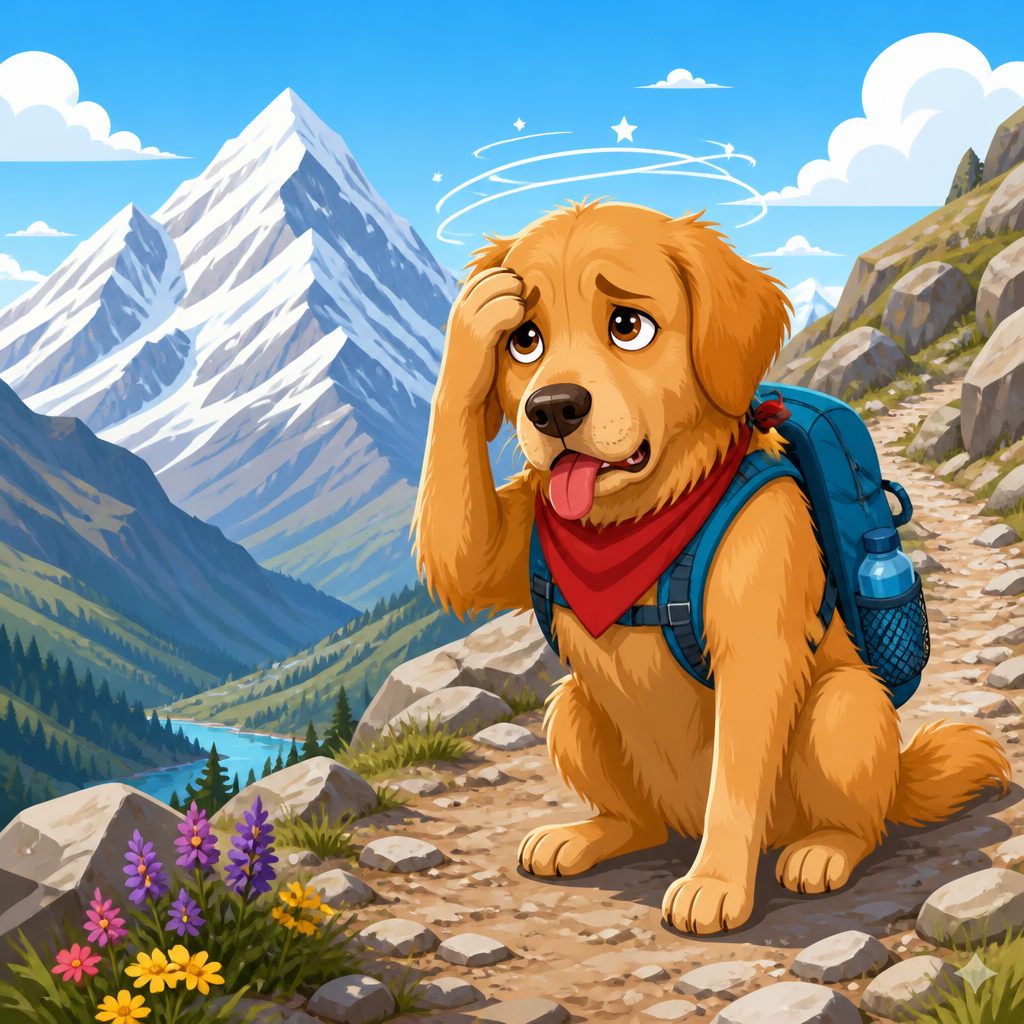
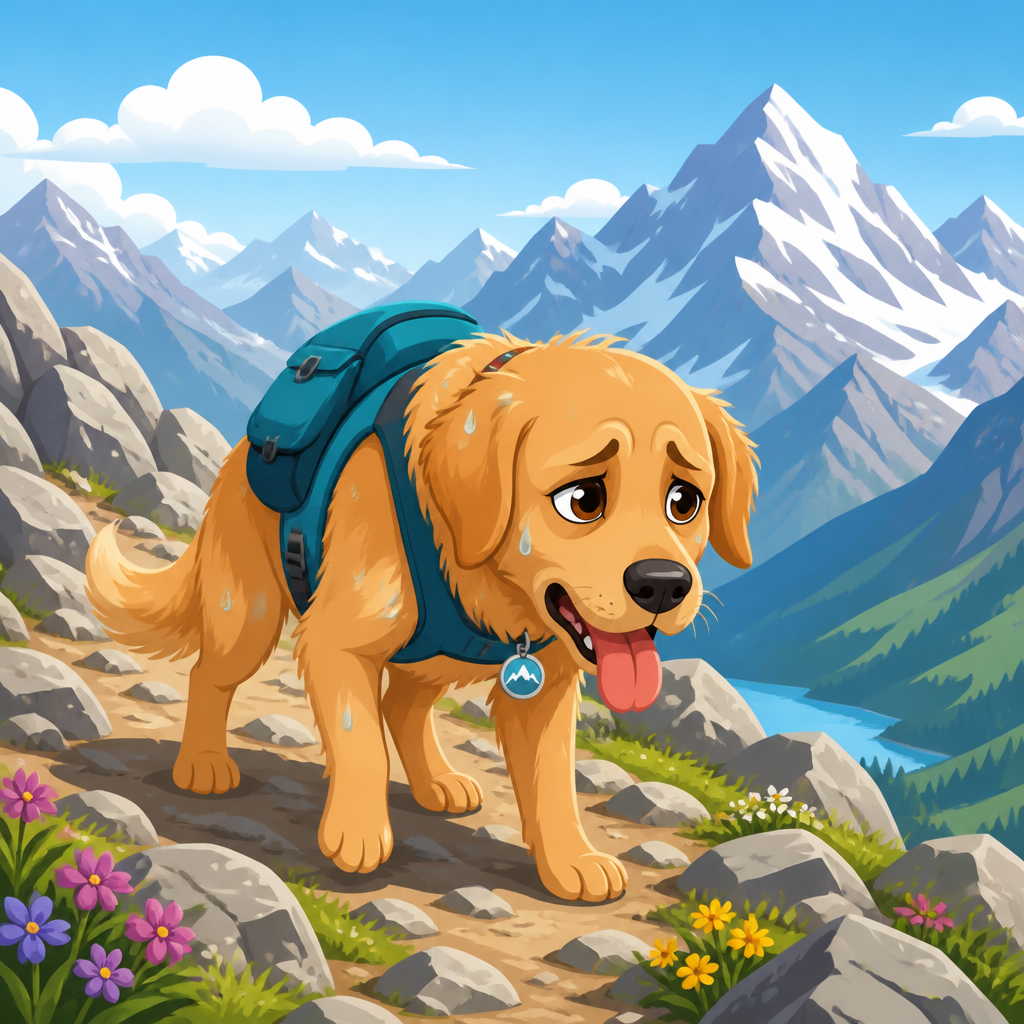
Early signs of altitude stress are subtle. A dog may seem quieter, slower to eat, unusually clingy, restless at night, or disinterested in play. More obvious signs include excessive panting at rest, repeated lip licking, drooling, vomiting, diarrhea, stumbling, persistent coughing, or reluctance to continue walking. Severe signs are an emergency: blue or gray gums, collapse, confusion, labored breathing, inability to settle, or coughing with froth. Those signs can indicate serious oxygen deprivation or fluid issues in the lungs. The key point is simple: mild fatigue after arrival can be normal, but respiratory distress is not.
Some dogs show symptoms within hours of arrival, while others seem fine the first day and decline after a long hike on day two. That delay catches owners off guard. The reason is cumulative stress. Travel itself can reduce water intake and increase anxiety, then altitude and exercise add another load. Dogs do not need to summit a peak to get sick; even a cabin stay at elevation can trigger problems if a dog has underlying airway or cardiac limitations.
Which dogs need extra caution before a mountain trip
Any dog can benefit from a slower ascent, but several groups deserve special planning. Flat-faced breeds such as Bulldogs, Pugs, Boston Terriers, and Shih Tzus already move air less efficiently because of narrowed nostrils, elongated soft palates, and other upper-airway constraints. At altitude, that disadvantage becomes more important. Dogs with collapsing trachea, laryngeal paralysis, chronic bronchitis, heart murmurs, pulmonary hypertension, or a history of heat stress also face higher risk. So do obese dogs, because extra body mass increases respiratory effort and traps heat.
Age matters too. Puppies may overexert because they are excited and inexperienced, while senior dogs may have hidden cardiovascular or arthritic limitations that only show up on steep grades. Working breeds and athletic mixed breeds are often mentally driven enough to ignore early fatigue, which means owners must be the limiter. I have seen fit retrievers and shepherds keep charging uphill long after they should have stopped simply because they were following their people.
A pre-trip veterinary visit is smart if your dog has any history of coughing, fainting, exercise intolerance, seizures, orthopedic pain, or chronic medication use. Ask specifically whether mountain travel is appropriate, what warning signs should prompt descent, and whether your dog’s current preventive care is current for your destination. In many mountain regions, parasite and tick exposure patterns differ by season and elevation, so itinerary details matter.
How to acclimate your dog before and after arrival
The best acclimation plan is gradual. If possible, break the trip with an overnight stop at a middle elevation before sleeping high. Once you arrive, keep the first day easy. That means leash walks, frequent bathroom breaks, light sniffing time, and no long hikes, fetch sessions, or rough play. On day two, increase activity modestly and watch recovery time after exercise. A dog that returns to normal breathing within a few minutes is coping far better than one that keeps panting heavily while resting in cool shade.
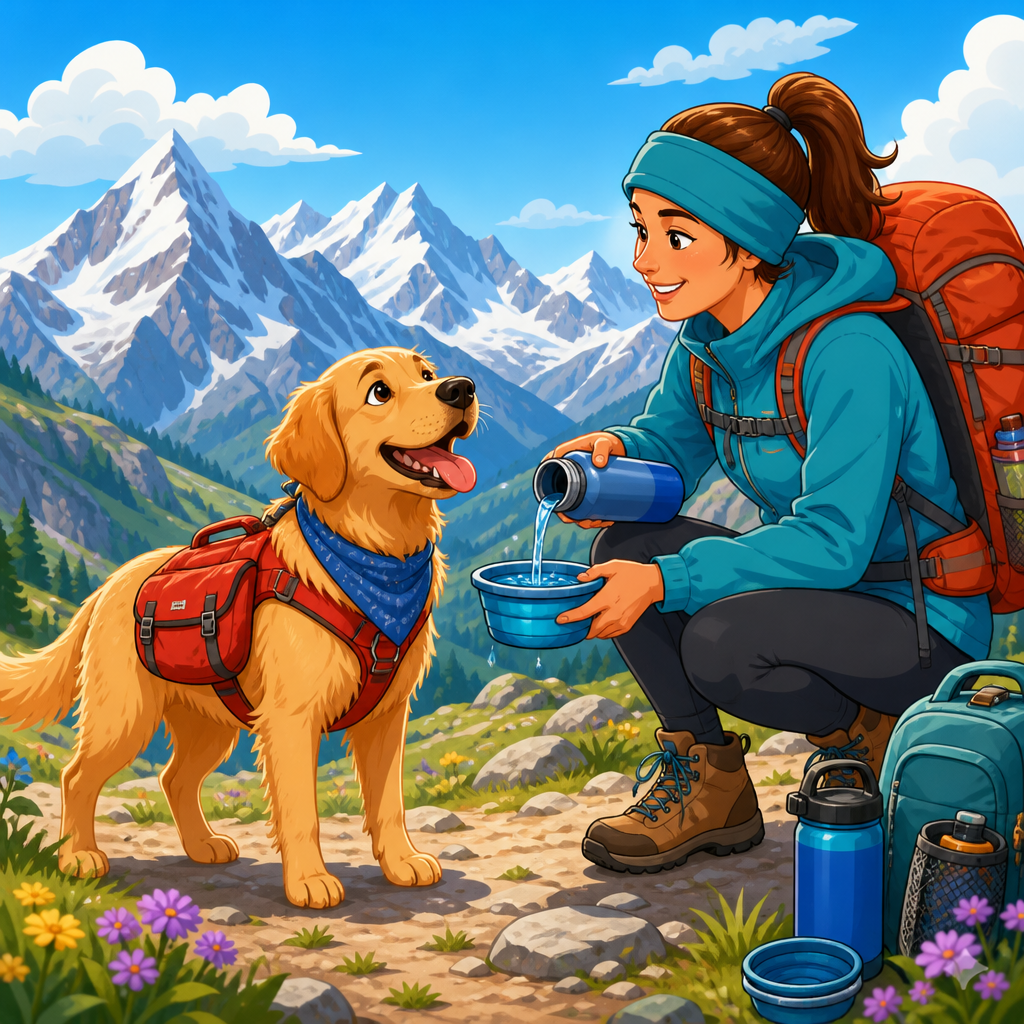
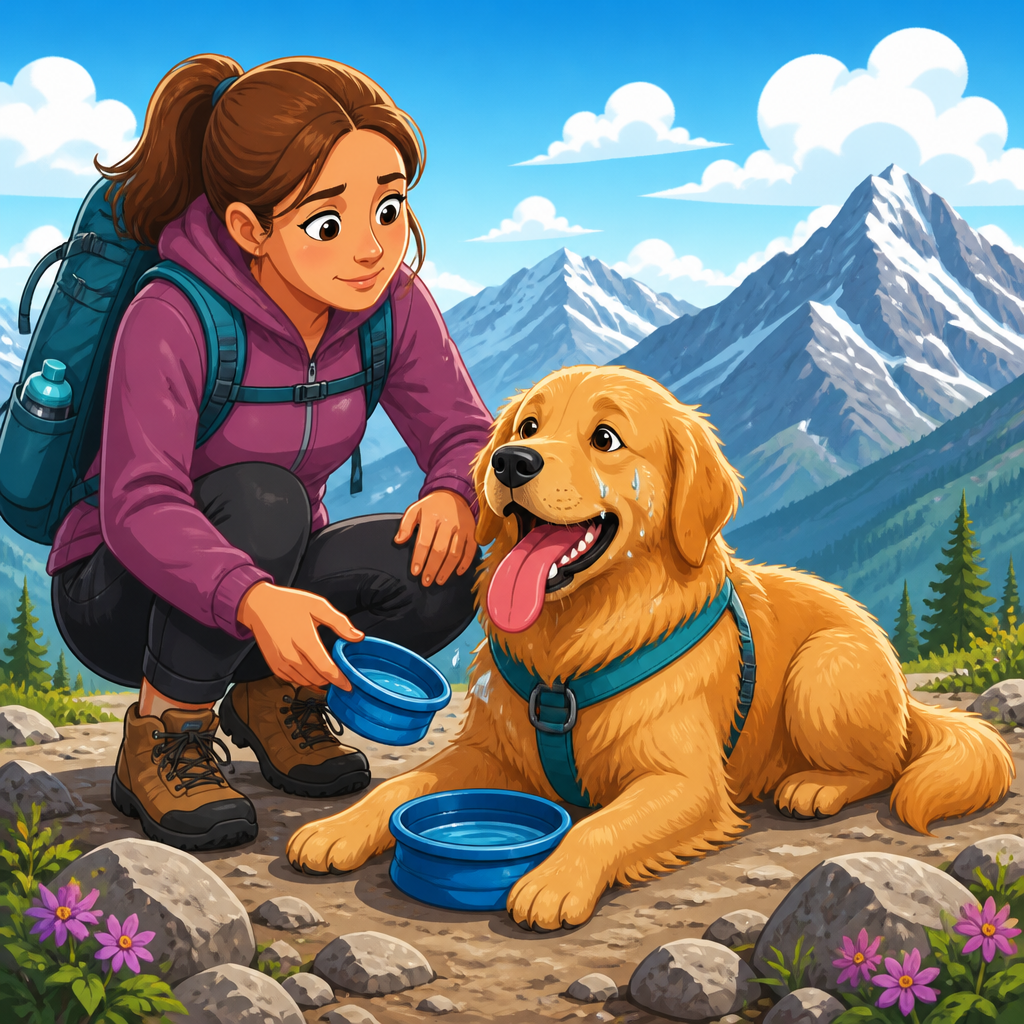
Hydration is one of the most practical tools you control. Mountain air is dry, and many dogs drink less in unfamiliar places. Bring your dog’s usual bowl, offer water often, and use food moisture to your advantage by adding water or low-sodium broth approved by your veterinarian. Do not force huge volumes at once, since that can cause stomach upset during travel. I recommend tracking urine output and energy together. If a dog is peeing very little, seems flat, and is panting more than expected, adjust the plan immediately.
Feeding should stay predictable. Keep your dog on its normal diet, avoid rich vacation scraps, and use small meals on travel days. Sudden food changes plus altitude and car stress are a common recipe for vomiting or diarrhea. Sleep also matters. Choose lodging with a cool, quiet area where your dog can rest undisturbed. Many owners underestimate how much a dog needs that first full night at altitude before tackling a real trail.
| Acclimation factor | Best practice | Why it helps |
|---|---|---|
| Ascent speed | Sleep one night at mid-elevation if possible | Reduces sudden oxygen stress |
| First 24 hours | Keep activity light and mostly on leash | Lets breathing and hydration stabilize |
| Water intake | Offer frequent small drinks and moisten meals | Prevents dehydration in dry air |
| Exercise progression | Increase distance and elevation slowly over two to three days | Reveals tolerance before strenuous outings |
| Night monitoring | Check resting breathing, gum color, and appetite | Spots early illness before it becomes severe |
How to hike safely at altitude with your dog
Mountain hiking safety starts long before the trailhead. Check forecasted temperature, storm timing, trail surface, water availability, and total elevation gain. Then match the route to your dog, not to your ambition. A moderate dog-friendly trail with shaded switchbacks is a better acclimation choice than an exposed summit push. Use a well-fitted harness instead of relying only on a collar, carry a collapsible water bowl, and pack more water than you think you need. Natural streams are not always safe because of giardia, snowmelt chill, runoff contamination, or steep access.
Pace your dog deliberately. The first mile at altitude should feel almost too easy. Use frequent short breaks, especially during climbs, and observe recovery markers: normal gum color, interest in surroundings, coordinated gait, and willingness to take water. Turn around early if your dog lags behind, sits unexpectedly, seeks shade repeatedly, or pants harder than the terrain justifies. Those are not signs of laziness. They are communication.
Protect against secondary stressors that amplify altitude problems. Sun exposure is stronger at elevation, so thin-coated dogs can overheat or sunburn. Snowfields and talus can cut paw pads quickly. Afternoon thunderstorms can drop temperatures fast enough to chill wet dogs, especially small breeds. Mountain vacations are rarely one-risk trips; altitude becomes more dangerous when combined with heat, cold, dehydration, and overexertion.
What to do if your dog shows signs of altitude sickness
If symptoms are mild, stop all exertion immediately, move your dog to a calm shaded or warm location depending on conditions, and offer small amounts of water. Do not push your dog to finish the trail, and do not assume a rest of ten minutes fixes true altitude illness. Monitor breathing rate, effort, gum color, balance, and willingness to interact. If signs improve quickly once activity stops, you still need to scale back the entire day.
If symptoms are moderate or worsening, descend to a lower elevation as soon as safely possible. Descent is the single most important intervention because it increases available oxygen. Contact a veterinarian or emergency clinic on the way for guidance. In mountain regions, many clinics can advise whether your dog needs immediate oxygen support, imaging, or monitoring for fluid in the lungs. If your dog is collapsing, struggling to breathe, or showing blue gums, treat it as an emergency and seek veterinary care without delay.
Do not give human altitude medications unless a veterinarian explicitly prescribed them for your dog. Drugs used in people are not automatically safe or correctly dosed for canine patients. Likewise, do not mask symptoms with sedatives from your travel kit. A sleepy dog is harder to assess, and sedation can complicate breathing in vulnerable animals.
Building a mountain-ready routine for future trips
The best long-term strategy is conditioning plus documentation. Before your next trip, build aerobic fitness gradually with regular walks, hill work, and strength-focused movement on varied terrain. Well-conditioned dogs generally handle effort better, though conditioning does not make them immune to altitude sickness. Keep notes after each mountain vacation: sleeping elevation, trail elevation, weather, appetite, stool quality, water intake, and any signs of distress. Those details help you plan future trips based on your own dog’s pattern rather than guesswork.
It also helps to think in systems. Train a reliable settle cue, a calm pace on leash, comfort with boots if terrain demands them, and willingness to drink on command breaks. Pack a canine first-aid kit with vet wrap, paw protection, tweezers, saline, medications approved by your veterinarian, and copies of medical records. Save emergency clinic numbers for your destination before you leave cell service. Owners who prepare this way almost always make better decisions in the field because fewer variables are left to chance.
Mountain vacations can be outstanding for dogs when the plan respects altitude, fitness, and recovery. The core principle is straightforward: go up gradually, rest early, hydrate consistently, and let your dog’s breathing and behavior set the pace. When you treat acclimation as essential rather than optional, you reduce risk and create a safer, happier trip for everyone. Before your next mountain getaway, review your route, speak with your veterinarian if your dog has any health concerns, and build in an extra day for adjustment. That one decision can prevent altitude sickness and turn a stressful trip into a genuinely dog-friendly adventure.
Frequently Asked Questions
How long does it take for a dog to acclimate to mountain altitude?
Most dogs need at least 24 to 72 hours to begin adjusting to a higher elevation, and some may need longer depending on how high you are going, how quickly you traveled there, your dog’s age, fitness level, breed, and overall health. In general, the safest approach is to treat the first two to three days as a transition period rather than full adventure mode. Keep activity light, allow extra rest, and watch closely for changes in breathing, appetite, energy, and hydration. If you are heading to very high elevations, especially above what your dog is used to at home, it is smart to increase elevation gradually when possible instead of going from low altitude to a mountain trailhead in a single jump.
Acclimation is really your dog’s body learning to function with less oxygen in the air. During that adjustment, even a healthy dog may tire sooner, breathe harder on hikes, sleep more, or seem less enthusiastic about food and exercise. That does not always mean something is wrong, but it does mean you should slow down. Build up from short walks to longer outings, avoid intense uphill exertion at the start, and give your dog plenty of water and quiet recovery time. If your dog shows more serious issues such as vomiting, persistent coughing, obvious weakness, disorientation, collapse, or labored breathing at rest, that is no longer normal acclimation and should be treated as a medical concern.
What are the signs of altitude sickness in dogs?
Dogs can show altitude-related problems in ways that are easy to miss at first, especially if an owner assumes the dog is simply tired from travel. Early signs often include excessive panting that does not match the level of activity, unusual fatigue, slower pace on walks, reduced interest in food, restlessness at night, and drinking more water than usual. Some dogs may seem anxious, clingy, or less coordinated. Others may stop wanting to continue on the trail long before they normally would. Because mountain vacations often include hiking, colder weather, and excitement, it is important to separate normal tiredness from physical stress caused by thinner air.
More concerning signs include vomiting, diarrhea, blue-tinged gums or tongue, persistent coughing, wheezing, stumbling, confusion, severe lethargy, weakness, or fainting. Heavy breathing while resting is another warning sign that deserves attention. In serious cases, altitude can contribute to dangerous conditions involving the lungs or brain, and those are emergencies. If your dog seems distressed, cannot recover after resting, or is getting worse instead of better, stop activity immediately, move to a lower elevation if possible, keep your dog calm and warm, and contact a veterinarian right away. Fast action matters much more than trying to “wait it out” in the mountains.
How can I safely acclimate my dog before hiking or being active in the mountains?
The best acclimation plan is gradual, conservative, and based on your dog rather than your itinerary. Start by giving your dog a low-stress arrival day with short leash walks, frequent water breaks, and lots of downtime. On day one and day two, avoid long hikes, steep climbs, rough terrain, or off-leash running that encourages overexertion. Even very athletic dogs can push themselves too hard in thin air because they are excited and want to keep up with their people. A controlled schedule helps prevent that. Think in terms of increasing effort little by little: short easy walks first, then moderate outings, then more ambitious activity only if your dog is eating, sleeping, hydrating, and recovering normally.
It also helps to support acclimation in practical ways. Keep your dog well hydrated before and during the trip, feed normal meals rather than rich vacation treats, and protect against mountain weather extremes with shade during the day and warmth at night. Plan hikes during cooler hours, stop often, and pay attention to pace. If your dog starts lagging, panting heavily, or lying down more than usual, cut the outing short. Senior dogs, flat-faced breeds, puppies, overweight dogs, and dogs with heart or respiratory conditions need an even slower approach and may not be good candidates for high-altitude adventures without veterinary guidance. If your dog has any history of breathing trouble, ask your veterinarian before the trip how much elevation is considered safe.
Which dogs are most at risk for altitude problems during a mountain vacation?
Any dog can struggle with elevation if the altitude gain is big enough or happens too quickly, but certain dogs are at much higher risk. Brachycephalic breeds such as Bulldogs, Pugs, Boston Terriers, and other flat-faced dogs can have a harder time because their airway structure already makes breathing less efficient. Senior dogs may have less cardiovascular reserve, while puppies can tire quickly and may not regulate exertion well. Dogs that are overweight also work harder to breathe and move, which can make the demands of altitude more difficult. If your dog has a history of heart disease, collapsing episodes, chronic coughing, laryngeal issues, asthma-like symptoms, or any respiratory disease, mountain travel should be planned much more carefully.
Fitness matters, but it does not eliminate risk. A highly active sea-level dog can still struggle if taken rapidly to a high mountain destination. Temperament matters too. Driven, energetic dogs often ignore fatigue and keep going until they are in trouble, while more cautious dogs may show early signs sooner. Owners should not assume that breed toughness or trail experience guarantees safety. The safest strategy is to assess risk honestly, talk with a veterinarian before the trip if your dog has any medical history, and choose routes, elevations, and daily activity levels that match your dog’s real physical limits rather than your vacation goals.
What should I do if my dog seems sick at high altitude?
If you suspect your dog is having trouble with altitude, stop all activity immediately. Get your dog to a calm, shaded, and safe place, offer small amounts of water, and do not force food or more exercise. Check breathing effort, gum color, responsiveness, and ability to stand or walk normally. Mild signs such as temporary fatigue after exertion may improve with rest, but persistent panting, weakness, vomiting, confusion, or breathing difficulty should be taken seriously. Keep your dog warm if temperatures are cool, avoid additional stress, and monitor closely for any worsening. Do not push on with the hike just because your dog seems determined to follow you.
The most important next step in a suspected altitude problem is usually descent. Moving to a lower elevation can reduce stress on your dog’s body and may quickly improve symptoms. If your dog is struggling to breathe, collapses, appears disoriented, has bluish gums, or cannot recover after resting, seek veterinary care immediately. Call ahead to the nearest veterinary clinic if you are in a remote area so they can advise you while you travel. It is always better to end the day early than to risk a true emergency on the trail. Mountain vacations can be wonderful for dogs, but safety depends on recognizing when acclimation is not going well and responding fast, calmly, and appropriately.