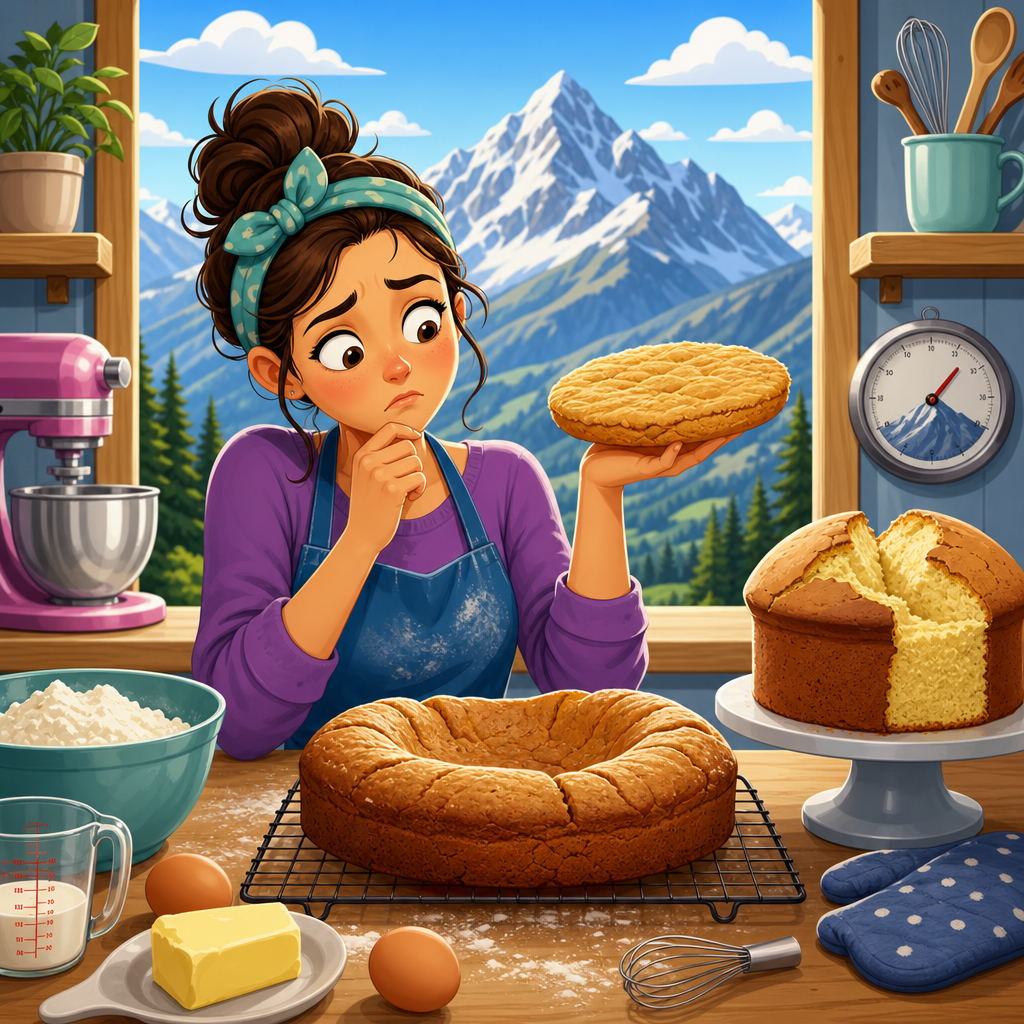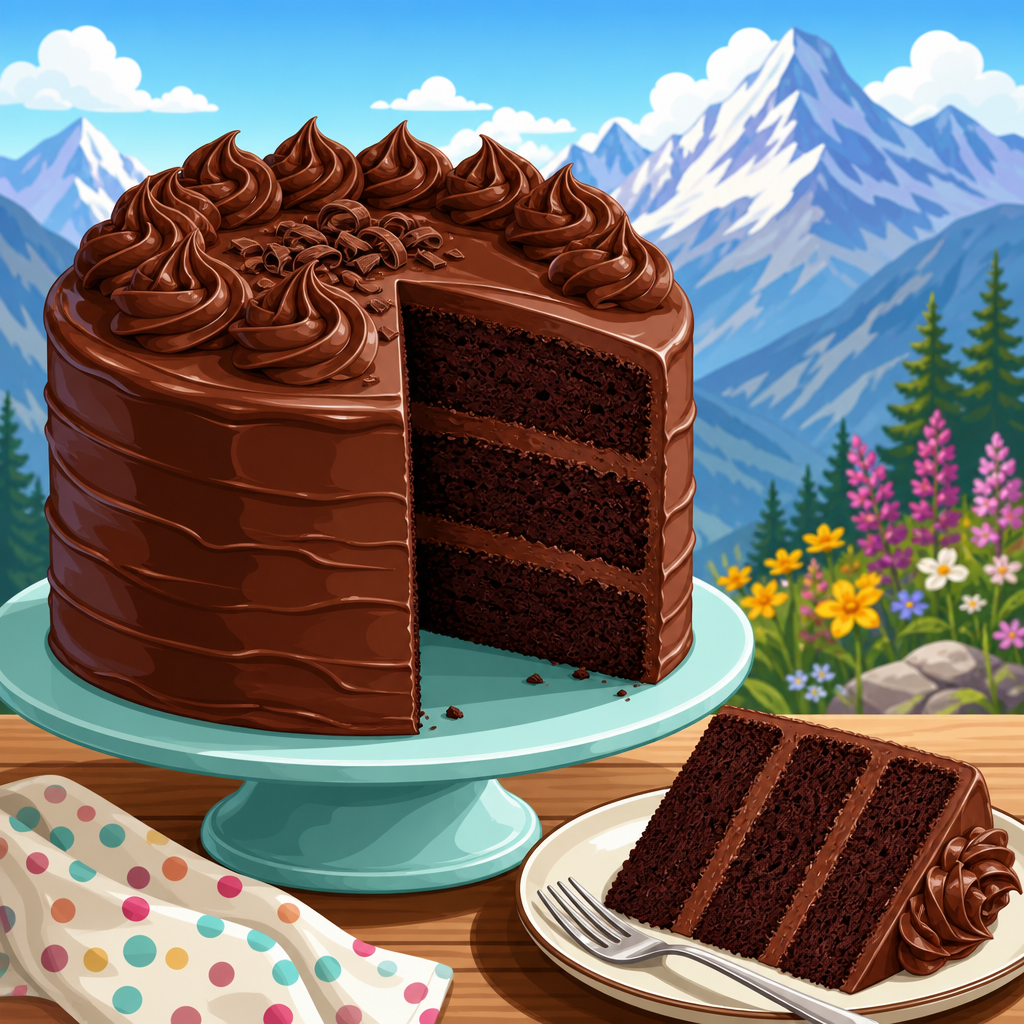
High altitude chocolate cake that stays moist and tall requires more than a standard recipe with a few casual tweaks. Once you bake above roughly 3,000 feet, lower air pressure changes how cakes rise, set, and retain moisture. Gas bubbles expand faster, liquids evaporate sooner, and delicate structures can collapse before starches and proteins fully stabilize. In practical terms, that means a chocolate cake that looks perfect in a sea-level kitchen can dome aggressively, sink in the center, turn dry at the edges, or bake up coarse and crumbly in Denver, Santa Fe, or mountain towns well above 7,000 feet.
When bakers talk about high altitude baking, they mean adjusting ingredients and technique to compensate for those environmental effects. In cakes and cupcakes, the most important variables are flour strength, sugar level, leavening, liquid, fat, oven temperature, and pan depth. Chocolate cakes add another layer of complexity because cocoa powder absorbs moisture, acidic ingredients can alter leavening behavior, and the desired texture is usually softer and more tender than a vanilla butter cake. I have tested enough mountain batches to know that success comes from balancing structure and moisture, not from chasing dramatic rise alone.
This hub article covers the full Cakes & Cupcakes topic within Cooking & Baking at Altitude, using chocolate cake as the anchor because it exposes every major altitude issue in one bake. You will learn why recipes fail, what ingredient changes matter most, how to adapt cake formulas by elevation, and how those same principles apply to layer cakes, sheet cakes, cupcakes, and celebration bakes. If you want a high altitude chocolate cake that stays moist and tall, you need a repeatable system. Once that system is clear, every other cake in this category becomes easier to troubleshoot and improve.
Why high altitude changes chocolate cake structure
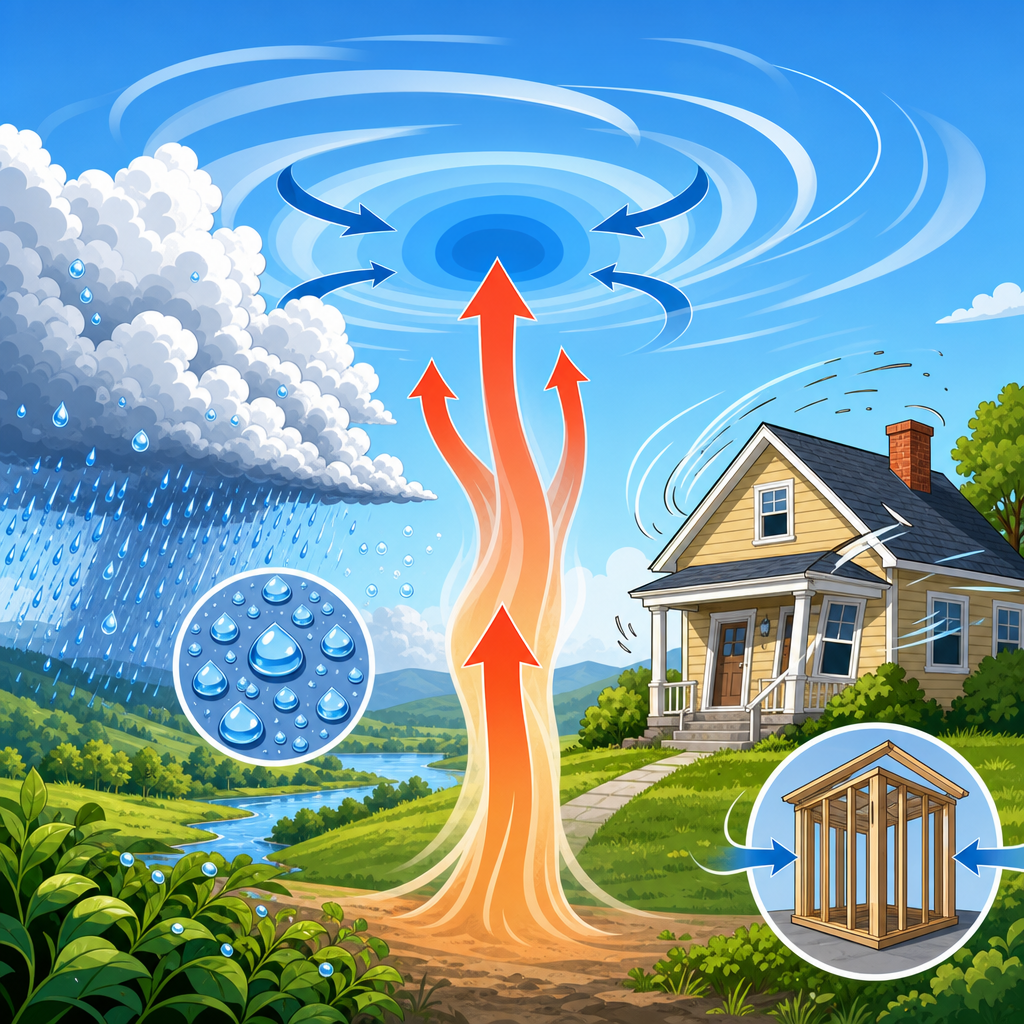
The core problem at altitude is pressure. Lower atmospheric pressure allows carbon dioxide, steam, and trapped air to expand more readily. In cake batter, that sounds beneficial, but it usually means the batter overexpands before the crumb is strong enough to hold its shape. The result is a quick rise followed by collapse, tunneling, or a sunken center. Chocolate cake is especially vulnerable because many formulas are intentionally loose and moist, often using oil, buttermilk, sour cream, or hot coffee to create a tender crumb.
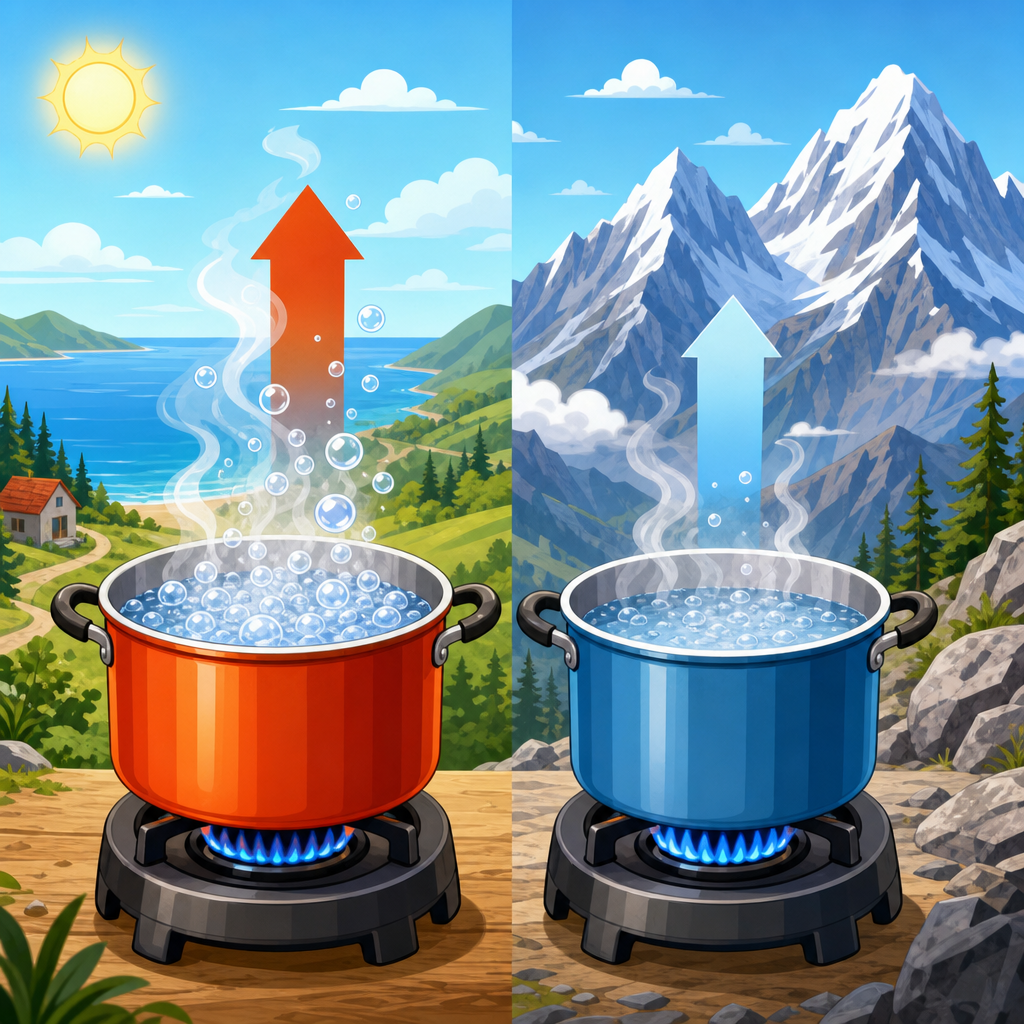
Moisture loss is the second major factor. Water boils at a lower temperature as elevation increases, so liquids evaporate faster from both batter and finished cake layers. That is why high altitude chocolate cake often tastes dry even when the baking time looked correct. Cocoa powder contributes to this challenge because it can absorb a surprising amount of liquid, especially natural cocoa in recipes with moderate sugar. If the formula is not adjusted, the cake may set too early at the edges while the middle remains fragile.
Leavening is the third factor. Baking powder and baking soda become more aggressive at altitude because gas expansion is amplified. A sea-level recipe with generous leavening can rise too quickly, then collapse before the flour, eggs, and starches lock the crumb in place. In my testing, reducing chemical leavening is often the single most important correction for tall, even chocolate cake layers.
The ingredient adjustments that keep cakes moist and tall
Reliable high altitude cake baking starts with small but deliberate formula changes. First, reduce leavening. For many chocolate cakes baked between 3,500 and 7,000 feet, cutting baking powder or soda by about 15 to 25 percent prevents overexpansion. The exact amount depends on pan size, cocoa type, and whether the batter includes acidic dairy. Second, increase liquid modestly. One to four extra tablespoons per layer cake formula is often enough to offset faster evaporation. Milk, coffee, water, or buttermilk can all work, but matching the original liquid keeps flavor balanced.
Third, consider a slight flour increase. Adding one to three tablespoons of flour strengthens the batter and helps support rise. This matters most in oil-based chocolate cakes, which are tender but less structurally firm than creamed butter cakes. Fourth, reduce sugar a little when a recipe is very sweet. Sugar weakens structure and holds moisture, which is helpful at sea level, but too much can make a high altitude cake sink or bake gummy. A reduction of one to three tablespoons per cake is usually enough, not a drastic cut.
Fifth, raise oven temperature by about 15 to 25 degrees Fahrenheit. A slightly hotter oven helps the batter set before it overexpands. The tradeoff is that overbaking becomes easier, so start checking earlier. Finally, use eggs strategically. Extra egg white can add structure when a cake is collapsing, while an extra yolk can improve richness in formulas that bake up dry. I do not recommend changing everything at once without notes. The best mountain bakers adjust one variable at a time and keep records by elevation, pan, and brand of cocoa.
How different elevations affect cake and cupcake recipes
Not every mountain kitchen needs the same fixes. Around 3,000 to 5,000 feet, minor reductions in leavening and a small liquid increase may solve most problems. From 5,000 to 7,500 feet, cakes often need a broader set of adjustments, including higher oven temperature and slightly more flour. Above 7,500 feet, formulas become more specialized because evaporation and overexpansion intensify. A recipe that performs beautifully in Albuquerque may still need work in Leadville.
Cupcakes behave differently from layer cakes because their smaller volume sets faster. That usually makes them easier to stabilize, but they also dry out more quickly. For high altitude chocolate cupcakes, I often reduce bake time a touch, fill cups slightly less than at sea level, and watch for overbrowning caused by the higher oven setting. Layer cakes need stronger center support, so flour increases and pan preparation matter more. Sheet cakes are generally forgiving because the batter is shallow and sets evenly.
The practical takeaway is simple: use altitude ranges, not one universal rule. A recipe labeled high altitude should state the tested elevation or at least the adjustment range. That detail matters. Without it, bakers cannot tell whether a dense crumb came from too much flour, too little sugar, or an overly aggressive bake temperature.
| Elevation | Typical Cake Adjustment | Chocolate Cake Result |
|---|---|---|
| 3,000 to 5,000 feet | Reduce leavening slightly; add 1 to 2 tablespoons liquid | Better dome control and less dryness |
| 5,000 to 7,500 feet | Reduce leavening more; add liquid; increase flour slightly; raise oven temperature | Taller layers with fewer sinkholes |
| Above 7,500 feet | Use fully altitude-tested formulas; strengthen structure and monitor bake closely | More stable crumb and improved moisture retention |
Choosing cocoa, fat, and liquid for better mountain baking
Cocoa choice affects both flavor and performance. Natural cocoa is acidic and usually reacts with baking soda, while Dutch-process cocoa is neutralized and behaves differently in the batter. If a recipe was built for natural cocoa and you swap in Dutch-process without adjusting the leavening balance, the rise and flavor can shift noticeably. In high altitude chocolate cake, that mismatch can produce either weak lift or unstable structure. For consistent results, use the cocoa specified in the formula or adapt the acid and leavening deliberately.
Fat selection matters too. Oil-based chocolate cakes generally stay moist longer than butter-based versions, which is why they are a smart choice at altitude. Butter contributes flavor, but oil coats flour more evenly and limits perceived dryness over storage. A hybrid formula using both butter and oil often gives the best balance: butter for flavor, oil for tenderness. Sour cream, yogurt, or buttermilk can further improve texture, but they also change acidity and viscosity, so they should not be added casually.
Hot liquid is another useful tool. Many chocolate cake recipes bloom cocoa with hot coffee or water, which deepens flavor and improves hydration. At altitude, that can be especially helpful because fully hydrated cocoa is less likely to pull moisture unevenly from the batter during baking. Coffee does not necessarily make the cake taste like coffee; it amplifies chocolate notes. In side-by-side tests, cakes made with hot coffee often have darker flavor and a smoother crumb than cakes made with cold milk alone.
Mixing, pan prep, and baking technique that prevent collapse
Technique matters as much as ingredients. Overmixing develops excess gluten and can create tunnels, while undermixing leaves streaks and weak structure. For most high altitude chocolate cakes, mix just until the batter is smooth and homogeneous. If the method starts with creaming butter and sugar, beat enough to aerate without making the mixture excessively fluffy. Too much trapped air gives the batter more expansion pressure in the oven, which can encourage collapse.
Pan size and fill level are easy to overlook. At altitude, it helps to avoid overfilling pans because the batter will rise faster. Many bakers who struggle with overflowing cupcakes are simply using sea-level fill levels in a mountain oven. For layer cakes, parchment-lined pans with properly greased sides promote even release and reduce edge damage, which is important because high altitude cakes can be more delicate while warm.
Oven accuracy is nonnegotiable. An inexpensive oven thermometer often reveals swings of 25 degrees or more, and those swings matter when you are already adjusting temperature to set the cake sooner. Place cake pans in the center of the oven, avoid frequent door opening, and test doneness with multiple signals: springy top, slight pull from pan sides, and a few moist crumbs on a tester rather than wet batter. Cooling also matters. Let layers rest briefly in the pan, then turn them out before steam creates soggy edges.
Common cake and cupcake problems at altitude and how to fix them
If your chocolate cake rises high then sinks, the usual causes are too much leavening, too much sugar, too low an oven temperature, or underbaking. Reduce leavening first, then verify oven temperature. If the cake is dry, the likely causes are insufficient liquid, too much flour, overbaking, or a formula that is too lean for your elevation. Add a small amount of liquid, shorten the bake, or switch to an oil-based recipe. If the crumb is coarse with tunnels, the batter probably overexpanded or was overmixed.
If cupcakes peak sharply and crack, they often have too much leavening or were baked too hot. If they stick to liners, they may be underbaked or too moist from an imbalance in sugar and liquid. If cakes taste flat, check the salt level, vanilla quality, and cocoa type before assuming the altitude adjustment failed. Flavor and structure are linked, but they are not the same problem.
Frosting and filling matter as well. A moist, tall chocolate cake can still seem dry if it sits uncovered, is refrigerated too long, or is paired with a stiff buttercream that hardens in a cool kitchen. For altitude baking, I often recommend fillings like chocolate ganache, ermine frosting, Swiss meringue buttercream, or lightly sweetened whipped mascarpone because they add softness without overwhelming the crumb. For celebration cakes, brushing layers with a simple syrup can help, but it should support a good formula, not rescue a flawed one.
Building your Cakes & Cupcakes altitude hub
This page is the hub for Cakes & Cupcakes within Cooking & Baking at Altitude, so the value is not only in one high altitude chocolate cake recipe but in a framework you can apply across the category. The same adjustment logic guides vanilla layer cake, red velvet cake, carrot cake, funfetti cupcakes, devil’s food cake, yellow birthday cake, chiffon cake, pound cake, and snack cakes. Each style has different sensitivities. Chiffon and angel food depend heavily on foam stability. Pound cake relies more on butter, eggs, and controlled aeration. Cupcakes reward precision in portioning and bake time.
When I organize an altitude baking library, I separate articles by cake family and by problem solved. That means readers can move from this hub to focused pages on high altitude chocolate cupcakes, buttercream that holds shape in dry climates, pan conversion for layer-to-cupcake baking, or troubleshooting sunken cakes. Internal connections like those help bakers build skill instead of repeating isolated fixes.
The main lesson is that a high altitude chocolate cake that stays moist and tall is not luck. It is the product of measured leavening, enough liquid, appropriate flour strength, accurate oven heat, and disciplined mixing. Master those fundamentals and the rest of the Cakes & Cupcakes category opens up quickly. Start by auditing one favorite chocolate cake recipe at your elevation, make controlled adjustments, and keep detailed notes. That single habit will improve every mountain cake you bake from this point forward.
Frequently Asked Questions
Why does chocolate cake behave so differently at high altitude?
At high altitude, usually starting around 3,000 feet and becoming more noticeable as elevation increases, lower air pressure changes the way cake batter rises, sets, and holds moisture. In a chocolate cake, the gases created by baking powder, baking soda, creamed butter and sugar, or whipped eggs expand more quickly than they do at sea level. That sounds helpful at first, but it often causes the batter to rise too fast before the cake’s internal structure has time to strengthen. As a result, the cake may dome dramatically, crack, or collapse in the center as it cools.
Moisture loss is the other major issue. Water evaporates more quickly at altitude, so a cake can dry out before it fully bakes through. Chocolate cakes are especially sensitive because cocoa powder can absorb a lot of liquid, and many chocolate batters are naturally thinner than vanilla or butter cakes. If the formula is not adjusted, you can end up with a cake that rises high, then sinks, or one that stays standing but has a dry, crumbly texture.
That is why a true high altitude chocolate cake recipe usually changes more than one thing at a time. It often includes slightly more flour for structure, a modest reduction in leavening to slow overexpansion, additional liquid or sour cream for moisture, and sometimes a slightly higher oven temperature so the cake sets sooner. The goal is not simply to make the cake rise, but to help it rise steadily, stay moist, and remain tall after cooling.
What recipe changes help a high altitude chocolate cake stay moist and tall?
The most effective adjustments usually work together, not individually. First, reducing the amount of baking powder or baking soda helps prevent the batter from overinflating and then collapsing. Too much leavening is one of the most common reasons a high altitude cake rises beautifully in the oven and then sinks as soon as it comes out.
Second, adding a little more flour can strengthen the cake’s framework so it can support that rise. This is especially useful in chocolate cake because cocoa powder contributes flavor but not the same structural support that flour does. A small increase in flour helps proteins and starches set more reliably before the expanded air cells weaken.
Third, increasing liquid is often essential for maintaining a moist crumb. Extra milk, buttermilk, coffee, sour cream, or oil can compensate for faster evaporation. Oil-based chocolate cakes often perform particularly well at altitude because oil remains fluid at room temperature and helps the cake taste soft and moist even after cooling. Sour cream, yogurt, and buttermilk also improve tenderness while adding acidity that can support balanced leavening.
Finally, many bakers raise the oven temperature slightly so the cake structure sets a bit earlier. This can help the center hold before the cake overexpands. The best approach depends on your exact elevation, pan size, and ingredient balance, but in general, successful high altitude baking comes from fine-tuning leavening, structure, and moisture all at once rather than guessing with one random tweak.
Why does my high altitude chocolate cake sink in the middle even when it looks done?
A cake that sinks in the center usually means the outside set before the middle was strong enough to support itself, or the batter rose too fast and then collapsed. At high altitude, both problems are common. Lower air pressure encourages rapid expansion, so if there is too much baking soda or baking powder, the cake can puff beyond what its structure can actually hold. It may look impressive through the oven window, but once the heat drops and steam escapes, the center falls.
Another common cause is underbaking, even when the top appears finished. Chocolate cakes can be deceptive because their dark color hides visual clues, and a moist batter can make the center seem set before it truly is. If the middle is still too soft, cooling will cause it to sink. This is why it helps to check for a few signs at once: the center should spring back lightly, a tester should come out with moist crumbs rather than wet batter, and the cake should begin pulling just slightly from the sides of the pan.
Too much sugar or too much liquid relative to flour can also weaken the center, especially at altitude where evaporation and expansion are already working against stability. Overmixing may contribute by creating a fragile or uneven crumb, while opening the oven door too early can disturb a cake before its structure has set. If sinking is a recurring issue, the fix is usually to slightly reduce leavening, add a bit more flour, make sure the cake is fully baked, and avoid rushing the process. A stable high altitude chocolate cake should rise with control, not explosively.
What ingredients are best for keeping a high altitude chocolate cake from drying out?
Ingredients that add and retain moisture are especially valuable in high altitude chocolate cake. Oil is one of the most dependable because it creates a soft, tender crumb and stays liquid even after the cake cools. Cakes made with oil often taste moister longer than cakes made only with butter. That does not mean butter is wrong, but many high altitude bakers prefer a combination of butter for flavor and oil for texture.
Dairy ingredients like buttermilk, sour cream, and yogurt are also excellent choices. They add liquid, richness, and a little acidity, which can improve both tenderness and leavening balance. Sour cream is particularly effective because it contributes moisture without making the batter too thin. Buttermilk works well in chocolate cake because its tang complements cocoa and supports a tender crumb.
Hot coffee or hot water is another useful addition in chocolate cakes. It blooms the cocoa, deepens flavor, and increases moisture in the batter. This is especially helpful at altitude, where cocoa can otherwise contribute to a drier texture. Brown sugar can also help because it contains molasses, which attracts moisture and can keep the crumb softer than an all-white-sugar formula.
In practical terms, the best high altitude chocolate cakes often rely on a combination of moisture-building ingredients rather than a single fix. Oil, cultured dairy, and enough total liquid create a batter that can withstand faster evaporation and still bake into a cake that feels rich and soft instead of dry and crumbly.
How can I tell when a high altitude chocolate cake is properly baked and likely to stay tall after cooling?
The key is to look for several signs of doneness instead of relying on time alone. At high altitude, baking times can shift because of pan size, oven calibration, and the slightly different setting behavior of batter. A chocolate cake that is taken out too soon may look finished on top but still have a weak center that collapses as it cools.
Start by checking the center gently. It should spring back when lightly touched, rather than leaving an impression. A toothpick or cake tester inserted near the center should come out with a few moist crumbs, not shiny wet batter. You should also notice the edges beginning to pull very slightly from the pan. That subtle separation often indicates that the structure has set enough to support itself.
Internal temperature can be useful if you want a more precise method. Many bakers look for a butter or oil cake to finish around the low 200s Fahrenheit in the center, though exact targets vary by recipe. For high altitude chocolate cake, that extra confirmation can be helpful because visual cues are less obvious in dark batters.
Cooling matters too. Let the cake rest in the pan for the amount of time the recipe recommends, then turn it out carefully so steam can escape without trapping excess moisture in the pan. Avoid moving layers too aggressively while they are still very warm, because a delicate crumb can compress before fully settling. When a high altitude chocolate cake is properly baked, it should cool with a level or gently domed top, hold its height, and slice with a moist but stable crumb rather than a sunken center or gummy texture.