Fudgy brownies at 7,000 feet are absolutely possible, but they require a few deliberate changes because lower air pressure alters how moisture evaporates, how sugar concentrates, how leavening behaves, and how quickly structure sets in the pan. In high-altitude baking, “fudgy” means a brownie with a dense, moist crumb, glossy top, concentrated chocolate flavor, and minimal cakiness, while “7,000 feet” is a meaningful benchmark because common sea-level formulas start to fail more consistently above about 5,000 feet. I have tested brownies, blondies, lemon bars, and cookie bars in mountain kitchens where the same recipe produced dramatically different results than it did near sea level: sunken centers, greasy edges, dry corners, or a batter that rose fast and collapsed before the starches and eggs could lock everything in place. That is why this page matters. It is the hub for Cookies & Bars within Cooking & Baking at Altitude, and brownies are the clearest starting point because they show every major altitude variable in one pan. Once you understand the easiest adjustments for brownies at 7,000 feet, you can adapt many other bar recipes with more confidence and fewer ruined batches.
Why brownies change so much at 7,000 feet
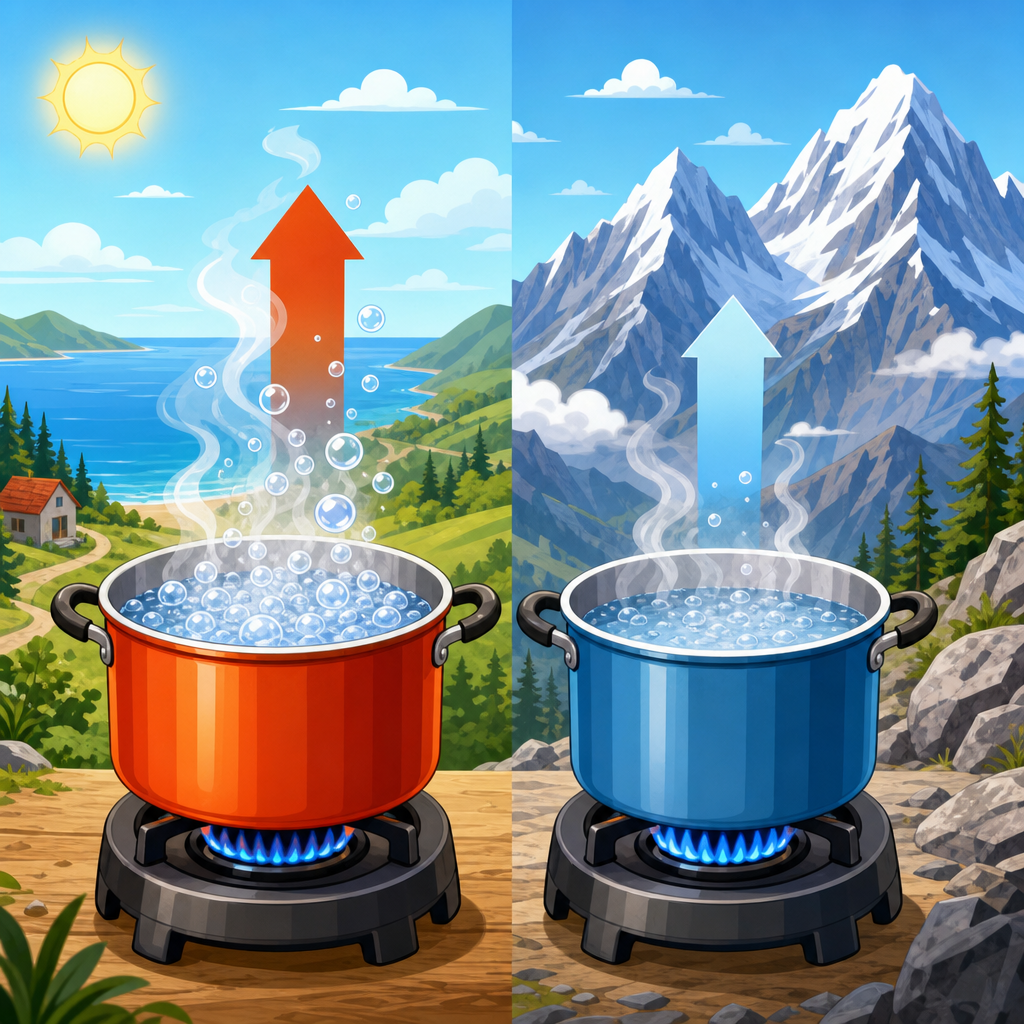
At 7,000 feet, atmospheric pressure is lower, so water boils at a lower temperature and evaporates faster. In practical baking terms, that means brownie batter can lose moisture before the center fully sets. At the same time, gases expand more readily, which makes leavening more aggressive. Even a recipe that uses only eggs for lift can puff too quickly and then sink, creating a coarse texture instead of a tight fudgy crumb. Sugar becomes more concentrated as moisture leaves the batter, which affects surface gloss, crust formation, and chew. Fat also behaves differently when structure is weak: butter can seem to separate, edges can fry, and chocolate can feel greasy rather than silky.
Brownies are especially sensitive because they sit between cake and candy. A sea-level formula often relies on a narrow balance of melted chocolate, cocoa, butter, sugar, eggs, and a relatively small amount of flour. At altitude, that balance shifts. Too much sugar can weaken the structure and encourage collapse. Too much leavening turns fudgy brownies cakey. Too little liquid causes dryness and tunneling. Too low an oven temperature gives the batter more time to overexpand before proteins coagulate and starches gelatinize. These are not abstract textbook issues. In my own batches at roughly 7,000 feet, the difference between a shiny, dense brownie and a cratered pan has often come down to two tablespoons of extra liquid, a 15-degree oven increase, and cutting baking powder by a quarter teaspoon.
The most important point is simple: you usually do not need to reinvent a brownie recipe from scratch. You need targeted corrections. For most sea-level brownies, the easiest adjustments are to reduce leavening, slightly reduce sugar, add a bit more liquid or egg, and bake at a somewhat higher temperature for a slightly shorter time. Those four changes solve most altitude failures.
The easiest brownie adjustments that work first
If you want a direct answer, start here. For fudgy brownies at 7,000 feet, raise the oven temperature by 15 to 25 degrees Fahrenheit, reduce chemical leavening by about 25 to 50 percent if the recipe uses it, reduce sugar by 1 to 3 tablespoons per cup, and add 1 to 4 tablespoons of extra liquid total, depending on pan size and how cocoa-heavy the batter is. If the batter already contains little or no leavening, your main tools are temperature, liquid, and mixing control. For many dense chocolate brownies, adding one extra yolk is more effective than adding a lot of water because yolk contributes fat, emulsifiers, and proteins that support a rich but stable texture.
Higher heat helps the center set before the batter overexpands. Less leavening reduces the risk of a domed top that falls. Slightly less sugar protects the structure and keeps edges from becoming brittle. A little more liquid offsets faster evaporation. These are standard altitude principles, but brownies reward restraint. Overcorrecting creates dry, tight squares that lose the very fudginess you want.
| Sea-level recipe issue | Easy 7,000-foot adjustment | Why it helps |
|---|---|---|
| Recipe uses baking powder or baking soda | Reduce by 25 to 50% | Prevents excessive rise and collapse |
| Very sweet batter with crackly top | Reduce sugar 1 to 3 tbsp per cup | Improves structure and limits dryness at edges |
| Cocoa-heavy or flour-heavy batter | Add 1 to 4 tbsp liquid | Compensates for faster moisture loss |
| Center sinks or stays underbaked | Increase oven 15 to 25°F | Sets structure faster |
| Texture is cakier than desired | Add 1 yolk or reduce flour slightly | Boosts richness and density |
Use these as first-pass changes, not hard laws. A boxed mix brownie behaves differently from a scratch recipe built on melted chocolate. A bar baked in glass may need another few minutes compared with metal. But if you only remember one section from this hub, remember this one: at 7,000 feet, brownies usually improve when you reduce lift, preserve moisture, and set the batter sooner.
Ingredients that matter most in fudgy high-altitude brownies
Not every ingredient has equal influence. Sugar, eggs, flour, chocolate, and fat drive brownie texture more than vanilla or espresso powder, though those support flavor. Sugar does more than sweeten; it binds water, delays setting, and contributes to the shiny top when dissolved properly and beaten with eggs. At altitude, too much sugar can leave the center fragile. That is why a modest reduction works better than dramatic cuts. Keep enough sugar for chew and gloss.
Eggs are the most useful structure tool in fudgy brownies. Whole eggs provide water and protein; yolks add emulsifiers and fat. If your brownies turn out dry and crumbly at 7,000 feet, an extra yolk often helps more than extra butter. Flour should remain low enough to avoid cakiness, but a tablespoon or two more flour can stabilize a recipe that repeatedly sinks. Cocoa powder absorbs a surprising amount of moisture, especially natural cocoa. Dutch-process cocoa is smoother in flavor but still thirsty. If a recipe leans heavily on cocoa rather than melted chocolate, it usually needs more liquid at altitude.
Chocolate and butter create the dense bite people expect in fudgy brownies. Using real bar chocolate instead of only cocoa often gives better texture because cocoa butter firms as the brownies cool. Butter contributes flavor, but too much can make high-altitude brownies greasy if the emulsion breaks. I get the most consistent results by melting butter gently, whisking it fully with sugar, then adding eggs after the mixture cools slightly. That sequence improves emulsification and gives a more uniform crumb.
For other Cookies & Bars, these principles still apply. Blondies rely heavily on brown sugar and butter, so they often need slight sugar reduction and a closer eye on pan temperature. Lemon bars combine a short crust with a soft curd topping, so moisture management and oven heat matter in two layers. Cookie bars with mix-ins need support from flour and eggs because nuts, chips, and oats interrupt structure.
Mixing, pans, and bake cues that prevent common failures
Technique matters as much as formula. Overbeating brownie batter at altitude can whip in extra air, encouraging rise and collapse. For fudgy brownies, mix only until smooth and combined. If you want a glossy top, dissolve sugar thoroughly into warm butter or melted chocolate and whisk the eggs enough to emulsify, but do not beat to a foamy ribbon unless the recipe is intentionally cakier. This is one of the easiest fixes for bakers who say, “I changed the ingredients and the brownies still puffed too much.” Often the issue is trapped air, not only leavening.
Pan choice also affects outcome. Light-colored metal pans conduct heat predictably and are my default for brownies and bars at altitude. Glass bakes more slowly and can overbrown edges before the center sets, especially in dark chocolate brownies where visual cues are already subtle. Dark pans intensify edge baking. If all you have is glass, lower expectations for perfect edge-to-center consistency and watch the brownies earlier around the perimeter while allowing more center time.
Do not rely solely on sea-level toothpick advice. At 7,000 feet, fudgy brownies should come out when the edges are set, the top looks dry and slightly glossy, and the center no longer jiggles like batter. A toothpick should show moist crumbs, not wet liquid. Internal temperature can help: many fudgy brownies finish in the low 180s to low 190s Fahrenheit, depending on formula. Cooling is part of baking, not an afterthought. The residual heat finishes structure. Cutting too soon makes even a well-baked batch seem underdone.
These cues carry across the Cookies & Bars category. Bar cookies are often overbaked because bakers wait for a clean tester. That is the wrong target for fudgy brownies, gooey blondies, and many fruit bars. Learn the visual signs of doneness for each style, and altitude baking becomes much more predictable.
How the brownie rules extend to cookies, blondies, and bar recipes
This page serves as the hub for Cookies & Bars because brownie adjustments teach a wider system. Cookies at 7,000 feet often spread less or dry out faster, depending on sugar ratio and pan heat. The easiest cookie fixes usually include slightly less sugar, a touch more liquid, a modest increase in oven temperature, and careful chilling when butter-forward doughs lose shape. If cookies puff and collapse, reduce leavening. If they become hard by the next day, they likely needed either less bake time or more moisture in the dough.
Blondies follow brownie logic but with less chocolate to mask imbalance. Because brown sugar contains molasses and moisture, blondies can seem forgiving, yet altitude exaggerates greasy edges and sunken centers. Reduce leavening first, then evaluate sugar and flour. For oatmeal bars, oats continue absorbing moisture after baking, so a dough that looks correct going into the oven may bake up dry at altitude. An extra tablespoon or two of liquid is often enough.
Lemon bars, jam bars, pecan bars, and cheesecake bars all have their own quirks, but the same framework applies: control expansion, preserve moisture, and set structure efficiently. Custard-like toppings need stable heat. Shortbread-style crusts may require a brief pre-bake so they do not soften under a filling. Nut bars can scorch on top before the base fully bakes, so tenting late in baking is useful. Once you recognize these patterns, you stop treating each failed pan as a mystery.
Troubleshooting by symptom and building your own altitude notes
The fastest way to improve is to diagnose the symptom accurately. If brownies sink in the center, the main causes are too much leavening, too low an oven temperature, too much sugar, or underbaking. If they are dry, suspect overbaking, too little liquid, too much flour, or overcorrection. If they are greasy, the butter-chocolate emulsion may have broken, or the formula may need slightly more flour or egg for support. If the top is dull rather than shiny, sugar may not have dissolved well, or the recipe may simply be lower in sugar and more cocoa-driven.
Keep an altitude baking log. Record brand of flour, cocoa type, pan material, oven temperature verified by thermometer, bake time, and weather if it is extreme. I have seen storm fronts and very dry winter air nudge bake times enough to matter in thin bar recipes. Note what you changed and what happened. Within three or four batches, patterns emerge. That record becomes more valuable than generic advice because it reflects your oven, pans, and ingredients.
The main benefit of this Cookies & Bars hub is that it gives you a repeatable way to think. Start small. Change one or two variables, not six. Use brownies as your calibration recipe, then apply what you learn to blondies, cookie bars, fruit bars, and layered squares. If you want better fudgy brownies at 7,000 feet, reduce lift, protect moisture, and bake for structure, not for sea-level habits. Save this hub, compare it with your next batch, and build a dependable high-altitude bar recipe collection one pan at a time.
Frequently Asked Questions
Why do brownies turn cakey, dry, or sunken at 7,000 feet?
At 7,000 feet, brownies behave differently because the lower air pressure changes several parts of the baking process at once. Moisture evaporates faster, so a batter that would stay rich and dense at sea level can dry out before the center fully sets. Leavening also acts more aggressively, which means brownies may puff too quickly in the oven, then collapse as they cool. On top of that, sugar becomes more concentrated as liquid evaporates faster, which can affect texture, crust formation, and how stable the crumb feels after baking.
That is why a standard sea-level recipe often misses the mark at high altitude. Instead of producing a dense, glossy, chewy brownie, it may rise too much, crack unevenly, and cool into something more cakey than fudgy. In some cases, the edges overbake while the center still looks underdone. The fix is usually not a complete recipe overhaul, but a few targeted adjustments: slightly reducing leavening, adding a bit more flour for structure, increasing liquid or egg for moisture retention, and sometimes raising the oven temperature a little so the brownie sets before overexpanding. When those factors are balanced correctly, fudgy brownies at 7,000 feet are not only possible, but very reliable.
What are the easiest recipe adjustments for fudgy brownies at 7,000 feet?
The easiest adjustments are small but intentional. For most brownie recipes, start by reducing the leavening slightly, especially if the formula contains baking powder. Brownies usually need very little lift to begin with, and at 7,000 feet even a modest amount can create too much rise, which leads to a lighter, more cake-like texture. If the recipe has a full teaspoon of baking powder, trimming it down can make a big difference. If there is only a small amount, you may be able to reduce it modestly or, in some cases, leave it alone if the brownies rely more on eggs than chemical leavening.
Next, consider adding a small amount of extra flour, often just 1 to 2 tablespoons, to strengthen the structure so the center sets properly without collapsing. A little more liquid can also help, such as 1 to 2 tablespoons of water, milk, or coffee, depending on the flavor profile of the recipe. Many high-altitude bakers also have success with an extra egg yolk because it boosts richness, improves moisture retention, and supports that dense, fudgy crumb. Finally, baking at a slightly higher oven temperature can help the brownies set sooner. The key is to avoid overcorrecting. Brownies are sensitive, and at 7,000 feet the best results usually come from restrained changes rather than drastic ones.
Should I use more flour, less sugar, or extra egg yolk to keep brownies fudgy?
In many cases, yes, but the best answer is to think in terms of balance rather than one single fix. More flour can help at 7,000 feet because it gives the batter extra structure, reducing the risk of collapse and helping the brownies hold a dense shape. However, too much flour is one of the fastest ways to lose fudginess. Brownies that are meant to be rich and moist can quickly become stiff or cakey if the flour increase is too aggressive. That is why small increases are usually best.
Reducing sugar can also help in some recipes because sugar becomes more concentrated as moisture evaporates faster at altitude. If a brownie recipe is already very sweet, a slight reduction may improve texture and prevent an overly soft or fragile center. But sugar is not just sweetness; it also supports moisture, chew, and that desirable glossy top. Cutting too much can make the brownies dull, dry, and less luxurious. Extra egg yolk is often one of the most useful adjustments because it adds fat, emulsifiers, and richness without pushing the batter toward a cakey texture. For many bakers, a modest flour increase plus an extra yolk is a better path to fudgy brownies than heavily reducing sugar. The ideal combination depends on the original recipe, but if you want the easiest adjustment with the highest payoff, extra yolk is often near the top of the list.
How should I change baking time and oven temperature for brownies at high altitude?
At 7,000 feet, brownies often benefit from a slightly higher oven temperature, usually enough to help the structure set more quickly before the batter rises too much or loses too much moisture. This is one of the simplest and most effective high-altitude adjustments because it directly addresses the fast expansion and faster evaporation that happen in thinner air. A modest temperature increase can improve edge-to-center consistency and reduce the chance of brownies that look finished around the perimeter but remain unstable in the middle.
When you increase oven temperature, you should also start checking for doneness a bit earlier. That does not mean the brownies will always bake dramatically faster, but timing can shift, and overbaking is one of the biggest threats to a fudgy texture. The goal is not a completely dry toothpick. For fudgy brownies, you usually want moist crumbs and perhaps a little melted chocolate, but not raw batter. The center should look set around the edges with a slight softness in the middle. Carryover heat will continue to finish the texture as the pan cools. Using a metal pan instead of glass can also help with more predictable baking, since glass can intensify edge baking before the center catches up. At high altitude, close observation matters more than rigid timing.
What is the best way to get a glossy top and dense crumb in brownies at 7,000 feet?
A glossy top and dense crumb come from a combination of ingredient balance, mixing method, and baking control. The shiny surface on brownies is often linked to how sugar dissolves and how the eggs and sugar interact during mixing. At 7,000 feet, this becomes even more important because faster evaporation can throw off the texture if the batter is not well balanced. Melting the butter and combining it thoroughly with the sugar, then mixing in the eggs until the batter looks smooth and slightly thickened, can help encourage that classic crackly sheen. Using enough sugar is important for shine, even if you slightly reduce it for altitude. Too little sugar can make the top dull.
For the dense crumb, the main strategy is to avoid introducing unnecessary lift. That means using minimal leavening, not overbeating once the flour is added, and choosing the right ratio of fat, chocolate, eggs, and flour. Brownies at 7,000 feet do best when the batter is rich and cohesive, not airy. Extra yolk, a restrained flour adjustment, and careful baking can all support that texture. It also helps to cool the brownies fully before slicing. High-altitude brownies can seem softer right out of the oven, but as they cool, the crumb settles and the chocolate flavor concentrates. If you cut too early, they may seem underdone even when they are actually on track for the fudgy finish you want.