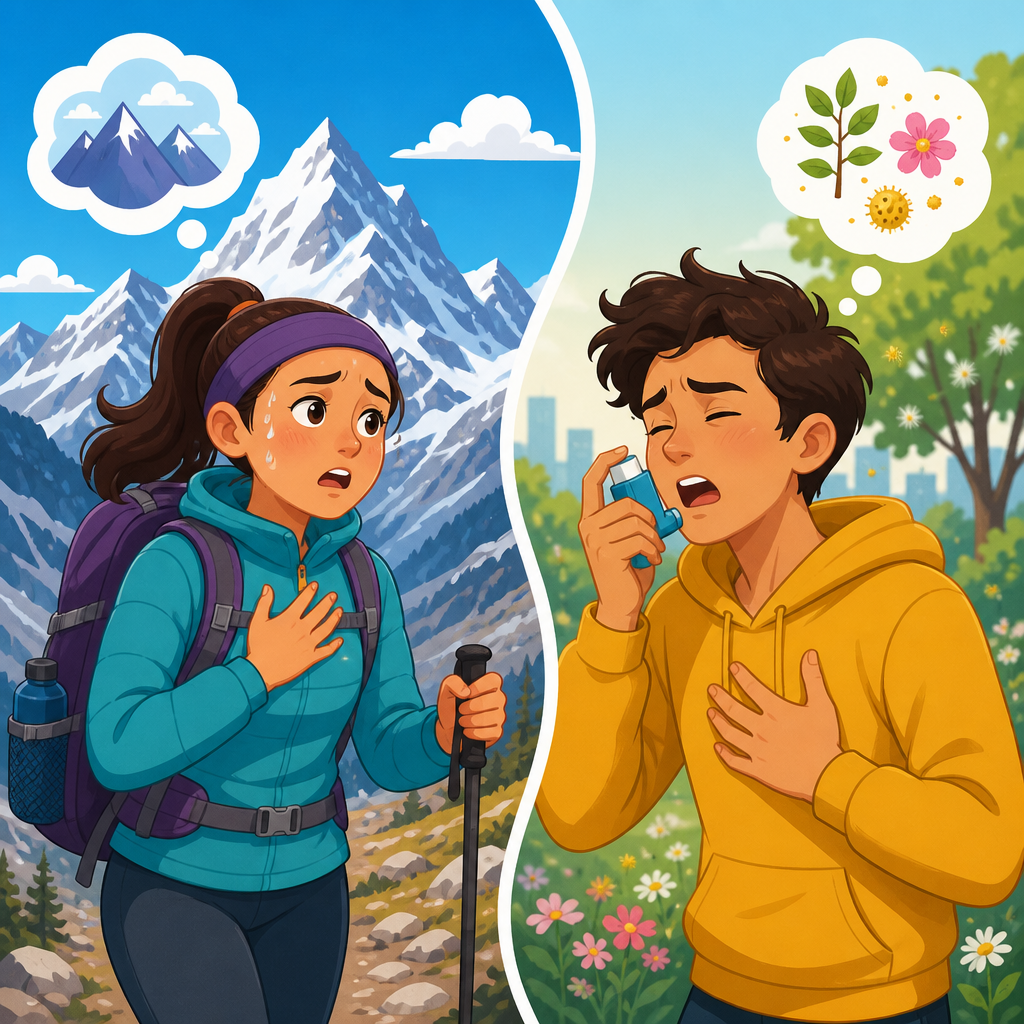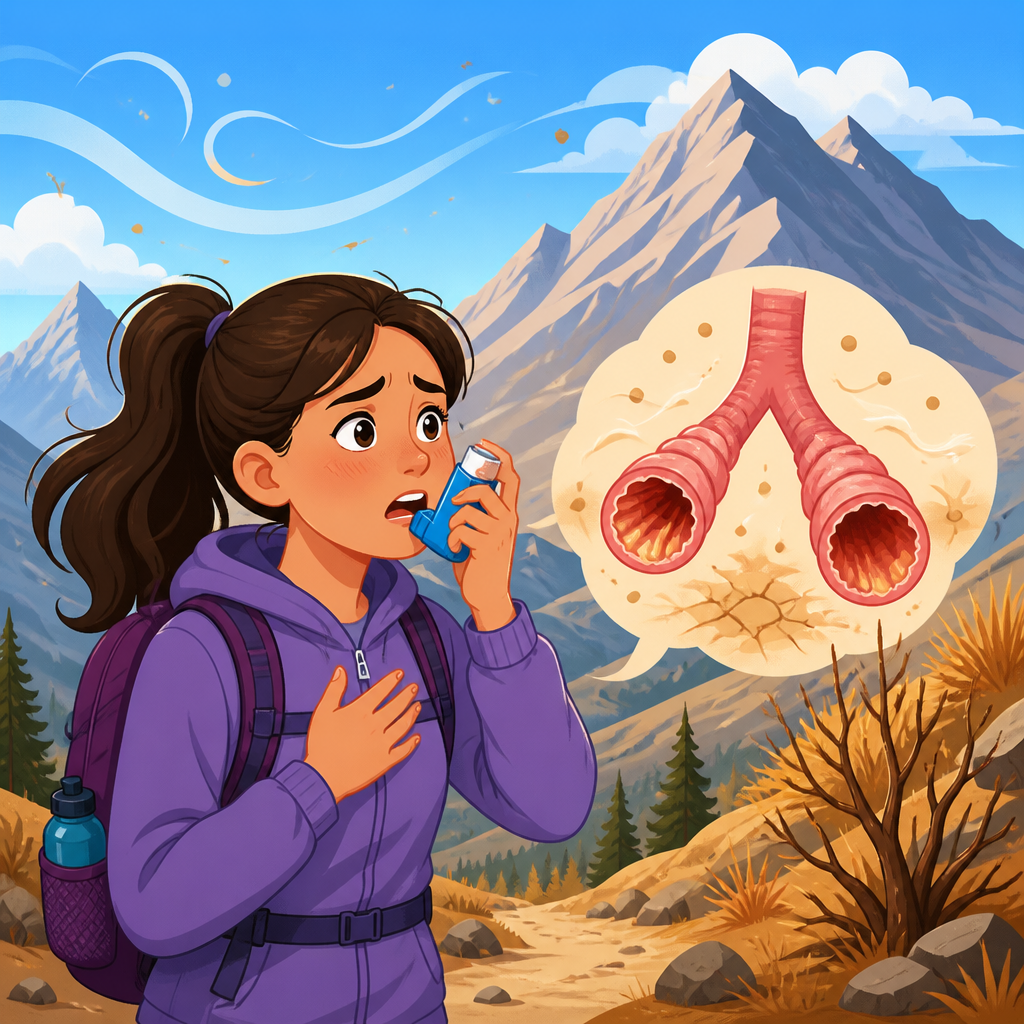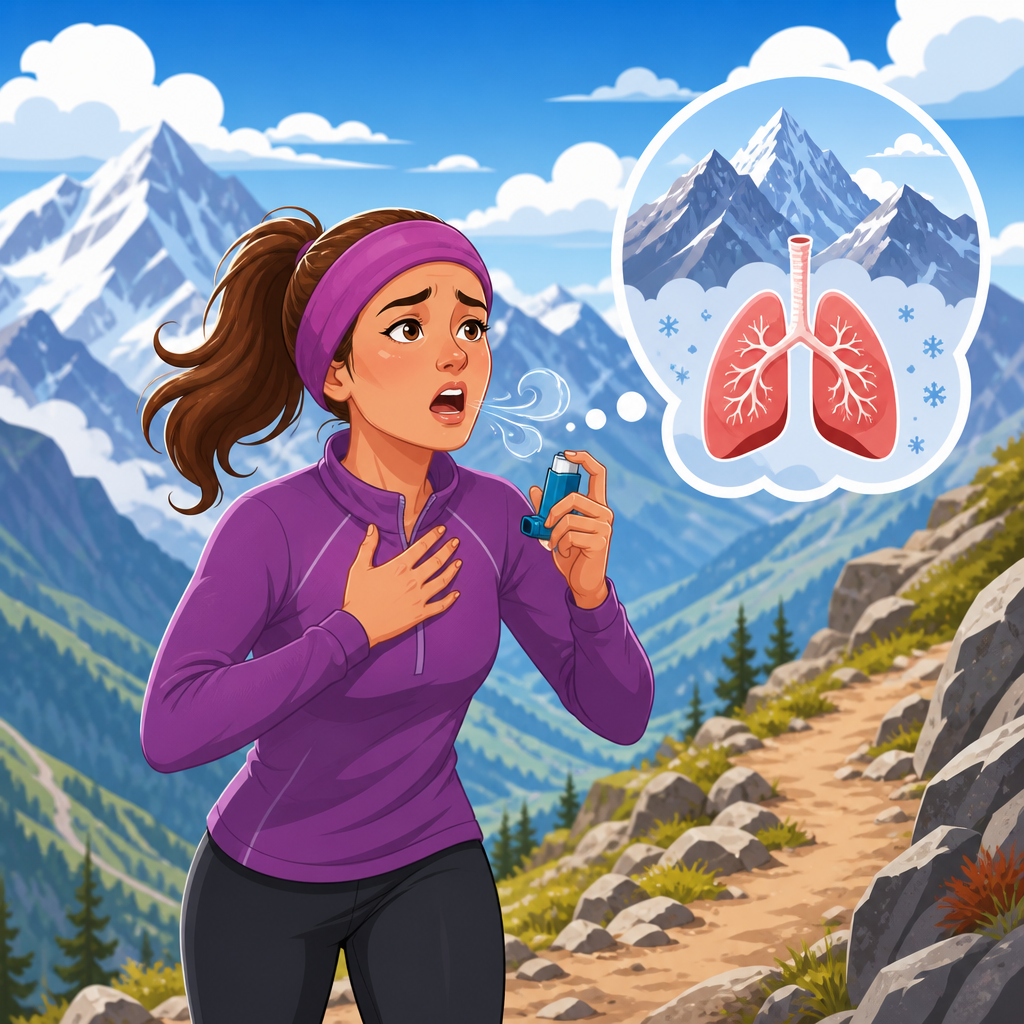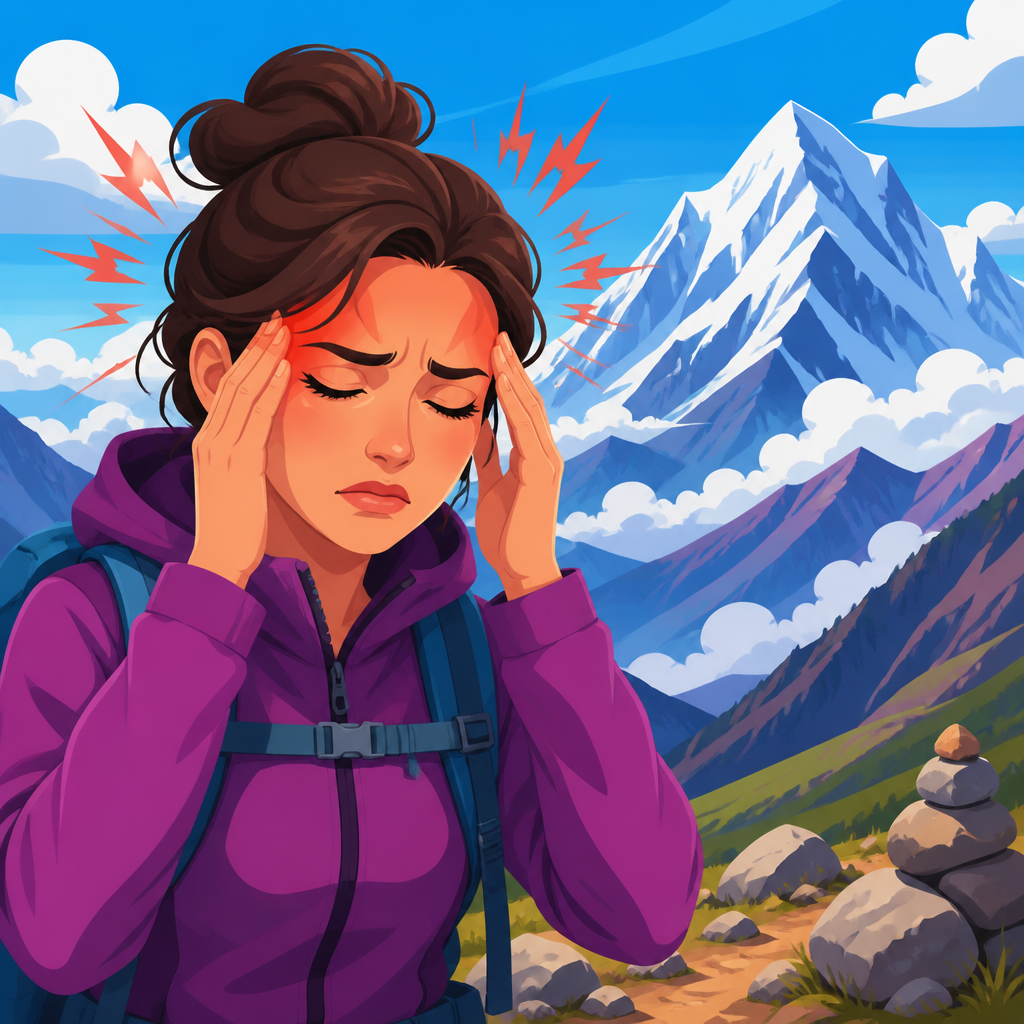
High altitude can worsen migraines, and for many people it does so quickly, sometimes within hours of ascent. In clinical terms, high altitude usually means elevations above 1,500 to 2,500 meters, where barometric pressure drops and less oxygen is available with each breath. A migraine is not just a bad headache; it is a neurologic disorder involving altered brain excitability, trigeminal nerve activation, inflammation, and changes in blood vessel signaling. When those systems meet the physiologic stress of altitude, symptoms can intensify. I have seen this pattern repeatedly in travelers, skiers, trekkers, and even people moving temporarily to mountain cities for work. The question matters because migraine is common, altitude exposure is increasingly common, and the overlap affects safety, quality of life, hydration, sleep, and decisions about travel, exercise, and medication.
Altitude does not affect everyone with migraines in the same way, but the risk is real enough that it deserves a direct answer: yes, high altitude can trigger new migraine attacks, worsen existing migraine frequency, and make associated symptoms such as nausea, light sensitivity, dizziness, and fatigue harder to control. It can also complicate the picture by overlapping with acute mountain sickness, tension-type headache, dehydration headache, and exertional headache. That overlap is why people often underestimate what is happening. They assume they are only dehydrated or out of shape, when in practice several triggers are stacking at once. For readers exploring other chronic conditions, migraine is a useful hub topic because it intersects with sleep disorders, autonomic dysfunction, asthma, heart disease, anxiety, long COVID, chronic pain syndromes, and medication management. Understanding the mechanism helps people prevent attacks instead of reacting after symptoms escalate.
Why altitude can trigger or worsen migraines
The main driver is lower oxygen pressure. At higher elevations, oxygen saturation can fall, especially during sleep or exertion, and the brain is sensitive to that change. Hypoxia increases cerebral blood flow, alters nitric oxide pathways, and can amplify cortical spreading depression, a recognized mechanism associated with migraine aura and attack generation. At the same time, altitude commonly disrupts sleep, dries the airways, increases insensible fluid loss, and suppresses appetite. Each of those changes can be a migraine trigger on its own. Combined, they create a perfect setup for an attack. In practice, the biggest altitude-related migraine triggers I see are rapid ascent, poor hydration, alcohol on arrival, hard exercise in the first twenty-four hours, skipped meals, and inadequate sleep the night before travel.
Weather and pressure changes also matter. Many people with migraine are sensitive to barometric shifts even at sea level, and altitude exposure adds another pressure-related stressor. Travel itself compounds the issue. Long drives through mountain passes, cabin pressure changes on flights, bright sun reflecting off snow, and irregular caffeine intake all lower the threshold for symptoms. A person who normally has one predictable migraine pattern may experience a different one at altitude, often with more nausea, more dizziness, and slower recovery. That does not mean the migraine has become dangerous by default, but it does mean the usual home routine may not be enough. Planning before ascent is often more effective than trying to rescue a severe attack later.
Altitude migraine versus acute mountain sickness
This distinction is important because the treatment priorities are not always identical. Acute mountain sickness, or AMS, usually appears within six to twelve hours after ascent above roughly 2,500 meters and commonly causes headache, nausea, poor appetite, dizziness, fatigue, and sleep disturbance. Migraine can cause many of the same symptoms. The practical difference is that AMS is a systemic altitude illness caused by inadequate acclimatization, while migraine is a neurologic disorder that altitude may provoke. A person can have one, the other, or both at the same time. I advise patients to think in terms of pattern recognition: if the headache resembles their usual migraine with throbbing pain, light sensitivity, sound sensitivity, aura, or one-sided pain, migraine is likely involved. If symptoms worsen steadily with ascent and include unusual breathlessness, severe fatigue, poor coordination, or confusion, altitude illness moves higher on the list.
Red flags require caution. Headache with ataxia, confusion, shortness of breath at rest, chest tightness, bluish lips, persistent vomiting, or declining alertness suggests more than an ordinary migraine. High-altitude cerebral edema and high-altitude pulmonary edema are medical emergencies. The treatment there is immediate descent, oxygen if available, and urgent care. For straightforward migraine without severe altitude illness, the plan is usually rest, fluids, food, darkness, migraine medication, and slowing the itinerary. When symptoms blur together, the safest approach is to stop ascending and reassess. Many serious altitude problems are made worse by the decision to push higher through a bad headache.
Who is most at risk and why other chronic conditions matter
People with a personal history of migraine are the highest-risk group, especially those with aura, frequent attacks, vestibular migraine, menstrual migraine, or strong weather sensitivity. Risk also rises with previous altitude headache, rapid ascent, poor conditioning for the planned exertion, and sleep deprivation. But the broader chronic-condition context matters too. Asthma can reduce exercise tolerance and make breathlessness harder to interpret. Obstructive sleep apnea can worsen overnight oxygen drops. Cardiovascular disease may limit the body’s adaptation to hypoxia. Anxiety disorders can amplify symptom awareness and hyperventilation. Chronic pain conditions such as fibromyalgia often travel with migraine and increase sensory sensitivity, making altitude exposure feel harsher than expected.
Medication use changes the picture as well. Diuretics can increase dehydration risk. Some antidepressants and blood pressure medications affect heart rate or autonomic responses. Overuse of acute pain medicine can lead to rebound headaches that become obvious during travel. Hormonal shifts, including oral contraceptive changes or perimenopause, may alter attack frequency around a trip. In clinical conversations, I find that people do best when they stop thinking of altitude migraine as a single isolated issue and instead treat it as part of a chronic-condition map. That means reviewing respiratory health, sleep quality, medication timing, hydration habits, and prior response to exertion before the trip starts.
| Factor | How it worsens migraines at altitude | Practical response |
|---|---|---|
| Rapid ascent | Limits acclimatization and increases hypoxia-related headache risk | Climb gradually and add a rest day after major elevation gain |
| Dehydration | Reduces plasma volume and commonly triggers headache | Drink regularly, monitor urine color, replace electrolytes when active |
| Sleep disruption | Lowers migraine threshold and worsens fatigue and nausea | Prioritize early rest, avoid alcohol, treat sleep apnea consistently |
| Bright sun and glare | Increases photophobia and sensory overload | Use UV-blocking sunglasses and a brimmed hat |
| Skipping meals | Triggers attacks through low energy availability | Eat carbohydrate-containing snacks on a schedule |
| Hard exercise on arrival | Raises physiologic stress before acclimatization occurs | Keep the first day easy and increase effort gradually |
Prevention strategies that work before and during travel
The best prevention plan starts before departure. If you know altitude has triggered migraines before, discuss the trip with your clinician early, especially if the destination is above 2,500 meters or the itinerary includes skiing, trekking, or sleeping at progressively higher elevations. A gradual ascent is the single most reliable non-drug strategy. Sleep low when possible, gain altitude in stages, and avoid stacking stressors such as alcohol, intense exercise, and late nights. Hydration matters, but overhydration is not useful; drink steadily and include sodium if you are active or sweating. Keep caffeine consistent rather than abruptly increasing or stopping it. Pack familiar foods if you are sensitive to missed meals.
Medication planning should be individualized. Many patients do well by carrying their usual acute migraine therapy, such as a triptan, gepant, NSAID, anti-nausea medication, or a clinician-approved combination they know works. For people with predictable travel-triggered migraines, a short preventive strategy may help, but it needs medical guidance, especially if there is cardiovascular disease, aura-related stroke risk discussion, pregnancy, or medication interactions. Acetazolamide is commonly used to prevent acute mountain sickness; it is not a primary migraine drug, but by improving acclimatization it may indirectly reduce altitude-related headache burden for some travelers. The key is not to improvise with unfamiliar medications at elevation. Test your rescue plan at home when possible, know dosing limits, and avoid medication-overuse patterns.
What to do if a migraine starts at high altitude
Act early. Migraine treatment is usually more effective when taken at the first clear signs, not after pain peaks. Move to a quiet, dark place, hydrate, eat a light snack if you have not eaten, and use your prescribed acute treatment exactly as directed. Reduce exertion for the rest of the day. If the attack began after a rapid ascent, do not continue climbing until symptoms settle. Supplemental oxygen, if available, can help some people by reducing hypoxia stress, though it is not a universal migraine cure. Simple measures still matter: sunglasses outdoors, layered clothing to avoid overheating or chilling, and limiting screen exposure if you are photophobic.
Watch the symptom trajectory. A typical migraine should begin to respond to your known treatment pattern within the time it usually does at home. If headache becomes severe and different, if vomiting prevents fluid intake, or if neurologic symptoms are prolonged or unusual for you, seek medical evaluation. Descend if there is concern for altitude illness or if symptoms intensify with further elevation. At mountain resorts and trekking hubs, local clinics are used to assessing this overlap and can check oxygen saturation, hydration status, and warning signs. The mistake I see most often is trying to salvage an itinerary by pushing through. Resting one afternoon is far less disruptive than losing several days to a severe attack.
Long-term management for people with migraine and other chronic conditions
If you repeatedly struggle at altitude, build a standing plan instead of treating each trip as a surprise. Track elevation, sleep, food timing, weather, exertion, menstrual cycle, and medication response in a migraine diary or apps such as Migraine Buddy. Patterns emerge quickly. Review them with a neurologist or primary care clinician. People with coexisting asthma, sleep apnea, hypertension, arrhythmia, long COVID, or dysautonomia benefit from a more integrated plan because symptoms can overlap and medications can interact. Pulse oximetry can be helpful for context, although symptoms matter more than a single number. Good baseline migraine control before travel usually predicts better altitude tolerance.
This hub topic sits within other chronic conditions because migraine rarely lives alone. It intersects with vestibular disorders, temporomandibular dysfunction, chronic sinus complaints, autoimmune disease, mood disorders, and medication side effects. The practical lesson is that altitude amplifies whatever is already unstable. When patients improve sleep, correct iron deficiency, manage reflux that disturbs sleep, treat sleep apnea with CPAP, or reduce analgesic overuse, their altitude headaches often improve too. That is why comprehensive care matters more than a one-off travel hack. If high altitude has worsened your migraines before, prepare early, ascend gradually, and get personalized advice before your next trip.
Frequently Asked Questions
Can high altitude really make migraines worse?
Yes, high altitude can absolutely make migraines worse, and for some people the effect begins within hours of going higher. In general, altitude starts to become more relevant once you reach roughly 1,500 to 2,500 meters, because barometric pressure drops and each breath delivers less oxygen than it does at sea level. That change matters because migraine is a neurologic disorder involving altered brain excitability, trigeminal nerve activation, inflammatory signaling, and shifts in blood vessel function. When the brain is exposed to lower oxygen availability and pressure changes, those systems can become easier to trigger.
High altitude also tends to stack multiple migraine triggers on top of each other. Travel itself can mean disrupted sleep, dehydration, skipped meals, alcohol, stress, bright sun, cold wind, and intense physical exertion. Even if altitude is the main issue, these accompanying factors can lower a person’s migraine threshold further. That is why someone who is usually well-controlled at home may suddenly develop a more severe or more frequent attack in the mountains.
It is also important to distinguish a migraine attack from altitude-related headache. Acute mountain sickness often causes a diffuse headache along with nausea, fatigue, poor sleep, dizziness, or shortness of breath. Migraine, by contrast, may be one-sided or throbbing and can include light sensitivity, sound sensitivity, aura, or vomiting. The two can overlap, and altitude can provoke either or both. For people with a known migraine history, that overlap can make high-altitude symptoms feel more intense and more difficult to manage.
Why does altitude trigger migraines in some people?
The short answer is that altitude changes the body’s oxygen and pressure environment, and the migraine brain is often especially sensitive to that kind of stress. At higher elevations, lower barometric pressure means less oxygen is available with each breath. In response, the body increases breathing rate and makes adjustments to blood flow and vascular tone. Those shifts can influence the trigeminal system, which plays a central role in migraine pain, as well as inflammatory pathways and chemical messengers involved in brain excitability.
Altitude can also promote dehydration because the air is drier, breathing rate is higher, and people may lose more fluid without realizing it. Dehydration is a well-known migraine trigger. On top of that, changes in sleep are common after ascent, especially during the first night or two. Poor sleep, fragmented sleep, and fatigue all make migraines more likely. Add in bright sunlight, glare from snow, physical strain from hiking or skiing, and irregular eating, and the conditions become ideal for an attack in people who are already predisposed.
Not everyone responds the same way. Some people with migraine can go to moderate altitude with minimal issues, while others develop symptoms quickly, even on a relatively short trip. Individual sensitivity, rate of ascent, baseline migraine control, hydration, medication use, and overall conditioning all influence the outcome. So altitude is not a guaranteed trigger for every migraine patient, but it is a very plausible and common one, especially when ascent is rapid.
How quickly can a migraine start after going to high altitude?
For many people, symptoms can begin surprisingly fast. A migraine may develop within a few hours of ascent, particularly if the elevation gain is large and rapid, such as flying into a mountain city or driving from low elevation to a ski resort in one day. Others may feel fine at first and then develop a headache or a full migraine later that day, overnight, or the next morning as the body is still trying to adjust to lower oxygen levels and changing pressure.
The timeline often depends on how quickly you ascend and what else is happening around the trip. If someone is already sleep-deprived, dehydrated, or under stress, the threshold for an attack may be lower and the migraine may begin sooner. Heavy exercise right after arrival can accelerate symptoms as well, because exertion increases oxygen demand before the body has had time to acclimatize. Alcohol can also worsen the situation by contributing to dehydration and sleep disruption.
If a person develops a severe headache very soon after ascent, it is worth considering both migraine and altitude illness. A familiar pattern of migraine symptoms, such as aura, sensitivity to light or sound, and throbbing pain, may point toward a migraine attack. But if the headache is accompanied by marked shortness of breath at rest, worsening dizziness, confusion, trouble walking, or severe vomiting, urgent medical evaluation is important because those symptoms can signal more serious altitude-related complications rather than a routine migraine alone.
What can help prevent migraines when traveling to high altitude?
Prevention starts with reducing the physiologic shock of altitude as much as possible. If you have a choice, ascend gradually rather than going from low elevation to a very high destination in a single jump. Giving your body more time to acclimatize can reduce headache risk in general and may lessen the chance of triggering a migraine. Once you arrive, take it easy for the first day or two. Avoid intense exercise right away, stay well hydrated, eat regular meals, and prioritize sleep.
It is also smart to be disciplined about your usual migraine routine. Bring all regular preventive and rescue medications, keep them accessible rather than packed away, and use them according to the plan you and your clinician have established. If altitude has triggered attacks for you before, ask your doctor ahead of time whether you should adjust your migraine plan before the trip. In some cases, clinicians may discuss strategies to reduce altitude-related symptoms overall, especially for people who have a strong history of problems at elevation.
Practical details matter more than many travelers realize. Limit alcohol early in the trip, protect yourself from bright sun with sunglasses and a hat, avoid skipping meals, and do not ignore early warning signs such as yawning, neck pain, fatigue, or visual symptoms if those are part of your usual migraine pattern. Treating an attack early often works better than waiting until it becomes severe. And if you know a particular altitude range consistently causes trouble for you, planning shorter exposure, slower ascent, or lower sleeping elevation can make a significant difference.
When should a high-altitude headache be treated as a medical concern instead of “just a migraine”?
This is an important question because migraine and altitude illness can look similar at first. A headache at altitude deserves extra caution if it is new, unusually severe, rapidly worsening, or different from your typical migraine pattern. It is especially concerning if it comes with confusion, fainting, trouble walking straight, severe shortness of breath, chest tightness, blue lips, persistent vomiting, or extreme fatigue that seems out of proportion. Those symptoms may suggest a more serious altitude-related problem and should not be dismissed.
You should also take notice if your usual migraine treatments are not working at all, or if the headache improves only slightly while the rest of your condition worsens. In the altitude setting, a headache can be one part of acute mountain sickness, and in more serious cases it can precede dangerous complications that affect the brain or lungs. Descending to a lower elevation and seeking medical care may be necessary, particularly if symptoms intensify despite rest, hydration, and time.
In general, trust changes in pattern. If you are someone who knows your migraines well and this headache feels distinctly different, pay attention to that. Familiar migraine features do not completely rule out altitude illness, and altitude illness does not rule out migraine. When in doubt, err on the side of caution, reduce exertion, consider descending, and get evaluated. At high altitude, a “bad headache” is sometimes exactly that, but sometimes it is the earliest warning sign that your body is not adapting safely.