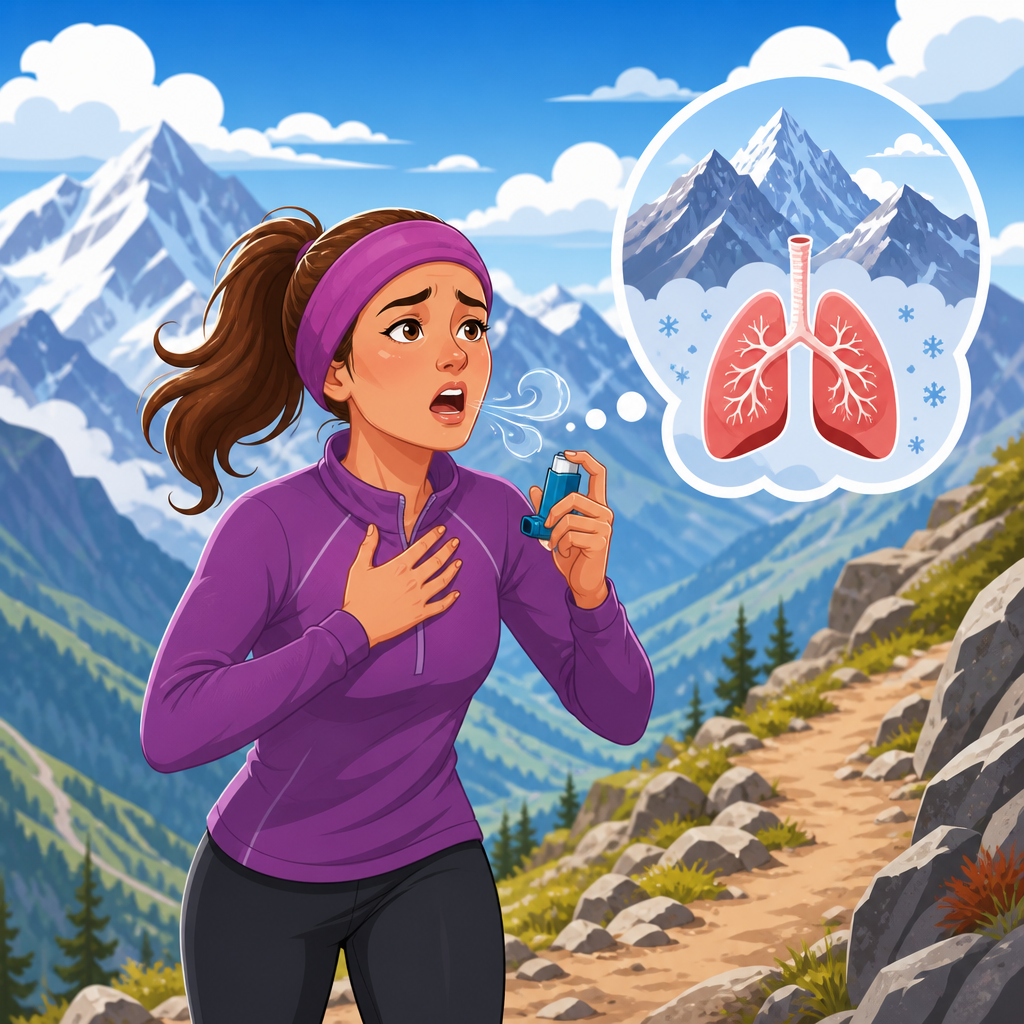
Iron deficiency and altitude can interact in ways that surprise even healthy travelers, because the body relies on iron stores to build hemoglobin, deliver oxygen, and adapt to thinner air. Ferritin is the main storage protein for iron, and a low ferritin result often signals that reserves are running down before anemia appears on a standard blood count. At sea level, that may cause subtle fatigue, slower recovery, headaches, restless legs, or reduced exercise capacity. At altitude, where every breath contains less oxygen pressure, those same low reserves can make acclimatization harder, increase perceived exertion, and expose symptoms that were easy to ignore at home.
I have seen this repeatedly in travelers preparing for ski holidays, high mountain treks, and work trips to cities above 2,500 meters. Someone says they are “not anemic” because hemoglobin sits within range, yet ferritin is low, training feels unusually hard, and they struggle more than expected once they ascend. The reason is straightforward: altitude demands an efficient oxygen transport system, and iron is central to that system. Iron is also required for mitochondrial enzymes involved in energy production, so deficiency affects both oxygen delivery and oxygen use. That combination matters for anyone with respiratory disease, heart disease, heavy menstrual bleeding, vegetarian diets, recent illness, or chronic inflammatory conditions.
This hub article explains the full picture within blood disorders and special conditions as they relate to altitude. It covers what ferritin means, how iron deficiency changes altitude tolerance, who is at highest risk, how testing works, what treatment looks like, and when to delay a trip. It also places iron deficiency beside related concerns such as anemia, sickle cell disease, clotting risk, and inherited blood conditions that can complicate high-elevation travel. If you want one practical reference before a mountain trip, this is the place to start.
What low ferritin means before anemia shows up
Ferritin reflects stored iron, not just the iron circulating in blood on a given day. In clinical practice, ferritin is often the earliest marker that iron reserves are falling. A person can have normal hemoglobin, normal hematocrit, and still be iron deficient if ferritin is low enough. Many labs list broad reference ranges, but “in range” does not always mean optimal for symptom control or performance. In endurance medicine and travel preparation, clinicians often pay close attention when ferritin drops below about 30 ng/mL, and many become more concerned below 15 ng/mL, especially if symptoms fit. Interpretation is not automatic, though, because ferritin also rises with infection, liver disease, and inflammation.
That is why iron studies usually work best as a set: complete blood count, ferritin, transferrin saturation, serum iron, total iron-binding capacity, and sometimes C-reactive protein to judge whether inflammation is distorting the ferritin value. If ferritin is low and transferrin saturation is reduced, iron deficiency is likely even if hemoglobin has not fallen into the anemic range. Common causes include menstrual blood loss, gastrointestinal bleeding, low dietary iron intake, celiac disease, inflammatory bowel disease, frequent blood donation, pregnancy, and heavy training loads. In my experience, travelers often focus on altitude medication and ignore these basics, but low iron stores are one of the most fixable reasons a trip feels harder than it should.
Why altitude raises the stakes for iron status
At higher elevation, barometric pressure drops, so the partial pressure of oxygen falls as well. Your lungs may still move air normally, but less oxygen crosses into the bloodstream with each breath. The body responds through ventilation, heart rate changes, fluid shifts, and, over time, increased red blood cell production driven largely by erythropoietin. That red cell response depends on available iron. If iron stores are low, the body has less raw material to support acclimatization. The result is not necessarily dramatic anemia on day one; more often it is earlier fatigue, breathlessness out of proportion to effort, poor sleep, slower hiking pace, and a stronger sense that altitude is “hitting harder” than expected.
There is also a tissue-level effect. Iron is built into proteins involved in mitochondrial electron transport, including cytochromes that help cells convert oxygen into usable energy. When iron is deficient, muscles can feel inefficient even before laboratory anemia develops. That helps explain why some people with low ferritin report heavy legs, unusually high heart rates during climbs, and delayed recovery after modest exertion. For someone with asthma, chronic obstructive pulmonary disease, coronary artery disease, or heart failure, this reduced reserve can compound an already limited oxygen margin. In practical terms, low ferritin does not guarantee altitude sickness, but it can lower resilience and narrow the gap between a manageable trip and a miserable one.
Symptoms that suggest iron deficiency is affecting your trip
Iron deficiency at altitude usually shows up as familiar symptoms becoming more obvious. Watch for unusual fatigue during the first days of ascent, a hiking pace that falls sharply below training expectations, dizziness on standing, headaches that feel out of proportion to exertion, palpitations, poor concentration, and shortness of breath during activities that should be comfortable. Some people notice cold intolerance, brittle nails, hair shedding, pica, or restless legs, especially at night in mountain lodges where sleep is already fragmented. None of these findings proves low iron on its own, but the cluster is a useful clue.
The key distinction is between iron-related underperformance and acute mountain sickness. Acute mountain sickness typically features headache plus nausea, appetite loss, dizziness, or poor sleep after ascent, usually above 2,500 meters. Iron deficiency can mimic parts of that picture, especially fatigue and headache, yet it usually starts before travel or appears as a longer pattern rather than a sudden altitude-specific syndrome. Both can coexist. I have seen trekkers blame all symptoms on elevation when pre-trip labs later showed ferritin in the single digits. That matters because acclimatization strategies help one problem, while iron replacement addresses the other.
Who is most at risk in the blood disorders and special conditions group
Several groups deserve extra screening before altitude exposure. Menstruating women, especially those with heavy periods, are at the top of the list. Endurance athletes are another high-risk group because repeated foot-strike hemolysis, sweating losses, inflammation, and high training volume can deplete stores. Vegetarians and vegans may meet total iron targets yet absorb less non-heme iron if meals lack enhancers such as vitamin C. People with celiac disease, inflammatory bowel disease, prior bariatric surgery, chronic kidney disease, or long-term proton pump inhibitor use may absorb less iron than expected. Frequent blood donors also commonly arrive at trips with low ferritin despite feeling well at baseline.
Within the wider blood disorders category, there are additional considerations. Sickle cell disease is a major red flag because hypoxia, dehydration, and cold can trigger vaso-occlusive complications; high altitude may be unsafe without specialist guidance. Sickle cell trait usually carries lower risk but is not trivial during intense exertion. Thalassemia, hereditary spherocytosis, G6PD deficiency, polycythemia, clotting disorders, and myeloproliferative disease each raise different concerns, from baseline anemia to thrombosis risk. These conditions do not all relate to ferritin, yet they belong on a blood disorders and special conditions hub because travelers often assume all fatigue at altitude is normal when, in fact, an underlying hematologic issue may be shaping the response.
How to test before travel and what numbers matter
If you have symptoms, a history of anemia, heavy menstrual bleeding, chronic disease, or an upcoming trip above 2,500 meters that involves exertion, get tested several weeks in advance. A useful baseline panel includes complete blood count, ferritin, transferrin saturation, serum iron, total iron-binding capacity, and C-reactive protein. Depending on history, testing may also include reticulocyte count, vitamin B12, folate, thyroid function, kidney function, and stool or gynecologic evaluation for blood loss. The goal is not simply to clear a lab threshold. It is to identify whether oxygen-carrying capacity and iron reserves are adequate for the stress of altitude.
| Test | What it shows | Why it matters for altitude |
|---|---|---|
| Hemoglobin | Oxygen-carrying concentration in blood | Low values reduce reserve immediately |
| Ferritin | Stored iron | Low stores can impair acclimatization before anemia appears |
| Transferrin saturation | Available circulating iron | Helps confirm functional iron shortage |
| C-reactive protein | Inflammation marker | Helps interpret ferritin if inflammation is present |
| Reticulocyte count | Bone marrow response | Shows whether red cell production is keeping up |
Exact thresholds depend on the person and the trip. A sea-level office worker going to Denver differs from a trekker sleeping at 4,000 meters. Still, patterns matter. Low ferritin with symptoms deserves attention even if hemoglobin is normal. Low hemoglobin plus low ferritin is more urgent. A normal ferritin in the setting of elevated C-reactive protein may be falsely reassuring. When there is a known blood disorder, specialist review is often wise because altitude plans may need changes in pace, itinerary, hydration, or emergency support.
Treatment, timing, and whether to postpone ascent
Treating iron deficiency starts with the cause. If blood loss, malabsorption, or chronic disease is driving the problem, replacing iron without investigating the source is incomplete care. Oral iron is commonly first line, often as ferrous sulfate, ferrous fumarate, or ferrous bisglycinate. Many clinicians now favor alternate-day dosing because hepcidin, the hormone that regulates iron absorption, can rise after each dose and reduce uptake with daily high-dose schedules. Taking iron with vitamin C or orange juice may improve absorption, while tea, coffee, calcium, and antacids can reduce it. Gastrointestinal side effects remain common, so adherence matters more than choosing the most aggressive label dose.
Intravenous iron is appropriate when oral iron fails, absorption is impaired, deficiency is severe, or the trip is near and time is short. It replenishes stores faster, but it still takes time for symptoms and blood counts to improve. As a rule, a last-minute fix days before departure is unreliable. If hemoglobin is significantly low, ferritin is profoundly depleted, or symptoms are already limiting exercise at sea level, postponing a demanding high-altitude itinerary is often the safer decision. That is especially true if the route is remote, rescue access is poor, or there are coexisting heart or lung conditions. The smart traveler treats low ferritin as a solvable preparation issue, not as something to push through with determination alone.
Travel strategy for people with iron deficiency and related blood conditions
Once treatment is underway, trip planning should reduce physiologic stress. Ascend gradually when possible, with the first sleeping altitude kept conservative and a rest day added every few days above 3,000 meters. Keep exertion easy during the first 24 to 48 hours. Hydration matters, though overhydration does not prevent altitude illness and can create its own problems. Eat regularly, prioritize iron-rich foods such as red meat, lentils, beans, tofu, and fortified grains, and pair plant sources with vitamin C-rich foods. If you already use acetazolamide for prevention of altitude illness, remember that it does not correct iron deficiency; it supports acclimatization through ventilation changes, not hemoglobin repair.
People with established hematologic conditions need individualized plans. Those with sickle cell disease usually require pre-travel specialist review and may need to avoid high altitude entirely. Travelers with thalassemia or chronic anemia should know their recent hemoglobin, understand hydration and infection precautions, and carry a concise medical summary. Anyone with clotting disorders, prior venous thromboembolism, or myeloproliferative disease should review mobility, compression, and anticoagulation issues for long-haul flights as well as altitude exposure. The broader lesson across blood disorders and special conditions is simple: altitude is not just a lung issue. It is a whole-body oxygen delivery challenge, and blood health is at the center of the response.
When to seek medical help urgently
Most altitude-related fatigue is not an emergency, but certain signs should stop the trip and trigger immediate assessment. Seek urgent care for chest pain, fainting, severe shortness of breath at rest, blue lips, confusion, inability to walk straight, new neurologic symptoms, or a cough with frothy sputum. These may indicate serious altitude illness, cardiac disease, pulmonary edema, stroke, or profound anemia. Black stools, vomiting blood, very heavy menstrual bleeding, or rapidly worsening weakness suggest active blood loss and should never be written off as travel stress.
For less dramatic cases, arrange routine medical review if fatigue is lingering beyond the trip, if you repeatedly struggle at moderate altitude while companions do well, or if training remains inexplicably hard. Ask specifically about ferritin and iron studies rather than relying only on hemoglobin. That one step often changes the plan from guesswork to targeted treatment.
Low ferritin can make an altitude trip harder because iron supports both hemoglobin production and cellular energy use, two systems that become critical when oxygen is scarce. The practical message is not that every tired traveler has iron deficiency, or that ferritin alone explains altitude sickness. It is that blood health meaningfully shapes altitude tolerance, and iron deficiency is common, testable, and treatable. Within the wider blood disorders and special conditions category, this issue sits alongside anemia, inherited red cell disorders, and clotting risks that deserve equal respect before mountain travel.
The best approach is early screening, honest interpretation of symptoms, and enough lead time to treat the cause rather than mask the problem. If you are planning a high-elevation trip, review your history, get the right labs, and discuss any abnormal results with a clinician who understands altitude and hematology. A stronger oxygen reserve makes the journey safer, the acclimatization smoother, and the experience far more enjoyable.
Frequently Asked Questions
Why can low ferritin make altitude feel harder even if I am not anemic?
Low ferritin means your iron stores are low, and that matters because iron is essential for making hemoglobin, the protein in red blood cells that carries oxygen. Ferritin often drops before hemoglobin falls enough to show anemia on a routine blood count, so a person can have “normal” labs in one sense while still having reduced reserve for oxygen delivery and adaptation. At sea level, that may show up as subtle fatigue, shortness of breath with effort, poor exercise tolerance, headaches, brain fog, slower recovery after activity, or restless legs. At altitude, those same issues can feel amplified because the air contains less oxygen, forcing the body to work harder to maintain performance and comfort.
Altitude triggers a series of adaptations, including increased breathing, changes in heart rate, and over time a signal to make more red blood cells. Iron is a key raw material for that response. If ferritin is already low, the body may struggle to support efficient oxygen transport just when demand rises. That does not mean every person with low ferritin will get altitude sickness, but it does mean the trip can feel more draining, workouts can feel disproportionately hard, and symptoms such as weakness, palpitations, dizziness, or poor stamina may appear sooner than expected. In practical terms, low iron stores can narrow the margin between feeling fine and feeling wiped out in a low-oxygen environment.
What symptoms of low ferritin tend to get worse at altitude?
The most common symptoms that become more noticeable are fatigue, breathlessness during exertion, reduced endurance, headaches, lightheadedness, poor concentration, and a sense that routine activity requires unusual effort. Some travelers also notice faster heart rate, poorer sleep, irritability, and slower recovery after hiking or skiing. Restless legs can be especially disruptive at altitude because sleep is already commonly affected by the change in breathing pattern overnight. If iron stores are low, the combination of fragmented sleep and reduced oxygen availability can leave people feeling much worse than they expected for the elevation.
It is also important to distinguish iron-related symptoms from symptoms of acute mountain sickness, because they can overlap. Headache, fatigue, dizziness, and poor exercise tolerance can occur in both situations. The difference is that altitude illness often comes on after ascent and may be accompanied by nausea, loss of appetite, or worsening symptoms with continued ascent, while low ferritin symptoms are often present beforehand and simply become more obvious at elevation. Still, the two can coexist. If symptoms are severe, progressive, or out of proportion to the altitude, it is wise to stop ascending and seek medical evaluation rather than assume it is “just low iron” or “just altitude.”
Should I check ferritin before a high-altitude trip, and who is most at risk for low iron stores?
Checking ferritin before a trip can be reasonable if you have symptoms consistent with iron deficiency, a history of low iron, heavy menstrual bleeding, a vegetarian or vegan diet with marginal iron intake, frequent blood donation, endurance training, gastrointestinal conditions that affect absorption, recent pregnancy, or prior unexplained fatigue. Athletes planning trekking, climbing, ski touring, or other physically demanding trips at elevation may also benefit from checking early, especially if their performance has dipped or recovery has been unusually poor. A ferritin test can be more informative than a basic complete blood count alone because ferritin often falls before anemia develops.
That said, ferritin is not always straightforward. It is also an acute-phase reactant, which means it can rise with inflammation, infection, liver disease, or other stressors, potentially masking depleted iron stores. Interpretation should be done in context with other labs and symptoms, ideally by a clinician. If your trip is approaching, it is better to address possible iron deficiency well in advance rather than in the final days before departure. Building iron stores is not immediate, and the goal is not simply to “boost energy” but to correct an underlying shortage and improve your capacity to adapt safely and comfortably to altitude.
If my ferritin is low, can I just start taking iron before traveling to altitude?
Not automatically. Iron supplements can be very helpful when true iron deficiency is present, but they are best used with confirmation and guidance rather than guesswork. Low ferritin has causes, and those causes matter. Heavy periods, low dietary intake, malabsorption, stomach issues, celiac disease, gastrointestinal blood loss, frequent blood donation, and intense endurance training are a few examples. Taking iron without understanding the reason may delay diagnosis of a more important problem. It can also cause side effects such as constipation, nausea, abdominal pain, or dark stools, and excessive iron is not harmless.
If a clinician confirms low ferritin, treatment may include oral iron, dietary adjustments, and a plan for follow-up testing. Timing matters because iron repletion usually takes weeks to months, not days. Starting the week before departure is unlikely to transform altitude tolerance. It is also worth knowing that some people absorb iron better with alternate-day dosing, and vitamin C or taking iron away from calcium-containing foods may improve absorption, while coffee, tea, and some medications can interfere. If you are significantly iron deficient, symptomatic, or close to travel, your clinician may discuss whether additional evaluation or a different treatment approach is appropriate. The key message is that correcting low ferritin is often worthwhile, but it should be done thoughtfully rather than casually.
Will fixing low ferritin prevent altitude sickness or guarantee better performance?
No. Correcting low ferritin can improve your physiological reserve and may make exertion at altitude feel less punishing, but it does not prevent acute mountain sickness and it does not guarantee strong performance. Altitude illness depends on multiple factors, including rate of ascent, sleeping elevation, prior acclimatization, genetics, hydration, workload, and overall health. Someone with excellent iron stores can still get sick if they ascend too fast. Likewise, someone with low ferritin may do reasonably well if they ascend gradually and keep their effort controlled, although they may still feel more fatigued than expected.
The smartest approach is to treat low iron stores as one modifiable piece of the altitude puzzle. If you know your ferritin is low, address it before the trip if possible, but also follow proven altitude strategies: ascend gradually, avoid sleeping too high too quickly, allow acclimatization days, keep early exertion conservative, stay adequately fueled and hydrated, and pay attention to warning signs such as worsening headache, vomiting, marked shortness of breath at rest, confusion, or trouble walking straight. In short, adequate iron helps support oxygen transport and adaptation, but it works best as part of a broader plan for safe travel in thin air.