Steep climbs punish impatience faster than almost any other challenge in hiking. If you charge the first section of an ascent, breathing hard and passing everyone in sight, there is a good chance you will pay for it twenty minutes later with burning legs, a spiking heart rate, and the dreaded feeling of blowing up before the summit. Pacing steep climbs means controlling effort so you can keep moving efficiently from trailhead to top without a dramatic collapse in speed, form, or decision-making.
In hiking strategy, pacing is the skill of matching your output to the terrain, elevation gain, load, weather, and duration of the day. A steep climb is not simply any uphill section; it is a sustained gradient that forces a meaningful increase in cardiovascular demand and muscular tension, especially in the calves, glutes, quads, and hip flexors. Blowing up early describes a predictable physiological failure point: you start above a sustainable effort level, accumulate fatigue quickly, and lose the ability to recover while still moving. On trail, that often shows up as frequent stops, heavy breathing, sloppy foot placement, poor fueling choices, and a sharp decline in morale.
This matters because pacing errors turn manageable hikes into survival marches. I have seen strong gym athletes suffer on mountain trails not because they lacked fitness, but because they treated the first climb like a short workout instead of an all-day system to manage. Good pacing protects endurance, reduces risk of cramps and stumbles, preserves mental clarity for navigation, and makes descents safer because your legs still work when it counts. It also improves enjoyment. When effort feels controlled, hikers notice the route, adapt to conditions, and finish with more left in the tank.
As a hub for hiking strategy, this guide covers the core principles that connect uphill pacing to route planning, movement economy, pole use, breathing, fueling, pack management, and group dynamics. The central rule is simple: on steep climbs, your early pace should feel almost too easy. That is not weakness. It is discipline, and it is what lets you stay steady when the trail gets longer, hotter, higher, or looser than expected.
Start below your ego pace
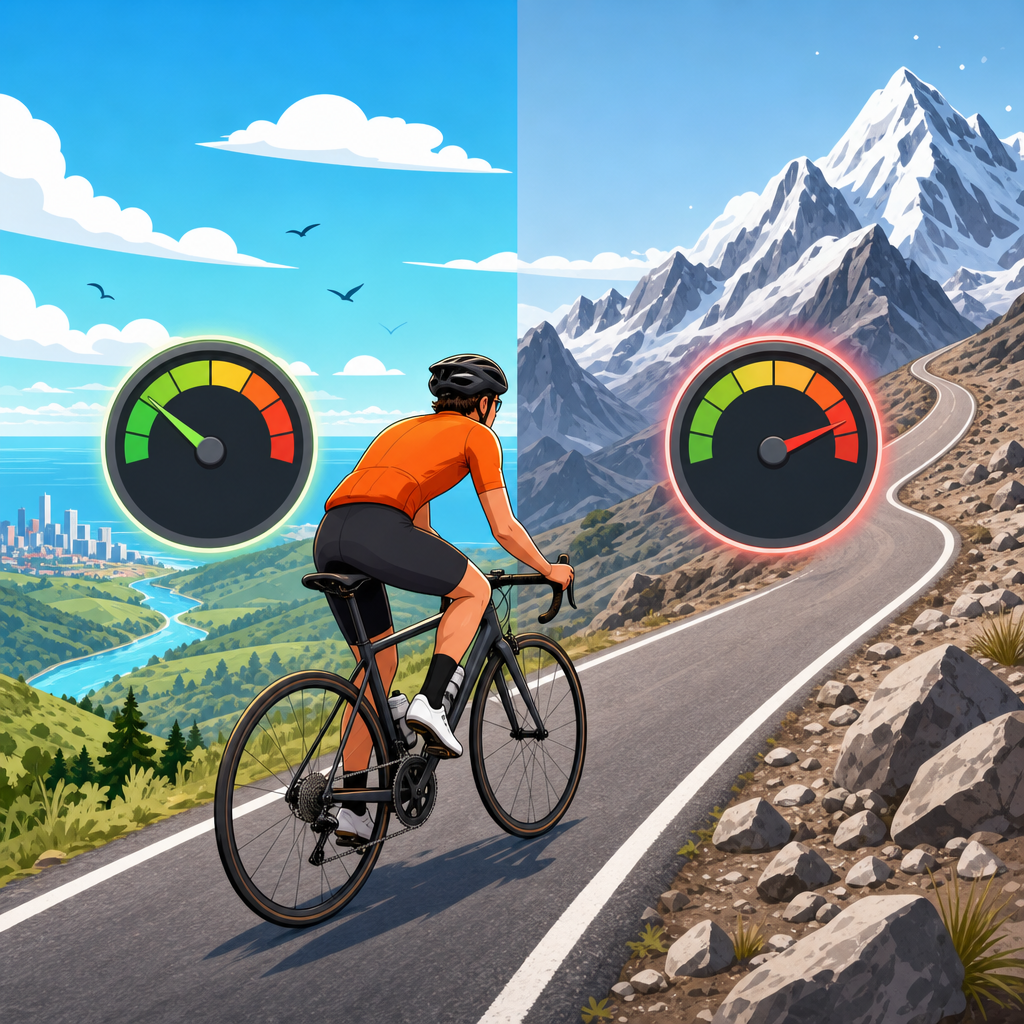
The most common uphill pacing mistake happens in the first ten minutes. Fresh legs, cool air, and trailhead energy make many hikers walk faster than their aerobic system can support. The solution is to begin every steep climb deliberately below your natural impulse. If you can speak in short sentences without gasping, your pace is usually sustainable. If you can only force out single words, you are already too hot for a long climb.
On steep terrain, heart rate rises fast because grade compounds effort more than speed does. A hiker moving at 2 miles per hour on a 20 percent slope can be working harder than someone jogging on flat ground. That is why pace on climbs should be measured by effort, not by your flat-trail speed. Many mountain guides use conversational breathing as a practical field test because GPS pace becomes misleading when elevation gain is high and terrain is uneven.
I coach hikers to treat the first switchbacks as an investment phase. You are buying stability for the upper mountain. Shorten stride length, keep cadence smooth, and resist every urge to surge to the next corner. The strongest hikers I have worked with often look unimpressive at the bottom of a climb. An hour later, they are still moving steadily while faster starters are standing beside the trail trying to lower their breathing rate.
Use effort anchors instead of fixed speed
Steep climbs change constantly. Grade steepens, footing loosens, altitude rises, sun exposure increases, and your pack may feel heavier after a meal or water carry. Because of that, fixed speed targets are poor pacing tools. Better anchors are breathing rhythm, perceived exertion, heart rate, and step quality. If your breathing becomes ragged, your perceived exertion jumps above what you can hold for the next hour, or your steps start stomping instead of placing cleanly, back off immediately.
A useful scale for hiking strategy is a simple one to ten effort rating. For a long ascent, most hikers should live around six to seven out of ten. Eight may be workable for a short push, but if you hold it too early, fatigue arrives quickly. Elite mountain athletes can sustain more, but recreational hikers usually perform best when they stay just under the line where recovery while moving is still possible.
Heart rate can help, especially with a chest strap from Garmin, Polar, or COROS, but numbers need context. Heat, caffeine, altitude, dehydration, and poor sleep can push heart rate higher than normal. If your zone two on flat terrain is 130 to 145 beats per minute, your sustainable climbing effort may drift higher, but it should not feel like a race. Use data to confirm what your breathing and legs are already telling you, not to override them.
| Trail sign | What it means | Pacing adjustment |
|---|---|---|
| Breathing is controlled and you can talk briefly | Effort is likely sustainable | Hold pace and stay relaxed |
| You need frequent standing breaks in the first 20 minutes | Started too hard | Slow immediately and shorten stride |
| Quads are burning on every step | Mechanical load is too high | Use smaller steps and poles |
| Heart rate stays elevated after easy sections | Fatigue or heat is accumulating | Reduce effort, hydrate, and cool down |
| You feel strong but keep surging to landmarks | Effort is too variable | Make cadence more even |
Short steps, steady rhythm, efficient mechanics
Movement economy matters as much as fitness on steep climbs. Long, lunging steps look powerful but cost more oxygen and place more strain on the quads and hip flexors. Shorter steps reduce peak muscular demand and make it easier to keep a stable cadence. Think of climbing as a series of repeatable, efficient actions rather than dramatic pushes upward.
Keep your torso slightly inclined from the ankles, not folded at the waist. A severe forward bend restricts breathing and often overloads the lower back. Plant each foot under your center of mass as much as the terrain allows. On very steep grades, a subtle zigzag line can lower the effective angle and save energy, provided you stay on durable trail and do not cut switchbacks. Cutting switchbacks damages slopes, accelerates erosion, and often creates loose footing that is harder, not easier, to climb.
Trekking poles can improve pacing by distributing load across the upper body and helping maintain rhythm. Research in mountain locomotion has shown that poles can reduce perceived exertion for many users, particularly with packs and steep grades. They are not magic, though. Set pole length appropriately, plant them lightly, and avoid overreaching. Used well, poles support cadence and posture; used poorly, they become extra clutter.
Control breathing before breathing controls you
Breathing is the fastest feedback system you have on a climb. When hikers blow up early, the breathing pattern usually tells the story before the legs do. The goal is not deep dramatic breaths; it is a regular, repeatable rhythm that matches terrain. On moderate steepness, inhale for two to three steps and exhale for two to three steps. On sharper pitches, many hikers naturally shift to one or two steps per breath cycle. That is fine if it stays controlled.
If you find yourself panting, stop chasing the pace that caused it. Slow down enough to regain nasal breathing on easier segments or at least smoother mouth breathing without panic. At altitude, breathing rate will rise sooner because oxygen pressure is lower. That makes conservative pacing even more important. Many sea-level hikers misread altitude discomfort as weakness and respond by pushing harder, which only worsens the problem.
A practical trick I use on long climbs is the micro-reset. Every few minutes, exhale fully, relax the shoulders, unclench the hands, and take ten smoother steps. This lowers unnecessary tension and prevents the upper body from turning effort into strain. Efficient breathing is not just about the lungs; it is also about keeping the rest of the body from wasting energy.
Fuel and hydrate before the climb feels hard
Pacing and nutrition are inseparable. On steep climbs, hikers often wait too long to drink or eat because they do not want to stop, then confuse low energy with poor fitness. For hikes longer than about ninety minutes, regular carbohydrate intake helps maintain output and decision-making. A common range is 30 to 60 grams of carbohydrate per hour, adjusted for size, intensity, and gut tolerance. Examples include chews, dried fruit, bars, or a drink mix from brands like Skratch Labs, Maurten, or Tailwind.
Hydration needs vary with temperature, humidity, altitude, and sweat rate, but uphill work raises fluid loss quickly. Many hikers do well with roughly 400 to 800 milliliters per hour, though hot exposed climbs can require more. Sodium matters too, especially for salty sweaters or all-day mountain routes. If your shirt dries with white salt marks, you may benefit from electrolyte support rather than plain water alone.
The key is timing. Eat and drink early, before your breathing rate discourages it. Small, frequent intake works better than large, delayed breaks for most hikers. If nausea appears on a climb, effort is often too high for digestion. Back off, sip, and let your system settle. Smart fueling does not replace pacing, but poor fueling can ruin even a well-paced ascent.
Adjust for pack weight, altitude, heat, and terrain
No pacing strategy exists in a vacuum. A ten-mile day with a light pack behaves differently from a steep approach carrying overnight gear, and both feel different at 10,000 feet in afternoon sun. Pack weight raises metabolic cost and changes posture. Even an extra 10 pounds can alter cadence and increase lower-leg fatigue on steep grades. If you add weight, reduce pace expectations immediately rather than waiting for the trail to force the lesson.
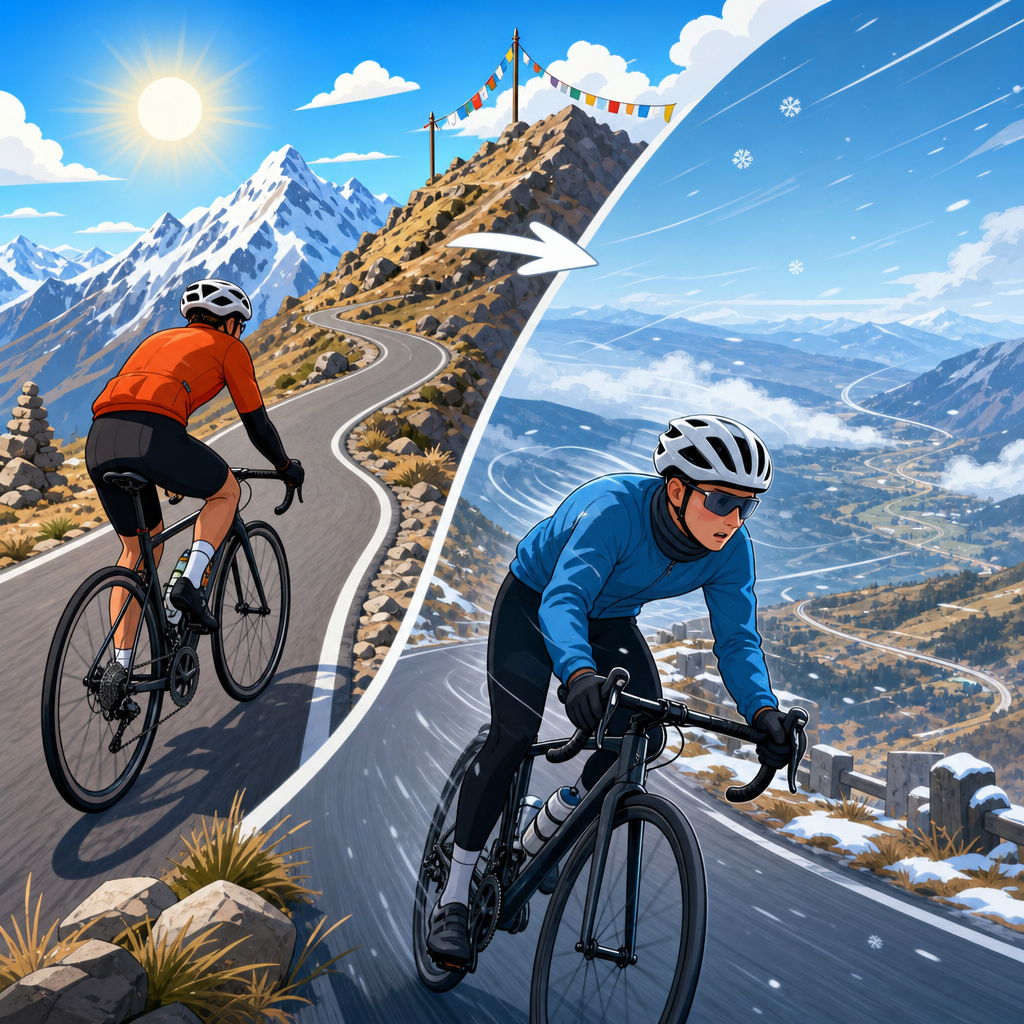
Altitude deserves special respect. Above roughly 8,000 feet, many hikers experience reduced aerobic capacity, higher breathing rates, and slower recovery. The only reliable response is to slow down and extend your margin. Heat does the same in a different way by elevating heart rate and increasing dehydration risk. On exposed climbs, I often tell hikers to use shade, breeze, and water access as strategic assets, not just comforts. A two-minute reset in the right spot can save twenty minutes of suffering later.
Terrain also dictates pacing. Loose scree, high steps, muddy roots, and rock slabs all increase energy cost. On such surfaces, precision beats force. Move cleanly, protect balance, and accept slower progress. Efficient hikers are not the ones fighting the mountain every step; they are the ones adapting without drama.
Hike your own climb, especially in groups
Group hiking causes many early blowups because people borrow a pace that is not theirs. A stronger hiker may surge ahead, a social hiker may talk too much and overwork, and a newer hiker may hide distress to avoid slowing friends down. Good hiking strategy separates social cohesion from identical effort. On steep climbs, groups should allow natural spacing while keeping clear regroup points.
If you lead, set a pace that the slowest competent member can sustain without repeated red-lining. If you follow, do not match every acceleration by the person in front. Their leg length, pack load, fitness history, and altitude tolerance may be different from yours. I have watched groups improve instantly when they stopped treating the climb as a silent competition and started treating it as a shared endurance problem.
Communication helps. Ask simple questions early: Can everyone speak comfortably? Are we drinking enough? Do we need a shorter stride? Those checks prevent small errors from becoming large ones. A well-paced group usually reaches the top closer together than an aggressive group, because fewer people unravel on the way.
Know when to pause, when to push, and when to turn around
Smart pacing includes strategic rest, not just constant movement. Short breaks of thirty to ninety seconds can work well on steep climbs if they are planned before form collapses. Use them to lower breathing rate, drink, and reset posture. Longer rests may stiffen legs unless conditions require them. The best pause is usually brief, purposeful, and timed at a natural landmark such as a switchback, stream crossing, or shaded bench cut.
There are also times to push. Near the top of a short climb, or across an exposed section before weather turns, increasing effort can make sense if you have reserves. The key is that a push should be chosen, not forced by earlier mistakes. If you are already seeing dizziness, chills, unusual cramping, or a dramatic drop in coordination, the correct decision may be to slow significantly or turn around. Summit fever has ended many otherwise routine hikes badly.
The best climbers are disciplined, not dramatic. They respect the grade, meter their effort, and arrive at the top able to enjoy the view and descend safely. If you want to stop blowing up early on steep hikes, start easier than feels necessary, hold a steady rhythm, fuel before fatigue spikes, and adapt to conditions instead of denying them. Use this hiking strategy hub as your baseline, then apply the same principles to route planning, downhill management, pack setup, poles, and mountain nutrition. On your next climb, make the goal simple: reach the steepest section feeling controlled, not cooked.
Frequently Asked Questions
What is the biggest pacing mistake hikers make on steep climbs?
The most common mistake is starting too hard because the body feels fresh and the climb has not yet fully revealed its cost. On steep terrain, early enthusiasm can trick hikers into moving at an effort level they cannot sustain. You might feel strong for the first ten or fifteen minutes, but if your breathing becomes ragged, your heart rate spikes, and your legs begin to flood with fatigue, that fast start often leads to a sharp slowdown later. This is what people mean when they say they “blew up” on the climb.
A better approach is to begin the ascent at a deliberately controlled effort, even if it feels almost too easy at first. On a steep grade, that usually means short, steady steps, relaxed upper body posture, and breathing that is deep but still manageable. If you cannot speak a short sentence without gasping, you are probably pushing above a sustainable level. The goal is not to win the first section of the hill. The goal is to reach the top without a collapse in pace, form, or judgment. Good pacing on steep climbs often feels conservative early and smart later.
How do I know if I am climbing at a sustainable effort?
A sustainable effort on a steep climb is one you can hold for a long stretch without your breathing, leg fatigue, or mental focus unraveling. The easiest field test is your breathing pattern. You should be working, but not fighting for air. If your breath is fast yet controlled and you can still say a short phrase, you are usually in a good zone for a longer ascent. If every minute feels like a mini sprint, your effort is too high for efficient pacing.
Another sign is whether your pace remains consistent without frequent emergency stops. Strong pacing means you may move slowly, but you keep moving. That steady rhythm is often more effective than alternating between charging and stopping. Pay attention to your posture as well. If you begin leaning excessively, stomping, or pulling yourself uphill with tense shoulders, it may signal that you have crossed from controlled effort into survival mode. Sustainable climbing should feel purposeful, steady, and repeatable. It is fine to slow down to maintain that state. In fact, slowing down early is often what allows you to avoid a much bigger slowdown later.
Should I take breaks on steep climbs, or is it better to keep moving?
In most cases, short, strategic breaks are more effective than pushing to the point of exhaustion and then needing a long recovery stop. The key is to use breaks as part of pacing, not as a rescue plan after overexertion. On sustained steep climbs, many hikers do well by keeping a continuous but modest rhythm and pausing briefly before breathing or leg fatigue gets out of control. A short stop to reset posture, loosen the calves, take a drink, and lower breathing can preserve energy far better than forcing a pace that leads to a complete stall.
That said, many hikers benefit even more from “active rest,” which means slowing the pace rather than fully stopping. On a steep grade, dropping your speed for a minute or choosing a gentler line through switchbacks can help reduce effort while maintaining momentum. Full stops are still useful, especially on long ascents, hot days, high-altitude terrain, or when carrying a heavy pack. The best strategy is to avoid dramatic boom-and-bust cycles. Breaks should support steady progress, not compensate for an unsustainable pace. If you are needing frequent long rests, that is often a sign to back off your climbing intensity earlier in the ascent.
What techniques help conserve energy on very steep sections?
Energy conservation on steep climbs comes down to efficiency. Start with shorter steps. Big lunging strides may feel powerful, but they usually cost more energy and load the legs faster. Shorter steps keep your cadence smoother and reduce the muscular demand of each movement. Keep your torso slightly inclined from the hips rather than collapsing at the waist, and try to stay relaxed through the shoulders and hands. Unnecessary tension wastes energy that should be going into forward movement.
Foot placement matters too. Aim for stable, deliberate steps rather than rushing and slipping. On loose or uneven terrain, small corrections and stumbles quietly drain energy over time. If the trail allows it, use switchbacks fully rather than cutting steep lines straight uphill. Trekking poles can also help distribute effort, improve rhythm, and reduce some of the load on your legs, especially during long climbs or when carrying weight. Finally, manage your breathing intentionally. Deep, rhythmic breathing helps you stay under control and can prevent the feeling of panic that sometimes causes hikers to surge, stop, and surge again. Efficient technique is not flashy, but on steep climbs it is often what separates a smooth ascent from an early burnout.
How do hydration, fueling, and pack weight affect pacing on steep climbs?
They affect pacing more than many hikers realize. If you are underhydrated, low on calories, or carrying more weight than necessary, a steep climb will expose those problems quickly. Dehydration can raise perceived effort, increase heart strain, and make it harder to regulate body temperature, all of which can turn a manageable ascent into a grind. Poor fueling has a similar effect. If you begin a long climb already low on energy or wait too long to eat, your pace may become erratic and your legs can feel disproportionately heavy for the terrain.
Smart pacing starts before the ascent. Drink consistently, especially in warm conditions, and eat enough to support sustained effort rather than waiting until you feel drained. On longer hikes, small amounts of food at regular intervals often work better than one large stop. Pack weight also matters because every extra pound increases the cost of climbing. A heavier pack raises the effort required at any given pace, which means a speed that feels sustainable with a light daypack may be far too hard with a loaded overnight setup. If you are carrying more, adjust your expectations and pace accordingly. Strong pacing is never just about willpower. It is the result of matching effort to terrain, body condition, and load so you can keep climbing without a major breakdown.