Slow cooker meals at altitude often need adjustments, but not always in the way most home cooks expect. Altitude changes how water behaves, how heat moves through food, and how long ingredients need to reach safe, tender, fully cooked results. In practical terms, that means a beef stew that works perfectly near sea level may stay thin, undercooked, or oddly dry in a mountain kitchen unless you change time, ingredient size, or moisture. For anyone building confidence with cooking methods above 3,000 feet, understanding slow cooker behavior is essential because it sits at the intersection of braising, steaming, simmering, and food safety.
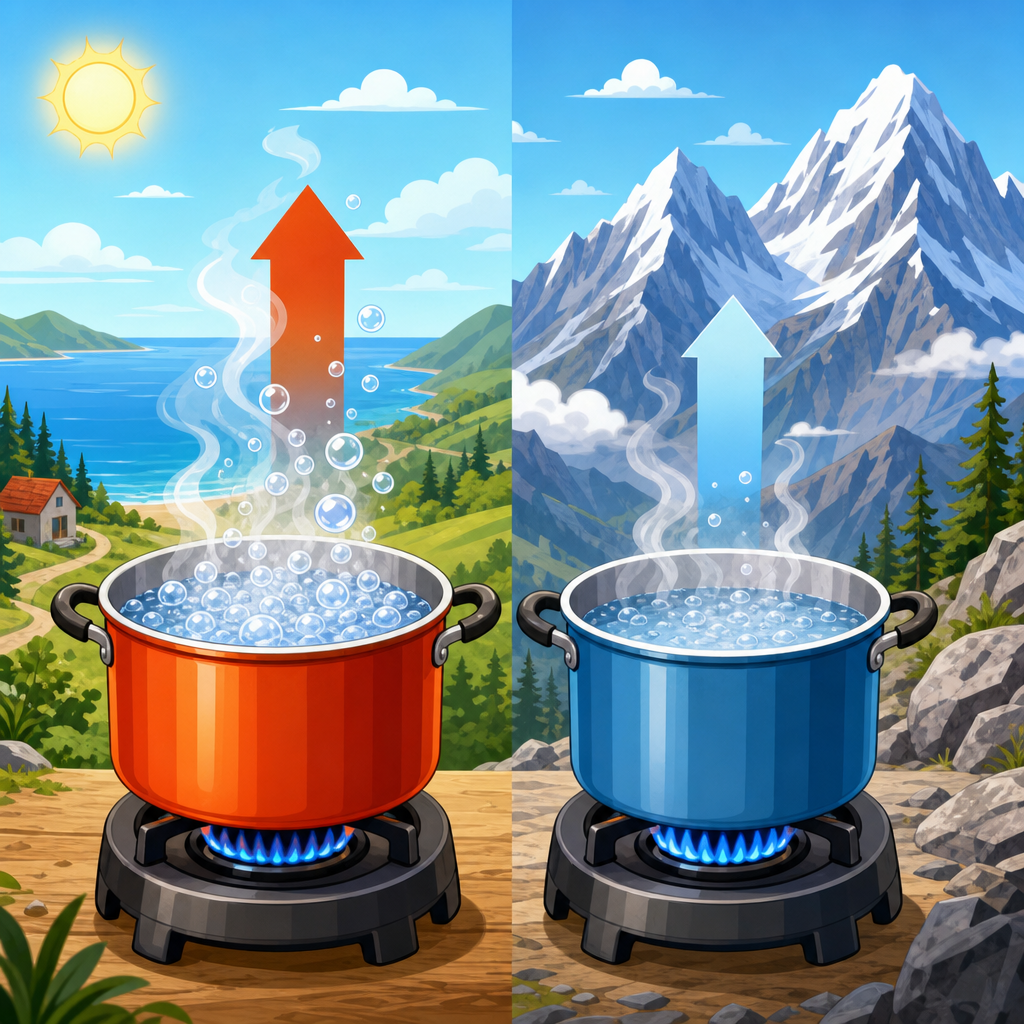
A slow cooker is a countertop appliance designed to cook food gradually at a low, steady temperature inside a covered crock. Altitude refers to elevation above sea level, and its main cooking effect is reduced atmospheric pressure. As pressure drops, water boils at a lower temperature. At 5,000 feet, boiling happens at roughly 203 degrees Fahrenheit instead of 212 degrees Fahrenheit. That lower boiling point matters because most slow cooker dishes rely on moist heat. When the hottest liquid in the pot is effectively cooler, connective tissue breaks down more slowly, starches hydrate differently, and vegetables can soften unevenly.
I have tested slow cookers in both lowland and high-country kitchens, and the same pattern appears repeatedly: the appliance still works, but recipes need more intentional setup. Many people ask a simple question: do you need to adjust time? The direct answer is yes, sometimes by 30 minutes and sometimes by two hours or more, depending on the dish, the altitude, the cooker model, and whether the recipe contains dense proteins, beans, dairy, or quick-cooking vegetables. Time is only one lever. The better approach is to think in terms of heat delivery, liquid management, ingredient sequencing, and doneness checks rather than blindly adding hours.
This hub article covers slow cooker meals at altitude within the broader cooking methods category. It explains when longer cook times are necessary, when they are not, and how to make reliable adjustments for soups, stews, roasts, beans, chili, casseroles, and shredded meats. It also points toward the method-level thinking that improves other altitude techniques such as pressure cooking, oven braising, stovetop simmering, roasting, and baking. Once you understand why a slow cooker behaves differently at elevation, you can adapt nearly any recipe with much better results and far less guesswork.
Why altitude changes slow cooker performance
The core issue is temperature. Slow cookers generally operate so the contents stabilize somewhere around a low simmer, with many models on Low finishing in the 185 to 200 degree Fahrenheit range and on High around 200 to 212 degrees Fahrenheit, depending on fill level and design. At altitude, because water reaches a boil sooner, evaporation and steam behavior shift, but the liquid itself is still capped by a lower boiling point. The food cooks in an environment that is effectively gentler. That can be helpful for preventing scorching, but it also slows tenderization and delays the point at which dense ingredients become fully done.
This is why mountain cooks often notice that pot roast takes longer to shred, dried beans stay stubbornly firm, and soups seem watery even after a full cycle. The collagen in tough cuts like chuck roast, pork shoulder, and lamb shank converts to gelatin most efficiently over sustained heat. If the cooking environment is several degrees cooler, the conversion still happens, but on a longer curve. Meanwhile, vegetables such as potatoes and carrots may require more time because pectin breakdown is slower at lower temperatures. In mixed dishes, you can end up with meat that is close to done but root vegetables that are still resistant in the center.
Safety matters too. The United States Department of Agriculture advises keeping slow cooker foods above 140 degrees Fahrenheit and recommends thawing meat before slow cooking. At altitude, it becomes even more important not to overload the cooker or start with refrigerator-cold ingredients packed densely together, because the heat-up phase can be prolonged. The appliance is not unsafe by definition in mountain regions, but the margin for sloppy setup is smaller.
Do you need to adjust time at altitude?
Usually, yes. A practical rule is to add 15 to 30 minutes per hour of cooking once you are above about 3,000 feet, then verify doneness rather than relying on the clock. That is not a universal formula, but it is a useful starting point. For a recipe that takes 4 hours on High at sea level, expect 4 1/2 to 5 hours in a mountain kitchen. For an 8-hour Low recipe, expect 9 to 10 hours if it includes large cuts of meat, dried legumes, or dense root vegetables.
However, not every slow cooker meal needs dramatically more time. Thin soups, applesauce, fruit compotes, and shredded chicken breast in ample liquid may finish close to the original timing because the ingredients are small and cook quickly anyway. On the other hand, dishes with large roasts, whole potatoes, wild rice, barley, or dried beans often need the most adjustment. The important distinction is between heating food through and transforming its structure. Reaching serving temperature is easy. Breaking down collagen, hydrating dry starches, and softening legumes is where altitude shows up.
A good method is to use the original recipe time as the earliest checkpoint, not the finish line. If the recipe says 6 hours on Low for beef stew at 5,000 feet, begin checking at 6 hours, but assume 7 to 8 may be more realistic. Test the largest piece of meat with a fork, cut a potato in half, and taste the broth. If the meat resists shredding, the potatoes hold a chalky core, or the broth tastes underdeveloped, the dish simply needs longer.
Best adjustments for different slow cooker meal types
The smartest altitude changes depend on the food, not just the elevation. In my kitchen work, I group slow cooker meals into categories because each one fails in a different way. Stews and braises often need extra time plus slightly smaller ingredient cuts. Soups usually need seasoning and liquid adjustments more than dramatic timing changes. Beans need pre-treatment. Dairy-based dishes need careful finishing. Layered casseroles can overcook at the edges before the center catches up if the cooker is too full.
| Meal type | Common altitude issue | Best adjustment | Example |
|---|---|---|---|
| Beef or pork braises | Meat stays firm | Add 1 to 2 hours on Low; cut into smaller pieces | Chuck roast for shredded beef tacos |
| Soups and chili | Thin flavor or uneven vegetable texture | Extend 30 to 60 minutes; add less broth initially | Turkey chili with beans and tomatoes |
| Dried beans | Beans remain hard | Soak first, boil separately if needed, then slow cook | Pinto beans for burrito bowls |
| Chicken dishes | Breast meat dries while vegetables lag | Use thighs or add breast later in the cycle | Salsa chicken |
| Creamy casseroles | Dairy breaks or pasta turns mushy | Add dairy and quick starches near the end | Slow cooker mac and cheese |
For roasts and shredded meats, choose High if you are short on time, but Low still gives the best texture when you can extend the schedule. Browning meat first in a skillet is worth the extra pan. It improves flavor through the Maillard reaction and gives the finished dish more depth, especially because slow cookers do not reduce and concentrate flavors as aggressively as uncovered stovetop cooking. At altitude, that flavor boost matters because longer cooking with a sealed lid can flatten the overall taste if the base ingredients are bland.
For soups and chili, resist the instinct to pour in extra liquid at the start. Many altitude cooks assume everything needs more moisture, but slow cookers lose little water because the lid stays on. The bigger problem is lower cooking intensity, not massive evaporation. Start with slightly less broth than a stovetop recipe would use, then add more only if the finished consistency demands it.
Ingredient strategies that matter more than extra time
Time alone will not rescue a poorly structured slow cooker recipe. Ingredient size is one of the most effective controls at altitude. Cut potatoes, carrots, and turnips into smaller, uniform pieces so they cook at the same pace as the meat. A whole baby potato can stay firm long after beef cubes are tender. Similarly, cut roasts into two or three large chunks rather than leaving a single oversized piece. You increase surface area, speed heat penetration, and shorten the lag between the outer and inner sections.
Layering also matters. Dense root vegetables belong at the bottom and sides of the crock where heat is strongest. Meat goes above them, and delicate ingredients such as peas, spinach, dairy, seafood, or fresh herbs should be added near the end. This basic sequencing improves results at any elevation, but it is especially useful in mountain kitchens because the slower overall heat environment exaggerates the penalty for adding everything at once.
Liquid choice can change cooking performance. Acidic ingredients such as tomatoes, wine, vinegar, and citrus can slow the softening of beans and some vegetables. If a slow cooker chili at altitude contains dried beans and tomatoes from the start, the beans may stay unpleasantly firm even after a long cook. The reliable fix is to pre-soak and often pre-simmer the beans before combining them with acidic components. That is not overcautious; it is the standard approach many experienced cooks use for dependable texture.
Salt deserves mention too. Salting meat before cooking improves flavor throughout the dish, but adding a heavy hand of salt to dried beans before they have softened can produce mixed results depending on bean age and water hardness. In most mountain homes, I season the broth moderately at the start, then finish assertively at the end after texture is set. This avoids both underseasoning and the muddy taste that comes from trying to fix a flat dish with too much late salt.
Common mistakes with slow cooker meals at altitude
The most common mistake is lifting the lid too often. Every peek releases heat and steam and can add meaningful time, especially when you are already cooking in a lower-temperature environment. Many manufacturers estimate that each lid lift can cost 15 to 20 minutes. At altitude, that penalty is real. Check only when you have a purpose: to verify tenderness, add late ingredients, or confirm food safety with a thermometer.
The second mistake is overfilling the cooker. Most slow cookers perform best when filled between one-half and two-thirds full, though some recipes can go to three-quarters. If the crock is packed to the brim with cold ingredients, the center warms too slowly. That is where altitude complicates things because the lower boiling point gives you less thermal push. Crowding can turn a reliable braise into an all-day waiting game.
Another mistake is assuming Low is always safer for quality. Low is excellent for long braises, but some altitude dishes benefit from starting on High for the first hour to bring the contents through the heating phase more quickly, then switching to Low. This hybrid method works well for chicken thighs, vegetable soups, and moderately sized beef stews. It is less useful for dairy-heavy recipes, where a gentler finish prevents curdling.
Finally, many people use lean cuts because they seem healthier, then blame altitude when the result is dry. Slow cookers reward collagen-rich cuts. Beef chuck, short ribs, pork shoulder, and bone-in chicken thighs outperform sirloin, pork loin, or skinless breast in long moist cooking. At elevation, choosing the right cut is often more important than adding another 45 minutes.
How this fits into altitude cooking methods as a whole
Slow cooker meals at altitude are one part of a larger method toolkit. If you understand this method well, you can make better decisions about when to use a pressure cooker, Dutch oven, sheet pan, or stovetop pot instead. Pressure cookers are often the most efficient fix for altitude because they raise the boiling point and counteract the main problem directly. That makes them excellent for beans, stock, tough meats, and grain-based soups. Oven braising is another strong option because dry oven heat surrounds the pot more aggressively than a slow cooker’s low electric coil.
That does not make slow cookers obsolete. They still excel for unattended cooking, meal prep, and economical cuts. They are especially useful for weekday soups, shredded taco fillings, freezer-dump meals built with tested formulas, and large-batch chili for gatherings. The key is knowing their limits. If you need silky beans in a fixed six-hour window at 7,000 feet, a pressure cooker is usually the better tool. If you want deeply flavored pulled pork while you are at work, the slow cooker remains practical as long as you build in extra time and choose the right cut.
For cooks exploring the broader Cooking Methods subtopic, the lesson is transferable: altitude rarely ruins a technique, but it always changes the margins. Boiling, steaming, roasting, pressure cooking, braising, grilling, and baking each respond differently to thinner air and lower pressure. Learn the mechanism, and the adjustment becomes logical instead of frustrating. Slow cooker meals are a perfect place to start because the effects are easy to observe and the fixes are repeatable.
The short answer is clear: yes, slow cooker meals at altitude often need more time, but the best results come from adjusting more than the clock. Lower atmospheric pressure reduces boiling temperature, which slows tenderization, softening, and flavor development in many moist-cooked dishes. That is why roasts, stews, beans, and root vegetables are the most likely to need longer cooking, while simple soups and small-cut proteins may need only minor changes.
The most effective altitude strategy combines several moves. Extend cooking time modestly, use smaller and more uniform pieces, keep the lid closed, avoid overfilling, place dense vegetables low in the crock, and add dairy or delicate ingredients late. Choose forgiving cuts such as chuck roast or pork shoulder, and treat dried beans as a special case by soaking or pre-simmering before slow cooking. Check doneness by texture and temperature, not by the recipe clock alone.
As a hub for Cooking Methods within Cooking and Baking at Altitude, this topic connects directly to pressure cooking, stovetop simmering, oven braising, roasting, and other technique-specific guides. Mastering the slow cooker teaches the bigger altitude principle: when boiling temperature drops, you must compensate with time, structure, or a different tool. Use these adjustments on your next slow cooker meal, take notes on your elevation and appliance, and you will build a reliable mountain-cooking system that works recipe after recipe.
Frequently Asked Questions
Do slow cooker meals at altitude always need more cooking time?
Not always, but many do need some adjustment. The most important thing to understand is that altitude changes the cooking environment in a way that affects both temperature and moisture. Because water boils at a lower temperature as elevation increases, slow cooker recipes can take longer to bring ingredients to the point where they are fully tender and safely cooked. This is especially noticeable with large cuts of meat, dried beans, dense root vegetables, and soups or stews with a lot of liquid.
That said, adding time is not the only solution, and it is not automatically necessary for every recipe. Foods that are already tender, cut into small pieces, or cooked in generous liquid may perform just fine with little or no change. In some cases, the bigger issue is texture rather than doneness. A recipe may be technically cooked but still have vegetables that feel firmer than expected or meat that has not reached that fall-apart stage. At higher elevations, many home cooks get better results by combining moderate time increases with practical changes such as cutting ingredients smaller, preheating the cooker, and avoiding unnecessary lid lifting.
As a general rule, if you are cooking above about 3,000 feet, expect longer cook times for tougher ingredients and be prepared to check for tenderness rather than relying strictly on the original recipe clock. Think in terms of outcomes instead of just hours. If the meat is still chewy, the potatoes are still firm, or the broth feels thin and unfinished, the dish likely needs more time or a slight adjustment in how it was built.
Why do slow cooker stews and soups sometimes turn out thin or watery in mountain kitchens?
Thin slow cooker meals are a very common altitude complaint, and there are several reasons behind it. First, slow cookers are designed to trap moisture, so unlike stovetop cooking, they do not allow much evaporation. At altitude, cooks sometimes assume water will “cook off” more quickly because boiling changes, but in a slow cooker that usually does not happen the way people expect. The lid keeps most of the moisture in the pot, so if you start with too much broth, wine, canned tomatoes, or watery vegetables, the finished dish can stay looser than intended.
Another factor is that ingredients may release more water as they cook. Onions, mushrooms, zucchini, and even meat can contribute significant liquid over several hours. If the starches in the recipe do not break down enough to naturally thicken the dish, the result can feel brothy instead of rich. At altitude, longer cooking for tenderness can make this even more noticeable, because you may extend the cook time without actually reducing the liquid.
The best fix is usually to start with slightly less liquid than the original recipe suggests, especially if the dish includes vegetables that shed moisture. You can also thicken near the end with a cornstarch slurry, mashed beans, flour-butter paste, or by removing the lid briefly during the final stage if your cooker allows safe, steady heat. For stews, using more tomato paste, pureed vegetables, or a small amount of instant potato flakes can also create body without diluting flavor. In short, watery texture at altitude is often less about needing more heat and more about managing moisture from the beginning.
Is it better to use the low setting or the high setting for slow cooker meals at altitude?
In many altitude kitchens, the high setting gives more reliable results for recipes that contain large pieces of meat, beans, or sturdy vegetables. That is because high helps the cooker reach and maintain a stronger simmer more effectively, which matters when boiling temperature is already lower at elevation. If a recipe struggles to build enough heat momentum on low, the food may spend too long in a sluggish cooking phase, leading to uneven texture and longer overall cooking than expected.
However, that does not mean high is always the best choice. Delicate dishes, creamy soups, shredded chicken, and recipes with dairy or quick-cooking vegetables may still do better on low, especially if they are already well-suited to moist, gentle cooking. The decision should be based on the type of ingredients and the result you want. Tough collagen-rich meats often benefit from the stronger push of high at the beginning, while more delicate items can become dry or overdone if left on high for too long.
A practical strategy for altitude cooking is to use high early in the cooking process and then switch to low if your model allows it and the dish needs a longer finish. Another smart habit is to fully preheat the slow cooker and add hot liquid rather than cold liquid, since that helps reduce the time it takes for the contents to come up to cooking temperature. Whichever setting you choose, remember that safe and successful cooking at altitude depends less on the label of “low” or “high” and more on whether the food reaches proper tenderness and temperature within a reasonable time.
Should I change ingredient size, liquid amount, or layering when adapting a slow cooker recipe for altitude?
Yes, and in many cases those changes are more effective than simply adding extra hours. Ingredient size matters because smaller pieces cook through and tenderize more predictably at altitude. If a sea-level recipe calls for large chunks of beef or oversized potatoes, reducing them slightly can help the dish finish more evenly without forcing you into a dramatically longer cook time. This is especially useful for stews, chilis, braises, and bean-based recipes where one undercooked component can make the whole meal feel unfinished.
Liquid amount also deserves attention. Because slow cookers retain moisture, altitude cooks often get better results by using a little less starting liquid, not more. It can feel counterintuitive when you are worried about dryness, but excess broth can keep flavors diluted and textures loose. The better approach is to use enough liquid to support gentle cooking while relying on proper ingredient proportion and cooker performance rather than flooding the pot. If the dish seems too thick later, you can always add more warm liquid near the end.
Layering is another overlooked adjustment. Dense vegetables such as carrots, potatoes, parsnips, and onions should usually go on the bottom and along the sides, where the heat is strongest. Meat can sit on top of those vegetables, and delicate ingredients should be added later if possible. At altitude, careful layering helps compensate for slower, gentler heat penetration by putting the most demanding ingredients in the hottest zones. This is one of the simplest ways to improve consistency without changing the recipe beyond recognition.
How can I tell when a slow cooker meal is truly done at altitude?
The best way is to judge doneness by temperature, tenderness, and texture together rather than by time alone. At altitude, a recipe may hit the listed cook time and still not be where it needs to be. Meat for stew should be easy to pierce and starting to separate rather than springy or chewy. Root vegetables should be fully tender all the way through, not just softened at the edges. Beans should be creamy inside, not grainy or firm. Broths and sauces should taste integrated rather than watery or unfinished.
For food safety, use a thermometer when needed, especially for poultry, large cuts of meat, and mixed dishes. Chicken should reach a safe internal temperature, and ground meat dishes should be thoroughly cooked before serving. But temperature alone does not guarantee ideal texture. Tough cuts need time for connective tissue to break down, and that process can feel slower at elevation. A roast can be technically safe yet still be too firm for the result you want.
One final indicator is how the dish behaves when stirred or served. A finished stew should look cohesive, not like separate chunks floating in thin liquid. Shredded meats should pull apart easily. Vegetables should hold their shape but not resist a fork. If the meal tastes close but feels incomplete, it usually needs more time, a bit of thickening, or both. That is why experienced altitude cooks learn to treat slow cooker recipes as flexible templates. The clock gives you a starting point, but the food itself tells you when it is done.