How to prevent cracked cuticles and hangnails at altitude starts with understanding why high elevation changes the skin around nails so aggressively. In mountain towns, ski resorts, dry-air cities, and on long flights, low humidity, stronger sun exposure, frequent handwashing, and cold wind combine to pull water from the outer skin barrier. Cuticles are the thin seal that protects the nail matrix from irritants and microbes, while hangnails are small torn fragments of skin that form when that seal becomes brittle and splits. I have seen this pattern repeatedly in alpine clinics and during winter travel: people blame one factor, usually cold, but the real driver is cumulative moisture loss plus mechanical friction. This matters because cracked cuticles are not just cosmetic. They sting, catch on clothing, bleed, raise infection risk, and can make everyday tasks uncomfortable. At altitude, prevention works far better than repair. A practical routine combines barrier support, gentle grooming, environmental control, and attention to related ear, nose, and sensory dryness that signals the same air-quality problem affecting hands.
Why altitude damages cuticles faster than sea-level environments
Altitude increases transepidermal water loss because the air usually holds less moisture, especially in heated indoor spaces common in mountain climates. Relative humidity indoors can drop below 20 percent, a range associated with skin dryness, nasal irritation, and eye discomfort. The skin barrier depends on lipids such as ceramides, cholesterol, and free fatty acids to keep water in. When humidity is low, those lipids become less effective, and repeated exposure to soaps, alcohol sanitizers, hot water, and friction strips them further. Fingers are hit hardest because hands are washed often and exposed to wind and cold during commuting, sports, or outdoor work.
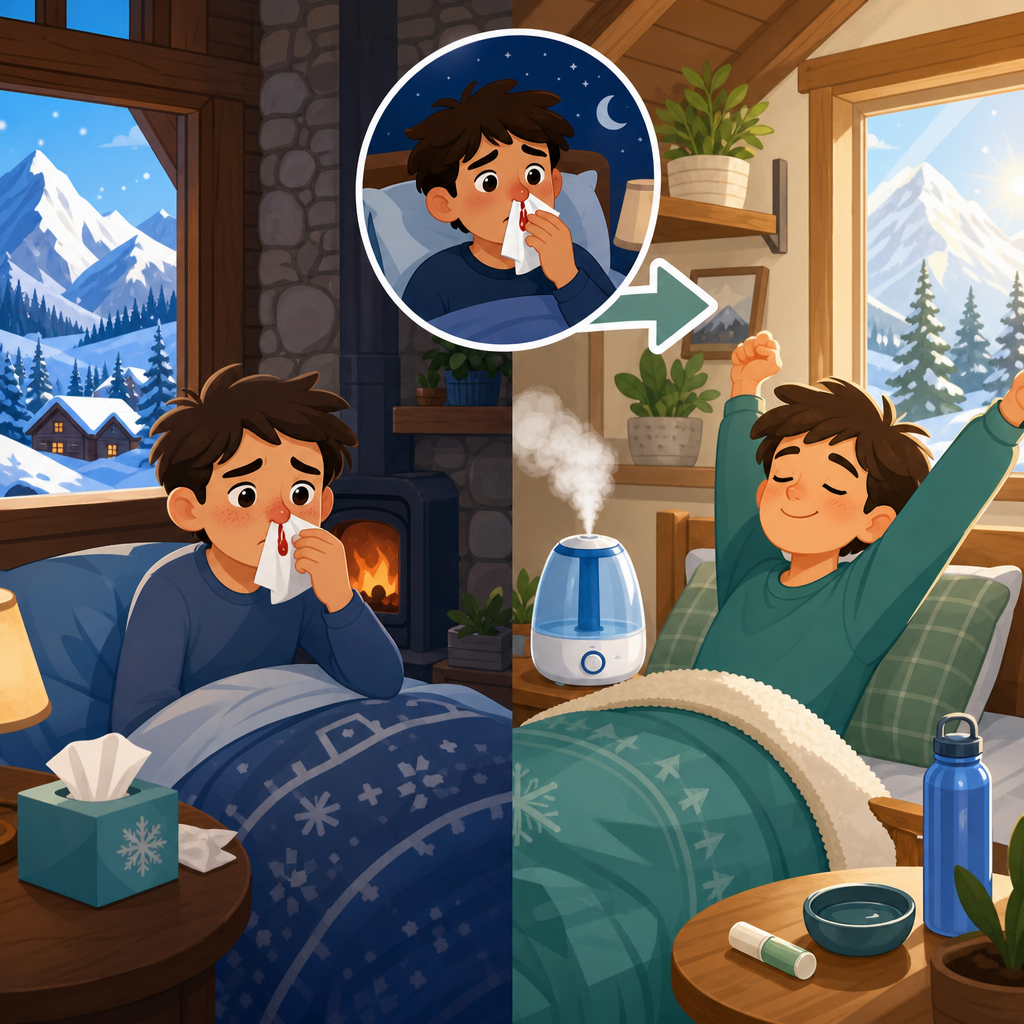
Low temperature adds another stressor by reducing surface oil fluidity and slowing barrier recovery. Wind amplifies evaporation. Ultraviolet exposure also rises with elevation and reflects off snow, which can inflame already fragile skin. In practice, someone skiing all day, riding lifts without insulated gloves, using hand sanitizer, then returning to forced-air heating is creating the perfect sequence for cuticle cracking. The same dry environment often causes nosebleeds, ear pressure sensitivity, dry eyes, and a scratchy throat. Those sensory symptoms are useful clues that the home, hotel, or office environment is too dry and that hand care alone will not fully solve the problem.
The daily prevention routine that works
The most effective way to prevent cracked cuticles and hangnails at altitude is to protect the barrier before damage appears. Apply a fragrance-free cream after every handwashing and a thicker ointment or balm at least twice daily, especially before bed. Creams with glycerin, petrolatum, dimethicone, shea butter, lanolin, or ceramides perform well because they combine humectant, occlusive, and emollient actions. For the cuticle itself, a simple petrolatum-based ointment often outperforms expensive oils because it reduces water loss more effectively. Cuticle oils can help, especially jojoba or squalane blends, but they work best layered under or over an occlusive product rather than used alone in severe dryness.
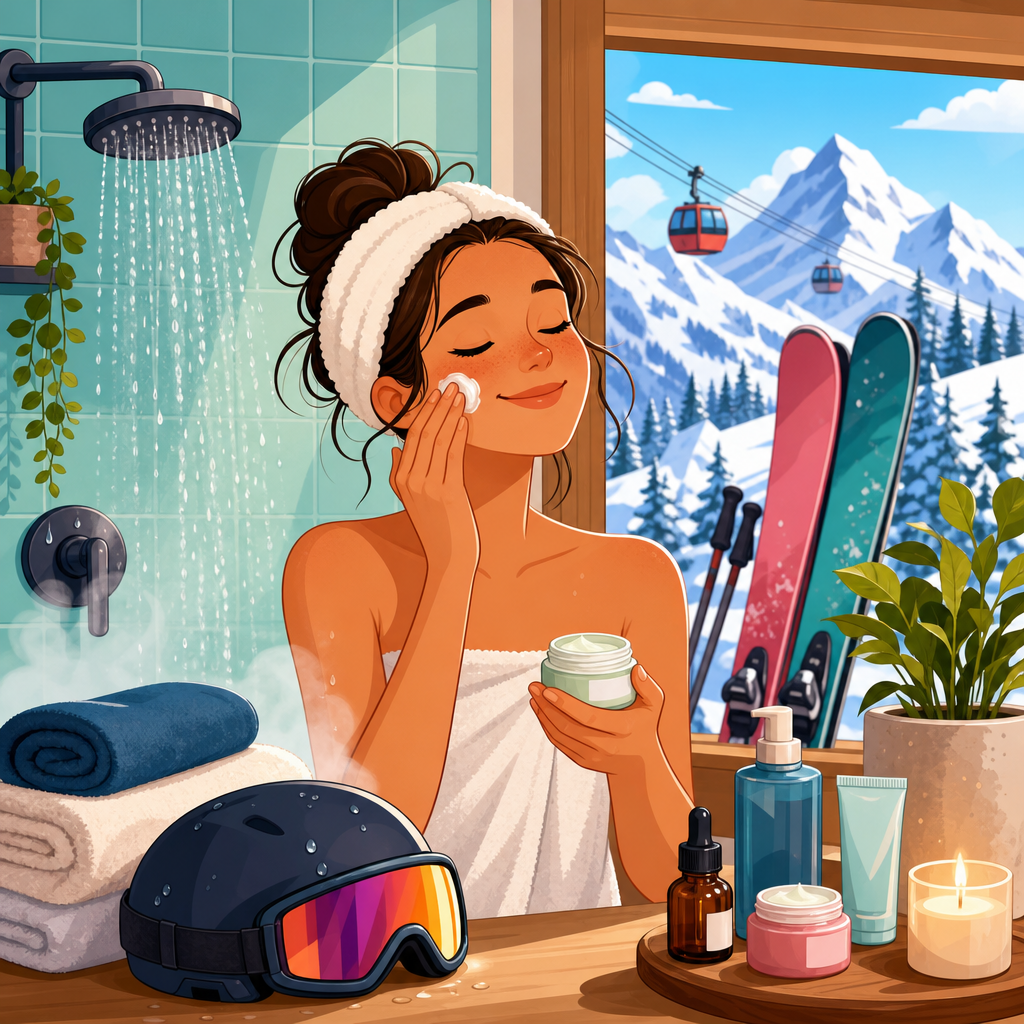
Keep handwashing brief, use lukewarm instead of hot water, and choose a mild syndet cleanser rather than harsh soap. After washing, pat dry and moisturize within one minute. That timing matters because it traps residual water in the skin. At night, I recommend massaging ointment into nail folds and covering hands with lightweight cotton gloves for occlusion. Many patients improve within a week with this single change. During the day, reapply after exposure to sanitizer, dishwashing, snow sports, cleaning agents, or paper-heavy work that physically abrades fingertips. If your cuticles are already rough, do not push them back aggressively. Over-manipulation creates microtears that become hangnails.
How to choose products and tools without making the problem worse
Product choice matters because many popular manicure items are designed for appearance, not barrier repair. Avoid acetone-heavy removers when possible, and limit frequent gel or acrylic applications if your surrounding skin is already inflamed. Fragrances, essential oils, and exfoliating acids can sting compromised cuticles and increase irritation. A plain, rich hand cream from brands that focus on barrier repair is usually a safer starting point than a scented cuticle treatment. Look for ingredient lists that include petrolatum, glycerin, ceramides, colloidal oatmeal, dimethicone, or urea at low concentrations. Urea can soften thickened skin, but on open cracks it may burn, so reserve it for intact roughness rather than fresh splits.
For tools, keep a sharp clean pair of cuticle nippers only for true hangnails. Never pull a hangnail with your fingers or teeth, because the tear often extends into healthy skin. Trim it flush, then seal the area with ointment. Nail files should be fine grit to reduce edge splitting. If you get professional manicures, ask technicians not to cut living cuticle tissue. The cuticle is a functional seal, not excess material to remove. If you use alcohol sanitizer often, carry a formula with added emollients and follow it with cream whenever possible. In offices and travel bags, I keep a small tube of ointment, a fragrance-free cream, and nippers; that simple kit prevents most altitude-related setbacks.
Environmental fixes for hands, nose, ears, and eyes
Because this page anchors the broader ENT and sensory comfort topic, it is important to connect cuticle care to indoor environment control. The same dry air that cracks nail folds also dries nasal passages, thickens mucus, worsens throat irritation, and can contribute to eustachian tube discomfort by irritating upper airway tissues. Dry eyes and contact lens intolerance often appear at the same time. In homes at altitude, the target is usually indoor relative humidity around 30 to 40 percent. Higher levels may be reasonable in some spaces, but sustained humidity above 50 percent can encourage dust mites and mold. A hygrometer gives more reliable guidance than guesswork.
Humidifiers help, but they must be maintained correctly. Evaporative and steam units can be easier to keep hygienic than poorly cleaned ultrasonic models, which may aerosolize minerals or microbial contaminants if neglected. Use distilled water where recommended, empty tanks daily, and clean according to manufacturer instructions. In bedrooms, place the unit close enough to influence your breathing zone but not so near that surfaces become damp. For hands, protect against cold dry airflow from car vents, baseboard heaters, and forced-air systems. Gloves matter too: wear insulated gloves outdoors and nitrile or rubber gloves with cotton liners for dishwashing and cleaning. These environmental steps reduce the entire dryness burden, so cuticles recover faster and related sensory symptoms settle as well.
| Problem at altitude | Most likely trigger | Best prevention step |
|---|---|---|
| Cracked cuticles | Low humidity, frequent washing | Apply cream after washing and ointment at night |
| Hangnails | Brittle skin plus friction or picking | Trim cleanly, never pull, seal with petrolatum |
| Dry nose or nosebleeds | Heated dry indoor air | Use humidification and saline gel or spray |
| Dry eyes | Evaporation from wind and indoor heating | Use preservative-free tears and reduce direct airflow |
| Ear pressure discomfort | Upper airway irritation, altitude changes, congestion | Hydrate, manage nasal dryness, equalize gently |
Travel, sports, and work habits that commonly trigger hangnails
Many cases of hangnails at altitude are behavioral. Air travel is a major setup because cabin humidity is extremely low, often comparable to desert conditions. People board already mildly dehydrated, use sanitizer repeatedly, and arrive in a mountain climate where outdoor wind and indoor heating continue the drying cycle. Skiing, snowboarding, mountaineering, trail work, and winter running add friction from gloves, poles, equipment straps, and repeated temperature swings. Even office work can contribute when paper handling, cardboard, or frequent keyboard use abrades dry fingertips. Musicians, healthcare workers, cooks, and cleaners are particularly vulnerable because they combine repetitive hand use with frequent washing.
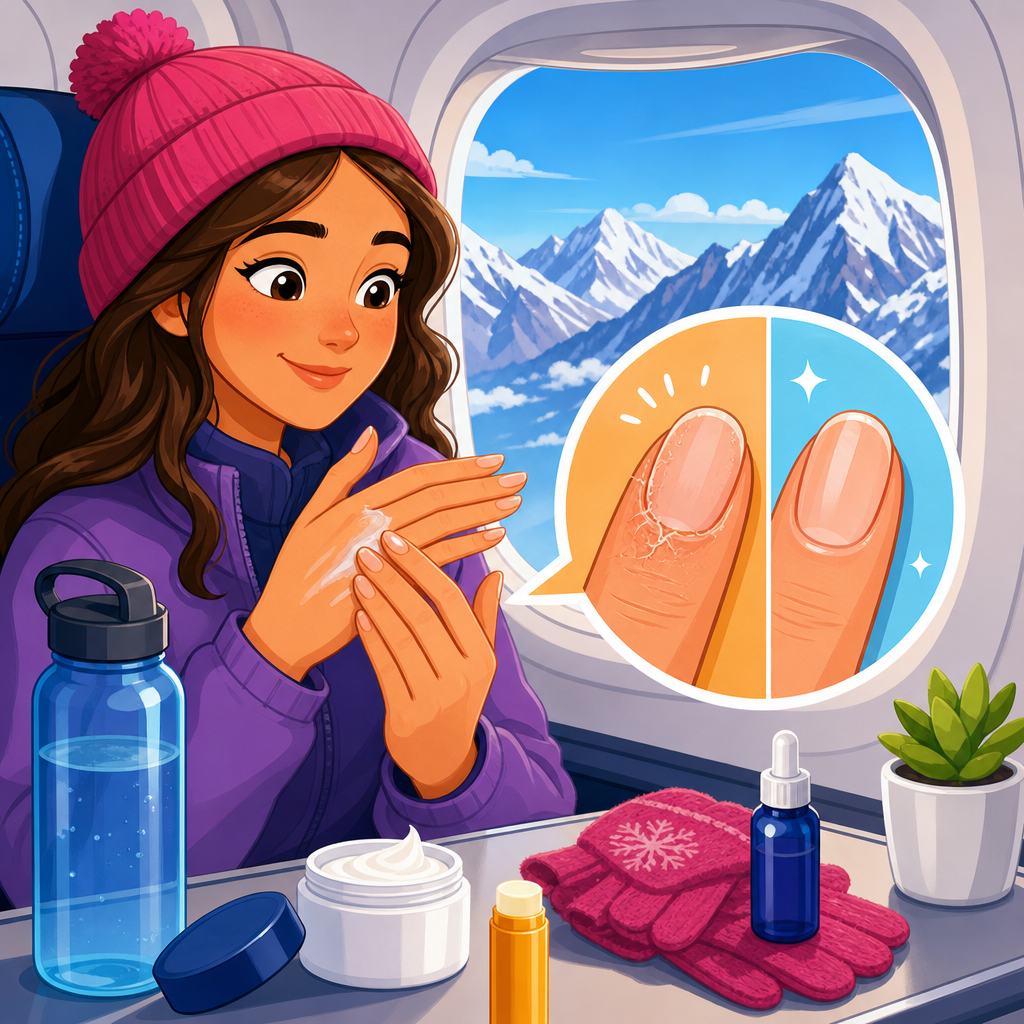
To prevent problems during travel, start moisturizing several days before departure rather than waiting for symptoms. Pack a barrier cream in carry-on luggage, apply before boarding, and reapply after sanitizing or washing. During outdoor sports, choose gloves that preserve warmth without sweating excessively; damp gloves can macerate skin, then leave it fragile when they dry out. Change liners when wet. At work, protect hands from detergents, solvents, and wet tasks by using task-appropriate gloves, then restore the barrier afterward. Small adjustments pay off. One mountain guide I worked with stopped developing painful hangnails simply by applying ointment before sleep, switching to gentler soap, and wearing glove liners during long cold days outside.
When cracked cuticles point to a medical issue
Most cracked cuticles and hangnails at altitude are environmental, but persistent or severe cases deserve a closer look. Chronic hand eczema, irritant contact dermatitis, allergic contact dermatitis, psoriasis, and thyroid disease can all worsen nail fold dryness or inflammation. Recurrent redness, swelling, tenderness, or pus around the nail may indicate paronychia, a nail fold infection caused by bacteria, yeast, or both. If the skin is splitting despite careful moisturizing, or if one or two fingers are much worse than others, consider exposure to a specific trigger such as nail products, cleaning chemicals, rubber accelerators in gloves, or metal tools. Patch testing can help identify allergic causes.
People who bite nails, pick cuticles, play string instruments intensely, or have sensory-driven skin-picking behaviors may need a different strategy focused on habit interruption and skin protection. In diabetes or circulation problems, cracks can heal more slowly and infections carry more risk. Seek medical care if you see spreading redness, significant pain, warmth, drainage, fever, or a rapidly worsening nail fold. For the broader ENT and sensory context, repeated nosebleeds, chronic dry eyes, hearing pressure symptoms, or persistent throat dryness also deserve assessment when home humidity correction does not help. Sometimes the common thread is simply dry air, but autoimmune disease, medication side effects, or inflammatory conditions can present through multiple dryness symptoms at once.
Building a sustainable altitude-care system at home
The best long-term results come from turning prevention into a system instead of relying on willpower. Put hand cream at every sink, desk, bedside table, and entryway. Keep a travel-size ointment in your coat pocket, gym bag, or glove compartment. Use a hygrometer in the bedroom and living area, and adjust humidification to stay in a moderate range. If your home has forced-air heating, replace filters on schedule and avoid directing vents at seating and sleeping areas. For families, simplify product choices so everyone uses the same gentle soap and fragrance-free moisturizer. Consistency beats complexity.
It also helps to link cuticle care with the wider daily-life measures that support comfort at altitude. Hydrate normally, but do not rely on water intake alone to fix dry skin; barrier repair and humidity control are more important. Wear sunscreen on hands because ultraviolet exposure at elevation accelerates irritation and aging. If you have dry eyes, use wraparound eyewear outside and consider preservative-free artificial tears. For nasal dryness, isotonic saline spray or saline gel is usually safer than medicated decongestants, which can worsen irritation when overused. Taken together, these steps address the full pattern of altitude-related skin and sensory stress. Start with one week of disciplined barrier care and indoor humidity checks, then build from there. Most people see fewer hangnails, less soreness, and better overall comfort quickly.
Preventing cracked cuticles and hangnails at altitude is less about finding one miracle product and more about reducing every source of moisture loss and friction. High elevation, heated indoor air, cold wind, ultraviolet exposure, frequent washing, and picking habits all weaken the cuticle seal. The fix is straightforward: use gentle cleansing, moisturize after every wash, apply ointment at night, protect hands during wet or cold tasks, and correct dry indoor air. Because the same environment affects the nose, eyes, throat, and ear comfort, a whole-home approach works better than hand care alone. Watch for warning signs of infection or persistent inflammation, and get help when symptoms do not fit a simple dryness pattern. If you live, work, or travel at altitude, set up your routine now before winter or your next trip. A few small habits can keep your hands intact, comfortable, and far less prone to painful hangnails.
Frequently Asked Questions
Why do cuticles and hangnails get worse at high altitude?
High altitude creates the perfect conditions for dry, fragile skin around the nails. The biggest factor is low humidity. In mountain climates, ski towns, desert-like high-elevation cities, and airplane cabins, the air contains much less moisture than skin needs to stay flexible. That dryness pulls water out of the cuticle and surrounding skin, making it tight, rough, and more likely to crack. Once the skin loses elasticity, even simple daily movement like typing, washing hands, zipping a jacket, or adjusting gloves can cause tiny tears that turn into hangnails.
Other altitude-related stressors make the problem worse. Cold wind strips away surface oils, frequent handwashing removes the lipids that help seal in moisture, and stronger sun exposure at elevation increases skin barrier damage. If you also use alcohol-based sanitizer often, work outdoors, or move repeatedly between heated indoor air and cold outdoor air, the nail folds can dry out even faster. The result is a damaged barrier around the nail plate, which leaves cuticles frayed and hangnails more common. Preventing that cycle depends on replacing moisture, protecting the skin barrier, and reducing repeated irritation before the skin starts to split.
What is the best daily routine to prevent cracked cuticles and hangnails at altitude?
The most effective routine is simple, consistent, and focused on barrier repair. Start by washing hands with a gentle, non-stripping cleanser instead of harsh soaps. Immediately after washing, while the skin is still slightly damp, apply a rich hand cream that contains barrier-supporting ingredients such as glycerin, ceramides, petrolatum, dimethicone, shea butter, or squalane. Then add a few drops of cuticle oil or a thicker balm directly around each nail to soften the cuticle seal and reduce friction. Reapplying after every handwashing session is ideal, especially in very dry climates.
At night, use a heavier repair step. Massage a thicker ointment or occlusive balm into the cuticles and surrounding skin before bed. This helps trap water and gives the skin several uninterrupted hours to recover. If your hands are severely dry, cotton gloves worn overnight can improve absorption and reduce moisture loss. During the day, protect your hands from wind and cold with gloves, and use sunscreen on the backs of the hands because ultraviolet exposure can worsen skin dryness and irritation. The key is frequency. One application in the morning is usually not enough at altitude. Small, repeated applications throughout the day are what keep the cuticle area supple enough to resist cracking.
Which products and ingredients help most for dry cuticles in mountain or airplane environments?
Look for products that do three jobs: attract water, strengthen the skin barrier, and seal moisture in. Humectants such as glycerin, hyaluronic acid, urea, and panthenol help pull water into the outer skin layer. Barrier-repair ingredients like ceramides, cholesterol, fatty acids, and niacinamide support the structure of the skin so it is less likely to split. Occlusive ingredients such as petrolatum, lanolin, beeswax, mineral oil, and dimethicone create a protective layer that slows water loss, which is especially helpful in dry mountain air or on flights.
For the cuticle area specifically, oils can be very helpful, especially jojoba oil, sweet almond oil, sunflower oil, vitamin E, and squalane. These ingredients improve flexibility and reduce the brittle feel that often comes before hangnails develop. Many people do best with a layered approach: hand cream first for hydration, then cuticle oil or balm to lock it in. On airplanes or during outdoor winter activities, an ointment-based product is often more effective than a lightweight lotion because the environment is so dehydrating. Fragrance-free formulas are usually the safest choice if the skin around the nails is already cracked, stinging, or inflamed, since added fragrance and essential oils can further irritate compromised skin.
Should I cut hangnails and trim cuticles, or can that make the problem worse?
Hangnails should be trimmed carefully, but they should not be pulled or bitten. Pulling a hangnail often tears healthy attached skin, creating a larger wound and increasing the risk of bleeding, pain, and infection. If you notice a hangnail, soften the area first by washing hands or soaking the fingers briefly in lukewarm water, then use clean, sharp cuticle nippers or small scissors to snip the loose skin flush with the surface. Afterward, apply a protective ointment or cuticle balm to reduce further splitting.
Cuticles themselves should generally not be aggressively cut away. The cuticle acts as a protective seal over the nail matrix, helping keep out irritants, water, and microbes. Repeated cutting can damage that seal and leave the area more vulnerable, especially in harsh altitude conditions where the skin is already compromised. A better approach is to soften cuticles with oil or cream and gently push them back only if necessary, without forcing or scraping. If you regularly get painful cracking, redness, swelling, or signs of infection around the nails, it may be worth seeing a dermatologist or licensed nail professional for guidance, because over-trimming and repeated trauma are common reasons the area does not heal well.
How can I protect my nails and cuticles on ski trips, in dry mountain towns, or during long flights?
Think ahead, because prevention works better than trying to fix split skin after it happens. Before a ski day, hike, or travel day, apply a rich hand cream and a heavier cuticle balm so the skin starts protected rather than already dry. Keep a pocket-size moisturizer with you and reapply after washing your hands, after using sanitizer, and anytime the skin starts to feel tight. In cold, windy weather, wear insulated gloves outdoors and consider a thin moisturizing layer underneath if your skin is extremely dry. Avoid very hot water when washing, since heat strips away natural oils faster.
For flights, cabin air is notoriously drying, so moisturizing before boarding and several times during the flight makes a noticeable difference. Choose a thick cream or balm rather than a light lotion, and apply it to the nail folds as well as the backs of the hands. Drink water consistently, not because hydration alone solves dry cuticles, but because overall dehydration can compound the problem. Once you arrive at a high-altitude destination, increase the frequency of hand and cuticle care for the first few days while your skin adjusts. If you spend a lot of time outdoors, do not forget sun protection on the hands, since UV exposure is stronger at elevation and can contribute to barrier damage. The most reliable strategy is a combination of moisturizer, occlusion, sun protection, and physical protection from wind and cold.