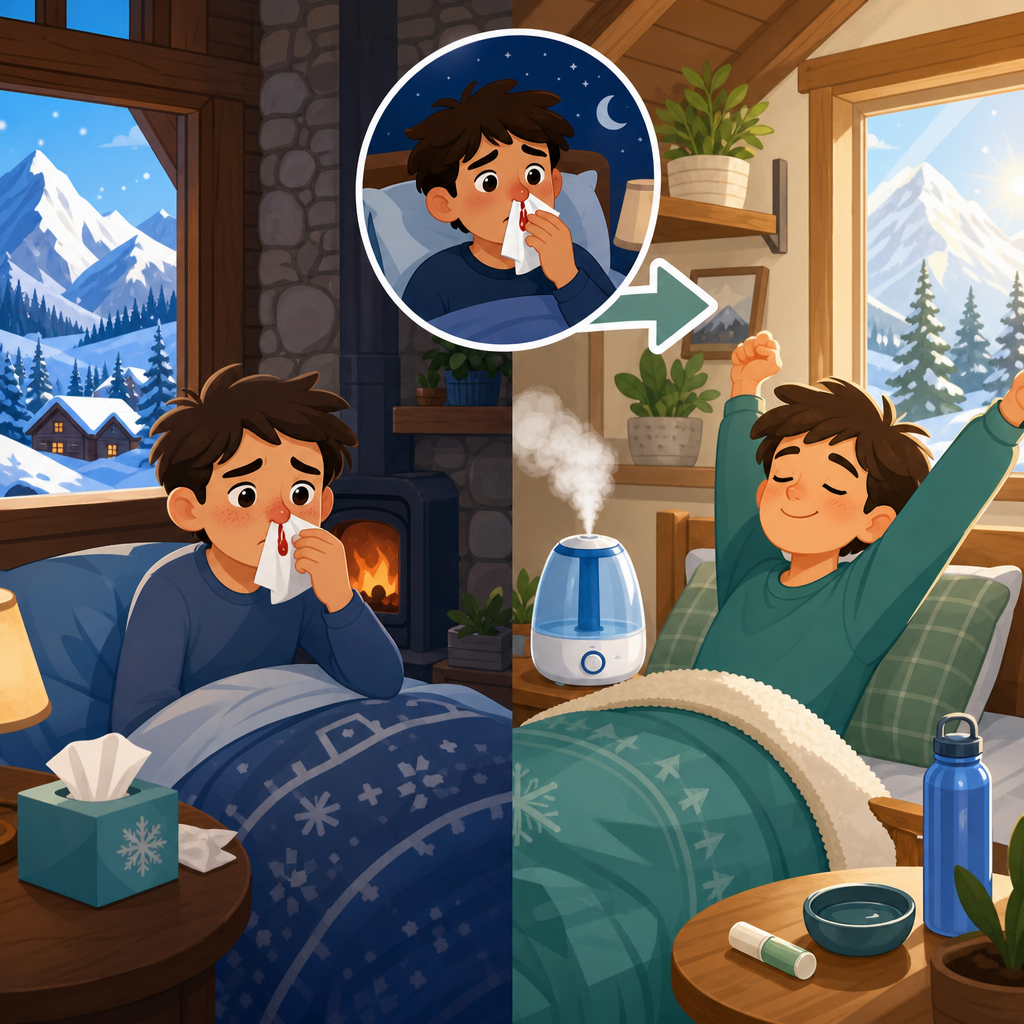
Why your voice feels rough after a day in dry mountain weather comes down to a simple combination of altitude, low humidity, mouth breathing, and extra strain on the delicate tissues that create sound. In clinics and content work focused on ear, nose, and throat comfort, I see this pattern repeatedly: people spend one afternoon hiking, skiing, sightseeing, or even talking in a heated lodge, then wake up with a scratchy throat and a hoarse, effortful voice. The change can feel sudden, but the process starts within hours. Dry air pulls moisture from the lining of the nose, throat, and vocal folds. At the same time, mountain environments often increase respiratory rate, encourage dehydration, and expose people to wind, dust, smoke, and cold air. The result is irritation, thicker mucus, less efficient vocal fold vibration, and that unmistakable rough or raspy sound.
This matters because a rough voice is rarely just “talking too much.” It is often part of a broader set of ENT and sensory issues that cluster in dry climates: nasal dryness, nosebleeds, postnasal drip, sinus pressure, ear popping, tinnitus flare-ups, dry eyes, headaches, reduced smell, and poor sleep from congestion or snoring. Understanding the voice symptom helps connect the larger picture. ENT refers to the ear, nose, and throat system, and sensory issues in this context include hearing, balance, smell, taste, throat comfort, and how environmental stressors alter them. As a hub page under Daily Life, Skin, Eyes & Home Comfort, this article explains the mechanics, practical prevention steps, red flags, and how voice changes relate to linked topics like dry eyes at altitude, nosebleeds in winter air, sinus discomfort on flights, and sleeping well in heated mountain homes.
What dry mountain weather does to your throat and vocal folds
Your voice is produced when air from the lungs passes through the larynx and sets the vocal folds into rapid vibration. For that vibration to stay smooth, the surface lining needs adequate hydration and a thin, slippery mucus layer. Mountain air makes that harder. Relative humidity is often very low, especially in winter and in heated indoor spaces. At altitude, the air contains less water vapor, and indoor heating further dries it. When I have measured home humidity in ski areas, readings of 15 to 25 percent are common, well below the 30 to 50 percent range many clinicians consider more comfortable for mucosal tissues.
Low humidity increases evaporative water loss from the nose, mouth, and throat. If you breathe through your mouth during exercise, because of congestion, or while sleeping, the drying effect intensifies because the nose is bypassed. The nose normally warms, filters, and humidifies incoming air. Without that protection, the back of the throat and larynx receive colder, drier airflow. People often describe the feeling as sandpaper, tightness, or needing to clear the throat constantly. That throat clearing then creates more mechanical irritation, adding to hoarseness.
Cold air also matters. It does not directly “freeze” the vocal cords, but it can trigger airway sensitivity and cause muscles in the throat and neck to tighten. Add a day of talking over wind, traffic, chairlifts, music, or group conversation, and vocal load climbs quickly. Teachers, tour guides, parents, bartenders, and conference attendees are especially vulnerable because they talk for long stretches in noisy settings without realizing how forcefully they are projecting.
Another overlooked factor is systemic dehydration. Altitude increases fluid loss through breathing, and some people urinate more during the first day or two at higher elevations. Alcohol, coffee, long travel days, and vigorous outdoor activity can make the deficit worse. By evening, the voice may feel tired, unstable, or lower in pitch because the vocal fold cover is less optimally hydrated. This does not mean everyone is injured; more often, the tissues are temporarily irritated and less efficient.
Common ENT and sensory problems that travel with a rough voice
A rough voice in mountain weather rarely happens alone. The same dry conditions that irritate the larynx also affect nearby structures. Nasal dryness is one of the first complaints. The nose may feel blocked even when there is little true congestion because swollen, irritated tissue and thickened mucus reduce airflow. Small cracks in the front of the septum can bleed, leading to winter nosebleeds that seem to appear out of nowhere. Reduced nasal moisture also weakens clearance of particles, so dust, wood smoke, and allergens linger longer on the lining.
Sinus symptoms can follow. Thick mucus does not move as efficiently, so people feel facial pressure, postnasal drip, or a heavy sensation around the cheeks and eyes. Ear symptoms are also common because the Eustachian tube connects the back of the nose to the middle ear. If nasal tissue is dry and inflamed, pressure equalization may feel sluggish, especially after driving up elevation, flying, or using mountain roads with rapid altitude changes. That can produce popping, fullness, muffled hearing, or transient discomfort.
Sensory issues extend beyond the ears. Smell and taste can dull when the nasal lining is swollen or coated in thicker secretions. Dry eyes are frequent in the same conditions because tears evaporate faster in wind, sun, and heated interiors. People often think these are unrelated symptoms, but in practice they are linked by the same environmental exposure pattern. That is why ENT & Sensory Issues works well as a hub topic: one trigger often affects voice, nasal comfort, ear pressure, eye moisture, sleep quality, and overall daily function at the same time.
When the voice is rough plus there is severe pain, fever, pus-like mucus, or symptoms lasting more than two to three weeks, the cause may not be dryness alone. Viral infection, bacterial sinusitis, uncontrolled reflux, allergy flare, vocal fold hemorrhage after intense shouting, or laryngitis from another cause should be considered. Dry mountain air is a common contributor, but it should not be used to explain every throat problem automatically.
How to tell dryness-related hoarseness from illness or injury
The timing usually provides the clearest clue. Dryness-related hoarseness often begins after a day outdoors, a long drive at elevation, a night in a heated room, or several hours of talking in a noisy place. It tends to come with thirst, dry lips, nasal crusting, mild throat irritation, and improvement after hydration, steam, quieter voice use, and sleep. The voice may sound raspy in the morning, loosen slightly after a warm shower, then worsen again after more talking.
Illness has a different pattern. Viral laryngitis often includes body aches, fatigue, more generalized sore throat, cough, or a sick feeling. Allergies usually add itching, sneezing, watery eyes, and repetitive congestion. Reflux-related irritation is more common in the morning or after late meals, alcohol, or lying down, and it may come with frequent throat clearing, sour taste, or chronic cough. True vocal injury is more concerning when hoarseness starts suddenly after yelling, cheering, or singing hard, especially if the voice cuts out, pitch range disappears, or speaking becomes painful.
For most adults, hoarseness that persists beyond three weeks deserves medical evaluation. The American Academy of Otolaryngology recommends laryngoscopy when dysphonia does not resolve in that time, or sooner if there are red flags such as neck mass, trouble breathing, coughing blood, significant swallowing pain, history of tobacco exposure, or recent head and neck surgery. That standard matters because prolonged hoarseness can occasionally signal something more serious than environmental irritation.
| Pattern | Likely trigger | Typical clues | Best first response |
|---|---|---|---|
| Hoarseness after hiking, skiing, travel, or heated indoor air | Dryness and vocal overuse | Dry nose, thirst, mild scratchiness, improves with moisture and rest | Hydrate, humidify room, reduce voice load, saline nasal care |
| Hoarseness with fatigue, cough, fever, sore throat | Viral illness | Feels systemically sick, symptoms spread beyond throat | Rest, fluids, symptom care, seek care if worsening |
| Morning rough voice with throat clearing and sour taste | Reflux irritation | Worse after alcohol, large meals, or lying flat | Meal timing changes, reflux management, medical review if persistent |
| Sudden severe hoarseness after shouting or singing | Acute vocal fold injury | Pain, voice cuts out, major pitch loss | Voice rest and prompt ENT assessment |
Practical ways to protect your voice in mountain climates
The most effective strategy is to reduce drying at every step rather than relying on one fix. Start with hydration before you feel thirsty. Water is enough for most people, though oral rehydration solutions can help after strenuous activity. Alcohol is a frequent culprit in resort settings because it combines with altitude and low humidity to worsen dehydration and reflux. If your voice matters the next day, reduce evening alcohol and avoid late heavy meals.
Use the nose whenever possible. Nasal breathing humidifies air far better than mouth breathing. If congestion prevents that, saline spray or saline gel can improve comfort without the rebound effects of overused decongestant sprays. In very dry bedrooms, a humidifier can make a meaningful difference. A cool-mist unit is commonly used; the key is maintenance. Dirty humidifiers can aerosolize microbes or minerals, so tanks should be emptied, dried, and cleaned according to manufacturer instructions.
Voice conservation helps more than people expect. Speak at a comfortable volume, move closer to the listener instead of projecting, and take short voice breaks during long social events. Whispering is not a good substitute because it can strain the larynx more than soft, easy speech. Warm beverages may soothe symptoms, but temperature is less important than the combined effect of fluid intake and reduced throat clearing. If mucus feels stuck, sip water or swallow instead of repeatedly hacking.
Environmental control matters too. Limit exposure to smoke from fireplaces, fire pits, cigarettes, and wildfire haze. Wear a scarf or buff over the mouth and nose in cold wind to retain heat and moisture. In hotels and rental homes, lower the thermostat slightly at night if the room becomes desert-dry. For people with frequent symptoms, checking indoor humidity with a small hygrometer is worthwhile. I recommend aiming roughly for 30 to 40 percent in winter mountain settings when feasible, balancing comfort against the risk of excess moisture and mold.
How this hub connects voice, ears, nose, eyes, and home comfort
This page serves as the central guide to ENT & Sensory Issues because the same exposure can create multiple daily-life problems that overlap and reinforce each other. A dry nose leads to mouth breathing; mouth breathing dries the throat; a dry throat worsens snoring; poor sleep increases pain sensitivity and vocal fatigue the next day. Meanwhile, dry eyes from wind and indoor heat make screens uncomfortable, and ear pressure changes during mountain driving can add headache and a sense of fullness. Looking at one symptom in isolation often misses the practical solution.
That is why related articles under this hub should cover nosebleeds in dry winter air, sinus pressure during altitude changes, dry eyes in heated homes, tinnitus irritation after pressure shifts, and how to sleep comfortably when indoor air is too dry. The internal logic is straightforward: readers searching for hoarseness in mountain weather often also need help with nasal saline use, bedroom humidity, reflux triggers, air purifier choices during smoke season, and when to see an ENT versus an eye doctor or primary care clinician.
From a home-comfort perspective, the mountain environment is a systems problem. Heating systems reduce indoor humidity, wood smoke adds particulates, altitude changes breathing patterns, and lifestyle factors like skiing, hot tubs, après-ski drinks, and late dinners amplify the load on the throat. Small adjustments across the system usually work better than any single product. A humidifier in the bedroom, saline gel by the sink, water during outdoor activity, and quieter speech habits at dinner can prevent the next-morning rasp many travelers assume is unavoidable.
When to get help and what treatment may look like
If your voice improves within a few days of hydration, humidification, and lower voice use, home care is usually enough. But seek medical advice sooner if you have trouble breathing, high fever, severe one-sided throat pain, dehydration that is not improving, or marked ear pain with hearing loss. An ENT evaluation becomes especially important if hoarseness lasts beyond three weeks, keeps recurring, or affects professional voice use.
Treatment depends on the cause. For dryness-related irritation, clinicians often focus on hydration habits, nasal moisturization, environmental changes, and short-term voice conservation. If allergy or reflux is contributing, those conditions need direct treatment. If laryngoscopy shows nodules, polyps, hemorrhage, or significant inflammation, management may include speech-language pathology, medication, stricter voice rest, or rarely procedural care. The key benefit of early assessment is precision: many people guess wrong about why their voice changed.
The main takeaway is simple. Your voice feels rough after a day in dry mountain weather because low humidity, altitude, cold air, and vocal overuse strip moisture from the tissues that need it most. That same environment can also affect your nose, ears, eyes, sleep, smell, and overall comfort. Protecting your voice means protecting the whole ENT system: hydrate early, breathe through your nose, humidify sleeping spaces, reduce smoke and shouting, and pay attention to persistent symptoms. Use this hub as your starting point for related ENT & sensory issues, then take one practical step today so tomorrow’s air feels easier to live in.
Frequently Asked Questions
Why does my voice get rough so quickly in dry mountain weather?
Your voice can change surprisingly fast in dry mountain weather because the tissues involved in speaking are extremely sensitive to moisture loss. The vocal folds need a thin, slippery layer of surface hydration to vibrate smoothly. At higher elevations, the air is often much drier, and that dryness pulls moisture from your nose, throat, and larynx more quickly than many people realize. Once those tissues become less hydrated, the vocal folds do not move as efficiently, so your voice may start to sound rough, thin, weak, or raspy.
Altitude adds to the problem indirectly. While altitude itself does not automatically injure the voice, mountain environments often lead people to breathe faster, drink less water than they need, and spend time in heated indoor spaces that are even drier than the outdoor air. Many people also talk loudly over wind, traffic, ski lifts, restaurants, or lodge noise, which increases vocal effort. Put together, low humidity, heavier breathing, and extra voice use can leave the throat feeling scratchy and the voice sounding strained by the end of the day.
This is why the change can feel so sudden. The problem is usually not a single dramatic event but a pileup of smaller stressors: dry air, mouth breathing, cold air exposure, more talking than usual, and less-than-ideal hydration. Even one afternoon of hiking, skiing, sightseeing, or socializing in a mountain town can be enough to make the voice feel noticeably rough the next morning.
Is dry mountain air actually affecting my vocal cords, or is it just my throat feeling dry?
It can be both, and that distinction matters. Many people describe a “dry throat” when what they are really noticing is irritation throughout the upper airway, including the back of the mouth, the throat, and the larynx where the vocal folds sit. The dry sensation often starts in the throat because that is where irritation is easiest to feel, but the voice changes suggest the vocal folds themselves are also being affected. When the surface of the vocal folds loses moisture, they require more effort to vibrate, and the sound quality can become hoarse, rough, breathy, or unstable.
At the same time, mountain conditions often irritate the entire vocal tract. If your nose becomes dry and congested, you are more likely to switch to mouth breathing. Mouth breathing bypasses the nose’s normal job of warming, filtering, and humidifying incoming air. That means colder, drier air reaches deeper into the throat and larynx, which can intensify irritation. So even if it begins as a general dry-throat feeling, the voice can become involved very quickly.
Another reason this feels more than superficial is that people tend to compensate without realizing it. If the voice feels weak or less responsive, many individuals push harder to be heard. That extra pressure can create a cycle: dryness leads to inefficient vibration, which leads to strain, which further aggravates the tissues. So yes, the discomfort may start with throat dryness, but the rough voice usually means the tissues responsible for producing sound are part of the picture as well.
Why is mouth breathing such a big factor when I am hiking, skiing, or walking at altitude?
Mouth breathing is a major factor because the nose is designed to protect the airway in ways the mouth simply cannot match. Under normal circumstances, nasal breathing helps humidify, warm, and filter the air before it reaches the throat and larynx. In dry mountain conditions, that protective step becomes even more important. But when you are exercising, climbing, talking while active, or feeling short of breath at elevation, it is very common to switch from nose breathing to mouth breathing, especially without noticing it.
Once that happens, the tissues of the mouth, throat, and voice box are exposed to a much drier air stream. This increases moisture loss and can leave the lining of the upper airway feeling sticky, irritated, and inflamed. For the vocal folds, that matters because they work best when their surface is well lubricated. Dry, irritated tissues do not vibrate as freely, so the voice may sound harsher and require more effort. Many people interpret that as “losing” their voice after a day outdoors, when in reality the tissues are reacting to dehydration and overuse.
Mouth breathing also tends to go hand in hand with behaviors that add further strain. People often speak while exerting themselves, call out to companions over distance, or talk over wind and ambient noise. That combination of forceful voice use and dry airflow is particularly tough on the voice. If you are prone to allergies, nasal congestion, or snoring, you may be even more vulnerable because you are already more likely to breathe through your mouth both during the day and overnight.
What can I do to protect my voice during a day in dry mountain weather?
The most effective approach is to reduce drying and reduce strain at the same time. Start with hydration early, not just after your throat feels dry. Sip water consistently throughout the day because by the time your voice feels rough, the tissues may already be under stress. While drinking water does not directly bathe the vocal folds in the way many people imagine, staying well hydrated supports the body’s ability to keep mucus thin and the lining tissues healthier overall. Warm fluids can also be soothing for throat comfort, even if they are not a cure-all.
Try to favor nasal breathing whenever possible, especially during lighter activity or while resting. If you are exercising hard and need to breathe through your mouth, be aware that you may need more vocal rest afterward. Limit shouting, prolonged talking in cold air, and speaking over background noise. In mountain settings, people often underestimate how much extra effort they are using to communicate outdoors or in busy lodges. Speaking a little less and a little more gently can make a significant difference by evening.
Environmental support helps too. If you are indoors in a heated hotel room or lodge, a humidifier can be useful, especially overnight. Avoid excess alcohol and too much caffeine if they leave you feeling dehydrated, since both can make it easier to fall behind on fluids. If reflux tends to irritate your throat, be mindful that travel, late meals, alcohol, and altitude-related routine changes can make your throat feel worse the next morning. Short voice breaks, good sleep, and avoiding throat clearing are also practical protective habits. If you need to clear your throat, a sip of water or a gentle swallow is usually less irritating.
When should I worry about a rough voice after mountain travel, and when is it just temporary irritation?
In many cases, a rough voice after a day in dry mountain weather is temporary and improves once you rehydrate, rest your voice, and return to a less irritating environment. If the hoarseness is mild, clearly tied to a dry-weather day, and gets better over the next several days, that pattern usually fits short-term irritation and vocal fatigue. The same is true if the scratchy throat improves with humidity, fluids, and reduced voice use.
It is worth paying closer attention, however, if the voice change is more severe, lasts longer than about two weeks, or keeps recurring every time you use your voice. Persistent hoarseness, pain with speaking, a sensation of significant strain, loss of vocal range, or a voice that cuts out completely can suggest more than simple dryness. You should also seek medical evaluation sooner if you have trouble breathing, trouble swallowing, coughing up blood, significant throat pain, fever, or symptoms that seem out of proportion to the weather exposure.
People who rely on their voice professionally should be especially cautious. Teachers, coaches, speakers, guides, singers, and hospitality workers often push through early symptoms and can turn a reversible irritation into a more stubborn problem. If your voice is not recovering as expected, an ear, nose, and throat specialist or a voice-focused clinician can help determine whether dryness and strain are the whole story or whether issues such as reflux, allergy, infection, vocal fold swelling, or another laryngeal problem are contributing. When in doubt, ongoing hoarseness deserves attention, especially if rest and hydration are not making a clear difference.