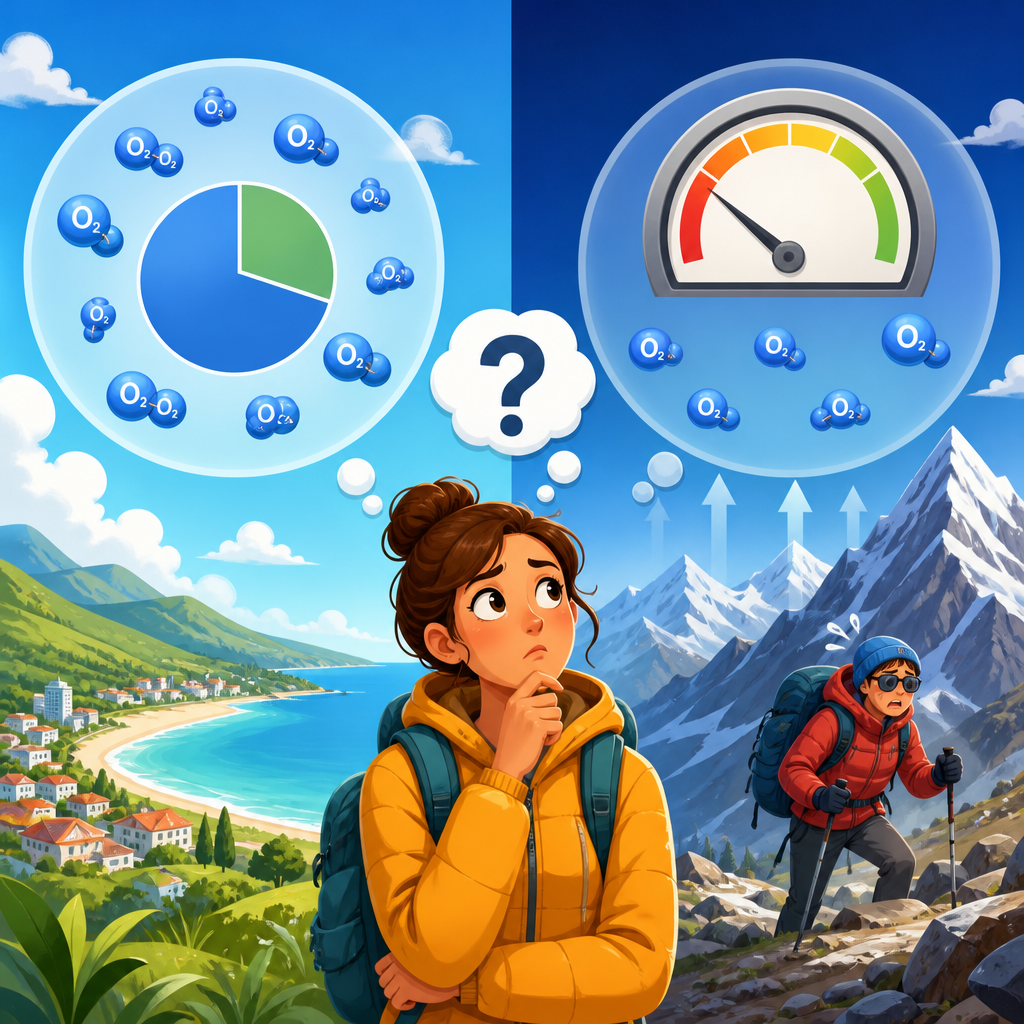
Air pressure drops as elevation rises because there is less atmosphere above you pressing downward, and that simple fact shapes weather, human biology, engineering, cooking, and the cultures of high-altitude communities. In practical terms, air pressure is the force exerted by the weight of air molecules on a surface, usually measured in millibars, hectopascals, or inches of mercury. Elevation is height above sea level. As you climb a mountain, fly in an aircraft, or live on a plateau, the column of air above becomes shorter and lighter, so pressure decreases. At sea level, standard atmospheric pressure is 1013.25 hPa, but at about 5,500 meters, it is roughly half that value. That decline matters because pressure influences how much oxygen enters the lungs, how water boils, how storms behave, and how communities adapt daily life. I have worked on altitude education projects where this question came up constantly, usually from travelers who thought “thin air” meant less oxygen percentage rather than lower pressure. The percentage of oxygen stays near 21 percent in dry air; what falls is the partial pressure that drives oxygen into the bloodstream. Understanding that distinction helps explain why people tire faster, why bread recipes fail in mountain towns, and why architecture, clothing, festivals, and livelihoods in places like the Andes, Himalayas, Ethiopian Highlands, and Rocky Mountains reflect altitude as much as geography. This hub article connects the underlying science with the lived culture of elevation, giving you the foundation to explore high-altitude weather, physiology, agriculture, transportation, and community resilience with confidence.
The core science: why pressure falls with height
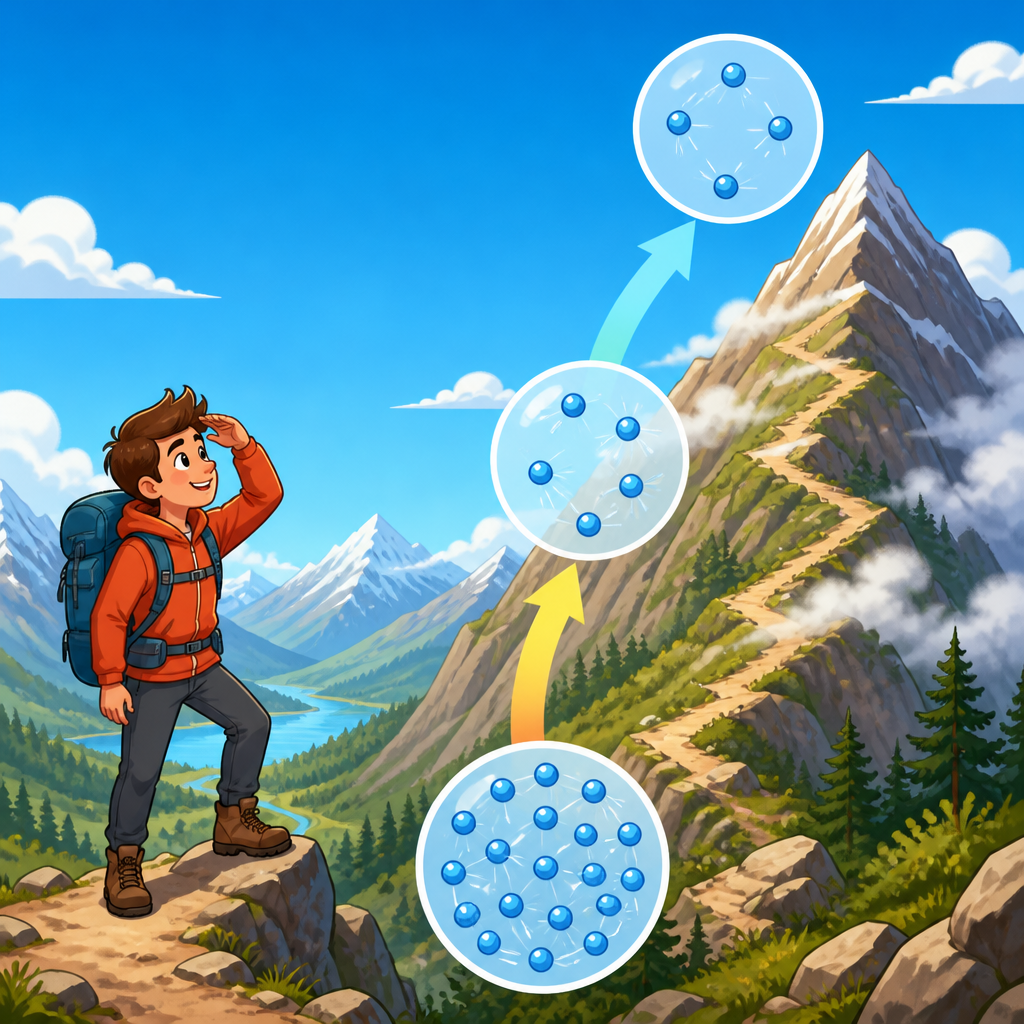
The atmosphere is held close to Earth by gravity, so the densest air sits near the surface. Air pressure at any point is created by the weight of all the air above that point. As elevation rises, there are fewer molecules overhead, and pressure declines. The change is not perfectly linear because air is compressible. Near sea level, pressure falls relatively quickly with height, then the rate changes as the atmosphere thins. Meteorologists describe this relationship with the barometric formula, which links pressure to altitude, temperature, gravitational acceleration, and the gas constant. In standard atmosphere calculations, pressure at 3,000 meters is around 700 hPa, compared with 1013 hPa at sea level. That means a person standing in Denver, Mexico City, or Lhasa lives under noticeably lower pressure every day.
Temperature also affects pressure because warm air expands and cold air contracts. That is why pressure surfaces in the real atmosphere sit higher during warm conditions and lower during cold conditions. Pilots pay close attention to this because density altitude, not just field elevation, determines aircraft performance. A high airport on a hot day can behave like an even higher airport aerodynamically, reducing engine efficiency, lift, and climb rate. In mountain regions, this is more than textbook science; it affects scheduling, runway calculations, cargo loads, and safety margins.
The direct answer to the common question is straightforward: air pressure decreases exponentially with elevation. The reason it matters is broader than a single physics concept. It controls oxygen availability, evaporation rates, heating, cloud formation, and many routine decisions in elevated communities.
How much does pressure change? Useful benchmarks by altitude
People often understand the concept better when they can attach numbers to familiar elevations. The benchmarks below use standard atmosphere values and show how quickly pressure falls compared with sea level.
| Elevation | Approximate pressure | Pressure relative to sea level | Everyday implication |
|---|---|---|---|
| 0 m | 1013 hPa | 100% | Baseline for weather reports and most recipe standards |
| 1,500 m | 845 hPa | 83% | Noticeable shortness of breath during hard exercise for some visitors |
| 2,500 m | 747 hPa | 74% | Water boils at a lower temperature; acclimatization becomes important |
| 3,500 m | 658 hPa | 65% | Altitude illness risk rises; baking and hydration need adjustment |
| 5,500 m | 506 hPa | 50% | Oxygen uptake is severely limited without acclimatization |
| 8,848 m | about 314 hPa | 31% | Extreme altitude near Everest summit; survival time is limited |
These figures explain why “a little higher” can feel like a big change. The pressure difference between sea level and 2,500 meters is large enough to alter athletics, sleep quality, appetite, and cooking times. Communities that have lived for generations at those elevations build routines around these realities, while newcomers feel them immediately.
Oxygen, breathing, and what the body experiences
When elevation rises, the oxygen fraction of the air remains nearly constant, but the lower total pressure reduces the partial pressure of oxygen. That lowers the driving force for oxygen transfer from the lungs into the blood. As a result, breathing rate increases, heart rate rises, and physical performance drops, especially before acclimatization. This is why hikers in Cusco or trekkers in Namche Bazaar often feel winded walking stairs that would be easy at sea level.
Acclimatization is the body’s short-term adjustment process. Within hours to days, ventilation increases, plasma volume changes, and the kidneys begin regulating acid-base balance to support deeper breathing. Over a longer period, the body can increase red blood cell production through erythropoietin signaling, though that adaptation has limits and tradeoffs, including thicker blood if the response becomes excessive. In my work reviewing visitor education materials for mountain destinations, the most effective guidance always starts with pacing, hydration, gradual ascent, and recognizing symptoms early rather than treating altitude as a test of toughness.
Altitude illness exists on a spectrum. Acute mountain sickness commonly includes headache, nausea, fatigue, poor sleep, and dizziness. More dangerous are high-altitude cerebral edema and high-altitude pulmonary edema, both medical emergencies that require descent and often supplemental oxygen. The Wilderness Medical Society and the CDC both emphasize gradual ascent, rest days, and caution after about 2,500 meters. Medications such as acetazolamide can help in some cases, but they do not replace sensible ascent planning.
Weather, climate, and mountain environments
Lower air pressure with elevation affects weather directly and indirectly. Because pressure drops and air expands as it rises, rising air cools. Cooling can lead to condensation, cloud formation, and precipitation when moisture is present. This is one reason mountains generate orographic precipitation on windward slopes while creating rain shadows on leeward sides. The Andes, Sierra Nevada, and Himalayas all show this pattern clearly, shaping ecosystems, farming zones, and settlement patterns.
Daily temperature swings are also often more dramatic at altitude because thinner air holds less heat and many elevated regions have lower humidity. Solar radiation is more intense too, partly because there is less atmosphere to scatter and absorb incoming sunlight. That combination explains why mountain communities may experience strong daytime sun, cold nights, and rapid weather changes. For residents, this affects building materials, clothing systems, work schedules, and water storage. For visitors, it means sunscreen, layers, and respect for forecast shifts are not optional.
Snowpack and glacier behavior are tied to altitude as well. Pressure itself is not the only driver, but the temperature patterns linked to elevation determine whether precipitation falls as rain or snow and how long it remains frozen. In highland societies dependent on meltwater, these patterns influence planting calendars, migration routes, religious observances, and conflict over water resources.
Cooking, farming, and daily life above sea level
One of the clearest household effects of lower air pressure is the boiling point of water. At sea level, water boils at 100 degrees Celsius. At 2,000 meters, it boils at roughly 93 degrees Celsius; at 3,000 meters, near 90 degrees Celsius. Because boiling happens at a lower temperature, foods cooked in boiling water often take longer, even though the water appears equally vigorous. Beans stay firm longer, pasta textures change, and sterilization processes require adjustment. Pressure cookers become valuable because they raise internal pressure and temperature, restoring efficiency.
Baking changes too. Lower pressure means gases in dough and batter expand more easily, so cakes can rise too quickly and collapse, while cookies spread differently. High-altitude recipes often reduce leavening, increase flour, adjust liquid, and raise oven temperature slightly. These are not niche tricks; they are standard knowledge in mountain regions from Colorado to the Bolivian Altiplano.
Agriculture reflects pressure through climate, season length, frost risk, and soil moisture rather than pressure alone. Highland farmers select crops adapted to short growing seasons and sharp microclimates. Potatoes in the Andes are a classic example, with thousands of cultivated varieties tied to elevation bands, storage methods, and culinary traditions. Barley, quinoa, yak and llama pastoralism, terraced fields, and greenhouse innovation in cold deserts all show how communities transform atmospheric limits into stable food systems.
Culture and adaptation in high-altitude communities
Science explains the mechanism, but culture shows the long arc of adaptation. High-altitude communities do not simply endure lower air pressure; they organize life around it. In the Andes, traditional housing, layered textiles, coca use, terraced agriculture, and festival calendars reflect climate and labor realities shaped by elevation. In the Himalayas, Sherpa communities developed livelihoods, spiritual geographies, and mobility patterns suited to steep terrain, cold conditions, and limited oxygen. On the Tibetan Plateau, architecture, animal husbandry, diet, and monastery networks all bear the imprint of altitude.
Biological adaptation also differs among populations. Research comparing Andean, Tibetan, and Ethiopian highlanders shows that long-term human adaptation to low-pressure environments is not identical everywhere. Tibetans, for example, often maintain relatively lower hemoglobin levels than Andean populations while supporting oxygen delivery through other physiological pathways, including ventilation patterns and genetic variants associated with hypoxia response. This is an important reminder that culture and biology evolve together, but not in one universal way.
Modern infrastructure adds another layer. Roads, airports, hospitals, and schools at altitude need specialized planning for weather exposure, fuel efficiency, pressure-related health risks, and supply chains. Tourism can bring income while also straining water, housing, and medical resources. The strongest mountain communities tend to blend inherited local knowledge with contemporary science rather than treating them as opposing systems.
Travel, sports, and safety at higher elevations
For travelers and athletes, the question “what happens to air pressure as elevation rises?” becomes immediate when performance drops. Runners slow down, cyclists see reduced power output, and visitors may struggle with sleep or appetite. Elite training centers in places such as Flagstaff and Iten use altitude strategically because lower oxygen availability can stimulate adaptations relevant to endurance. The phrase “live high, train low” emerged from this logic: athletes sleep or reside at moderate altitude to encourage adaptation, then complete intense sessions lower down where oxygen supports higher quality work.
Travel safety starts with ascent profile. Flying directly from sea level to high cities raises risk because the body has no gradual transition. A conservative approach is to rest on arrival, avoid heavy exertion and excess alcohol, eat lightly, and monitor for headache, nausea, or unusual fatigue. Portable pulse oximeters can be useful, but they are not diagnostic by themselves because readings vary with device quality, temperature, and individual response. Symptoms matter more than a single number.
Equipment choices matter too. Sunscreen, lip protection, insulation layers, and hydration systems are essential in dry, sunny mountain air. In very high terrain, supplemental oxygen, hyperbaric bags, and formal emergency plans may be necessary. Good preparation respects the physics of low pressure rather than assuming fitness alone will solve it.
Air pressure decreases as elevation rises, and that one physical rule connects mountain weather, oxygen delivery, farming, architecture, cuisine, transport, and identity. The atmosphere grows thinner because less air sits above you, lowering total pressure and reducing the oxygen pressure available to the body. That is why water boils sooner, storms behave differently on mountains, airplanes need longer takeoff calculations, and visitors may feel weak at elevations where local residents work, celebrate, and raise families with practiced confidence.
For a hub page within Science, Culture & High-Altitude Communities, the key takeaway is that altitude is never just a number on a map. It is a force that shapes ecosystems and daily habits at the same time. To understand high places well, you need both the scientific mechanism and the community knowledge built from living with it across generations. Use this foundation to explore related topics such as altitude sickness, mountain agriculture, highland architecture, sacred landscapes, glacier water, and altitude training, and you will read every high-altitude story with sharper insight.
If you are planning travel, research, teaching, or content work in mountain regions, start by asking how lower air pressure changes the local environment and routine decisions. That single question opens the door to better preparation, better science communication, and deeper respect for the people who call high elevations home.
Frequently Asked Questions
Why does air pressure decrease as elevation rises?
Air pressure decreases with elevation because the higher you go, the less atmosphere is stacked above you. Air pressure is created by the weight of air molecules pressing downward on surfaces below them. At sea level, that column of air is at its greatest depth, so the pressure is highest. As you climb a mountain or move to a high plateau, the column of air above becomes shorter and lighter, which means it exerts less force.
This change is not just a simple idea on paper; it is a direct result of gravity and the way gases behave. Gravity pulls the atmosphere toward Earth, causing air to be more compressed near the surface. That is why lower elevations have denser air and higher elevations have thinner air. The pressure drop is fastest near sea level and becomes more gradual higher up, so it does not decrease in a perfectly straight line. This is why pressure changes that seem modest on a weather map can become very noticeable when you travel quickly to higher terrain.
In short, rising elevation means fewer air molecules are present in a given volume of space, less weight is pressing down from above, and the result is lower air pressure. That single principle helps explain a wide range of effects, from weather patterns to how people feel when they visit mountainous regions.
How does lower air pressure at high elevations affect the human body?
Lower air pressure affects the body mainly by reducing the amount of oxygen available with each breath. The percentage of oxygen in the air stays about the same, but because the total pressure is lower, each lungful contains fewer oxygen molecules. That means your body has to work harder to get the oxygen it needs, especially during exercise or sudden exposure to altitude.
Common early effects include shortness of breath, faster breathing, increased heart rate, fatigue, headaches, and difficulty sleeping. These symptoms are part of the body’s effort to adapt. Over time, many people acclimatize by breathing more deeply and producing more red blood cells, which helps carry oxygen more efficiently. However, acclimatization takes time, and rapid ascent can overwhelm the body’s ability to adjust.
At higher elevations, some people develop altitude sickness, also called acute mountain sickness. Symptoms can include nausea, dizziness, loss of appetite, and persistent headache. In more serious cases, fluid can build up in the lungs or brain, creating dangerous medical emergencies. This is why climbers, hikers, and travelers are often advised to ascend gradually, stay hydrated, avoid overexertion early on, and pay close attention to warning signs. High-altitude communities often develop routines, building styles, work patterns, and cultural practices that reflect long-term living in lower-pressure environments.
Does lower air pressure at higher elevation affect weather and climate?
Yes, lower air pressure at higher elevations plays an important role in both local weather and long-term climate conditions. Because air pressure influences how air moves, expands, cools, and holds moisture, elevation has a strong effect on temperature, clouds, precipitation, and storm behavior. In general, as air rises to higher elevations, it expands because the surrounding pressure is lower. That expansion causes the air to cool, which can lead to condensation, cloud formation, and precipitation.
This process helps explain why mountain ranges often create very different climates on opposite sides. Moist air forced up a mountain slope cools and may drop rain or snow on the windward side. Once that air passes over the peak and descends, it warms and dries out, often creating a much drier leeward side, sometimes called a rain shadow. Lower pressure also contributes to cooler average temperatures at altitude, which is why mountains can support snow and alpine ecosystems even in otherwise warm regions.
Weather forecasting and aviation also depend heavily on understanding pressure changes with elevation. Meteorologists use pressure readings to track systems and identify how air masses are behaving, while pilots rely on pressure-based altitude readings to navigate safely. So although the basic idea is that air pressure falls as elevation rises, the consequences are far-reaching and deeply tied to how Earth’s atmosphere behaves every day.
How does higher elevation change cooking, boiling, and everyday tasks?
Higher elevation changes cooking because lower air pressure lowers the boiling point of water. At sea level, water boils at 212 degrees Fahrenheit, or 100 degrees Celsius, but at higher elevations it boils at lower temperatures. That means boiling water is less hot, so foods like pasta, rice, beans, and eggs often take longer to cook. It also affects baking, where reduced pressure can cause doughs and batters to rise too quickly and then collapse if recipes are not adjusted.
People who live at altitude often adapt by extending cooking times, adjusting liquid amounts, changing oven temperatures, or using pressure cookers. A pressure cooker works by increasing the pressure around the food, which raises the boiling point of water and helps food cook more efficiently. This is one of the clearest practical examples of how air pressure shapes daily life.
Lower air pressure can also affect tasks beyond cooking. Sealed containers may expand, inflatable items behave differently, and some engines and mechanical systems perform less efficiently because thinner air contains less oxygen for combustion. Even simple activities like exercise can feel harder. Over time, entire communities at higher elevations develop everyday habits that account for the realities of lower pressure, from food preparation to building design and work pace.
Can humans, aircraft, and machines function normally at very high elevations?
They can function, but not always in the same way they do at lower elevations. Humans can live at high elevations, and many populations around the world have done so for generations, but normal function often depends on acclimatization or long-term adaptation. The body responds to lower pressure and thinner air by increasing breathing rate, heart rate, and eventually red blood cell production. Even so, physical performance is usually reduced compared with sea level, especially for people who have not had time to adjust.
Aircraft are also strongly affected by lower air pressure. Airplanes rely on air density for lift, engine performance, and aerodynamic control. At higher elevations, thinner air means wings generate less lift at a given speed, and engines may produce less power, especially in aircraft that are not specifically designed to compensate for those conditions. This is why high-elevation airports can require longer takeoff distances and careful performance planning. Commercial aircraft solve part of the human problem by pressurizing the cabin, creating a safer and more comfortable environment for passengers and crew.
Machines in general may need modification or special operating procedures at altitude. Internal combustion engines, industrial equipment, laboratory instruments, and even packaging systems can be affected by lower pressure and reduced oxygen availability. Engineers account for these changes when designing vehicles, buildings, medical systems, and infrastructure for mountainous regions. So while humans and technology can absolutely function at high elevation, they do so best when the effects of dropping air pressure are understood and planned for.