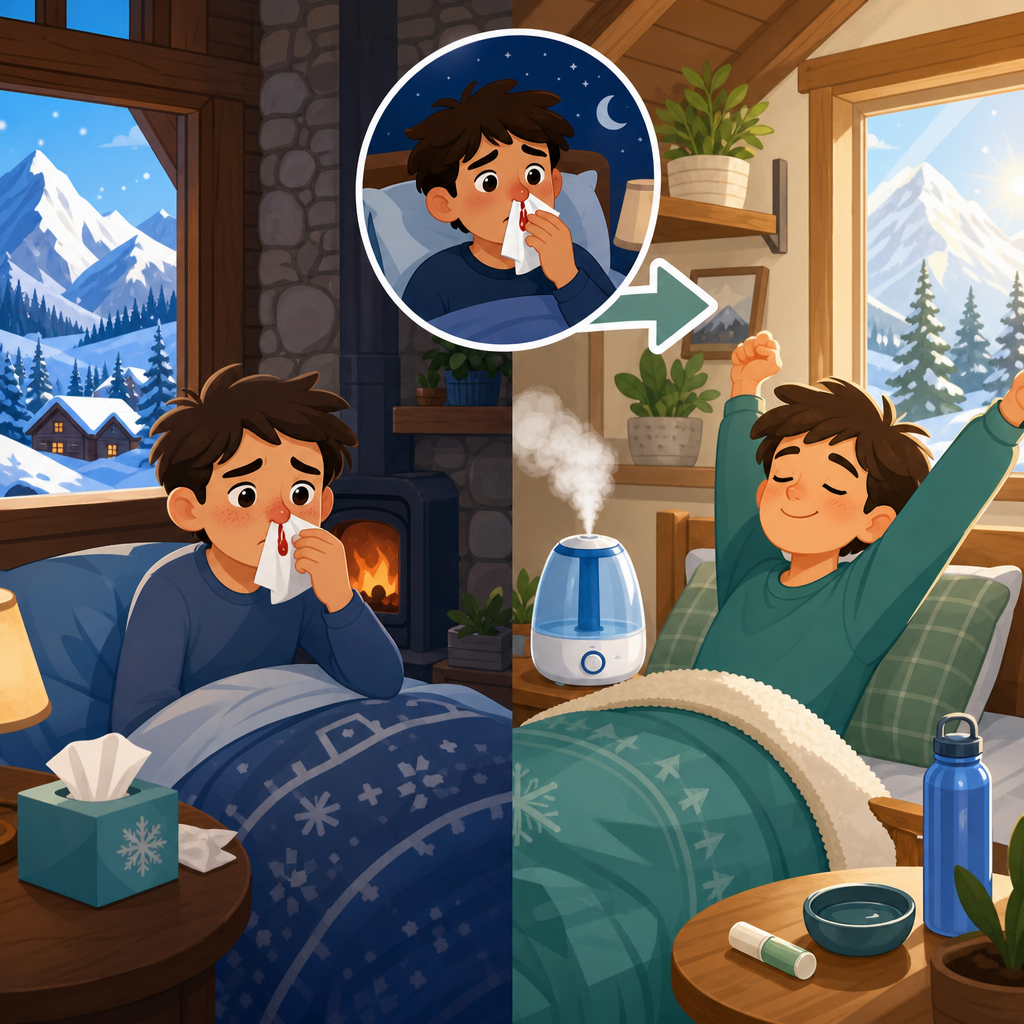
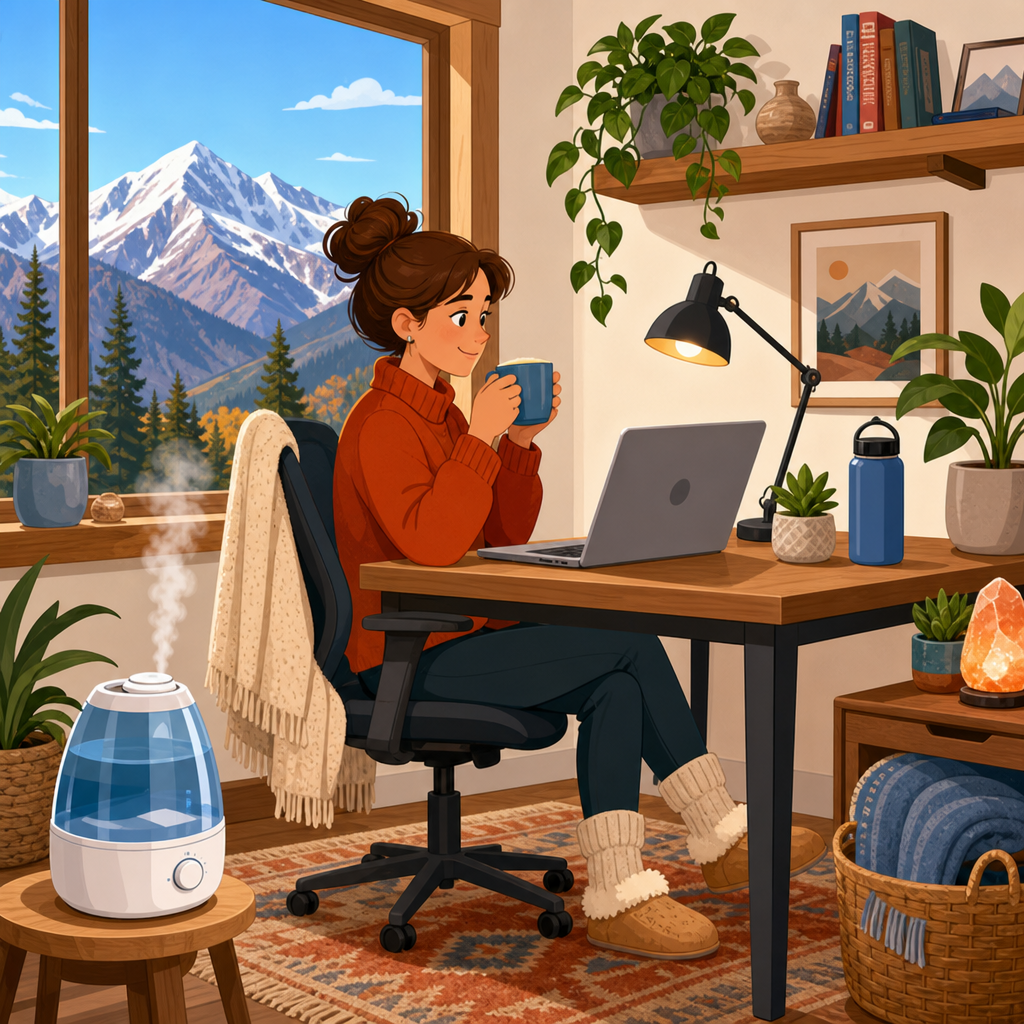
Hosting at elevation changes what a comfortable guest room needs. A space that feels perfectly normal to you at 6,000 or 8,000 feet can feel unusually dry, bright, warm in the day, cold at night, and physically tiring to visitors who arrived from lower elevations. To build a guest room that feels better for visitors new to altitude, you need to plan for altitude adjustment, moisture loss, sleep disruption, sunlight intensity, and simple comfort troubleshooting before problems start. In practice, that means shaping the room around hydration, humidity, temperature control, nasal and eye comfort, and clear guest guidance.
Altitude, in this context, means living high enough above sea level that air pressure is lower and the air usually holds less moisture. Visitors often notice symptoms before they understand the cause: chapped lips, dry throat, restless sleep, mild headache, faster breathing, or feeling overheated under heavy bedding even when the room is cool. A well-designed altitude guest room does not try to medicalize a normal visit. It removes common stressors, makes recovery easier after travel, and gives guests simple tools so they can rest well on the first night.
I have set up guest spaces in mountain climates where newcomers consistently reported the same issues within hours of arrival. The room itself mattered more than most hosts expect. Small decisions such as using fragrance-free detergent, placing a humidifier where mist disperses properly, offering blackout curtains because alpine light starts early, and keeping water visible at bedside made a measurable difference in how quickly people settled in. When guests sleep better the first night, nearly every other complaint drops.
This article serves as the hub for comfort troubleshooting within daily life, skin, eyes, and home comfort at altitude. It explains what to include in the room, how to prevent the most common complaints, and how to troubleshoot discomfort without overcomplicating the guest experience. If you want one guiding principle, use this: reduce dryness, reduce confusion, and reduce friction. Visitors do best when the room quietly answers the questions they have not yet asked.
Start with the altitude comfort basics every guest notices first
The first job of an altitude-friendly guest room is to solve the discomforts that appear within the first twelve hours. Most visitors notice three things immediately: dehydration, dry air, and disrupted sleep. The body loses moisture faster in arid high-elevation environments, especially after flying, drinking alcohol, skiing, hiking, or spending time in heated indoor air. That is why the room should always include a filled water carafe or sealed bottles, clean glasses, lip balm, unscented lotion, and extra tissues within reach of the bed. If guests have to search cabinets at midnight for water or lotion, the room is not fully prepared.
Humidity control is the next priority. In many mountain homes, winter indoor relative humidity can drop below 30 percent, and heated air makes that worse. A humidifier is often the single most appreciated addition for newcomers to altitude, but it should be easy to operate and easy to clean. Cool-mist units are generally preferred for overnight use. Place the humidifier on a stable surface several feet from the bed, not directly against wood furniture or walls, and leave a brief instruction card with the fill line, run time, and cleaning expectations. If your climate is dry but not severe, even raising indoor humidity modestly can improve throat comfort, eye comfort, and sleep continuity.
Temperature management matters because altitude climates often swing sharply between day and night. A common hosting mistake is making the room too warm with heavy blankets. Visitors who are sleeping in a drier environment may wake feeling parched and overheated. Layering works better than a single thick comforter: breathable sheets, a medium duvet, and an extra blanket folded nearby. Natural fibers or quality performance fabrics usually regulate temperature better than cheap microfiber bedding. Add a bedside fan if possible. Moving air helps some guests sleep, and white noise can mask unfamiliar house sounds.
Build the room around sleep, recovery, and easy orientation
New arrivals at altitude often go to bed more tired than usual but sleep less deeply. Lower oxygen pressure, travel fatigue, unfamiliar noises, and dryness can all contribute. You cannot change the elevation, but you can remove obstacles to restorative sleep. Start with light control. Mountain light can be intense, and dawn often feels earlier because of clearer skies and reflective snow. Install blackout curtains or a double-layer system with blackout panels plus a lighter privacy shade. Cover bright electronics, and keep bedside lighting warm and dimmable.
Noise is another common issue. Guests unused to quiet rural areas may wake to furnace cycling, wind, snow removal, wildlife, or early household activity. A small sound machine is worth the space it takes. Models with fan noise, brown noise, or gentle rain tend to work well because they mask sound without becoming distracting. If a dedicated machine is not practical, a compact fan is still useful. I also recommend placing a printed Wi-Fi card, light switch labels if needed, and a simple house guide in the room. Cognitive load matters more than hosts realize. At altitude, when people are tired and mildly dehydrated, even minor uncertainty can feel irritating.
The bedside setup should be intentionally complete. Include water, tissues, a charger or obvious outlet access, a lamp guests can operate without getting out of bed, and a place to put glasses, jewelry, or medication. If the bathroom is not en suite, add a night-light route. Falls and stubbed toes are preventable comfort failures. A robe and slippers are especially helpful in colder climates where floors are chilly and guests may wake during the night needing water or the bathroom. These are basic hospitality details, but they become more important when visitors are adapting to altitude and sleeping less soundly.
Prevent dry skin, eye irritation, and sinus complaints before they start
Dryness is the thread connecting most altitude comfort complaints. Skin loses water faster, eyes can sting or feel gritty, and nasal passages may dry out overnight. A guest room that feels better for visitors new to altitude should treat these not as luxury amenities but as practical supplies. Keep fragrance-free hand cream, body lotion, and lip balm visible rather than tucked in a drawer. Many guests will not ask, and those are usually the people who need them most. Products without strong fragrance are safer because altitude dryness often makes skin more reactive, and perfumes can worsen headaches for some travelers.
Eye comfort is frequently overlooked. People who wear contact lenses often struggle in dry mountain air, especially after flights. A small note suggesting that guests may find glasses more comfortable in the evening is genuinely useful. If you stock extras, preservative-free artificial tears are preferable to redness-relief drops, which can irritate eyes with repeated use. For the same reason, avoid overly dusty fabrics, decorative dried plants, and heavily scented candles in the guest room. Simple, washable surfaces are better for respiratory comfort.
Nasal dryness deserves direct planning. Saline nasal spray is one of the most helpful low-cost supplies you can offer, particularly in winter or in homes heated by forced air or wood stoves. It supports moisture without medicating the guest. If you mention it in your room guide, present it as an optional comfort item, not a sign that altitude is dangerous. Tone matters. Guests should feel cared for, not warned. A compact trash bin, extra tissues, and easy bathroom access round out the setup. When these items are ready before arrival, the room works as a preventive system rather than a reaction to complaints.
Create a simple comfort troubleshooting station guests can use privately
The best host interventions are often the least intrusive. Many visitors would rather solve a small problem themselves than ask for help at 10 p.m. A comfort troubleshooting station lets them do that. This can be one basket, one drawer, or one shelf, but it should be clearly organized and labeled in plain language. Group items by problem: dry air, cold, heat, light, hydration, and minor grooming needs. The goal is not to create a mini pharmacy. The goal is to reduce friction so guests can adapt quickly and privately.
| Comfort issue | What guests commonly feel | What to place in the room | Why it helps |
|---|---|---|---|
| Dry air | Dry throat, chapped lips, stuffy nose | Humidifier, tissues, saline spray, lip balm | Restores moisture and reduces overnight irritation |
| Dehydration | Headache, fatigue, waking thirsty | Water carafe, bottles, electrolyte packets | Encourages steady fluid intake after travel and activity |
| Temperature swings | Too hot under bedding, too cold at dawn | Layered blankets, fan, clear thermostat instructions | Lets guests adjust without waking the host |
| Bright light | Early waking, trouble napping | Blackout curtains, sleep mask | Improves sleep duration and recovery |
| Skin and eye irritation | Itchy skin, gritty eyes | Fragrance-free lotion, artificial tears, gentle soap | Reduces common altitude dryness triggers |
Include only items you can maintain well. Dirty humidifiers, expired eye drops, and half-working fans undermine trust. I prefer a short printed card that says, in effect, “Mountain air is very dry. If you wake thirsty, stuffy, or too warm, everything you need is here.” That framing normalizes discomfort and points to solutions immediately. If your home is part of a larger content system, this is also the point where related guidance on hydration, sleep, skin care, and eye comfort naturally supports the guest experience.
Adjust cleaning products, materials, and house rules for altitude-sensitive visitors
What you remove from the room can be as important as what you add. New visitors to altitude are often more sensitive to strong detergent fragrance, dusty textiles, and stale air because their throat, eyes, and nasal passages are already dry. Wash bedding in gentle, low-residue detergent. Skip heavily perfumed dryer sheets. Vacuum upholstered surfaces thoroughly, and if the room has a forced-air vent, make sure filters are changed on schedule. In homes where wildfire smoke, wood smoke, or seasonal pollen is a concern, a HEPA air purifier can help, especially for guests with allergies or mild asthma. Use it strategically rather than automatically; excessive noise may bother some sleepers.
Material choices also matter. Choose bedding and window coverings that can be cleaned regularly and that do not trap dust. If you are renovating, hard flooring with a washable rug is usually easier to keep clean than wall-to-wall carpet. If you are not renovating, frequent laundering and a simplified decor scheme still help. Avoid clutter. A guest room at altitude should feel calm, breathable, and legible. This is one reason hotel-style excess decor often performs poorly in mountain homes. More objects mean more dust, more visual noise, and fewer obvious places for guests to put their own belongings.
Finally, think through house rules from the guest perspective. If showers should be shorter because of a well system or drought restrictions, explain that clearly and kindly. If windows should stay closed during cold nights or smoke events, say so in the room guide and provide an alternate comfort option such as a fan, humidifier, or purifier. If the thermostat is centrally controlled, do not leave guests guessing; tell them exactly how to request adjustments. Good comfort troubleshooting depends on clarity. Guests are much more forgiving of limits when the alternatives are easy and explicit.
Know when comfort support is enough and when guests need stronger guidance
Most altitude discomfort is manageable with rest, hydration, lighter activity, and a better room setup, but hosts should know the boundary between normal adjustment and symptoms that should not be minimized. Mild headache, poor sleep, dry nose, and unusual fatigue during the first day can be common. Severe shortness of breath at rest, confusion, chest pain, persistent vomiting, blue lips, or symptoms that rapidly worsen are not routine comfort issues. Guests do not need a lecture, but they do need calm, accurate information on how to get help locally.
That can be as simple as including urgent care information, your address written clearly for ride-share or emergency use, and the nearest pharmacy location in the room guide. If your home is in a resort town or remote mountain area, note drive times honestly. In my experience, this practical transparency reassures guests. It also reduces the chance that someone ignores a serious issue because they assume every symptom is “just the altitude.” At the same time, avoid dramatizing common adaptation symptoms. Good hosting balances preparedness with proportion.
The broader benefit of building a guest room this way is that it supports everyone, not only first-time altitude visitors. Locals with seasonal dryness, older relatives, children, contact lens wearers, and travelers arriving after long flights all benefit from better humidity, better sleep design, fewer irritants, and clearer instructions. Comfort troubleshooting is not a collection of gadgets. It is a system: anticipate the predictable problems, provide direct solutions, and keep the room simple enough that guests can use it without asking. Audit your guest room tonight with fresh eyes, remove friction, and add the small essentials that help visitors breathe easier, sleep deeper, and enjoy altitude from day one.
Frequently Asked Questions
What makes a guest room at higher elevation feel different for visitors coming from lower altitudes?
A guest room at altitude often feels different because the environment is noticeably drier, the sunlight is stronger, the temperature swings are wider, and the body has to work harder to adjust. Visitors who live near sea level may notice dry lips, dry nasal passages, thirst, lighter sleep, headaches, and unusual fatigue even if the room looks beautiful and well designed. That is why a successful high-elevation guest room is not just about decor or square footage. It needs to reduce stress on the body from the moment a guest arrives.
In practical terms, that means thinking beyond standard hospitality basics. The room should support hydration, better sleep, and easy temperature control. Blackout window treatments help with intense morning light, especially in sunny mountain locations. Layered bedding helps guests who feel warm in the afternoon but cold overnight. A humidifier or at least simple moisture-supporting options can make the air feel far more comfortable. Even small touches like lip balm, extra water, and clear instructions for adjusting the thermostat can make the room feel intentionally designed for altitude rather than merely located there.
The biggest mistake hosts make is assuming their own comfort level is the baseline. If you have lived at 6,000 or 8,000 feet for years, your body may barely register conditions that a new arrival feels immediately. Building a better guest room starts with recognizing that elevation changes the experience of sleeping, resting, and recovering. The room should help guests acclimate gently, not leave them troubleshooting discomfort on their first night.
What should I include in the room to help guests adjust to altitude more comfortably?
The most helpful guest room features are the ones that anticipate common altitude-related complaints before guests have to ask. Start with hydration support. Keep plenty of drinking water easily available in the room, ideally with glasses or reusable bottles guests can take overnight. A small tray with electrolyte packets or a simple note encouraging guests to drink extra water can be surprisingly useful. At altitude, dehydration happens faster, and many visitors do not realize how much the dry air affects them until they feel it.
Next, address dryness directly. A humidifier is one of the most practical additions to a guest room in a higher-elevation home, especially in winter or in very arid climates. If you use one, make it easy to operate and keep it clean so guests feel comfortable using it. You can also provide tissues, unscented lotion, and lip balm. These are small items, but together they signal that the room has been designed around real environmental conditions rather than generic guest expectations.
Sleep support is also essential. New visitors to altitude may sleep more lightly, wake up thirsty, or feel uncomfortable from temperature changes. Use breathable sheets, layered blankets, and a comforter or duvet that can be adjusted easily. A bedside fan can help with airflow and white noise, while blackout curtains reduce early sunrise glare that is often more intense at elevation. Consider placing a carafe of water and a soft bedside lamp within easy reach so guests do not have to get up and search for essentials during the night.
Finally, make comfort troubleshooting obvious. Provide simple instructions for heat, fans, window shades, and any special room features. If guests are unfamiliar with the home, they may not want to bother you for help, especially late at night. A short welcome note that explains how to warm the room, cool it down, increase humidity, and find extra blankets can make the stay feel much more relaxed and supportive.
How do I set up the bed and bedding for the biggest day-to-night temperature swings?
At higher elevations, one heavy blanket is rarely the best answer. Temperatures can rise quickly during sunny afternoons and then fall sharply after sunset, so the bed should be built in layers rather than around a single fixed level of warmth. Start with breathable base materials such as cotton or linen sheets that do not trap too much heat. Then add a light blanket or coverlet and a separate duvet or comforter that guests can pull on or off as needed. This gives them control without having to remake the entire bed in the middle of the night.
It also helps to provide visible backup options. Keep an extra blanket at the foot of the bed, in a basket, or folded on a chair where guests can find it immediately. If nights are especially cold where you live, an additional throw or heavier spare blanket in the closet is a smart choice. Guests new to altitude often feel chilled faster than expected, especially once they are tired from travel and adjusting to thinner air. Easy layering allows them to respond quickly without feeling awkward about asking for more bedding.
Think about pillow comfort as well. A mix of pillow heights and firmness levels can improve sleep quality, particularly for guests who may already be dealing with mild headaches, congestion, or restlessness. If the air is very dry, breathable bedding becomes even more important because overheating in dry conditions can lead to frequent waking and increased thirst. The goal is not to create the warmest bed possible. The goal is to create a flexible sleep setup that stays comfortable through changing nighttime conditions.
If your room gets significant afternoon sun, evaluate how much heat the bedding retains after the room warms up. Thermal curtains, operable shades, and thoughtful window orientation can keep the sleep environment from becoming too hot before bedtime. In mountain or high-desert areas, the best guest rooms are prepared for both bright daytime warmth and sharp overnight cooling, and the bed should reflect that reality.
How can I manage the dry air and strong sunlight so the room feels restful instead of harsh?
Dry air and intense sunlight are two of the most common reasons a high-altitude guest room feels uncomfortable, even when everything else is well furnished. The air can pull moisture from skin, lips, and nasal passages quickly, especially if indoor heating is running. That can leave guests waking up thirsty, congested, or with a scratchy throat. The strongest solution is to add moisture support directly with a humidifier sized appropriately for the room. If you provide one, make it simple, quiet, and clean, and leave clear instructions so guests know they are welcome to use it.
Supplement that with thoughtful materials and amenities. Soft tissues, fragrance-free lotion, lip balm, and fresh water by the bed all help guests manage the dryness. If the home tends to be especially arid in winter, avoid over-heating the room, since high indoor heat often makes dry-air discomfort worse. A room that is slightly cool but well layered with bedding is usually more comfortable than a room that is hot and dehydrating.
For sunlight, the issue is not only brightness but also heat gain and sleep disruption. Higher elevations often receive stronger UV exposure and very bright morning light. Blackout curtains or tightly fitted shades can make a major difference, especially for guests adjusting after travel or sleeping more lightly than usual. Layering window treatments can work well: use a light-filtering option for privacy during the day and a blackout layer for sleeping. This lets the room stay cheerful and usable without sacrificing nighttime rest.
If possible, choose calming finishes that reduce glare rather than amplify it. Matte paint, softer textiles, and warm lighting can offset the stark effect of intense natural light. The best result is a room that still celebrates the mountain or high-elevation setting but gives guests control over how much brightness, warmth, and exposure they experience. Control is what turns a visually dramatic room into one that is truly restorative.
What are the best final touches that make visitors feel cared for during their first few days at altitude?
The most memorable final touches are the ones that show you understand what first-time altitude visitors actually experience. A simple welcome note can go a long way if it explains that feeling thirstier, more tired, or slightly out of sync is common for the first day or two. This kind of reassurance helps guests interpret mild symptoms correctly and avoid worrying that something is wrong with the room. Keep the tone calm and practical, and include reminders to drink water, rest, and take it easy if needed.
Stock the room with useful essentials rather than decorative filler. A water station, electrolytes, tissues, lotion, lip balm, extra blankets, and easy-to-find snacks can make guests feel instantly supported. If your area is known for very sunny mornings or cool nights, mention that the room includes blackout curtains and layered bedding specifically for that reason. Guests appreciate knowing the space has been prepared intentionally. You can also include a bedside clock, phone charger access, and a small fan or sound machine, since disrupted sleep is common during adjustment.
It is also smart to reduce friction around everyday decisions. Label light switches if they are confusing, explain how to work the thermostat, and make sure guests know where to find additional towels or blankets. If the bathroom is connected, place a glass of water there as well. If your home is in a remote or mountain setting, include basic local guidance such as the nearest pharmacy, urgent care, or grocery store. Most guests will never need that information, but providing it builds confidence and reduces stress.
Above all, focus on making the room feel easy. New visitors to altitude do not need a complicated luxury experience. They need a space that helps them recover, hydrate, sleep, and adapt with minimal effort. When the room quietly solves common altitude problems before they escalate, guests notice. That is what makes a high-e