Mountain sun exposes children to a unique mix of ultraviolet intensity, wind, altitude, snow glare, and fast weather swings, so protecting kids’ skin year-round requires more than packing a summer sunscreen. In mountain communities and vacation areas, I have repeatedly seen parents underestimate how quickly skin stress builds on bluebird ski days, cool spring hikes, cloudy lake afternoons, and even routine school drop-offs at elevation. The best ways to protect kids’ skin from mountain sun year-round combine sun protection, barrier support, hydration, clothing, habit building, and quick troubleshooting when discomfort starts. This matters because children’s skin is thinner, their outdoor time is often longer, and cumulative UV exposure in childhood contributes to later skin damage.
Mountain sun is stronger primarily because altitude reduces the amount of atmosphere filtering ultraviolet radiation. The U.S. Environmental Protection Agency notes that UV levels can increase about 2 percent for every 1,000 feet of elevation gain. Snow can reflect a large share of UV, and water, pale rock, and concrete add more bounce exposure. Wind and cold further confuse the picture: parents feel cool air and assume risk is low, while children receive high UV doses and develop chapping, redness, tightness, or burns. In practical terms, mountain skin protection means shielding against both radiation and environmental irritation at the same time.
Comfort troubleshooting is the daily operational side of prevention. It answers the questions families actually ask: Why is my child’s face red after skiing even with sunscreen? Why do lips crack in winter? Does cloudy weather still cause burns? Which fabrics work best? How often should sunscreen be reapplied at altitude? This hub article addresses those core problems clearly and directly, so parents can make fast decisions for school mornings, trail days, snow sports, road trips, and backyard play. When protection is layered correctly, kids stay comfortable outdoors longer, resist painful flare-ups, and build healthy habits that last.
Understand why mountain sun causes more skin trouble
The first step in comfort troubleshooting is identifying the mountain-specific stressors. UVB drives most visible sunburn, while UVA penetrates more deeply and contributes to long-term skin aging and some skin cancers. At altitude, both matter. Add reflective surfaces, and exposure rises from multiple angles, including under the chin and nose where snow glare reaches. I often tell families to stop thinking only about direct overhead sunlight. In the mountains, light is ambient, reflective, and persistent even when air temperature is low.
Children also have behavioral risk factors. They sweat under helmets, wipe noses with sleeves, forget to reapply balm, and remove gloves just long enough to expose knuckles to windburn and UV. Teens may resist thick creams or visible zinc because of appearance. Babies in strollers can get reflected light from sidewalks or snowbanks despite canopies. Another common issue is that discomfort starts as dryness, not a classic burn, so parents miss the early warning signs. Tight cheeks, stinging around the eyes, rough patches on the ears, and bedtime complaints that skin “feels hot” all suggest the barrier is stressed.
Cloud cover is not reliable protection. Up to 80 percent of UV can pass through light clouds, according to the World Health Organization. That is why kids can burn on overcast hiking days and during shoulder seasons when families are less vigilant. Medications can also raise sensitivity. Some antibiotics, acne treatments, and retinoids increase photosensitivity; active children using these need stricter protection plans. If a child has eczema, the stakes are higher because UV, dry air, and friction can trigger a cycle of inflammation and scratching that becomes harder to control once it starts.
Choose sunscreen that works at altitude and in active conditions
The best sunscreen for mountain use is broad-spectrum, SPF 30 or higher, water-resistant, and acceptable enough that parents will apply the full amount. For prolonged high-altitude recreation, SPF 50 is a practical default because real-world underapplication is common. Broad-spectrum coverage matters because UVA remains significant during long outdoor days and through many windows. Mineral sunscreens with zinc oxide or titanium dioxide are often well tolerated by younger children and by kids with sensitive skin, though some leave a white cast. Well-formulated chemical sunscreens can be easier to spread on older kids who otherwise resist daily use.
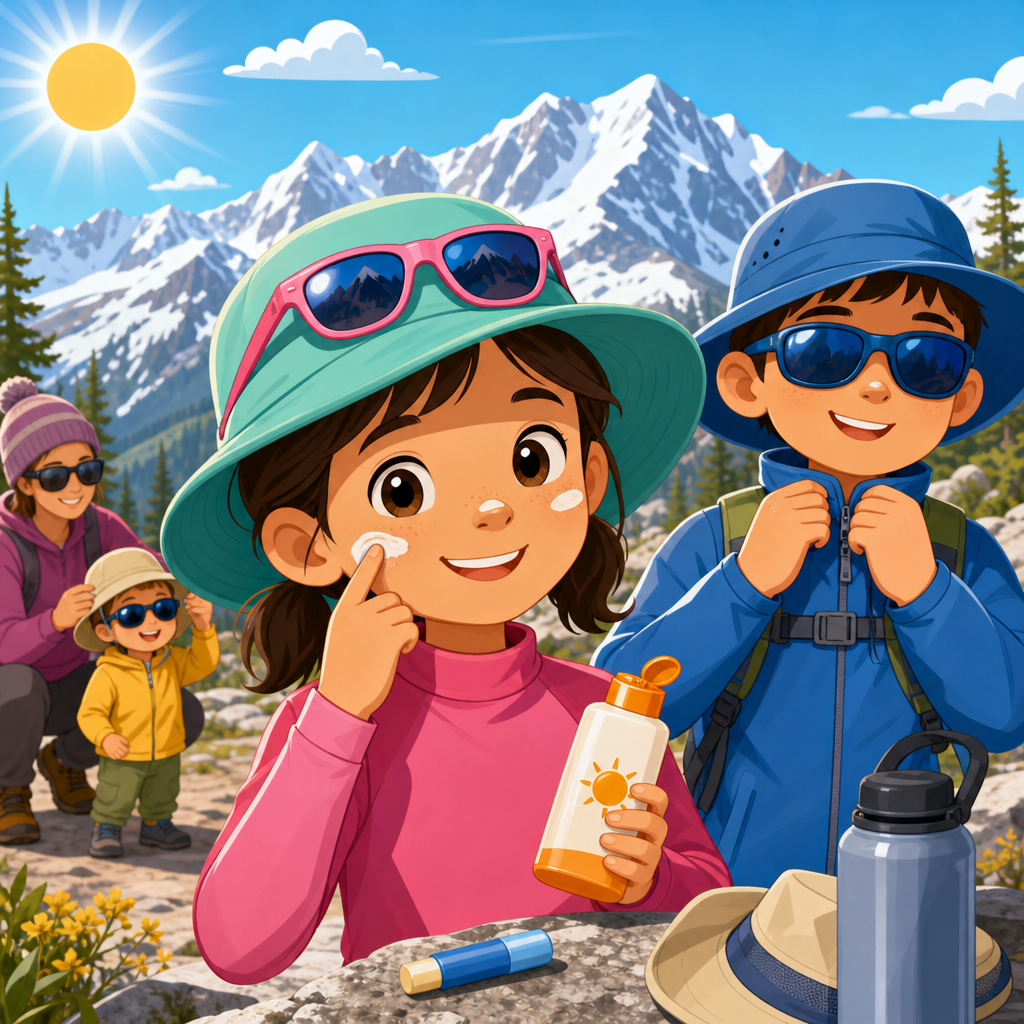
Application technique matters more than brand loyalty. Apply sunscreen 15 minutes before going outside if the formula recommends it, and cover ears, eyelids if tolerated and labeled appropriately, nose, cheeks, forehead, neck, scalp part lines, tops of feet, and backs of hands. The scalp is frequently missed in kids with thin hair or a visible part. Lip protection should be separate: use an SPF 30 lip balm and reapply often. For infants under six months, shade and clothing are primary; sunscreen use should follow pediatric guidance and focus on small exposed areas when avoidance is impossible.
Reapplication is where many mountain families fail. At altitude, every two hours is the standard baseline, but sweating, rubbing with neck gaiters, toweling after sledding, and snack-time face wiping reduce protection sooner. Keep a stick sunscreen in jacket pockets for noses and cheeks and a balm clipped to backpacks. For ski school, camp, or daycare, label products clearly and ask about staff reapplication policies. If a child returns with red semicircles around goggle lines, uneven spread or missed reapplication is usually the culprit, not sunscreen “failure.”
Use clothing and accessories as the first line of defense
Clothing solves many comfort problems before they start. A tightly woven UPF-rated shirt, broad-brim hat, neck gaiter, helmet-compatible balaclava, and UV-blocking sunglasses reduce the amount of skin that needs product and protect areas where sunscreen rubs off fastest. In summer, lightweight long sleeves outperform repeated bare-skin sunscreen battles, especially for toddlers who hate sticky lotion. In winter, face coverage is just as important because cold, dry air and reflected light attack the same exposed zones. For children with sensory sensitivities, soft-seam sun hoodies and smooth balaclavas usually work better than frequent cream applications alone.
Parents sometimes ask whether regular clothes are enough. Darker, denser fabrics generally protect better than thin white cotton, especially when wet. UPF-rated garments provide predictable protection and are worthwhile for hiking, ski racing, lake days, and altitude travel. Sunglasses should block 99 to 100 percent of UVA and UVB, and wraparound styles are better in snow because side glare is substantial. Goggles help on snow days, but exposed lower-face skin still needs coverage. Do not forget ears under helmets; helmet straps and movement often leave the ear rims vulnerable.
| Situation | Main Skin Risk | Best Protection Setup | Common Mistake |
|---|---|---|---|
| Winter skiing | Snow reflection, wind, cold dryness | SPF 50 broad-spectrum, SPF lip balm, goggles, balaclava, helmet ear coverage | Skipping sunscreen because temperatures are low |
| Spring hiking | High UV, variable clouds, sweat | UPF long sleeves, hat, sunglasses, water-resistant SPF 30 to 50, reapply every two hours | Assuming cloud cover blocks most UV |
| Summer lake day | Water reflection, prolonged midday exposure | Rash guard, wide-brim hat, frequent shade breaks, water-resistant sunscreen | Applying once in the morning only |
| School commute at elevation | Daily cumulative exposure | Face sunscreen, lip balm, hat, sunglasses when practical | Saving sun protection for weekends only |
Build a year-round routine that children will actually follow
Consistency beats perfection. The families who manage mountain sun best treat protection as a routine, not an event tied only to beach-style weather. A practical morning sequence is moisturizer first if needed, then sunscreen on exposed skin, then lip balm, then clothing and accessories. Keep duplicates where friction happens: one sunscreen by the mudroom door, one in the car, one in a ski bag, and one in a hiking pack. Habit stacking works well with children. Put on sunscreen before boots, or apply lip balm immediately after buckling a helmet.
Timing outdoor play also helps. When possible, aim for lower-intensity hours, especially in summer and on high-UV days. Check the local UV Index; mountain towns often post it in weather apps and resort dashboards. A UV Index of 3 or higher calls for protection, and values at elevation can rise quickly around midday. Shade planning matters on playgrounds and sidelines where kids stay in one place. Strollers need sun shades, but remember reflected UV from below and the sides. For babies and toddlers, physical barriers remain the safest, simplest base layer.
Children cooperate more when products feel comfortable. Fragrance-free moisturizers reduce stinging on already dry skin. Stick sunscreens are easier around noses and under eyes, while lotions cover larger areas more evenly. Let older children choose between approved textures or packaging so they feel some control. Coaches, teachers, and grandparents should know the routine too. The more adults who understand the mountain environment, the fewer preventable setbacks a child will have during camps, lessons, and family outings.
Troubleshoot common comfort problems fast
Red cheeks after a day outside do not always mean pure sunburn. In mountain settings, the usual causes are a mix of UV exposure, windburn, cold-induced irritation, friction from face coverings, and preexisting dryness. If the skin is warm, tender, and clearly pink in exposed areas, treat it as a mild sunburn: cool compresses, fluids, a bland moisturizer, and time out of further sun. If the skin is rough, tight, and patchy without much tenderness, barrier damage is more likely. In that case, switch temporarily to gentle cleansing, richer emollients, and reduced friction from masks or gaiters.
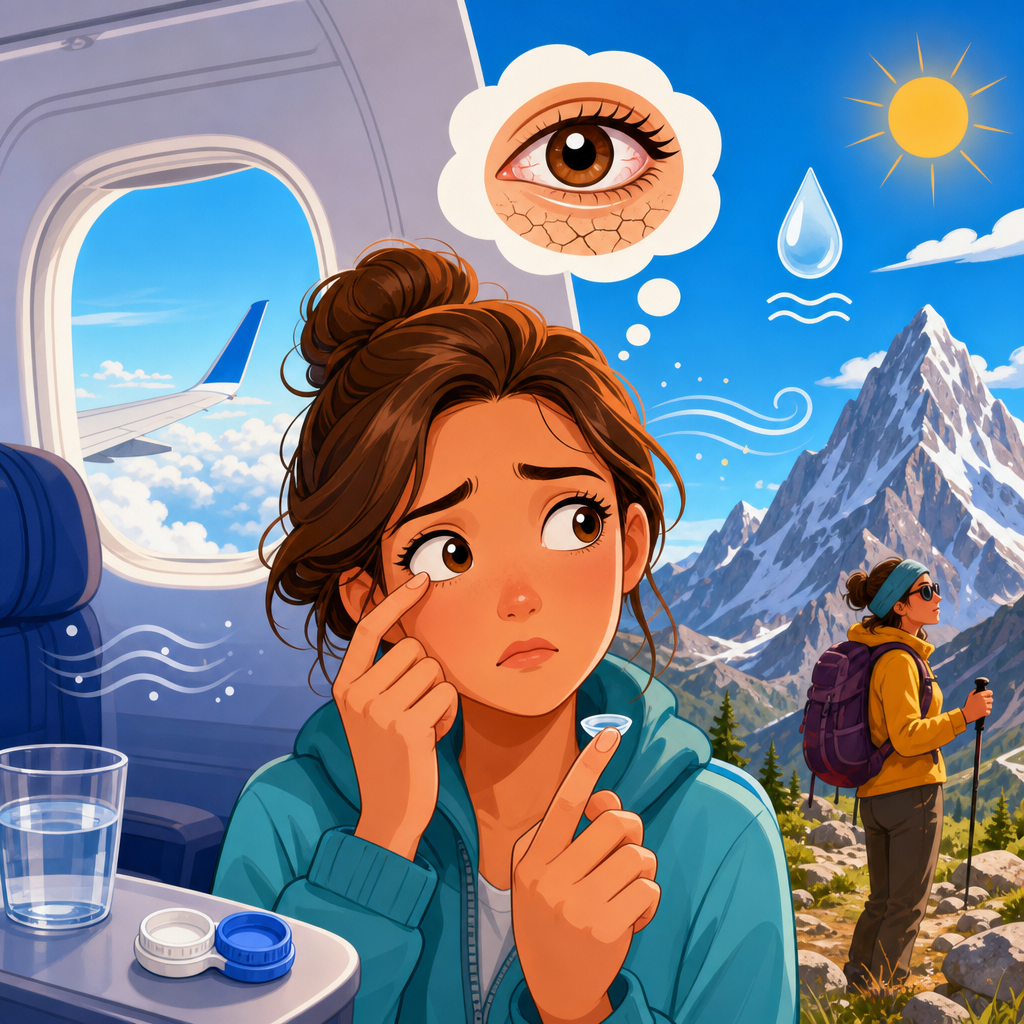
Cracked lips are one of the most common year-round complaints. Saliva worsens the problem because lip licking evaporates quickly and strips moisture. Use a petrolatum-based or wax-based SPF lip product, reapply after eating and drinking, and put a plain occlusive ointment on at bedtime. For noses irritated by frequent wiping, apply a thin layer of barrier ointment before outdoor exposure and use soft tissues. If sunscreen stings around the eyes, a mineral stick, sunglasses, and a hat brim usually reduce migration into the eye area better than simply applying more product.
Know when to escalate. Blistering burns, significant swelling, fever, lethargy, or dehydration warrant medical evaluation. Persistent rashes, severe eczema flares, or suspected sun allergy should be discussed with a pediatrician or dermatologist. If a child repeatedly burns despite careful use, examine the basics: expiration dates, insufficient quantity, missed spots, inadequate reapplication, and medication-related photosensitivity. Most recurring problems improve when families simplify the system and use the same reliable steps every day, regardless of season.
Support skin health from the inside and across the home environment
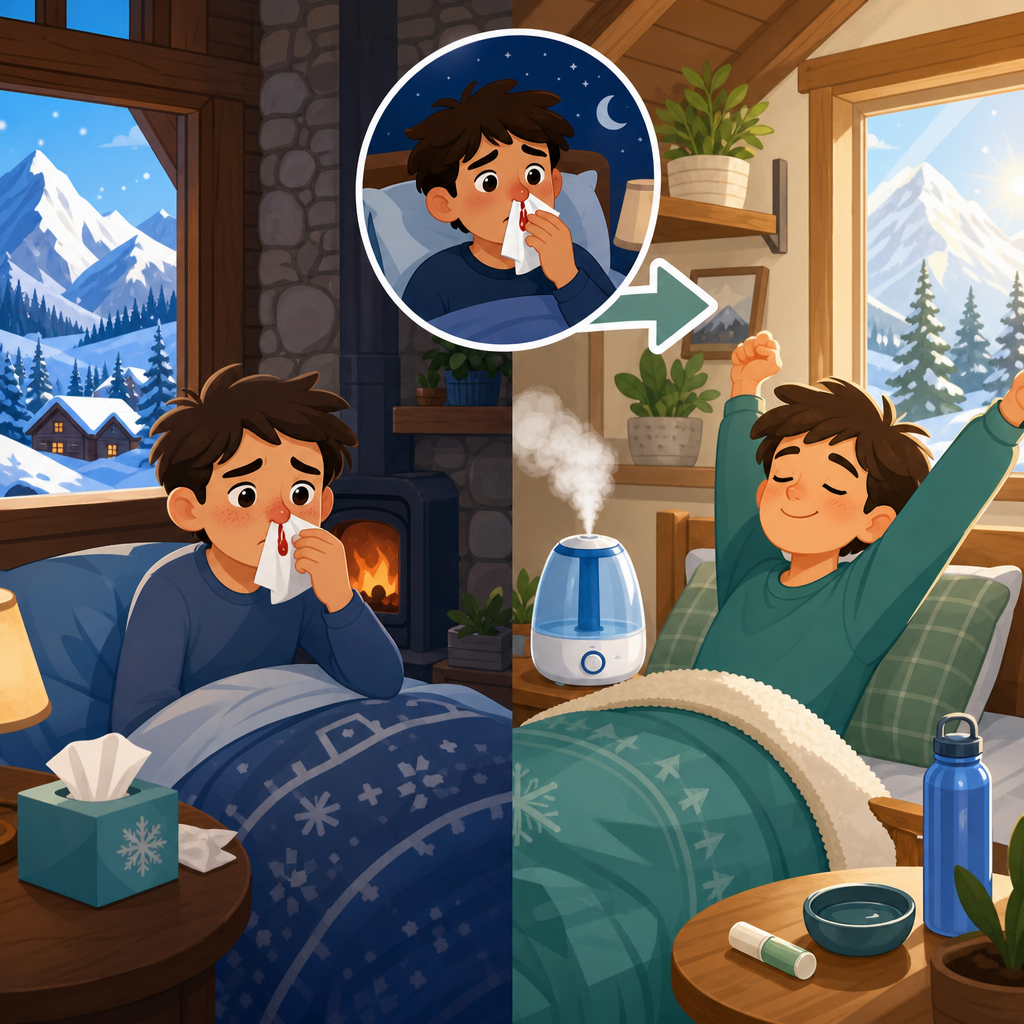
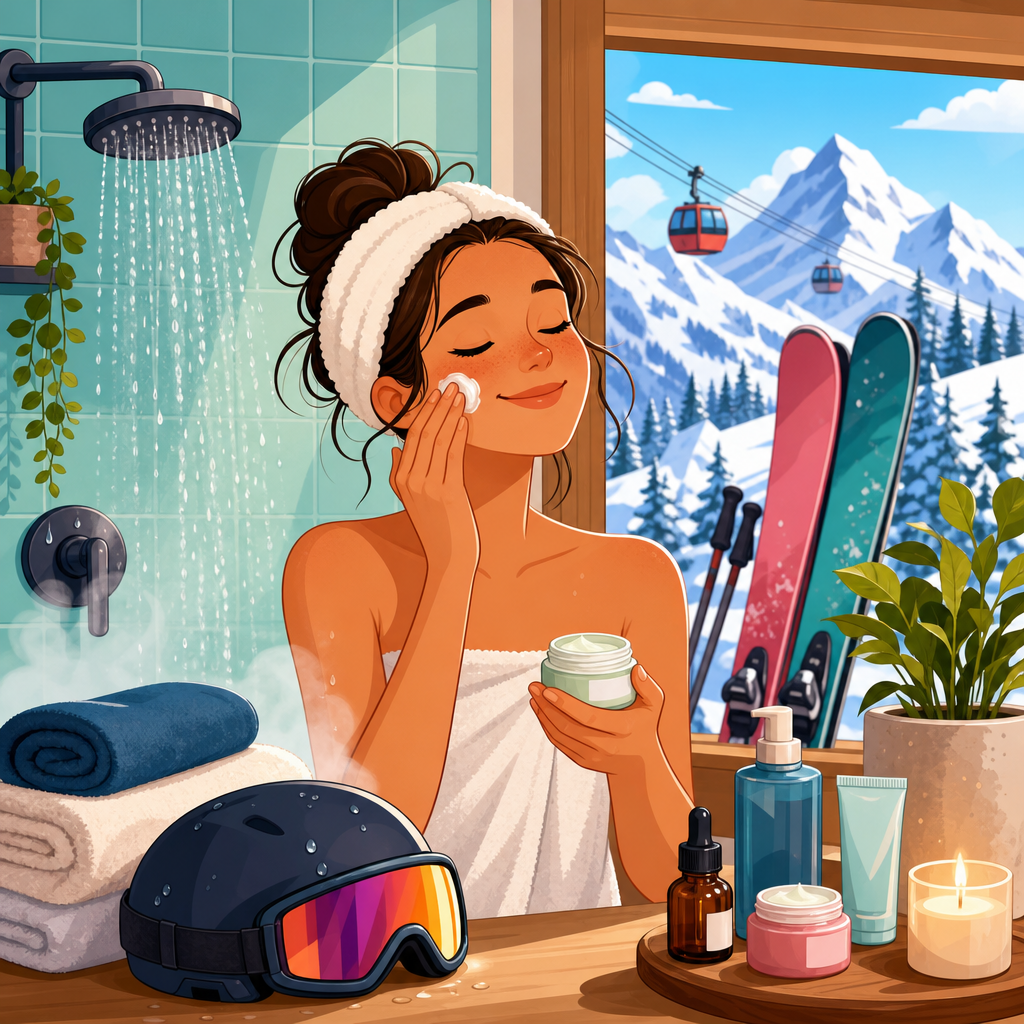
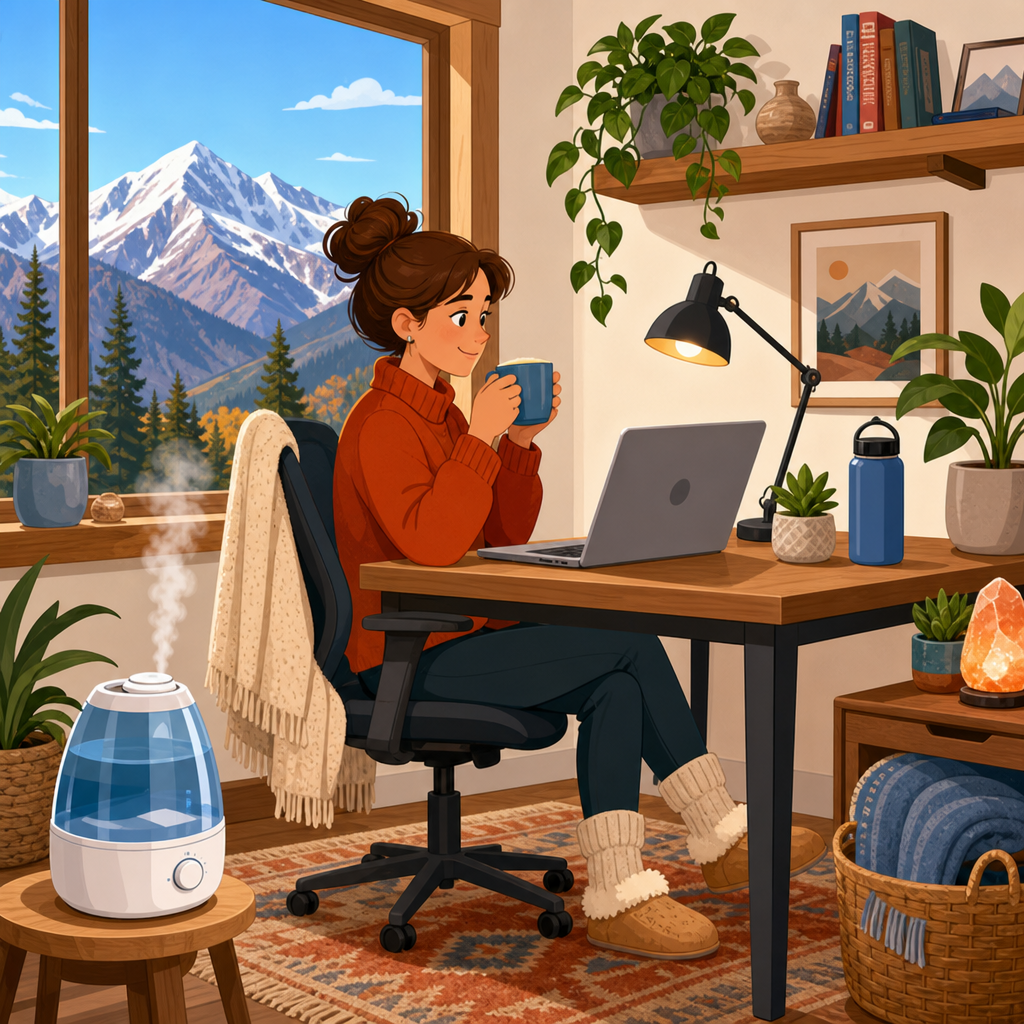
Skin comfort outdoors starts indoors. Mountain air is often dry, especially in heated homes during winter. Overnight water loss leaves kids waking with tight skin before they even go outside. A bedroom humidity target around 30 to 50 percent is generally comfortable; a hygrometer helps avoid both excessive dryness and too much humidity that can encourage mold. Short, lukewarm baths or showers are better than long hot ones for children with dry or eczema-prone skin. Apply moisturizer within a few minutes after bathing to lock in water.
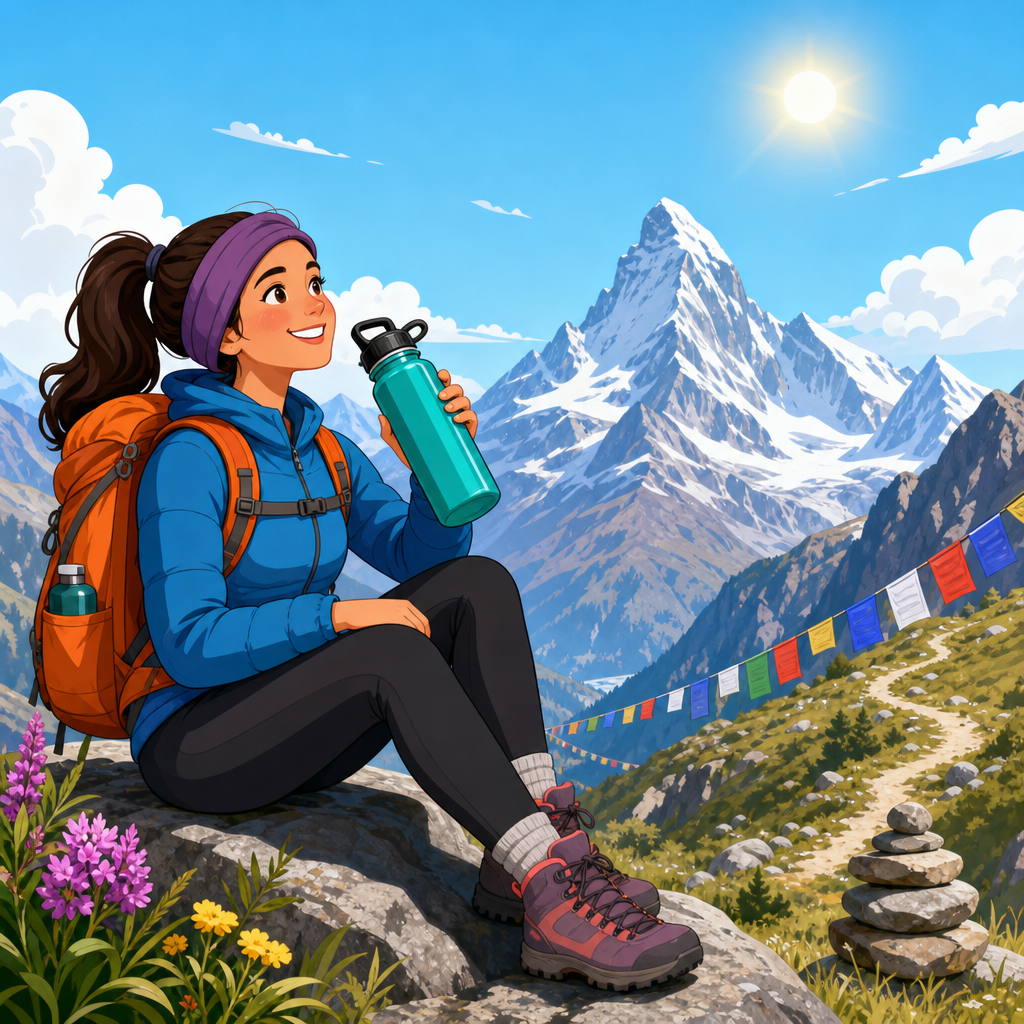
Hydration supports overall comfort, though drinking water does not replace topical protection. Active kids at altitude dehydrate faster because of increased respiratory water loss and exertion. Offer water regularly and pair it with salty snacks or meals during long outings. Nutrition also matters over time. Diets containing omega-3 fats, protein, fruits, and vegetables support skin structure and repair, although no food substitutes for sunscreen or clothing. For children with chronic skin conditions, keep a simple exposure diary noting weather, altitude, products used, and symptoms. Patterns become obvious surprisingly quickly.
As the hub for comfort troubleshooting within daily life, skin, eyes, and home comfort, this topic connects naturally to related family guides on dry indoor air, chapped lips, winter eye irritation, glare protection, and choosing kid-friendly moisturizers. The main principle is simple: mountain sun protection works best when families think in systems. Use clothing as the base, sunscreen as reinforcement, lip and eye protection as essentials, and home moisture care as recovery support. Start before discomfort appears, stay consistent in every season, and teach children why the routine matters. Review your family’s current gear and products this week, close any gaps, and make year-round mountain skin protection automatic.
Frequently Asked Questions
Why is mountain sun harder on kids’ skin than sun exposure at lower elevations?
Mountain sun is more intense because ultraviolet radiation increases with elevation, and children are often exposed to several skin stressors at the same time. At higher altitudes, there is less atmosphere filtering UV rays, so kids can burn faster even when the air feels cool or cold. Snow, water, light-colored rock, and even bright concrete can reflect sunlight back onto the skin, which means children may be getting UV exposure from above and below at once. Add in wind, low humidity, and rapid weather changes, and their skin barrier can become dry, irritated, and more vulnerable before parents realize there is a problem.
This is why many families get caught off guard on bluebird ski days, spring hikes, overcast afternoons by an alpine lake, or short walks to school at elevation. Cool temperatures do not reduce UV intensity, and clouds do not block all harmful rays. Kids also tend to stay active, sweat, wipe their faces, and forget they are exposed, which wears down sunscreen and leaves the nose, cheeks, ears, lips, and scalp especially vulnerable. In mountain environments, skin protection has to be treated as a year-round routine, not just a summer beach habit.
What kind of sunscreen works best for children in mountain environments year-round?
For most children, the best choice is a broad-spectrum sunscreen with SPF 30 or higher, though many parents and pediatric skin experts prefer SPF 50 for mountain conditions because of the stronger UV exposure and reflected light. “Broad-spectrum” matters because it means the product protects against both UVA rays, which contribute to deeper skin damage, and UVB rays, which are more closely linked to sunburn. Water-resistant formulas are especially useful for skiing, snow play, hiking, biking, and summer lake days, since sweat and moisture can reduce protection more quickly than people expect.
Mineral sunscreens made with zinc oxide or titanium dioxide are often a strong option for kids because they are generally well tolerated by sensitive skin and provide reliable broad-spectrum coverage when applied correctly. Creams and lotions usually perform better than sprays in windy mountain settings because they are easier to apply evenly and are less likely to drift away before reaching the skin. Sticks are helpful for high-risk areas like the nose, cheeks, ears, and around the eyes. Whatever formula you choose, generous application is essential. Most sunscreen failures happen not because the product is weak, but because too little is used, coverage is patchy, or reapplication is skipped after sweating, toweling off, or spending extended time outdoors.
Parents should also remember that sunscreen is only one layer of protection. In mountain weather, the most effective strategy combines sunscreen with protective clothing, hats, sunglasses, shade breaks, and timing outdoor activities when possible. Sunscreen supports that system, but it should not be the entire plan.
How often should sunscreen be reapplied for kids when skiing, hiking, or playing outside in the mountains?
A practical rule is to reapply sunscreen every two hours during outdoor exposure, and sooner if a child has been sweating heavily, rubbing the face, wiping the nose, eating messy snacks, playing in snow, or drying off after water activities. In the mountains, sunscreen often wears off faster than parents expect because of wind, friction from jackets or neck gaiters, helmet straps, goggle pressure, and the constant touching of cheeks and noses. Even on cold days, UV exposure continues, and reflective snow can intensify it.
Before heading outside, apply sunscreen about 15 minutes in advance if the label recommends that timing, and make sure often-missed spots are covered. These include the tops of the ears, the back of the neck, the hair part, the forehead near helmet or hat lines, the nose, under the eyes, and the lips with an SPF lip balm. For ski days, reapply at lunch or during a warming break indoors. For hiking, keep a travel-size sunscreen stick or tube in an easy-to-reach pocket rather than buried in a daypack. For school days at elevation, a morning application may be enough for short exposures, but kids who have outdoor recess, after-school sports, or long walks home often need another layer later in the day.
Consistency matters more than perfection. Families do best when they build reapplication into the rhythm of the day: before first chair, before leaving the trailhead, after lunch, after swim time, or before afternoon play. That habit is what prevents the slow, cumulative exposure that can lead to burns and skin damage even when no single moment outdoors seems especially intense.
What clothing and accessories give kids the best protection from mountain sun?
Protective clothing is one of the smartest ways to reduce UV exposure because it does not wear off the way sunscreen does. Long-sleeved sun shirts, lightweight layers with UPF protection, and breathable fabrics that cover the shoulders, chest, and arms are excellent for hikes, playground time, biking, and lake days. In snowy seasons, neck gaiters, balaclavas, and high-collar jackets can help shield the lower face and neck from reflected sun as well as wind. Wide-brim hats work well in warmer months, while winter hats and helmets should be paired with sunscreen on exposed skin that remains uncovered.
Good sunglasses or goggles are also essential. Children’s eyes and the delicate skin around them are vulnerable to UV exposure, especially with snow glare. Look for eyewear that blocks 99% to 100% of UVA and UVB rays. Wraparound styles are useful because they reduce side exposure from reflected light. Lips are another area parents commonly forget, so an SPF lip balm should be treated as standard gear in every season. If a child has a visible scalp line or thinner hair, apply sunscreen to the part line or use a hat that covers it well.
The goal is not to overdress children but to create reliable coverage without making them uncomfortable. In mountain settings, comfort matters because if gear is itchy, too hot, or annoying, kids take it off. Choose flexible layers they will actually keep on, and think of clothing as the first line of defense, with sunscreen filling in the exposed areas.
How can parents protect kids’ skin in the mountains during cloudy, cold, or non-summer weather?
This is one of the biggest misconceptions in mountain sun safety: many parents relax when the weather looks gray, the breeze feels cool, or summer has ended. But ultraviolet radiation does not disappear just because the temperature drops or clouds move in. In fact, some cloudy days still allow significant UV exposure, and at elevation that exposure can add up quickly during routine activities like recess, dog walks, errands, sledding, or sitting outside at lunch. Snow reflection in winter and early spring can be particularly intense, often catching families off guard because the environment does not “feel sunny.”
Year-round protection starts with treating daily exposure seriously. On mountain school mornings, apply sunscreen to the face, ears, neck, and any other exposed skin even if the outing seems brief. Keep SPF lip balm in coat pockets, backpacks, and ski bags. On cloudy hike days or breezy afternoons at the lake, use the same protection plan you would use in bright sun: broad-spectrum sunscreen, eyewear, coverage, and reapplication. Moisturizing is also important because cold air, wind, indoor heating, and dry conditions can weaken the skin barrier, making skin more prone to irritation. A gentle moisturizer used regularly can help support the skin so it tolerates outdoor conditions better.
Parents should also pay attention to changes in a child’s skin after outdoor time. Redness across the cheeks and nose, chapped lips, dry patches, or a child saying their face feels hot or stings can all signal that current protection is not enough. When families respond early and make sun care part of every season, they reduce not only immediate discomfort and burns but also the long-term cumulative damage that begins in childhood.