When baking above sea level, the most important question is not simply how much longer to leave food in the oven, but when to change oven temperature instead of baking time at altitude. Altitude affects every stage of baking fundamentals because lower air pressure changes how gases expand, how water evaporates, how starches set, and how proteins coagulate. In practical terms, cakes can rise too fast and collapse, cookies can spread before they structure, quick breads can dry out, and custards can curdle around the edges while staying loose in the center. I have tested these patterns in home kitchens from roughly 3,000 to 8,500 feet, and the same rule keeps proving true: when a recipe’s structure is setting too slowly for the speed of expansion, increasing temperature is often more effective than extending time.
That distinction matters because time and temperature do different jobs. Baking time controls how long heat is applied. Oven temperature controls how quickly the batter or dough sets, how fast moisture leaves, and how much oven spring occurs before the structure firms. At altitude, excessive rise happens early, so a recipe that needs stronger structure usually benefits from a modest temperature increase rather than a longer bake. By contrast, foods that are already setting correctly but finishing too pale or underdone may only need more time. This article serves as a hub for baking fundamentals at altitude, covering the decision points behind temperature changes, the science that explains them, and the recipe categories where the choice makes the biggest difference.
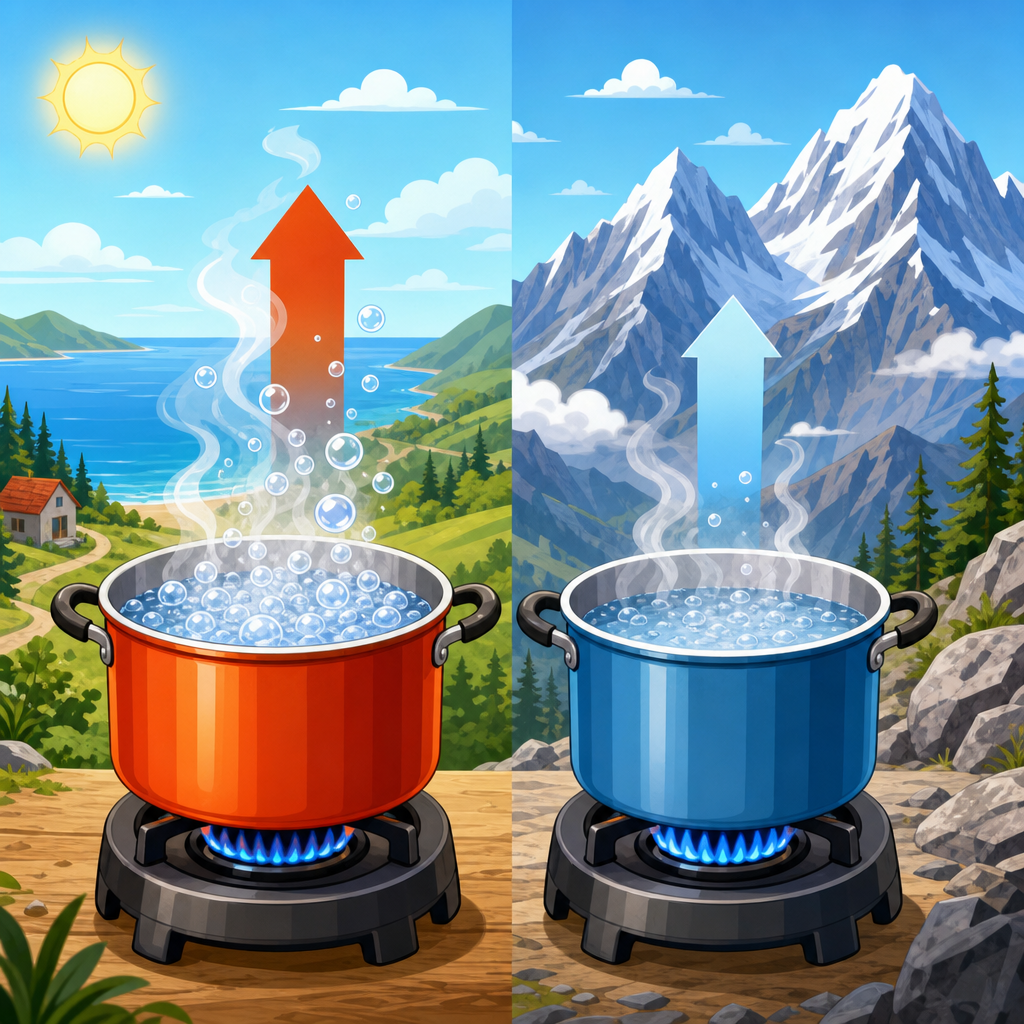
To define terms clearly, high altitude baking usually starts to require adjustments around 3,000 feet, with more noticeable changes above 5,000 feet. Boiling point drops as altitude rises, so water evaporates faster and batters lose moisture sooner. Leavening gases also expand more readily, which is why standard formulas can overrise. Reliable altitude baking therefore depends on balancing five variables: oven temperature, baking time, leavening, sugar, and liquid. Temperature is only one lever, but it is often the fastest corrective tool because it changes structure formation in real time. If you understand when to raise temperature, when to reduce leavener, and when to leave time alone, you can troubleshoot almost any baked good with much less waste.
Why altitude changes the temperature-versus-time decision
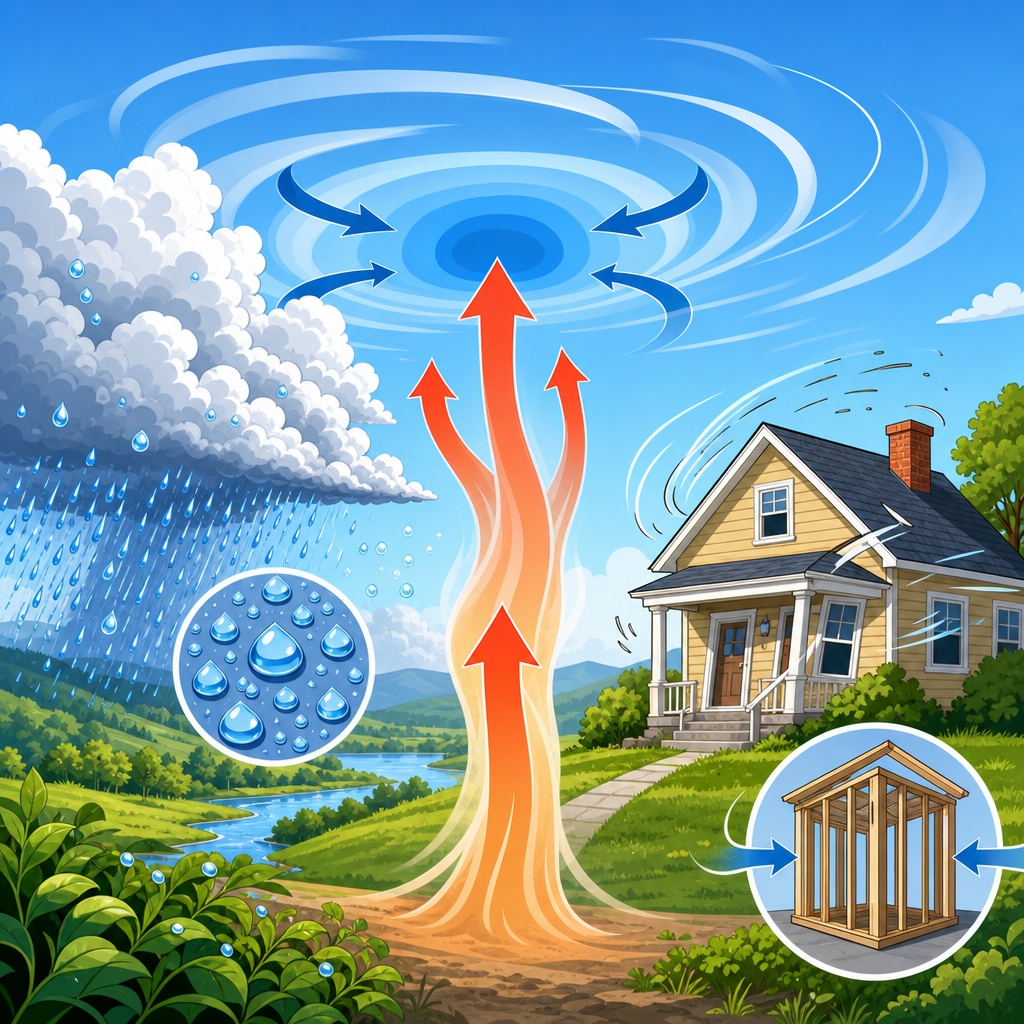
The core baking fundamentals at altitude come from physics. Lower atmospheric pressure means less resistance against expanding air cells and steam. In cakes and muffins, that causes faster lift before the crumb has fully set. In yeast doughs, fermentation can outrun gluten strength if proofing is not shortened. In custards, faster evaporation can concentrate sugars and proteins at the edges before the center reaches target doneness. Because structure and moisture move on different timelines, extending bake time alone can worsen the problem by driving off more water after the item has already risen too aggressively.
That is why a moderate oven increase, often 15 to 25 degrees Fahrenheit, is a classic altitude adjustment in established guidance from university extension baking resources. A slightly hotter oven helps starch gelatinization and protein coagulation happen earlier, essentially catching the rise before it becomes unstable. I use this most often for butter cakes, chiffon cakes, muffins, cupcakes, and popovers. The hotter environment does not fix every altitude problem, but it directly addresses weak or delayed structure, which is one of the most common reasons a recipe fails above 5,000 feet.
The opposite case is also important. Some baked goods do not need faster setting. Cheesecake, custard pie, bread pudding, and delicate meringues often suffer if the oven is increased because the outside can overcook before the interior equilibrates. In these products, time is usually the safer variable. Altitude still accelerates evaporation, so you may need a water bath, pan shielding, or tighter endpoint monitoring, but turning up the oven is rarely the first move. The right choice depends on whether the recipe’s main problem is unstable rise, incomplete interior bake, excess moisture loss, or premature browning.
When increasing oven temperature is the right altitude adjustment
Adjust oven temperature instead of baking time at altitude when the recipe rises too quickly, domes and cracks before the center sets, collapses after removal, tunnels through the crumb, or spreads before forming structure. Those are all signs that expansion is outpacing coagulation and gelatinization. A higher oven temperature helps the batter or dough “lock in” sooner. In my own testing, cupcakes baked at 350 degrees at 7,200 feet frequently peaked and sank, while the same formula at 365 or 375 degrees with slightly reduced chemical leavening held a more level top and finer crumb.
Use temperature increases most confidently in chemically leavened products. Layer cakes, sheet cakes, quick breads, scones, biscuits, muffins, and many cookies respond well because their structure depends on a narrow early bake window. If altitude causes these items to overexpand before the flour proteins and egg proteins set, a hotter oven can restore balance. This is particularly effective in batters high in sugar, since sugar delays starch gelatinization and protein setting. That delay is manageable at sea level but often becomes a liability at altitude.
A temperature increase also helps when the exterior color is acceptable but the interior sinks or remains gummy. Bakers sometimes assume gummy centers always need more time, but at altitude they often need quicker internal setting. More minutes at the same temperature can make edges dry and tough while the center still lacks structure. Raising heat slightly, sometimes while shortening bake time a little, can solve the issue more cleanly. The key is to change one variable at a time and record the result, because altitude corrections are cumulative and overadjustment causes its own failures.
When more baking time is better than a hotter oven
Choose more baking time rather than a higher oven temperature when structure is already stable and the real issue is incomplete moisture migration, underbrowned crust, or a center that simply needs longer carry-through heat. Hearth breads, sandwich loaves, cheesecakes, custards, brownies, bread puddings, and dense bar cookies often fit this category. For example, a lean artisan loaf at altitude may spring well and hold shape, yet still need a few extra minutes to drive the internal temperature toward roughly 205 to 210 degrees Fahrenheit for full starch set. Raising oven temperature too much can overdarken the crust before the crumb finishes.
Brownies are another common trap. Many home bakers increase heat when brownies seem underdone in the middle, but a hotter oven often overbakes the perimeter and destroys the desired fudgy texture. If the formula already has enough structure, extending time by three to eight minutes, tenting loosely if needed, is usually the better move. The same logic applies to cheesecake. At altitude, a hotter oven increases the risk of cracking because the outer ring sets and dries before the center reaches a gentle wobble.
Yeast breads deserve nuance. Sometimes altitude bakers blame baking time when the real problem began during proofing. Because fermentation often runs faster at altitude, dough may enter the oven overproofed, then collapse or bake up dense. In that case, changing oven temperature will not fully compensate. Shorter proofing, stronger shaping tension, and accurate internal temperature targets matter more. Time is the final adjustment only after fermentation is under control.
How baking fundamentals guide specific adjustments
Good altitude baking decisions come from reading the formula through four fundamentals: structure, moisture, leavening, and sugar. Structure comes from flour, eggs, starch gelatinization, and protein setting. Moisture comes from water, milk, eggs, butter, and even dissolved sugar. Leavening includes baking powder, baking soda, steam, and yeast gas production. Sugar tenderizes, retains moisture, and delays setting. If altitude causes a weak product, ask which of those four forces is out of balance before touching the oven dial.
In practice, I troubleshoot in a set order. First, identify the failure point: did the recipe spread, sink, dry out, crack, or brown too fast. Second, decide whether structure formed too late or moisture left too quickly. Third, select the smallest likely correction. For many cakes at 5,000 to 7,500 feet, that means reducing baking powder slightly, adding 1 to 2 tablespoons of liquid per cup, and increasing oven temperature 15 to 25 degrees. For cookies, it may mean chilling dough, reducing sugar a little, and increasing flour slightly before changing time. Temperature is powerful, but it works best when aligned with the rest of the formula.
| Recipe type | Common altitude problem | Adjust temperature first? | Typical supporting changes |
|---|---|---|---|
| Layer cakes and cupcakes | Overrising, sinking, tunneling | Yes | Reduce leavener slightly; add a little liquid |
| Muffins and quick breads | Peaking, coarse crumb, collapse | Yes | Increase oven 15 to 25 degrees; reduce sugar modestly |
| Cookies | Excess spread | Sometimes | Chill dough; add flour; reduce sugar before adding much time |
| Brownies and bars | Dry edges, soft center | No, usually time | Extend bake slightly; verify pan size and doneness cues |
| Cheesecake and custards | Cracking, curdling | No | Use water bath; bake gently for longer |
| Yeast breads | Overproofing, dense crumb | Sometimes | Shorten proof; monitor internal temperature |
Recipe-by-recipe examples from common home baking
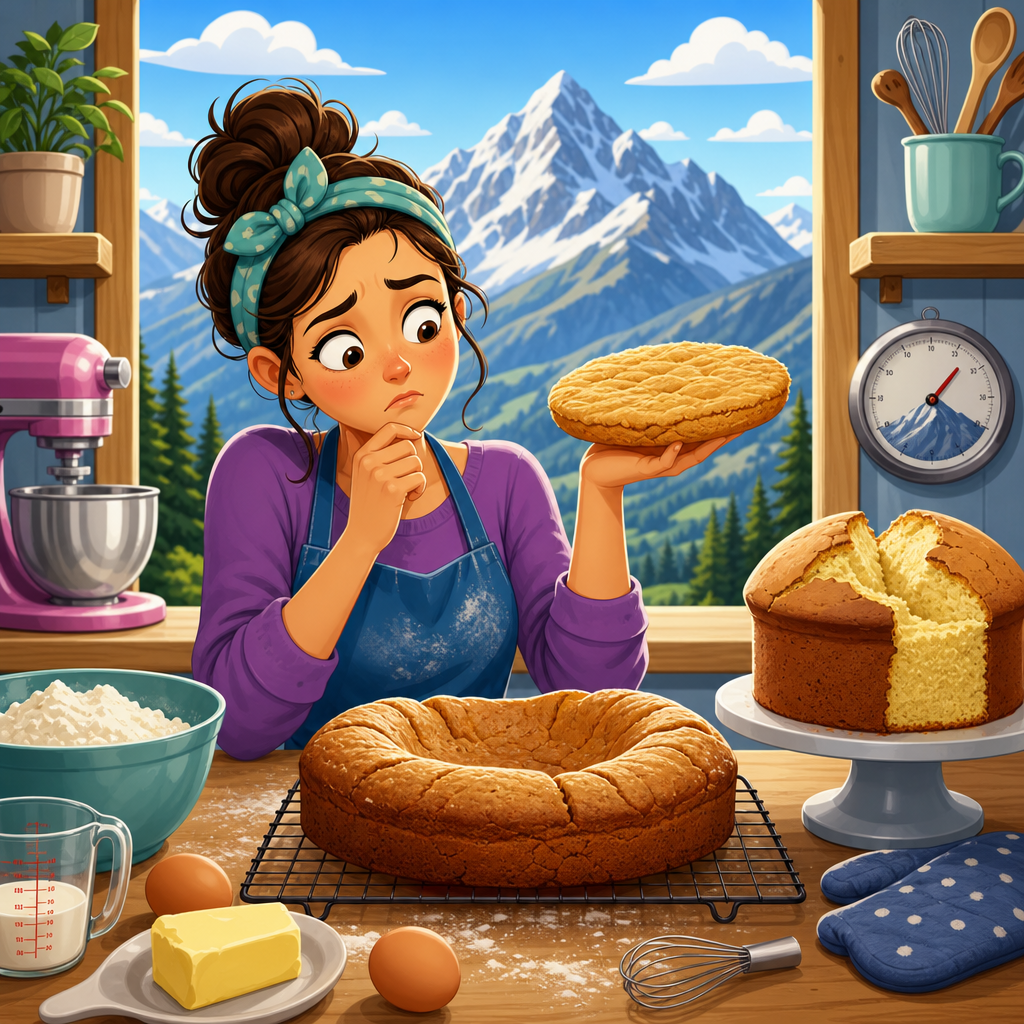
A yellow butter cake illustrates the temperature decision clearly. At 6,000 feet, a standard sea-level formula baked at 350 degrees may rise rapidly, form a high crown, then settle as it cools. The fix is rarely “bake ten minutes longer.” That only dries the cake. Better results usually come from reducing baking powder by about one eighth to one quarter teaspoon per teaspoon in the recipe, adding a small amount of extra liquid, and baking at 365 or 375 degrees. The cake sets earlier, the crumb becomes finer, and the layer cools flatter for stacking.
For muffins, altitude often creates dramatic domes followed by fallen centers or tunneling. Because muffin batter relies on quick early lift, setting the structure sooner helps. I typically start with a 15-degree oven increase and a small reduction in leavening. If the formula is very sweet, such as banana walnut muffins with brown sugar, I may also cut sugar by 1 to 2 tablespoons per cup. That combination reduces collapse better than adding time, which can make the tops thick and the interiors dry.
Chocolate chip cookies are more variable. At altitude, they often spread because butter melts and sugar liquefies before the flour and eggs can stabilize the dough. A hotter oven can help, but not if the dough is too warm or too low in flour. First chill the dough, confirm accurate flour measurement by weight, and consider adding 1 to 2 tablespoons flour per batch. If cookies still spread excessively, increase the oven 10 to 15 degrees. Extending time alone usually produces thin, brittle cookies.
Now consider cheesecake. At altitude, evaporation is faster and the risk of cracks rises. Here, turning up the oven is usually counterproductive. A lower, gentler bake with a water bath and longer time gives the proteins a chance to set gradually. Pulling the cake at a slight center wobble and cooling slowly is more effective than adding heat. The same principle applies to pumpkin pie and lemon curd tart: gentle heat preserves smooth texture better than a temperature increase.
Tools, testing methods, and signs you should trust
Altitude magnifies small measurement errors, so your decision between temperature and time must start with reliable tools. Use an oven thermometer because many home ovens run 15 to 25 degrees off their setting. Weigh ingredients with a digital scale; flour volume errors are one of the biggest reasons bakers misdiagnose altitude problems. An instant-read thermometer is also valuable. Enriched breads are usually done around 190 to 200 degrees Fahrenheit, lean hearth loaves around 205 to 210, cheesecakes around 150 in the center, and many butter cakes near 205 to 210 depending on formula and pan size.
Visual cues still matter. If a cake has a strong outer ring and a wet center depression, structure likely set too slowly, favoring a temperature increase next time. If a loaf has deep color but a gummy line at the base, you may have underbaked it, used too cool an oven, or loaded an overproofed dough. If cookies come out pale and puffy, they may need either more time or slightly lower heat, not a hotter oven. Reading the failure correctly is the real baking fundamental.
I also recommend keeping a simple altitude baking log. Record elevation, pan size, ingredient brand, oven setting, actual thermometer reading, bake time, and result. Over several bakes, patterns emerge quickly. You will see that some formulas consistently prefer higher heat and shorter time, while others need the reverse. That written record becomes more useful than generic advice because it reflects your flour, your oven, and your local humidity.
Building a practical altitude baking system
The best long-term approach is to treat temperature as one part of a repeatable system. Start by classifying the recipe: foam cake, butter cake, quick bread, cookie, custard, pie, laminated dough, or yeast bread. Then identify its dominant risk at altitude. Foam cakes risk collapse from rapid expansion. Butter cakes risk tunneling and sinking. Cookies risk spreading. Custards risk curdling. Yeast breads risk overproofing and moisture loss. Once you know the risk, your first adjustment becomes more obvious.
As a working rule, increase oven temperature when you need earlier structure, and extend baking time when you need deeper heat penetration without aggressive surface cooking. Pair that with formula changes that support the same goal. Earlier structure often means less leavening, slightly more liquid, and occasionally less sugar. Deeper heat penetration often means using the correct pan material, shielding browning surfaces, and verifying doneness with a thermometer instead of guesswork.
This hub article on baking fundamentals should help you navigate the rest of altitude baking with fewer failed batches. If you remember one principle, make it this: at altitude, baking time cannot solve a structure problem that begins in the first minutes of oven spring. When rise outpaces setting, adjust oven temperature first. When structure is sound and the center simply needs to finish, adjust time. Test deliberately, keep notes, and apply these fundamentals recipe by recipe. That method will make every other article in your cooking and baking at altitude collection easier to use, and it will help you bake with confidence instead of trial-and-error.
Frequently Asked Questions
1. When should you adjust oven temperature instead of simply increasing baking time at altitude?
You should adjust oven temperature instead of relying only on extra baking time when the structure of the baked good needs to set sooner, not later. At altitude, lower air pressure causes gases to expand more quickly and moisture to evaporate faster. That means many batters and doughs rise rapidly before their starches and proteins have fully stabilized. If you only add more time, you may dry out the product while still failing to prevent collapse, tunneling, over-spreading, or coarse texture. A modest temperature increase is often more useful when cakes are rising too fast, muffins are peaking and then sinking, cookies are flattening before the edges set, or quick breads are drying out on the outside while remaining unstable inside. In those cases, a slightly hotter oven helps the batter or dough set earlier in the baking process. By contrast, if a product is already structurally sound and just needs a little more doneness in the center, a time adjustment alone may be enough. The key distinction is whether the problem is about setting structure at the right moment or merely finishing the bake.
2. Why does altitude make temperature changes more important for some baked goods than for others?
Altitude does not affect every recipe in exactly the same way because different baked goods depend on different balances of air, moisture, fat, sugar, starch, and protein. Delicate foam-based and batter-based items such as cakes, cupcakes, muffins, sponge cakes, and some quick breads are especially sensitive because they depend on controlled expansion and timely setting. At altitude, those products can over-expand before their internal framework becomes strong enough to hold shape. In that situation, oven temperature becomes a powerful correction tool because it helps starch gelatinization and protein coagulation happen sooner. Cookies can also benefit from temperature adjustment when they spread excessively, since a slightly hotter oven can help the edges and surface set before the fat fully melts and the dough flows outward. Custards and cheesecakes are different: they are more vulnerable to overcooking than collapse from over-expansion, so raising oven temperature is usually not the first move. Yeast breads also require a more nuanced approach because fermentation, dough strength, and proofing often matter as much as oven heat. In short, temperature changes matter most when premature expansion or rapid moisture loss is causing a timing mismatch between rise and structure.
3. What are the signs that a higher oven temperature is the right altitude adjustment?
Several common baking problems suggest that a higher oven temperature may be more effective than extending the bake. One major sign is a product that rises beautifully at first and then falls in the center. That often means the batter expanded too fast and the internal structure did not set in time. Another sign is excessive spreading in cookies or bars, especially when the edges stay pale for too long while the dough flows outward. A third clue is when the crust or outer surface appears dry, but the interior still lacks support, indicating that the recipe is losing moisture too fast without building enough structure quickly enough. You may also notice coarse crumbs, large air pockets, tunneling, or peaked tops in muffins and quick breads, all of which can point to expansion happening too aggressively before the bake is stabilized. On the other hand, if a product looks properly shaped and set but is simply underbaked in the center, then extra time may be the better fix. The practical takeaway is that temperature adjustments are most useful when the problem shows up early in the bake as a structural issue, not just at the end as incomplete doneness.
4. How much should you change oven temperature at altitude, and do you also need to change baking time?
In many home baking situations, the temperature adjustment at altitude is relatively modest rather than dramatic. A common starting point is increasing the oven temperature by about 15 to 25 degrees Fahrenheit, then watching closely and shortening the baking time slightly if needed. The reason both changes often happen together is that a higher temperature speeds the setting process, so the item may finish sooner even though it is also benefiting from improved structure. This is why altitude baking is not simply a question of “hotter” or “longer”; it is often about using a slightly hotter oven for a slightly shorter or more carefully monitored bake. However, the ideal adjustment depends on the recipe type, sugar level, fat level, pan size, and exact elevation. Highly sweet or delicate cakes may need only a small increase, while sturdier muffins or quick breads can sometimes handle a bit more. It is also important not to overcorrect. Too much heat can cause over-browning, thick crusts, doming, or a center that appears done before it has baked evenly. The best approach is to make small, controlled changes, keep notes, and evaluate texture, rise, moisture, and shape rather than judging success by time alone.
5. Which baked goods are most likely to need an oven temperature adjustment at altitude, and which usually do better with time or recipe changes?
Baked goods most likely to benefit from an oven temperature adjustment are those that need quick structural setting to keep pace with rapid gas expansion. This group includes layer cakes, cupcakes, muffins, quick breads, biscuits, and cookies that tend to spread too much. These products often react strongly to lower air pressure, and a somewhat hotter oven can help them hold their shape, reduce collapse, and improve crumb. Recipes with a lot of sugar or leavening can be especially vulnerable because they rise fast and stay fluid longer. By contrast, items such as custards, cheesecakes, and some dense puddings typically do not respond well to higher oven temperatures because they depend on gentle, even coagulation and can curdle, crack, or become rubbery if baked too aggressively. Yeast breads may need a combination of adjustments beyond oven heat, including less yeast, shorter proofing, or changes in hydration, because altitude affects fermentation and moisture as well as baking. Pie fillings and casseroles are often more about evaporation and final doneness than early structural collapse, so extra time may be more relevant there. In practice, if the product’s main risk is losing shape before it sets, temperature is the first lever to consider; if the product’s main risk is uneven doneness, dryness, or overcooking, time and recipe formulation may matter more.