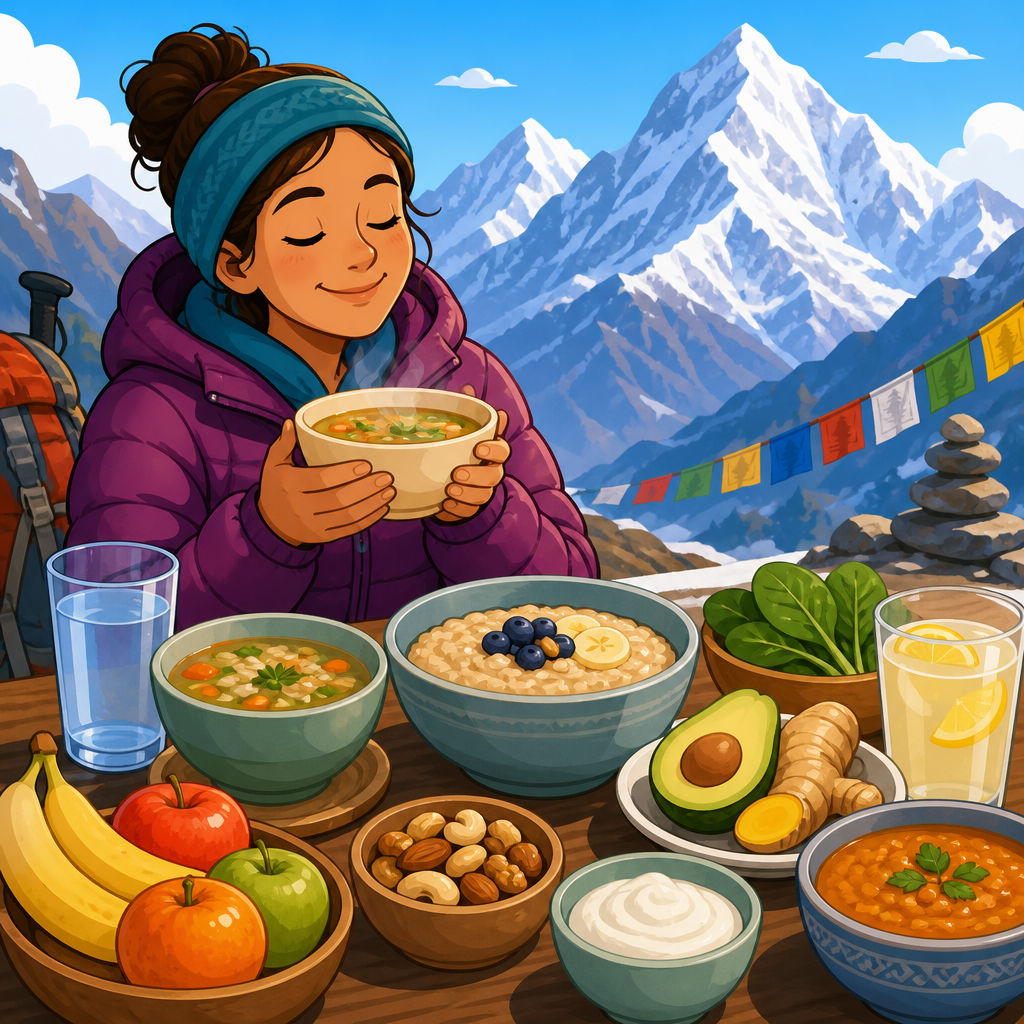
Altitude sickness recovery depends on more than rest. Food choices directly affect rehydration, blood sugar stability, inflammation, digestion, and the body’s ability to adapt after time spent at elevation. When people ask about the best foods for recovering after altitude sickness, they usually need practical guidance: what to eat, what to avoid, when to eat, and how nutrition fits with hydration and sleep. In my experience helping travelers, trekkers, and skiers recover after rough first days at altitude, the right meal plan often reduces lingering headache, nausea, fatigue, and appetite loss faster than people expect.
Altitude sickness, often called acute mountain sickness, typically appears after rapid ascent above about 8,000 feet, though some people feel symptoms lower. Common signs include headache, nausea, dizziness, poor sleep, loss of appetite, unusual tiredness, and sometimes vomiting. Recovery nutrition means choosing foods and fluids that restore water and electrolytes, provide easy-to-use carbohydrates, support oxygen delivery, and avoid further irritating the stomach. This matters because poor eating after altitude sickness can prolong weakness, worsen dehydration, and make a second day at altitude much harder. Good recovery food is not exotic. It is simple, digestible, carb-forward, and timed well.
This nutrition and fueling guide serves as the central reference point for recovery eating within sleep, hydration, and nutrition planning at altitude. It explains which foods help most, why appetite often disappears, how to rebuild energy without upsetting the stomach, and where protein, iron, sodium, and antioxidant-rich produce fit into recovery. It also covers limits. Food supports recovery from mild altitude sickness, but it does not replace descent or medical care when symptoms are severe, worsening, or paired with confusion, breathlessness at rest, or trouble walking. The goal is straightforward: help you recover safely, eat confidently, and return to activity with better energy.
What your body needs first after altitude sickness
The first nutrition priority after altitude sickness is restoring fluid balance while giving the stomach foods it can tolerate. Altitude increases breathing rate and water loss through respiration, and cold dry air raises that loss further. Add sweating from hiking or skiing, and many people arrive depleted before symptoms even start. Once headache and nausea appear, people often stop drinking and eating, which compounds the problem. The body then struggles with lower plasma volume, unstable blood sugar, and reduced energy availability.
That is why the best first foods after altitude sickness are usually bland, moist, carbohydrate-rich foods with some sodium. Think oatmeal, rice porridge, bananas, toast, plain potatoes, broth-based soup, applesauce, crackers, or a simple bagel. These foods digest relatively easily, help replenish liver and muscle glycogen, and are less likely to trigger more nausea than greasy or highly spiced meals. Carbohydrates also require less oxygen to metabolize than fats, which makes them especially useful during altitude recovery when the body is already working harder to deliver oxygen.
Direct answers matter here. What should you eat first after altitude sickness? Small portions of easy carbohydrates plus fluids. What if you feel too nauseated for a full meal? Use a few bites every fifteen to thirty minutes: half a banana, dry toast, a handful of pretzels, a cup of broth, or diluted sports drink. This steady intake often works better than one large meal. I have seen trekkers tolerate rice soup and salted crackers long before they could face eggs, burgers, or trail mix. Starting simple is not weakness. It is smart recovery nutrition.
Best foods for rehydration, sodium replacement, and energy
Rehydration is not only about water. After altitude sickness, the best foods often supply both water and sodium, because sodium helps retain fluid and encourages drinking. Broth-based soups are one of the strongest recovery options. Chicken noodle soup, vegetable broth with rice, miso soup, or lentil soup thinned with extra stock all provide fluid, warmth, and salt in a format that is easier to take in than a dense solid meal. Watermelon and cucumber contain water but are usually too low in sodium to do the full job alone.
Fruit can still help, especially bananas, oranges, melon, and applesauce cups. Bananas contribute carbohydrate and potassium; oranges add fluid and vitamin C; applesauce works well when chewing feels difficult. Yogurt can also be useful if dairy sits well with you, especially drinkable yogurt or kefir, which combine fluid, carbohydrate, and some protein. For many people, one of the most reliable combinations is soup plus bread, or oatmeal plus a banana and salted pretzels on the side.
Energy restoration matters because altitude sickness often follows an energy deficit. Long travel days, skipped meals, alcohol, heavy exertion, and poor sleep leave glycogen low. Replenishing it quickly improves recovery. The table below highlights recovery foods and why they work.
| Food | Main recovery benefit | Best use after altitude sickness |
|---|---|---|
| Oatmeal | Easy carbohydrates, fluid when prepared soft | Breakfast or first tolerated meal with fruit |
| Broth-based soup | Hydration plus sodium | When headache, nausea, or low appetite are present |
| Bananas | Carbohydrates and potassium | Small snacks between fluids |
| Rice or plain noodles | Low-fiber fuel that is easy to digest | Lunch or dinner during stomach recovery |
| Potatoes | Carbohydrates, potassium, comfort food appeal | Baked or boiled with a little salt |
| Toast, bagels, crackers | Quick, familiar carbohydrates | Useful during nausea or poor appetite |
| Greek yogurt | Protein plus carbohydrates | When appetite returns and digestion is stable |
| Smoothies | Hydration, calories, easy intake | When chewing feels difficult |
Sports drinks can help when food intake is low, but food should lead once the stomach allows it. A bowl of rice and broth generally supports recovery better than sweet drinks alone because it supplies calories and sodium together. If you are preparing for a full day back outside, add a more substantial carbohydrate source such as potatoes, pancakes, or pasta once nausea settles.
Protein, iron, and micronutrients that support recovery
People often focus only on hydration after altitude sickness, but protein and micronutrients matter once you can tolerate them. Protein supports muscle repair, immune function, and satiety, especially if symptoms followed a hard training day, long hike, or ski tour. The mistake is introducing heavy, fatty protein too soon. Fried meat, rich cheese, and large steaks frequently sit badly in a stomach that is already uneasy. Better early choices include Greek yogurt, scrambled eggs, cottage cheese, tofu, beans in soup, grilled chicken, or a protein smoothie.
Iron deserves special mention because oxygen transport is central at altitude. Iron supports hemoglobin production, but eating one iron-rich meal will not instantly fix symptoms. Recovery nutrition should include steady iron sources if you are spending days or weeks at elevation, particularly if you have a known history of low ferritin, heavy endurance training, or menstrual blood loss. Good sources include lean red meat, lentils, beans, spinach, pumpkin seeds, and iron-fortified cereals. Pair plant-based iron foods with vitamin C sources such as citrus, kiwi, bell peppers, or berries to improve absorption.
Magnesium, potassium, and B vitamins also contribute to recovery, though they are often oversold in supplement marketing. Food usually covers them well. Potatoes, bananas, legumes, dairy, whole grains, leafy greens, nuts, and seeds all help. Antioxidant-rich produce can support overall recovery from hard exertion and stress at altitude, but it is not a magic treatment. Berries, cherries, citrus, tomatoes, and dark leafy greens are worthwhile additions once you can handle more fiber. I usually recommend this sequence: first fluids and bland carbs, then simple protein, then a return to more colorful, mixed meals over the next twelve to twenty-four hours.
Foods to avoid when recovering from altitude sickness
The wrong foods can slow recovery, especially during the first several hours after symptoms peak. Alcohol is the clearest example. It worsens dehydration, disrupts sleep, and can blur the line between a simple hangover and persistent altitude symptoms. Even one or two drinks may make headache and fatigue harder to interpret the next morning. If you are still recovering, skip alcohol completely until symptoms resolve and hydration is clearly back on track.
Very fatty meals are another common mistake. Cheeseburgers, deep-fried food, creamy sauces, and heavy desserts empty from the stomach more slowly and often worsen nausea. Excessively spicy food can also irritate the stomach and make reflux feel worse, particularly when appetite is already low. High-fiber meals have benefits in normal conditions, but giant salads, large bean-heavy plates, or bran-loaded cereals may cause bloating when the gut feels fragile.
Caffeine requires nuance. It does not need to be banned for everyone, and regular coffee drinkers may feel worse if they abruptly stop. But relying on large coffees or energy drinks to power through altitude fatigue is a bad strategy. Too much caffeine can worsen jitters, suppress appetite, and make it harder to tell whether symptoms are improving. Highly concentrated sugary foods can also backfire. Candy may provide quick carbohydrate, but many people crash afterward or feel more nauseated. During recovery, prioritize moderate portions, simple ingredients, and meals you would confidently serve to someone with a delicate stomach.
How to build a full day of recovery meals at altitude
A full day of altitude sickness recovery eating should be structured, not random. If symptoms were mild and improving, start with warm fluids and a light carbohydrate breakfast. Oatmeal made with milk or soy milk, topped with banana and a pinch of salt, works well. Add tea, water, or an oral rehydration drink. Midmorning, try applesauce, crackers, or yogurt if the stomach is settling. The goal is to eat before hunger returns strongly, because appetite often lags behind actual energy needs at altitude.
Lunch can be slightly larger: rice with broth and shredded chicken, noodle soup with toast, or a baked potato with cottage cheese and fruit. Afternoon snacks should keep blood sugar stable. Good options include pretzels, a banana, a simple smoothie, graham crackers, or a turkey sandwich if you are ready for more substance. Dinner can move toward a balanced plate: pasta with tomato sauce and lean protein, salmon with rice and cooked vegetables, or lentil soup with bread and citrus fruit. If sleep has been poor, avoid a huge late meal; it can worsen overnight discomfort.
For athletes, hikers, climbers, and skiers, fueling recovery also means planning tomorrow. Before returning to exertion, your meals should provide enough carbohydrate to refill glycogen and enough sodium and fluid to normalize thirst and urine color. This hub article connects naturally with deeper guidance on hydration strategy, electrolyte use, altitude sleep disruption, and pre-activity fueling, because recovery rarely depends on food alone. Still, when meals are timed well and matched to symptoms, they often provide the missing link between simply surviving the first day at altitude and feeling strong enough to enjoy the next one.
The best foods for recovering after altitude sickness are the ones that help your body do three jobs at once: rehydrate, restore energy, and calm the stomach. In practice, that usually means broth-based soups, oatmeal, rice, potatoes, bananas, toast, crackers, yogurt, smoothies, and simple lean proteins introduced in stages. These foods work because they are easy to digest, rich in usable carbohydrates, and compatible with the reduced appetite and nausea that altitude often causes. As symptoms improve, add more balanced meals with protein, colorful produce, and iron-rich foods to support sustained recovery.
The main benefit of a good altitude recovery diet is that it shortens the window of weakness. Instead of forcing heavy meals or skipping food entirely, you give the body exactly what it can use. That approach supports hydration, steadier blood sugar, clearer thinking, and a better chance of sleeping well before your next day outside. It also helps you recognize when recovery is on track and when symptoms are not improving as expected. If headache, vomiting, breathlessness, confusion, or loss of coordination persist, stop relying on nutrition alone and seek medical evaluation or descend.
Use this article as your hub for nutrition and fueling decisions at altitude. Start simple, eat small amounts often, choose fluids with sodium, rebuild with carbohydrates first, and add protein and micronutrients as tolerance returns. If you are planning a trip, save this guidance, review your packing list, and pair your food plan with smart hydration and sleep habits before you go.
Frequently Asked Questions
What are the best foods to eat right after altitude sickness symptoms start to improve?
Once symptoms begin easing, the best foods are simple, hydrating, and easy on the stomach. Most people do best starting with carbohydrate-rich foods because altitude often suppresses appetite while increasing energy demands, and carbs are usually easier to digest than heavy, fatty meals. Good options include oatmeal, rice, bananas, toast, applesauce, broth-based soups, crackers, potatoes, plain pasta, and fruit with high water content such as oranges, melon, or berries. These foods help restore blood sugar, provide quick energy, and are less likely to worsen nausea or bloating.
It also helps to include foods that naturally support rehydration and electrolyte recovery. Soup, yogurt, smoothies, coconut water, and watery fruits can be useful alongside regular fluids. If you have been vomiting, have had diarrhea, or simply have not eaten much, adding sodium-containing foods like broth, salted rice, or crackers can help your body retain fluids more effectively. As your appetite returns, gradually add lean protein such as eggs, Greek yogurt, chicken, beans, or tofu to support recovery without overloading digestion. The goal is not to force a big meal immediately, but to eat small, steady portions that your body can tolerate while you continue resting and drinking fluids.
Are there foods that can make recovery from altitude sickness slower or more uncomfortable?
Yes. During recovery, certain foods commonly make symptoms worse by irritating the stomach, worsening dehydration, or making sleep less restorative. Alcohol is one of the biggest problems because it contributes to dehydration, can worsen headaches, and may interfere with normal breathing and sleep quality at elevation. Very greasy or fried foods can also be a poor choice in the short term because they digest slowly and may increase nausea, reflux, or that heavy, uncomfortable feeling many people already have after a rough first day at altitude.
Large, heavy meals are another common mistake. Even healthy foods can backfire if portions are too big when appetite is low and digestion feels sluggish. Spicy foods may bother people who are already nauseated or dealing with acid reflux. Highly sugary foods and drinks can create a quick energy spike followed by a crash, which may leave you feeling shakier and more drained. Too much caffeine can also be unhelpful for some people, especially if it increases jitteriness, stomach upset, or disrupts sleep, although a moderate amount may be fine if you already tolerate it well. In practice, recovery usually goes more smoothly when meals are light, balanced, and frequent rather than rich, oversized, or dehydrating.
How should I balance food, hydration, and electrolytes when recovering after altitude sickness?
Nutrition works best as part of a recovery plan, not as a stand-alone fix. Altitude sickness often leaves people mildly dehydrated, underfed, and low on energy, so the most effective approach is to pair easy-to-digest meals with steady fluid intake. Water matters, but water alone is not always enough if you have been sweating, breathing dry air, vomiting, or urinating more than usual. In those situations, foods and drinks that provide sodium, potassium, and a little carbohydrate can be especially helpful. Think soups, broths, yogurt, bananas, potatoes, smoothies, and oral rehydration solutions or electrolyte drinks that are not excessively sugary.
A practical strategy is to sip fluids regularly and eat something small every few hours rather than trying to fix everything at once. For example, broth and crackers, oatmeal with fruit, rice with eggs, or toast with nut butter can support both hydration and energy recovery. This approach helps stabilize blood sugar, which can reduce fatigue, shakiness, and that washed-out feeling many people experience after poor intake at altitude. It is also important not to overdo plain water to the point that you dilute electrolytes, especially if you are drinking large amounts without eating. Recovery tends to be fastest when food, fluids, electrolytes, and rest all work together.
When should I start eating normally again after altitude sickness?
Most people can start moving back toward normal eating once nausea settles, headaches improve, and they can keep fluids down comfortably. The transition should be gradual. Start with bland, familiar foods and then build toward balanced meals that include carbohydrates, protein, and healthy fats. A good sign you are ready for more regular meals is that your appetite is returning naturally and small snacks no longer make you feel worse. At that point, meals like rice with chicken, oatmeal with yogurt and fruit, eggs with toast, or a baked potato with beans can provide more complete nourishment without overwhelming your system.
The key is to let symptoms guide you. If a full meal leaves you nauseated, overly full, or exhausted, scale back and return to smaller portions for another several hours. Recovery nutrition is rarely all-or-nothing. Many travelers, trekkers, and skiers feel better when they eat lightly but consistently for the first day or two after symptoms begin improving. It is also worth remembering that lack of sleep and continued exertion can slow recovery even if food choices are good. Normal eating usually returns fastest when you combine gentle meals with hydration, reduced activity, and adequate rest.
What should a full day of eating look like if I am recovering after altitude sickness?
A good recovery day focuses on steady energy, hydration support, and foods that are easy to digest. Breakfast might be oatmeal made with milk or water, topped with banana and a little nut butter, plus herbal tea or water. If oatmeal feels too heavy, toast, yogurt, and fruit can work well. A midmorning option could be crackers, applesauce, or a smoothie with yogurt, berries, and a pinch of salt or an electrolyte drink on the side. Lunch might be a broth-based soup with rice or noodles, along with bread or potatoes. The idea is to keep meals gentle while still providing enough carbohydrate and fluid to restore energy.
In the afternoon, a snack such as a banana, pretzels, yogurt, or a small sandwich can help prevent blood sugar dips that often make fatigue feel worse. Dinner can be simple but more complete if you are improving: rice or pasta with lean protein like eggs, chicken, tofu, or beans, plus cooked vegetables if they sound appealing. Cooked vegetables are often easier to tolerate than large raw salads early in recovery. Before bed, some people do well with a light snack such as toast, yogurt, or warm cereal so they do not wake up depleted. This kind of eating pattern works because it supports hydration, digestion, and recovery without asking too much from the body at one time.