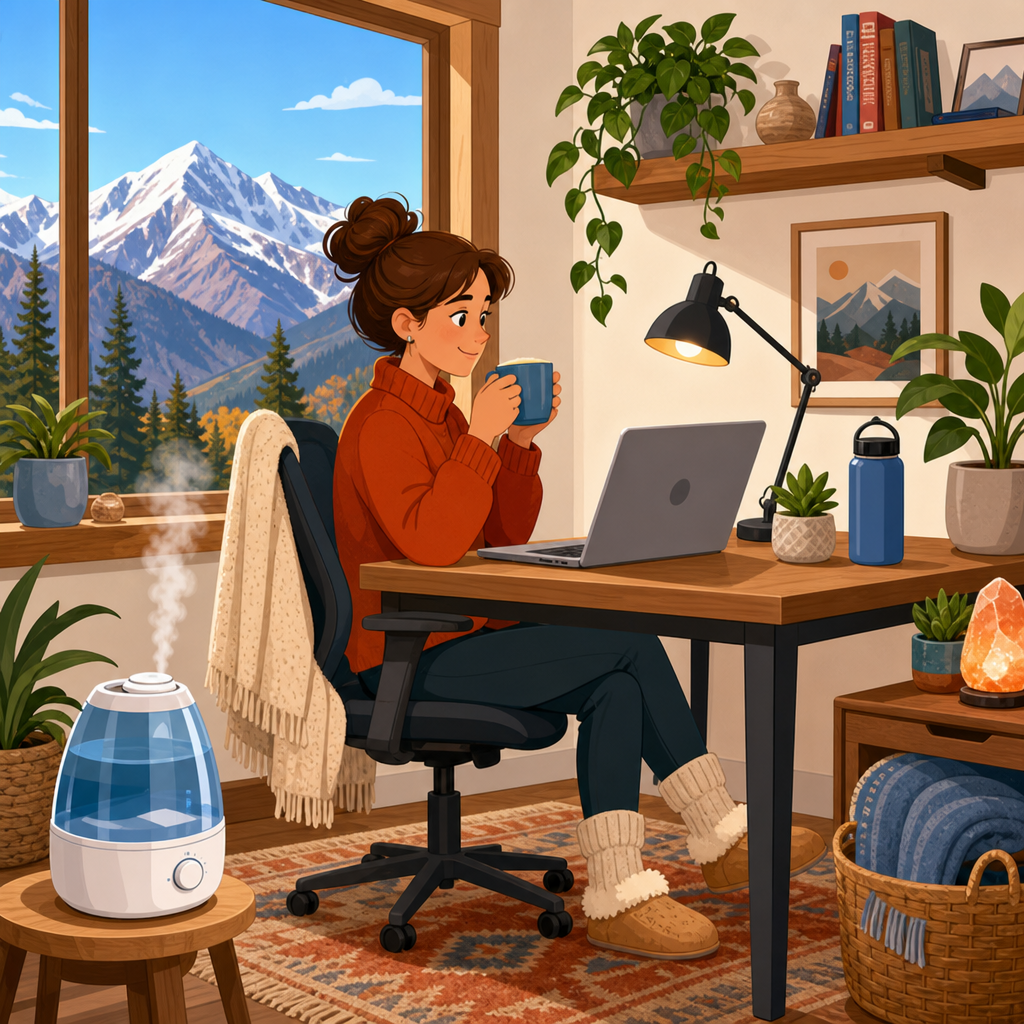
Storms often feel more intense when you live high in the mountains, and that impression is rooted in real environmental physics as well as human sensory response. In mountain communities, people are exposed to lower air pressure, faster weather shifts, colder air masses, stronger wind acceleration through terrain, brighter lightning contrast, and sound behavior altered by cliffs, snow cover, forests, and valleys. At the same time, ears, sinuses, eyes, skin, and the nervous system react differently at altitude, which can make a storm seem louder, sharper, drier, more pressurizing, or more disorienting than the same storm would feel at lower elevations.
For daily life, that matters because mountain weather is not only a comfort issue. It affects sleep, concentration, hearing clarity, sinus pressure, eye irritation, home humidity, indoor air quality, and how quickly a house loses heat or gains drafts during a front. In my experience working on health and home-comfort content for high-altitude households, the people who struggle most are rarely reacting to just one factor. They are dealing with stacked stressors: dry indoor air from heating systems, wildfire smoke or woodstove particulates, pressure changes before storms, and repeated exposure to wind-driven cold. This hub explains the sensory side of mountain storms and connects the full ENT and comfort picture in plain terms.
Key terms help frame the topic. ENT refers to ear, nose, and throat health, including pressure equalization in the middle ear, sinus drainage, nasal lining irritation, throat dryness, and related balance symptoms. Sensory issues include how people perceive sound, pressure, light, temperature, humidity, and air movement. Home comfort includes indoor humidity, filtration, insulation, noise control, and ventilation. Put together, these topics answer the practical questions mountain residents ask most: Why do my ears pop before a storm? Why do my sinuses hurt more at altitude? Why does thunder seem to roll forever? Why do my eyes and throat feel worse in winter wind? And what changes in the home actually help?
The short answer is yes: storms can be physically harsher and sensorially stronger in the mountains, but the experience depends on elevation, terrain, season, building quality, and personal susceptibility. Understanding those factors helps you separate normal mountain-weather effects from signs of illness, and it gives you a workable plan for protecting hearing comfort, sinus health, indoor air, and overall resilience during storm season.
Why mountain storms can feel stronger to the senses
Mountain storms often develop or intensify because terrain forces air upward, a process called orographic lift. As moist air rises, it cools and condenses, which can increase cloud formation, precipitation, hail, and sudden downdrafts on windward slopes. Ridges and passes also channel wind, creating acceleration zones that make gusts feel abrupt and forceful around homes. At higher elevations, thinner air carries less heat, so temperature can drop quickly when storms move in. Those fast changes create a more dramatic sensory transition than many people experience in flatter, lower areas.
Thunder and wind can seem unusually powerful in mountain terrain because sound reflects, scatters, and reverberates across rock faces, canyon walls, forest edges, and snowfields. The result is not always higher sound intensity in a strict acoustic sense, but longer, more complex echoes that people perceive as bigger and closer. Lightning can also appear more vivid because the atmosphere is cleaner and the surrounding landscape darker, especially in sparsely lit areas. During nighttime storms above 7,000 feet, many residents describe the sky as feeling “right on top of the house,” which matches the visual drama created by cloud bases interacting with steep terrain.
Another reason storms feel more intense is reduced buffering. In dense urban or lower-elevation settings, vegetation, humidity, building clusters, and ambient noise can soften the sensory contrast of a storm. Mountain homes are often more exposed. They sit on ridgelines, benches, open valleys, or forest clearings where wind and pressure shifts are easier to notice. Even indoors, lightweight construction, aging windows, unsealed attic penetrations, and forced-air heating can make a weather change feel immediate through rattling, drafts, or dry-air discomfort.
For people with sensitive ears, pressure-responsive sinuses, migraine, tinnitus, vestibular issues, or dry-eye symptoms, these environmental effects are amplified. The storm may be meteorologically ordinary for the region, but physiologically it feels intense because the body is reading multiple signals at once.
How altitude affects ears, sinuses, throat, eyes, and balance
The ear is one of the first places people notice mountain weather. The middle ear depends on the eustachian tube to equalize pressure between the ear and the outside environment. When barometric pressure drops before or during a storm, or when you move rapidly in elevation by road, that pressure regulation can lag. The result is popping, fullness, muffled hearing, discomfort, or brief dizziness. If the nose is congested from allergies, a cold, smoke exposure, or chronic rhinitis, the tube may work less efficiently, making storms feel louder and more physically intrusive.
Sinuses react for similar reasons. The sinus cavities are air-filled spaces connected by small openings that can swell shut when the nasal lining is irritated. Dry air, woodsmoke, dust, and cold wind are common mountain triggers. Add a falling-pressure system and some people develop facial pressure, upper-tooth ache, or headache. This does not mean every storm causes a true sinus infection. More often it reflects mucosal irritation and impaired pressure equalization. In my work, this is one of the most misunderstood complaints among mountain residents, who often assume pain equals infection when the bigger issue is dryness plus swelling.
The throat and voice are affected by low absolute humidity, especially in winter or in heated homes. Cold mountain air holds less moisture, and indoor heating lowers relative humidity further. Mouth breathing during exertion, congestion, or nighttime snoring dries the throat lining and can leave people waking hoarse after a stormy, windy night. Eyes behave similarly. Tear film evaporates faster in dry, moving air, which is why windy snowstorms and summer convective storms can both trigger burning, grittiness, or blurred vision. Contact lens wearers usually notice this first.
Balance and sensory overload also matter. People with vestibular migraine, Ménière-like symptoms, motion sensitivity, or anxiety can interpret wind roar, pressure shifts, darkness, and flashing lightning as disorienting. Storm stress is not imaginary. The body’s sensory systems are integrating sound, pressure, visual stimulation, and temperature changes continuously. At altitude, those inputs arrive with fewer buffers and often with greater speed.
What makes symptoms worse inside mountain homes
A mountain home can either soften storm effects or magnify them. The biggest indoor factor is usually humidity. Many homes at elevation run below 30 percent relative humidity for long periods in winter, and some fall under 20 percent when heating systems run constantly. That level dries nasal passages, thickens mucus, worsens crusting, and makes minor pressure changes feel sharper. It also contributes to itchy eyes, scratchy throat, and static-electric conditions that signal very dry air.
Air leakage is next. Poorly sealed windows, recessed lights, attic hatches, and sill plates allow gust-driven infiltration. During storms, that means cold drafts, pressure fluctuations, and outdoor particulates entering the living space. If the home uses a woodstove, pellet stove, or fireplace, combustion byproducts and very dry heat can add to throat and eye irritation. If wildfire smoke is present in the region, storms can shift smoke layers unpredictably, increasing indoor exposure unless the house has effective filtration.
Noise transmission matters more than many homeowners realize. Metal roofing, undersized attic insulation, and lightweight wall assemblies can make rain, hail, and wind acoustically prominent. For someone already dealing with ear fullness or tinnitus, that added noise can raise stress and worsen symptom awareness. Bedrooms are especially important because poor sleep lowers pain tolerance and increases next-day sensitivity to pressure and sound.
| Problem during storms | Common mountain cause | Most helpful home fix |
|---|---|---|
| Dry nose, sinus pressure, sore throat | Indoor humidity below 30 percent | Use a hygrometer and keep humidity around 30 to 40 percent |
| Drafts and pressure discomfort | Air leaks around windows, attic, and doors | Air sealing, weatherstripping, and insulation upgrades |
| Eye and throat irritation | Woodsmoke, dust, or wildfire particulates | MERV 13 filtration or a true HEPA room purifier |
| Thunder and hail seem overwhelming indoors | Noisy roof and low acoustic damping | More attic insulation, better windows, bedroom sound control |
Ventilation should be balanced carefully. Tight homes need fresh air, but simply opening windows during a storm can worsen dryness, cold stress, and particulate exposure. Heat-recovery or energy-recovery ventilation systems can help where budgets allow, especially in newer mountain construction. The goal is stable indoor conditions, not a constant battle against the weather outside.
Practical ways to protect ENT health and comfort
The most effective approach is to treat mountain storm sensitivity as a system, not a single symptom. Start with moisture management. Use a digital hygrometer in the bedroom and main living area, and aim for a range that supports comfort without encouraging condensation or mold. In many cold mountain climates, 30 to 40 percent relative humidity is realistic. Portable humidifiers help, but they must be cleaned properly to avoid microbial growth and mineral aerosol. For many households, sealing leaks and reducing over-drying from heat sources improves comfort as much as adding moisture.
Support the nose first because ear and sinus comfort often depends on nasal function. Saline spray, saline gel, and sterile saline rinses can reduce dryness and help mucus move normally. People with seasonal allergies may also benefit from clinician-guided use of intranasal corticosteroid sprays, which reduce swelling around sinus openings and the eustachian tube. If you are driving up and down mountain roads, swallowing, yawning, and pressure-equalizing techniques can minimize ear discomfort, but forceful pressure maneuvers should be avoided when you have an active cold or severe congestion.
For eyes, wraparound eyewear outdoors, preservative-free lubricating drops, and reducing direct heat-blower exposure are simple high-yield fixes. For throat comfort, hydration matters, but so does reducing irritants. If a woodstove is used, confirm proper drafting and keep fuel dry. Replace HVAC filters on schedule and consider upgrading to MERV 13 if the system can handle the pressure drop. In bedrooms, portable HEPA cleaners are especially useful during smoke events, dusty winds, and heavy pollen periods.
Sound and sleep deserve equal attention. Blackout curtains will not stop thunder, but layered window treatments, weatherstripping, rugs, and white-noise devices can reduce the sharpness of storm noise indoors. If a person develops repeated vertigo, one-sided hearing changes, severe facial pain, bloody nasal discharge, or symptoms that persist well after storms pass, that is a signal to seek medical evaluation rather than assuming altitude is the only cause.
How this ENT and sensory hub connects the wider topic
This page sits within daily life, skin, eyes, and home comfort because mountain storm intensity is rarely just a weather question. It overlaps with dry skin from heated air, eye strain from glare and wind, sleep disruption from noise, and indoor comfort problems tied to insulation and filtration. Readers exploring this hub should also look for deeper guides on ear popping and eustachian tube dysfunction, sinus pressure versus sinus infection, dry-eye strategies at altitude, wildfire smoke and indoor air cleaning, humidifier safety, soundproofing bedrooms in windy climates, and when barometric pressure changes trigger headache or migraine.
Seen together, these subjects explain why some people thrive in mountain environments while others feel constantly irritated by weather. The difference is often not toughness. It is preparation, building performance, and understanding how altitude changes the baseline for the body’s sensory systems.
Living high in the mountains can make storms feel more intense for sound, pressure, temperature, and visibility reasons, and it can make ear, nose, throat, eye, and balance symptoms more noticeable. Lower air pressure, faster weather swings, stronger terrain-shaped wind, drier indoor air, and more exposed housing all contribute. None of that means mountain living is unhealthy, but it does mean comfort requires more deliberate management than many people expect when they move uphill.
The most useful takeaway is simple: if storms leave you with ear fullness, sinus pain, dry eyes, scratchy throat, poor sleep, or a sense of sensory overload, look at both your body and your home. Improve humidity, filtration, air sealing, and noise control. Protect the nasal lining, support eye moisture, and watch for patterns tied to smoke, allergens, and pressure changes. When symptoms are severe, one-sided, prolonged, or paired with fever, hearing loss, or vertigo, get medical advice instead of guessing.
Mountain weather will always feel dramatic, and that is part of its beauty. The goal is not to eliminate that experience but to make it easier on your ears, sinuses, eyes, throat, and home. Use this hub as your starting point, then explore the connected guides in the ENT and sensory issues section to build a mountain comfort plan that works in every season.
Frequently Asked Questions
Do storms actually become more intense at high elevation, or do they just feel that way?
Both can be true. In many mountain settings, storms genuinely can be more forceful in ways people notice immediately. Higher elevations are exposed to colder air, lower air pressure, stronger wind flow, and rapid shifts in temperature and humidity. Terrain also plays a major role. Ridges, passes, and steep slopes can speed up wind, funnel air into narrow corridors, and help trigger fast-developing thunderstorms as moist air is forced upward. That means mountain residents may experience sharper gusts, quicker storm build-up, sudden hail, and more dramatic lightning than people in lower, flatter areas nearby.
At the same time, storms often feel more intense in the mountains because the human body and senses are reacting to the environment differently. Lower pressure can make ears and sinuses more sensitive. Cold, dry air can heighten skin sensation and make wind feel harsher. Bright lightning can appear even more vivid against dark slopes, snowfields, or thin mountain air, and thunder may echo or roll through valleys in a way that feels bigger and closer. So the mountain experience of a storm is not just psychological. It is a combination of real atmospheric physics and the way the body perceives fast environmental change.
Why does thunder seem louder and lightning look brighter in the mountains?
Mountain landscapes change the way both light and sound are perceived. Lightning often looks brighter at elevation for several reasons. The air may be clearer, drier, and thinner, which can make flashes appear sharper and more stark. In many mountain areas, there is also less ambient light pollution, so the contrast between a lightning flash and the dark sky is much stronger. If there is snow on the ground or pale rock nearby, those surfaces can reflect light and make the entire scene seem illuminated for an instant. The result is a flash that feels unusually crisp, bright, and immediate.
Thunder can also seem louder or more dramatic because of terrain effects. Sound waves bounce off cliffs, move through canyons, and reverberate across valleys, creating long rolling echoes or sudden bursts that seem to come from multiple directions. Forests, snow cover, exposed rock, and open slopes all alter how sound is absorbed or reflected. Sometimes thunder is not objectively louder at the source, but the surrounding landscape amplifies the emotional impact by stretching it out, echoing it, or making it harder to judge distance. That is why mountain thunder often feels less like a single noise and more like a full environmental event.
How do lower air pressure and rapid weather changes affect the way storms feel to your body?
Lower air pressure at high altitude changes how the body senses the atmosphere. Ears and sinuses are especially sensitive to pressure shifts, so when a storm approaches and pressure changes quickly, people may notice popping, fullness, mild pain, or a sense of heaviness in the head. Some individuals also report headaches, facial pressure, or increased sensitivity if they already have allergies, congestion, or sinus issues. These reactions can make an incoming storm feel stronger before the rain, wind, or thunder even fully arrive.
The nervous system is also responding to more than one stimulus at once. Colder air, stronger gusts, static buildup, changes in humidity, and sudden temperature drops all create a layered sensory experience. Skin may feel stinging or chilled more quickly in thin, dry air. Eyes can react to blowing dust, bright lightning, or intense contrast between clouds and terrain. For some people, the body interprets these rapid signals as a heightened state of alert, which can make the entire storm feel more urgent or aggressive. In other words, mountain storms are not only meteorological events; they are whole-body sensory events shaped by altitude, pressure, and fast atmospheric change.
Why are winds during mountain storms often stronger or more unpredictable?
Mountain terrain is excellent at reshaping wind. When air moves across ridges, through gaps, down valleys, or around steep slopes, it can accelerate dramatically. This is one reason wind in the mountains often feels more forceful and erratic than in lower terrain. A broad regional weather system may produce moderate winds overall, but local topography can turn that into intense gusts in a particular canyon, on an exposed slope, or near a ridge crest. Storm outflows can also descend rapidly and spread unevenly, creating sudden, localized bursts of wind that arrive with very little warning.
Unpredictability comes from the sheer complexity of the terrain. Air can rise on one slope, sink on another, curl behind rock faces, and channel into narrow passages. During thunderstorms, those patterns become even more dynamic because cold downdrafts, rain shafts, and shifting pressure gradients are all interacting with the land surface. That is why one part of a mountain community may experience relatively light rain while another nearby area gets violent gusts, blowing debris, and a fast temperature plunge. To residents, this can make storms feel unusually intense because the wind is not just strong; it is changeable, directional, and deeply influenced by the landscape around them.
Do people who live high in the mountains need to take extra storm precautions?
Yes. Even when a storm is not classified as severe on a regional scale, mountain conditions can make it more hazardous at the local level. Stronger wind exposure, fast-forming lightning storms, sudden temperature drops, hail, and reduced visibility can all create safety issues quickly. Travel is a major concern. Roads can become slick, narrow mountain routes may flood or collect debris, and fog or heavy rain can sharply reduce sight distance. Outdoor exposure is another serious factor because ridgelines, open slopes, fire lookouts, ski areas, and alpine trails can leave people vulnerable to lightning and wind with little shelter nearby.
Practical precautions include monitoring weather forecasts closely, understanding how local terrain affects storm behavior, and not relying only on conditions visible from one location. In mountain settings, weather can deteriorate very fast just over the next ridge or up the valley. Residents should secure loose outdoor items, prepare for short-notice power outages, avoid exposed high ground during thunder, and keep emergency supplies ready in case roads are blocked or communication is disrupted. If you live high in the mountains, the goal is not to assume every storm will be extreme, but to respect that mountain environments can intensify both the physical effects of weather and the speed at which danger develops.