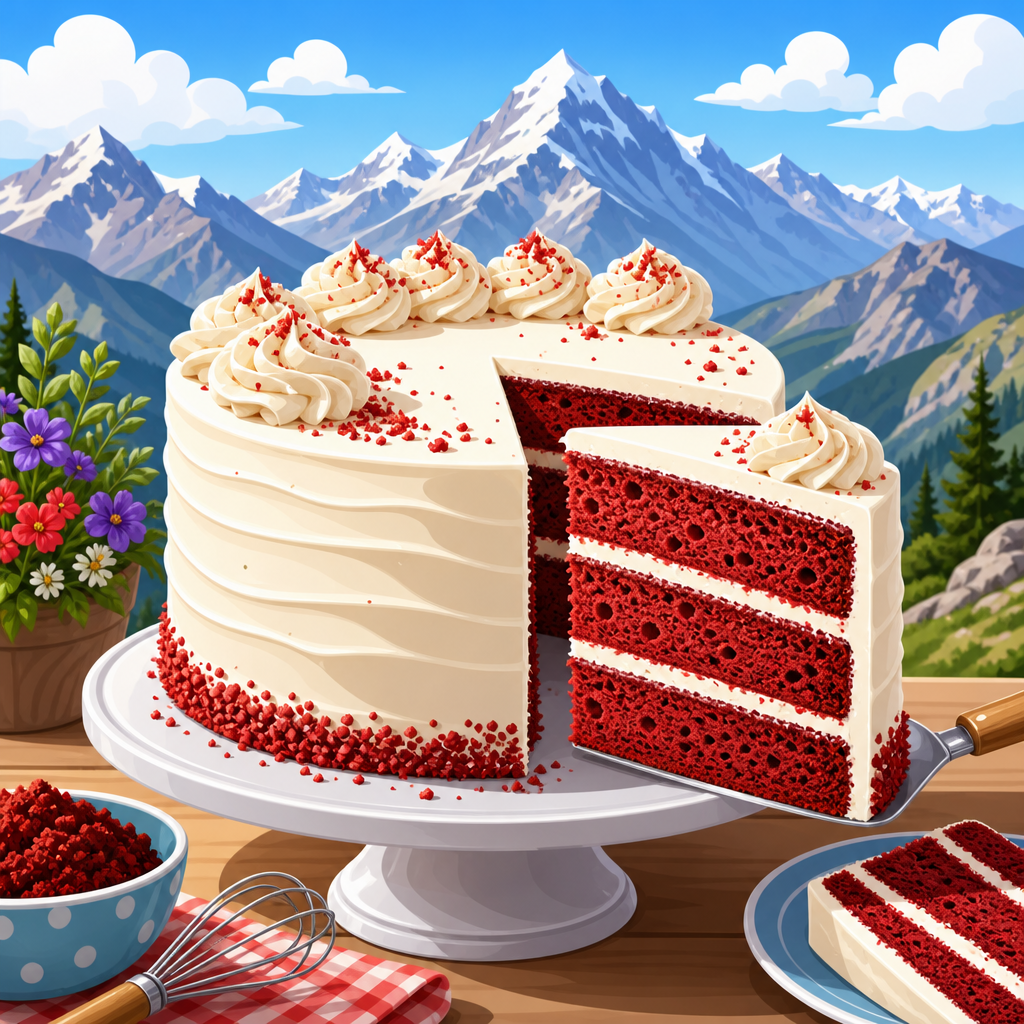
High altitude red velvet cake can be tender, moist, and evenly risen without developing the dense crumb that frustrates so many mountain bakers. In baking terms, “high altitude” usually means 3,000 feet above sea level and higher, where lower air pressure changes how cakes rise, set, and retain moisture. “Dense crumb” refers to a tight, heavy interior with small compressed air cells instead of the soft, velvety structure expected from a good red velvet cake. I have baked red velvet layers and cupcakes repeatedly between 5,000 and 7,500 feet, and the pattern is always the same: recipes written for sea level often over-rise, lose moisture too quickly, and then collapse into gummy heaviness. That is why this topic matters. If you understand how altitude affects flour hydration, leavening, sugar concentration, and batter structure, you can turn a finicky cake into a dependable one. This hub covers the practical adjustments that make high altitude red velvet cake work and connects those lessons to the broader category of cakes and cupcakes baked above sea level.
Red velvet cake deserves special attention because it sits between butter cake and devil’s food cake in structure and flavor. It typically uses cocoa in a modest amount, acidic ingredients such as buttermilk and vinegar, and either butter, oil, or a combination for tenderness. The expected crumb is fine, plush, and soft, not bready and not fragile. At altitude, every one of those characteristics is under pressure. Liquids evaporate faster, gases expand sooner, and proteins can set before the cake has fully stabilized. The result can be tunneling, a domed top, dry edges, sticky centers, or the classic dense strip near the bottom. Understanding the causes behind these failures is the fastest path to fixing them. It also helps with related bakes such as layer cakes, snack cakes, bundt cakes, sheet cakes, and cupcakes, because the same pressure, moisture, and structure rules apply across this entire cakes and cupcakes category.
Why high altitude changes red velvet cake chemistry
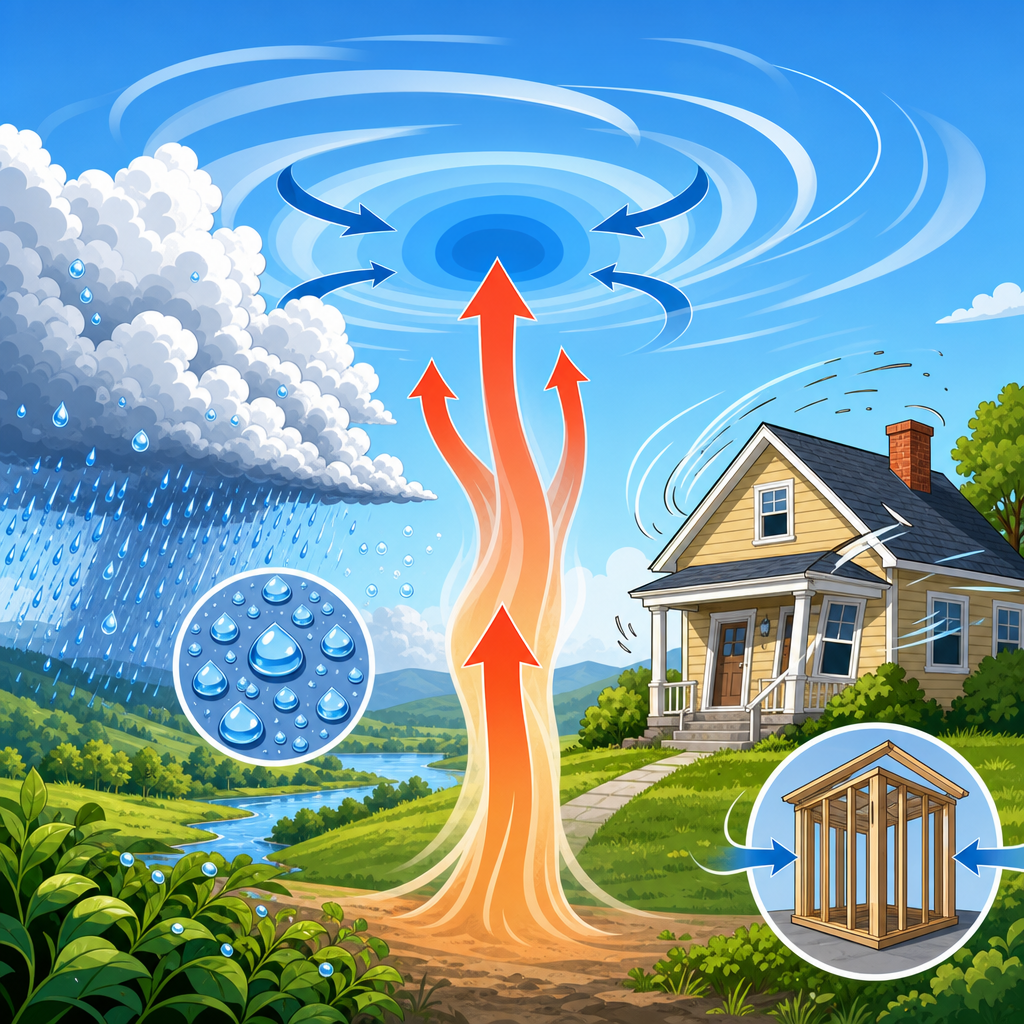
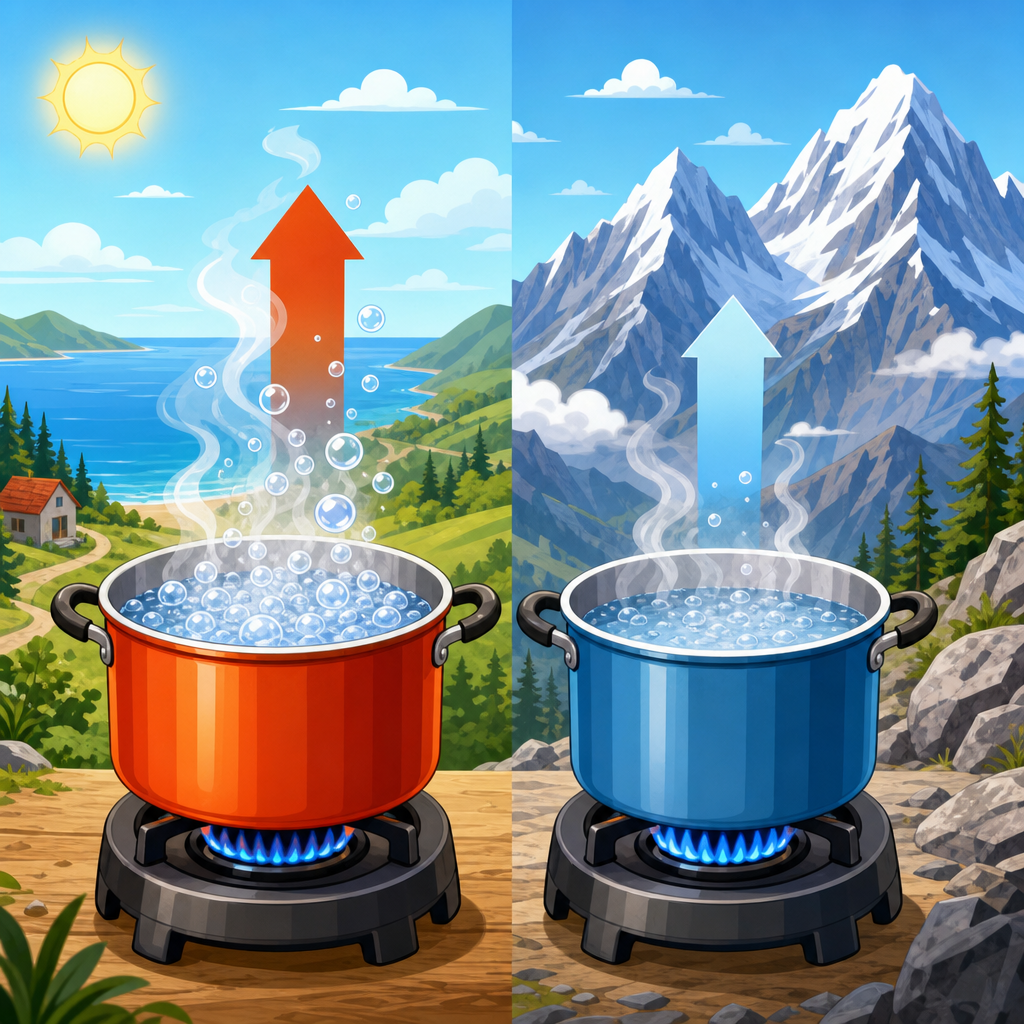
The science is straightforward. At higher elevations, atmospheric pressure drops, so the gases produced by baking powder, baking soda, steam, and creamed air bubbles expand more easily. That sounds helpful, but it often causes batter to rise too fast before the starches gelatinize and the egg proteins coagulate enough to hold the structure. When that weak structure collapses, the crumb compresses and turns dense. At the same time, water boils at a lower temperature, so moisture escapes more rapidly from the batter and from the oven environment. Sugar becomes more concentrated as moisture leaves, which can weaken structure further because sugar delays protein coagulation and starch setting. In practical terms, a sea-level formula may need less leavening, slightly more flour, slightly more liquid, and a somewhat higher oven temperature at altitude so the cake sets before it overexpands.
Red velvet adds another layer of complexity because it includes acid and often a relatively soft batter. Buttermilk lowers pH, vinegar reacts with baking soda, and cocoa contributes both flavor and mild acidity depending on whether it is natural or Dutch-processed. Most red velvet formulas rely on natural cocoa because baking soda needs acidity to react properly. If you switch to Dutch cocoa without accounting for pH, the rise and flavor profile can drift. Food coloring does not significantly affect structure in modern quantities, but the liquid in some older-style red colorings can slightly loosen a batter. The cream cheese frosting associated with red velvet does not influence the bake itself, yet it affects how dry or moist the cake feels after chilling. A cold frosted cake will seem firmer than one served after losing its chill for twenty to thirty minutes.
The core formula adjustments that prevent a dense crumb
When I adapt a red velvet cake recipe for altitude, I begin with measured structural changes rather than guessing. For elevations around 3,000 to 5,000 feet, a useful starting point is reducing total chemical leavening by about 1/8 to 1/4 teaspoon per teaspoon used at sea level, increasing liquid by 1 to 2 tablespoons per cup, and adding 1 to 2 tablespoons of flour per recipe depending on batter looseness. From 5,000 to 7,500 feet, the reduction in leavening is often greater, and oven temperature usually increases by 15 to 25 degrees Fahrenheit to help the cake set sooner. Sugar may also need a slight reduction, commonly 1 to 2 tablespoons per cup, especially in very tender formulas where the center tends to sink. These are not arbitrary numbers. They directly address premature expansion, moisture loss, and delayed structure setting.
Fat choice matters too. Oil gives a softer crumb and better moisture retention, while butter brings flavor but can firm up when cool. Many successful high altitude red velvet cakes use a blend, such as half butter and half oil, to balance flavor and tenderness. Eggs provide emulsification and protein structure; extra egg white can strengthen a batter that repeatedly collapses, but too much will make the crumb rubbery. Flour selection is equally important. All-purpose flour in the 10 to 11.7 percent protein range usually works best. Cake flour can produce a beautifully fine crumb at moderate altitude, but at higher elevations it may be too weak unless paired with reduced sugar, careful mixing, and precise baking time. The goal is not a thick batter; it is a batter strong enough to rise evenly and soft enough to stay tender.
| Altitude | Leavening | Liquid | Flour | Oven Temperature |
|---|---|---|---|---|
| 3,000–5,000 ft | Reduce slightly | Add 1–2 tbsp per cup | Add 1–2 tbsp per recipe | Increase 15°F |
| 5,000–7,500 ft | Reduce moderately | Add 2–4 tbsp per cup | Add 2–4 tbsp per recipe | Increase 15–25°F |
| 7,500+ ft | Reduce more aggressively | Add carefully and test | Increase as needed for support | Increase 25°F, watch closely |
Mixing method, pan choice, and baking process for cakes and cupcakes
Even a well-adjusted formula can fail if the method is off. For red velvet cake, I prefer a reverse-creaming or two-stage mixing method for layer cakes at altitude because it limits oversized air pockets and creates a more even crumb. Traditional creaming works, but over-creaming butter and sugar traps too much air, which expands rapidly at altitude and encourages collapse. If using the creaming method, beat just until lightened, not until extremely fluffy. Once flour is added, mix only to combine. Overmixing develops gluten and creates tunnels, while undermixing leaves dense streaks at the bottom. Scraping the bowl thoroughly is nonnegotiable because butter-rich batters can hide unmixed pockets that bake into heavy bands.
Pan preparation and fill level also matter. Light-colored aluminum pans bake more evenly than dark nonstick pans, which can set edges too quickly before the center catches up. For layer cakes, filling pans about one-half to two-thirds full gives the batter room to rise without spilling or mushrooming. Cupcakes are less forgiving because their small size promotes rapid edge setting; at altitude, that can produce peaked tops and compact interiors if the batter is too stiff or the oven too hot. Start checking cupcakes early, often at 14 to 16 minutes depending on size, while 8-inch layers may bake in 24 to 30 minutes. Doneness is more reliable when measured by spring-back, slight pull from the pan edge, and an internal temperature around 200 to 205 degrees Fahrenheit than by a dry toothpick alone, which can be misleading in cocoa batters.
Ingredient specifics: cocoa, buttermilk, vinegar, color, and flour balance
Because this page serves as a hub for cakes and cupcakes at altitude, ingredient behavior deserves a closer look. Cocoa powder affects more than flavor. Natural cocoa is acidic and works predictably with baking soda, supporting the subtle tang associated with red velvet. Dutch-process cocoa is alkalized and smoother in flavor, but it weakens the acid-base relationship central to many classic red velvet recipes. If you use Dutch cocoa, you generally need a different leavening balance. Buttermilk provides both moisture and acidity, and full-fat cultured buttermilk consistently performs better than milk mixed with lemon juice because it contributes viscosity and tenderness as well as acid. Vinegar boosts the soda reaction and sharpens flavor slightly, but too much can weaken the batter and produce coarse, early expansion.
Flour and sugar should be viewed together. More sugar means greater tenderness and moisture retention, but it also delays structure setting. At altitude, that delay can be costly. A slight sugar reduction often improves height and crumb without making the cake taste less sweet once frosting is added. Flour gives the cake enough framework to hold those expanding gases. If your red velvet cake rises dramatically and then sinks, you likely need less leavening, more flour, or a hotter oven. If it never rises well and bakes up heavy from the start, the batter may be too thick, the flour may be overmeasured, or the eggs and fat may not have emulsified properly. Weighing ingredients on a digital scale solves many of these issues. For cups-based bakers, fluffing flour and spooning it into the measuring cup is far safer than scooping directly from the bag.
Troubleshooting common failures in high altitude red velvet cake
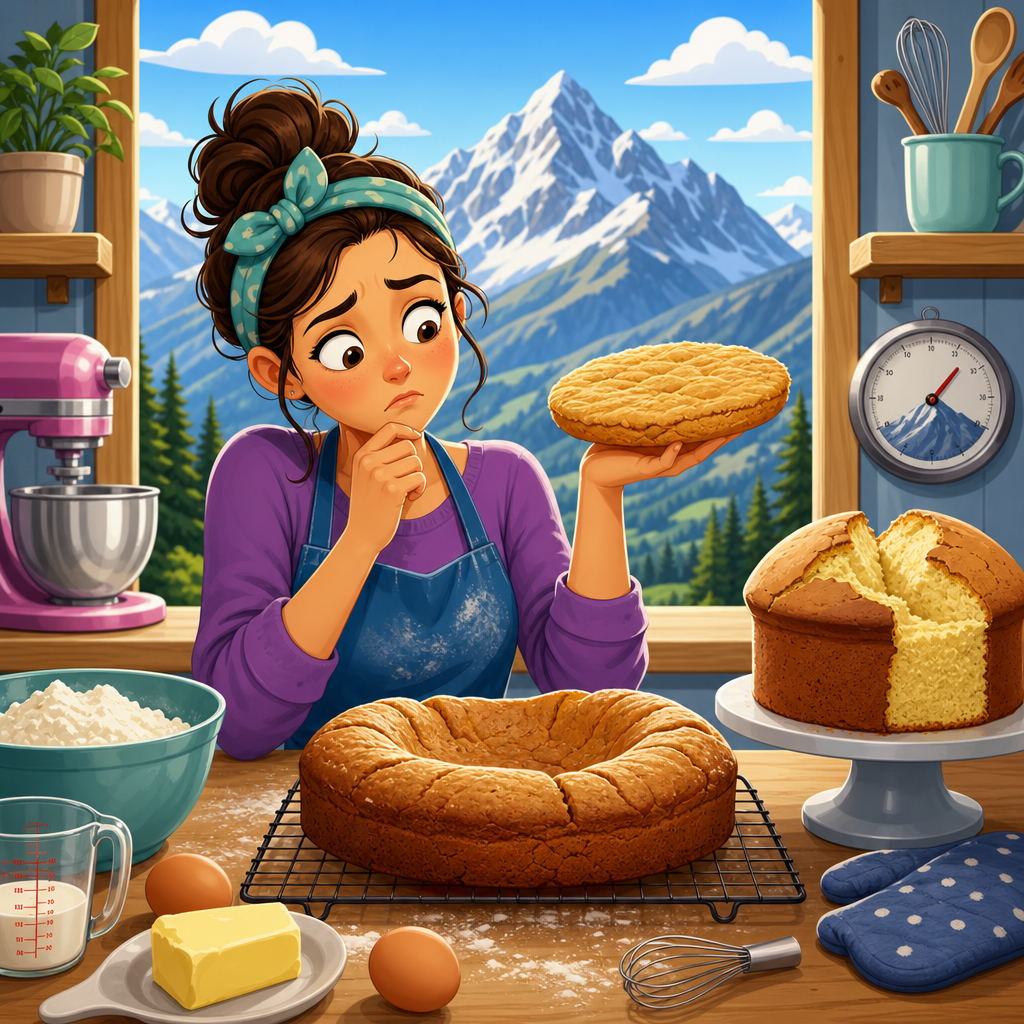
The most common complaint is a dense, damp layer with a slightly sunken middle. In my testing, that usually comes from too much leavening combined with too low an oven temperature. The cake expands quickly, then the center falls before the crumb sets. Reduce baking powder or baking soda slightly, increase oven temperature, and verify your oven with a thermometer such as the ThermoWorks Dot or an inexpensive hanging oven gauge. Another frequent problem is a gummy line at the bottom. That points to undermixing, poor pan release causing compression during cooling, or too much liquid without enough structural support. Mix until homogeneous, line the pan base with parchment, and make only one adjustment at a time so you can identify the true cause.
Dryness can be deceptive. A cake may have a dense crumb and still taste dry because altitude drives off moisture quickly. To fix that, increase liquid modestly, avoid overbaking, and cool layers for about ten minutes in the pan before turning out. Wrapping barely warm layers in plastic helps retain moisture. If the cake is coarse with large holes, you likely have excess leavening or overbeaten batter. If the top cracks heavily, the oven may be too hot or the pan too small. If the red color turns brownish, natural cocoa may be too dark, the batter pH may be drifting, or the coloring level may be too low for your formula. Gel color is usually the best choice because it adds strong pigment with minimal extra liquid.
Building a reliable cakes and cupcakes system at altitude
The best high altitude bakers do not rely on memory; they build repeatable systems. Keep a baking log with altitude, room humidity, pan size, ingredient brands, mixing time, oven setting, and final result. Brand variation is real. King Arthur all-purpose flour behaves differently from lower-protein regional flours, and buttermilk thickness varies by producer. Oven calibration also matters more than many bakers realize. A home oven set to 350 degrees Fahrenheit may cycle between 325 and 375, which can be enough to ruin a delicate red velvet crumb at altitude. Convection can help because it promotes faster setting and more even heat, but reduce the stated temperature by about 25 degrees Fahrenheit and watch the bake carefully. The broader lesson for cakes and cupcakes is consistency: stable formula, measured adjustments, and careful notes.
This hub topic also includes related bakes that use similar principles. Chocolate cake at altitude often needs the same leavening restraint as red velvet. Vanilla cupcakes need moisture support and measured fill levels. Carrot cake brings the extra variable of vegetable water content, while pound cake relies more on mechanical aeration and can become compact if overcreamed. Bundt cakes require special attention to pan geometry because the outer edge and center tube bake at different rates. Snack cakes and sheet cakes are often easier entry points for high altitude bakers because their shallower depth reduces collapse risk. Mastering red velvet helps with all of them because it trains you to read batter texture, understand pH, and recognize the signs of weak versus overbuilt structure before the cake ever goes into the oven.
High altitude red velvet cake without a dense crumb is absolutely achievable when you treat altitude as a structural variable, not a mystery. The essentials are consistent: reduce leavening enough to control overexpansion, add moisture to offset faster evaporation, strengthen the batter with measured flour adjustments, and raise oven temperature so the crumb sets in time. Then protect that formula with disciplined technique. Mix carefully, choose the right pans, weigh ingredients, and make one change at a time when troubleshooting. Red velvet is not uniquely impossible at elevation; it simply reveals every weakness in a recipe very quickly.
As the hub for cakes and cupcakes within cooking and baking at altitude, this guide gives you the framework that supports layer cakes, cupcakes, sheet cakes, and other celebration bakes. Start with red velvet, keep detailed notes, and refine your formula to your exact elevation and oven. Once you can produce a soft, even, velvety crumb on demand, the rest of high altitude cake baking becomes much more predictable. Use this page as your baseline, then apply the same principles to every cake and cupcake recipe you bake next.
Frequently Asked Questions
Why does red velvet cake often turn out dense at high altitude?
At high altitude, cakes behave differently because lower air pressure allows batters to rise faster and lose moisture more quickly. That rapid rise sounds helpful, but it can actually work against you. If a red velvet cake rises too fast before the structure has time to set, the air cells can overexpand and then collapse, leaving behind a tighter, heavier crumb. At the same time, flour can become more dominant if the recipe is not adjusted, which contributes to a dense, slightly gummy texture instead of the soft, velvety interior people expect.
Red velvet cake is especially sensitive because it is meant to have a fine, tender crumb rather than a coarse or sturdy one. At elevation, too much sugar, too little liquid, or too much leavening can throw that balance off quickly. Overmixing can make the problem even worse by developing too much gluten. If you want a high altitude red velvet cake without a dense crumb, the goal is to slow the rise slightly, improve moisture retention, and support the cake structure with balanced ingredient adjustments rather than relying on the original sea-level formula.
What recipe adjustments help create a tender, moist red velvet cake at high altitude?
The most effective adjustments usually involve reducing leavening slightly, increasing liquid a bit, and sometimes adding a touch more flour depending on the starting recipe. At higher elevations, baking powder and baking soda can act more aggressively, so a small reduction helps prevent the batter from rising too quickly and then sinking. Extra liquid is important because moisture evaporates faster in mountain climates and in the oven, which can leave the cake dry and compact if you do not compensate. In many red velvet recipes, buttermilk is already part of the formula, and a modest increase in buttermilk can help preserve tenderness while supporting the classic flavor.
You may also benefit from a slightly higher oven temperature so the cake structure sets before the batter overexpands. This is a common high-altitude strategy and often works well for layer cakes. In addition, careful measurement matters more than many bakers realize. Too much flour is one of the fastest ways to end up with a dense crumb, especially when baking at altitude. Weighing ingredients, using room-temperature dairy and eggs, and mixing only until combined all improve the final texture. Small, controlled changes are usually more effective than dramatic ones.
How important is mixing method when trying to avoid a dense crumb in high altitude red velvet cake?
Mixing method matters a great deal. Even a well-adjusted high-altitude recipe can produce a dense red velvet cake if the batter is overmixed. Once flour is added, too much stirring develops gluten, which creates a firmer, tighter crumb. That is the opposite of what you want in red velvet cake, where the ideal texture is soft, delicate, and plush. At altitude, where cakes are already under extra stress from fast rising and moisture loss, overmixing can push the texture from slightly heavy to noticeably dense.
The best approach is to cream butter and sugar properly if the recipe uses that method, or to blend wet ingredients thoroughly before adding dry ingredients if it is an oil-based version. Then fold or mix the dry ingredients in just until the batter is smooth and no streaks remain. Scraping the bowl is important, but prolonged beating is not. If the recipe includes vinegar and baking soda, those should be combined and baked promptly so you capture the lift without letting the batter sit too long. Good mixing technique helps preserve the air already built into the batter and supports an even, tender crumb instead of a compressed interior.
Does pan size and baking time affect whether red velvet cake becomes dense at high altitude?
Yes, pan size and baking time can significantly affect crumb texture. If the pans are overfilled, the batter may struggle to bake evenly, especially at altitude where the cake can rise quickly and then lose structure before the center finishes setting. That often leads to a heavy middle or a cake that looks done on the outside but remains too moist and compact inside. Using the correct pan size allows the batter to rise and bake more evenly, which helps maintain a lighter, more velvety crumb.
Baking time is just as important. Underbaking can leave the interior compressed and gummy, while overbaking dries the cake out and makes the crumb feel tight rather than tender. Because high-altitude ovens and climates can vary, it is wise to start checking for doneness a few minutes early, but do not remove the cake until the center is set and a tester comes out with only a few moist crumbs. Letting the layers cool in the pans briefly before turning them out also helps the structure stabilize. Consistent pan preparation, accurate portioning, and careful doneness checks all make a noticeable difference in preventing dense results.
Can I still get the classic red velvet flavor and texture at high altitude without making the cake heavy?
Absolutely. A high altitude red velvet cake can still have the signature mild cocoa flavor, subtle tang, vivid color, and smooth, tender crumb that people love. The key is understanding that high-altitude baking is not about changing the identity of the cake. It is about protecting the texture by adjusting for faster rise, quicker evaporation, and delayed structure setting. When those factors are managed correctly, the cake does not have to be heavy at all. In fact, it can be exceptionally soft and moist.
To preserve that classic red velvet character, focus on balanced ingredients and proper technique. Buttermilk helps provide tang and tenderness, cocoa should be measured carefully so it does not overpower the cake or dry it out, and the batter should be mixed gently to keep the crumb fine. You also want to avoid adding excess flour in an attempt to “fix” altitude issues, because that can create the dense texture you are trying to avoid. With thoughtful altitude adjustments and good baking habits, you can make red velvet layers that rise evenly, slice cleanly, and stay velvety instead of compact.