Sinus pressure after a big elevation gain is common, uncomfortable, and usually manageable with simple, safe steps. The sensation often feels like fullness in the cheeks, forehead, behind the eyes, or deep in the bridge of the nose after driving up a mountain road, flying, hiking to altitude, or even taking a fast elevator in a tall building. In plain terms, sinus pressure happens when the air spaces around the nose cannot equalize pressure smoothly or when their lining swells and traps air and mucus. Elevation gain matters because pressure changes outside the body can outpace the nose and sinus openings, especially if you already have allergies, a cold, chronic sinusitis, a deviated septum, or dry irritated nasal tissue.
I have seen this pattern repeatedly in altitude travelers and frequent flyers: the biggest mistake is treating every episode like an infection. Most cases after a rapid climb are related to pressure imbalance, congestion, or dryness rather than bacteria. The key terms are straightforward. The sinuses are air-filled cavities in the skull connected to the nose through tiny drainage pathways called ostia. The Eustachian tubes connect the middle ears to the back of the nose, which is why sinus pressure, ear popping, muffled hearing, and facial discomfort often appear together. Barosinusitis is the medical term for sinus pain or inflammation caused by changes in ambient pressure. Understanding that mechanism helps you choose safer relief and know when to seek care.
This topic matters because the wrong response can make symptoms worse. Blowing hard, overusing decongestant sprays, or ignoring warning signs such as one-sided severe pain, fever, or vision changes can turn a brief annoyance into a bigger problem. It also matters because this page serves as a practical hub for ENT and sensory issues that show up in everyday life: sinus pressure, ear pressure, dry indoor air, smell changes, eye irritation, and the overlap between allergy symptoms and infection. If you want a concise answer, start here: the safest first-line measures are slowing the pressure change when possible, using saline spray or rinse, hydrating, humidifying dry air, chewing or swallowing to help nasal and ear pressure equalize, resting, and using over-the-counter pain relief if you can take it safely. Persistent or severe symptoms need medical evaluation.
Why elevation gain triggers sinus pressure
Air pressure decreases as elevation rises. When outside pressure changes, the air in your sinuses and middle ears has to adjust through narrow passages in the nose. If those passages are partly blocked by swelling, allergy inflammation, viral congestion, smoke exposure, or dehydration, pressure equalization lags behind. That lag creates stretching of the sinus lining, which people experience as pressure, ache, or stabbing pain. During descent, the reverse can happen too, and for some people downhill driving or airplane landing is worse than climbing.
The frontal sinuses above the eyes and the maxillary sinuses in the cheeks are common trouble spots because their drainage pathways are narrow. Even mild rhinitis can reduce the opening size enough to matter during a fast ascent. In clinic conversations, patients often describe a sequence: stuffy nose before the trip, then a strong ache at altitude, then lingering soreness for hours afterward. That story strongly suggests a pressure problem, not a sudden infection. The same pressure mechanics explain why symptoms often worsen in cold, windy, very dry air, which irritates the nasal lining and thickens mucus.
Risk rises when elevation changes quickly. A two-hour mountain drive with repeated switchbacks is more provocative than a gradual all-day hike. Flying combines rapid cabin pressure shifts with very low humidity, often under 20 percent, which dries the nose. People with allergic rhinitis, recent upper respiratory infection, nasal polyps, chronic sinusitis, migraine, or prior sinus surgery may notice symptoms sooner. Children can also struggle because their ear and nasal pressure pathways are smaller, though adults with chronic congestion are affected more often than many expect.
Symptoms that are normal, and symptoms that are not
Typical sinus pressure after elevation gain includes fullness in the face, dull forehead pain, pressure behind the eyes, mild upper tooth discomfort, nasal stuffiness, ear popping, and temporary reduction in smell. Some people get watery eyes or a mild headache from the same pressure shift. Symptoms often improve within minutes to several hours once pressure equalizes and the nasal lining settles down. If you use saline and rest in stable air, improvement the same day is a reassuring sign.
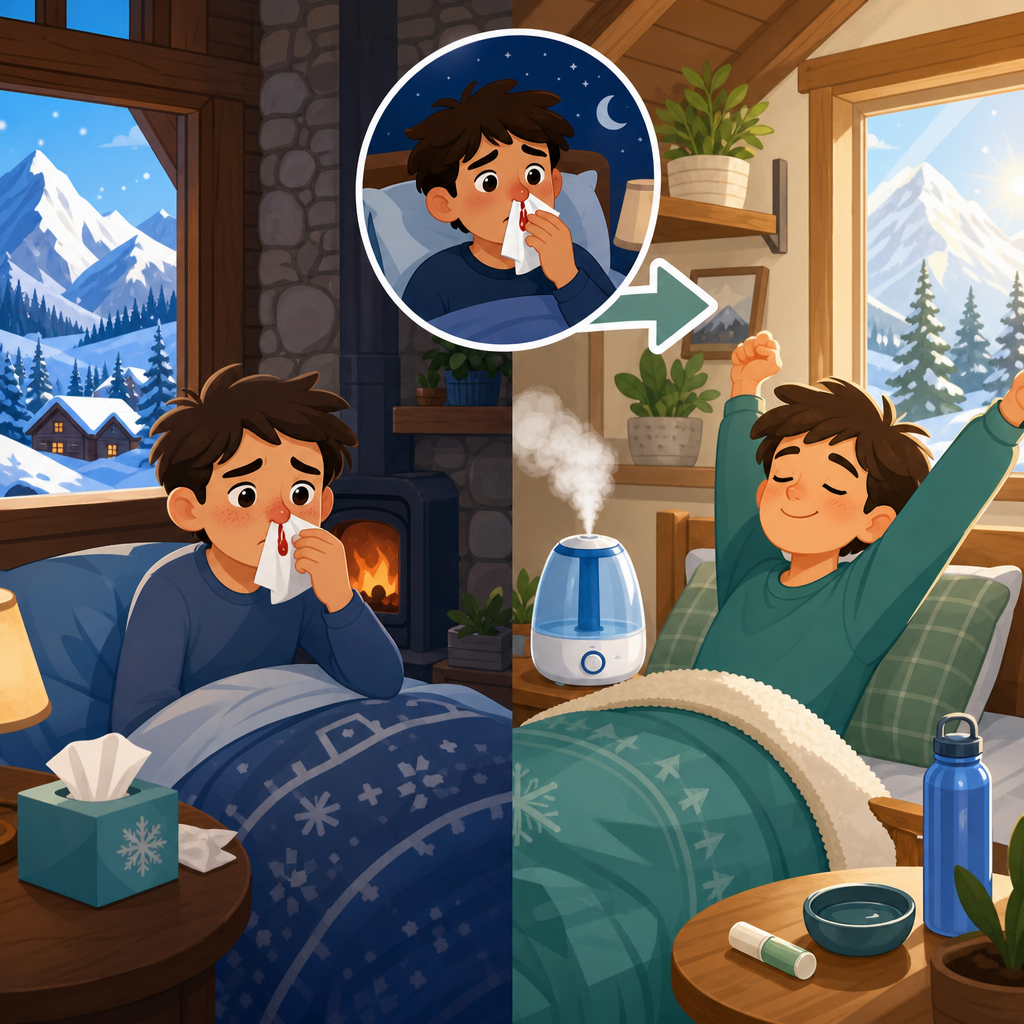
Less typical symptoms deserve more caution. Sharp one-sided facial pain, repeated nosebleeds, fever, thick foul-smelling drainage lasting more than several days, facial swelling, vision changes, double vision, severe dizziness, vomiting, confusion, or pain that is dramatically worse on bending forward should not be brushed off. Those features can point to significant barosinusitis, acute infection, migraine, or a problem outside the sinuses entirely. I also tell people not to ignore severe ear pain or sudden hearing loss, because sinus and ear pressure problems often travel together and the ear may be the structure most at risk.
Headache overlap can confuse the picture. Migraine commonly causes facial pressure, nasal congestion, light sensitivity, and nausea, so many people label migraine as a sinus attack. If pressure comes with throbbing pain, sensitivity to light, sound, or odors, or a pattern triggered by altitude, sleep disruption, and dehydration, migraine may be part of the story. That distinction matters because antibiotics will not help migraine, while hydration, trigger control, and the right pain strategy often will.
What helps safely right away
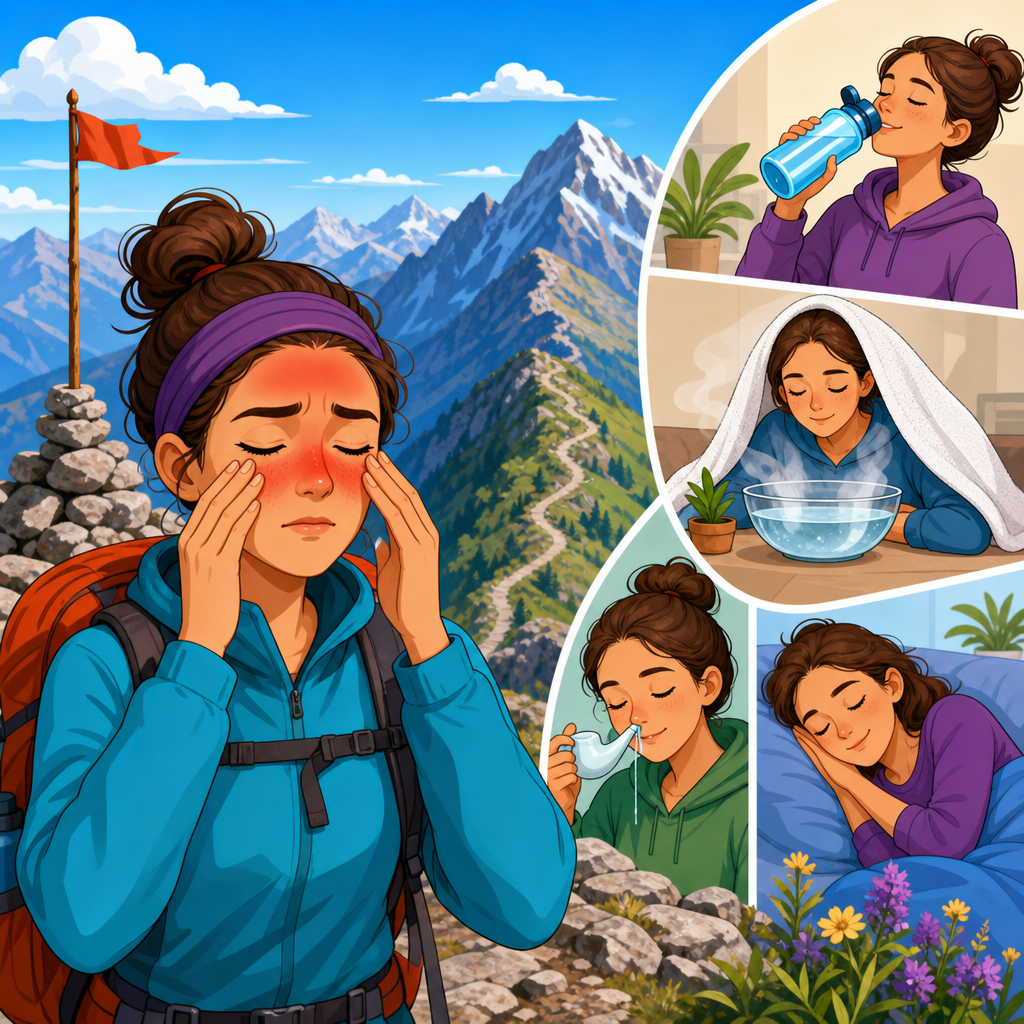
The safest first step is simple mechanical support for pressure equalization and moisture. Use isotonic saline nasal spray generously, or do a sterile saline rinse if you already use one correctly. Saline reduces crusting, thins mucus, and improves ciliary clearance without the rebound risk of medicated sprays. Sip water regularly, avoid alcohol if you are already dehydrated, and move to a stable environment if possible rather than continuing a rapid climb. Warm showers, humidified indoor air, and resting with your head slightly elevated can reduce swelling and make drainage easier.
For discomfort, acetaminophen or ibuprofen can help if those medicines are safe for you. Ibuprofen may be useful when inflammation is a major driver, but people with kidney disease, stomach ulcer history, anticoagulant use, certain heart conditions, or pregnancy need individualized guidance. Gentle swallowing, yawning, chewing gum, or sipping water can help the ears and the back of the nose equalize pressure. What usually does not help is aggressive nose blowing. Forceful blowing can irritate tissue, increase ear pressure, and occasionally drive mucus where you do not want it to go.
| Situation | Safer option | Why it helps | Use caution when |
|---|---|---|---|
| Dry, stuffy nose after ascent | Saline spray or sterile saline rinse | Moisturizes tissue and improves mucus flow | Only use distilled, sterile, or previously boiled water for rinses |
| Facial ache or pressure | Acetaminophen or ibuprofen | Reduces pain; ibuprofen also reduces inflammation | Avoid if contraindicated for liver, kidney, stomach, bleeding, or pregnancy reasons |
| Pressure with ear popping | Swallowing, yawning, gum, hydration | Supports pressure equalization through the nose and ears | Do not strain hard if it causes pain |
| Very dry indoor air | Humidifier set around 30 to 50 percent | Reduces mucosal drying and irritation | Clean devices regularly to prevent mold and bacteria |
Many people ask about decongestants. Oral pseudoephedrine can help some adults before a known pressure-change event, but it is not right for everyone. It can raise blood pressure, worsen anxiety, interfere with sleep, and interact with other conditions. Oxymetazoline nasal spray can open the nose quickly, yet it should generally be limited to short use because rebound congestion can begin after just a few days. If you have glaucoma, uncontrolled hypertension, arrhythmia, or you are taking certain medications, ask a clinician or pharmacist first. In my experience, saline, hydration, and timing your ascent more gradually prevent more problems than last-minute overuse of decongestants.
How to prevent sinus pressure on future trips
Prevention works best when you match the strategy to the trigger. If mountain driving is the issue, avoid starting the trip with untreated allergy symptoms or a fresh cold. Use your regular clinician-recommended allergy plan consistently before travel, especially an intranasal steroid if prescribed for chronic allergic rhinitis. These sprays are not instant fix tools; they work best when used regularly with proper technique, aimed slightly outward rather than toward the septum. If flying causes trouble, hydrate before boarding, use saline during the flight, and try to stay awake for descent so you can swallow, sip, and equalize pressure actively.
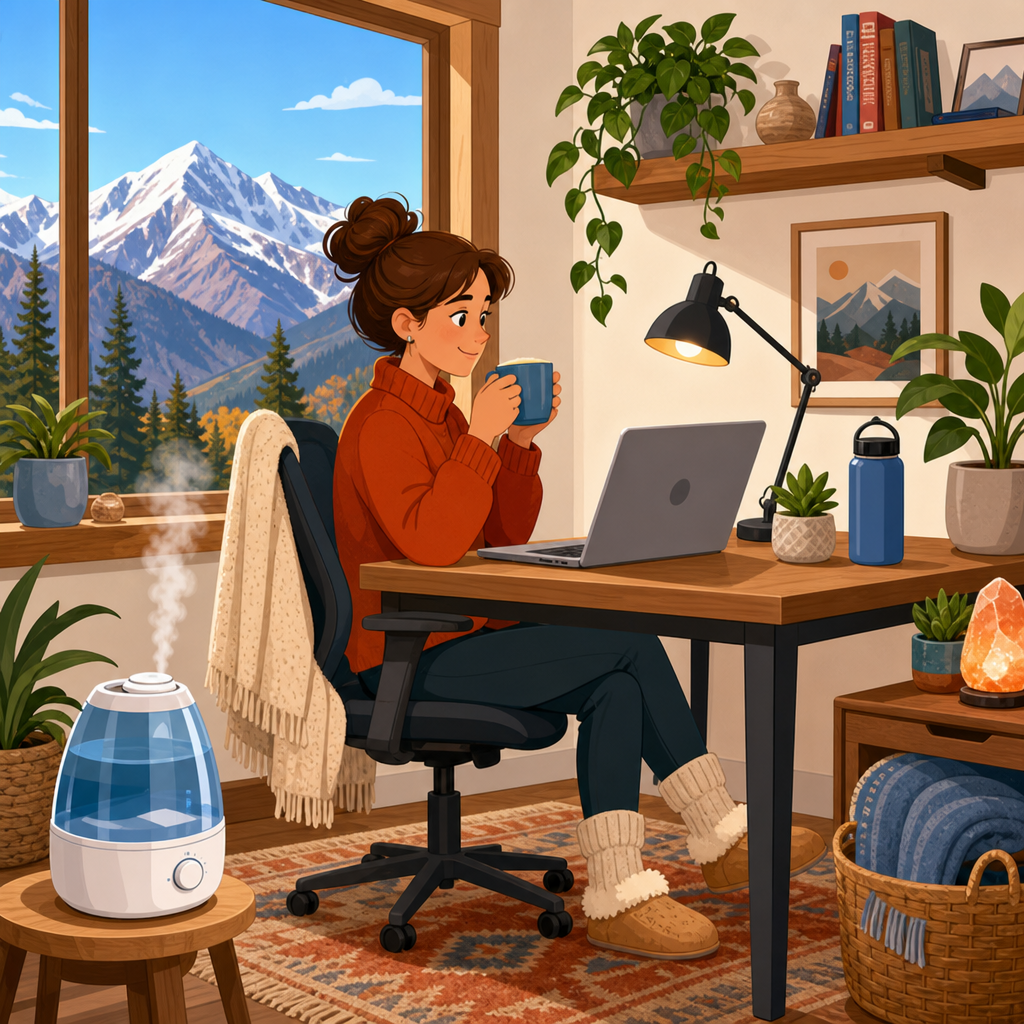
Humidity control matters at home and in hotels. Indoor air that is too dry irritates the nasal lining, while air that is too damp encourages dust mites and mold, both of which worsen congestion. A target indoor humidity of roughly 30 to 50 percent is reasonable for most homes. Portable HEPA filtration can help people whose symptoms are allergy driven, though filters do not fix pressure changes directly. Smoke exposure is a frequent hidden culprit. Even brief exposure to wildfire smoke, campfire smoke, or heavy urban pollution can inflame the nose enough to make the next elevation change more painful.
Technique also matters. If you use saline irrigation, follow CDC and FDA water safety recommendations and clean the bottle or neti device carefully. If you use nasal steroid sprays, consistency beats overuse. If you are prone to ear pressure too, discuss whether pressure-regulating earplugs are worth trying during flights; some travelers find them helpful, though evidence is mixed and they do not replace nasal management. Most importantly, do not plan strenuous exertion, alcohol, and poor sleep together with a rapid ascent if you already know your nose reacts badly. That cluster is one of the most reliable recipes for a miserable next day.
When to seek medical care and how related ENT issues connect
Seek prompt care if severe pain lasts beyond a day, symptoms are getting worse rather than better, or red-flag features appear. An ENT specialist may evaluate for chronic sinusitis, structural narrowing, nasal polyps, significant septal deviation, or recurrent barosinusitis. Nasal endoscopy can reveal swelling, drainage, crusting, and anatomic bottlenecks that are impossible to judge from symptoms alone. In selected cases, a sinus CT helps define chronic inflammation or blockage. Treatment may include optimized allergy control, a better spray routine, short-term medication, or, for a minority of patients, procedural solutions when anatomy repeatedly prevents pressure equalization.
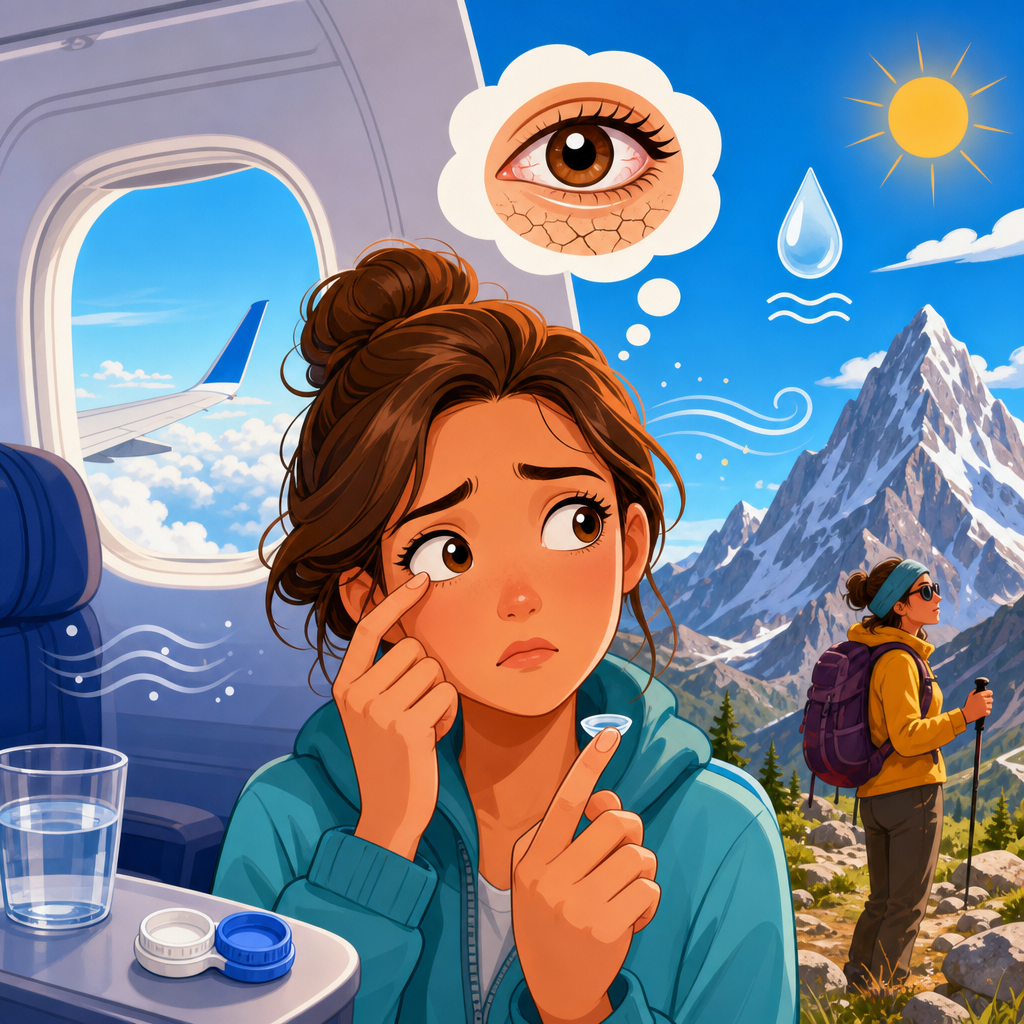
This hub also connects sinus pressure to neighboring sensory complaints because they often share the same root causes. Ear fullness after altitude change may reflect Eustachian tube dysfunction. Dry eyes in mountain or airplane air can accompany nasal dryness because low humidity irritates both surfaces. Reduced smell after congestion usually improves as swelling subsides, but prolonged smell loss deserves assessment, especially after viral illness. Home comfort issues matter too: dusty ducts, poorly maintained humidifiers, and strong cleaning fragrances can all irritate the upper airway. In practice, the most successful plan is rarely one miracle product. It is a layered approach that reduces irritation, manages inflammation, and respects pressure physics.
The bottom line is reassuring. Sinus pressure after a big elevation gain is usually a pressure-management problem, not an emergency and not automatically an infection. Safe relief starts with saline, hydration, gentler pressure equalization, humidified air, and appropriate pain control. Prevention comes from treating allergies consistently, avoiding travel when acutely sick if possible, and preparing for dry air and rapid altitude changes before they happen. Watch for one-sided severe pain, fever, swelling, vision symptoms, or persistent worsening, because those signs need medical review. If this issue keeps recurring, use this ENT and sensory hub as your starting point, then follow through with a clinician to identify the specific trigger pattern and build a plan that makes future climbs, flights, and mountain weekends far more comfortable.
Frequently Asked Questions
Why does sinus pressure happen after a big elevation gain?
Sinus pressure after a rapid climb in altitude usually happens because the small air-filled spaces around the nose and eyes do not adjust to pressure changes as easily as the ears. These spaces, called sinuses, connect to the nasal passages through tiny openings. When you drive up a mountain road, fly, hike to a higher elevation, or move quickly in a tall building, outside air pressure changes. If the sinus openings are narrowed by allergies, a cold, dry air, inflammation, or normal congestion, air may get trapped or fail to move in and out smoothly. That creates a feeling of fullness, tightness, or aching in the forehead, cheeks, behind the eyes, or deep at the bridge of the nose.
For many people, the discomfort is temporary and improves as the pressure equalizes naturally. It may feel worse if you already have nasal swelling, a recent upper respiratory infection, or seasonal allergies. Dry, cold, windy, or recycled air can also irritate the nasal lining and make symptoms more noticeable. In most cases, this kind of sinus pressure is uncomfortable but not dangerous, and it responds to simple supportive steps like hydration, humidity, saline rinsing, and giving the body time to adjust.
What helps relieve sinus pressure safely after gaining elevation?
Safe relief usually starts with gentle measures that reduce swelling and help the sinuses equalize more normally. Breathing warm, humid air can help loosen mucus and soothe irritated nasal tissue. A warm shower, steam from a bowl of hot water used cautiously, or a humidifier in a dry room may make the nose feel less tight. Saline nasal spray or a sterile saline rinse can also be very effective because it moistens the nasal passages, clears irritants, and may reduce the mild congestion that prevents pressure from balancing. Drinking water regularly helps keep mucus from becoming thick and sticky, especially at altitude where dehydration happens more easily.
Resting, avoiding sudden further altitude changes, and staying away from cigarette smoke or other irritants are also smart steps. If symptoms are mild, some people feel better after swallowing, yawning, or gently moving the jaw, although forceful pressure maneuvers should be avoided if they increase pain. Over-the-counter pain relievers may help if you can take them safely, but it is always wise to follow label directions and consider your own medical conditions, stomach sensitivity, kidney issues, or other medications. The safest overall approach is gentle, non-irritating care rather than aggressively trying to force the sinuses to pop.
Is it safe to use a decongestant for sinus pressure from altitude changes?
Decongestants can sometimes help, but they are not the right choice for everyone. Nasal decongestant sprays may temporarily reduce swelling and improve airflow through the sinus openings, which can make pressure ease faster. However, they should generally only be used for a short time because overuse can lead to rebound congestion, where the nose becomes even more blocked after the medicine wears off. Oral decongestants may also be useful in some cases, but they can raise blood pressure, cause jitteriness, worsen anxiety, interfere with sleep, and may not be appropriate for people with heart conditions, certain thyroid problems, glaucoma, or other health concerns.
If you are considering a decongestant, it is best to think of it as a limited, situation-specific tool rather than a first-line habit. Saline, humidity, rest, and hydration are usually the safest starting points. If you have chronic sinus issues, frequent altitude-related symptoms, pregnancy, or any medical condition that could make decongestants risky, checking with a clinician or pharmacist before use is the safest plan. In short, decongestants may help some people, but they should be used thoughtfully and only when they fit your health situation.
How can I prevent sinus pressure the next time I travel to a higher elevation?
Prevention works best when you focus on keeping the nasal passages open, moist, and as calm as possible before the elevation change begins. If you know you are prone to sinus pressure, start hydrating well in advance and continue drinking fluids during travel. Use a saline nasal spray before and during the trip if the air is dry, and consider running a humidifier at night if you are staying in a dry mountain environment. Try to avoid travel when you have a bad cold, active sinus infection symptoms, or severe allergy flare if postponing is realistic, because swollen tissues make pressure equalization much harder.
It also helps to minimize exposure to things that inflame the nose, such as smoke, strong fragrances, dust, and very dry air. If allergies are part of the problem, managing them consistently before the trip may reduce your odds of getting that boxed-in, painful sinus feeling. During ascent, gradual altitude gain is often easier on the body than a rapid jump when that option exists. For people who deal with this often, talking with a healthcare professional before a planned flight, mountain drive, or high-altitude hike can help identify a safe prevention strategy tailored to their history.
When should sinus pressure after elevation gain be checked by a doctor?
Most cases settle down within hours or a couple of days, but some symptoms deserve medical attention. You should seek care if the pain is severe, keeps getting worse, lasts longer than expected, or is accompanied by a high fever, significant facial swelling, thick discolored nasal discharge that persists, vision changes, vomiting, or marked dizziness. Medical evaluation is also important if the discomfort feels very one-sided, follows trauma, or comes with ear pain, hearing loss, shortness of breath, chest symptoms, or signs of altitude illness such as severe headache, confusion, or unusual fatigue.
It is also a good idea to talk with a clinician if this happens repeatedly every time you change elevation, because that pattern may point to chronic sinus inflammation, untreated allergies, structural nasal issues, or another condition that is making pressure equalization difficult. Getting checked does not necessarily mean something serious is wrong, but it can help prevent recurring discomfort and rule out problems that need more than home care. As a general rule, mild pressure that improves with simple measures is usually manageable at home, while intense, persistent, or unusual symptoms should be evaluated professionally.