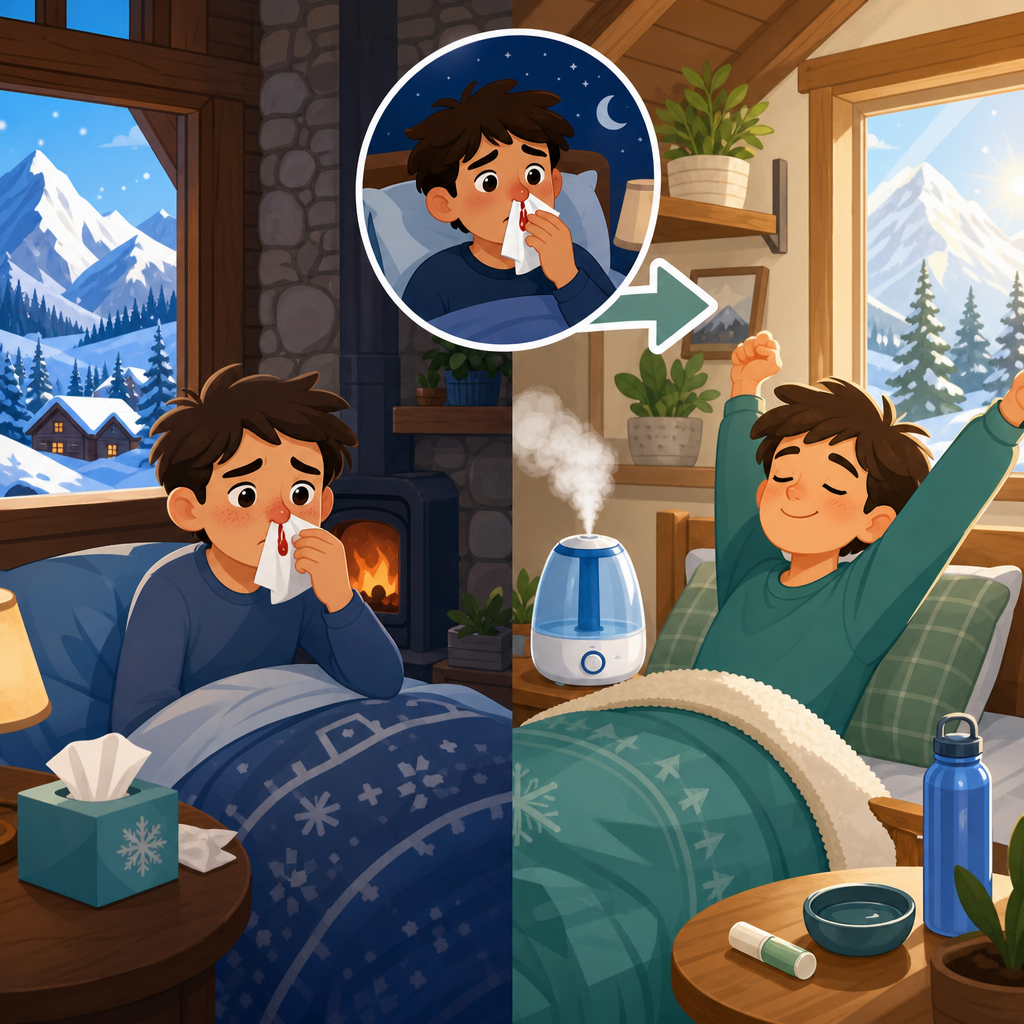
Static electricity at altitude becomes noticeably worse because dry air, lower absolute moisture indoors, and common heating practices make it easier for electrical charge to build on people, fabrics, floors, and furniture. In homes located in mountain towns, high plains cities, and elevated desert climates, a small everyday action like pulling on a sweater, walking across carpet, or making a bed can trigger sharp shocks, crackling blankets, and even nuisance problems for electronics. For anyone focused on indoor air and humidity, this is not a minor seasonal annoyance. It is a direct signal that the indoor environment is too dry for comfort, skin health, and sometimes even equipment reliability.
Static electricity is the imbalance of electric charge on a material, usually created by contact and separation between two surfaces. This process is called the triboelectric effect. When materials rub together, electrons transfer from one surface to another depending on their position in the triboelectric series. One object becomes more negatively charged, the other more positively charged. If the surrounding air and nearby materials do not allow that charge to dissipate gradually, it accumulates until it discharges in a spark. At altitude, that buildup lasts longer and discharges more dramatically, which is why static electricity at altitude feels so aggressive.
In practice, I have seen this pattern repeatedly in elevated climates: people assume altitude itself somehow creates electricity, but the real driver is indoor dryness. High elevation outdoor air often contains less moisture to begin with, especially in winter. Once that cold air is brought indoors and heated, its relative humidity can plunge into the teens or even single digits. The Environmental Protection Agency and ASHRAE both treat indoor humidity as a core comfort factor, and building professionals generally aim for a range around 30% to 50% relative humidity in occupied spaces, adjusting for condensation risk and climate. Below that range, static shocks become much more common.
This matters well beyond a painful zap on a doorknob. Indoor air and humidity affect skin barrier function, eye irritation, sleep quality, nasal comfort, wooden furniture movement, instrument stability, and perceived warmth. Dry indoor air can worsen chapped lips, itchy skin, scratchy throats, and contact lens discomfort. It can also increase dust movement and leave people running portable humidifiers without understanding whether they are treating the whole house, one bedroom, or a problem caused by duct leakage and overventilation. As a hub for indoor air and humidity, this guide explains why static gets so bad at altitude, how humidity actually works, what levels to target, and which practical solutions deliver lasting results.
Why altitude and indoor dryness make static electricity worse
Altitude changes the moisture context in which static charge behaves. The key issue is not barometric pressure by itself. It is that many high-altitude regions have cold winters, large daily temperature swings, and naturally dry air masses. Cold air holds less water vapor than warm air. When that outdoor air enters a home and is heated from, for example, 20°F to 70°F without adding moisture, the relative humidity falls sharply. Air that felt merely crisp outside can become extremely dry indoors. That dry indoor air is a poor conductor, so charges on your body or clothing do not bleed off slowly. They stay in place until a discharge path appears.
Humidity reduces static because thin films of moisture on surfaces make them slightly more conductive. That conductivity allows charge to leak away gradually instead of building to a high voltage. In very dry rooms, carpets, fleece, wool, polyester, paper, and upholstered furniture all become better at holding charge. The result is familiar: crackling laundry, hair that lifts from a comb, clingy blankets, and sparks when you touch a metal lamp or faucet. The same principle explains why offices, server rooms, and manufacturing spaces monitor humidity closely. Electrostatic discharge can damage sensitive components long before a person even feels a shock.
Heating systems amplify the problem. Forced-air furnaces, electric baseboards, and wood stoves do not inherently create static, but they often make rooms drier in practical terms because they warm already dry air and increase evaporation from skin, sinuses, houseplants, and materials. Air leaks around rim joists, attic penetrations, recessed lights, and weatherstripping gaps make this worse by continually replacing indoor air with dry outdoor air. In mountain homes with leaky envelopes, oversized HVAC equipment, or whole-house exhaust fans that create negative pressure, the dryness problem can be persistent even when occupants run small humidifiers.
How indoor air and humidity should be measured
The first step in solving static electricity at altitude is to measure indoor humidity correctly. Relative humidity, usually shortened to RH, is the percentage of moisture the air is holding compared with the maximum it could hold at that temperature. Warm air can hold more water vapor than cold air, so RH changes when temperature changes even if the actual amount of moisture in the air stays the same. That is why heating outdoor air lowers RH indoors. Absolute humidity and dew point can also be useful, but RH is the most practical metric for homeowners because most humidistats and hygrometers display it directly.
A reliable digital hygrometer is essential. I recommend placing one in the main living area and one in the bedroom, away from supply registers, showers, kitchens, and direct sunlight. Better units store minimum and maximum readings so you can see overnight drops. If one device reads 18% RH and another 32% RH in the same room, replace or calibrate them using a simple salt test or compare them against a trusted instrument. Smart home sensors from brands such as Govee, SensorPush, and Aqara can log trends, which is far more useful than a single snapshot.
Target humidity is always a balance between comfort and building safety. In many homes, 30% to 40% RH during cold weather provides a noticeable reduction in static without creating condensation on windows or inside wall assemblies. In newer, tighter homes with high-performance windows, 40% to 45% may be workable. In older homes or during severe cold snaps, you may need to stay closer to 30% to avoid window sweating, mold growth on cold surfaces, or hidden moisture damage. The right answer depends on indoor temperature, outdoor temperature, insulation quality, and air sealing.
| Indoor condition | Typical winter RH | Likely static risk | Common comfort effect |
|---|---|---|---|
| Very dry home at altitude | 10% to 20% | Severe | Frequent shocks, dry skin, scratchy eyes |
| Dry but manageable | 25% to 30% | Moderate | Some shocks, less fabric cling |
| Balanced comfort range | 30% to 40% | Low | Better skin comfort and fewer shocks |
| Potentially too humid for cold weather | 45% and above | Low | Possible window condensation in many homes |
Why homes at altitude get drier than people expect
Many homeowners think a humidifier alone should solve indoor dryness, but the building itself often explains why RH remains stubbornly low. Stack effect is a major factor. Warm indoor air rises and escapes through leaks in the upper parts of the house, pulling replacement air in through lower leaks. In winter, that incoming air is usually very dry. The higher and windier the location, the more this air exchange can strip indoor moisture. Exhaust appliances intensify the cycle. Bath fans, range hoods, clothes dryers, and leaky return ducts can all increase dry-air infiltration.
Construction materials also influence moisture behavior. Fresh drywall mud, concrete, and new wood release some moisture initially, but older homes in arid climates often have little buffering capacity left in finishes and furnishings. Hardwood floors and antique furniture shrink as RH drops, creating gaps and creaks. Bedding made from synthetic fibers can accumulate more charge than cotton, and rubber-soled shoes on carpet are classic static generators. In bedrooms, the combination of fleece sheets, low RH, and a heated room is almost guaranteed to produce sparks.
Lifestyle patterns matter too. People who keep the thermostat high, shower with the bath fan running long after the room clears, and use a powerful kitchen hood daily may be exhausting one of the few moisture sources in the home. Some mountain households also rely on fireplaces or stoves that encourage additional ventilation. Others assume that because snow is present outdoors, the air must contain plenty of moisture. Snowy weather can still coincide with very dry indoor conditions once that air is heated. Understanding these patterns turns static from a mystery into a measurable indoor air and humidity problem.
Best ways to reduce static electricity at altitude
The most effective fix is to raise indoor humidity into a safe comfort range, but methods differ in scale and reliability. Portable evaporative humidifiers work well for single rooms when sized correctly and maintained diligently. Ultrasonic models are quiet, but if you fill them with hard tap water they can leave white mineral dust unless they use demineralization cartridges or distilled water. Steam humidifiers add moisture regardless of room temperature but use more energy. For whole-house control, bypass, fan-powered, or steam humidifiers integrated with forced-air HVAC can treat larger areas, though they require proper installation, water management, and seasonal maintenance.
Humidification alone is not enough if the house leaks excessively. Air sealing usually gives the best long-term return because it slows the rate at which dry outdoor air replaces conditioned indoor air. Priority areas include attic hatches, top plates, plumbing and wiring penetrations, duct seams, recessed lights rated for insulation contact, and basement or crawlspace rim joists. In homes with balanced mechanical ventilation, a heat recovery ventilator or energy recovery ventilator can help manage fresh air more predictably than random leakage. In cold climates, the setup still must be commissioned so indoor RH does not climb high enough to create condensation risks.
Material choices can reduce nuisance shocks immediately. Natural fibers such as cotton generally generate less static than polyester and acrylic. Leather-soled or antistatic footwear can help on carpet. Antistatic sprays and dryer balls may reduce fabric cling, while fabric softeners increase surface conductivity. For workspaces, conductive chair mats, grounded equipment, and antistatic wrist straps are established controls. I have also found that simply replacing a polypropylene area rug in a dry bedroom with wool or cotton can significantly reduce nightly sparks, even before a humidity fix is fully dialed in.
Humidity tradeoffs, maintenance, and when to investigate further
More humidity is not always better. If windows collect persistent condensation, if corners behind furniture develop musty odors, or if a humidifier reservoir forms biofilm, the solution is no longer healthy. Dirty humidifiers can aerosolize minerals and microbes, and poorly controlled whole-house units can soak ductwork or furnace cabinets. Follow manufacturer cleaning schedules, change pads or canisters as recommended, and use water quality appropriate to the device type. In households with asthma, allergies, or immune concerns, cleanliness matters as much as the humidity target.
Sometimes severe static points to a larger indoor air issue. If RH remains very low despite humidification, investigate oversized HVAC runtimes, excessive exhaust, uncontrolled infiltration, or inaccurate sensors. An energy audit with blower door testing can quantify leakage and identify the exact pathways driving dryness. Infrared imaging may reveal missing insulation or cold surfaces where added humidity would be risky. If occupants also report headaches, fatigue, persistent eye irritation, or heavy dust, consider a broader indoor air review that looks at filtration, ventilation rates, and combustion safety alongside humidity management.
Static electricity at altitude gets so bad because dry indoor air lets charge accumulate instead of dissipate. The cure is not guesswork. Measure relative humidity, aim for a safe winter range that fits your home, humidify with the right equipment, and reduce uncontrolled air leakage so the moisture you add stays indoors. When indoor air and humidity are balanced, shocks fade, skin and eyes feel better, fabrics cling less, and the whole house becomes more comfortable. If your home is still sparking after basic fixes, start with a hygrometer and then move to air sealing or a professional assessment.
Frequently Asked Questions
Why does static electricity seem so much worse at higher elevations?
Static electricity tends to feel worse at altitude because the air is usually much drier, especially during colder months and in places with mountain, high plains, or desert climates. Moist air helps electrical charges leak away gradually. Dry air does the opposite: it acts more like an insulator, allowing charge to build up on your body, clothing, rugs, blankets, and upholstered furniture until it finally discharges all at once as a spark or shock. At higher elevations, the combination of lower absolute humidity, strong sun, colder outdoor temperatures, and indoor heating creates ideal conditions for that buildup.
In practical terms, that means ordinary activities generate more noticeable static. Walking across carpet in wool socks, pulling a fleece over your head, folding laundry, or sliding across a fabric couch can all transfer electrons through friction. Because there is so little moisture in the air or on surrounding surfaces, that charge has nowhere to go until you touch a metal doorknob, light switch plate, appliance, bed frame, or another person. The result is the familiar snap, sting, or crackle that people in elevated climates often notice daily in winter and sometimes year-round.
Is altitude itself the direct cause of static shocks, or is it really about dry air and indoor conditions?
Altitude is better understood as an environmental contributor than a standalone cause. The real driver is dryness. Many high-elevation regions naturally have lower humidity, and homes in those areas often become even drier indoors because heating systems warm the air without adding moisture back into it. When outdoor air is cold and already dry, bringing it inside and heating it can drop indoor relative humidity dramatically. That creates the perfect setup for persistent static electricity.
So while people often say, “Static is worse because I live at altitude,” what they are usually experiencing is the effect of living in a dry, heated environment common at altitude. Flooring materials, synthetic fabrics, insulated footwear, forced-air heat, and tightly sealed homes can all intensify the problem. In other words, elevation sets the stage, but low indoor humidity and friction between common household materials are what make the shocks frequent and severe.
Why do clothing, bedding, carpets, and furniture create so much static in high-altitude homes?
Many everyday household materials are especially good at generating static charge through contact and separation. Synthetic fibers such as polyester, nylon, acrylic, microfiber, and fleece are common culprits because they readily exchange electrons when rubbed against other materials. That is why putting on a sweater, removing a jacket, making the bed, or pulling apart blankets can produce visible sparks or loud crackling sounds. Wool can also contribute, particularly when combined with dry air and other insulating materials.
Carpets, area rugs, upholstered furniture, and even some mattress fabrics add to the effect because they create repeated friction with clothing, socks, slippers, and skin. If your shoes or slippers have rubber soles, that can further isolate your body from the ground, allowing charge to accumulate instead of dissipate. In a dry high-altitude home, every step across a carpeted room can add a little more charge, and every contact with a couch or blanket can do the same. The issue is not that these materials are defective; it is that under dry conditions they hold and transfer charge much more efficiently than they would in a more humid environment.
Can static electricity at altitude damage electronics, or is it mostly just annoying?
For most people, static electricity in the home is primarily a nuisance. It causes uncomfortable shocks, clinging clothes, crackling linens, and general frustration. That said, static discharge can sometimes affect electronics, especially smaller or more sensitive devices. A discharge you barely notice can still be enough to interfere with delicate internal components, ports, circuit boards, or peripherals under the wrong conditions. This is one reason technicians use anti-static precautions when handling computers and electronic parts.
In everyday home use, the risk is usually greatest when you touch electronics after building up charge on carpet or furniture. You might notice a small zap when reaching for a laptop, desktop tower, printer, game console, charging cable, or thermostat. Most consumer devices are designed with some tolerance for incidental discharge, but repeated static events are still worth reducing. If static is frequent in your home, simple steps such as raising indoor humidity, reducing friction-heavy fabrics, using anti-static treatments on carpets and upholstery, and touching a grounded metal object before handling electronics can help minimize both annoyance and potential problems.
What are the best ways to reduce static electricity in a high-altitude house or apartment?
The most effective solution is usually adding moisture back into the indoor environment. In many homes, indoor relative humidity in the 30 to 45 percent range is far more comfortable and dramatically reduces static. Portable humidifiers can help in bedrooms or offices, while whole-home humidifiers may be a better fit for larger properties with forced-air heating. It also helps to monitor humidity with a simple hygrometer so you can see whether the air is actually dry enough to be causing the problem. If humidity stays extremely low, static will keep returning no matter how careful you are with fabrics or flooring.
Beyond humidity control, focus on reducing friction and improving charge dissipation. Choose natural fibers like cotton more often, especially for sleepwear and bedding, and be aware that fleece and other synthetics tend to make static worse. Use anti-static sprays on carpets and upholstery if needed, and consider fabric softener or dryer balls to reduce charge in laundry. Bare feet or leather-soled footwear may generate less static than rubber-soled slippers on synthetic carpet. Some people also find it helpful to use conductive mats or grounding products in workspaces where electronics are handled regularly. Even a small habit, like touching a metal faucet or another grounded surface before grabbing a device or doorknob, can reduce the intensity of the shock. In high-altitude climates, the best results usually come from combining humidity control with a few practical material and lifestyle changes.