Can older dogs handle high-altitude travel? Yes, many can, but age changes how a dog responds to thinner air, colder temperatures, dehydration, and exertion, so altitude travel requires deliberate planning rather than the casual approach that might work for a young, healthy dog. In practical terms, “high altitude” usually means elevations above about 8,000 feet, where oxygen pressure drops enough to challenge breathing and circulation. “Altitude sickness” in dogs describes a cluster of stress responses caused by reduced oxygen availability, including faster breathing, lethargy, poor appetite, vomiting, and, in severe cases, fluid buildup in the lungs or brain. Older dogs deserve special attention because they are more likely to have hidden heart disease, airway problems, arthritis, reduced heat regulation, or slower recovery after exercise. I have seen senior dogs do well on mountain trips when owners built in acclimation time, controlled activity, and watched closely for subtle changes, but I have also seen confident travelers misread early warning signs as simple fatigue. This topic matters because altitude problems can escalate quickly, and because many pet owners now bring dogs on road trips, ski weekends, hiking vacations, and moves from sea level to mountain towns. A well-prepared owner can reduce risk substantially by understanding which dogs are vulnerable, how symptoms progress, what preventive steps work, and when a mountain vacation should become a veterinary emergency instead.
Why older dogs face higher altitude risk
Older dogs are not automatically poor candidates for mountain travel, but they carry a different risk profile than adult dogs in their prime. Aging changes cardiopulmonary reserve, meaning the heart and lungs may have less capacity to compensate when oxygen availability drops. Even mild mitral valve disease, laryngeal dysfunction, chronic bronchitis, collapsing trachea, or brachycephalic airway syndrome can become more relevant at elevation. In senior dogs, I pay especially close attention to resting respiratory rate, exercise tolerance, nighttime cough, and recovery time after walks, because these are often earlier indicators than dramatic distress. Arthritis also matters. A dog that moves stiffly at home may overexert on mountain terrain, and pain increases stress hormones, which can worsen fatigue and breathing effort. Cognitive decline can complicate the picture too, since disorientation, altered sleep, or pacing may be mistaken for altitude effects or may mask them.
Breed, body condition, and baseline fitness influence tolerance. Flat-faced breeds such as Bulldogs, Pugs, and Boston Terriers already work harder to move air through shortened upper airways, so thinner air can push them closer to their limit. Giant breeds may tire sooner, while obese dogs generate more heat and often have poorer stamina. By contrast, a lean senior dog that exercises regularly, has normal cardiac screening, and lives an active life may adapt surprisingly well. Medication history matters as well. Dogs taking sedatives, some pain medications, or drugs affecting fluid balance may need individualized travel advice. The key point is simple: age is not the only variable, but it increases the odds that another meaningful variable is present.
What altitude sickness in dogs looks like
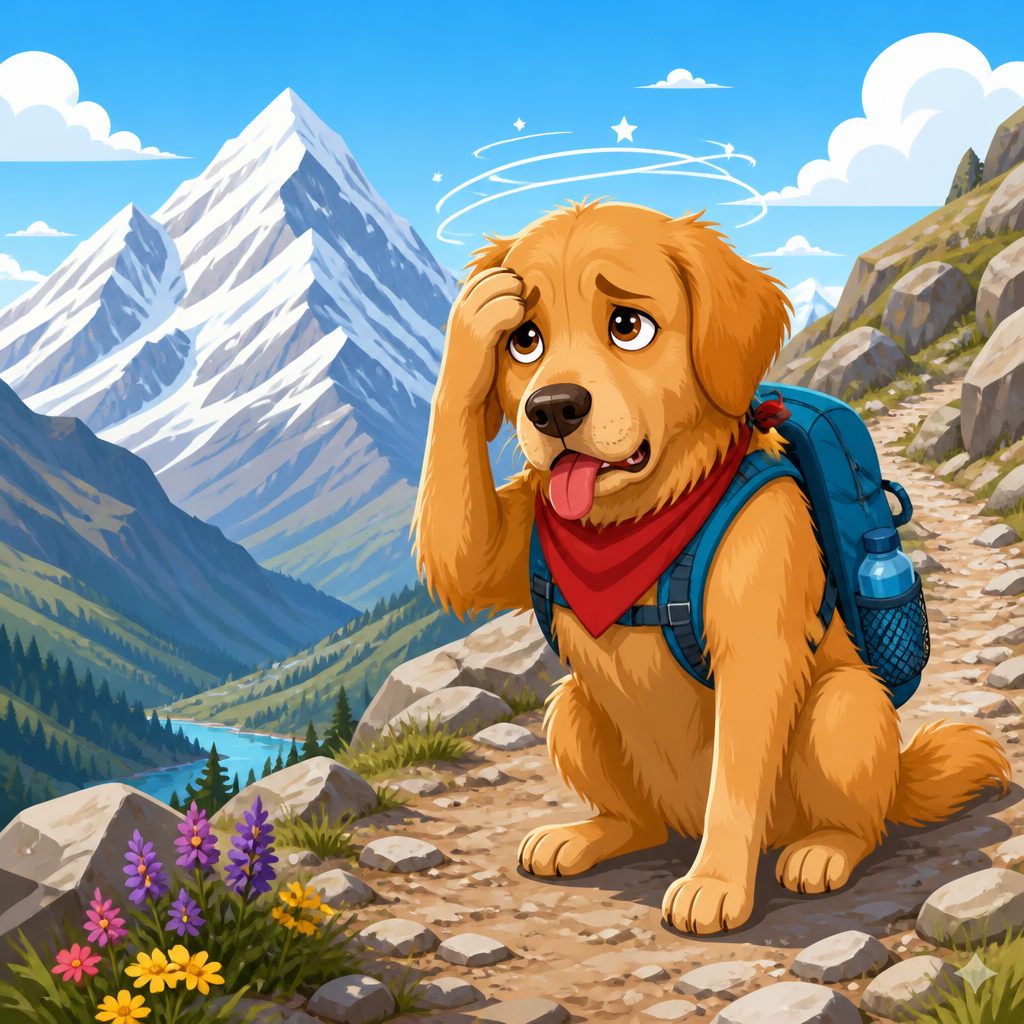
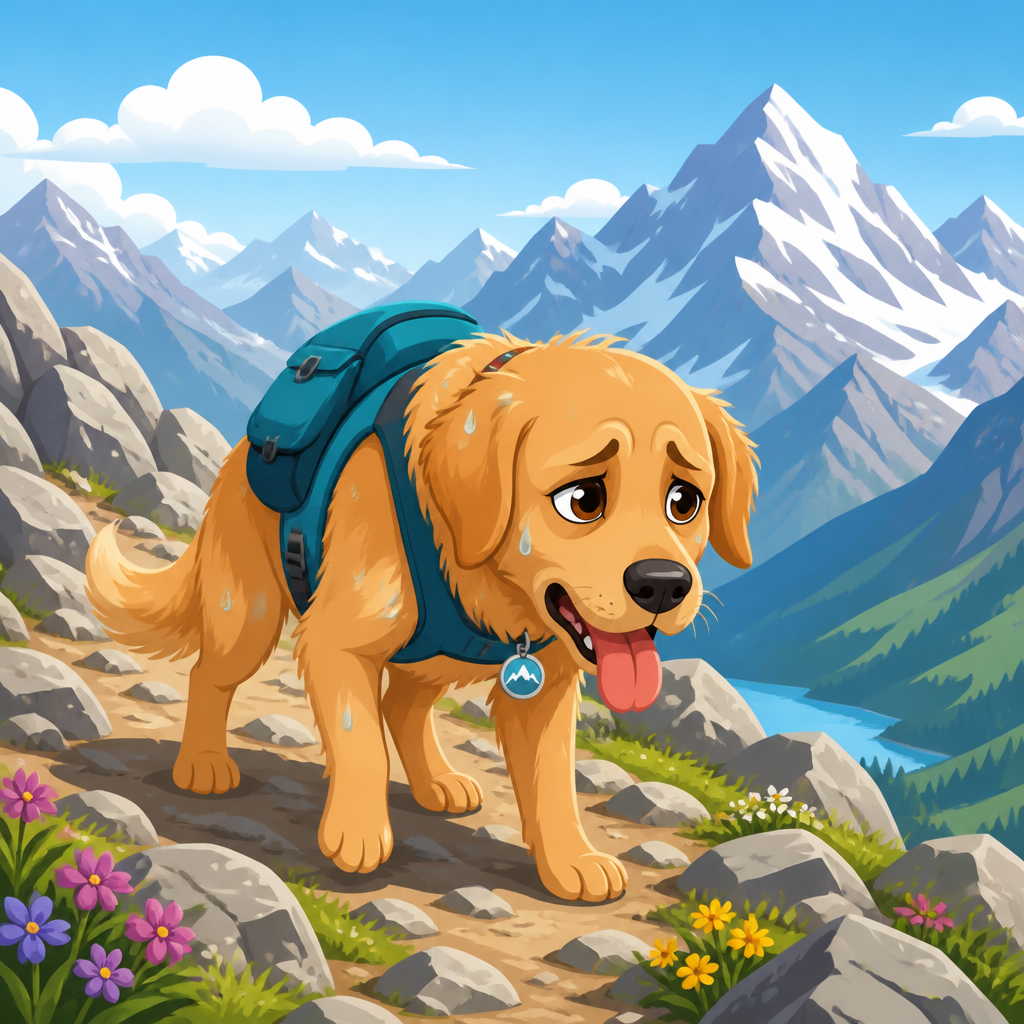
Altitude sickness in dogs usually starts with signs owners can easily dismiss. The most common early symptoms are panting out of proportion to activity, rapid breathing at rest, unusual tiredness, reluctance to walk, reduced appetite, nausea, drooling, and disturbed sleep. Some dogs become clingy; others withdraw. A normally food-motivated dog that ignores dinner after arriving at a mountain destination deserves a closer look, especially if paired with lethargy or heavy panting. Mild gastrointestinal upset can occur because stress, dehydration, and travel all affect the stomach.
More serious signs demand immediate action. These include persistent coughing, labored breathing, blue or gray gums, collapse, inability to settle, marked weakness, stumbling, confusion, head pressing, or repeated vomiting. Severe altitude illness in dogs can involve pulmonary edema, meaning fluid accumulation in the lungs, or neurologic effects from poor oxygen delivery. Those are emergencies, not conditions to “watch overnight.” A useful home metric is sleeping or resting respiratory rate. For many relaxed dogs, fewer than 30 breaths per minute is normal. A sustained increase, especially with visible abdominal effort, flared nostrils, or neck extension, is concerning. Owners do not need to diagnose the mechanism; they need to recognize that breathing should look easy when the dog is resting.
How high is too high for a senior dog?
There is no universal altitude cutoff that is safe for every older dog, because risk depends on baseline health, ascent speed, temperature, and activity level. Still, practical thresholds help. Many senior dogs tolerate destinations around 5,000 to 7,000 feet without major issues, particularly if they arrive gradually and remain lightly active. Between 8,000 and 10,000 feet, I consider the environment meaningfully more demanding, especially for dogs from sea level. Above 10,000 feet, even healthy dogs can struggle during exertion, and seniors should be assessed conservatively. Sleeping altitude matters as much as daytime exposure. A dog may manage a short scenic stop at 9,500 feet but do poorly if asked to stay overnight there immediately after a long drive.
Real-world context matters more than a number alone. A 12-year-old Labrador with well-managed arthritis and a normal recent exam might enjoy a cabin at 6,500 feet after a gradual climb and short walks. The same dog should probably skip an immediate snowshoe outing at 10,500 feet the morning after arrival. On the other hand, an 11-year-old Cavalier King Charles Spaniel with a heart murmur should be evaluated very carefully before any trip into the mountains, because mitral valve disease can reduce tolerance even at moderate elevations. If your plan involves remote hiking, overnight camping, or winter travel, the threshold for caution should be lower, since cold, excitement, and limited access to care compound altitude stress.
How to prepare before the trip
The best prevention starts before the car leaves the driveway. Schedule a veterinary exam if your dog is older, has never traveled to altitude, or has any history of coughing, fainting, noisy breathing, heart disease, seizures, obesity, or exercise intolerance. Ask specifically whether your dog’s heart, lungs, airway, and mobility make the planned elevation reasonable. If your veterinarian recommends chest radiographs, bloodwork, or a cardiac evaluation, that is not overcautious; it is often the difference between informed travel and guesswork. I also tell owners to review medication timing, refill all prescriptions, and carry a printed list of diagnoses and dosages in case they need an emergency clinic on the road.
Conditioning and logistics are just as important. In the two to four weeks before travel, maintain regular low-impact exercise, not weekend-warrior bursts. Senior dogs benefit from stamina built through consistency. Pack water from home if your dog is picky, a harness instead of a neck collar for walks, traction aids if your dog slips, a well-padded bed, and familiar food to avoid adding dietary upset to altitude stress. Map emergency veterinary hospitals near your route and destination. If possible, plan a staged ascent with one or two nights at a moderate elevation before reaching the highest point. That simple adjustment often determines whether a dog acclimates smoothly or spends the first night panting and restless.
Safe travel strategy at altitude
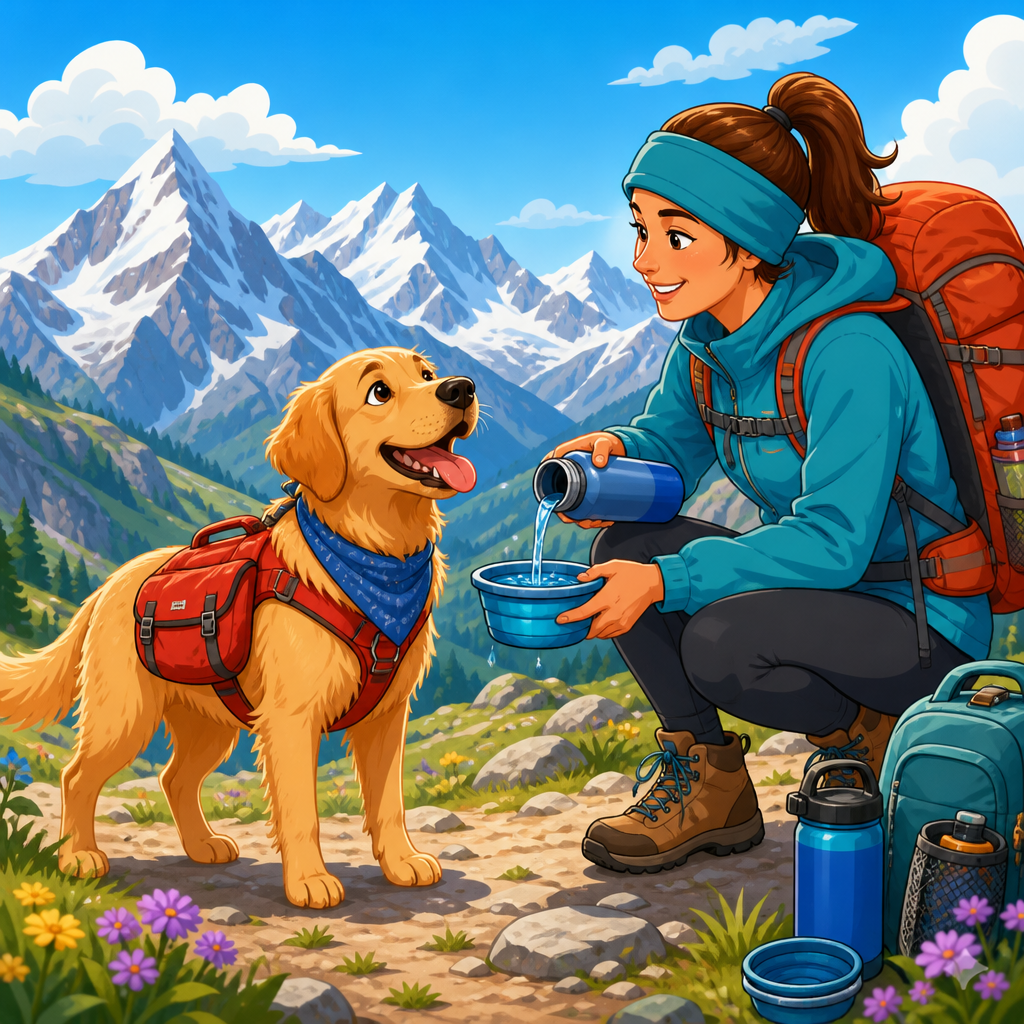
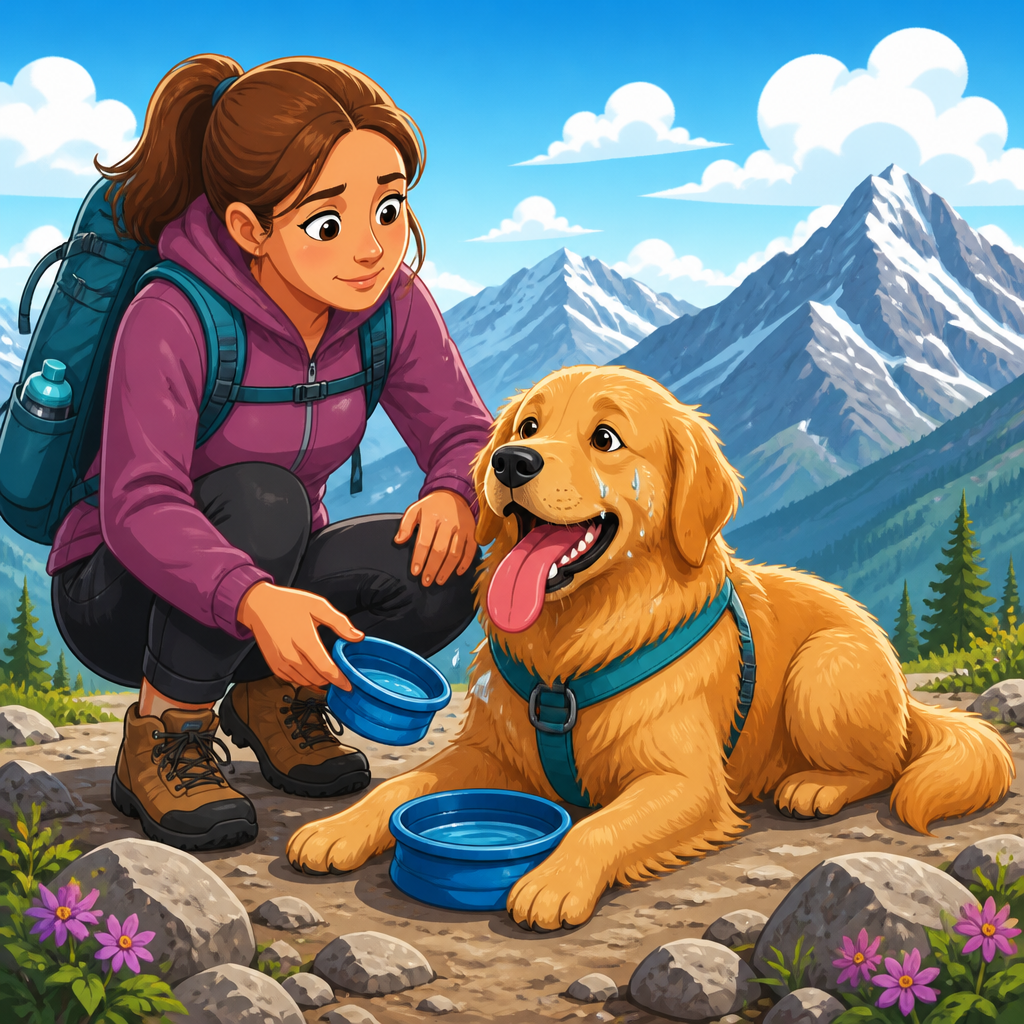
Once you arrive, the first 24 to 48 hours should be intentionally quiet. Keep walks short, avoid intense play, and do not assume excitement equals readiness. Hydration is critical because mountain air is dry and travel often disrupts drinking habits. Offer water frequently, add water to meals if your veterinarian approves, and monitor urine output. Feed smaller, familiar meals, since some dogs eat better that way after a long drive. Temperature control matters too. Cold air can feel invigorating, but icy ground, dry air, and sudden exertion are hard on senior joints and lungs. In winter, warmed indoor rest periods are part of prevention, not pampering.
| Situation | Lower-risk choice | Higher-risk choice |
|---|---|---|
| Arrival day | Leash walks of 10 to 15 minutes with long rest periods | Hiking, fetch, snow play, or running beside bikes |
| Hydration | Frequent water breaks and moisture added to meals | Waiting for the dog to drink only at mealtimes |
| Sleeping setup | Warm, quiet room with easy access to water | Cold garage, tent in severe weather, or stairs to loft sleeping |
| Monitoring | Check breathing rate during sleep and note appetite | Assuming panting is normal because the dog seems excited |
| Activity progression | Increase distance gradually over two days | Full vacation itinerary on the first morning |
Cars also deserve mention. Never leave a dog unattended in a vehicle at altitude, even in cool weather. Sun exposure can still overheat the interior, and stress panting worsens dehydration. If your dog uses a calming medication for travel, verify with your veterinarian that it remains appropriate at elevation, because oversedation can make breathing assessment harder. For owners asking whether portable oxygen is useful, the answer is usually no as a routine tool. It can help in a crisis while reaching care, but it does not replace descent and veterinary treatment, and most families are not equipped to administer it effectively without guidance.
When to descend and when to seek veterinary care
If your senior dog develops mild signs such as decreased appetite, extra fatigue, or faster breathing after arrival, stop activity, encourage hydration, keep the environment calm, and reassess closely. If signs do not improve promptly, descend to a lower elevation. Descent is the fastest, most reliable intervention because it increases available oxygen immediately. In many cases, dropping even 2,000 to 3,000 feet helps noticeably. Do not continue sightseeing, finish the trail, or wait for the next morning if breathing looks abnormal. Dogs rarely benefit from “pushing through” altitude stress.
Seek veterinary care urgently for labored breathing, persistent cough, gum color changes, weakness, collapse, repeated vomiting, neurologic signs, or any symptom that is worsening rather than stabilizing. Call ahead so the clinic can prepare oxygen support. Treatment may include oxygen therapy, diagnostics such as chest radiographs and pulse oximetry, intravenous or subcutaneous fluids depending on the case, and management of any underlying heart or airway disease that altitude exposed. The biggest mistakes I see are late recognition and delayed descent. Owners often assume a quiet dog is merely tired from travel, when in fact the dog is conserving energy because breathing is difficult. If you feel uncertain, err on the side of leaving altitude early. That decision is almost never regretted.
Long-term outlook and smart trip planning
An older dog that struggles once at altitude should not automatically be written off from all future mountain travel, but the next plan should be more conservative. Sometimes the lesson is that the ascent was too rapid, the activity too ambitious, or the sleeping elevation too high. In other cases, the trip reveals previously silent disease that needs treatment before any repeat attempt. Keep notes after each journey: elevation, temperature, appetite, sleep quality, respiratory rate, and exercise response. Patterns are useful. Owners who travel often with senior dogs do best when they think in layers: veterinary screening, gradual ascent, low-stress first day, hydration, warm rest, and clear criteria for descent.
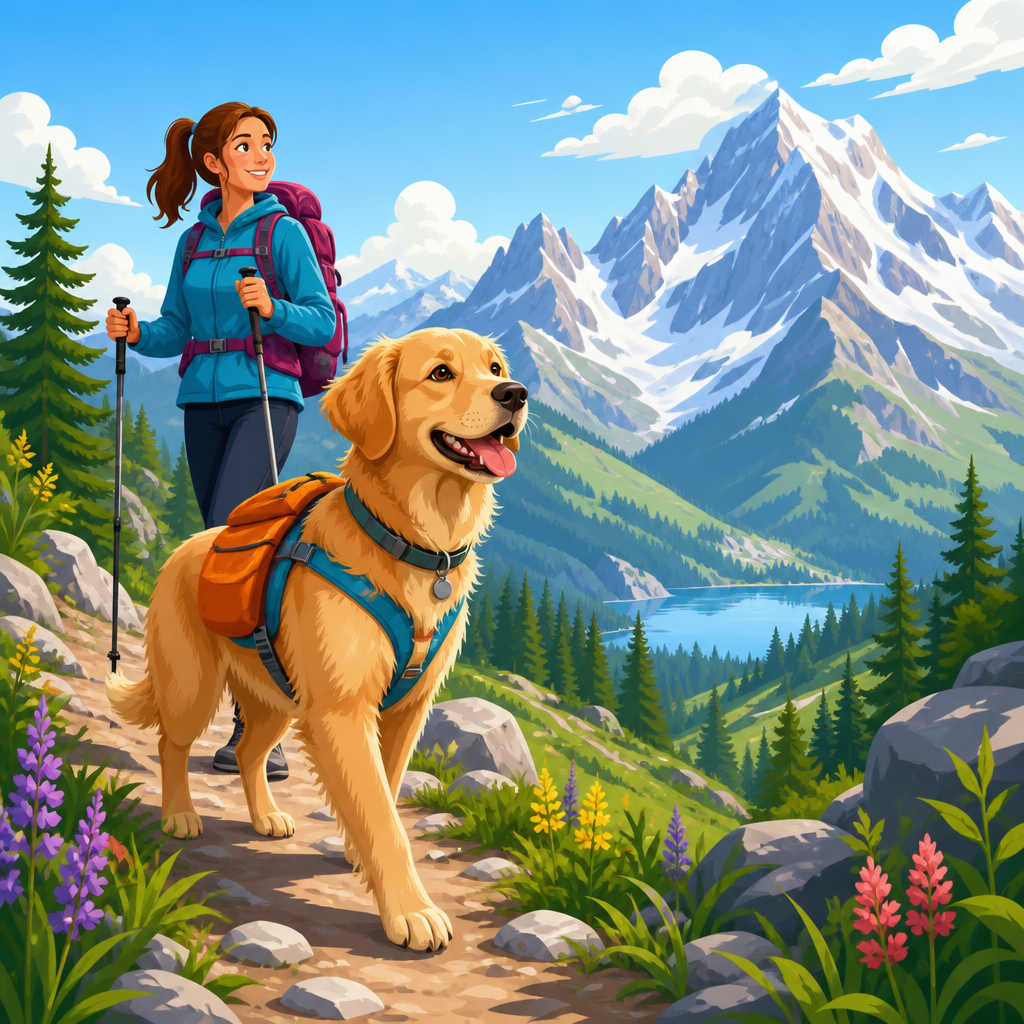
The central benefit of this approach is not simply avoiding a crisis. It is preserving comfort and mobility so your dog can safely share more experiences with you. Older dogs can enjoy mountain cabins, scenic drives, gentle trails, and family vacations when their limitations are respected. Before your next trip, talk with your veterinarian, build a slower itinerary, and monitor breathing as carefully as you monitor the view. Thoughtful planning turns high-altitude travel from a gamble into a manageable decision for many senior dogs.
Frequently Asked Questions
Can older dogs safely travel to high altitudes?
Yes, many older dogs can travel safely to high altitudes, but they usually need more preparation and monitoring than younger dogs. In general, elevations above about 8,000 feet create a noticeable drop in available oxygen, which can put extra strain on breathing, circulation, and energy levels. Senior dogs are often more affected because aging can reduce cardiovascular efficiency, lung capacity, temperature regulation, hydration balance, and overall physical resilience. Conditions that are common in older pets, such as heart disease, collapsing trachea, chronic bronchitis, arthritis, or obesity, can also make altitude more difficult to handle.
The key point is that age alone does not automatically rule out mountain travel. A healthy, active senior dog may do very well if the trip is planned carefully. A dog with underlying medical problems may still be able to go, but only with veterinary guidance and a more conservative itinerary. Before traveling, it is wise to schedule a checkup, especially if your dog has any history of coughing, exercise intolerance, fainting, weakness, or breathing changes. A veterinarian can help assess whether the dog is fit for altitude and whether any medications, activity restrictions, or emergency plans are needed. With gradual exposure, plenty of rest, good hydration, and close observation, many older dogs can enjoy high-altitude destinations safely.
What are the signs of altitude sickness in an older dog?
Altitude sickness in dogs is not always dramatic at first, and in senior dogs it can be easy to mistake early symptoms for simple fatigue or “slowing down.” Common warning signs include unusually fast or labored breathing, excessive panting even at rest, weakness, reluctance to walk, lethargy, reduced appetite, restlessness, vomiting, and seeming unable to settle comfortably. Some dogs may appear anxious, disoriented, or unusually clingy. Others may lag behind on walks, stop frequently, or show much less interest in activity than normal.
More serious signs require immediate attention. These include blue-tinged or pale gums, collapse, severe coughing, staggering, confusion, pronounced distress, or any episode where the dog seems unable to catch its breath. Senior dogs can decompensate faster because they may have less reserve if their heart or lungs are already working harder than normal. It is also important to remember that cold temperatures, dehydration, altitude exertion, and preexisting disease can overlap, which can make symptoms appear more severe.
If you notice mild symptoms, stop activity right away, move your dog to a warm and calm setting, offer water, and monitor closely. If symptoms do not improve promptly, or if they worsen, descend to a lower elevation and contact a veterinarian as soon as possible. If the signs are severe, seek emergency veterinary care immediately. With altitude-related problems, early action matters much more than trying to “wait it out.”
How can I prepare my senior dog for a trip to the mountains?
The best preparation starts before you leave home. Schedule a veterinary visit if your older dog has any health concerns, takes regular medication, or has not had a recent exam. Ask specifically about travel to elevations above 8,000 feet and discuss any conditions that could be worsened by thinner air, cold weather, or increased exertion. This is especially important for dogs with heart murmurs, respiratory disease, arthritis, seizure disorders, anxiety, obesity, or a history of heat or exercise intolerance.
Once your dog is medically cleared, plan the trip around gradual adjustment rather than maximum adventure. If possible, spend a night or two at a moderate elevation before going higher. Keep the first day at altitude very quiet, with only short leash walks for bathroom breaks and light movement. Avoid intense hikes, rough play, or long climbs right away. Senior dogs often do better when given extra time to acclimate and when their routine stays predictable.
Pack thoughtfully. Bring your dog’s normal food, medications, medical records, leash, harness, bedding, and plenty of water. Familiar bedding can help your dog rest, which is especially useful if altitude causes mild stress or restlessness. A well-fitted harness is often better than a neck collar for older dogs that may cough or have airway sensitivity. If your dog has arthritis, pack traction aids, a supportive bed, and any joint medications your veterinarian recommends. Also identify the nearest veterinary clinic or emergency hospital before you arrive. Preparation is what turns high-altitude travel from a gamble into a manageable, lower-risk experience for an older dog.
Why are hydration, temperature, and exercise management so important for older dogs at high altitude?
High altitude creates a combination of stressors that can affect senior dogs more strongly than younger ones. The air is thinner, which means less oxygen is available with each breath. The climate is often colder and drier, which can increase fluid loss and make it harder for dogs to stay comfortable. At the same time, mountain travel often involves more walking, climbing, and environmental excitement than a dog experiences at home. For an older dog, those factors can add up quickly.
Hydration matters because dry mountain air, panting, travel stress, and increased activity can all contribute to dehydration. Even mild dehydration can worsen fatigue and make it harder for the body to adapt to altitude. Offer water frequently, bring your own if needed, and do not assume your dog will naturally drink enough. Temperature control is equally important. Senior dogs often have a harder time regulating body temperature, and some thin-coated or small older dogs can become chilled quickly. Others may overheat from exertion even in cool weather if the sun is strong or the trail is demanding.
Exercise needs to be scaled down at first. A dog that seems enthusiastic may still be physically overmatched by the elevation. Keep walks shorter than usual, allow frequent breaks, and watch for slower recovery after activity. If your dog is panting heavily, stopping often, or seeming stiff and tired, that is a sign to reduce the workload. Conservative pacing is not being overly cautious; it is one of the most effective ways to protect an older dog from altitude stress, injury, and avoidable medical problems.
When should I cancel the trip or head to a lower elevation with my older dog?
You should rethink the trip before departure if your dog has unstable heart or lung disease, recent fainting episodes, uncontrolled coughing, severe obesity, poor mobility, or any condition your veterinarian believes could worsen with low oxygen or cold stress. In some cases, the safest choice is not a high-altitude vacation but a lower-elevation destination that places less strain on an aging body. Skipping the trip is not a failure; it is responsible care.
During travel, descend or seek veterinary help if your dog shows persistent lethargy, heavy panting at rest, trouble breathing, weakness, vomiting, refusal to eat or drink, confusion, or inability to recover after mild activity. Immediate descent is especially important if you notice collapse, bluish gums, extreme distress, or severe coughing. Those are not signs of normal adjustment. They suggest that your dog is not tolerating the altitude well and needs urgent support.
Even if symptoms seem moderate, trust what you know about your dog. Older dogs often show discomfort in subtle ways, such as becoming unusually quiet, refusing a short walk, sleeping but not truly resting, or looking unsettled and uncomfortable. If your dog simply does not seem right, it is smarter to go lower and reassess than to push forward. High-altitude travel should be flexible. The mountain will still be there later, but your dog’s safety has to come first.