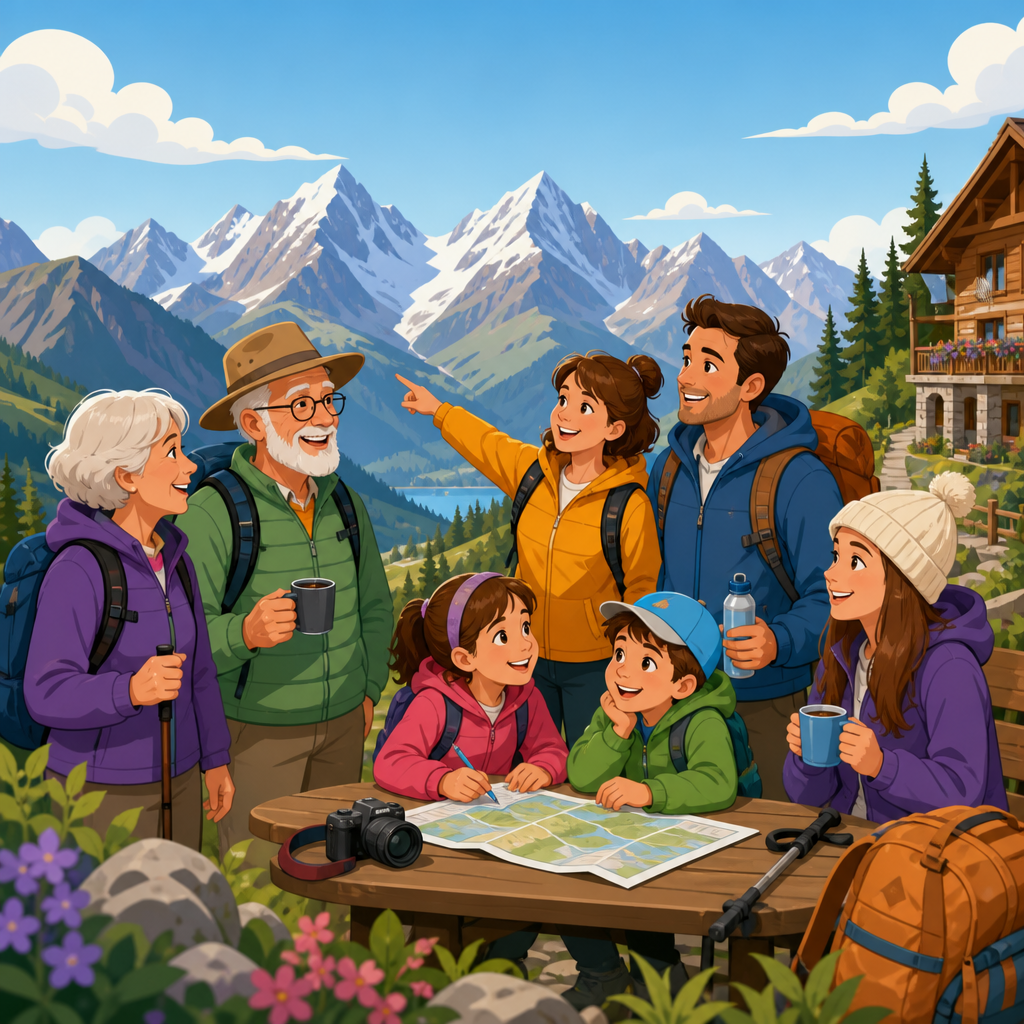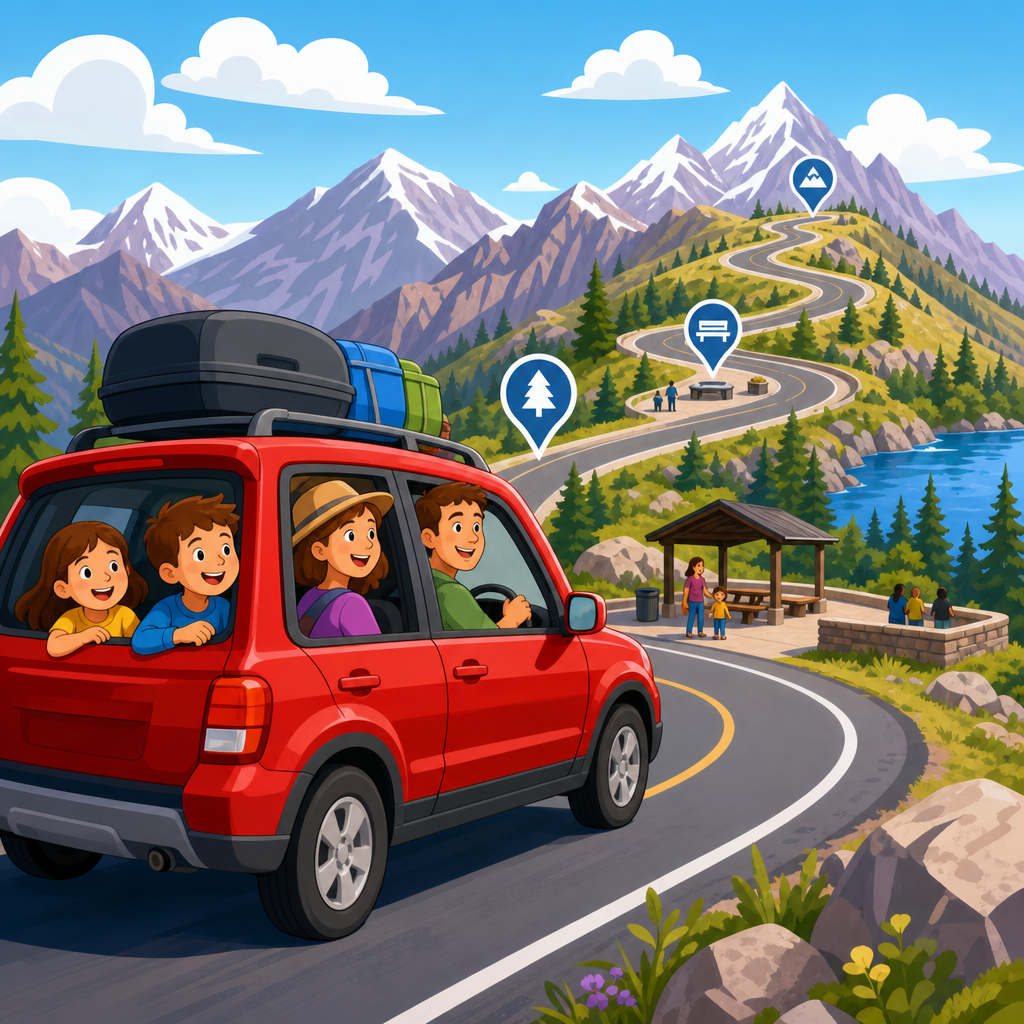
Planning a first high-country getaway with children is easier when you choose a mountain town built for family logistics, gentle altitude adjustment, and low-stress fun. For most families, a first altitude trip means sleeping somewhere between about 5,000 and 8,500 feet, where you can enjoy alpine scenery, cooler temperatures, and easy trails without jumping straight into the thin air of very high resorts. The best family-friendly mountain towns combine practical details parents care about—short transfers, grocery access, clinics, stroller-friendly areas, reliable lodging, and flexible dining—with the memorable experiences kids talk about for years.
I have planned mountain trips for families with toddlers, school-age children, grandparents, and pregnant travelers, and the pattern is consistent: the most successful first altitude trip is not the one with the biggest peaks or longest bucket list. It is the one that respects acclimatization, avoids overpacked days, and gives everyone simple wins on day one. That matters because altitude affects hydration, sleep, appetite, and energy. Children may not describe symptoms clearly, and parents can mistake altitude fatigue for crankiness, travel exhaustion, or hunger. Picking the right town reduces that risk.
A family-friendly mountain town should offer four things from the start. First, manageable elevation, ideally moderate rather than extreme. Second, easy indoor-outdoor balance, so weather swings do not ruin the trip. Third, broad lodging choices, from condos with kitchens to hotels with pools. Fourth, activity layering: playgrounds, scenic gondolas, nature centers, paved paths, short hikes, and easy day trips. Those features support every major planning question families ask, including how many nights to stay, what to pack, where to eat, and what to do if a child needs rest.
This hub article covers the best family-friendly mountain towns for a first altitude trip and explains how to choose among them. It also serves as a planning framework for the larger subject of family logistics and planning: when to arrive, how to pace the first 48 hours, what transportation setup works best, which town layouts are easiest with young kids, and how seasonal differences change your decision. If you want one page that helps you narrow destinations and build a realistic, child-friendly mountain itinerary, start here.
What makes a mountain town ideal for a first altitude trip with kids
The best first-altitude towns are not always the most famous ski destinations. They are the places where altitude is noticeable but not overwhelming, where arrival is straightforward, and where attractions do not require intense exertion. In practical terms, that often means choosing a base below the highest resort villages. A town at 6,500 feet with a gondola, lake, and nature center is usually easier for a first trip than a glamorous village above 9,000 feet where everyone sleeps poorly the first night.
Parents should evaluate six criteria. Elevation is first. Sleeping lower generally helps acclimatization. Access is second: a one- to two-hour drive from a major airport is very different from a four-hour transfer with switchbacks after a flight. Walkability matters because families benefit from leaving the car parked. Medical access matters because even minor issues feel bigger away from home. Food access matters because children often want familiar meals at odd times. Finally, activity flexibility matters because weather, naps, and altitude can alter plans quickly.
Another overlooked factor is town rhythm. Some mountain destinations are built mainly around advanced skiing or nightlife. Others are built around mixed-age recreation and town-center convenience. For a first family altitude trip, choose places where a half day feels complete. If your child enjoys a short lakeside walk, a picnic, a playground stop, and an early dinner, the destination should still feel worth it. That is the difference between a family trip and an adult trip with children added on.
Best family-friendly mountain towns for a first altitude trip
Several North American mountain towns consistently work well for first-time family travelers because they balance scenery, services, and moderate altitude exposure. Breckenridge is popular, but for a true first altitude trip many families do better in nearby Frisco, Colorado, at a lower elevation than some summit-area bases and with easy access to Dillon Reservoir, the Frisco Adventure Park, and multiple day-trip options. Frisco’s Main Street is compact, practical, and friendly to families who want coffee, breakfast, groceries, and simple restaurants within minutes.
Estes Park, Colorado, is another strong choice. It gives families mountain-town atmosphere and Rocky Mountain National Park access without requiring a classic resort setup. The town has broad lodging inventory, elk viewing, riverwalk sections, and plenty of low-key activities for the first day. Because national park sightseeing can be done gradually with scenic drives and short walks, parents can keep exertion low while still delivering dramatic scenery.
Park City, Utah, deserves consideration because its airport transfer from Salt Lake City is unusually easy for a mountain trip. That short drive lowers overall travel fatigue, which matters when altitude is part of the equation. Park City also has an excellent mix of condos, grocery options, beginner-friendly recreation, alpine slides, family trails, and a well-developed historic core. Summer and fall are especially approachable for first-time altitude visitors.
For families wanting a gentler Sierra option, South Lake Tahoe works well. The elevation is significant but the town offers abundant infrastructure, lake access, beaches, paved paths, gondola views, and many dining choices. The water presence changes the feel of the trip for children who may not be excited by hikes alone. Bend, Oregon, while less “alpine village” in style, is another useful first-step destination because it introduces mountain recreation with lighter altitude exposure, strong family amenities, and easy day trips to lakes, lava landscapes, and forests.
| Town | Why it works for first-timers | Best fit |
|---|---|---|
| Frisco, Colorado | Practical Main Street, reservoir access, flexible day trips, manageable family pace | Families wanting Colorado mountains without an intense resort feel |
| Estes Park, Colorado | National park access, scenic drives, varied lodging, easy wildlife viewing | Families who want nature first and simple sightseeing |
| Park City, Utah | Short airport transfer, strong dining and lodging, many beginner activities | Families prioritizing convenience and infrastructure |
| South Lake Tahoe, California/Nevada | Lake plus mountains, broad activity mix, beaches and gondola views | Families needing non-hiking options for kids |
| Bend, Oregon | Moderate altitude, excellent parks and services, easy outdoor variety | Families testing mountain travel for the first time |
How to choose the right town for your family’s age, stage, and risk tolerance
The right destination depends less on beauty than on family profile. Toddlers and preschoolers usually do best in towns with parks, open lawns, short walks, and kitchens in lodging. School-age kids can handle more activity variety, especially scenic chairlifts, junior ranger programs, mountain coasters, and beginner paddling. Teenagers may value bike paths, rafting, climbing walls, and independent walkability. Multigenerational groups need benches, accessible paths, nearby bathrooms, and lodging layouts with quiet space.
Pregnant travelers often prefer lower sleeping elevations, slower itineraries, and towns with clear medical access. Families with a history of motion sickness should factor in drive quality and road curves, not just distance. If anyone in the group is sensitive to dehydration, headaches, or sleep disruption, prioritize easier arrival days and avoid stacking flights, late check-ins, and demanding excursions. My rule is simple: if the travel day is hard, the destination should be extra easy.
Budget also shapes the decision. Well-known resort towns can create hidden family costs through parking fees, expensive breakfasts, equipment rentals, and activity bundling. A nearby town with a condo and supermarket may deliver a better trip than a premium resort room with no microwave. Families often underestimate how much better mornings go when they can serve instant oatmeal, fruit, and yogurt before heading outside. Convenience is not glamorous, but it determines mood.
Altitude, acclimatization, and the first 48 hours
For a first altitude trip, the opening two days are the most important logistics window. The body adjusts to reduced oxygen pressure over time, but that adjustment is not instant. Mild symptoms can include headache, fatigue, reduced appetite, restless sleep, irritability, dizziness, and nausea. The Centers for Disease Control and Prevention and wilderness medicine guidance consistently recommend gradual ascent when possible, good hydration, lighter exertion on arrival, and close attention to worsening symptoms.
For families, that translates into a simple arrival protocol. Eat and hydrate before the final drive. Check in early if possible. Keep the first afternoon easy: a short town walk, playground, scenic overlook, or early dinner. Avoid alcohol for adults on arrival day and do not plan a strenuous hike the first morning. Encourage frequent water breaks, but also provide salty snacks and regular meals because children often drink less than you expect. Sunscreen matters more at elevation because ultraviolet exposure increases with altitude.
If a child develops a persistent headache, vomiting, unusual lethargy, confusion, breathing difficulty at rest, or symptoms that worsen rather than improve with rest, take it seriously. Descending to a lower elevation is the key response for significant altitude illness. This is one reason family-friendly towns with lower nearby options are so useful. Even a modest descent can help. Most first-time family trips go smoothly, but success comes from respecting altitude rather than pretending it is irrelevant.
Lodging, transportation, and daily planning that reduce friction
Good family mountain logistics start with lodging selection. For trips longer than two nights, I usually recommend a condo or suite with a refrigerator, basic kitchen, separate sleeping space, and on-site laundry if available. Mountain weather changes quickly, and children get wet, muddy, and tired. A place to dry gear, store snacks, and put younger kids to bed while adults stay awake is often worth more than luxury amenities. Pools and hot tubs can be useful, but remember that dehydration risk still exists, so balance water play with fluids and downtime.
Transportation choices matter too. In highly walkable towns such as Park City, staying near the core can reduce daily transitions. In destinations with spread-out activities, a rental car provides flexibility for naps and weather pivots. Check parking rules carefully; some resort areas charge overnight and daytime fees that materially affect budget. If you need a car seat, confirm whether airport transfers or shuttles can legally and safely accommodate your child’s age and size.
Daily planning should follow an altitude-smart rhythm: active morning, quieter afternoon, simple evening. Mountain sun and dry air tire kids out faster than parents expect. Build in one anchor activity per day rather than three. Keep one backup indoor option ready, such as a museum, pool, visitor center, or library stop. Families who leave margin in the schedule usually see more, because they avoid the cascade of skipped naps, emergency snack stops, and overtired dinners that ruin otherwise excellent destinations.
Seasonal strategy: summer, fall, winter, and shoulder season
Summer is usually the easiest season for a first altitude trip with kids because roads are predictable, beginner trails are open, and long daylight helps with flexible pacing. Wildflower season, lake activities, and gondola rides give families high scenic payoff without technical demands. Fall adds cooler temperatures, fewer crowds in many towns, and strong value outside peak leaf weekends. Aspen color can be spectacular, but shoulder dates often bring the best balance of price and comfort.
Winter is more complex. Snow-play trips can be magical, but they add layers of logistics: cold-weather clothing, road conditions, earlier darkness, and greater dependence on reservations. If your family is not already comfortable with ski culture, choose a town with tubing, sleigh rides, beginner slopes, and walkable dining rather than one optimized for expert terrain. A first altitude trip does not need to be a first ski trip at the same time.
Shoulder seasons require extra checking. Some lifts, alpine attractions, and family activity centers close between major seasons. Restaurants may reduce hours. On the other hand, lodging prices can improve dramatically, and quiet towns can feel more manageable with young children. Always verify what is actually open during your dates, especially if your plan relies on one marquee attraction.
Building a realistic itinerary and knowing when to say no
The best family itineraries in mountain towns are intentionally modest. Three nights is often the sweet spot for a first altitude trip: arrival and adjustment, one full day, one flexible day, then departure. Four to five nights works well if you want a slower pace or if grandparents are joining. For most first-timers, trying to cover multiple mountain bases in one trip creates too much packing, driving, and altitude variation.
A realistic day might include breakfast in the room, a scenic walk or gondola ride, an early lunch, hotel rest or pool time, then a short evening outing. That may sound simple, but simplicity is exactly why it works. Children remember feeding ducks, spotting elk, roasting marshmallows, or riding a chairlift above wildflowers. Parents remember whether the trip felt manageable. Choose the town that makes “easy” feel scenic, then plan less than you think you need. Start with one of the towns above, map your first 48 hours carefully, and book the family-friendly basics early.
Frequently Asked Questions
What altitude is best for a family’s first mountain trip with kids?
For most families, a very good starting point is a town where you will sleep somewhere between about 5,000 and 8,500 feet. That range usually gives you the classic mountain experience—cooler weather, scenic views, lakes, forests, and easy hiking—without immediately putting children into the much thinner air found at very high-elevation resorts. It is often easier on parents and kids alike because you can still enjoy alpine scenery while keeping logistics and comfort manageable.
If this is your family’s first altitude trip, the goal is not to go as high as possible. The goal is to let everyone adjust gradually while still having fun. Younger children may not always describe how they feel clearly, so choosing a moderate mountain town helps reduce the chance of headaches, poor sleep, unusual fatigue, reduced appetite, or general crankiness tied to altitude adjustment. In practical terms, many families do best when they arrive, take the first day easy, drink plenty of water, eat regular meals, and save more active outings for the second day.
Another helpful strategy is to choose a base town with simple, low-stress activities close to your lodging. Think paved river walks, short nature trails, playgrounds, scenic gondolas, beginner bike paths, or easy lake outings. That way, if a child needs extra rest, you can still have a great day without long drives or strenuous hikes. For a first trip, a moderate sleeping elevation paired with flexible plans is usually more important than dramatic peak access.
How can parents tell whether a mountain town is truly family-friendly and good for first-time altitude visitors?
A truly family-friendly mountain town does more than look pretty in photos. For a first altitude trip, parents should look for places that make daily routines easier and reduce friction. The best towns usually have short drive times from a major airport, grocery stores and pharmacies nearby, casual restaurants with kid-friendly menus, lodging options with kitchenettes or family suites, and a town layout that is easy to navigate on foot or with a stroller. These details matter because simple logistics can make or break a trip with children.
It also helps if the town offers gentle, flexible activities rather than requiring every outing to be a big adventure. Good signs include easy walking trails, nature centers, swimming pools, picnic areas, lakefront spaces, scenic drives, and beginner recreation options. Families often appreciate mountain towns where there are built-in “backup plans” for weather changes, tired kids, or altitude adjustment days. A place with both outdoor play and easy indoor options tends to be more forgiving for first-time visitors.
Parents should also pay attention to the town’s elevation profile, not just the region’s headline altitude. Some destinations market themselves as family resorts but sit quite high, which can be a tougher entry point for first-timers. A better fit is often a town at a moderate elevation with optional day trips higher up, so you can sample the scenery and then return to a lower sleeping altitude at night. That combination gives families more control, more comfort, and a better chance of everyone enjoying the trip.
What are the best ways to help kids adjust to altitude on the first day?
The first day is all about pacing. Even in a moderate mountain town, kids often do better when families arrive with a “slow start” mindset. That means hydrating well during travel, eating regular snacks and meals, avoiding an overpacked arrival day, and keeping the first afternoon light. Instead of heading straight to a long hike or steep bike ride, choose something easy like a short walk, a playground visit, a scenic picnic, or a mellow downtown stroll. This gives children time to settle in without too much physical stress.
Hydration is especially important because mountain air is often drier than families expect. Encourage everyone to drink water consistently, not just after they already feel thirsty. It also helps to keep caffeine and alcohol lower for adults on arrival day, since both can contribute to dehydration. For kids, maintaining normal routines around water, meals, and rest usually works better than treating the trip like an all-day endurance outing from the start.
Sleep and energy can feel different at elevation, even in otherwise healthy children. Some kids may be more tired, less hungry, or unusually emotional the first night. That does not automatically mean something is wrong, but it is a sign to keep things gentle. If anyone in the family develops persistent headache, vomiting, unusual shortness of breath at rest, or symptoms that seem to worsen rather than improve, it is smart to stop strenuous activity and seek medical guidance. For most families, though, a calm first day, plenty of fluids, and an early bedtime go a long way.
What kinds of activities are best in family-friendly mountain towns when you do not want to overdo it?
The best activities for a first altitude trip are the ones that let families enjoy the setting without turning every outing into a physical challenge. Easy trails with minimal elevation gain are ideal, especially if they lead to a lake, meadow, waterfall viewpoint, or nature center. Flat or gently rolling bike paths, gondola or chairlift rides with scenic views, wildlife watching, junior ranger programs, and picnic spots near water are also excellent choices. These activities deliver the mountain experience while keeping the day realistic for children.
Families also tend to do well in towns with a mix of active and low-key options. For example, a morning nature walk followed by lunch in town and a relaxed afternoon at a pool, beach, or park often feels much better than trying to stack a hike, sightseeing drive, and evening event into one day. The key is to leave room for rest, weather changes, and the slower pace that often comes with traveling with kids at altitude.
It is also wise to choose activities with easy exit points. A lakeside trail where you can turn around at any moment is more beginner-friendly than a hike that commits you to several miles. The same is true for scenic areas with bathrooms, shade, benches, and nearby food options. Parents usually enjoy mountain towns more when the day feels flexible rather than all-or-nothing. On a first high-country getaway, simple plans are often the most memorable because everyone finishes the day happy instead of exhausted.
How many days should a first family altitude trip be, and how should you plan the itinerary?
For many families, a three- to five-day trip is a strong starting point. That is usually long enough to settle in, adjust to the elevation, and enjoy the area without feeling rushed. A weekend can work if the destination is very easy to reach, but shorter trips often become stressful if they involve long drives, airport connections, or a packed schedule. First-time altitude travel tends to go better when the itinerary leaves space for slower mornings, snack breaks, and at least one very easy day.
A smart structure is to keep day one focused on arrival and light activity, day two on one moderate outing, and day three as your most flexible day depending on how everyone feels. If the trip is longer, alternate bigger activity blocks with easier recovery time. For example, a scenic drive and short hike one day can be followed by a lake day, playground time, or wandering around town the next. Families often make the mistake of trying to maximize every hour in the mountains, but children usually enjoy the trip more when the pace feels natural and predictable.
It also helps to choose one base town rather than changing lodging repeatedly. Staying put means fewer transitions, better sleep routines, and easier adjustment for young children. When comparing destinations, look for a town that gives you several family-friendly options within a short radius so you are not constantly driving long distances. For a first altitude trip, the ideal itinerary is not the most ambitious one. It is the one that balances scenery, comfort, manageable altitude, and enough flexibility that everyone comes home feeling like mountain travel is something they want to do again.