High-elevation baking changes gluten-free brownies more than most home bakers expect, because altitude affects structure, moisture, leavening, sugar concentration, and baking time all at once. In a standard kitchen near sea level, brownie batter can rely on predictable evaporation and starch setting, but in mountain regions the lower air pressure makes liquids evaporate faster and gases expand sooner. That shift matters even more in gluten-free baking, where there is no wheat gluten network to catch mistakes. If you want fudgy centers, clean slices, and brownies that do not sink, crumble, or overbake at the edges, you need targeted adjustments rather than guesswork.
For practical purposes, high elevation usually means baking above 3,000 feet, with stronger effects appearing around 5,000 feet and up. Gluten-free brownies are bar cookies made without wheat flour, typically using rice flour, sorghum flour, oat flour, starches, cocoa, chocolate, eggs, butter or oil, and binders such as xanthan gum or psyllium. In this cookies and bars category, brownies sit beside blondies, lemon bars, shortbread, and cookie bars, but they are especially sensitive because their texture depends on a narrow balance between dissolved sugar, emulsified fat, egg proteins, and starch gelatinization. I have tested brownie formulas in both sea-level and mountain kitchens, and the same batter can go from glossy and dense to dry and collapsed with no ingredient swaps beyond elevation.
This hub page explains how to adjust gluten-free brownies for altitude while also giving you a framework for other cookies and bars. The principles here help with cocoa brownies, chewy blondies, swirl bars, and brownie-style cookie bars. You will see which ingredients to increase, which to reduce, when to raise oven temperature, and how pan size changes outcomes. More importantly, you will understand why each correction works, so you can adapt any trusted recipe instead of starting over every time you bake in Denver, Santa Fe, Calgary, or mountain towns across the West.
Why high elevation disrupts gluten-free brownies
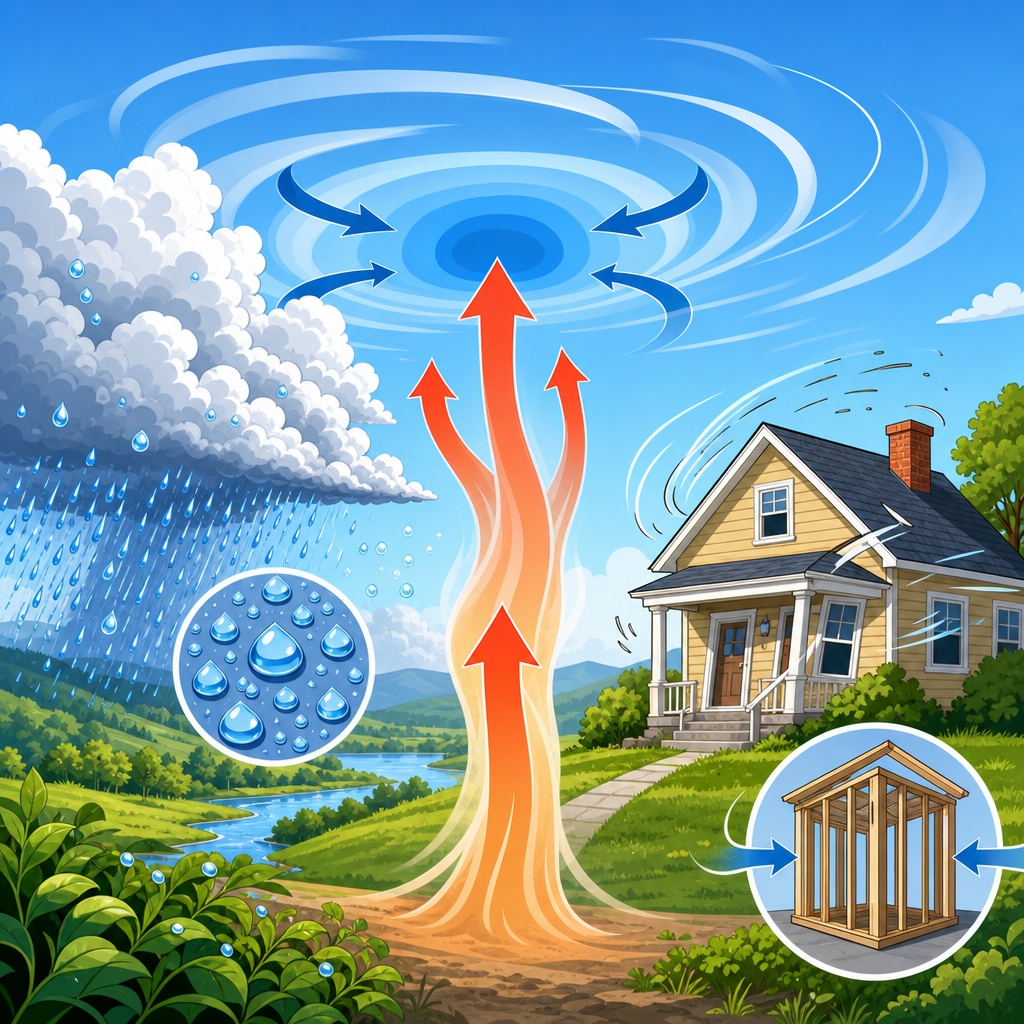
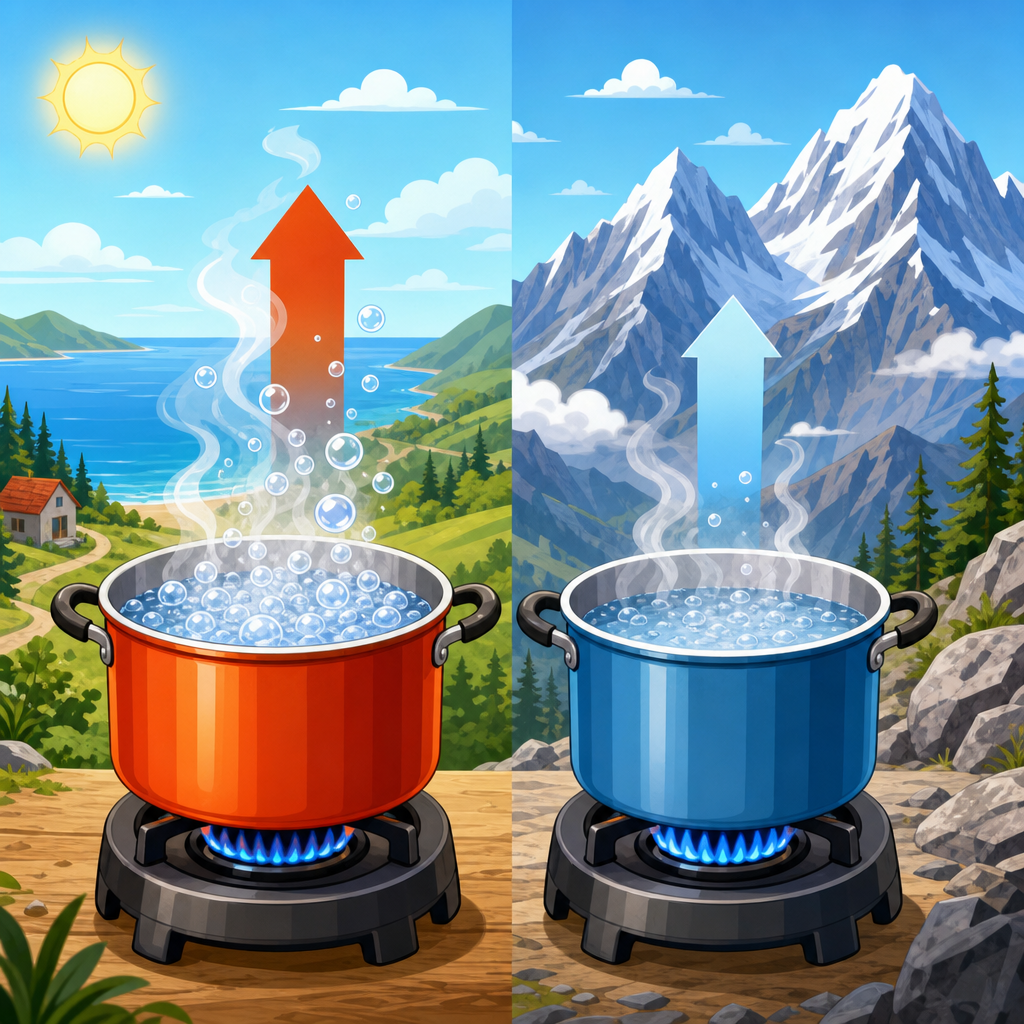
The core problem is physics. At higher elevations, water boils at lower temperatures, so moisture leaves batter more quickly. At the same time, air cells formed during mixing or by chemical leaveners expand faster because there is less atmospheric pressure pushing back. In cakes, that often means overexpansion and collapse. In brownies, which use little flour and often only a small amount of baking powder or none at all, the result is subtler but still damaging: crusts rise and crack too soon, edges set before the center, and the middle may sink as steam escapes.
Gluten-free formulas are less forgiving because starches and gums must do the structural work that gluten would normally help with. Rice flour can turn gritty if underhydrated. Tapioca starch can make bars gummy if moisture is trapped. Potato starch can improve tenderness but may exaggerate fragility if the batter is underbaked. Brownies also contain a high percentage of sugar, and sugar is hygroscopic, meaning it attracts water. At altitude, that water management becomes critical. If there is too little liquid, the brownies dry out before the center is fully set. If there is too much sugar relative to structure, the top may look done while the interior remains unstable.
One reason brownies confuse bakers is that common altitude advice for cakes does not transfer perfectly. Reducing leavening still helps if your brownie recipe uses baking powder, but many classic brownie recipes rely mostly on eggs and dissolved sugar for lift and texture. In those formulas, the more important moves are modest liquid increases, careful flour or starch increases, and small temperature adjustments. In my experience, the best mountain brownies come from controlling evaporation first and aeration second.
Ingredient adjustments that actually work
Most gluten-free brownie recipes need only a few changes at 3,000 to 5,000 feet: add 1 to 2 tablespoons of liquid, increase flour blend by 1 to 2 tablespoons, and reduce baking powder by about one-eighth to one-quarter teaspoon if the recipe includes it. Above 5,000 feet, the changes usually become slightly larger. Extra liquid can come from water, milk, brewed coffee, or an additional egg white if the formula already contains enough fat. Coffee is particularly useful in chocolate brownies because it supports cocoa flavor without making the dessert taste like coffee.
Flour changes should be measured carefully. Too much gluten-free flour makes brownies cakey and dull. Too little leaves them greasy and sunken. If your blend contains a lot of absorbent whole-grain flour such as sorghum or brown rice, start with the smaller increase. If the blend is mostly starches, you may need the larger increase. I generally prefer increasing the full flour blend rather than adding xanthan gum alone. Extra gum can produce an elastic, slightly slick crumb, while a modest flour increase improves setting more naturally.
Sugar often needs a slight reduction at altitude, especially in shiny-top brownie formulas with a high ratio of sugar to flour. Decreasing sugar by 1 to 2 tablespoons can limit excessive spread, crust fracturing, and delayed setting. Do not cut too aggressively, because sugar affects moisture retention and the classic glossy top. Fat usually stays the same, though if a recipe already seems oily at sea level, trimming 1 tablespoon of butter can help. Eggs are powerful tools in altitude baking; one extra yolk can improve emulsification and fudginess, while one extra white can strengthen structure. Choose based on the texture you want.
| Issue | Likely Cause at Altitude | Best Adjustment |
|---|---|---|
| Center sinks after cooling | Too much expansion before structure sets | Reduce leavening slightly, add 1 tablespoon flour blend, raise oven 15°F |
| Dry edges, underdone middle | Rapid evaporation and uneven setting | Add 1 to 2 tablespoons liquid, use lighter metal pan, shorten bake checks |
| Crumbly texture | Insufficient hydration in gluten-free starches | Add liquid, rest batter 15 to 20 minutes before baking |
| Gummy interior | Too much starch or underbaking | Increase bake time slightly, reduce sugar a little, cool fully before slicing |
| No shiny top | Sugar not fully dissolved or too much flour added | Whisk eggs and sugar thoroughly, melt sugar into warm fat/chocolate mixture |
Mixing method, batter rest, and pan choice
Technique matters as much as ingredients. The hallmark brownie crust comes from properly dissolved sugar and a stable emulsion of eggs and fat. In high-elevation gluten-free baking, I recommend warming butter with sugar and chocolate, then whisking thoroughly before adding eggs. This encourages a shiny top and more even structure. Overbeating after the flour goes in is less risky than with wheat batter because there is no gluten to toughen, but excessive mixing can still add too much air. Too much trapped air expands quickly at altitude and contributes to doming and collapse.
A short batter rest is one of the simplest fixes for gritty or fragile gluten-free brownies. Let the mixed batter sit for 15 to 20 minutes before panning and baking. That pause hydrates rice flour, cocoa, and starches, reducing the sandy texture some gluten-free bars develop. It also gives you a more accurate sense of thickness. If the batter tightens dramatically during the rest, your flour blend is absorbent and may benefit from an extra teaspoon or two of liquid next time.
Pan material influences edge set and center doneness. Dark metal pans absorb more heat, which can be useful at sea level but often overbakes brownie edges in mountain kitchens. Light-colored aluminum produces more even results. Glass pans hold heat longer and can make timing less predictable, especially for dense gluten-free batters. Size also matters. A recipe intended for an 8-inch square pan baked in a 9-inch pan will set faster and may seem successfully adapted when it is really just thinner. For consistent testing, keep pan dimensions constant and line the pan with parchment so you can lift and cool the slab evenly.
Oven temperature, timing, and doneness cues
Most brownie recipes benefit from a slightly higher oven temperature at altitude, usually 15°F to 25°F above the original formula. The reason is straightforward: you want the batter structure to set before overexpansion or moisture loss causes collapse. For a sea-level recipe baked at 325°F, try 340°F at moderate altitude or 350°F if you are well above 5,000 feet. Use an oven thermometer, not the dial, because many home ovens run off by 15°F or more. In brownie testing, that error is enough to make adaptation seem impossible when the real issue is inaccurate heat.
Do not rely on standard toothpick rules. Fudgy brownies should not come out with a fully clean tester. Instead, look for these signs: the edges are set and slightly pulling from the parchment, the top is glossy with fine cracks, the center jiggles only slightly when nudged, and an instant-read thermometer in the middle reads roughly 195°F to 205°F. Below that range, many gluten-free brownies cool into a gummy center. Above it, they can become dry and crumbly, especially if made with rice flour.
Cooling is part of the bake. Brownies continue to set as steam redistributes and starches firm. At altitude, cutting too early exaggerates gumminess and makes people think the recipe failed. Cool the pan on a rack until barely warm, then chill for cleaner slices if the formula is very fudgy. This is particularly helpful for brownies containing melted chocolate, almond flour, or swirl components like cream cheese or nut butter.
How these principles apply across cookies and bars
Brownies are the most dramatic example, but they anchor the larger cookies and bars category in high-elevation baking. Blondies need similar moisture and temperature adjustments because they share a dense, sugar-rich structure. Lemon bars often require a hotter initial bake for the shortbread crust and a slightly longer finish for the custard layer to set without weeping. Oat bars and fruit crumble bars usually need extra flour or oats plus reduced sugar if the filling becomes runny at altitude. Shortbread and slice-and-bake cookie bars often spread less if dough is chilled and sugar is reduced modestly.
As a hub page, this topic connects several practical sub-articles. If you are troubleshooting texture, the most useful next step is a guide dedicated to altitude problems in cookie bars, because spread, edge browning, and underbaked centers each have different fixes. If your challenge is formula design, a detailed piece on gluten-free flour blends for high-elevation baking should be your reference, since starch ratios determine whether bars turn chewy, cakey, or sandy. Bakers working with chocolate should also consult a page focused on cocoa versus melted chocolate at altitude, because each changes moisture demand and set differently.
Real kitchens prove the pattern. In Denver, a cocoa brownie made with cup-for-cup flour often improves with 1 tablespoon extra milk, 1 tablespoon extra flour blend, and a 15°F hotter oven. In Albuquerque, a melted-chocolate brownie may need less flour adjustment but a small sugar reduction to avoid a fragile top and underdone center. In mountain resort kitchens above 7,000 feet, I have seen otherwise reliable box-style gluten-free mixes perform better when baked in smaller pans with added liquid and reduced leavening. The lesson is not that every recipe must be rebuilt; it is that cookies and bars respond predictably when you control moisture, structure, and heat.
Common mistakes and a reliable testing workflow
The biggest mistake is changing too many variables at once. Bakers often add more flour, cut sugar heavily, raise the temperature, and switch pans in a single attempt. If the results improve or worsen, they learn nothing. Adjust one or two inputs per bake and keep notes on pan type, batter consistency, bake time, and final texture. A simple notebook or spreadsheet works better than memory, especially if you rotate among several flour blends.
Another common error is assuming every gluten-free blend behaves the same. Cup4Cup, King Arthur Measure for Measure, Bob’s Red Mill 1-to-1, and custom blends all absorb liquid differently and contain different starch systems. Some include milk powder, some use finer rice flour, and some rely more heavily on xanthan gum. Those differences determine whether your altitude fix should be extra liquid, extra flour, or more resting time. Start small, weigh ingredients whenever possible, and repeat successful conditions before making new changes.
The most reliable workflow is simple: bake the original recipe once if possible, note the defect, then correct the defect directly. Sunken center means slightly less leavening and slightly faster set. Dry crumb means more liquid and earlier doneness checks. Gummy texture means verify oven temperature, extend bake time modestly, and cool completely. When you treat brownies as a system instead of a mystery, altitude becomes manageable.
Adjusting gluten-free brownies for high-elevation baking comes down to understanding how lower air pressure changes moisture loss, expansion, and structure. The best results usually come from small, deliberate moves: a little more liquid, a little more flour, slightly less leavening or sugar when needed, a hotter oven, and careful attention to pan choice and cooling. Those same principles extend across the full cookies and bars category, from blondies to fruit bars, giving you a dependable foundation for baking above sea level.
If you remember one rule, make it this: protect moisture while helping the batter set sooner. That balance produces brownies that are fudgy, sliceable, and stable instead of dry, gummy, or sunken. Use this hub as your starting point for every altitude bar cookie you bake, then test methodically and keep notes. With a few smart adjustments, mountain baking stops feeling unpredictable and starts producing consistently excellent results.
Frequently Asked Questions
Why do gluten-free brownies behave so differently at high elevation?
High elevation changes several parts of brownie baking at the same time, and gluten-free formulas are especially sensitive because they do not have a wheat gluten network to provide backup structure. As altitude increases, air pressure drops. That lower pressure allows gases in the batter to expand more quickly and causes moisture to evaporate faster. In a brownie recipe, that can mean the batter rises too fast, sets too slowly, and then collapses or dries out before the center finishes baking properly.
With gluten-free brownies, the challenge is even bigger because structure depends on a careful balance of starches, eggs, sugar, fat, and any binders such as xanthan gum or psyllium. At sea level, those ingredients usually set in a predictable way. At higher elevations, however, the faster evaporation rate can leave the brownies crumbly, while the quicker expansion can create tunneling, sinking, or a fragile top crust that separates from the interior. Sugar also becomes more concentrated as liquid cooks off faster, which can affect texture and make brownies seem gummy at the center while still dry at the edges.
In practical terms, high-elevation gluten-free brownie baking is about controlling expansion, preserving moisture, and helping the batter set earlier. That usually means making small, strategic adjustments instead of rewriting the whole recipe. Once you understand that altitude affects leavening, liquid balance, baking time, and structure all at once, the unusual behavior of your brownies starts to make sense.
What recipe adjustments usually help gluten-free brownies at high elevation?
The most reliable adjustments are reducing leavening, increasing moisture slightly, and sometimes raising the oven temperature a little so the brownies set before they overexpand. Brownies generally do not contain a large amount of leavening, but even a modest quantity of baking powder can become too aggressive at altitude. If your recipe includes it, reducing it slightly often helps prevent the brownies from puffing too much and then sinking as they cool.
Adding a bit more liquid is also common because moisture evaporates faster in mountain climates. In gluten-free brownies, even an extra tablespoon or two of liquid, an additional egg yolk, or a slight increase in butter or oil can improve texture and reduce crumbliness. Some bakers also reduce the sugar a little, especially in very sweet recipes, because sugar competes with starch and egg proteins for moisture and can delay setting. At high elevation, that delayed setting can contribute to a sunken center or a gooey layer that never fully stabilizes.
Another helpful adjustment is increasing the baking temperature by about 15 to 25 degrees Fahrenheit while watching the bake time carefully. A slightly hotter oven helps the batter structure set sooner, which is useful when gases are expanding earlier than usual. The key is moderation. You do not want to make several large changes at once. Start with one or two measured adjustments, take notes, and refine from there. Gluten-free baking rewards that controlled approach, especially at altitude.
How can I keep high-elevation gluten-free brownies from turning dry, crumbly, or sandy?
Dryness and crumbliness usually come from too much moisture loss, not enough binding, or both. Because high elevation speeds up evaporation, gluten-free brownies can lose tenderness quickly. To counter that, first look at the liquid and fat in the formula. A small increase in melted butter, oil, milk, coffee, or another liquid can make a noticeable difference. Eggs matter too, since they provide both moisture and structure. In some recipes, adding an extra yolk improves richness and helps the crumb hold together without making the brownies cakey.
The flour blend also plays a major role. Some gluten-free blends are starch-heavy and bake up dry more easily, especially in low-humidity, high-altitude environments. If your brownies have a sandy or fragile texture, the issue may be that the starches are absorbing liquid quickly but not holding it well through baking and cooling. A flour blend with a better balance of whole-grain flours and starches, or a modest increase in binder such as xanthan gum, can help support a denser, fudgier texture. You do need to be cautious, though, because too much binder can make brownies sticky or rubbery.
Pan size, bake time, and cooling method matter as well. Overbaking is one of the fastest ways to dry out gluten-free brownies at altitude. Pull them when the edges are set and the center still has a slight softness, rather than waiting for a completely firm middle. Let them cool fully in the pan so the starches and eggs finish setting gradually. If you cut too soon, they may seem underdone; if you overbake to avoid that, they can become dry by the next day. The goal is a controlled bake followed by a full rest.
Why do my gluten-free brownies sink in the middle or develop a crust that separates from the base?
A sunken center usually means the brownies rose faster than their structure could support. At high elevation, gases expand earlier and more strongly, so the batter can puff before the eggs and starches have fully set. Once the brownies cool, the weak center collapses. This is especially common in gluten-free batters because there is no gluten network to reinforce the rise. If the recipe also has a generous amount of sugar or leavening, the center may stay too soft for too long and then fall as steam escapes.
A crust that lifts away from the interior can happen for a similar reason. Brownie tops often form a delicate, glossy crust from dissolved sugar and beaten eggs. At high elevation, that surface can set quickly while the inside continues expanding. If the interior rises unevenly or collapses slightly during cooling, the top can crack or separate. In gluten-free brownies, this is even more noticeable because the crumb beneath the crust may be more fragile and less elastic than a wheat-based version.
To reduce both problems, try decreasing leavening, slightly reducing sugar if the recipe is very sweet, and increasing the oven temperature just enough to help the center set earlier. Make sure you are not overbeating the batter, especially after adding eggs, because excess incorporated air can increase rise and collapse. Also check pan depth. A very thick layer of batter is harder to bake evenly at altitude. Using the correct pan size and avoiding underbaking the center while still protecting moisture at the edges will give you a more stable result.
What is the best way to test gluten-free brownies for doneness at high elevation?
Doneness testing for brownies is always a little nuanced because the ideal texture is not the same as cake. At high elevation, that judgment becomes even more important because the brownies can move quickly from under-set to overbaked. The best method is to use a combination of visual cues, touch, and a tester rather than relying on time alone. The edges should look set and slightly pulled away from the pan, while the center should appear mostly set but still soft. The surface may have a thin crust, but it should not look wet or fluid.
If you insert a toothpick, do not expect it to come out completely clean unless you want a firmer, more cake-like brownie. For fudgier gluten-free brownies, a few moist crumbs are ideal. What you want to avoid is raw batter on the tester, which suggests the center has not set enough to hold after cooling. A gentle press in the middle can also help. The center should offer light resistance and not feel liquid underneath the top crust.
Cooling is part of doneness too. Gluten-free brownies continue to firm up as they rest because the starches finish absorbing moisture and the egg proteins stabilize. At high elevation, this carryover setting can be the difference between a perfect fudgy center and a dry batch. That is why experienced bakers often remove brownies when they are just shy of fully firm in the center. Let them cool completely before slicing, and if you want very clean cuts, chill them briefly after cooling. In mountain baking, patient cooling is often just as important as oven timing.