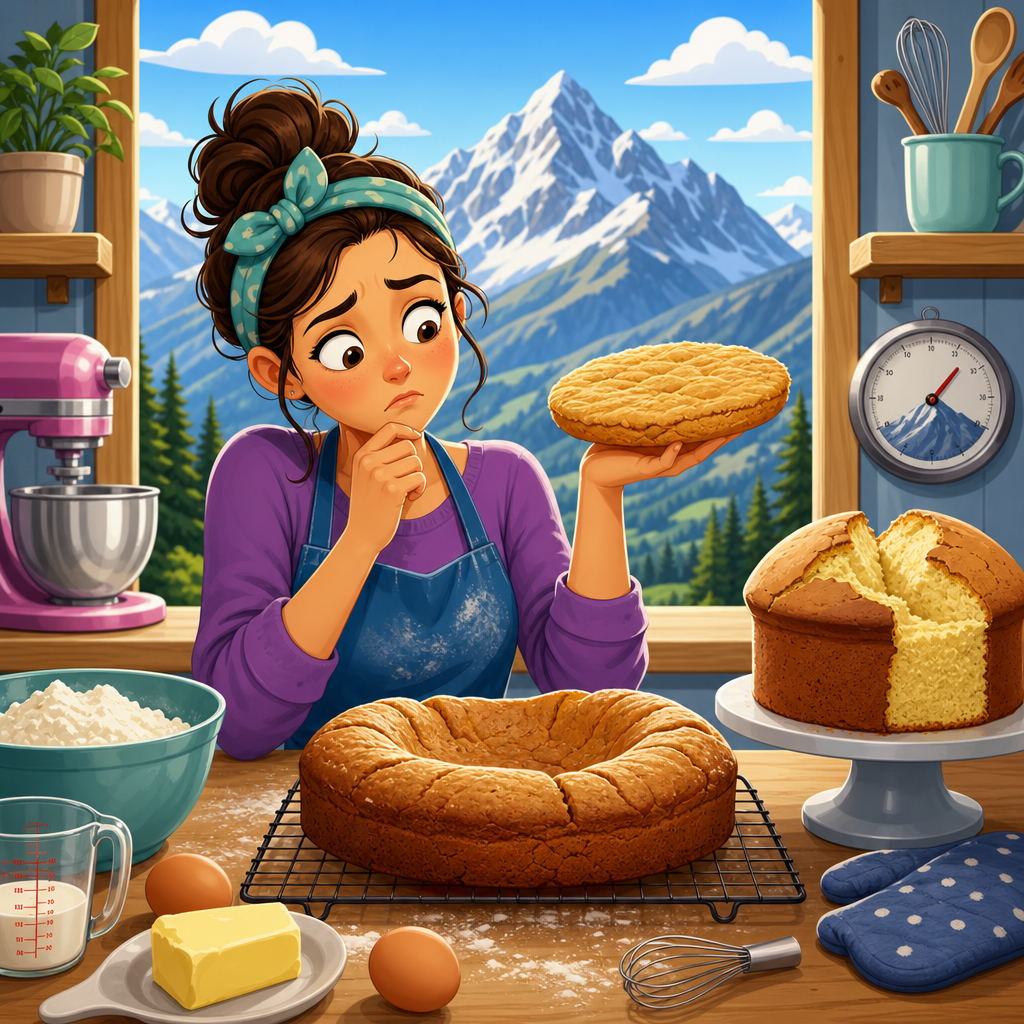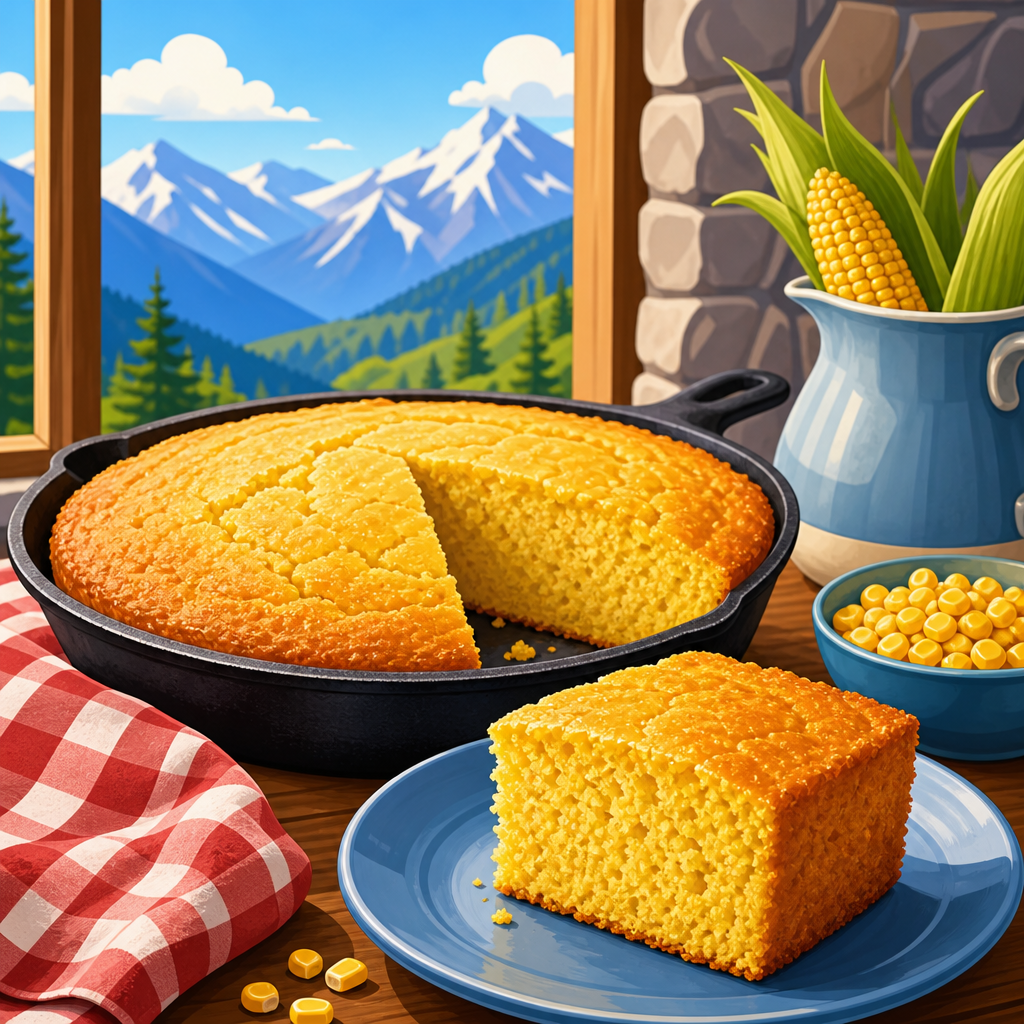
Cornbread at altitude behaves differently from the pan you bake near sea level, and the difference shows up fast: dry crumbs, a peaked center, tunnels, or edges that set before the middle finishes. In high-elevation kitchens, lower air pressure changes how gases expand, how moisture evaporates, and how quickly batters lose structure. “Altitude” usually means anything above 3,000 feet, with more noticeable effects above 5,000. “Quick breads” are baked goods leavened with baking powder, baking soda, eggs, or steam instead of yeast, and “breakfast bakes” covers items such as muffins, biscuits, coffee cake, baked oatmeal, scones, cornbread, and spoon bread. This hub explains how to keep cornbread moist without crumbling while also giving you a practical framework for the entire quick-bread category at elevation. I have tested these formulas in dry mountain climates and know the same pattern repeats: if you only raise oven temperature and guess at flour, you get inconsistent results. The reliable path is to control hydration, batter strength, leavening, pan geometry, and baking endpoint together. Once you understand those five levers, cornbread becomes predictable, and the rest of altitude baking gets easier too. This guide shows what changes matter most, why they work, and where each related recipe type fits within your broader altitude strategy.
Why cornbread dries out and crumbles at altitude
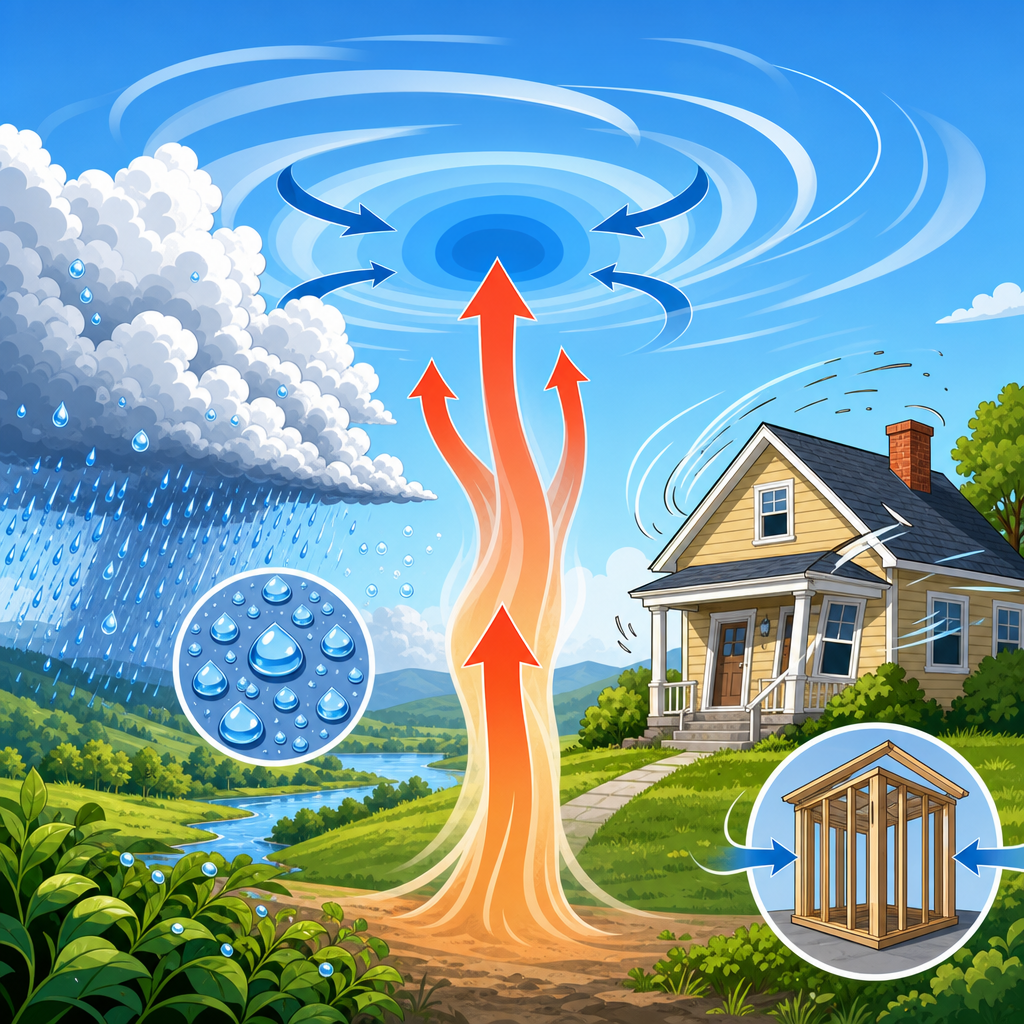
Cornbread crumbles for two main reasons: insufficient moisture retention and a fragile internal structure. Altitude intensifies both. Lower air pressure lets water evaporate sooner, so batter loses moisture earlier in the bake. At the same time, gases from baking powder, baking soda, and trapped steam expand more aggressively, pushing the batter upward before starches and proteins are fully set. If the structure cannot support that rise, the crumb opens, dries, and breaks apart when sliced. Cornmeal itself also contributes to the problem because it contains no gluten and absorbs liquid more slowly than wheat flour. A batter that seems loose in the bowl can bake up dry if the cornmeal continues hydrating while the pan is already in the oven.
Moist altitude cornbread depends on balancing three structural elements: starch gelatinization, egg protein coagulation, and whatever gluten network the flour portion provides. In practice, that means more liquid than many sea-level recipes suggest, modestly reduced chemical leavening, and enough egg or dairy fat to cushion the crumb. But “just add more liquid” is incomplete advice. If you add liquid without strengthening the batter, the center can collapse. If you add flour to compensate, the bread turns cakey and loses corn flavor. The better move is to use buttermilk, yogurt, sour cream, creamed corn, or melted butter strategically so the batter carries both water and tenderness. A cast-iron skillet can help with edge browning, but it can also overbake the perimeter if your oven runs hot. Pan depth matters too; a shallow layer bakes more evenly and usually stays moister than a thick, high-domed cornbread at 7,000 feet.
One more point matters for texture: mixing method. Overmixing develops the flour portion while underhydrated cornmeal remains gritty, a combination that feels both tough and crumbly. I rest cornbread batter for five to ten minutes before baking at altitude, especially with medium or coarse grind meal. That short rest allows absorption without requiring extra flour. It is a small adjustment with outsized results.
The altitude formula for moist cornbread
If you want a direct answer, this is the baseline approach that works most often from 3,500 to about 8,000 feet. For every standard 8-inch or 9-inch pan of cornbread, reduce baking powder by about 1/8 to 1/4 teaspoon from the original recipe, increase total liquid by 1 to 3 tablespoons, and raise oven temperature by 15 to 25 degrees Fahrenheit. If the recipe is already low in sugar, leave sugar alone; if it is sweet and cake-like, reduce sugar by 1 to 2 tablespoons because sugar weakens structure and can increase collapse at elevation. Add one extra egg yolk or 1 to 2 tablespoons sour cream when the goal is a moist, sliceable crumb rather than a dry, fluffy one.
For flour, I generally keep enough wheat flour in the formula to support the cornmeal instead of going all-cornmeal. A ratio near equal parts cornmeal and flour, or up to 60 percent cornmeal by weight, gives a tender but stable result. If you prefer a stronger corn flavor, use fine or medium stone-ground cornmeal plus a small percentage of all-purpose flour rather than removing flour entirely. Fine grind hydrates more evenly and reduces sandy texture. Buttermilk remains the most useful liquid because its acidity helps tenderize, supports baking soda where used, and contributes flavor that stands up to altitude adjustments. If your recipe uses both baking powder and baking soda, cut the powder first and leave enough soda to neutralize the dairy acidity.
The endpoint matters as much as the ingredient list. Pull cornbread when the center reaches roughly 195 to 200 degrees Fahrenheit, or when a tester shows a few moist crumbs rather than dry crumbs. Waiting for a completely clean toothpick is the fastest route to dry mountain cornbread. Rest the pan for ten minutes before cutting so steam redistributes. That finishing rest is part of the formula, not an optional detail.
Best ingredients and adjustments for quick breads and breakfast bakes
The same principles carry across the subtopic this hub covers. Muffins, biscuits, scones, coffee cake, baked oatmeal, banana bread, pumpkin bread, blueberry bread, spoon bread, and cornbread all respond to altitude through the same variables: leavening strength, liquid level, oven heat, sugar concentration, and pan size. What changes is the target texture. Muffins need domed tops without tunneling, biscuits need lift with layered tenderness, and baked oatmeal needs custardy moisture without weeping. Once you know the category, you can make a rational adjustment instead of guessing.
| Item | Main altitude risk | Most effective fix | Useful example |
|---|---|---|---|
| Cornbread | Dry, crumbly texture | Reduce leavening slightly, add dairy fat or extra liquid | Buttermilk cornbread with sour cream in an 8-inch skillet |
| Muffins | Tunnels and peaked tops | Lower baking powder, increase oven heat modestly | Blueberry muffins baked at 400°F instead of 375°F |
| Biscuits | Dry interiors, limited rise | Keep dough colder, add a little extra liquid | Buttermilk biscuits laminated with chilled butter |
| Coffee cake | Collapse under streusel weight | Reduce sugar and leavening, use a shallower pan | Cinnamon coffee cake in a 9-inch square pan |
| Banana or pumpkin bread | Sunken center, gummy line | Raise oven temperature and reduce leavening | Pumpkin loaf baked at 360°F with one less pinch of soda |
| Baked oatmeal | Dry top, loose center | Increase liquid and cover briefly early if needed | Berry baked oatmeal with extra milk |
Ingredient choice has outsized impact at elevation. Fine cornmeal absorbs predictably. Cultured dairy improves moisture retention. Neutral oil gives a softer crumb than butter alone because oil stays fluid at room temperature, while butter contributes flavor and edge browning. Brown sugar or honey can retain moisture better than granulated sugar, but too much liquid sweetener weakens structure, so I use them as partial replacements rather than total swaps. Eggs add strength and emulsification; an extra yolk is often better than a whole extra egg because it boosts richness without making the crumb rubbery. For gluten-free cornbread, a starch blend and xanthan gum can help, but altitude amplifies the fragility of gluten-free batters, so pan size and precise doneness become even more important.
Pan, oven, and mixing choices that improve results
Your oven and pan setup can solve problems ingredients cannot. Dark metal and preheated cast iron brown quickly and create excellent crust, yet those same tools can dry the outer inch of a quick bread before the center stabilizes. At altitude, I often choose a lighter-colored metal pan for sweet loaf breads and reserve cast iron for cornbread that benefits from a stronger edge. If using cast iron, preheat briefly with fat, but do not superheat it until smoking; excessive initial heat can cause rapid edge set and center doming. For a standard cornbread batter, a layer about 1 to 1 1/4 inches deep bakes more evenly than a very thick pour. In muffins, filling cups slightly less than sea-level recipes suggest can reduce spillover and tunneling.
Oven calibration is not optional in mountain baking. Many home ovens run 15 to 25 degrees off, which overlaps exactly with the adjustment range you are trying to make. Use an oven thermometer and verify hot spots by rotating pans only if the structure has already begun to set. Opening the door too early invites collapse. Convection can help with quicker surface set, but it also increases evaporation; if you use convection for quick breads, reduce the temperature slightly from your adjusted target and watch the bake time closely.
Mixing is where many home bakers accidentally create crumble. For cornbread, whisk dry ingredients thoroughly so leavening is evenly distributed, combine wet ingredients separately, then fold only until no dry streaks remain. Rest the batter briefly, scrape once, and bake. For muffins and loaf breads, the muffin method still works well at altitude, but restraint matters. Overmixed batter forms tunnels because the expanding gases follow stronger channels created by excessive gluten development. In biscuits and scones, keep butter cold, cut it in with visible pieces, and avoid heavy kneading. At altitude, handling warmth and friction matter more because doughs lose moisture faster and set sooner once they enter the oven.
How to troubleshoot common altitude cornbread and breakfast bake failures
If your cornbread is dry, first check bake endpoint, not just ingredients. An overbaked pan is more common than an under-hydrated formula. Next, reduce leavening slightly and add 1 to 2 tablespoons more buttermilk, yogurt, or sour cream. If it crumbles while still seeming moist, the structure is too weak; add an extra yolk, use a bit more flour relative to cornmeal, or choose a finer grind. If the center sinks, too much leavening or too much sugar is usually the cause, though an underbaked center can look similar. If the top peaks sharply, your oven may be too hot or the batter too stiff.
For muffins with tunnels, lower baking powder by a small amount and mix less. For banana bread with a gummy line near the base, raise oven temperature modestly so the loaf sets sooner, and reduce excess puree or mashed fruit. For coffee cake that collapses under streusel, reduce streusel thickness or support it with a firmer batter and a wider pan. For biscuits that spread, your dough was too warm or too wet for the flour you used; chill after shaping and bake on a fully heated sheet. Flour brands differ in protein and absorption, and dry climates exaggerate those differences, so keeping notes matters. King Arthur all-purpose flour, for example, absorbs somewhat differently than softer regional flours, and a recipe tuned for one may need a tablespoon or two of liquid adjustment with another.
A practical testing method is to change one variable at a time and record elevation, humidity, pan, oven setting, and final texture. I mark recipes with “best at 6,800 feet” notes because a fix that works in Denver may still need refinement in Santa Fe or Summit County. Altitude baking is not mysterious; it is iterative. Once you track conditions, the pattern becomes clear enough to repeat.
Building your altitude quick-bread hub and what to bake next
As the hub for Quick Breads and Breakfast Bakes, this page should anchor your recipe decisions. Start with cornbread because it teaches the core lesson of altitude moisture management. Then move to muffins, where you practice balancing leavening and oven heat for shape. Next tackle banana bread, pumpkin bread, and coffee cake, which teach pan depth and sugar management. Finish with biscuits, scones, baked oatmeal, and spoon bread, where you refine dough temperature, custard balance, and serving texture. These internal pathways matter because skills transfer directly. A baker who can diagnose crumbly cornbread will usually spot why a berry muffin tunneled or why a breakfast cake fell after cooling.
Keep a base adjustment checklist nearby: verify actual elevation, calibrate oven temperature, reduce chemical leavening slightly, increase liquid modestly, consider a small oven-temperature increase, avoid overmixing, and bake in a pan that supports even setting. Then match the adjustment to the product. Cornbread wants moisture retention and gentle structure. Muffins want controlled expansion. Loaf breads want a center that sets before the crown overinflates. Biscuits want cold fat and fast oven spring without drying. That framework is more useful than memorizing isolated tricks because it lets you adapt published recipes with confidence.
The main benefit is consistency. Moist cornbread at altitude is absolutely achievable, and once you master it, the rest of the quick-bread category becomes far less frustrating. Use this hub as your reference point, test methodically, and build a small notebook of elevation-specific adjustments for your kitchen. The next time a recipe promises a tender crumb, you will know exactly how to make it happen in mountain air. Start with your favorite cornbread this week, apply the formula here, and let that batch become the benchmark for every breakfast bake you make next.
Frequently Asked Questions
Why does cornbread get dry, crumbly, or fall apart more easily at high altitude?
At altitude, cornbread loses moisture faster and its structure can set less predictably than it does near sea level. The main reason is lower air pressure. Gases from baking powder, baking soda, steam, and trapped air expand more quickly, so the batter rises faster before it has fully firmed up. At the same time, water evaporates more readily, which means the batter can dry out before the crumb has enough time to set into a tender, cohesive texture. That combination often leads to a loaf or skillet bread that looks done on the outside but breaks into dry crumbs when sliced.
Cornbread is especially sensitive because it often contains a relatively high proportion of cornmeal, which does not provide the same elastic structure as wheat flour. If the formula is already low in flour, eggs, fat, or liquid, altitude magnifies that weakness. The result can be a peaked top, tunnels, fragile edges, and a center that seems both dry and delicate. To reduce crumbling, high-altitude bakers usually do best with a few targeted changes: slightly more liquid, a little less leavening, careful mixing, and close attention to bake time and oven temperature. Using buttermilk, sour cream, yogurt, creamed corn, or an extra egg can also help improve moisture retention and binding, giving the finished cornbread a softer, less fragile crumb.
What recipe adjustments help keep cornbread moist and tender above 3,000 to 5,000 feet?
The most reliable altitude adjustments focus on balancing moisture, lift, and structure. Start by reducing the leavening slightly, especially if the original recipe was developed for sea level and uses a generous amount of baking powder. Too much lift at altitude can cause the batter to overexpand, then collapse or dry out. A modest reduction often produces a more even rise and a finer crumb. Next, increase the liquid a little. Even an extra tablespoon or two of milk, buttermilk, or another liquid can make a noticeable difference in a pan of cornbread, because moisture evaporates faster in high-elevation kitchens.
It also helps to strengthen the batter just enough so it can hold its rise. One extra egg, a spoonful of sour cream, yogurt, or more fat such as melted butter or oil can improve tenderness and reduce that sandy, fragile texture some high-altitude cornbreads develop. If the recipe is very cornmeal-heavy, a small increase in flour can add support without making the bread cakey. Many bakers also raise the oven temperature slightly so the structure sets sooner, which can prevent overexpansion and tunneling, but that only works well if the bake time is watched carefully. The best approach is incremental: adjust one or two variables at a time, take notes, and refine based on your elevation, your oven, and whether you prefer Northern-style, Southern-style, sweet, or savory cornbread.
Should I use less baking powder or baking soda when baking cornbread at altitude?
Usually, yes. In high-altitude baking, reducing the chemical leavening is one of the first and most useful corrections. Because lower air pressure allows gases to expand more readily, the leavening in your batter acts more aggressively than it would at sea level. If there is too much baking powder or baking soda, the cornbread may rise too quickly, creating a tall center, coarse holes, tunnels, or a weak structure that later shrinks or crumbles. Instead of a steady, controlled lift, you get a fast rise that outpaces the batter’s ability to set.
That said, baking powder and baking soda should not be reduced blindly. Baking soda also affects browning and interacts with acidic ingredients such as buttermilk, yogurt, or sour cream, so cutting too much can change flavor and color as well as rise. A moderate reduction is typically enough to improve the texture without making the bread heavy. If your cornbread consistently domes sharply, breaks apart, or shows large internal holes, excess leavening is a likely culprit. If it is dense and wet instead, the problem may be elsewhere, such as underbaking, too much liquid, or a batter that was overmixed or not mixed evenly enough. For altitude baking, the goal is not minimal rise but controlled rise, so the crumb stays moist, fine, and sliceable.
How do I prevent tunnels, a peaked center, or edges that finish before the middle?
These are classic signs that the batter is rising and setting unevenly, which becomes more common at altitude. Tunnels and a peaked center usually point to overactive leavening, an oven that is too hot, or a batter that expanded too quickly before the internal structure stabilized. Edges that overbake before the center finishes can happen when moisture evaporates rapidly and the pan transfers heat aggressively, especially in dark metal pans or skillets. Altitude amplifies all of this because the batter moves faster from fluid to overexpanded to dry.
To fix the problem, start by dialing back the leavening slightly and checking that your oven temperature is accurate with an oven thermometer. In many cases, a small temperature adjustment and a shorter bake window help the center set more evenly. Choose the right pan size as well; if the batter layer is too shallow, it can dry out before the middle fully develops. Avoid overmixing, since that can create uneven texture and encourage tunneling, but do mix thoroughly enough that the leavening is evenly distributed. If your cornbread is regularly overdone around the perimeter, consider using a lighter-colored pan, moving the rack to the center of the oven, or reducing bake time by a few minutes while relying on doneness cues such as a set center and a few moist crumbs on a tester. A well-balanced high-altitude cornbread should rise gently, bake evenly, and cool without collapsing or cracking apart.
What ingredients make high-altitude cornbread less crumbly without making it dense or gummy?
The best ingredients for reducing crumbliness are the ones that improve moisture retention and provide gentle binding. Dairy ingredients such as buttermilk, yogurt, sour cream, or even a little creamed corn add both moisture and tenderness. Eggs are especially important because they help hold the crumb together; if a recipe is very delicate, an extra egg can improve sliceability without making the bread heavy. Fat matters too. Oil often produces a moister crumb than butter alone, though many bakers like using both for flavor and texture. If your cornbread tends to dry out quickly, a slight increase in fat can make a major difference.
Just as important is the ratio of cornmeal to flour. Cornmeal gives cornbread its flavor and character, but too much of it, especially a coarse grind, can make the texture fragile at altitude. A modest amount of wheat flour adds structure and helps the bread hold together. Some bakers also prefer medium or finely ground cornmeal for a more cohesive crumb. The key is balance: enough cornmeal for true cornbread texture, enough flour and egg for support, and enough liquid and fat to offset the faster moisture loss that comes with high elevation. If you want moist cornbread without gumminess, avoid overcorrecting with too much liquid all at once. Instead, make small, controlled changes and judge the batter and finished crumb carefully. Properly adjusted, high-altitude cornbread can still be tender, flavorful, and sturdy enough to slice cleanly instead of crumbling into the pan.