Macarons expose every weakness in high-altitude baking, which is why they are the best place to start when you want to understand why cookies and bars behave differently above sea level. In pastry terms, altitude usually means baking at roughly 3,000 feet or higher, where lower air pressure changes how water evaporates, how gases expand, and how batters and meringues set. A macaron is especially sensitive because it relies on a narrow balance between whipped egg white foam, almond flour, sugar concentration, and controlled drying before baking. When that balance shifts, the most common failures are cracked tops, hollow interiors, weak feet, lopsided shells, and browned bottoms. I have tested macarons, drop cookies, blondies, shortbread, and bar cookies in mountain kitchens, and the pattern is consistent: the same environmental forces are at work across the whole category, but macarons reveal them faster and more dramatically than any other bake.
This matters because many bakers waste time chasing the wrong fix. They blame one ingredient when the real issue is a chain reaction involving oven heat, humidity, meringue stiffness, and moisture loss. At altitude, a shell can look perfect after piping and still split open because steam escaped too aggressively before the crust set. A shell can also bake with beautiful feet and still hollow because the inside structure rose rapidly and then detached as it cooled. Understanding macarons at altitude helps with every other cookie and bar recipe in your kitchen. The same lower air pressure that exaggerates hollow macarons can push crinkles too wide on chocolate cookies, dry out sugar cookie edges, or leave brownies over-risen and then sunken in the center. That is why this hub article covers macarons in depth while also mapping the wider cookies-and-bars category, so you know what to test first and where to go next when a recipe fails.
Why altitude changes macarons, cookies, and bars
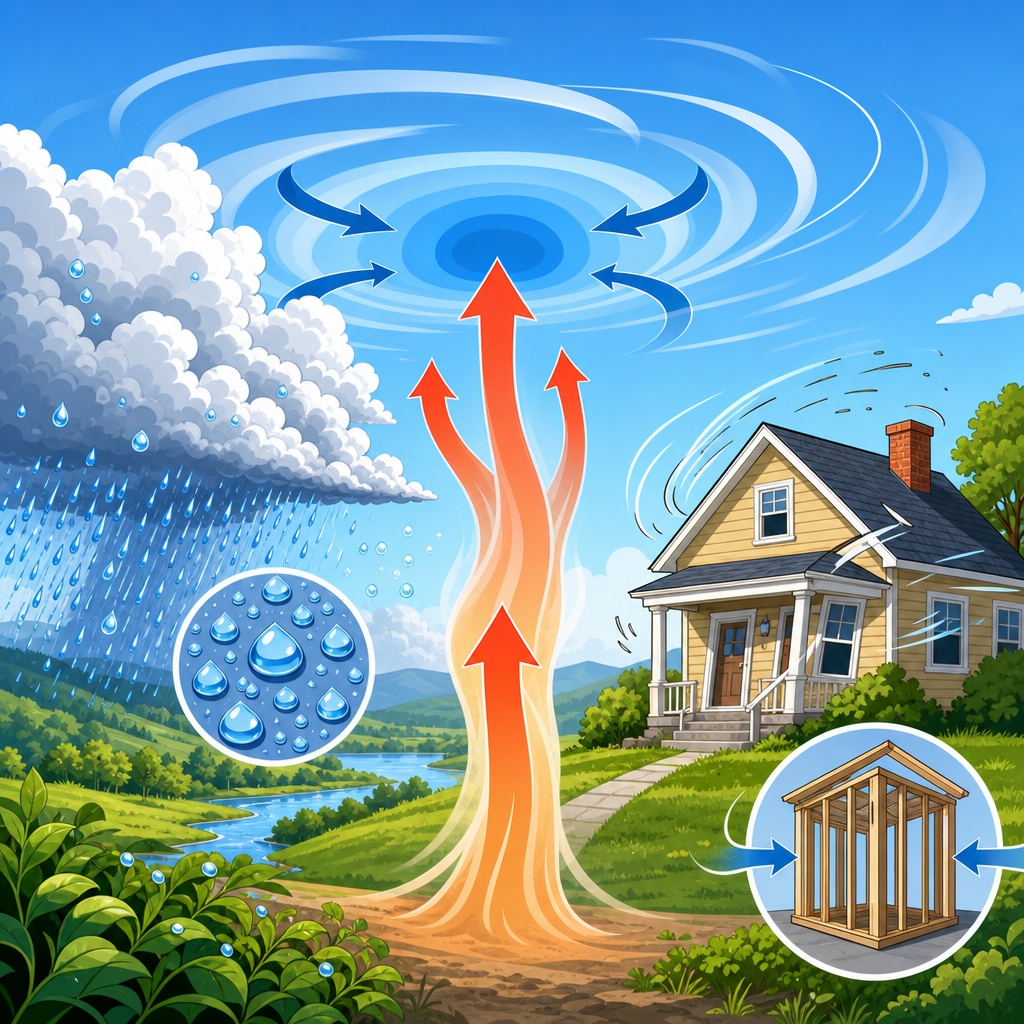
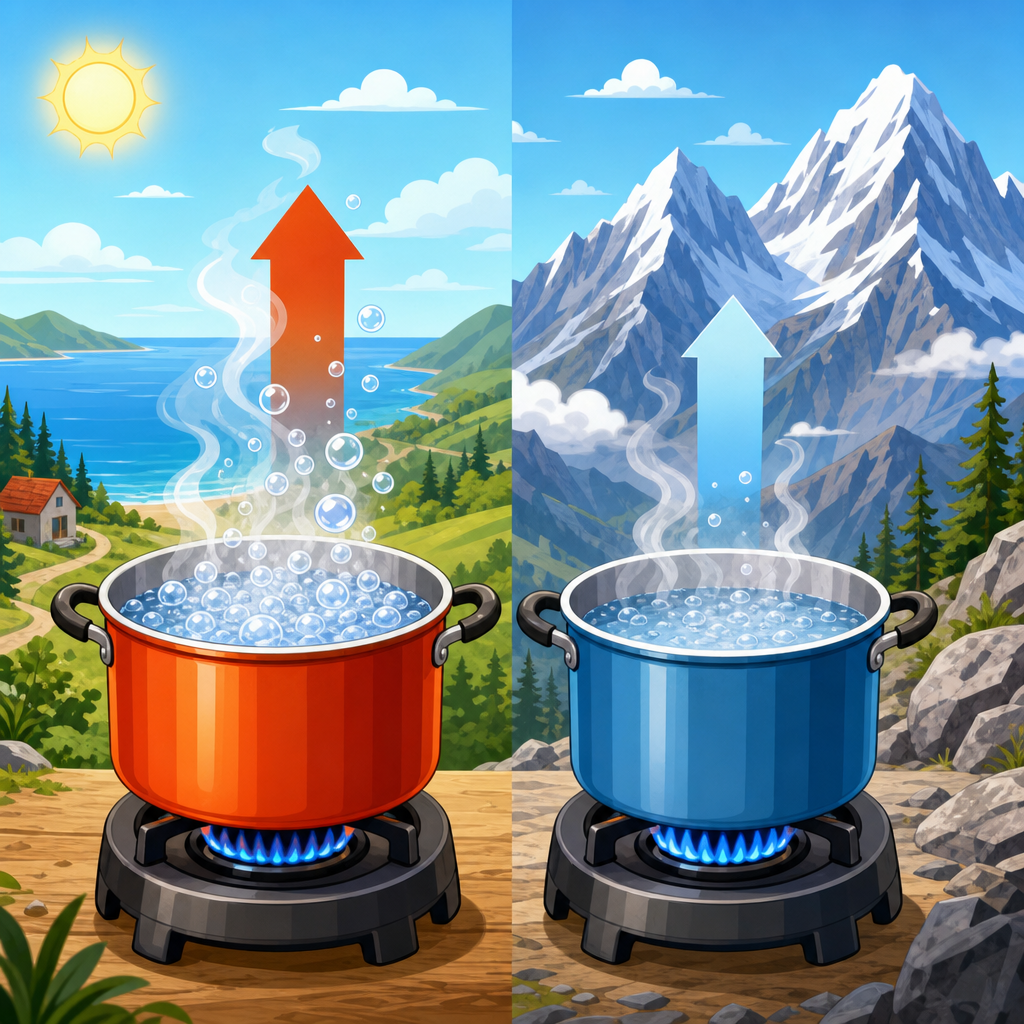
High altitude affects baking through three main mechanisms. First, water boils at a lower temperature, so moisture evaporates faster. Second, gases expand more easily in lower air pressure, which means whipped egg whites, chemical leaveners, and steam all push upward more aggressively. Third, batters and doughs often set later relative to that expansion, so structure can stretch, crack, and collapse before it stabilizes. In macarons, these forces are magnified because the shell is thin and the internal foam is fragile. In cookies and bars, the symptoms show up differently: overspreading, dry edges, greasy centers, rapid puffing followed by collapse, or texture that turns cakey when it should stay chewy.
For macarons specifically, cracking usually means pressure built under the surface faster than the top could dry and set. Hollow shells usually mean the interior rose and separated from the cap before enough internal support formed. Those are distinct problems, but at altitude they often share the same root causes: too much oven heat, underdeveloped or overbeaten meringue, too-wet batter, inadequate resting, or a formula that has not been adjusted for faster evaporation and stronger expansion. That is why experienced bakers diagnose by process sequence, not by a single symptom. You want to know what happened first: weak crust, excess rise, delayed set, or overbaked shell.
What to test first when macarons crack at altitude
If your macarons crack at altitude, test oven temperature first. In my own batches, this is the highest-yield adjustment because home ovens frequently run 15 to 25 degrees off, and altitude makes that error more expensive. A shell baked too hot rises hard before the skin can hold it, forcing steam through the top. Use an oven thermometer, then reduce the baking temperature by 10 to 15 degrees Fahrenheit from your baseline and retest without changing anything else. If you normally bake at 315 degrees, try 300 or 305. You are looking for intact tops, modest feet, and a shell that dries without exploding upward.
The second test is drying time. At altitude, bakers assume shells dry faster because the air is often drier, but that is not always enough to build a resilient skin. Rest until the piped surface no longer feels tacky when touched lightly with a fingertip. If tops still crack, add 10-minute increments to the resting period. If they spread while resting, the batter was likely too loose or the room too warm. The third test is meringue stiffness. Soft, underwhipped peaks cannot support expansion; stiff, clumpy meringue creates unstable air pockets that contribute to hollows and volcano-like tops. Aim for glossy medium-stiff peaks that curve slightly and hold ridges without looking dry.
The fourth test is macaronage, the folding stage that determines batter flow. At altitude, slightly under-mixed batter often performs better than over-mixed batter because over-loosened batter spreads too much and builds a thinner top layer that cannot contain the internal rise. A good target is batter that flows in a thick ribbon and slowly settles, rather than flooding flat immediately. Finally, check pan setup. Double-stacking trays or using a heavy-gauge sheet can reduce bottom heat spikes that intensify early expansion. Silicone and parchment can both work, but whichever you use, keep it constant while testing so you isolate one variable at a time.
Why macarons hollow at altitude and how to diagnose the real cause
Hollows are more frustrating than cracks because they often hide until cooling. A shell can look bakery-perfect from above and still separate internally. At altitude, the most common cause is overexpansion before the shell interior sets. That can come from excess oven heat, too much air in the meringue, or a batter that was not folded enough to remove large bubbles. It can also come from premature shelling on the outside while the inside remains underbaked. In that case, the top looks done, but the center is still wet and shrinks away as it cools.
To diagnose hollows accurately, cut several shells from the same batch at different cooling stages. If the interior is wet and sticky right out of the oven, bake longer at a slightly lower temperature. If the shell is dry but the cavity is large and clean, suspect overwhipped meringue or excessive heat. If feet are very tall and the tops are thin, the batter likely trapped too much air. Rap the trays firmly after piping to release bubbles, then pop visible surface bubbles with a toothpick. In repeated altitude testing, I have found that reducing oven temperature slightly and extending bake time by one to three minutes solves more hollow batches than changing almond flour or sugar brands.
| Symptom | Most likely cause at altitude | What to test first |
|---|---|---|
| Cracked tops | Oven too hot or shell not dried enough | Lower temperature 10 to 15 degrees Fahrenheit |
| Large hollows | Overexpansion before interior sets | Lower temperature and bake 1 to 3 minutes longer |
| No feet | Weak meringue or overmixed batter | Whip to medium-stiff peaks and fold less |
| Spread shells | Batter too loose or excess moisture | Stop macaronage earlier |
| Browned bottoms | Too much bottom heat | Use stacked trays or a heavier pan |
Ingredient variables that matter more at altitude
Not every ingredient issue deserves equal attention. Almond flour particle size matters because coarse flour punctures structure and creates irregular tops, but it is rarely the first cause of cracks. Confectioners’ sugar consistency matters because starch content and clumping affect batter smoothness, yet most mainstream brands perform similarly if sifted well. Egg white age is more nuanced. Older whites can whip faster due to reduced moisture and loosened proteins, but at altitude that benefit can turn into an over-aerated foam if you chase volume instead of texture. I prefer judging by peak structure, not by a rule about aging whites for a set number of days.
Granulated sugar deserves more respect in altitude macarons than many recipes give it. Sugar stabilizes egg white foam and slows moisture loss. If a formula already uses a lean meringue, reducing sugar to make shells less sweet can backfire at altitude by weakening stability and promoting hollows. Cream of tartar or a small amount of powdered egg white can help acidify and strengthen foam, but they are support tools, not magic fixes. For colorings and flavor extracts, choose low-moisture formats when possible. Gel color is usually safer than liquid color, and powdered freeze-dried fruit is generally more reliable than juice reductions, which can add water and upset shell consistency.
The wider cookies and bars picture: what macarons teach you
Macarons are the most delicate members of the cookies-and-bars family, but the same altitude rules explain failures in sturdier recipes. In drop cookies, lower air pressure and faster moisture loss can make dough spread quickly at the edges while the center puffs and then falls. The first fixes are often slightly more flour, slightly less sugar, a higher proportion of brown sugar for moisture retention, and a modest increase in oven temperature so structure sets sooner. Chilling dough becomes more important at altitude because firmer fat slows early spread and buys time for starches and proteins to hold shape.
Bar cookies and brownies behave differently because the batter is thicker and bakes as a single slab. At altitude, the biggest risk is excess rise followed by collapse, especially in formulas with several eggs or generous chemical leavening. Brownies often need less baking powder or none at all if the recipe already relies on egg foam. Blondies can dry at the edges before the center finishes, so metal pan choice, batter depth, and oven calibration matter as much as ingredient adjustments. Shortbread and slice-and-bake cookies usually need fewer changes because they depend less on eggs and leavening, but they can still become dry or sandy if bake time is not shortened.
That is why a good cookies-and-bars hub organizes troubleshooting by structure. Meringue-based cookies, including macarons and pavlova-style sandwich shells, are foam systems and need careful control of expansion. Creamed butter cookies are fat-sugar emulsions and usually need spread management. Brownies, blondies, and many bars are batter systems where pan geometry and center-set timing dominate. If you build your altitude adjustments around those categories instead of searching recipe by recipe, you solve problems faster and create your own reliable playbook.
A practical testing method for consistent altitude results
The fastest way to improve altitude baking is controlled testing. Change one variable per batch and keep records on temperature, humidity, bake time, pan type, and visual results. For macarons, I recommend this order: verify oven accuracy, adjust bake temperature, adjust bake time, refine meringue stiffness, then refine macaronage. Only after those steps should you alter ingredients. For cookies, test dough temperature and flour first. For bars, test pan size, oven temperature, and leavening before changing sweeteners or fats. This sequence works because process errors are usually larger than formula errors.
Use objective cues whenever possible. Weigh ingredients in grams, not cups. Check shell doneness by nudging the top lightly; a baked macaron should feel set and not slide on its foot. Measure cookie spread by diameter, not by impression. For brownies and bars, use internal cues such as slight center wobble, edge pull-away, and probe resistance rather than relying only on the clock. If you bake regularly in a mountain climate, note seasonal shifts. Winter indoor air can dry surfaces aggressively, while summer monsoon humidity can lengthen macaron resting times and soften crisp cookie edges. Altitude is not a single condition; it interacts with weather, oven behavior, and your specific kitchen.
When to move beyond macarons in your altitude baking plan
Once you can produce mostly full macarons with smooth tops and moderate feet, move outward to the rest of the cookies-and-bars category. Start with stable formulas: chocolate chip cookies, sugar cookies, brownies, blondies, and shortbread. Those recipes teach useful contrasts. Chocolate chip cookies show how fat temperature and flour control spread. Sugar cookies reveal how altitude changes edge browning and surface cracking. Brownies and blondies train you to read center set and avoid collapse. Shortbread teaches restraint, because overbaking is a more common altitude mistake than underbaking in low-moisture doughs.
The larger lesson is that altitude baking rewards precision, not fear. Macarons crack or hollow at altitude because expansion, evaporation, and setting fall out of balance. Your first tests should target temperature, drying, meringue, and batter consistency in that order. Once those variables are under control, ingredient tweaks become smaller and more logical. Apply the same mindset across cookies and bars, and patterns emerge quickly: control spread, protect moisture, moderate rise, and set structure at the right time. Keep notes, make one change at a time, and build a reference file for your kitchen. That disciplined approach turns altitude from a recurring frustration into a workable system, and it will improve every cookie and bar you bake next.
Frequently Asked Questions
Why do macarons crack more often at high altitude?
Macarons crack at altitude because lower air pressure changes the timing of how the shells rise, dry, and set in the oven. Above roughly 3,000 feet, moisture evaporates faster and trapped air inside the batter can expand more aggressively. That creates a situation where the shell may look ready on the outside, but the interior is still too soft to support the expanding steam and air. When pressure builds underneath a weak or underdeveloped surface, the top splits instead of lifting evenly into a smooth shell with proper feet.
Altitude also magnifies small process errors that might be forgiven at sea level. Slightly under-rested shells, a meringue whipped just a bit too soft or too stiff, or batter that was not folded to the right flow can all show up as cracking once the lower-pressure environment speeds everything up. Oven behavior matters too. If the oven runs hot, the tops can set too quickly while the centers continue expanding, which is another common path to cracked shells.
If cracking is your main issue, the first things to test are usually drying time, oven temperature accuracy, and meringue strength. Make sure the shells have formed a real skin before baking, verify your oven with an independent thermometer, and aim for a stable meringue with medium-stiff to stiff peaks that are glossy rather than dry. At altitude, small adjustments often work better than dramatic changes. Lowering the oven temperature slightly, extending the rest time, or reducing batter looseness just a little can produce much more consistent results.
Why are my macarons hollow at altitude even when they look perfect on the outside?
Hollow macarons are one of the most frustrating high-altitude problems because the shells can appear smooth, shiny, and beautifully footed while hiding an empty interior. In most cases, hollows happen when the outer structure sets before the inside has a chance to bake and stabilize evenly. At altitude, faster evaporation and stronger expansion of air and steam can lift the shell upward too fast. The top separates from the interior crumb, leaving a gap once the cookies cool.
Meringue structure is often at the center of this problem. If the egg whites are whipped too much, the foam can become rigid and inflated, which encourages dramatic rise and then collapse inside the shell. If they are under-whipped, the batter may lack the strength to hold a uniform interior. Macaronage matters just as much. Batter that is slightly overmixed can spread too much and bake into thinner shells with weak internal support, while undermixed batter can trap uneven pockets of air that contribute to hollowing.
The best first tests for hollows are usually to make the meringue slightly less stiff than you think, bake a little longer at a slightly lower temperature, and let the filled shells mature before judging the result. Many macarons that seem hollow right after baking improve after 24 hours in the refrigerator once moisture from the filling redistributes into the shell. If they are still significantly hollow after maturation, focus on reducing over-whipping, checking whether your oven heat is too high, and watching whether the shells rise too quickly in the first half of baking.
What should I test first when adjusting macarons for high altitude?
The smartest first test is oven temperature, because it is one of the most common causes of both cracking and hollows, and altitude makes temperature errors more obvious. Many home ovens run hotter or cooler than the dial says, and even a 10 to 15 degree difference can change how macarons behave. If the oven is too hot, shells can crack, rise lopsided, or hollow. If it is too cool, they may spread, develop weak feet, or remain gummy inside. Before changing your recipe, confirm the actual baking temperature with an oven thermometer and note whether your oven has hot spots.
After that, test shell drying and meringue consistency. At altitude, drying can seem faster because the air is often drier, but that does not always mean the shell has formed the right skin. Touch the surface lightly before baking. It should feel dry and not stick to your finger. For meringue, aim for a glossy structure with peaks that stand upright with only a slight bend. If the meringue looks grainy, chunky, or overly stiff, it may be overbeaten.
Next, test only one variable at a time. Do not change sugar, oven temperature, folding, and rest time all in the same batch or you will not know what helped. A practical order is: verify oven temperature, slightly lower bake temperature if needed, adjust drying time, then fine-tune meringue stiffness and macaronage. This methodical approach is especially important with macarons because they are less forgiving than most cookies or bars. They clearly reveal which part of the process is failing, but only if you test in a controlled way.
Does high altitude change the way meringue and batter should be handled?
Yes, and this is one reason macarons are such a useful lesson in altitude baking. The meringue is not just a mixing step. It is the structural engine of the entire cookie. At altitude, lower air pressure allows whipped egg whites to expand readily, but that expansion can become unstable if the foam is pushed too far. A meringue that seems impressively voluminous may actually be fragile and prone to causing hollows, uneven rise, or collapsed interiors once baked.
That means many bakers at altitude do best when they prioritize control over maximum volume. Add sugar gradually so it can dissolve and support the foam, and stop whipping when the meringue is glossy and strong rather than dry and clumpy. During macaronage, pay close attention to batter flow. The goal is a slow, lava-like ribbon that settles back into itself within several seconds, not a stiff mass and not a runny pool. Because altitude can exaggerate expansion in the oven, batter that is too airy or too loose often performs worse than it would at sea level.
Ingredient handling matters too. Finely ground almond flour, well-sifted dry ingredients, and consistent egg white measurements all become more important when the environment is less forgiving. If you are troubleshooting, resist the urge to overhaul the entire formula immediately. You will usually learn more by improving meringue control and folding accuracy first. In many cases, technique corrections solve what seem like altitude problems, while true formula changes are only needed after the process is already consistent.
Are macarons the best place to start when learning how altitude affects cookies and bars?
Yes, because macarons magnify the exact baking forces that altitude changes: evaporation, gas expansion, and structure setting. In a denser cookie or bar, a small imbalance might show up as slightly more spread, a drier texture, or a sunken center. In a macaron, the same imbalance can create dramatic visible defects like cracks, hollow shells, weak feet, or lopsided rise. That makes macarons a very clear teaching tool for understanding what high altitude is doing inside your batter.
When you learn to read a macaron, you start recognizing cause and effect more quickly in other baked goods. For example, if a macaron cracks because the surface set too slowly relative to interior expansion, that teaches you something about how fast moisture is leaving your doughs at altitude. If your macarons hollow because the exterior sets before the center stabilizes, that points to broader issues of oven heat, foam strength, and rate of structure formation that can also affect cakes, bars, and delicate cookies.
They are not the easiest project, but they are one of the most revealing. If your goal is to understand why baking behaves differently above sea level, macarons force precision in a way few other treats do. Once you learn how altitude influences a whipped egg white foam, how dryness alters surface development, and how small temperature shifts affect final texture, you will have a much stronger foundation for adjusting other recipes with confidence.