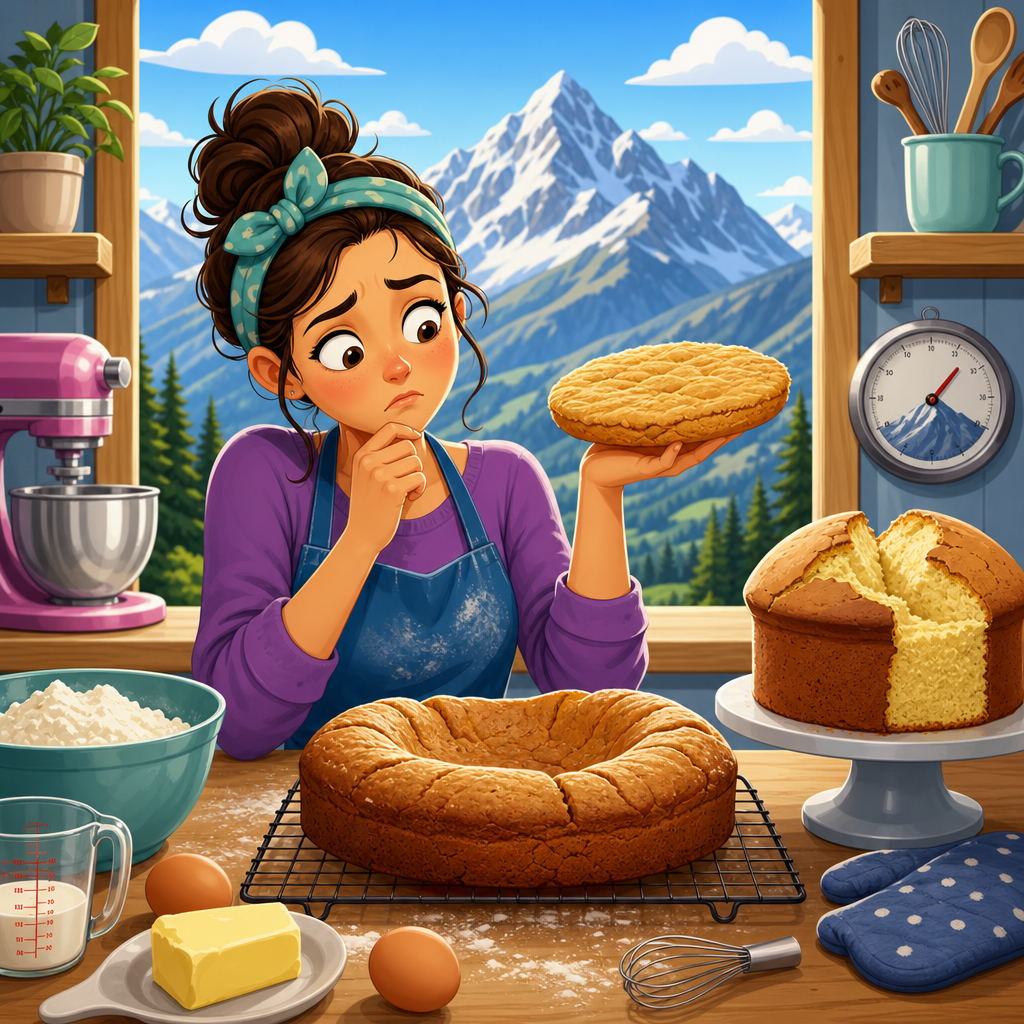
Flat cookies are one of the most common high-altitude baking failures, and rescuing them starts with understanding why altitude changes the physics of dough. At higher elevations, lower air pressure allows water to evaporate faster, gases to expand more readily, and fats and sugars to spread before structure sets. In practical terms, a cookie recipe that behaves perfectly at sea level can produce thin, greasy rounds in Denver, Santa Fe, or Flagstaff. I have seen this repeatedly while testing familiar recipes above 5,000 feet: the dough looks normal in the bowl, the first tray goes into the oven, and ten minutes later the cookies have merged into one glossy sheet.
To rescue a batch of flat cookies at altitude, you need two things: a fast triage method for the dough in front of you and a repeatable workflow for future batches. “Rescue” can mean several outcomes. Sometimes you can fix the remaining dough before baking more trays. Sometimes you can rebake or repurpose cookies that are already flat. And often the best long-term solution is to diagnose the recipe category, identify the main cause of spreading, and make a small set of altitude adjustments that restore height, chew, and edge definition. This article covers all of that as a central guide for baking troubleshooting and workflow within cooking and baking at altitude.
Two key terms matter here. Spread is how far cookie dough flows outward during baking. Structure is the network that stops that flow, created by proteins in flour and eggs, gelatinized starches, and sugar setting as moisture leaves. At altitude, spread increases because butter softens quickly, sugar dissolves and liquefies sooner, and moisture escapes earlier. Structure can lag behind if flour is low, oven temperature is inaccurate, leavening is excessive, or the dough is too warm. Once you see cookies through that lens, troubleshooting stops feeling random. You are not dealing with bad luck; you are balancing evaporation, fat mobility, dissolved sugar, and set time.
This matters because cookies are usually baked in batches, and every tray represents ingredients, time, and consistency. A failed cake is obvious, but cookie problems are expensive in a quieter way: one weak formula can waste an entire holiday bake, a school fundraiser prep day, or a bakery production run. A reliable troubleshooting process helps home bakers save a single bowl of dough and helps serious bakers build a dependable altitude workflow that scales. The good news is that flat cookies are highly diagnosable. In most cases, one or two targeted changes fix the problem immediately.
First response: how to rescue the dough you have right now
If the first tray comes out flat, stop baking and evaluate the remaining dough before making broad changes. The fastest rescue at altitude is usually to chill the dough hard for 20 to 30 minutes, or 10 minutes in the freezer if you need speed. Cold dough delays butter melt and gives flour and eggs more time to set the cookie’s shape. If the dough was mixed with very soft butter, this step alone can make a dramatic difference. While the dough chills, verify your oven with an oven thermometer. I have corrected many “flat cookie” complaints by finding an oven running 15 to 25 degrees cool, which slows structure formation and encourages spread.
If chilling alone is not enough, mix in a small amount of flour. Start with 1 to 2 tablespoons per standard batch made with about 2 to 2 1/2 cups flour, then test bake again. Flour increases starch and protein, both of which help the dough hold shape. At altitude, this small addition often compensates for faster moisture loss and overactive spread. You can also add 1 teaspoon of milk powder to strengthen browning and solids without adding liquid, or replace a tablespoon of white sugar with brown sugar to increase moisture retention, depending on the recipe. The right rescue depends on the formula, but flour is the safest first adjustment for classic butter-based drop cookies.
Portioning changes can also save a batch. Scoop taller mounds rather than flattened balls, and increase spacing so partially rescued cookies do not fuse. Double-sheeting the pan or switching to a lighter colored aluminum sheet can help if bottoms are overheating before tops set properly. Avoid heavily greased pans; most cookie doughs contain enough fat already. Parchment usually performs better than a worn, dark nonstick sheet for altitude troubleshooting because it moderates bottom browning and gives you more predictable spread. Silicone mats can increase spreading with some formulas, especially high-butter doughs, so if cookies are already flat, parchment is usually the better test surface.
If several trays are already baked and too thin, you still have options. Flat cookies can be recrisped and repurposed into sandwich cookies with ganache or buttercream, crumbled for ice cream mix-ins, layered into trifles, or processed into crusts for cheesecakes and bars. If the flavor is good, the batch is not lost. In a production kitchen, I label these as “component salvage” and move on to fixing the dough. Rescue means preserving value, not insisting every cookie become the exact original intention.
Why cookies spread more at altitude
Altitude changes baking because atmospheric pressure drops as elevation rises. Lower pressure means water boils at a lower temperature, so moisture escapes more quickly from dough. At the same time, gases from air, steam, and chemical leaveners expand more easily. In cakes and quick breads, that can mean overexpansion and collapse. In cookies, the more common effect is accelerated spread before the interior network has enough time to set. Butter melts, dissolved sugar thins the dough, and the cookie flows outward.
The ingredient interactions are specific. Butter is an emulsion of fat, water, and milk solids. As it melts, it lubricates the dough and reduces resistance to spreading. Sugar is hygroscopic, meaning it attracts water; once dissolved, it contributes to a syrupy phase that encourages flow. Flour supplies starch and proteins that absorb water and eventually create structure. Eggs provide water, protein, and emulsifiers. Leaveners such as baking soda and baking powder produce gas, but at altitude too much leavening can exaggerate lift-then-fall behavior, leaving cookies wide and thin rather than thick and chewy.
Recipe type matters. A chocolate chip cookie with a high butter-to-flour ratio is naturally more prone to spread than an oatmeal cookie or a peanut butter cookie. Recipes using melted butter spread more than those using cool creamed butter. Higher white sugar levels usually produce flatter, crisper cookies than higher brown sugar formulas because brown sugar contains molasses and retains more moisture. That is why altitude adjustments are never one-size-fits-all. The same elevation can require different fixes for shortbread, ginger molasses cookies, and bakery-style chocolate chip cookies.
Temperature and timing matter just as much as ingredients. Warm kitchens, dark pans, long bench time, and underheated ovens all amplify spread. If you cream butter and sugar until the mixture is very warm and fluffy, then leave the bowl on the counter while the first trays bake, the later trays often spread more. This is common in home baking and in busy test kitchens. A disciplined workflow prevents that drift.
The most reliable fixes, from highest impact to lowest effort
When I troubleshoot flat cookies at altitude, I use a short hierarchy. First, cool the dough. Second, check oven accuracy. Third, adjust flour or sugar. Fourth, reduce leavening slightly if the cookies puff and then collapse. Fifth, revise portioning and pan setup. This order works because it addresses the most common causes before changing the recipe too aggressively. Many bakers overcorrect by adding too much flour immediately, which can create dry, bready cookies. Test in controlled steps.
| Symptom | Likely cause at altitude | Best immediate fix | Best next-batch fix |
|---|---|---|---|
| Cookies spread into thin rounds | Dough too warm or oven too cool | Chill dough; verify oven with thermometer | Bake from cold and raise oven 15 to 25 degrees if needed |
| Edges greasy, centers weak | Too much butter or too little flour | Mix in 1 to 2 tablespoons flour | Increase flour 2 to 4 tablespoons per batch |
| Cookies puff, then flatten | Too much leavening | Test a smaller scoop from chilled dough | Reduce baking soda or powder by 1/8 to 1/4 teaspoon |
| Later trays spread more than first tray | Dough warming on counter | Refrigerate between trays | Portion all dough first; hold cold until baking |
| Thin cookies on dark sheet pans | Bottom heat too aggressive | Switch to light aluminum and parchment | Standardize sheet pans and rotate consistently |
For next-batch adjustments, modest changes work best. Add 2 to 4 tablespoons flour per batch at 5,000 to 7,000 feet, depending on the recipe. Reduce sugar by 1 to 2 tablespoons if the dough is very loose or the original formula is already sweet. Chill shaped dough at least 30 minutes for high-butter cookies. If using baking soda or powder, reduce by a small amount rather than eliminating it. Increase oven temperature by about 15 degrees when an oven runs true but the cookies still spread before setting. These are not rigid rules, but they are dependable starting points.
One underused fix is changing the mixing method. Creaming butter and sugar introduces air, but overcreaming also warms the fat and can create fragile structure. For altitude cookie troubleshooting, cream until combined and slightly lightened, not until the mixture is hot and fluffy. Scrape the bowl well, add eggs at room temperature, and stop mixing once flour disappears. Overmixing after flour goes in can weaken texture goals in some cookies and does not solve spread.
Ingredient-level troubleshooting for butter, sugar, flour, and eggs
Butter is often the first suspect, and usually for good reason. Many home recipes say “softened butter,” but at altitude in dry climates, kitchens can swing warm in the afternoon, and softened easily becomes semi-melted. Butter should dent under pressure, not shine or slump. European-style butter with higher fat content can increase spread compared with standard American butter. If you switch brands and suddenly get flatter cookies, that change may be the reason. In repeated tests, starting with butter around 65 degrees Fahrenheit produces more consistent creaming and less runaway spread than butter closer to 72 degrees.
Sugar balance is equally important. Granulated sugar promotes crispness and spread; brown sugar promotes chew and moisture retention. If a sea-level recipe uses mostly white sugar, altitude often exposes that weakness. Try replacing 2 to 4 tablespoons of granulated sugar with brown sugar in the next batch. Do not make large sugar cuts without expecting texture changes. Sugar is not just sweetness; it affects spread, browning, and snap. Confectioners’ sugar behaves differently again because of its fine particle size and starch content, which is why shortbread and crumbly cookies need separate testing logic.
Flour type matters more than many bakers realize. All-purpose flour varies by brand. King Arthur all-purpose flour has higher protein than many national brands, which can help cookies hold shape. A recipe developed with a higher-protein flour may spread badly if made with a softer flour. At altitude, that difference becomes more visible. If your standard cookie suddenly turns flat after switching flour brands, compare protein levels on the bag or manufacturer site. Bread flour is sometimes useful for thick chocolate chip cookies because it adds chew and structure, but it can make delicate cookies tough if overused.
Eggs provide moisture, protein, and emulsification. Large eggs are the standard in most American baking formulas, and even a small shift in egg size changes dough consistency. Too much egg can increase spread in some formulas by adding excess liquid before the proteins set. Too little egg can create poor emulsification and greasy texture. If your recipe uses one egg and the dough seems loose at altitude, adding an extra yolk in the next batch can improve richness and structure without as much added water as a whole egg. This is especially helpful in bakery-style drop cookies.
Workflow mistakes that cause flat cookies before the recipe ever reaches the oven
Most cookie failures blamed on altitude are actually altitude plus workflow. The common errors are predictable: measuring flour by volume with a light hand, skipping dough temperature checks, using inconsistent scoop sizes, baking on hot pans, and changing variables between trays. A troubleshooting workflow fixes these issues systematically. Weigh ingredients when possible. A cup of flour can vary dramatically by how it is filled, while 120 grams is 120 grams every time. In my own testing, undermeasured flour is one of the fastest ways to turn a good altitude-adjusted formula into a flat batch.
Pan management is another overlooked variable. Never place fresh dough on a hot sheet pan unless the recipe specifically expects it. Residual heat starts melting butter before the cookies even enter the oven. Use multiple pans and let each return to room temperature between loads. Rotate pans front to back if your oven has hot spots, but avoid opening the door too early. In many home ovens, the first six minutes are the critical set period for cookies.
Documentation turns troubleshooting into progress. Record elevation, oven setting, actual oven temperature, dough temperature, pan type, chill time, and the results of the first test tray. This sounds formal, but it is how professionals improve recipes quickly. Once you know that a certain chocolate chip formula performs at 375 degrees on parchment after a 45-minute chill with an extra 20 grams flour, you no longer rely on memory. That is the foundation of a reliable altitude baking workflow and the reason this topic deserves a hub page within baking troubleshooting.
How this hub connects the wider troubleshooting process
Flat cookies are the entry point into a larger system of altitude baking decisions. The same forces that cause cookie spread also affect muffins that peak too hard, cakes that sink, pie crusts that dry out, and yeast doughs that overproof. A strong troubleshooting workflow asks the same questions each time: Is moisture leaving too fast? Is structure forming soon enough? Is leavening appropriate for the elevation? Is the oven accurate? Are ingredient ratios aligned with the product goal? Once you use that framework, recipes become easier to adapt across the entire “Cooking & Baking at Altitude” topic.
For that reason, this page works best as a central guide. From here, bakers should branch into focused articles on altitude ingredient adjustments, oven calibration, cookie texture control, pan selection, and batch testing methods. The benefit of a hub is speed: instead of starting from zero with every failure, you use one diagnostic system. When cookies come out flat, you already know what to check first and what to adjust second.
The key takeaway is simple: flat cookies at altitude are usually fixable. Chill the dough, confirm oven heat, strengthen structure with modest flour adjustments, control leavening, and standardize your workflow. Treat the first tray as a test, not a verdict. With careful notes and small changes, you can rescue today’s batch and build a process that keeps future batches thick, defined, and consistent. Use this guide as your starting point, then apply the same disciplined troubleshooting method to every altitude baking problem you tackle next.
Frequently Asked Questions
Why do cookies spread so much more at high altitude?
At high altitude, cookies spread faster because the balance between melting, evaporation, and structure formation shifts. Lower air pressure means moisture leaves the dough more quickly, and gases created by leavening or trapped during mixing expand more easily. That sounds helpful at first, but in cookies it often works against you. Butter melts early, sugar liquefies, and the dough softens before the proteins in the flour and eggs and the starches in the flour have enough time to set. The result is a dough that flows outward into wide, thin rounds instead of staying thick and chewy.
Altitude also exaggerates small formula weaknesses that might not matter at sea level. A recipe with slightly too much butter, too little flour, overly warm dough, or a generous amount of white sugar may still bake acceptably near sea level, but at 5,000 to 7,000 feet those same proportions can produce flat, greasy cookies. In cities like Denver, Santa Fe, and Flagstaff, this is one of the most common baking complaints because classic cookie recipes were usually developed and tested much closer to sea level. Understanding that the issue is structural, not just procedural, is the first step toward rescue.
What is the fastest way to rescue a batch of cookie dough that already looks too soft or spread-prone?
The quickest rescue is to strengthen the dough before baking the rest of the batch. Start by chilling it thoroughly, ideally until it is firm enough to scoop cleanly and hold its shape on the tray. Cold dough delays butter melt, giving the flour, eggs, and starches more time to set before the cookies run outward. If the dough still feels loose after chilling, mix in a small amount of additional flour, usually 1 to 2 tablespoons at a time per standard batch, until the dough feels thicker and less glossy. This adjustment helps absorb excess moisture and reinforces structure without fully changing the character of the cookie.
You can also portion the dough into balls and chill or freeze those portions before baking. Baking from very cold dough often produces a noticeably taller cookie at altitude. If the recipe is especially rich, reducing the amount of dough per cookie can help too, since smaller portions set more quickly. In many cases, raising the oven temperature slightly can also help the outside of the cookie set sooner, but that change should be modest and tested with one tray first. The smartest rescue method is to change one variable at a time, bake two or three test cookies, and then adjust again if needed. That keeps you from overcorrecting and ending up with dry, cakey cookies instead.
Should I add more flour, reduce sugar, or change the butter when fixing flat cookies at altitude?
Often, yes, but the best adjustment depends on what is causing the spread. Adding a bit more flour is usually the most reliable first move because it improves the dough’s ability to hold itself together as the fat melts. A small increase can make a dramatic difference at altitude. Reducing sugar can help as well, especially white sugar, because sugar encourages spread by liquefying and weakening structure as the cookies bake. If a recipe is very sweet and consistently produces thin cookies, a slight reduction can improve thickness and texture without making the cookies taste noticeably less sweet.
Butter is another major factor. If the dough was mixed with very soft or partially melted butter, the cookies are much more likely to flatten. At altitude, using butter that is softened but still cool, rather than warm and glossy, gives you better control. Some bakers also find that substituting a small portion of the butter with shortening can reduce spread because shortening melts differently, though that may slightly alter flavor and texture. The key is not to apply every fix at once. Start with a little more flour and colder dough, then evaluate whether sugar or fat adjustments are still necessary. Careful testing matters because the goal is not just to stop spreading, but to preserve a cookie that still tastes rich, tender, and balanced.
How does oven temperature affect flat cookies at high altitude?
Oven temperature matters a great deal because at altitude you need the cookie’s structure to set before the dough has time to spread too far. If the oven runs too cool, the butter melts and the sugar dissolves before the proteins and starches firm up, which leads to excessive spread. A slightly hotter oven can help the edges and surface set earlier, producing a cookie with better height, more defined edges, and less greasy pooling. This is one of the simplest fixes when a dough is otherwise well balanced but still bakes flatter than expected.
That said, hotter is not always better. If the temperature is pushed too high, cookies can brown too quickly on the outside while staying underbaked or overly soft in the center. The best approach is to verify your oven with a thermometer and make small adjustments rather than large leaps. Bake a few test cookies and watch whether they hold their shape better, brown more evenly, and maintain a thicker center. At high altitude, precision matters more than guesswork. A well-calibrated oven, a properly chilled dough, and a slightly reinforced formula usually work together better than any single dramatic change.
Can flat cookies from altitude be saved after they are already baked?
If the cookies are already baked and came out too flat, you usually cannot make them thicker, but you can still salvage the batch in useful and delicious ways. First, assess whether the problem is purely cosmetic or whether the texture is also off. Some flat cookies still taste excellent and can be rebranded as crisp, lacy, or caramelized depending on the recipe. If they are fragile but flavorful, they can be used for ice cream sandwiches, crumbled over yogurt or pudding, layered into parfaits, or turned into pie crust crumbs. In other words, a failed shape does not automatically mean wasted baking.
More importantly, use the baked batch as a diagnostic tool before baking the remaining dough. Compare spread, browning, grease on the pan, and texture in the center. Excessive greasiness may point to too much butter or dough that was too warm. Very thin cookies with hard edges and little chew may suggest too much sugar or not enough flour. Once you identify the likely cause, you can adjust the remaining dough with more flour, longer chilling, smaller scoops, or a slightly higher baking temperature. This is the practical mindset that helps high-altitude bakers improve quickly: treat one disappointing tray not as a final failure, but as a test bake that teaches you exactly how to rescue the rest.