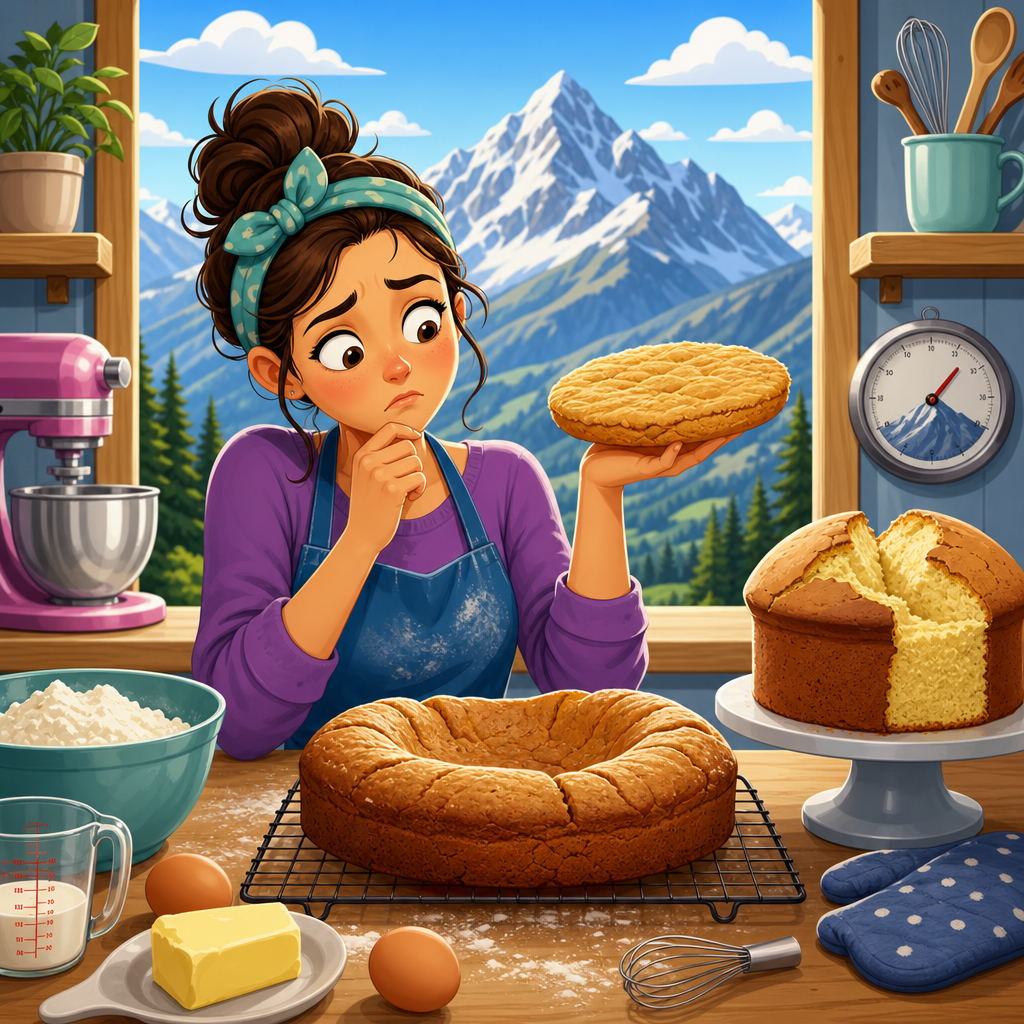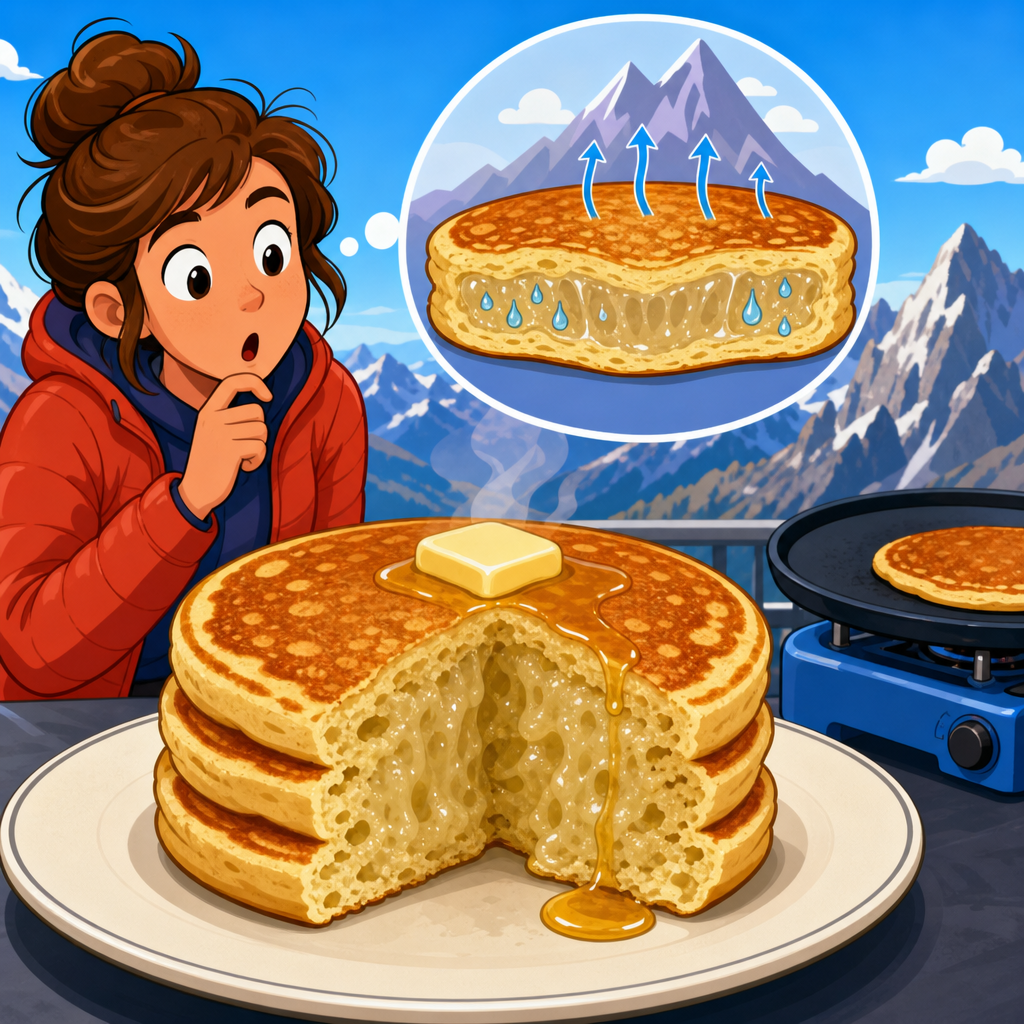
Pancakes at altitude often look done on the outside while staying gummy in the middle because lower air pressure changes how batter hydrates, rises, and sets on the griddle. In mountain kitchens, “altitude” usually means any elevation above about 3,000 feet, where reduced atmospheric pressure lowers water’s boiling point, speeds moisture loss, and lets gas bubbles expand faster than they do at sea level. “Gummy in the middle” describes an under-set starch and protein structure: the center remains pasty or wet even after the surface browns. I have tested pancake, muffin, waffle, and biscuit formulas from roughly 5,000 to 8,500 feet, and the pattern is consistent. Batters that behave predictably at sea level become fragile, overaerated, and unevenly cooked up high. That matters because pancakes sit in the center of quick breads and breakfast bakes, a category that includes muffins, scones, biscuits, coffeecakes, waffles, and baked oatmeal. These recipes depend on fast chemical leavening, controlled gluten development, proper starch gelatinization, and the right pan or griddle temperature. When one variable shifts, the whole system changes. This hub explains why altitude causes gummy pancakes, how to correct the problem, and what the same principles mean for every major breakfast bake.
Why altitude changes pancake structure
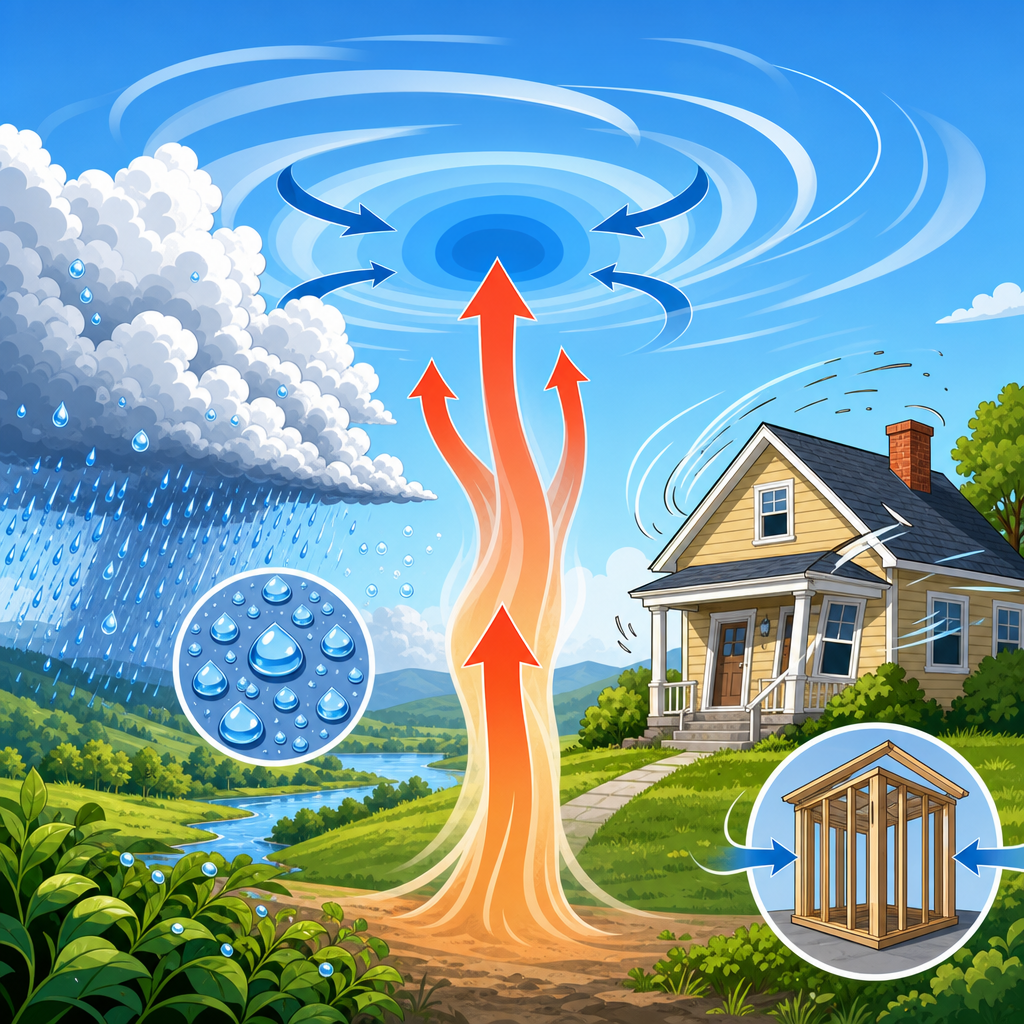
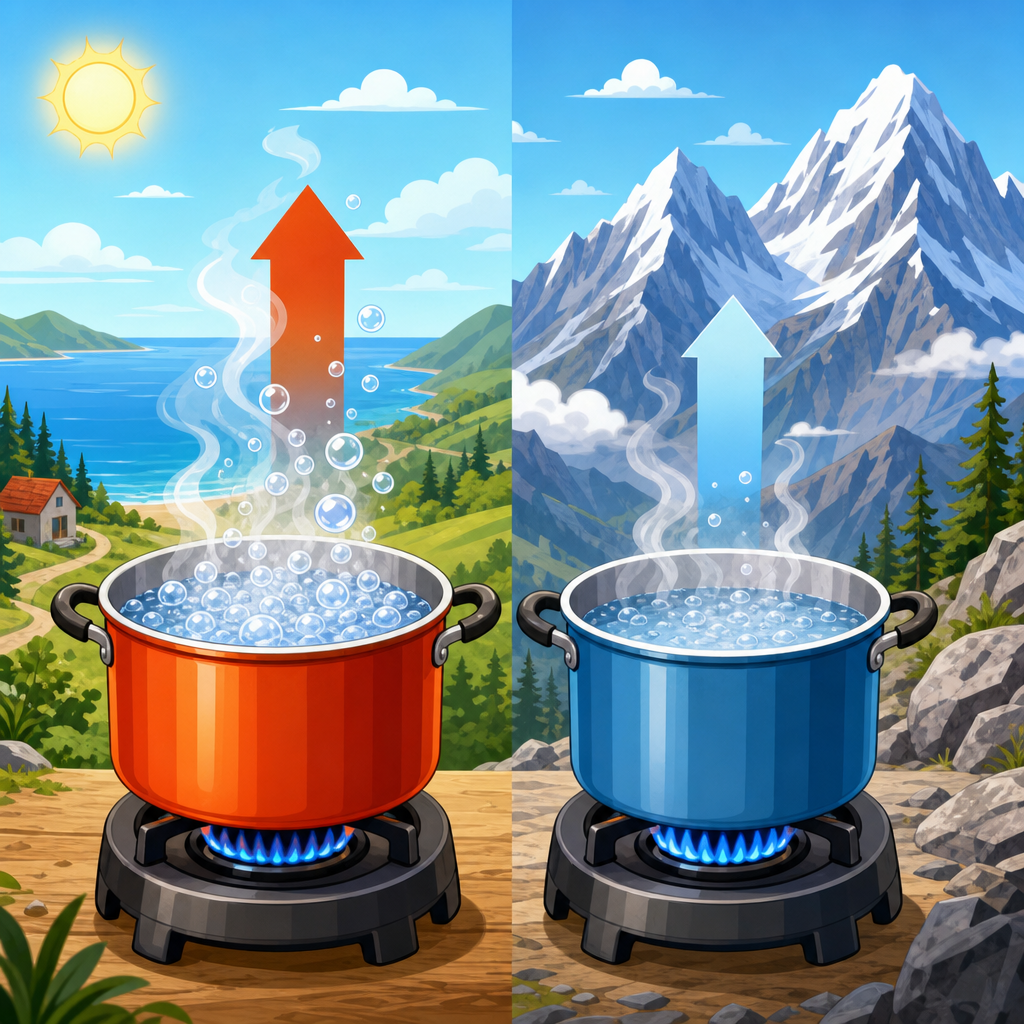
The core problem is physics. As elevation rises, atmospheric pressure falls. Water boils below 212°F, often around 202°F near 6,000 feet, so moisture turns to steam sooner and escapes faster. At the same time, carbon dioxide from baking powder and trapped air bubbles expand more readily. In a pancake batter, that means the interior can puff before the starches in flour and the proteins in egg and milk have fully set. The center lifts, weakens, and then compresses into a damp, gummy layer.
Browning makes this deceptive. Griddle heat drives Maillard reactions and surface caramelization quickly, especially when sugar or milk solids are present. You see a golden exterior and assume the pancake is cooked through. But color is not the same as structure. Interior doneness depends on starch gelatinization, usually beginning around 140°F to 158°F, protein coagulation, and enough time for excess moisture to leave. At altitude, the outside reaches a pleasing color before the center stabilizes.
Another contributor is formula balance. Many standard pancake recipes carry too much leavener for high elevations. Double-acting baking powder creates an early burst when mixed and a second burst with heat. At altitude, that expansion is amplified. The batter rises aggressively, then collapses before the middle sets. The result is a dense, sticky band inside. Similar failures happen in muffins that tunnel, biscuits that crumble, and coffeecakes that sink around the fruit layer.
Flour choice also matters. Lower-protein all-purpose flour can work well at sea level, but up high it sometimes lacks enough structure for very tender batters. Conversely, too much mixing develops gluten and creates toughness around a gummy core. The goal is not more strength at any cost; it is a controlled matrix that can hold gas without turning rubbery. That is why successful altitude baking rarely comes from a single tweak.
The main causes of gummy pancakes and the fixes that work
In practice, gummy centers come from five repeat offenders: batter that is too wet, too much leavener, griddle heat that is too high, pancakes that are too thick, and undercooking caused by flipping too soon. I see the wet-batter problem most often when cooks keep the same milk amount used at sea level. Because flour can seem drier in mountain climates, people add extra liquid until the batter looks familiar. Then the interior steams instead of setting. At altitude, a slightly thicker batter usually cooks more evenly.
Leavener reduction is the adjustment with the biggest payoff. A common starting point is reducing baking powder by about 10 to 25 percent between 3,500 and 7,500 feet, then testing. If a recipe uses 2 teaspoons, dropping to 1 1/2 or 1 3/4 teaspoons often improves crumb and center set. Sugar can also be trimmed modestly, because sugar delays coagulation and gelatinization. Even a reduction of 1 to 2 teaspoons per cup of flour can help in sweet breakfast batters.
Temperature control is equally important. For pancakes, the ideal griddle surface typically lands around 350°F to 375°F. Above that, the exterior browns before the center cooks. An infrared thermometer removes guesswork. If you do not have one, test with a small pancake: it should brown in roughly 2 to 3 minutes on the first side, not in 60 seconds. Lower and steadier heat gives the center time to set before the crust overdevelops.
Thickness matters because altitude exaggerates vertical rise. A very thick scoop creates too much distance between the hot surface and the last part of the batter to cook. Spread the batter slightly after pouring, or use less per pancake. I usually aim for pancakes 4 inches across rather than diner-style rounds when working above 5,000 feet. They cook through more reliably and stay tender.
| Problem | What you see | Why it happens at altitude | Best adjustment |
|---|---|---|---|
| Too much liquid | Wet, pasty center; pale interior | Moisture steams before structure sets | Reduce milk by 1 to 3 tablespoons per cup flour |
| Too much baking powder | High rise, then collapse; gummy band | Gas expands faster in lower pressure | Cut leavener 10% to 25% |
| Heat too high | Dark outside, raw middle | Surface browns before interior cooks | Cook at 350°F to 375°F |
| Pancakes too thick | Dense center, uneven crumb | Middle is insulated from heat | Use smaller portions and spread slightly |
| Flipped too early | Torn surface, uncooked interior | Weak structure has not set | Wait for bubbles to pop and edges to look dry |
One more fix is resting the batter briefly, usually 5 to 10 minutes. Resting hydrates flour and reduces dry pockets that later turn pasty. However, with baking soda-heavy batters, long rests can waste leavening power. For buttermilk pancakes, mix gently, rest briefly, then cook immediately on a properly heated surface.
How ingredient ratios affect quick breads and breakfast bakes
Pancakes are the easiest place to learn altitude adjustment because the feedback is immediate, but the same ingredient logic governs quick breads and breakfast bakes. Flour provides starch for gelatinization and proteins for structure. Eggs add water, emulsifiers, and coagulating proteins. Milk or buttermilk contributes hydration, lactose, and acidity. Fat coats flour and limits toughness. Sugar sweetens, browns, and tenderizes, but also slows setting. Chemical leaveners create lift. At altitude, every one of those jobs shifts slightly.
For muffins and quick breads such as banana bread or zucchini bread, excess sugar and excess leavener are frequent causes of collapse and gumminess. The loaf domes beautifully, cracks, and then sinks as it cools because the crumb was never strong enough to support the rise. A practical rule is to reduce baking powder or baking soda a little, increase oven temperature by about 15°F to 25°F, and sometimes add 1 to 2 tablespoons of flour per cup to strengthen the batter. The hotter oven helps set the structure sooner.
Biscuits and scones respond differently because they rely more on layers, steam, and fat distribution than on a thin batter. At altitude, doughs can feel dry in the bowl yet bake up underdone in the center if overhandled or cut too thick. I get better results by keeping butter cold, using a slightly wetter dough than instinct suggests, and baking in taller heat, often 425°F to 450°F, so the layers set before the fat fully melts out.
Waffles sit between pancakes and quick breads. Their crisp shell depends on enough sugar, fat, and water evaporation, but altitude can leave them blond and limp if the batter is too wet. In a Belgian waffle recipe, reducing liquid slightly and increasing cook time usually matters more than changing the leavener. Baked oatmeal and breakfast casseroles bring another issue: inclusions such as fruit release water as they cook. At altitude, that extra moisture can pool and delay setting, so pre-cooking apples, squeezing berries lightly, or using thawed-and-drained frozen fruit can make the difference between spoonable and soupy.
If you are building a reliable “Quick Breads & Breakfast Bakes” routine, keep a base formula record. Note flour brand, protein level, pan size, bake time, and exact elevation. King Arthur Baking, the USDA FoodData Central database for ingredient consistency, and ThermoWorks tools for temperature tracking are all useful references. The more precise your notes, the faster you can tune recipes across pancakes, muffins, coffeecakes, cornbread, and baked French toast.
Best practices for mixing, cooking, and baking at elevation
Technique errors become more visible at altitude because the margin for error is smaller. For pancakes, use the muffin method: whisk dry ingredients separately, whisk wet ingredients separately, then combine with a few gentle strokes. Lumps are acceptable. Overmixing aligns gluten and creates a tough ring around a gummy center. If using whole-grain flour, let the batter hydrate briefly so bran softens and does not wick moisture away during cooking.
Use tools that give measurable control. A digital scale improves consistency because cup measurements vary. An instant-read thermometer or infrared thermometer helps with griddle and oven management. In my own testing, the griddle setting that worked at sea level was usually 25°F too hot around 7,000 feet. The visual cues were misleading, but the temperature reading explained every failed batch.
Pan material matters for baked breakfast items. Dark metal browns faster and can overcolor muffins before the centers finish. Glass dishes retain heat and may overbake edges in coffeecakes or baked oatmeal. For most altitude breakfast bakes, light-colored aluminum pans provide the most even results. If a recipe was written for glass, lower the oven temperature slightly or begin checking early.
Altitude also amplifies storage and holding issues. Pancakes stacked and covered tightly trap steam, which softens the crumb and can make a properly cooked interior seem gummy. Hold them in a single layer on a rack in a 200°F oven instead. Muffins and quick breads should cool enough for steam to escape before being wrapped. Cutting banana bread too soon is almost guaranteed to create a wet, gluey slice, even if the loaf would have set with another 30 minutes of cooling.
Finally, respect doneness tests that match the product. For pancakes, bubbles alone are not enough; wait until bubbles pop and stay open and the edges lose their wet sheen. For muffins, use both color and a spring-back test. For loaves, check internal temperature when practical: many quick breads finish around 200°F to 205°F in the center. That single metric removes much of the uncertainty that altitude introduces.
Using this hub to troubleshoot every breakfast bake
This hub exists because pancake problems rarely stay isolated. If your pancakes are gummy at altitude, your muffins may be tunneling, your coffeecake may be sinking, and your biscuits may be rising lopsided. The same underlying forces are at work: low pressure, faster evaporation, exaggerated gas expansion, and delayed center set. Once you understand that system, every breakfast recipe becomes easier to diagnose.
Start by asking four direct questions. Is the batter or dough too wet for the pan, thickness, or bake time? Is there more leavener than the structure can support? Is the cooking surface too hot? Is the product being judged by color instead of internal set? Those questions solve most altitude breakfast failures faster than chasing brand-new recipes.
As you explore the wider “Cooking & Baking at Altitude” topic, use pancakes as your calibration recipe. They are inexpensive, fast to repeat, and sensitive to every variable that matters. Once you can produce a tender pancake with a fully cooked center, you can apply the same adjustments to waffles, muffins, scones, biscuits, coffeecakes, cornbread, and breakfast loaves. Reduce leavener modestly, control liquid, strengthen structure where needed, and cook a little lower or bake a little hotter depending on the product. That is the central benefit of this sub-pillar hub: it gives you a transferable method, not just a single fix.
If your current batch is turning gummy in the middle, make one change first: lower the heat and reduce the liquid slightly. Then test leavener and thickness. Keep notes, compare results, and build your own altitude baseline. Do that consistently, and breakfast bakes stop feeling unpredictable.
Frequently Asked Questions
Why do pancakes at altitude look done on the outside but stay gummy in the middle?
At altitude, pancakes often brown and firm up on the surface before the center has time to fully set. The main reason is lower atmospheric pressure. In most mountain kitchens above roughly 3,000 feet, water boils at a lower temperature, moisture evaporates faster, and the gases produced by baking powder or baking soda expand more quickly. That means pancake batter puffs sooner and can appear cooked from the outside, even while the starches and proteins in the middle have not finished setting into a stable structure.
The “gummy” texture comes from an underdeveloped interior crumb. In a properly cooked pancake, flour starches gelatinize and egg and dairy proteins coagulate, creating a soft but fully cooked center. At altitude, the batter can lose surface moisture rapidly while the inside remains too wet. The outside may brown fast because the griddle heat is high enough to color the surface, but the middle can lag behind. The result is a pancake that looks golden and ready when flipped or served, yet still has a damp, sticky, almost paste-like center.
In practical terms, altitude changes the timing of every stage of cooking. Batter rises faster, spreads differently, and dries on top more quickly, which can trick you into flipping too early or cooking at too high a temperature. That combination is what creates the classic mountain-kitchen problem: browned exterior, under-set middle.
What exactly does altitude do to pancake batter?
Altitude affects pancake batter in several interconnected ways. First, reduced air pressure allows gas bubbles in the batter to expand more easily. If you are using baking powder, baking soda, whipped egg whites, or even just air incorporated during mixing, those bubbles enlarge faster than they would at sea level. That can make pancakes rise quickly on the griddle, but the structure may not be strong enough to support that rapid expansion, so the interior can remain weak, wet, or unevenly cooked.
Second, moisture behaves differently at elevation. Because water boils at a lower temperature, liquids evaporate more readily. Batter can therefore lose water from the outer layers quickly while still retaining excess moisture in the center. This contributes to a mismatch between the outside and inside of the pancake. The exterior may seem dry and set, while the middle is still trying to cook through.
Third, altitude can alter hydration. Flour absorbs liquid over time, and in thinner, drier mountain air, batter consistency can become more unpredictable. A batter that looked perfect at sea level may feel thinner, foamier, or more fragile at elevation. If it is too wet, it takes longer for the center to cook. If it rises too aggressively, it may trap moisture inside. Together, these effects explain why standard recipes often need adjustment when you cook in mountain regions.
How can I adjust a pancake recipe to prevent a gummy center at high altitude?
The most reliable fixes are to slightly reduce leavening, make sure the batter is not too thin, and lower the griddle heat so the interior has more time to set. At altitude, too much baking powder can cause the batter to rise too fast before its structure is ready. Reducing the leavening a little helps create a steadier rise and a more even crumb. You may also benefit from adding a small amount of extra flour or reducing the liquid slightly, especially if your batter seems loose or overly pourable.
Cooking temperature matters just as much as ingredient balance. If the griddle is too hot, the outsides brown long before the middles are cooked through. A moderate, even heat usually works better in mountain kitchens than a high one. It gives the starches and proteins in the center enough time to finish setting. Pancakes may take a little longer per side than you expect, but the texture will be far better.
It also helps to let the batter rest for a few minutes before cooking. Resting gives the flour time to hydrate fully and can reduce the chances of a raw, gluey center. Keep pancake size modest rather than pouring extra-large rounds, since thick or oversized pancakes are harder to cook through evenly at altitude. If you regularly cook at elevation, treat your recipe as a starting point and make small, repeatable adjustments until the batter and cook time match your specific height, humidity, and stove.
Is gummy texture caused by undercooking, overmixing, or too much moisture?
It can be caused by all three, but at altitude they often work together. Undercooking is the most direct cause: the center simply has not reached the point where starches gelatinize and proteins set. However, the reason pancakes get undercooked in the middle at altitude is frequently tied to too much moisture in the batter and surface browning that happens too fast.
Overmixing can make the problem worse. When pancake batter is mixed too aggressively, gluten develops more than you want, and the batter can become tough or elastic. That does not always create gumminess by itself, but it can produce a dense, rubbery texture that feels similar to a gummy center. At altitude, where batter is already behaving differently, overmixing can further interfere with a tender, evenly cooked result.
Too much moisture is a very common contributor. If the batter is thin, the middle needs more time to cook through. But because altitude encourages rapid rise and faster evaporation at the surface, the outside may appear finished before the inside catches up. The best way to think about it is this: gummy pancakes are usually the result of an interior structure that has not fully set. That can happen because the pancakes were flipped or removed too early, because the batter was too wet, because the heat was too high, or because the batter was overmixed and cooked unevenly. In mountain cooking, these factors are closely linked.
What are the best practical tips for making fluffy, fully cooked pancakes in mountain kitchens?
Start by aiming for a batter that is thick enough to mound slightly when spooned or poured, rather than one that runs quickly across the griddle. If your usual recipe seems loose at altitude, add a bit more flour or hold back a little liquid. Mix gently, leaving a few small lumps, because that helps preserve tenderness without overdeveloping gluten. Then let the batter rest briefly so the flour can absorb moisture and the bubbles can stabilize.
Preheat the griddle thoroughly, but do not cook too hot. Medium or medium-low heat is often more successful than a hotter surface that scorches the outside. Use a test pancake first. You want the bottom to turn golden gradually, not darken immediately. Wait for bubbles to form and the edges to look set, but do not rely on appearance alone; at altitude, the top can look deceptively ready. After flipping, give the second side enough time for the center to finish cooking.
Keep pancakes smaller and more uniform so heat reaches the middle more evenly. If you want thicker pancakes, lower the heat slightly and extend the cooking time instead of turning up the burner. Make one adjustment at a time when troubleshooting: reduce leavening a little, thicken the batter slightly, or cook more slowly. Mountain baking and griddle cooking reward small refinements. Once you find the combination that works in your kitchen, you will get pancakes that are fluffy, tender, and fully set rather than gummy in the middle.