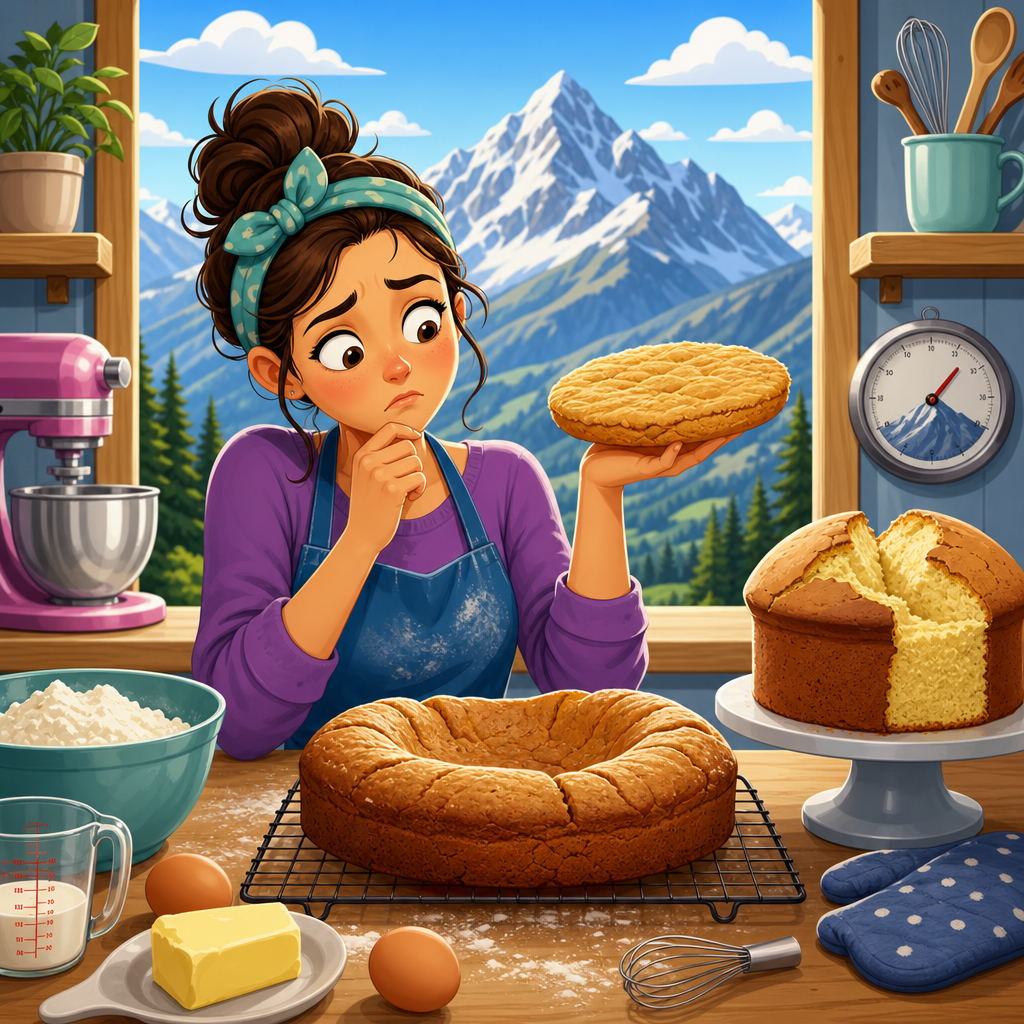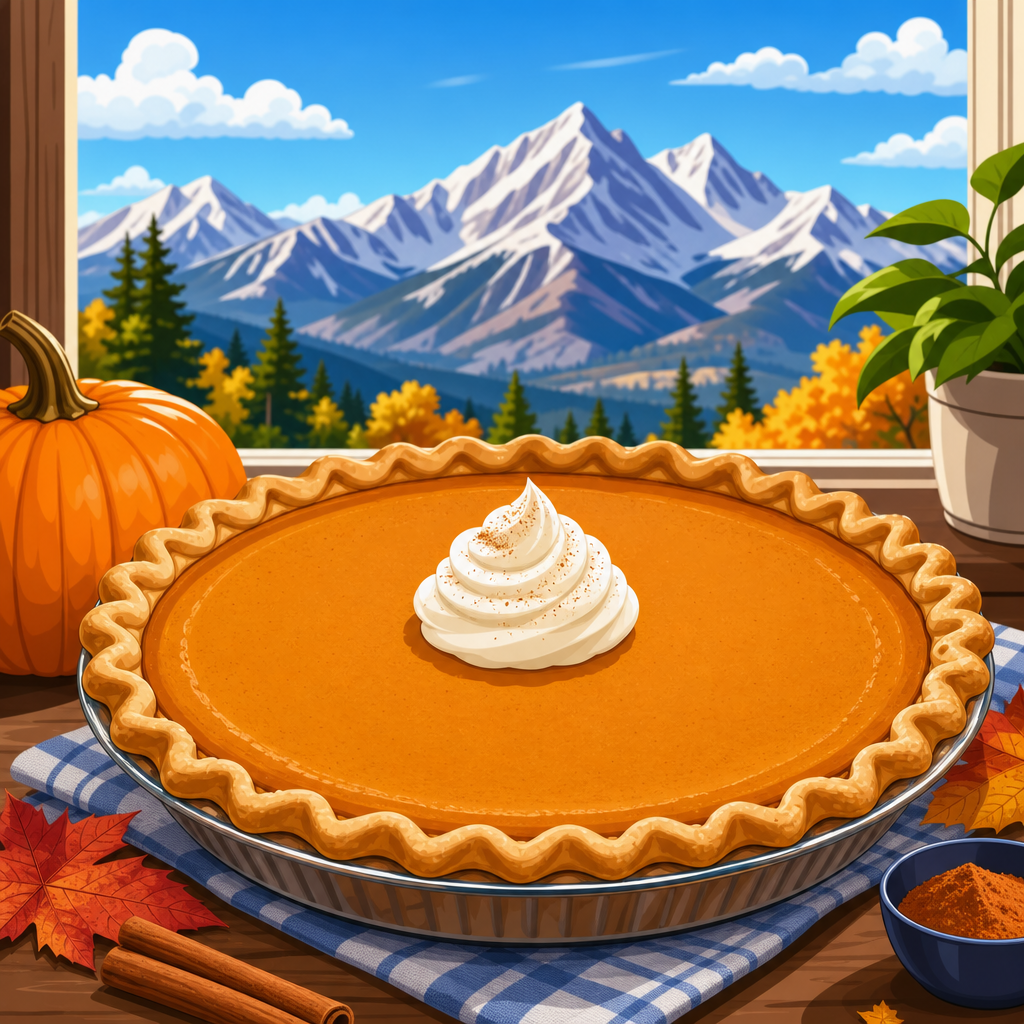
Pumpkin pie at altitude without cracks or weeping starts with understanding what altitude does to custard, pastry, and moisture balance. In mountain kitchens, lower air pressure changes how water evaporates, how gases expand, and how quickly edges set before centers finish. Those shifts matter most in pies, pastries, and meringues because each depends on precise structure: custards coagulate within a narrow temperature range, laminated dough relies on trapped steam, and whipped egg foams collapse when sugar and heat are mishandled. I have baked these desserts repeatedly above 5,000 feet, and the patterns are consistent. A pie that behaves perfectly at sea level can puff, split, leak liquid, or slump in a dry high-elevation oven. This hub explains how to prevent those failures and how the same principles apply across the broader category of pies, pastries, and meringues.
For pumpkin pie specifically, two defects cause most frustration: cracks and weeping. Cracks form when the custard overbakes, cools too quickly, or expands unevenly from excessive oven heat. Weeping is the release of liquid from the filling after baking or during storage; it usually comes from underbaking, protein overcoagulation, watery puree, or condensation. At altitude, both become more likely because evaporation is faster, boiling begins at lower temperatures, and bakers often compensate with too much heat or too much time. The fix is not a single trick. It is a controlled system that includes the right crust, a balanced filling, moderate baking temperature, accurate doneness testing, and gradual cooling.
This page serves as the hub for high-altitude pies, pastries, and meringues. It covers pumpkin pie as the anchor example, then connects the same mechanics to fruit pies, pecan pie, cream pies, pie crust, puff pastry, choux, rough puff, meringue toppings, macarons, and pavlova. If you want one dependable framework for mountain baking, use this: strengthen structure slightly, reduce aggressive rise, preserve moisture, and rely on temperature instead of guesswork. Done well, you get smooth custard, crisp crust, stable foam, and pastries that lift instead of split.
Pumpkin pie at altitude: the formula that prevents cracks and weeping
The most reliable high-altitude pumpkin pie is built like a controlled custard, not a casual mix-and-bake dessert. Start with thick pumpkin puree, large eggs, dairy with enough fat to buffer the proteins, sugar for tenderness, and measured spice. For a standard 9-inch pie at roughly 5,000 to 7,500 feet, I use 15 ounces pumpkin puree, 3 large eggs plus 1 yolk, 1 cup evaporated milk or 3/4 cup heavy cream plus 1/4 cup whole milk, 130 to 150 grams brown sugar, 1 teaspoon cinnamon, 1/2 teaspoon ginger, 1/4 teaspoon nutmeg, 1/4 teaspoon salt, and 1 teaspoon vanilla. The extra yolk adds emulsifiers and improves a smooth set without forcing more total liquid into the filling.
Use evaporated milk if you want extra insurance. It contains less water than fresh milk, which helps limit weeping at altitude. Heavy cream also works because higher fat slows protein tightening and gives a silkier texture. What usually fails is a thin filling based on watery puree and low-fat dairy. If your puree seems loose, cook it briefly in a saucepan for three to five minutes to drive off excess moisture before whisking it into the custard. That small step solves many soggy-bottom and weeping problems.
Bake the pie in a partially blind-baked crust. At altitude, wet fillings and quick evaporation can leave the top done while the bottom remains underbaked. Line the chilled crust with parchment, fill with weights, and bake at 400 degrees Fahrenheit for about 15 minutes, then remove weights and bake 5 to 7 minutes more. Cool slightly before adding filling. A thin layer of egg wash on the warm crust creates added moisture resistance.
The oven schedule matters. Skip the old habit of blasting the pie at a very high temperature and then dropping the heat unless your recipe is specifically tuned for altitude. A steady 325 to 335 degrees Fahrenheit is safer for pumpkin custard in mountain conditions because it reduces edge overcooking and surface splitting. Set the pie on a preheated sheet pan for bottom heat, but bake on the center rack so the top does not set too fast.
Pull the pie when the edges are set and the center two to three inches still wobble slightly like gelatin. If you have an instant-read thermometer, target about 175 to 180 degrees Fahrenheit in the center. Above roughly 185 degrees, the proteins squeeze out water more aggressively, and cracks become much more likely. Cooling is part of baking: let the pie cool on a rack away from drafts for at least two hours, then chill only after it has dropped closer to room temperature. Sudden cold encourages condensation, which people often mistake for weeping from the custard itself.
Why altitude changes pie, pastry, and meringue behavior
High-altitude baking is not mysterious chemistry; it is predictable physics. Atmospheric pressure decreases as elevation rises. Because pressure is lower, water boils at a lower temperature, moisture evaporates faster, and gases in batters and foams expand more readily. The practical result is that doughs dry out sooner, fillings concentrate more quickly, and leavened structures overexpand before starches and proteins can fully set. The USDA and many university extension programs note these effects across baked goods, and the changes become noticeable for many home bakers above about 3,000 feet.
Custard pies such as pumpkin, sweet potato, chess, and many pecan variations are especially sensitive because eggs coagulate in a narrow window. They need enough heat to set, but not so much that the protein network tightens and expels liquid. Fruit pies have a different issue: fillings can boil fiercely and vent steam faster, making thickeners either too loose or too dense if the formula is not adjusted. Pastries like puff and rough puff depend on distinct butter layers and steam; lower humidity and stronger evaporation can dry dough while also causing uneven lift. Meringues suffer because foam bubbles expand aggressively and because sugar is more affected by ambient humidity and temperature swings.
Once you know those mechanics, the remedies make sense. Slightly higher flour or starch can reinforce structure. Slightly lower sugar can reduce spreading in some pastries, though custards often still need sugar for texture. A bit more liquid in dough can offset faster drying, while less liquid in custards can prevent syneresis. Moderate oven temperatures usually outperform aggressive ones. Above all, mountain bakers need thermometer-based doneness and controlled cooling. Visual cues alone are less dependable when boiling, browning, and evaporation all happen on altered timelines.
Crust strategy for custard pies and fruit pies at elevation
A strong pie crust is the foundation of this subtopic because every filling depends on it. At altitude, flour tends to be drier, dough loses moisture quickly, and overworked gluten becomes obvious fast. For flaky crust, begin with cold butter or a butter-shortening mix, weigh your flour, and hold back some water so you can add it gradually. In my tests above 5,000 feet, dough that needs 6 tablespoons of water at sea level often needs 7 to 8 tablespoons to become cohesive without cracking at the edges. The goal is pliable dough that rolls cleanly, not crumbly dough that you force together and then watch shrink in the pan.
Resting is not optional. After mixing, chill at least one hour so the flour hydrates fully and the gluten relaxes. After lining the pie plate, chill again before baking. This reduces shrinking and helps decorative edges hold definition. For custard pies, partial blind baking is the standard. For cream pies and no-bake fillings, full blind baking is required. Docking the bottom can help, but weights are still necessary to keep the crust from ballooning.
Fruit pies call for venting and thickener discipline. At altitude, juicy fillings can look reduced in the oven but release more liquid as they cool if starch has not fully gelatinized. Tapioca starch gives a glossy, stable set for berries. Cornstarch can work well for peaches and cherries, but too much creates a gelled, cloudy filling. Flour is forgiving but less powerful. For lattice pies, I prefer tapioca starch because it tolerates prolonged bubbling without turning pasty. For double-crust pies, cut generous vents; trapped steam can burst seams or leave a soggy tunnel under the top crust.
Key adjustments by dessert type
Different products fail for different reasons, so adjustment must match structure. Use this comparison as a working map for the full pies, pastries, and meringues category.
| Dessert type | Main high-altitude risk | Most effective adjustment |
|---|---|---|
| Pumpkin and other custard pies | Cracks, weeping, overbaked edges | Lower, steadier oven heat; thicker dairy; pull at 175–180°F |
| Fruit pies | Runny filling, soggy bottom, burst seams | Pre-cook some fillings, use measured starch, vent well, bake on hot sheet pan |
| Pecan pie | Separated filling, scorched top, loose center | Moderate heat, tent late, use thermometer and cool slowly |
| Cream pies | Watery pudding, soft crust | Cook starch fillings fully, cool with surface covered, use fully baked crust |
| Puff pastry and rough puff | Butter leakage, poor lift | Keep dough colder, add water as needed, rest between folds |
| Choux pastry | Collapsed shells, wet interiors | Use slightly firmer panade, bake longer to dry, vent shells after baking |
| Meringue pies and pavlova | Beading, weeping, collapse | Dissolve sugar fully, avoid overbaking, cool gradually in turned-off oven |
That chart reflects a broader rule I use constantly: if the product depends on stable proteins, reduce thermal shock and avoid overbaking; if it depends on steam and layers, guard moisture and keep the dough cold; if it depends on starch, make sure the starch reaches full activation before cooling.
Pastries and laminated doughs: puff, rough puff, and choux
Puff pastry and rough puff can be excellent at altitude, but the margin for error narrows. Dry flour and warm kitchens are the usual enemies. Butter needs to remain plastic, not brittle and not greasy. If the dough cracks during rolling, it usually needs a few drops more water or a slightly warmer rest. If butter smears, chill immediately. Because steam drives lift, a dough that has dried out from underhydration will not separate into clean layers. Commercial all-butter puff pastry often performs better than homemade in very warm mountain kitchens simply because lamination was done under tight temperature control.
Rough puff is the practical choice for most home bakers. It produces distinct lift with fewer turns and less risk of butter breakthrough. Bake on a fully preheated surface and avoid opening the oven early. If making turnovers or hand pies, vent well and chill the formed pastries before baking so the layers set in the oven instead of leaking on the tray.
Choux pastry for cream puffs, éclairs, and gougères also changes at elevation. The panade may need slightly more drying on the stove before eggs are added, because excess moisture creates shells that rise dramatically and then collapse. Add eggs gradually until the paste forms a thick V from the paddle or spoon; do not rely on a fixed egg count. Bake until the shells are deeply golden and feel light, then pierce and return them briefly to the turned-off oven to dry the interiors. Most collapsed choux at altitude was either too wet going in or not dried enough coming out.
Meringues, cream pies, and troubleshooting across the subtopic
Meringues reveal every weakness in technique, which is why they belong in the same hub as pies and pastries. Swiss and Italian meringues are generally more stable than French meringue at altitude because the sugar is dissolved more completely and the proteins are supported by heat or syrup. For lemon meringue pie, spread meringue onto hot filling so the underside begins to cook immediately and bond to the surface. Bake only until the peaks color lightly, then cool gradually. Beads of syrup on top usually mean overbaking or undissolved sugar; puddles underneath point to a weak bond or undercooked topping.
Cream pies depend on starch gelatinization, not egg set alone. Whether you are making coconut cream, banana cream, or chocolate cream pie, boil the filling long enough to activate the starch fully, then cover the surface directly with plastic or a reusable wrap while cooling to prevent condensation from dripping back in. Fill only a fully baked crust. At altitude, an underbaked shell under pastry cream turns leathery and soft within hours.
When something goes wrong, diagnose by symptom. Cracks in pumpkin pie mean the custard exceeded its comfort zone. Weeping in pumpkin pie usually means too much water, underbaking, or overcoagulated eggs. A shrinking crust signals overworked dough or insufficient chilling. Dense fruit filling often means too much starch; loose filling means not enough heat or not enough thickener. Meringue collapse points to grease contamination, rushed sugar dissolution, or abrupt cooling. These are not random failures. They are useful signals, and once you read them correctly, improvement becomes rapid.
The main lesson of pumpkin pie at altitude without cracks or weeping is that mountain baking rewards control. Use a sturdy, chilled crust; choose thick pumpkin and rich dairy; bake custards gently; trust internal temperature over guesswork; and cool slowly. Extend the same logic to fruit pies, cream pies, puff pastry, choux, and meringues, and the whole “Pies, Pastries & Meringues” category becomes far more predictable. High altitude does not prevent excellent baking. It simply removes the cushion for sloppy ratios and rough handling.
As this hub grows, use it as your starting point for every dessert in the subtopic. Begin with the structure of the product, identify the altitude-related risk, and apply the right correction instead of chasing generic baking hacks. That approach delivers the real benefit: consistent results. Your pumpkin pie slices cleanly, your crust stays crisp, your fruit fillings set, your pastry lifts, and your meringue holds. If you bake above sea level, save this guide and use it as your reference before the next holiday pie or weekend pastry project.
Frequently Asked Questions
Why does pumpkin pie crack more easily at high altitude?
Pumpkin pie cracks more often at altitude because custard behaves differently when air pressure is lower. In mountain kitchens, moisture evaporates faster and the outer portion of the pie can set before the center has gently finished cooking. That creates a texture mismatch: the edges become firmer and tighter while the middle is still expanding and moving. As the pie continues to bake or cool, that uneven structure pulls against itself and the surface splits.
Custard is especially sensitive because eggs coagulate within a narrow temperature range. Once that temperature is overshot, the filling turns from silky to over-set very quickly. At altitude, that can happen before the baker realizes it, especially if the pie is left in the oven until the center looks completely firm. The best prevention is to bake the pie a little more gently, usually by lowering the oven temperature slightly and watching for doneness earlier than a sea-level recipe suggests. A properly baked pumpkin pie should have set edges and a center that still jiggles softly, like gelatin, when nudged. It will finish setting from residual heat as it cools. Using a thermometer can help too; many bakers aim for a custard temperature around 175 to 180 degrees Fahrenheit in the center rather than waiting for a fully solid appearance.
What causes weeping in pumpkin pie, and how can I prevent it at altitude?
Weeping is the release of liquid from the custard, and at altitude it usually comes from overbaking, poor moisture balance, or both. When the egg proteins in the filling are pushed too far, they tighten and squeeze out water. That moisture can collect on the surface, form beneath the custard, or leave the filling grainy instead of smooth. Because water evaporates more readily at altitude, recipes can also become concentrated in some places and under-set in others, which makes the filling more unstable overall.
To prevent weeping, start by avoiding overbaking. Remove the pie when the edges are set and the center still has a modest wobble. A lower baking temperature often helps because it allows the whole custard to cook more evenly instead of forcing the outer ring to overcook while the middle catches up. It also helps to maintain a balanced filling formula. Too many eggs can make the pie firmer but also more prone to curdling if baked too aggressively, while too little dairy can reduce the buffering effect that keeps the custard tender. If you are adapting a recipe, small changes are best: a slight increase in liquid, a slight reduction in sugar if needed for structure, and careful baking are usually more effective than major reformulations. Finally, cool the pie gradually at room temperature before chilling. Sudden temperature swings can stress the custard and contribute to moisture separation.
Should I change the oven temperature or baking time for pumpkin pie at high altitude?
Yes, in many cases a modest adjustment improves the texture significantly. At altitude, pumpkin pie often benefits from a slightly lower oven temperature and closer monitoring rather than simply baking longer at the original setting. The goal is even coagulation of the custard from edge to center. If the oven is too hot, the perimeter can overcook and crack before the center reaches the proper set. A reduction of about 15 to 25 degrees Fahrenheit is a common starting point, though the exact adjustment depends on your altitude, pan type, and recipe formula.
Baking time may or may not be shorter. What matters more is visual and physical doneness rather than the clock alone. Begin checking earlier than the recipe states, especially if you live well above 3,000 feet. The center should not slosh like liquid, but it should still tremble slightly when the pie plate is moved. If you wait until the center looks fully dry and firm in the oven, the pie is likely already overbaked. An oven thermometer is useful because many home ovens run hot, and that problem is amplified in delicate bakes like custard pies. In short, think gentler heat, earlier checks, and doneness by jiggle rather than by total firmness.
How do I keep the crust crisp when baking pumpkin pie at altitude?
A soggy bottom crust is a common problem because pumpkin filling is moist, and altitude changes how quickly that moisture moves and evaporates. The best defense is a layered approach. First, blind bake the crust partially before adding the filling. This gives the pastry a head start so it can set and develop structure before it encounters the wet custard. Use pie weights to keep the shell in place, then remove them and let the base dry slightly before filling. Second, make sure the crust is thoroughly chilled before baking so the fat stays distinct long enough to create flaky layers instead of melting out too soon.
You can also use a barrier. A thin brush of egg white, or in some cases a light sprinkle of fine crumbs, can help reduce direct moisture absorption into the pastry. Baking the pie on a preheated sheet pan or stone can encourage more bottom heat, which helps the crust set earlier. Just be careful not to overdo it, because too much bottom heat can rush the edges of the custard. At altitude, dough can dry faster as well, so avoid adding excess flour during rolling and protect the crust edges if they brown too quickly. A crisp crust comes from controlling both moisture and timing: a well-prepared shell, a balanced filling, and enough bottom heat to support the pastry without punishing the custard.
What is the best way to cool and store pumpkin pie so it stays smooth and sliceable?
Cooling matters almost as much as baking. Once the pie comes out of the oven, place it on a rack and let it cool gradually at room temperature. This allows the residual heat to finish setting the center gently, which helps prevent both cracking and weeping. Avoid cutting into the pie while it is still warm, because the custard structure is still fragile and the slices will not hold cleanly. In most cases, giving the pie several hours to cool and then chilling it fully produces the smoothest texture and neatest slices.
After the pie has cooled, refrigerate it because pumpkin pie is an egg-and-dairy custard. Cover it loosely at first if it is still releasing warmth, then wrap or cover it more completely once cold. For the cleanest slices, use a sharp knife dipped in warm water and wiped between cuts. If condensation forms during storage, it usually means the pie was covered too soon or chilled before enough steam escaped. Letting it cool properly before refrigerating helps preserve the surface. Stored well, pumpkin pie usually keeps for several days, but the crust is at its best earlier. If you are making it ahead at altitude, baking it the day before serving is often the sweet spot for flavor, texture, and easy slicing.