Making guests more comfortable in a mountain home starts with understanding what mountain living changes: temperature swings, altitude, weather exposure, limited services, and different daily routines than visitors expect. A mountain home can feel magical to first-time guests, but it can also feel unfamiliar, cold, dry, dark, remote, or inconvenient if the host does not plan ahead. In practical terms, guest comfort means helping people sleep well, stay warm, hydrate, navigate safely, and enjoy the setting without stress. In homes I have prepared for family, renters, and weekend visitors in high-elevation areas, the biggest comfort gains rarely came from expensive upgrades. They came from anticipating common problems before a guest had to ask. That includes clear arrival instructions, dependable heat, spare layers, easy lighting, safe walkways, and simple guidance on water, waste, parking, and power use.
This matters because mountain homes ask more of people than suburban or city properties do. At elevation, dry air can irritate skin and sinuses, stairs feel steeper, and nights cool quickly even after warm afternoons. Snow, mud, wildlife, winding roads, and slower internet can add friction to what should feel like a relaxing visit. If guests are older, traveling with children, arriving after dark, or coming from sea level, small discomforts become major ones fast. A well-run mountain home reduces decision fatigue and removes avoidable surprises. It also protects the property itself. When guests know how to use the heating system, where to leave wet boots, how to operate backup lighting, and what to do during a storm, they are more likely to care for the home properly and feel confident while doing it.
For a hub article on moving and everyday living, the goal is broader than decorating a cozy cabin. It is to create a complete comfort system. That system includes approach roads, entry flow, sleeping arrangements, bathroom supplies, kitchen usability, indoor air quality, communication, emergency readiness, and a realistic orientation to mountain conditions. Comfort in this context is not luxury alone. It is reliability, clarity, and ease. Guests should know where to park, how to enter, how to warm up, what to wear, where to charge devices, how to find drinking water, and how to settle in without searching every drawer. When you design a mountain home around those needs, visitors relax sooner, stay safer, and remember the experience for the right reasons.
Plan the arrival experience before guests ever open the door
The arrival sequence sets the tone for the entire stay. In mountain areas, navigation errors and late arrivals are common because roads are darker, addresses can be inconsistent, and GPS routing is not always reliable. Send directions that include a pin drop, written landmarks, winter route notes, gate codes, parking instructions, and a daylight photo of the driveway entrance. If cell coverage is weak, tell guests where the last reliable signal is. I also recommend sending a concise “before you leave town” checklist: buy groceries, fill the fuel tank, download offline maps, and pack layers. This kind of message prevents the most common arrival problems without sounding alarmist.
Once guests reach the property, prioritize safe and obvious entry. House numbers should be reflective and visible from the road. Walkways need traction, snow removal, and lighting that activates before someone steps onto ice. Motion-sensor LED fixtures are useful at entries, stairs, and parking edges because they improve safety while conserving power. If the property has multiple exterior doors, clearly mark the guest entry and make lock operation simple. Smart locks work well if batteries are maintained and there is a backup key strategy. A sheltered place for unloading bags matters more in mountain weather than many hosts realize. Even a basic covered stoop or bench can reduce stress when guests arrive carrying food, skis, children’s gear, or luggage in wind and snow.
Inside the entry, create a transition zone that absorbs the realities of mountain living. Guests need somewhere to sit while removing boots, hooks for coats, a tray for wet shoes, and a place to dry gloves or hats. Durable flooring is better than delicate rugs at the threshold. If you have radiant heat, note it near the door because guests often assume cold tile means a room will stay chilly. A printed welcome card should answer immediate questions in one minute or less: Wi-Fi name, thermostat basics, drinking water notes, quiet hours, and where to find extra blankets and flashlights. That first five minutes inside the home often determines whether a guest feels looked after or left to figure everything out alone.
Control temperature, air, and sleep quality
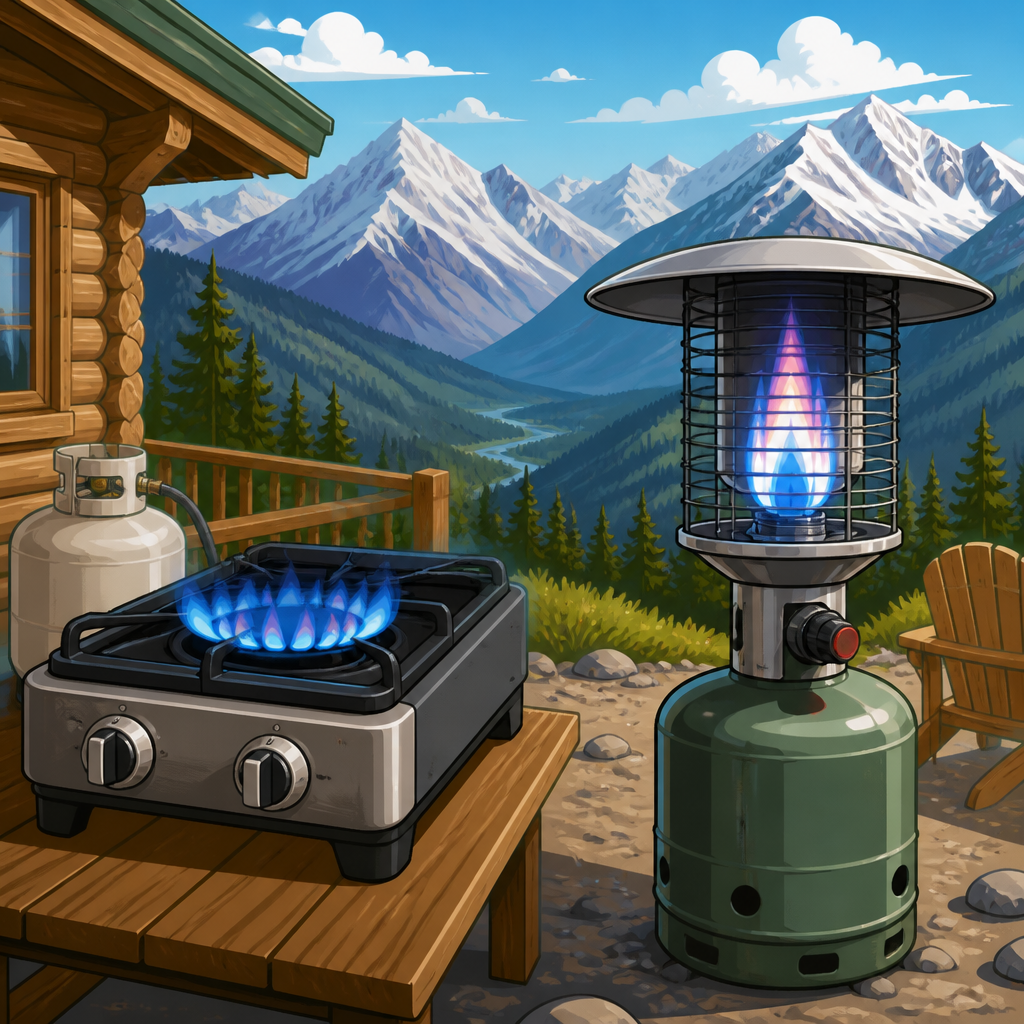
Thermal comfort is the foundation of guest comfort in a mountain home. Nighttime temperatures can drop sharply, and many homes have uneven heating between floors or rooms. The solution is not simply “turn up the heat.” It is to make warmth accessible and understandable. Label the thermostat with normal settings and explain whether the home uses propane, electric baseboard, hydronic heat, a heat pump, or a wood stove. If there is a stove, provide clear operating instructions and kindling only if guests can use it safely. The National Fire Protection Association consistently emphasizes chimney maintenance, screened ash storage, and proper clearances for solid-fuel appliances. In guest spaces, I prefer reliable central or zoned heat first, then a stove as ambiance rather than the primary comfort system.
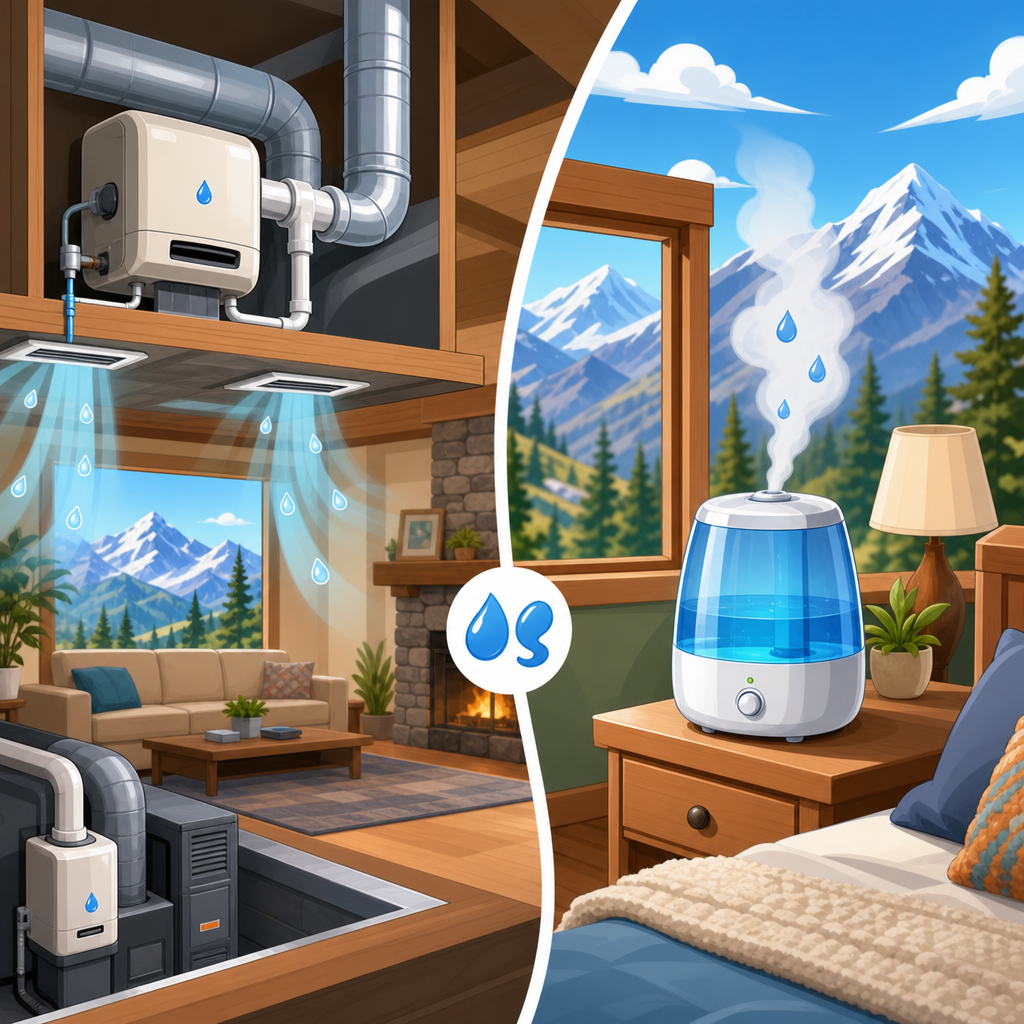
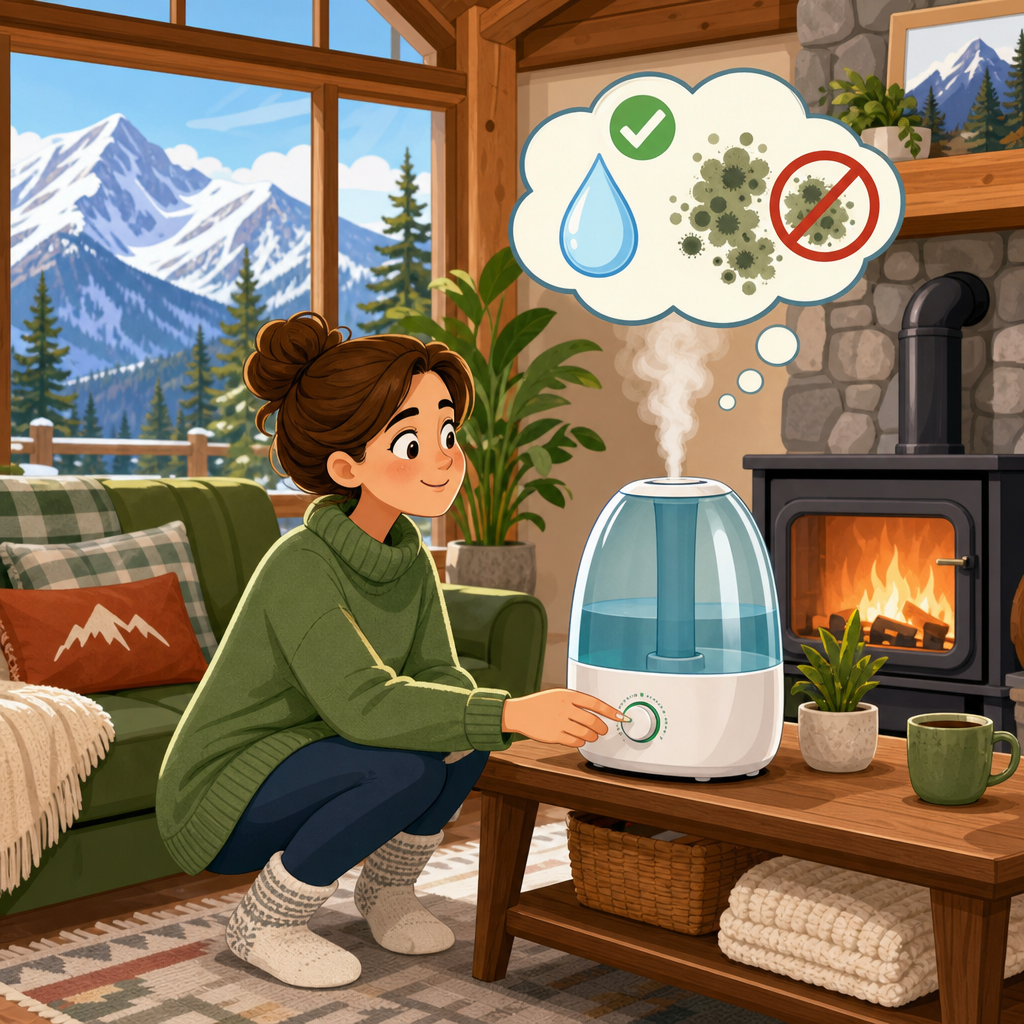
Dry air is another major issue, especially above roughly 5,000 feet. Guests may wake with headaches, dry throats, or chapped lips and blame the bed rather than the environment. Place water carafes or bottles in bedrooms, stock unscented lotion and lip balm, and consider portable humidifiers in winter if indoor relative humidity is consistently very low. Aim for balanced humidity rather than overcorrection; too much moisture in cold climates can create window condensation and mold risk. Air sealing and ventilation should work together. If the home is tightly insulated, quiet bath fans and kitchen exhaust help manage moisture and cooking odors without making the indoor air feel stale.
Sleeping comfort also deserves more attention than hosts usually give it. Mountain mornings start early because of light, birds, plows, and temperature changes. Use blackout curtains where possible, supply extra blankets in graded warmth levels, and make beds with breathable layers rather than one heavy comforter only. Not every guest sleeps hot or cold. Provide at least two pillow options per bed. If bedrooms are on lower or upper levels that run cooler, say so before guests choose rooms. White-noise machines can help if the home has creaky wood walls, metal roofing, or a mechanical room nearby. Comfortable sleep is where guests feel the difference between a scenic house and a truly hospitable one.
Make the kitchen, bathroom, and daily routine easy to use
Guests feel comfortable when ordinary tasks are obvious. In mountain homes, that means removing friction from cooking, bathing, laundry, and cleanup. Kitchens should be stocked for real meals, not just display. At minimum, include a sharp chef’s knife, cutting boards, a can opener, measuring tools, a kettle or coffee setup, sheet pans, a skillet, a stockpot, and clearly labeled storage containers. If water comes from a well, cistern, or treated spring, explain that briefly and state whether it is filtered for drinking. If there are septic limitations, say exactly what cannot go down the drain. Ambiguity causes mistakes. Clear instructions prevent them.
Bathrooms need to feel warm, bright, and forgiving. Good ventilation is essential in cold climates because steamy bathrooms can lead to condensation, mildew, and slippery surfaces. Install ample towel bars and hooks so wet items can dry overnight. Heated floors or a small towel warmer are memorable upgrades, but simple reliability matters more: strong water pressure, easy faucet controls, non-slip mats, and enough hot water for consecutive showers. If the water heater has recovery limits, set expectations and suggest shower timing for larger groups. Stock basics generously. Running out of toilet paper in a remote setting is not a small inconvenience. It is a hosting failure that guests remember.
Laundry and mud management are equally important for everyday living. Snow gear, rain jackets, hiking socks, and children’s clothes can multiply quickly. If there is a washer and dryer, post straightforward instructions and leave detergent where guests can find it. Drying racks are useful for gloves and technical fabrics that should not go in high heat. If there is no laundry, say so in advance and provide extra towels, robes, and spare linens. Comfort comes from planning for repetition: multiple showers, daily boot changes, recurring dishwashing, and the accumulation of damp gear. A mountain home that supports those routines feels calm rather than chaotic.
| Area | What guests need | Best host solution |
|---|---|---|
| Entry | Dry place for boots and coats | Bench, boot tray, wall hooks, washable mats |
| Bedroom | Warmth, hydration, darkness, quiet | Layered bedding, water, blackout curtains, white noise |
| Bathroom | Reliable hot water and safe footing | Vent fan, non-slip mat, extra towels, clear hot water guidance |
| Kitchen | Tools for normal meals | Sharp knives, cookware set, coffee setup, labeled basics |
| Mud and laundry | Way to handle wet gear | Drying rack, laundry access, spare linens, gear hooks |
| Safety | Help during outages or storms | Flashlights, backup power plan, printed emergency sheet |
Address mountain-specific safety, access, and communication
Guest comfort depends on safety more than style, especially where weather changes quickly. Start outside. Driveways should be graded, drained, and maintained for the season. In snow country, identify where plowed snow can be piled without blocking doors, propane access, or sightlines. If four-wheel drive or chains are sometimes necessary, tell guests early, not after they are sliding near the house. Handrails on steps, anti-slip strips on decking, and sturdy exterior lighting reduce injuries significantly. The Centers for Disease Control and Prevention notes that falls are a leading cause of injury, and mountain properties add more fall hazards than flat suburban homes.
Inside, prepare for the disruptions common to rural and elevated areas: power outages, frozen pipes, smoke events, and internet interruptions. A guest does not need a technical manual, but they do need confidence. Keep flashlights in visible places, test smoke and carbon monoxide alarms regularly, and leave a printed card with emergency numbers, the property address, and instructions for backup heat or power if available. If the home uses a generator, specify whether it starts automatically and what circuits it covers. If there is no backup power, be direct. Guests are more comfortable with a limitation that is explained than with a system that fails silently.
Communication standards have changed. Many guests now assume seamless connectivity for work, navigation, and entertainment. In mountain homes, that may not be realistic. The best approach is to state actual conditions: average internet speeds, video call reliability, and whether storms affect service. If cell signal is weak, note the best room or exterior spot for calls, or provide Wi-Fi calling guidance. Some hosts install signal boosters, Starlink, or mesh Wi-Fi systems, and these can materially improve comfort. Still, technology should complement, not replace, basic preparedness. A printed house guide remains essential because the moment guests need instructions may be the same moment they lose power or service.
Use hospitality details that feel thoughtful, not overdone
The final layer of comfort comes from small decisions that show respect for how people actually live. Start with lighting. Mountain homes often have beautiful wood interiors, but dark paneling and dramatic fixtures can leave practical areas underlit. Provide bright task lighting in kitchens, reading lamps by beds, and simple switch labels if circuits are confusing. Then think about seating and flow. Guests gather where there is warmth, light, and a place to set a drink. A living room arranged around a stove, view, or conversation area works better than one designed around appearance alone. Include side tables, charging access, and enough blankets that people do not have to ask.
Food and drink touches matter because stores are farther away. Leave coffee, tea, shelf-stable milk options, salt, pepper, cooking oil, and a few easy snacks. If the nearest grocery store closes early or is thirty minutes away, say so in your pre-arrival message. For families, stock simple essentials such as plastic cups, step stools, and kid-friendly night-lights. For older guests, prioritize stair visibility, supportive seating, and easy bathroom access. If pets are allowed, define boundaries clearly and provide waste bags, a towel for muddy paws, and a durable water bowl. Comfort improves when guests do not have to improvise basic needs from unfamiliar surroundings.
Most important, orient guests to the place itself. Tell them what mountain mornings feel like, when sun hits the deck, where wildlife is commonly seen, and which shoes work best for the path to the car. Explain the charm and the limits with equal honesty. That balance builds trust. A great mountain host does not try to make the home feel exactly like a city apartment. The goal is better: to help guests enjoy mountain living with fewer surprises, safer routines, and enough support to relax fully. Review your home as a first-time visitor would, fix the friction points, and your guests will notice the difference from the moment they arrive.
Frequently Asked Questions
How can I help guests stay warm and comfortable in a mountain home?
The most important step is to assume that your guests may feel colder than you do, especially if they are arriving from a lower elevation or a milder climate. Mountain homes often have bigger temperature swings between day and night, cooler floors, draftier entryways, and faster heat loss after sunset. To make guests comfortable, start with the bedroom. Provide layered bedding rather than just one heavy blanket, including breathable sheets, a warm comforter or duvet, and extra throws within easy reach. Heated mattress pads, hot water bottles, or an extra fleece blanket can make a major difference for guests who get cold at night.
Beyond the bed, make the whole home easier to regulate. Leave clear instructions for the thermostat, fireplace, wood stove, or radiant heat system so guests do not have to guess how to warm the space. If certain rooms run colder, place a safe portable heater there if appropriate and include basic safety guidance. Entry areas are also worth attention because wet coats, boots, and gloves can quickly make people feel chilled. A bench, hooks, a boot tray, and a designated drying area help guests settle in without tracking moisture through the house.
Comfort also comes from removing uncertainty. Let guests know what temperatures to expect overnight and whether they should bring warm sleepwear, slippers, or outdoor layers. If your home has stone, tile, or wood floors that feel cold, stock slippers or mention that indoor footwear is a good idea. These simple details make a mountain home feel intentionally cozy rather than unexpectedly cold.
What should I do to help guests adjust to altitude and the dry mountain climate?
Altitude and dry air are two of the biggest comfort factors for visitors, and they are often overlooked by hosts who are already used to them. At higher elevations, guests may feel more tired, thirsty, short of breath, or even mildly lightheaded, particularly during the first day or two. Dry air can lead to chapped lips, dry skin, irritated eyes, and poor sleep. The best approach is to prepare the home and set expectations before discomfort starts.
Hydration should be easy and obvious. Leave plenty of clean drinking water available as soon as guests arrive, whether that means filtered water in the fridge, a labeled pitcher on the counter, or easy instructions for safe tap water if applicable. Adding a small welcome note encouraging guests to drink extra water can be surprisingly helpful. In bedrooms and bathrooms, provide lip balm, lotion, tissues, and perhaps saline nasal spray if you want to go a step further. If the indoor air tends to get very dry in winter, a humidifier in the guest room can noticeably improve sleep quality and reduce dryness overnight.
It is also smart to help guests pace themselves. Mention that altitude can make normal activities feel more strenuous, and encourage people to take it easy on arrival day, especially if they plan to hike, ski, or spend time outdoors. If your home is in a very sunny mountain area, remind them that sun exposure can be stronger at elevation and that sunscreen and sunglasses matter even in cool weather. These details show that you understand mountain conditions and are actively helping guests feel good instead of simply hoping they adjust on their own.
How can I make a mountain home safer and easier for guests to navigate?
Guest comfort depends heavily on feeling confident in the space, especially in a setting where stairs, uneven paths, snow, ice, darkness, and unfamiliar terrain are more common than in suburban or urban homes. Start outside. Make sure walkways, steps, and parking areas are clearly marked and well lit. If the home is visited in winter or wet weather, keep snow shovels, ice melt, or traction materials accessible and maintain safe pathways to the main entrance. Railings should feel sturdy, house numbers should be visible, and guests should know exactly where to park and how to get in.
Inside, think about the small friction points that create stress. Label light switches if certain ones control exterior lights, stair lights, or porch lights. Place night-lights in hallways, bathrooms, and staircases so people can move around comfortably after dark. If the layout is unusual, such as split levels, loft sleeping areas, narrow stairs, or low beams, point that out clearly and early. A short printed guide or welcome sheet can prevent a lot of confusion, especially if cell service is spotty and guests cannot rely on their phones for information.
You should also address mountain-specific practicalities directly. Let guests know if roads are steep, if four-wheel drive is recommended in winter, if wildlife occasionally appears near the home, or if power outages happen during storms. Keep flashlights easy to find and include backup supplies such as extra batteries, blankets, and a simple emergency contact list. Safety does not need to feel alarming. When presented calmly and clearly, it helps guests relax because they know you have anticipated the realities of mountain living.
What amenities make the biggest difference for overnight guests in a mountain setting?
The best amenities are the ones that solve mountain-home discomfort before guests have to ask. In most cases, that means focusing on sleep, warmth, hydration, cleanliness, and convenience. A comfortable mattress, blackout curtains or shades, extra blankets, and a quiet fan or white noise machine can greatly improve sleep, especially if the home gets bright early, feels very still at night, or has sounds guests are not used to, such as wind, wildlife, or creaking wood. Fresh towels, robes, slippers, and a place to store gear also make the experience feel more thoughtful and relaxed.
Bathrooms and entry areas deserve extra attention in mountain homes because guests often arrive from outdoor activities or challenging weather. Stock enough towels for both bathing and drying off after snow, rain, or hot tub use if applicable. Include absorbent bath mats, hooks for damp layers, and basic toiletries in case someone forgets an item. If your home tends to collect mud, snow, or dust, make cleanup easy with boot trays, extra floor mats, and a clear place for coats and backpacks. Guests feel much more at ease when they can manage their belongings without cluttering the living space.
In the kitchen, convenience matters more than luxury. Make coffee and tea easy to find and use, keep a few simple snacks on hand, and ensure guests can prepare a quick meal without searching for basic tools. Because mountain homes may be farther from stores and restaurants, guests appreciate knowing that breakfast items, bottled water, soup, or shelf-stable essentials are available. If services are limited nearby, share that information upfront so people can shop before arriving. The most memorable amenities are often the practical ones that reduce effort and help guests settle in quickly.
How do I prepare guests for the realities of staying in a remote or weather-exposed mountain home?
The key is to balance charm with clarity. Guests love the idea of a mountain escape, but comfort drops quickly when expectations do not match reality. Before arrival, provide practical information in a friendly, concise way. Explain road conditions, check-in details, parking, weather patterns, cell service limitations, and whether guests should arrive before dark if the route is unfamiliar. If your home has a long driveway, steep access road, limited deliveries, or occasional internet interruptions, say so directly. Guests are much more comfortable with inconvenience when they are prepared for it.
It also helps to explain how daily routines may differ from what visitors expect. In some mountain areas, nearby shops may close early, restaurant options may be limited, and storm conditions can change plans quickly. Let guests know where the nearest grocery store, gas station, pharmacy, and urgent care are located. If the home relies on systems that work differently, such as well water, septic, propane, or a generator, include simple instructions and any usage guidelines. This is especially important for guests who are not familiar with rural or alpine properties.
Finally, give guests a sense of how to enjoy the setting comfortably rather than just endure it. Suggest activities that fit the weather, point out the best times for scenic views or walks, and mention what clothing or gear makes the experience more pleasant. A mountain home feels far more welcoming when guests understand both its beauty and its practical demands. Good hosting in this environment is really about reducing surprises, supporting self-sufficiency, and making people feel cared for in a place that operates a little differently from everyday life.