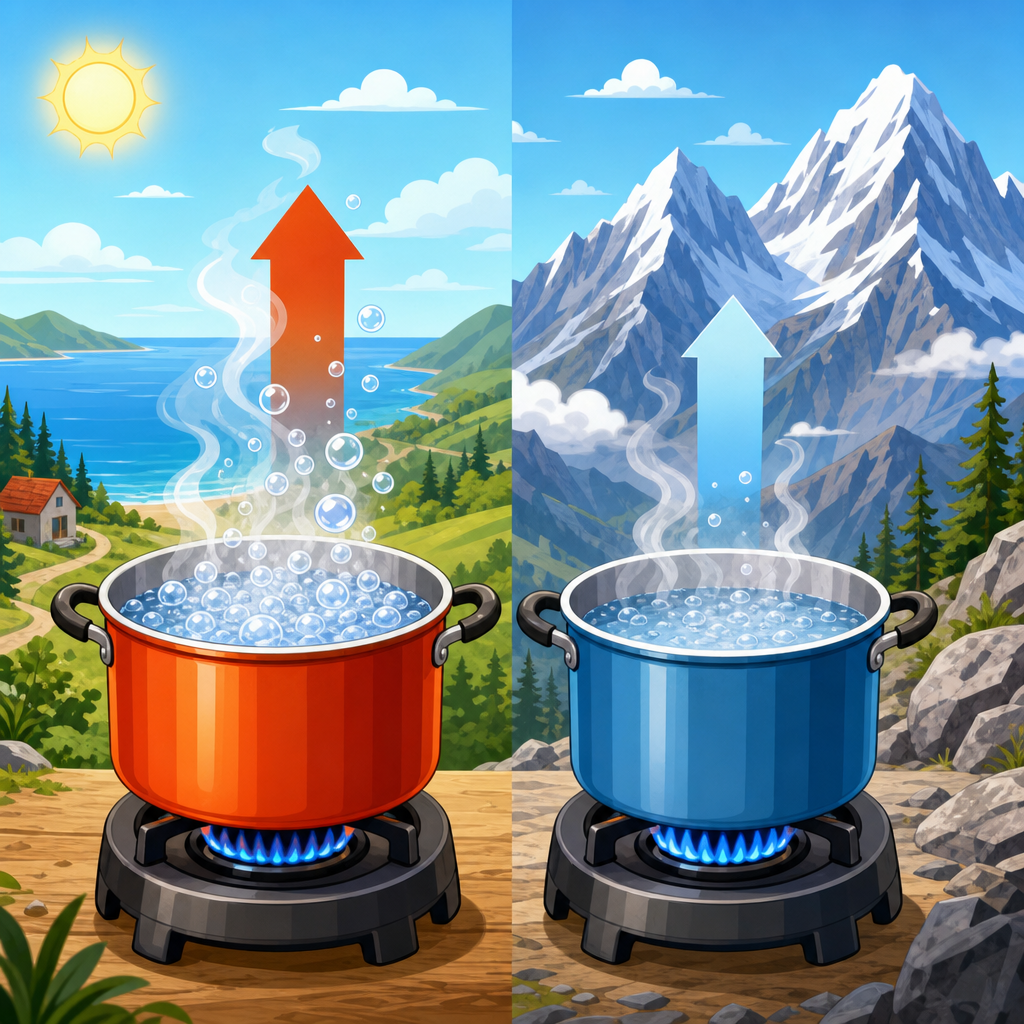
High altitude changes baking in predictable ways, and those changes become more noticeable when a recipe uses alternative sweeteners instead of standard granulated sugar. In practical terms, “high altitude” usually means elevations above 3,000 feet, where lower air pressure affects boiling point, evaporation, gas expansion, and moisture retention. “Alternative sweeteners” includes liquid sweeteners such as honey and maple syrup, crystalline options such as coconut sugar, and high-intensity sweeteners such as stevia, monk fruit, sucralose, and erythritol blends. Each behaves differently in batter and dough because sweetness is only one part of sugar’s job. Sugar also tenderizes, traps moisture, contributes bulk, delays starch gelatinization, supports browning, and stabilizes foams.
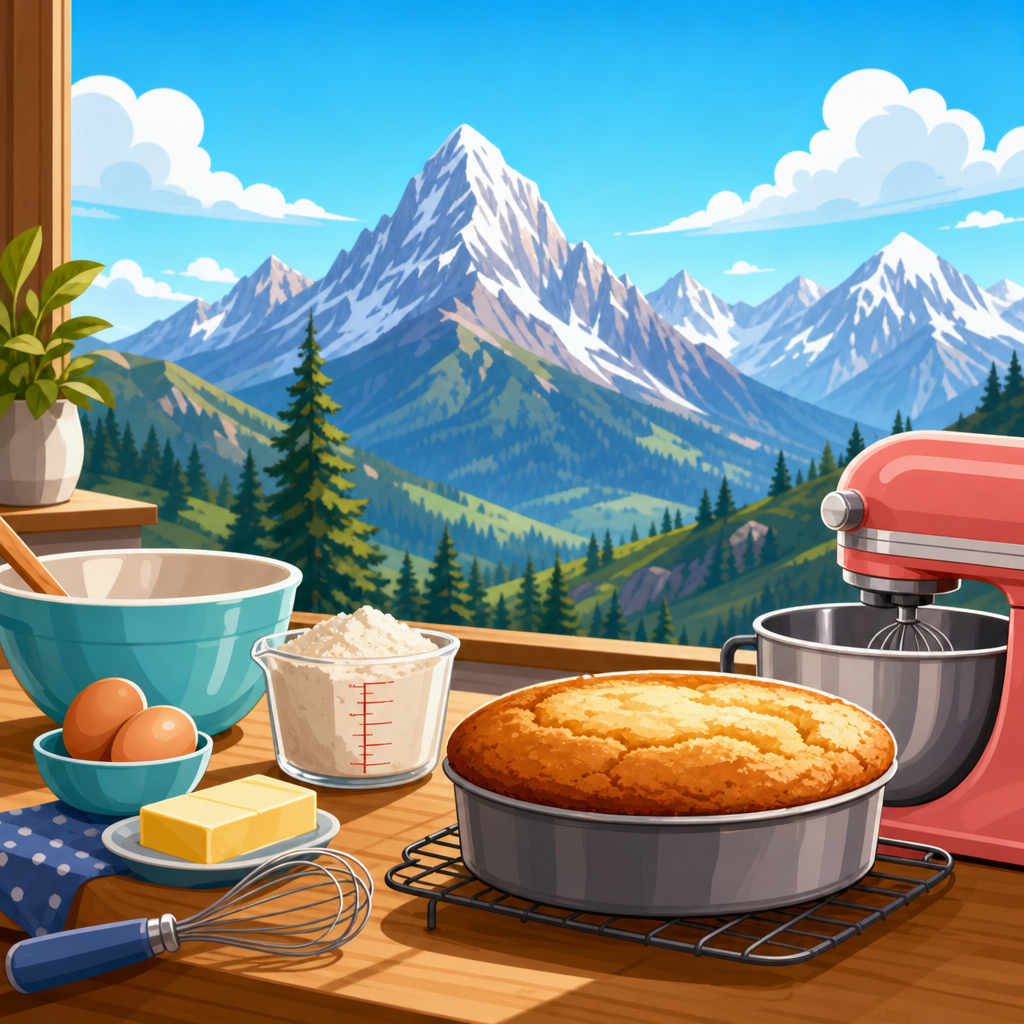
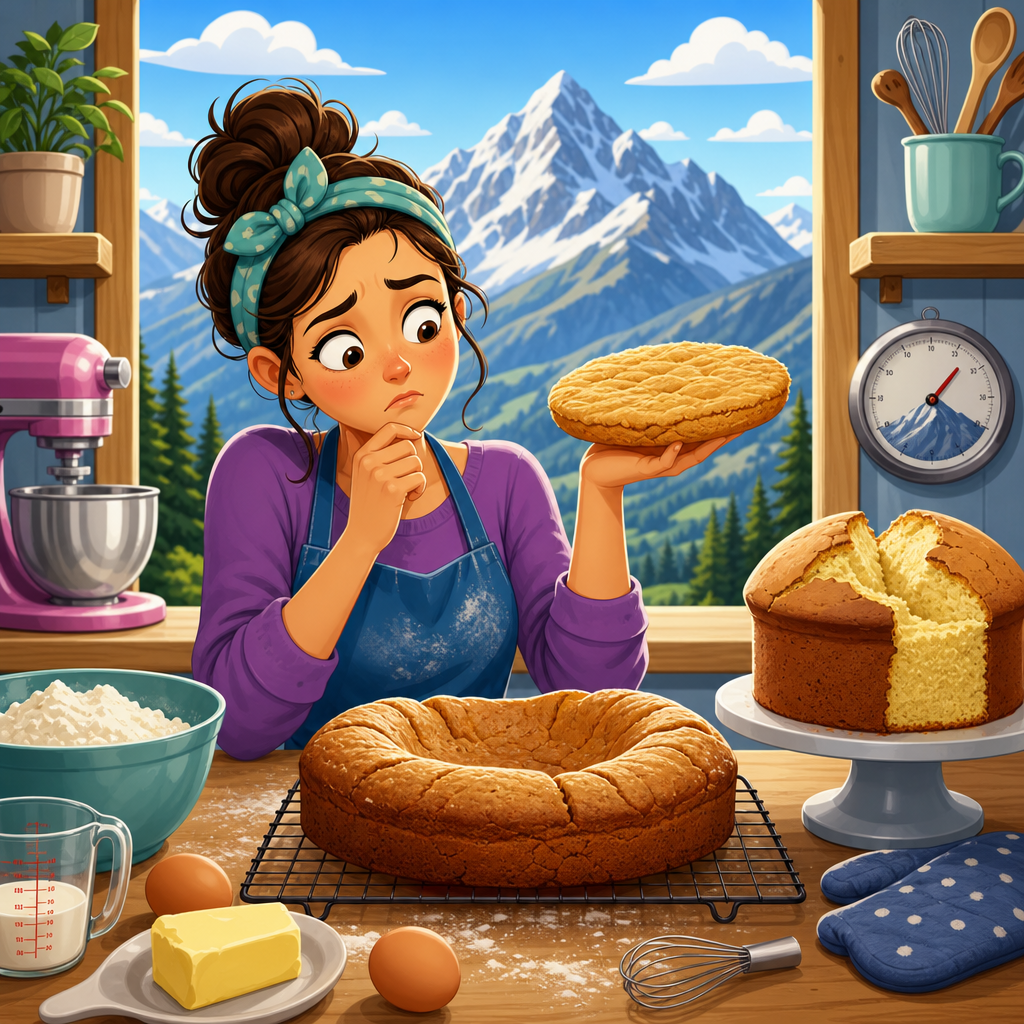
I have tested altitude recipes in mountain kitchens where a cake that worked near sea level overflowed the pan at 5,280 feet and collapsed before cooling. The culprit was not just too much leavening. It was also a sweetener swap that reduced structure and changed the batter’s water balance. That is why this topic matters. Bakers often replace sugar for health, dietary, or flavor reasons, then assume the only variable is sweetness. At altitude, that assumption leads to sunken cakes, dry muffins, sticky centers, coarse crumbs, and cookies that either spread too fast or never spread enough.
This guide serves as a hub for baking fundamentals at altitude with alternative sweeteners. It explains the core physics, the role of sweeteners in common baked goods, the adjustments that reliably improve results, and the tradeoffs to expect. If you understand how pressure, moisture, protein, starch, and sweetener chemistry interact, you can adapt cakes, quick breads, cookies, muffins, brownies, and even some yeast doughs with far less guesswork. The goal is not a rigid formula. It is a decision framework you can apply every time you convert a recipe or troubleshoot a failed bake.
Why high altitude changes baking chemistry
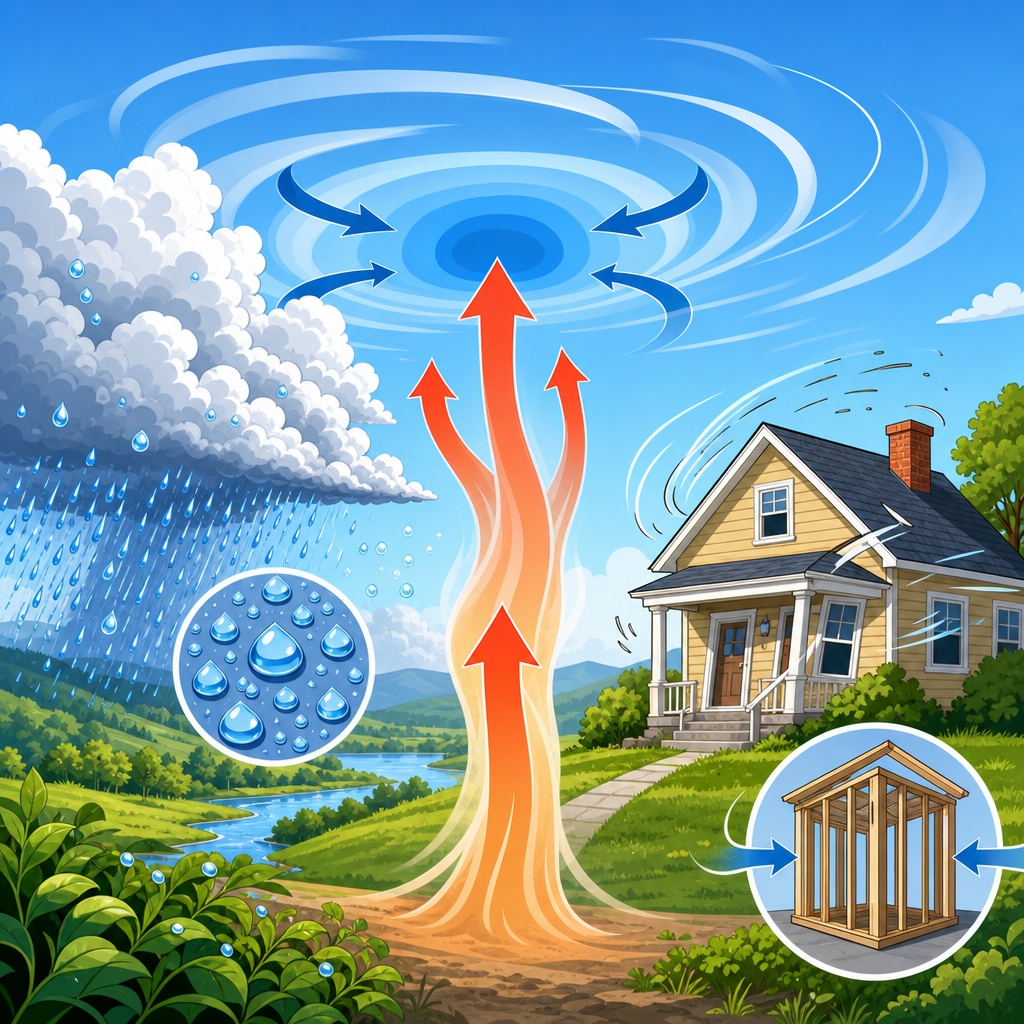
At higher elevations, atmospheric pressure is lower, so gases expand more easily and water boils at a lower temperature. In baking, that means leavening gases from baking powder, baking soda, whipped egg foams, and steam push upward faster and earlier. At the same time, batters lose moisture faster because evaporation increases and the lower boiling point encourages liquid to leave sooner. The structure of a cake or muffin must therefore set quickly enough to hold expansion, yet remain moist enough to avoid toughness.
Standard altitude guidance from university extension programs, including Colorado State University and the University of Wyoming, typically recommends decreasing chemical leavening, increasing oven temperature slightly, strengthening structure with a bit more flour or egg, and increasing liquid. Those principles remain sound, but alternative sweeteners complicate them because sugar normally helps regulate almost every one of those variables. Remove or reduce sugar, and the batter often sets sooner, browns less, retains moisture differently, and loses some of its ability to support a fine crumb.
A simple example is a vanilla muffin. At sea level, sucrose dissolves into the batter, competes for water, slows gluten development, and raises the temperature at which starches gelatinize and proteins coagulate. That delay gives the muffin time to expand before setting. At altitude, expansion is already accelerated. If you replace sugar with erythritol, which recrystallizes readily and does not behave like sucrose in solution, the muffin may rise fast, set unevenly, and cool with a rough, fragile texture. The same recipe may need less leavening, more liquid, and a different sweetener ratio to stay balanced.
What sugar does in baking beyond sweetness
Before adjusting alternatives, it helps to define sugar’s functional roles. In creaming methods, sugar crystals cut into fat and help trap air. In foams, dissolved sugar stabilizes whipped egg whites and whole-egg structures. In batters, sugar binds water, softens texture, and slows gluten formation. In the oven, it supports caramelization and Maillard browning, though true caramelization depends on the sugar type and temperature. Sugar also adds bulk, which matters because a cup of granulated sugar contributes physical mass that high-intensity sweeteners do not replace unless they are formulated in blends.
These functions become critical at altitude because the baking window narrows. A sea-level cake recipe may tolerate small errors in mixing or pan fill. At 7,000 feet, those same errors often show up immediately. If the sweetener does not provide enough bulk, the batter may not support bubbles. If it provides too much free water, the center may remain gummy while the edges overbake. If it absorbs water aggressively, the product may seem moist on day one and stale on day two.
That is why experienced altitude bakers avoid asking, “What is the healthiest sugar substitute?” and instead ask, “Which sweetener best matches the functional role of sugar in this exact product?” Cookies, chiffon cakes, brownies, and banana bread do not need the same properties. The right choice depends on whether you need spread, chew, crust color, foam stability, or shelf-life moisture retention.
How major alternative sweeteners behave at altitude
Not all alternative sweeteners respond the same way under low-pressure conditions. Liquid sweeteners add water and acidity; crystalline sweeteners vary in hygroscopicity and melting behavior; high-intensity sweeteners provide sweetness with almost no bulk. In my testing, the most successful altitude conversions start by grouping sweeteners by function instead of by marketing category.
| Sweetener | Key baking behavior | Common altitude issue | Typical adjustment |
|---|---|---|---|
| Honey | Liquid, acidic, hygroscopic, promotes browning | Excess spread or gummy centers | Reduce other liquid, lower leavening, raise oven temp slightly |
| Maple syrup | Liquid, flavorful, less acidic than honey | Weak structure in cakes | Reduce liquid, add a little flour or egg white |
| Coconut sugar | Granular, less refined, darker flavor, slower to dissolve | Coarse crumb or dense texture | Increase mixing time slightly, add extra liquid |
| Erythritol | Low browning, cooling effect, recrystallizes | Dry texture and gritty cooling | Blend with allulose or small sugar amount, increase moisture |
| Stevia or monk fruit drops | High-intensity sweetness, no bulk | Collapse, dryness, poor crumb | Use only in formulas with bulk replacers |
| Allulose | Browns readily, behaves more like sugar | Overbrowning before center sets | Lower oven temp slightly or shield early |
Honey and maple syrup generally work better in quick breads, muffins, snack cakes, and bars than in delicate layer cakes because their extra moisture can be managed with flour and temperature changes. Coconut sugar can perform well in cookies and denser cakes, but it does not cream exactly like white sugar, so aeration is lower. Erythritol-based blends remain the hardest category at altitude. They often need support from ingredients such as inulin, polydextrose, allulose, or a partial amount of real sugar to restore bulk and texture.
Core altitude adjustments for cakes, muffins, cookies, and brownies
The most reliable altitude corrections still start with four levers: leavening, liquid, structure, and heat. First, reduce baking powder or baking soda modestly. Overexpansion is a leading cause of peaked then fallen tops. Second, increase liquid or retain moisture by using ingredients such as yogurt, sour cream, applesauce, or an extra egg yolk, depending on the formula. Third, strengthen structure with a little more flour, an extra egg white, or a higher-protein flour when appropriate. Fourth, raise oven temperature by about 15 to 25 degrees Fahrenheit in many cake and muffin recipes so the structure sets before cells overexpand.
Sweetener choice changes how strongly you pull each lever. With honey, for example, I usually cut other liquid by 2 to 4 tablespoons per cup of honey at moderate altitude, then still evaluate whether the batter needs another tablespoon or two because flour dries faster in mountain climates. With coconut sugar, I often add liquid rather than subtract it because the crystals dissolve slowly and can leave a batter thirsty. With erythritol, increasing liquid alone rarely solves the problem; the formula usually needs bulk improvement and lower leavening.
Cookies and brownies deserve separate treatment. Cookies at altitude can spread too fast if the sweetener is liquid, but they can also stay thick and cakey if the formula loses sugar’s melting profile. Brownies often crack and sink when the top sets before the center structure stabilizes, especially in reduced-sugar versions. For fudgy brownies, a combination of allulose and a modest amount of sugar usually performs better than pure erythritol. For altitude cookies, chilling dough helps, but it is not a cure-all if the sweetener ratio is fundamentally off.
Choosing the right sweetener for each baked good
For layer cakes and cupcakes, the safest alternative sweeteners are those that preserve bulk and dissolve well. Allulose blends, partial sugar replacement, or carefully formulated baking blends outperform pure stevia or monk fruit alone. If your goal is a fully sugar-free cake, use a tested recipe written for that objective rather than swapping into a classic butter cake. Cakes depend heavily on sugar for tenderness and volume, and altitude makes those dependencies more visible.
For muffins and quick breads, honey, maple syrup, date syrup, and coconut sugar can work well because these products are naturally more forgiving. Banana bread, zucchini bread, pumpkin bread, and bran muffins already contain moisture, fiber, or fruit solids that help support structure. At altitude, these are often the easiest entry points for alternative sweeteners. You still need to monitor center doneness carefully because increased evaporation at the edges can fool you into overbaking before the middle sets.
For cookies, match the sweetener to the desired outcome. Coconut sugar supports chew and caramel notes. Honey adds softness but can increase spread. Allulose promotes browning and a more conventional texture than erythritol in many formulas. For brownies and bars, a blend is usually best. One sweetener contributes bulk, another controls browning, and a small amount of sucrose, if your dietary goal allows it, can improve texture dramatically. In practical recipe development, the best altitude results often come from strategic reduction, not absolute elimination.
Mixing, pans, and troubleshooting in a mountain kitchen
Method matters as much as ingredients. Overbeating introduces excess air that expands aggressively at altitude, so mix only until each stage is complete. In creamed batters, stop when the mixture looks lighter and slightly fluffy, not whipped to the maximum. In muffin methods, fold gently to avoid tunneling and tough crumb. Pan size also matters because shallow batter depths set more reliably than deep ones. A recipe that succeeds as cupcakes may fail as a tall loaf at 6,500 feet because the center cannot set before the outer crumb dries.
Troubleshooting follows patterns. If a cake rises sharply and falls, reduce leavening, strengthen structure, or increase oven temperature. If a muffin is dry and crumbly, increase liquid, reduce bake time, or switch from erythritol to a blend with better moisture retention. If cookies are gritty after cooling, erythritol recrystallization is likely the cause. If a quick bread is gummy near the bottom, the formula probably contains too much liquid sweetener for the pan size and altitude. Keep detailed notes on elevation, humidity, sweetener brand, batter thickness, and bake time. Brands differ, especially in monk fruit and stevia blends, where bulking agents can change performance more than the headline sweetener itself.
For a baking fundamentals hub, the central lesson is simple: altitude magnifies formulation errors, and alternative sweeteners remove some of the safety net that sugar provides. Start with recipes designed for your sweetener category, make one change at a time, and judge success by structure and texture, not sweetness alone. If you are building an altitude baking repertoire, begin with muffins, snack cakes, and cookies before moving to foam cakes or elaborate layers. That sequence teaches the chemistry faster and wastes fewer ingredients.
High-altitude baking with alternative sweeteners is not guesswork once you understand the mechanics. Lower air pressure speeds expansion, increases evaporation, and narrows the margin for error. Sugar’s usual jobs, from moisture retention to structure control, still need to be done even when sucrose leaves the formula. That is why the best results come from matching each sweetener to the product, then adjusting leavening, liquid, structure, and oven temperature with intention.
As a practical rule, use liquid sweeteners in forgiving batters, use bulk-providing blends for cakes, treat erythritol cautiously, and remember that partial replacement often bakes better than total substitution. Choose pan sizes that allow faster setting, avoid overmixing, and keep notes on every batch. Small changes matter more at 5,000 feet than they do at sea level. A tablespoon of extra liquid, a slightly hotter oven, or a reduced teaspoon of baking powder can be the difference between a domed, tender crumb and a collapsed center.
If this page is your starting point for baking fundamentals at altitude, use it as your framework for every subtopic that follows: ingredients, mixing methods, pan selection, and recipe conversion. Test deliberately, compare outcomes, and build from the most stable products to the most delicate. With the right sweetener strategy, high-altitude baking becomes repeatable, not mysterious. Start with one recipe you know well, apply these adjustments, and refine from there.
Frequently Asked Questions
What changes at high altitude that make baking with alternative sweeteners more difficult?
At high altitude, usually above about 3,000 feet, lower air pressure changes how baked goods rise, set, and retain moisture. Water boils at a lower temperature, so liquids evaporate faster and batters can dry out before structure has fully developed. At the same time, gases expand more readily, which can cause cakes, muffins, and quick breads to rise too quickly and then collapse. These effects happen in any high-altitude baking, but they become more noticeable when standard granulated sugar is replaced with alternative sweeteners because sugar does much more than add sweetness.
Traditional sugar helps with moisture retention, tenderness, spread, browning, and structural balance. When you swap in honey, maple syrup, coconut sugar, or high-intensity sweeteners, you are also changing water content, acidity, density, and how the batter behaves in the oven. Liquid sweeteners can increase moisture but also alter spread and browning. Less refined crystalline sweeteners may dissolve differently than white sugar and can produce a heavier crumb. High-intensity sweeteners often provide sweetness without the bulk sugar normally contributes, which can throw off texture entirely. At altitude, those differences are amplified, so small formulation issues that might be manageable at sea level can become obvious problems such as sunken centers, gummy interiors, excessive spreading, dry edges, or overbrowned tops.
How should I adjust a recipe at high altitude when using honey, maple syrup, or other liquid sweeteners?
Liquid sweeteners usually require two layers of adjustment: one for altitude and one for the sweetener itself. Honey, maple syrup, agave, and similar ingredients add both sweetness and liquid, so the batter often needs less of another liquid ingredient to stay balanced. At high altitude, however, baked goods also lose moisture more quickly due to faster evaporation. That means the goal is not simply to reduce liquid across the board, but to rebalance the recipe so it has enough moisture to survive altitude without becoming overly loose.
A practical approach is to reduce some of the other liquid slightly if the sweetener contributes significant moisture, then add back small amounts as needed after evaluating batter consistency. You may also need to increase oven temperature modestly so the structure sets earlier, which helps prevent overexpansion and collapse. In many recipes, slightly reducing leavening can also help control rapid rise. Because liquid sweeteners brown faster than white sugar, watch for early darkening and consider lowering the rack position or tenting loosely if the top is done before the center is baked.
Honey and maple syrup can also make baked goods softer and more hygroscopic, meaning they attract and hold moisture from the air. That can be beneficial in dry mountain climates, but too much can leave cakes dense or sticky if the structure is weak. Start with modest substitutions rather than full one-to-one swaps in delicate recipes. Cookies may need a little more flour or chilling time to avoid excess spread. Cakes and muffins may benefit from slightly more flour, an extra egg white for structure, or a shorter mixing time to prevent overaeration. In short, when baking high-altitude recipes with liquid sweeteners, balance sweetness, moisture, and structure carefully rather than making only one isolated change.
Can I substitute coconut sugar for white sugar at high altitude without changing anything else?
Coconut sugar is often treated like a simple one-for-one replacement for white sugar, but in baking, especially at altitude, it does not behave exactly the same way. It is typically darker, less refined, and can have larger or less uniform crystals. It also brings a subtle caramel-like flavor and may dissolve more slowly than granulated sugar. Those differences can affect creaming, spread, browning, and crumb texture, all of which matter more when high-altitude conditions are already stressing the recipe.
In cookies, coconut sugar may produce a darker color, deeper flavor, and sometimes a slightly thicker or grainier texture depending on grind and moisture content. In cakes and quick breads, it can contribute a denser crumb if it does not dissolve fully or if the batter lacks enough liquid and mixing time. At high altitude, where evaporation is faster and batters can set unpredictably, that density can become more pronounced. You may need to make small supporting adjustments such as increasing liquid slightly, creaming more thoroughly, or letting the batter rest briefly so the sugar can begin dissolving before baking.
It is usually possible to use coconut sugar successfully, but it is best not to assume a perfect swap. If the recipe is delicate, such as a sponge cake or a fine-crumb layer cake, replacing all the white sugar may compromise texture. Partial substitution often works better. If the recipe is sturdier, such as banana bread, oatmeal cookies, or muffins, coconut sugar is more forgiving. At altitude, test carefully, take notes, and expect to fine-tune flour, liquid, baking time, and sometimes leavening for the best result.
Why do baked goods made with sugar substitutes sometimes collapse or turn dry at high altitude?
Collapse and dryness often come from the same core issue: the recipe loses its structural balance. At high altitude, leavening gases expand more aggressively and moisture evaporates faster. If a recipe uses a sweetener that does not provide the same bulk, tenderness, or moisture management as granulated sugar, the batter may rise too fast, set too slowly, and then fall as it cools. Alternatively, it may bake through but end up dry because there was not enough retained moisture to begin with.
This is especially common with high-intensity sweeteners such as stevia, monk fruit extracts, sucralose blends, or other products designed to replace sweetness but not necessarily sugar’s physical functions. Sugar contributes volume, delays protein setting, supports browning, and helps maintain a soft crumb. Remove it without replacing those functions, and the result can be a tough, rubbery, fragile, or sunken baked good. At altitude, that margin for error gets smaller because the environment is already accelerating evaporation and expansion.
To prevent collapse, bakers often reduce leavening slightly, avoid overbeating air into the batter, and increase structure through flour, eggs, or a slightly higher baking temperature. To prevent dryness, they may add a bit more liquid, use ingredients that hold moisture well, or shorten bake time while monitoring internal doneness carefully. It also helps to choose sugar substitutes formulated specifically for baking, especially blends that include bulking agents. The key point is that sweetness alone is not enough. In high-altitude baking, the substitute has to support moisture, stability, and texture too.
What is the best overall strategy for successful high-altitude baking with alternative sweeteners?
The best strategy is to make controlled, incremental adjustments rather than attempting a complete recipe overhaul in one step. Start with a recipe that is already structurally sound and ideally somewhat forgiving, such as muffins, brownies, snack cakes, or drop cookies. Then consider what role the original sugar played and what your chosen sweetener changes. Does it add liquid, like honey? Does it dissolve differently, like coconut sugar? Does it provide sweetness without bulk, like a concentrated sweetener blend? Answering those questions will guide smarter changes than simply substituting by volume.
From there, apply standard high-altitude logic: manage overexpansion, protect moisture, and help the structure set at the right time. That may mean slightly reducing leavening, slightly increasing oven temperature, adjusting flour or liquid, and watching bake time closely. Make only one or two changes per test batch so you can identify what actually helped. Keep notes on texture, rise, browning, and spread, because the same sweetener may behave differently in cookies than in cakes or yeasted breads.
It also helps to understand that not all alternative sweeteners are equally suitable for every baking application. Liquid sweeteners can work beautifully in moist quick breads but may complicate crisp cookies. Coconut sugar can be excellent in rustic bakes but less ideal in delicate cakes. High-intensity sweeteners often perform best in recipes designed specifically for them rather than in direct substitutions. With high-altitude baking, success comes from respecting both the environment and the ingredient science. Once you approach it methodically, alternative sweeteners become much easier to use well, even in challenging mountain conditions.