Dry cookies at altitude usually come from a predictable mix of lower air pressure, faster moisture loss, and recipes that were written for sea level rather than mountain kitchens. In practical terms, “altitude” starts affecting baking around 3,000 feet and becomes much more noticeable above 5,000 feet, where water evaporates faster, dough dries sooner, sugars concentrate differently, and leavening can push structure outward before it sets. “Dry cookies” can mean several different failures: crumbly texture, hard edges with chalky centers, bars that seem baked but eat sandy, or cookies that spread thin and then turn brittle by the next day. I have baked and tested cookie formulas in high-elevation kitchens where the exact same dough behaved differently from one move to another, and the pattern is consistent: you do not fix dry cookies with one universal trick. You fix them by matching the type of cookie, the elevation, and the moisture balance in the formula. This matters because cookies and bars are often treated as simple recipes, yet they are among the most sensitive altitude bakes. Small errors in flour measurement, oven temperature, pan choice, or bake time can produce a dry result fast. Once you understand what altitude changes, you can correct most batches by adjusting flour, sugar, liquid, fat, leavening, and timing with much better accuracy.
Why cookies dry out at altitude
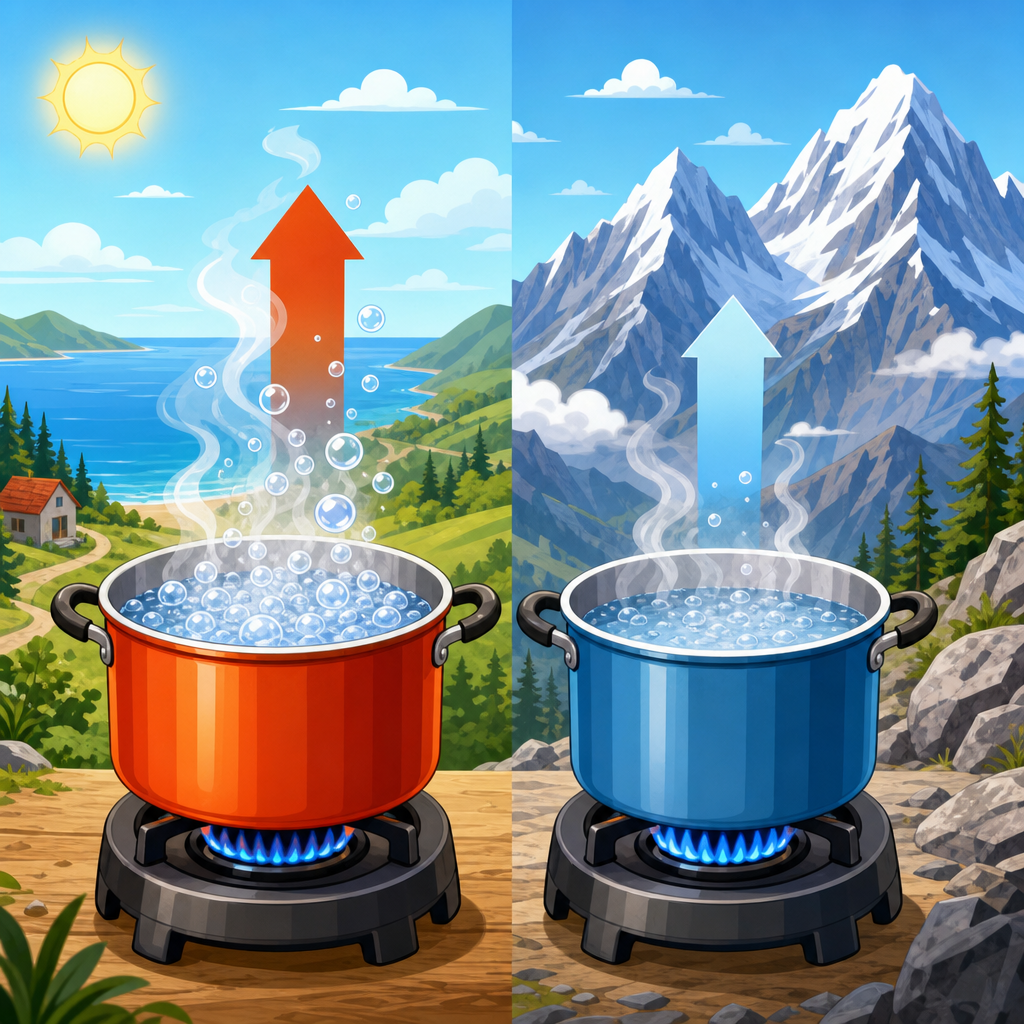
At higher elevations, atmospheric pressure drops, which lowers the boiling point of water and speeds evaporation. In a cookie dough, that means moisture leaves the dough earlier in mixing, resting, and baking. Butter softens quickly, eggs lose water faster in the oven, and dissolved sugar can become more concentrated before the structure has set. The result is often a dough that looks normal in the bowl but bakes with a drier final texture. In bars, the issue is amplified because the center must stay moist while the edges are exposed to heat for longer. Brownies, blondies, oatmeal bars, and shortbread all respond differently, but they share the same altitude problem: moisture disappears faster than the recipe expects.
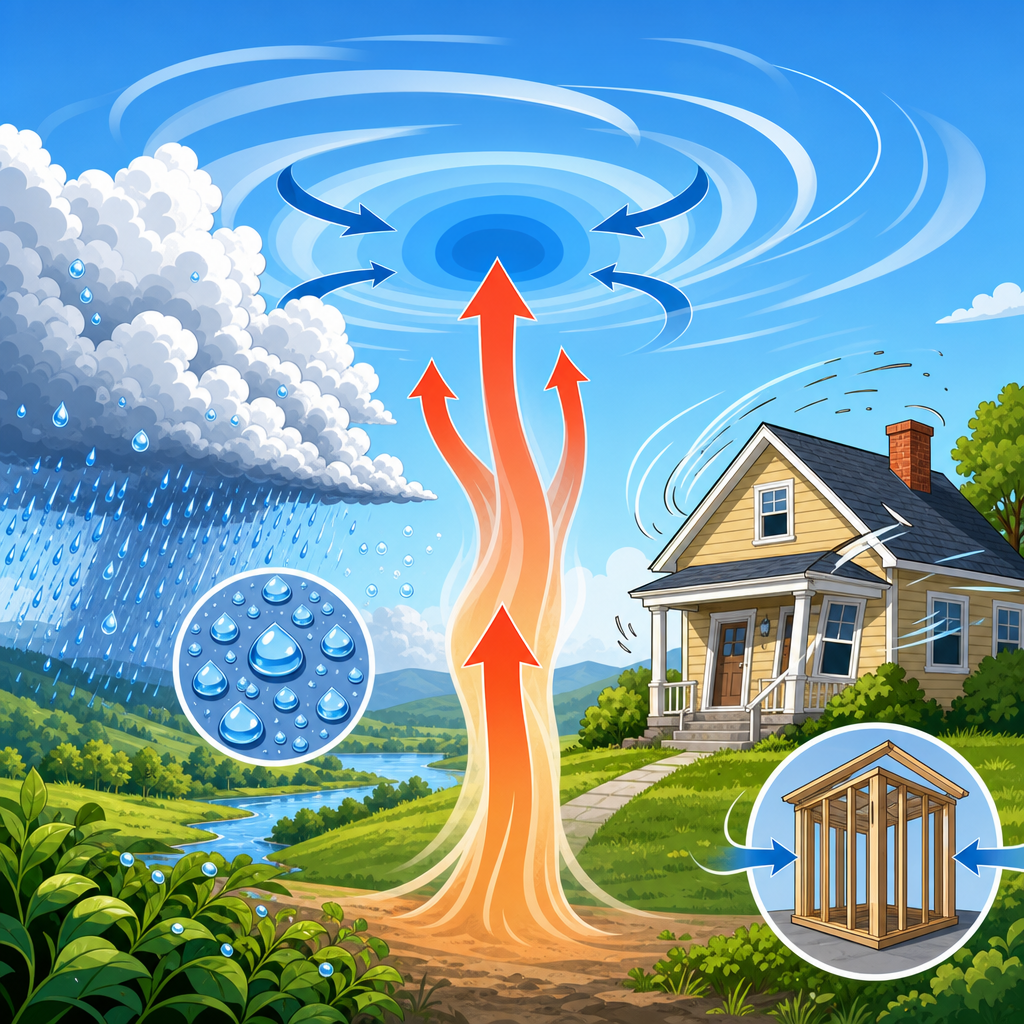
Leavening also behaves more aggressively at altitude. Baking soda and baking powder expand gases more readily in lower pressure, so cookies may puff early, spread unevenly, then collapse into thin, dry rounds. A formula that is balanced at sea level can become over-aerated in Denver, Santa Fe, or mountain towns above 7,000 feet. That expansion creates a more open crumb, and open crumb loses moisture faster. Even cookies that are meant to be crisp can become unpleasantly hard rather than delicately snappy. Understanding this mechanism is the foundation of fixing dry cookies at altitude because it tells you what to change first: moisture retention, structure, and bake control.
Diagnose the type of dry cookie before changing the recipe
Not every dry cookie needs the same fix. Crumbly shortbread usually points to too much flour, too little liquid binding, or overbaking. Hard chocolate chip cookies often indicate excess flour, too long in the oven, or too little brown sugar relative to white sugar. Dry cakey cookies can come from too much egg white, excess leavening, or overmixing, all of which are exaggerated at altitude. Bars with dry edges and an underdone middle usually reflect pan size, dark metal pans, or oven temperature that is too high for the thickness of the batter. Before editing the formula, note whether the batch was thin and brittle, puffy and stale-feeling, sandy and crumbly, or dry only after storage. Those clues narrow the cause quickly.
I recommend treating the first correction as a controlled test, not a full rewrite. Keep one variable steady and change one or two factors at a time. For example, if a chocolate chip cookie at 5,500 feet bakes up pale but dry, lower flour slightly and shorten bake time before increasing liquid. If a blondie at 7,000 feet rises too quickly and turns cakey, reduce leavening first and then check pan depth and oven calibration. This approach saves ingredients and teaches you what your kitchen is doing. A reliable oven thermometer and a digital scale are not optional here; they are the fastest route to repeatable altitude baking results.
The most effective altitude adjustments for cookies and bars
The standard fixes for dry cookies at altitude are small but meaningful. Start with flour because excess flour is the most common hidden cause of dryness. If you scoop flour with a cup measure, you may be adding 15 to 25 percent too much. Weighing flour removes that variable. For many drop cookies above 3,500 feet, reducing flour by 1 to 2 tablespoons per batch can improve texture immediately. For bar cookies, especially brownies and blondies, reducing flour slightly helps preserve a denser, moister bite. If the dough already seems loose, do not cut flour first; instead add a little more liquid or reduce bake time.
Liquid is the second lever. At altitude, adding 1 to 2 teaspoons of water or milk per dozen cookies is often enough, while larger bar recipes may need 1 to 2 tablespoons. Egg yolks are especially useful because they add both water and emulsifying fat, helping cookies stay tender without becoming cakey. Brown sugar also retains moisture better than granulated sugar because of its molasses content. In practical recipe development, shifting part of the white sugar to brown sugar often gives better storage life and a softer texture. Fat matters too: melted butter promotes spread, while cooler creamed butter can hold more structure. At altitude, too much spread can dry cookies by thinning them, so butter temperature must match the style you want.
Leavening should usually be reduced slightly as elevation rises. A common rule is to reduce baking powder by about 1/8 teaspoon per teaspoon above 3,000 feet, though exact needs depend on the formula. Cookies with both baking soda and baking powder often benefit from trimming the baking powder first. Oven temperature may need a small increase, usually 15 to 25 degrees Fahrenheit, in cakes to set structure faster, but cookies and bars are more nuanced. In many mountain kitchens, I get better moisture retention by keeping the listed temperature or lowering it slightly for thick bars, then relying on shorter, more precise bake times. The goal is not simply to bake hotter; it is to set the structure before excess water leaves the dough.
| Cookie or Bar Issue | Likely Altitude Cause | Best First Fix |
|---|---|---|
| Thin, brittle cookies | Too much spread, excess leavening, low moisture | Reduce leavening slightly and add 1 to 2 teaspoons liquid |
| Crumbly shortbread | Too much flour or overbaking | Weigh flour and pull from oven 1 to 2 minutes earlier |
| Dry chocolate chip cookies | Excess flour, too much white sugar, overbaking | Reduce flour slightly and replace some white sugar with brown sugar |
| Dry edge, wet center bars | Pan too small, heat too high, uneven bake | Use correct pan, line with parchment, lower temperature 15°F |
| Cakey, dry brownies | Too much leavening or too much flour | Cut leavening and mix less after adding flour |
How specific cookie styles change at altitude
Chocolate chip cookies are the most requested altitude fix because they can fail in several ways at once. At 5,000 feet and above, I usually start by weighing flour, reducing it slightly if needed, increasing brown sugar, and chilling the dough after mixing. Chilling limits spread, which preserves thickness and moisture. If the original recipe uses only baking soda, I leave it alone first and address flour and time. If it uses both soda and powder, I cut the powder before anything else. For oatmeal cookies, the oats continue absorbing moisture after mixing, so a short rest can either help hydration or worsen dryness depending on the dough. If the dough already looks stiff, bake immediately rather than resting it.
Shortbread and sugar cookies require a different strategy. These doughs already contain limited moisture, so altitude exaggerates their fragility. The best fix is precision: weigh flour, keep mixing minimal, and avoid adding extra dry ingredients during rolling. Rolling between parchment instead of flouring the surface can preserve texture. For cutout sugar cookies, a touch of corn syrup or an extra egg yolk can improve tenderness without destroying shape. Peanut butter cookies are naturally prone to dryness because peanut butter varies in fat content and binders. Commercial no-stir peanut butter gives more predictable results than natural separated styles at altitude unless the formula was built specifically for natural peanut butter.
Brownies, blondies, lemon bars, and layered cookie bars need pan and doneness discipline. Overbaked brownies are the classic altitude disappointment: the edges dry out while the center finally sets. Use light-colored metal pans when possible, line with parchment, and start checking several minutes early. A toothpick test is less reliable for fudgy bars; look for set edges and a center that has just lost its shine. Blondies dry out when bakers chase a fully clean tester. They should finish with moist crumbs, not none. For fruit bars and jam bars, the filling can mask a dry crust on bake day, then reveal it the next morning. In those recipes, reducing flour in the crust and sealing the bars well after cooling are especially effective.
Mixing, measuring, and baking methods that prevent dryness
Technique fixes more dry cookies than ingredient changes alone. Start by weighing ingredients. King Arthur Baking, America’s Test Kitchen, and professional pastry kitchens all rely on gram measurements because volume cups vary too much, especially with flour and brown sugar. Next, pay attention to butter temperature. Butter that is too warm weakens structure and increases spread; butter that is too cold can prevent proper creaming and leave dense, dry pockets. Eggs should be room temperature so they emulsify smoothly. Once flour goes in, mix only until combined. Overmixing develops more gluten, and at altitude that extra structure often translates into tougher, drier cookies.
Pan setup and oven management matter more than many home bakers expect. Use parchment to reduce hard bottoms and improve even release. Avoid overcrowding sheets because uneven airflow causes some cookies to overbake while others lag behind. Rotate pans if your oven has hot spots, but do it once and late enough that the cookies have set. For bars, choose the exact pan size listed in the formula. An 8-inch pan and a 9-inch pan are not interchangeable when moisture retention is the goal. Glass bakes differently from metal and often needs a temperature adjustment; in most cookie bar recipes, light metal gives the most controlled result. Cool bars in the pan only as long as needed to set. Residual heat can continue drying them if they sit too long on a hot countertop in a thin pan.
Storage, rescue methods, and when to rewrite the recipe
Even well-baked cookies can become dry quickly at altitude because ambient air pulls moisture from them fast. Store cookies as soon as they are fully cool in airtight containers, preferably with similar textures together. Crisp cookies will soften if packed with soft ones, while soft cookies can stale if left exposed for even a few hours. For bars, wrap the whole slab or keep pieces tightly covered rather than stacking them loosely on a plate. If a batch is already dry, you can often rescue it. A slice of sandwich bread in the container can soften cookies within several hours by transferring moisture. Warm brownies briefly, then serve with sauce or ice cream. Crumbly cookies can be repurposed into crusts, sandwich cookies, or mix-ins for parfaits.
Some recipes simply are not built for altitude and need a real rewrite. Formulas with high flour, low fat, multiple leaveners, or long bake times are the usual offenders. If you have made two careful test batches with measured ingredients and still get dry results, rebuild the formula from the ratio level: lower flour, increase brown sugar or yolk, reduce chemical leavening, and shorten the bake. Keep notes on elevation, humidity, pan type, and bake time. That habit turns frustrating trial and error into a usable altitude baking system. If you are building out your broader Cooking & Baking at Altitude library, this cookies and bars hub should connect naturally to detailed guides on high-altitude brownies, chocolate chip cookies, sugar cookies, bar cookies, and ingredient substitutions. Start with one recipe you make often, test one change at a time, and you will fix dry cookies at altitude with confidence.
Frequently Asked Questions
Why do cookies turn out dry at high altitude even when I follow the recipe exactly?
High altitude changes the way cookie dough behaves long before the cookies ever reach the oven. Once you get to roughly 3,000 feet, and especially above 5,000 feet, lower air pressure begins to affect evaporation, expansion, and structure. Moisture leaves the dough faster, both while mixing and while baking, so a formula that stays soft and balanced at sea level can dry out noticeably in a mountain kitchen. At the same time, gases from leavening expand more easily, which can cause cookies to spread or puff quickly before the structure has time to set properly. That often leads to cookies that look finished on the outside but have already lost too much internal moisture.
Another reason this happens is that many standard cookie recipes were developed and tested near sea level. Those formulas usually assume a slower evaporation rate and a more predictable baking environment. At altitude, flour can act effectively “thirstier,” sugar concentration shifts as water evaporates more quickly, and dough can go from ideal to overbaked in a very small window of time. So if you are measuring accurately and still getting dry cookies, the issue is probably not that you baked incorrectly. It is more likely that the recipe needs altitude-specific adjustments in liquid, flour, leavening, oven temperature, or bake time to compensate for the faster moisture loss and altered rise.
What recipe changes help fix dry cookies at altitude?
The most reliable fixes usually involve adding a little more moisture, slightly reducing ingredients that dry or stiffen the dough, and controlling how quickly the cookies set. A common starting point is to add a small amount of extra liquid, such as 1 to 2 tablespoons of milk, water, or an extra yolk, depending on the recipe size. You may also need to reduce flour slightly, because too much flour at altitude can make cookies dry, cakey, or crumbly very quickly. If you scoop flour directly from the bag, this matters even more, since overmeasuring flour is one of the fastest ways to dry out cookie dough anywhere, and altitude amplifies the problem.
It can also help to reduce leavening a bit, especially baking soda or baking powder, so the cookies do not expand too fast and lose structure before they set. In some cases, increasing the oven temperature by about 15 to 25 degrees Fahrenheit while slightly shortening the bake time works well, because it helps the cookies set before too much moisture escapes. Brown sugar can also be useful because it contains molasses and tends to hold moisture better than white sugar. If the recipe is already delicate, adding an extra egg yolk or replacing a small portion of granulated sugar with brown sugar can improve softness without making the dough heavy. The key is to make one small change at a time so you can see what actually solves the dryness in your specific recipe and elevation range.
How can I tell whether my dry cookies are caused by too much flour, overbaking, or altitude itself?
The texture usually gives useful clues. If the cookies are dry and crumbly throughout, with a sandy or short texture, too much flour is a likely cause. This often happens when flour is packed into the measuring cup or when a sea-level recipe already runs flour-heavy and altitude pushes it over the edge. If the cookies are hard around the edges, dry in the center, and darker than expected on the bottom, overbaking is more likely. At altitude, cookies can cross from done to overdone very quickly because moisture evaporates faster, so even one or two extra minutes can make a major difference.
If the cookies puffed too much, spread oddly, or seemed to rise fast and then dry out, altitude-related imbalance is a stronger suspect. In that case, the issue is not just bake time but the overall formula. Lower air pressure allows gases to expand more readily, and if the structure is not supported with enough moisture or the right balance of flour, fat, sugar, and leavening, the cookie can lose tenderness while baking. A good troubleshooting method is to examine your process step by step: weigh flour instead of using volume, chill the dough if it feels dry or fragile, start checking for doneness earlier, and make one controlled recipe adjustment at a time. If weighing flour and reducing bake time improve the cookies immediately, you have likely identified the main cause. If not, you probably need a more complete altitude adjustment.
Should I change the oven temperature or baking time when baking cookies at altitude?
In many cases, yes. A modest increase in oven temperature, usually around 15 to 25 degrees Fahrenheit, can help cookies set sooner so they do not spend unnecessary time losing moisture in the oven. This is especially helpful at higher elevations where evaporation happens quickly and dough structure can destabilize before it firms up. Raising the temperature is not about making the cookies bake aggressively; it is about helping the exterior and overall structure catch up before the interior dries out. When you do this, you will usually need to reduce the baking time slightly and begin checking earlier than the original recipe suggests.
The most important rule is to rely less on the clock and more on visual cues. For soft or chewy cookies, pull them when the edges are set but the centers still look slightly underdone. They will continue to finish on the hot baking sheet after they come out of the oven. If you wait until the centers look fully baked in the oven, there is a good chance the cookies will cool dry. It also helps to use an oven thermometer, since inaccurate oven temperatures can make altitude problems worse. If your oven runs hot, what seems like an altitude issue may actually be an oven calibration issue combined with faster moisture loss. Small timing changes matter more at elevation, so even experienced bakers should treat the printed bake time as a starting point rather than a guarantee.
What are the best practical tips for keeping cookies soft and moist in a mountain kitchen?
Start by controlling the basics that have the biggest effect on moisture retention. Measure flour by weight whenever possible, because extra flour creates dryness faster than almost any other mistake. Keep dough covered while mixing and portioning so it does not lose moisture on the counter, and avoid letting it sit out too long in a dry kitchen. If the dough seems stiffer than usual, give it time to hydrate before deciding it needs more flour. Chilling the dough can also help improve texture and reduce erratic spreading, especially at higher elevations where structure can weaken quickly in the oven.
Ingredient choices matter too. Brown sugar, egg yolks, butter, and mix-ins like chocolate chips can all help support a softer final texture. Be careful not to overmix once the flour goes in, since overdeveloped gluten can make cookies tougher and less pleasant rather than truly moist. During baking, rotate pans if your oven heats unevenly and remove cookies as soon as they reach the right stage, even if they look slightly soft in the middle. After baking, cool them just long enough to set, then store them in an airtight container as soon as they are fully cool. In very dry climates, a small piece of bread in the storage container can help maintain softness for a day or two. Most of all, keep notes on elevation, ingredients, oven temperature, and bake time. Altitude baking improves dramatically once you build a repeatable system for your specific kitchen.