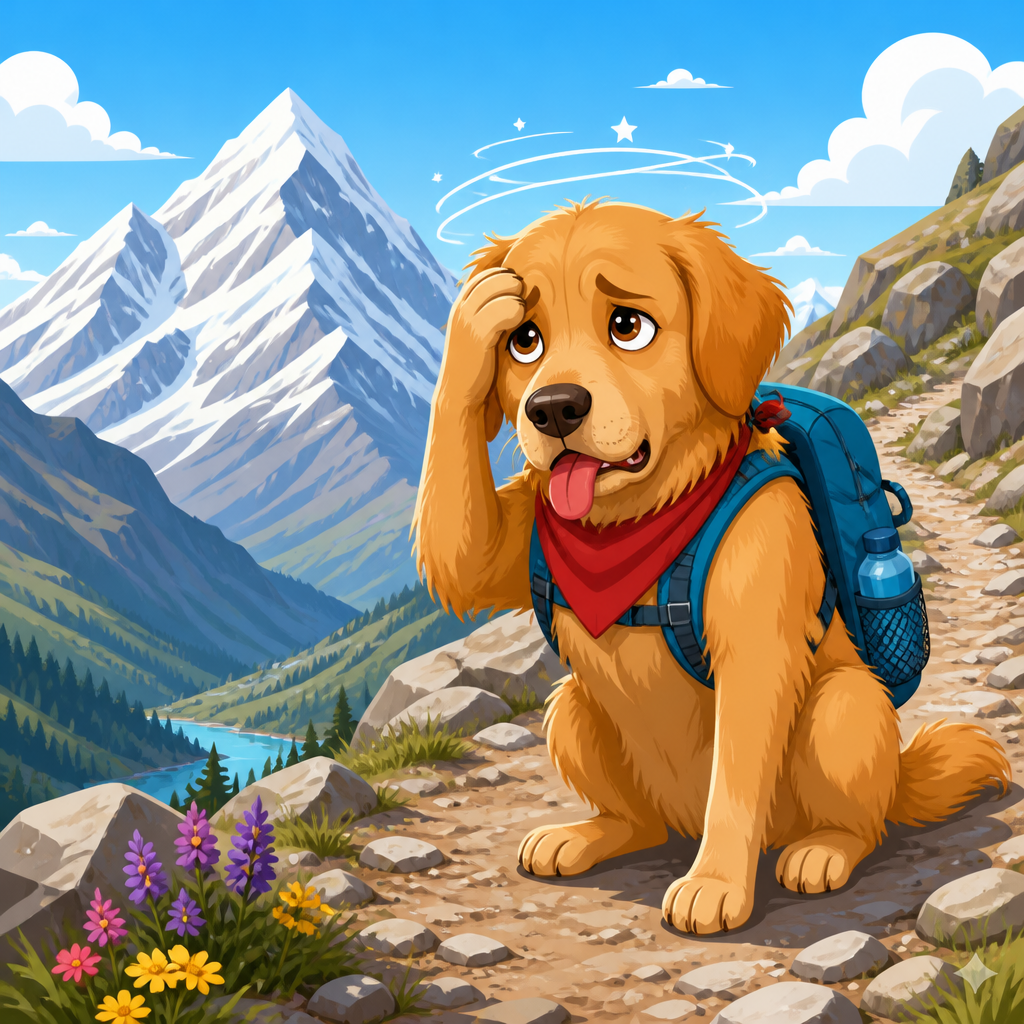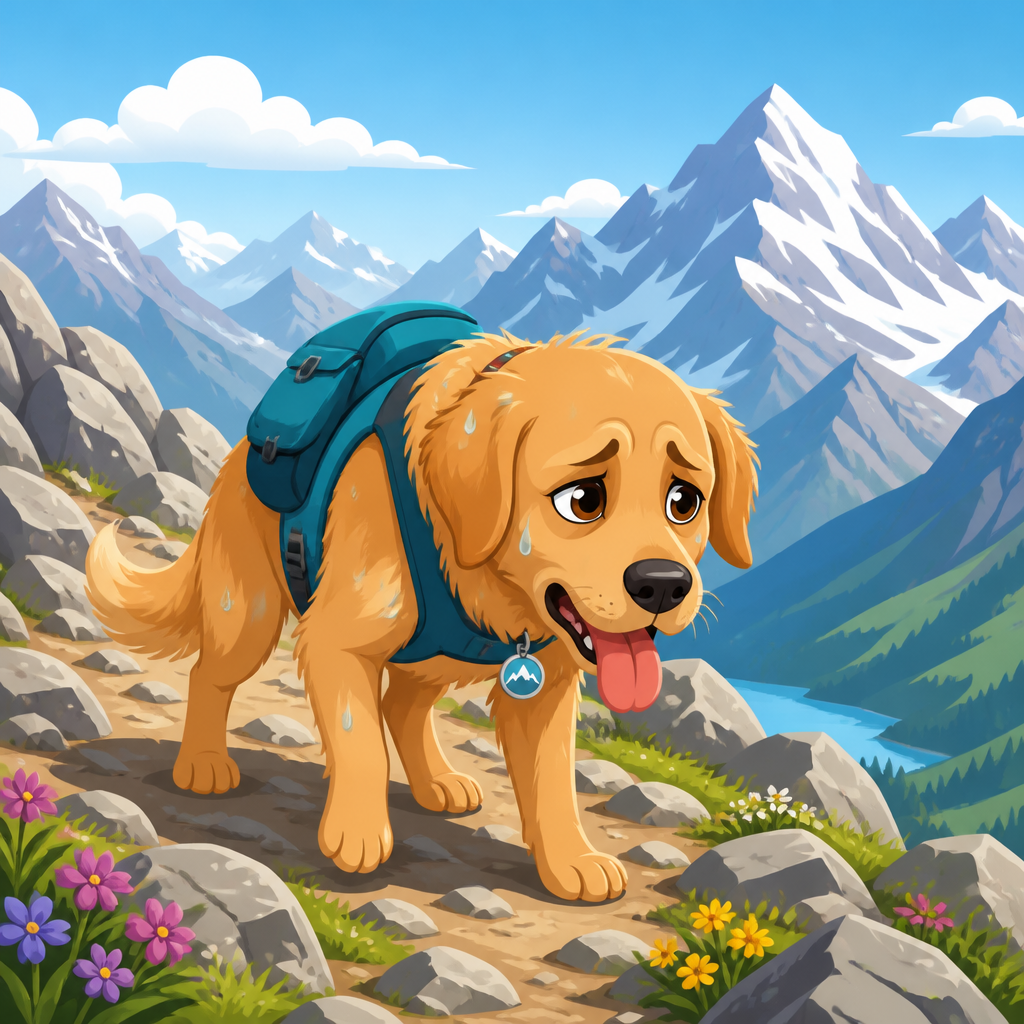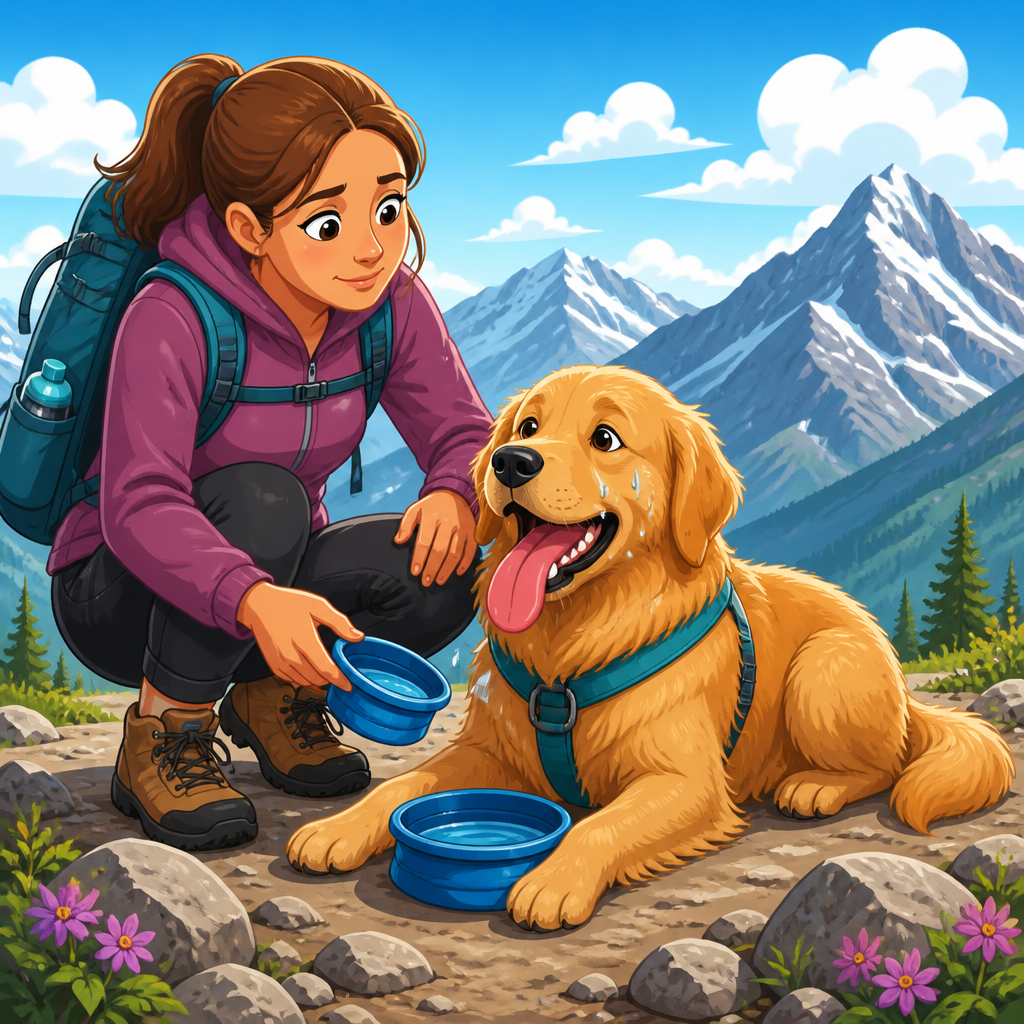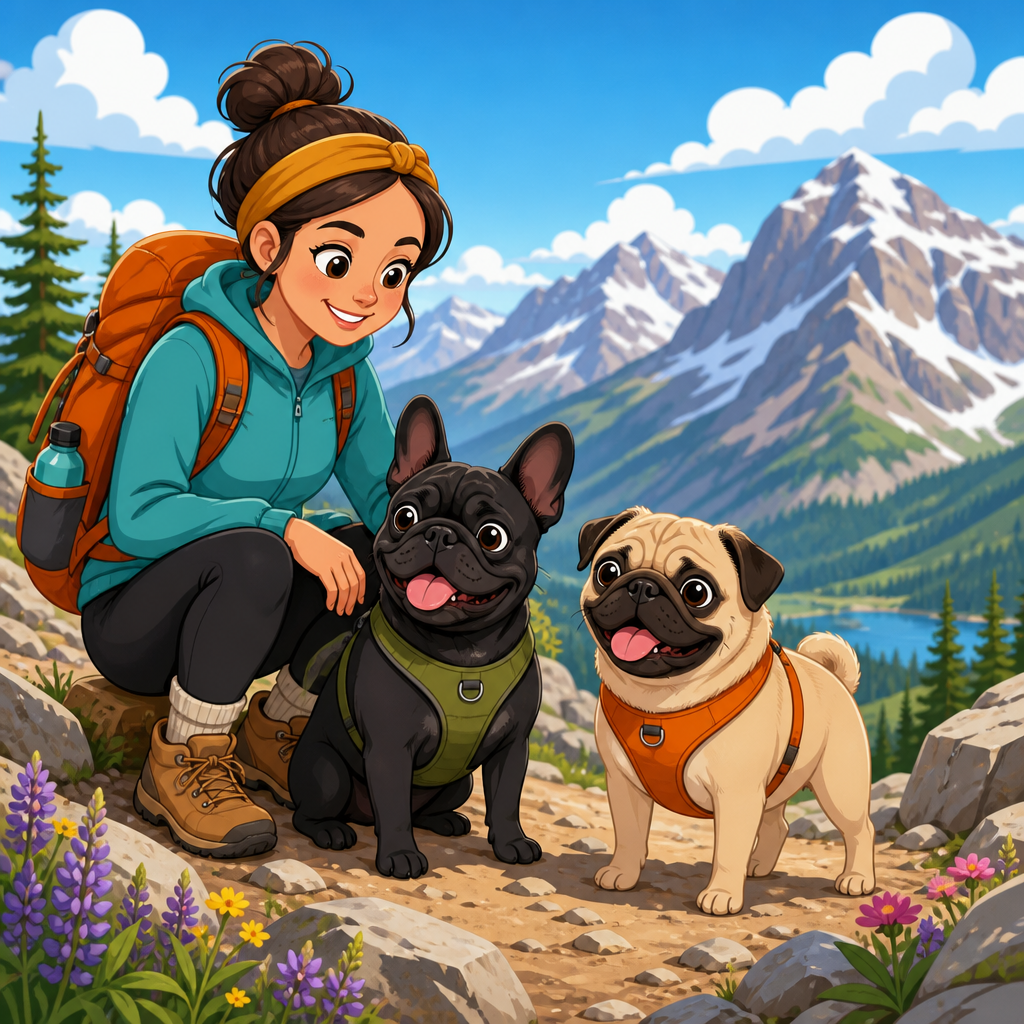
High altitude hikes with flat-faced dogs demand more planning than a typical trail day because brachycephalic breeds already work harder to breathe at sea level, and thinner mountain air increases that burden fast. “Flat-faced” refers to dogs with shortened skulls and compressed upper airways, including Bulldogs, Pugs, Boston Terriers, French Bulldogs, Shih Tzus, and mixes that inherit the same anatomy. When people ask about dogs and altitude sickness, they usually mean two overlapping problems: reduced oxygen availability at elevation and the airway limits that make some dogs less able to compensate. I have had owners arrive at trailheads assuming a fit young Frenchie could handle a summit push because he jogs well at home; after ten minutes on a steep switchback, the dog was cyanotic, distressed, and needed an immediate descent. That gap between everyday exercise tolerance and high-altitude safety is why this topic matters.
Altitude affects every dog, but flat-faced dogs sit in a higher-risk category because they often have stenotic nares, elongated soft palates, everted laryngeal saccules, and narrower tracheas. Those structural issues reduce airflow, trap heat, and make panting less efficient. Since dogs regulate temperature largely through panting, any factor that impairs airflow raises the chance of overheating, panic, and oxygen debt. Add altitude, dry air, sun exposure, uneven terrain, and excitement, and a manageable walk can become an emergency quickly. Owners need a clear framework: what altitude does to canine physiology, which warning signs require stopping, how to acclimate safely, what gear actually helps, and when a hike should be canceled before leaving the parking lot.
This hub article covers the essentials comprehensively so you can make sound decisions before attempting a high altitude hike with a brachycephalic dog. It explains how altitude sickness presents in dogs, why flat-faced breeds are different, what pre-hike screening should include, how to build a conservative acclimation plan, and what first aid matters most on the trail. It also addresses a difficult but important truth: for some dogs, especially those with previous respiratory distress, obesity, poor heat tolerance, or untreated airway disease, the safest choice is skipping altitude entirely. Good mountain decisions are not about proving toughness. They are about understanding risk, recognizing early symptoms, and protecting a dog that may be enthusiastic enough to keep climbing long after it should stop.
Why flat-faced dogs struggle more at altitude
At higher elevations, barometric pressure drops, which means each breath delivers less oxygen than it does at lower elevations. Healthy dogs compensate by breathing faster and increasing cardiac output. Flat-faced dogs can do this only within the limits of their anatomy. In practice, that means a Labrador may pant harder and recover after a rest, while a Pug with stenotic nares may not move enough air to meet demand, especially on steep grades. The result can be exaggerated respiratory effort, noisy breathing, anxiety, overheating, and collapse.
The underlying condition many of these dogs live with is brachycephalic obstructive airway syndrome, often abbreviated BOAS. BOAS is not one single defect; it is a syndrome of narrowed nostrils, excess soft tissue in the throat, altered airflow, and sometimes tracheal hypoplasia. During exercise, the increased negative pressure generated to pull air through a restricted airway can worsen swelling and obstruction. That is one reason symptoms can snowball fast. A dog that starts a hike merely snorting may become progressively louder, more distressed, and less able to cool itself as tissues swell with effort.
Heat compounds altitude risk. Mountain weather feels cooler to people, but dogs still generate substantial heat climbing uphill. Because brachycephalic breeds are inefficient panters, they can overheat in temperatures that would not trouble another dog. I have seen trouble on trails in the low 60s Fahrenheit when direct sun, dark coat color, altitude, and excitement all stacked together. Altitude safety for flat-faced dogs is therefore not just about oxygen. It is about oxygen, airway resistance, heat exchange, hydration, pacing, and the dog’s inability to tell you it is reaching its limit until the situation is advanced.
Signs of altitude sickness and respiratory distress in dogs
Owners need to separate normal exertion from dangerous signs. Mild panting after a climb can be normal. Concerning signs include harsh or high-pitched breathing, unusually loud snoring sounds while awake, repeated stopping, lagging behind, glassy eyes, weakness, disorientation, vomiting, stumbling, blue or gray gums, collapse, or any panting that does not settle within a few minutes of stopping in shade. Some dogs also show altitude stress through unusual stillness. A dog that suddenly refuses food, avoids movement, or lies down and will not re-engage may be in trouble even if it is not dramatic.
Altitude illness in dogs does not always look identical to human acute mountain sickness, but the functional warning is simple: if breathing effort is increasing while performance is dropping, the hike is over. In severe cases, dogs can develop aspiration, heat injury, or life-threatening airway obstruction. A flat-faced dog pawing at its mouth, extending its neck, spreading its elbows, or adopting a wide stance is trying to maximize airflow. That posture should trigger immediate descent and cooling measures, not encouragement to keep going.
Because many brachycephalic breeds make respiratory noise even at rest, owners often normalize sounds that should not be ignored on a trail. The benchmark I use is change from baseline. If your dog’s breathing is louder, faster, more effortful, or slower to recover than it is on a familiar neighborhood walk, altitude may be exposing a reserve problem you cannot safely push through. Videoing your dog at rest and after routine local exercise can help you compare what is normal before you ever attempt a mountain route.
Which dogs should not attempt high altitude hikes
Some flat-faced dogs are poor candidates regardless of conditioning. Dogs with previous heatstroke, collapse episodes, fainting, severe snoring at rest, sleep-disordered breathing, obesity, diagnosed BOAS, heart disease, tracheal hypoplasia, laryngeal collapse, or chronic gastrointestinal regurgitation need especially conservative assessment. Puppies, seniors, and dogs recovering from illness also have less margin. If a dog struggles on warm sidewalks, stairs, or short hill walks near home, it does not belong on a high-altitude trail.
Body condition matters more than many owners realize. Even a few extra pounds increase the work of breathing and reduce heat tolerance. In brachycephalic dogs, excess neck and chest fat can mechanically worsen airway compromise. Fitness is helpful, but it does not erase anatomy. A muscular, enthusiastic French Bulldog can still be a worse altitude candidate than an average mixed-breed dog because the limiting factor is airway diameter, not motivation. Surgical history matters too. Dogs that have had nares widening or soft palate surgery may do better, but surgery does not make them altitude-proof. It reduces risk; it does not remove it.
One of the smartest decisions an owner can make is getting a pre-hike veterinary review focused specifically on respiratory tolerance. Ask your veterinarian about airway anatomy, body condition score, cardiac screening if indicated, exercise limits, and whether referral to a surgeon or sports medicine veterinarian would clarify safe activity. If your dog has ever had a respiratory emergency, assume mountain exposure magnifies that risk until a veterinarian tells you otherwise.
How to prepare before the trip
Preparation starts weeks before the hike. Build fitness gradually at lower elevations with controlled walks, not frantic ball sessions that encourage explosive effort and overheating. Practice leash manners so the dog is not choking itself on a collar while pulling uphill; a well-fitted Y-front harness is usually a better choice because it protects the neck and allows shoulder movement. Condition your dog to drinking on cue from a squeeze bottle or collapsible bowl, and teach calm rest breaks. Dogs that only know how to move at full excitement are harder to manage safely when you need them to pause.
Acclimation is valuable, but owners should understand its limits. Spending a night or two at moderate elevation may help some dogs adjust modestly to lower oxygen availability, yet acclimation does not widen nostrils or shorten a soft palate. For brachycephalic dogs, mechanical airway restriction remains the main problem. That is why route selection matters so much. Favor lower-elevation trails, shorter distances, shaded paths, and turnaround options over exposed summits with long committed climbs. Start at dawn, avoid warm afternoons, and build in decision points where turning back is easy.
Monitoring tools help when used correctly. Knowing your dog’s resting respiratory rate and normal gum color gives you a baseline. Some owners carry a canine first-aid kit with a digital thermometer, saline, bandage material, cooling towel, and emergency contact numbers. Paw protection, water, and a packable cooling vest can help, though cooling gear is supportive rather than curative. Do not rely on over-the-counter oxygen cans marketed to people as a trail solution. They are not a substitute for descent, and they do little for a structurally compromised airway.
| Pre-hike factor | Lower-risk sign | Higher-risk sign | What to do |
|---|---|---|---|
| Breathing at rest | Quiet, easy nasal breathing | Snoring, stertor, open-mouth breathing indoors | Get a veterinary assessment before hiking |
| Body condition | Lean waist, ribs palpable | Overweight or obese | Delay trips until weight is improved |
| Exercise recovery | Normal within minutes | Prolonged panting or distress | Choose flat low-elevation walks only |
| Weather tolerance | Comfortable in mild sun | Overheats easily even in cool weather | Avoid altitude hikes |
| Medical history | No respiratory events | Collapse, heatstroke, BOAS diagnosis | Assume high risk and seek veterinary guidance |
Trail strategy: pacing, hydration, and decision points
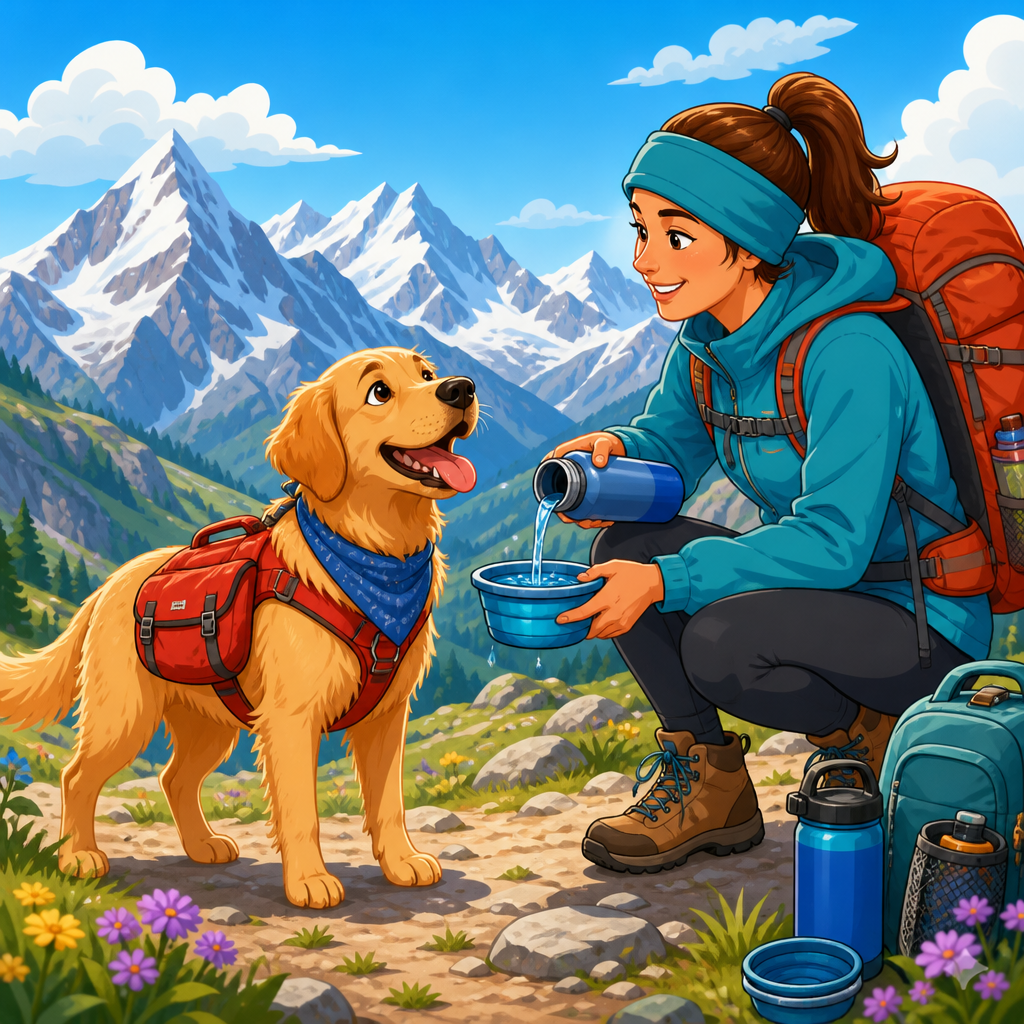
On the trail, slow is safe. Set a pace at which your dog can walk without pulling, frantic panting, or repeated stops. For many flat-faced dogs, that means a stroll with frequent rests rather than a continuous ascent. Use shaded pauses before the dog appears distressed, not after. Small drinks every fifteen to twenty minutes are better than waiting for obvious thirst. Watch surface temperature too; rocky alpine areas can reflect heat even when air temperatures seem mild.
Decision points prevent summit fever from driving bad choices. Before starting, decide the maximum temperature, elevation gain, and time you will allow, and decide what symptoms end the hike immediately. Good triggers include noisy breathing that is worsening, refusal to continue, delayed recovery, vomiting, confusion, or any sign of gum color change. Once those triggers appear, turn around. Owners often lose time hoping a dog will “bounce back” after one more break. With brachycephalic dogs, waiting can be the difference between a manageable descent and a carry-out.
Carrying capacity matters. If your dog cannot safely walk out when tired, you need a realistic evacuation plan. Some owners use emergency slings or dog-carry harnesses, which are sensible if the trail is short and the owner can actually manage the weight. If you cannot carry your dog for the final mile in rough terrain, choose a different route. A flat-faced dog should never be taken into terrain where worsening respiratory distress would leave descent uncertain.
What to do if symptoms begin
The first treatment for suspected altitude-related respiratory distress in a flat-faced dog is to stop exercise and start descending. Move to shade, reduce stimulation, offer small amounts of water, and use cool—not ice-cold—water on the paw pads, groin, and belly if overheating is suspected. Keep the dog calm and upright or in a comfortable sternal position. Do not force water, do not muzzle, and do not crowd the dog’s face. Stress increases oxygen demand and airway turbulence.
If the dog has blue or gray gums, collapses, cannot settle its breathing, vomits repeatedly, or seems mentally altered, this is an emergency requiring immediate veterinary care. Call ahead to the nearest clinic if service allows. In my experience, owners sometimes lose valuable time driving back to lodging first because they hope quiet indoor rest will fix the problem. Respiratory compromise can rebound or worsen after exertion, especially if swelling and heat injury are involved. Go straight for professional care.
Medication questions should be answered before the trip, not improvised on the mountain. Do not give sedatives, human altitude drugs, or anti-inflammatory medications unless a veterinarian specifically prescribed them for your dog and explained when to use them. Some drugs that seem calming can suppress respiratory drive or complicate heat illness. Preventive planning, conservative route choice, and early descent remain the core safety tools.
Safer alternatives and the long-term outlook
The safest mountain plan for many flat-faced dogs is not a summit hike but a cooler, lower-elevation outing with easy escape options. Forest loops, lakeside trails, dawn walks on gentle grades, sniff-focused decompression hikes, and shaded camp strolls often meet a dog’s enrichment needs without exposing it to unnecessary risk. Owners sometimes underestimate how much dogs value novelty, scent, and shared time over mileage. Your dog does not care about peak lists. It cares about comfort and being with you.
Long term, the best protection is honest assessment. Keep your dog lean, discuss airway surgery when clinically appropriate, avoid exercising in heat, and learn your dog’s personal recovery pattern. If repeated mild distress occurs, take that data seriously. Mountains reveal limitations; they do not create them from nowhere. A dog that struggles at altitude is showing you something true about its respiratory reserve.
High altitude hikes with flat-faced dogs can be done safely only in selected cases, on conservative routes, with close observation and a willingness to turn back early. The central lesson is simple: altitude amplifies every weakness in a brachycephalic airway. If you understand that, prepare accordingly, and put your dog’s breathing ahead of your itinerary, you will make better decisions on every trip. Before your next mountain outing, review your dog’s baseline, talk with your veterinarian, and choose the trail your dog can truly handle—not the one you hope it can.
Frequently Asked Questions
Why are high altitude hikes riskier for flat-faced dogs than for other dogs?
High altitude hikes are more demanding for flat-faced dogs because these breeds already have less efficient airways before they ever leave home. Dogs such as Pugs, French Bulldogs, Bulldogs, Boston Terriers, Shih Tzus, and similar mixes often have narrowed nostrils, elongated soft palates, compact nasal passages, and other features that make breathing harder even at sea level. At higher elevations, the air contains less available oxygen with each breath, so the body has to work harder to get the oxygen it needs. A dog with a normal muzzle may compensate reasonably well during gradual exertion, but a brachycephalic dog often has far less breathing reserve.
That matters on the trail because hiking combines several stressors at once: thinner air, physical exertion, excitement, heat from exercise, and sometimes steep climbs. Flat-faced dogs also tend to be less effective at cooling themselves because panting is both their main way to release heat and the same system that is already compromised by airway restriction. In other words, altitude stress and heat stress can stack quickly. What people often call “altitude sickness” in dogs may actually involve overlapping problems such as oxygen deprivation, overexertion, overheating, and airway distress. That is why a hike that seems short or moderate on paper can become dangerous much faster for a brachycephalic dog than for a longer-nosed breed.
What signs of altitude trouble or breathing distress should I watch for during the hike?
Watch for any change that suggests your dog is struggling to oxygenate, regulate body temperature, or recover normally from activity. Early warning signs can be subtle: slowing down more than expected, stopping frequently, lagging behind, unusual reluctance to continue, noisy breathing that is louder than your dog’s normal baseline, exaggerated panting, or needing a long time to settle after even a gentle incline. Some dogs become anxious, restless, or unusually clingy when they feel short of breath. Others may drool heavily, retch, or show signs of fatigue out of proportion to the effort.
More serious warning signs include open-mouth breathing that does not improve quickly with rest, blue or gray gums or tongue, collapse, stumbling, weakness, glassy eyes, confusion, vomiting, or any episode that looks like panic tied to breathing. You should also pay attention to overheating signs because they often overlap: thick saliva, deep rapid panting, bright red gums, disorientation, and refusal or inability to continue. If your flat-faced dog is making harsh airway sounds, extending the neck to breathe, or cannot comfortably recover within a few minutes of stopping in a cool shaded area, treat that as urgent. On a mountain trail, the safest response is usually to stop the hike immediately, cool the dog if needed, minimize exertion, and descend or seek veterinary care without delay. With brachycephalic dogs, waiting to “see if they push through” is exactly what you want to avoid.
Can a flat-faced dog ever safely hike at altitude, or is it better to avoid it completely?
Some flat-faced dogs can manage limited, carefully planned time at moderate elevation, but there is no blanket rule that all brachycephalic dogs can hike safely in the mountains. The decision depends on the individual dog’s airway anatomy, body condition, fitness, age, medical history, tolerance for exercise, and the specific conditions of the trip. A lean, mildly affected Boston Terrier with good conditioning may tolerate a short, cool, gradual walk at a moderate elevation far better than an overweight Bulldog with chronic snoring and poor heat tolerance. Breed label alone does not tell the whole story, but it does tell you this category of dog starts with less margin for error.
Before attempting altitude, it is wise to talk with your veterinarian, especially if your dog has a history of noisy breathing, fainting, exercise intolerance, previous heat stress, or airway surgery. In many cases, the safest option is to choose lower-elevation trails, shorter distances, shaded routes, and cooler weather rather than a true high-altitude hike. If you do go, think in terms of a cautious trial, not a goal-oriented summit day. Start with a very easy outing, keep expectations low, and be ready to turn around early. For some flat-faced dogs, altitude hiking is simply not a good fit, and there is nothing wrong with deciding that scenic valley walks, forest trails, or cooler lowland adventures are the better lifelong choice.
How should I prepare before taking a flat-faced dog on a mountain hike?
Preparation starts well before the trailhead. First, be realistic about your dog’s baseline. If your dog struggles on warm neighborhood walks, snores heavily while awake, tires quickly, or pants excessively with mild activity, altitude will magnify those limitations. Aim for healthy body weight, since extra weight increases the work of breathing and raises heat risk. Conditioning also matters, but conditioning does not fix anatomy. You can improve stamina gradually with regular walks and hill work at lower elevations, yet a fit brachycephalic dog still has the same structural airway challenges.
Next, choose the hike carefully. Look for shorter routes, gentle grades, easy turn-back options, shade, access to water, and cooler parts of the day. Avoid exposed midday climbs, hot weather, high humidity, and trails that require sustained steep effort. If you are traveling from low elevation, build in time to acclimate gradually instead of driving straight to a high trailhead and heading uphill. Pack more water than you think you need, a collapsible bowl, a cooling towel if appropriate, and a properly fitted harness rather than anything that adds pressure to the neck. Know the nearest emergency veterinarian and cell coverage situation before you go. Most importantly, set a turnaround rule in advance based on your dog’s condition, not your destination. If breathing looks harder than normal, if recovery takes too long, or if temperatures rise, the plan should be to stop early without debate.
What should I do if my flat-faced dog starts showing signs of trouble at altitude?
The first step is to stop all exertion immediately. Move your dog to shade or the coolest available area, offer calm reassurance, and avoid anything that increases stress or excitement. Give small amounts of water if your dog is alert and able to drink normally, but do not force large amounts. If the dog seems hot, start cooling with cool—not ice-cold—water on the body, especially around areas where heat can dissipate, and use airflow if possible. Loosen gear, keep the airway as unobstructed as you can, and prevent further climbing. If your dog is distressed, the goal is to reduce oxygen demand and body heat while arranging the quickest safe descent.
If symptoms are mild and resolve rapidly with rest, that does not mean the hike should continue. A flat-faced dog that has already shown breathing strain at altitude has used up a meaningful safety buffer. Turn around and monitor closely. If your dog has persistent noisy breathing, collapse, gum color changes, vomiting, profound weakness, confusion, or difficulty recovering, treat it as an emergency. Descend as soon as possible and seek veterinary attention urgently. Do not assume it is “just being tired,” and do not wait for severe distress before acting. With brachycephalic dogs, prompt intervention is what prevents a manageable problem from becoming a life-threatening crisis on the trail.