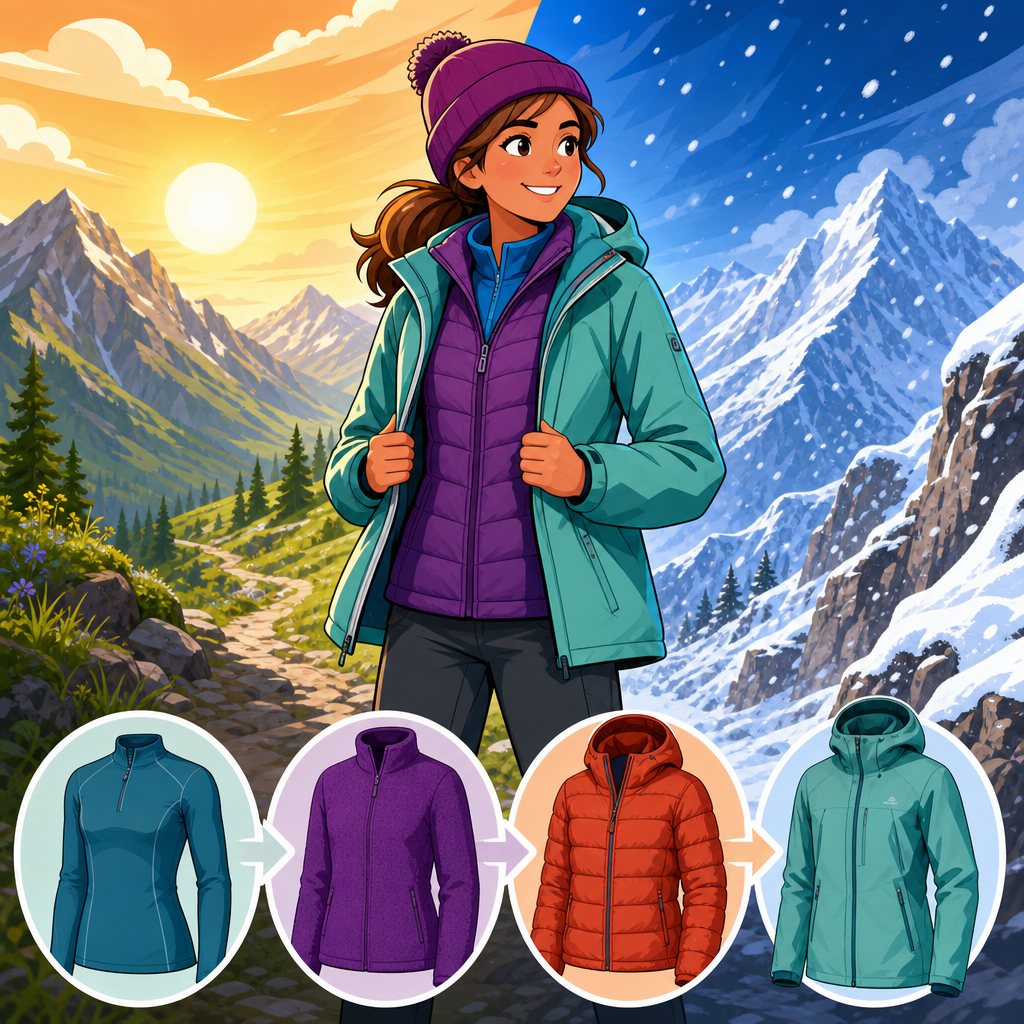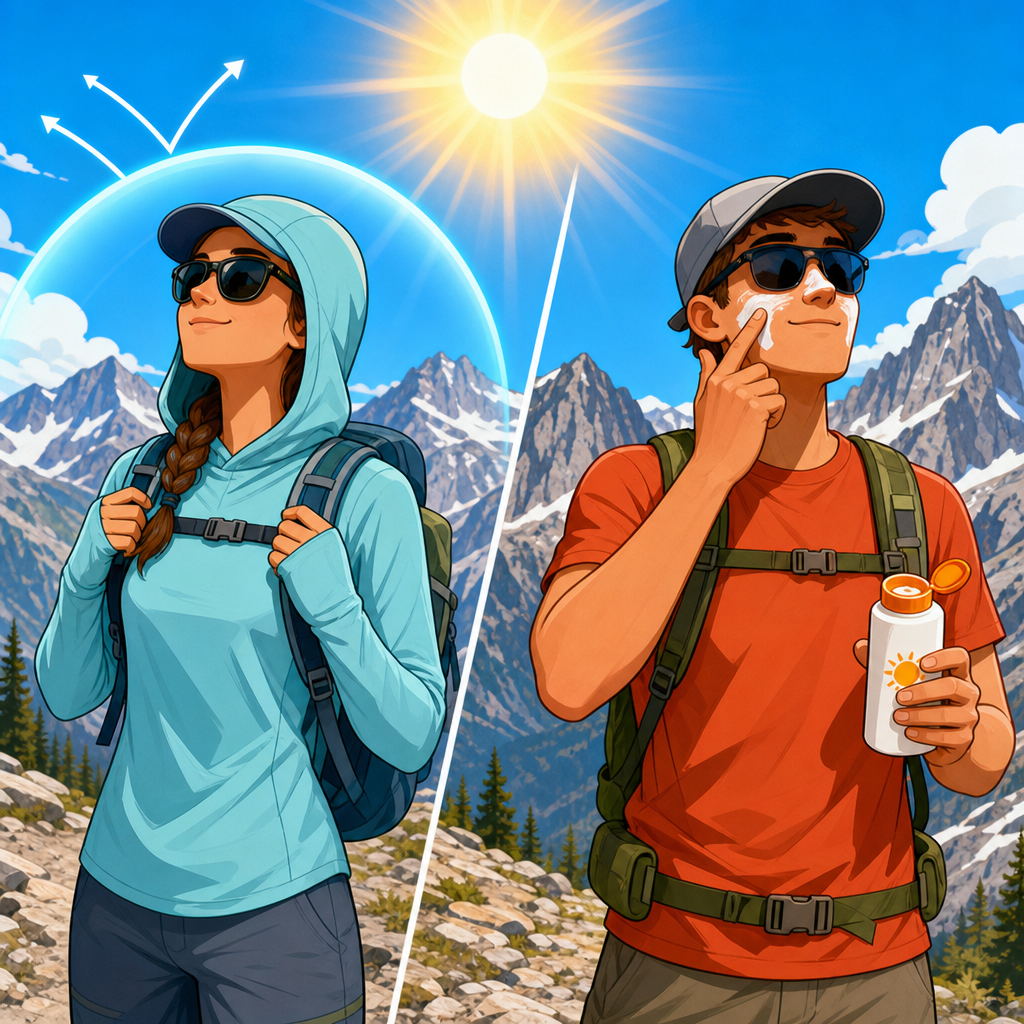
Above tree line, ultraviolet exposure rises fast, weather changes by the hour, and the margin for skin and eye mistakes gets smaller with every thousand feet of elevation. In that environment, the question “UPF hoodies vs sunscreen: what works best above tree line” matters because hikers, climbers, trail runners, and backcountry workers need protection that keeps working during sweat, wind, glare, and long days when reapplication is easy to forget. A useful answer starts with terms. UPF, or Ultraviolet Protection Factor, measures how much ultraviolet radiation a fabric blocks; a UPF 50 garment allows only one-fiftieth of UV to pass through under test conditions. Sunscreen is a topical product regulated in the United States as an over-the-counter drug, and SPF, or Sun Protection Factor, refers primarily to protection against UVB, although modern broad-spectrum sunscreens are also tested for UVA coverage. Above tree line means terrain exposed to direct sun without consistent canopy shade, often at alpine or subalpine elevations where reflection from rock, snow, and pale ground can intensify exposure.
I have managed long alpine days with both systems and learned that neither works best in every situation by itself. A lightweight UPF hoodie can protect the neck, ears, shoulders, forearms, and backs of hands without needing reapplication, which is why many guides, mountain crews, and fastpackers now treat it as standard sun gear rather than optional clothing. Sunscreen still matters because no garment covers the nose, lips, lower face, and often parts of the hands. It also fills gaps when heat, technical movement, or personal preference make full coverage clothing less practical. The bigger hub topic, sun, eye, and skin gear, includes sunglasses, glacier glasses, brimmed hats, lip balm with SPF, sun gloves, buffs, and after-sun skin care, because effective alpine protection is a system, not a single product.
Why does this matter so much above tree line? UV intensity increases with altitude, and a common field rule is roughly 10 to 12 percent more UV for every 1,000 meters of elevation gain, though conditions vary with latitude, ozone, cloud cover, and surface reflectivity. Snow can reflect a high percentage of UV, which is why people burn under the chin and inside the nostrils on spring traverses. Wind and cold can also hide sun damage because skin does not always feel hot while burning. Eye exposure matters too: bright alpine conditions raise the risk of photokeratitis, while chronic exposure contributes to cataracts and skin cancers around the eyelids. So the practical question is not whether clothing or sunscreen is universally superior. It is how to combine them to reduce failure points during real mountain use.
What actually works best above tree line
The best answer is simple: for most people above tree line, a UPF hoodie should be the primary layer of sun protection, and broad-spectrum sunscreen should be the secondary layer used on exposed skin and coverage gaps. Clothing wins as the foundation because it does not sweat off, rub off as quickly under pack straps, or depend on perfect timing every two hours. It protects large surface areas consistently, especially the zones that burn most on long climbs: shoulders, upper back, neck, ears, and forearms. When I compare field outcomes, people wearing a true UPF hoodie and a brim or cap usually finish long exposed days with less redness than people relying mainly on sunscreen, even when both groups started with good intentions.
Sunscreen remains indispensable because mountain travel exposes small, irregular, and high-risk areas that fabric rarely seals completely. The bridge of the nose, cheeks, lower face, lips, and backs of fingers can cook in reflected light, particularly on snowfields and talus. Dermatologists and the American Academy of Dermatology recommend broad-spectrum, water-resistant sunscreen of SPF 30 or higher, applied generously and reapplied at least every two hours and after heavy sweating. Most users underapply. In testing and in practice, the labeled SPF assumes a density of 2 milligrams per square centimeter of skin, much more than the average quick swipe. That gap between lab use and field use is why sunscreen often underperforms outside controlled conditions.
For alpine efficiency, think in layers: cover what you can with fabric, then protect the remaining exposed zones with sunscreen, sunglasses, and lip balm. This approach reduces the area that needs reapplication and lowers the chance that one missed step turns into a serious burn. It is also more cost-effective over a season. A durable sun hoodie may cover dozens of outings, while high-quality mineral or chemical sunscreen gets used quickly when applied across the whole torso and arms. The main tradeoff is thermal comfort. Some people overheat in hoodies during humid climbs, and some dislike sunscreen texture on the face. The right system solves those comfort barriers rather than pretending they do not exist.
How UPF hoodies perform in real mountain conditions
A good UPF hoodie provides reliable, passive protection. Passive is the key word. Once it is on, protection does not depend on memory, camp breaks, or whether your hands are clean enough to reapply product without contaminating food or climbing gear. Above tree line, that matters. You may be moving continuously for hours, using trekking poles, scrambling on abrasive rock, or wearing a pack that makes shoulder application awkward. Technical sun hoodies from brands such as Outdoor Research, Patagonia, Black Diamond, and Mountain Hardwear are built for this exact use case, using polyester or nylon knits that balance air permeability with tested UV resistance.
Not every thin hoodie protects equally. True UPF ratings come from standardized testing, typically under AATCC or ASTM methods, and fabric construction matters as much as fiber content. A tightly knit 100 percent polyester shirt often blocks more UV than an old cotton tee, especially when the cotton is wet and stretched. Color also influences performance; darker shades generally absorb more UV than very pale shades, though modern finishes can improve light-colored garments. Fit matters too. A skin-tight shirt can lose some protective performance when stretched across shoulders or chest, while a loose-cut hoodie creates an air gap that improves cooling and can preserve coverage.
Design details separate average shirts from strong alpine pieces. Look for a hood that fits over a cap, sleeves long enough to cover wrists when using poles, thumb loops or extended cuffs for hand coverage, and a cut that stays tucked under a hip belt. Some models include HeiQ, Polygiene, or similar odor-control treatments, though those do not increase UV protection. Breathability is highly variable. The best hoodies vent enough during uphill movement while still blocking strong sun. In my experience, a light-colored, airy UPF 50 hoodie can feel cooler than bare skin under intense sun because it reduces direct radiant heating, especially on dry, windy ridges where evaporation works efficiently.
Where sunscreen still beats clothing
Sunscreen outperforms clothing in places fabric cannot conveniently cover and in conditions where adding garments creates too much heat load. The face is the clearest example. Few people want a full face covering for every alpine mile, and even buffs leave gaps around the nose and cheeks. Sunscreen also handles transitional moments well: water crossings, rest stops, summit breaks, and short sections where a hoodie comes off to cool down. On hot, still days, especially below and just above tree line during long approaches, some hikers simply comply better with sunscreen than with full coverage clothing. Compliance matters because the best protection is the one you will actually use correctly all day.
Formulation choice matters more than marketing. Mineral sunscreens use zinc oxide, titanium dioxide, or both; they are often better tolerated by sensitive skin and provide dependable broad-spectrum coverage, but some leave a white cast and can feel heavier. Chemical filters, including avobenzone, octocrylene, octisalate, and newer filters in non-U.S. markets, can feel lighter and spread more easily, which can improve real-world coverage. Water resistance is essential above tree line because sweat, precipitation, and abrasion from sleeves or buffs quickly reduce protection. Sticks are useful for the nose, ears, and around the eyes, while lotions usually give more even coverage than sprays in windy terrain. Lip balm should be SPF 30 or higher; burned lips are common and miserable.
| Protection method | Best use above tree line | Main strengths | Main limits |
|---|---|---|---|
| UPF hoodie | Torso, neck, arms, partial hands | Constant coverage, no reapplication, pack-strap friendly | Can feel warm in humid heat, face remains exposed |
| Broad-spectrum sunscreen SPF 30+ | Face, ears, neck gaps, hands, legs | Flexible, covers irregular areas, works with any outfit | Needs generous reapplication, easy to underapply |
| Sun gloves and brimmed cap | Hands, ears, scalp, forehead | Low effort, high payoff on exposed routes | Not complete without eyewear and face sunscreen |
| Category 3 or 4 eye protection | General alpine travel or snow travel | Reduces glare, protects cornea and eyelids | Wrong lens category can be unsafe for driving or low light |
How to build a complete sun, eye, and skin gear system
The smartest alpine setup combines clothing, topical protection, and eyewear. Start with a UPF hoodie as the base for exposed weather. Add a brimmed cap or trucker cap to shade the forehead and improve hood performance. For eye protection, use wraparound sunglasses with at least UV400 protection; on snow, glacier glasses or side-shield models are better because reflected light enters from the sides and below. Lens category matters. Category 3 works for most bright mountain days, while Category 4 is intended for very intense sun, often on snow or glacier terrain, but is too dark for driving. Good optics from Julbo, Smith, Oakley, and similar brands reduce squinting and help prevent the headache and fatigue that come from constant glare.
Skin protection extends beyond shirts and sunscreen. Sun gloves are underused and extremely effective, especially for hikers using poles and climbers belaying for long periods. The backs of the hands age quickly and burn easily because they stay exposed all day. A neck gaiter or buff adds modular coverage when wind, dust, or snow reflection increase exposure. For legs, some people prefer lightweight soft-shell or woven trekking pants with documented UPF, while others use shorts plus sunscreen. I usually recommend pants on routes with snow patches, sharp vegetation, or heavy bug pressure because they solve several problems at once. After-sun care matters too: cleanse sweat and sunscreen gently, rehydrate skin with a simple fragrance-free moisturizer, and monitor for unusual moles or persistent rough spots.
This hub page supports deeper decisions across the broader gear, monitoring, and safety category. Sun and skin protection connects directly to hydration planning, heat illness awareness, weather timing, and route selection. If the UV index is high and the route includes snowfields, your eye and skin gear should be considered essential safety equipment, not comfort accessories. If you are choosing between spending money on another lightweight top or on proper glacier glasses, buy the item that closes the biggest exposure gap in your current setup. In many kits, that means improving eyewear and hand protection first, then upgrading shirts and sunscreen formats for better daily compliance.
Choosing by season, terrain, and skin type
The “best” setup changes with conditions and personal risk factors. In summer on dry, windy ridges, a breathable UPF hoodie often feels excellent and beats repeated sunscreen applications on the arms and neck. During monsoon humidity or on steep, sheltered approaches, some users may prefer a short-sleeve shirt until they reach exposed terrain, then switch to a hoodie. On snow, protection needs jump significantly because reflection hits the face and under-chin areas that people forget. Winter and spring ski tours require the same discipline; cold temperatures do not reduce UV risk enough to matter when sunlight is strong and snow is bright.
Skin type influences how conservative your system should be. People with very fair skin, a history of blistering burns, melasma, photosensitive conditions, or prior skin cancer should lean hard toward maximum coverage clothing plus rigorous sunscreen use on exposed zones. Darker skin tones have more natural melanin protection but are not immune to UV damage, hyperpigmentation, actinic injury, or skin cancer, and delayed detection can worsen outcomes. Children need especially consistent coverage because early-life UV exposure contributes to lifetime risk. Medication also matters. Doxycycline, isotretinoin, some diuretics, and other drugs can increase photosensitivity. If you are on a medication known to affect sun response, clothing becomes even more valuable because it removes some user error from the equation.
Common mistakes and the most practical recommendation
The biggest mistakes above tree line are predictable: relying on a basic cotton shirt, carrying sunscreen but not reapplying it, forgetting lips and ears, using fashion sunglasses without verified UV protection, and assuming clouds make protection unnecessary. High thin cloud can still allow substantial UV through, and many severe burns happen on cool, overcast mountain days when people lower their guard. Another mistake is buying a hoodie for comfort without checking whether it has a real UPF rating. A thin shirt may feel sun protective while transmitting far more UV than expected, especially when wet with sweat or stretched by movement.
So, UPF hoodies vs sunscreen: what works best above tree line? For most hikers and climbers, the winning strategy is not either-or. Use a tested UPF hoodie as your primary defense, then apply broad-spectrum SPF 30 or higher sunscreen to the face, ears, lips, neck gaps, and any other exposed skin. Pair that with quality sunglasses, a cap, and hand protection when exposure will be long or reflective. This system is simple, durable, and easier to sustain over full alpine days than sunscreen alone. Review your current kit before your next trip, identify the body areas you routinely miss, and upgrade the weak link first.
Frequently Asked Questions
Is a UPF hoodie better than sunscreen above tree line?
In most above-tree-line conditions, a UPF hoodie is the more reliable primary layer of sun protection, while sunscreen works best as the backup for exposed skin. The reason is simple: fabric protection does not depend on memory, perfect application, or frequent reapplication. At higher elevation, ultraviolet intensity increases, reflected light from rock, snow, and pale terrain can add to exposure, and weather often shifts from cool wind to intense sun within the same hour. In that setting, a hooded sun shirt with a strong UPF rating gives steady coverage to the shoulders, arms, neck, upper back, and often part of the hands and sides of the face, even when you are sweating hard or moving all day.
Sunscreen still matters because clothing cannot cover everything comfortably or safely. Your nose, cheeks, lips, ears, around the eyes, and often your lower face and hands remain vulnerable. Those areas tend to burn quickly above tree line, especially when glare bounces upward. So the practical answer is not really UPF hoodie versus sunscreen as an either-or choice. For most hikers, climbers, and trail runners, the best system is a UPF hoodie as the foundation and broad-spectrum sunscreen on every area the garment does not cover. If you want the shortest version: above tree line, clothing usually does the heavy lifting, and sunscreen fills the gaps.
What does UPF actually mean, and how does it compare with SPF sunscreen?
UPF stands for Ultraviolet Protection Factor, and it measures how much ultraviolet radiation a fabric allows to reach your skin. A UPF 50 garment, for example, is designed to let only a small fraction of UV pass through under test conditions. That makes it useful for environments where long exposure adds up quickly, such as ridgelines, alpine basins, glaciers, and open summits. SPF, by contrast, refers to Sun Protection Factor for sunscreen and is focused mainly on UVB protection, though broad-spectrum sunscreens also address UVA. In plain language, UPF tells you how protective the clothing is, while SPF tells you how protective the sunscreen is when it is applied correctly.
The key phrase is “when applied correctly.” Sunscreen often underperforms in real life because most people apply too little, miss spots, or wait too long to reapply after sweating, wiping their face, or wearing a pack. UPF clothing is less dependent on technique. Once it is on, it keeps working as long as the fabric remains intact and covers the skin. That consistency is a major advantage above tree line, where conditions are harsher and margin for error is lower. Still, UPF is not magic. Fit, fabric stretch, wear, moisture, and coverage all affect real-world protection. A loose, well-designed sun hoodie with a true UPF rating generally performs far better than a thin ordinary shirt with no tested rating.
Why is sun protection more important above tree line than at lower elevations?
Above tree line, several risk factors stack together. First, ultraviolet exposure generally increases with elevation, so the same amount of midday sun can hit harder on a summit approach than on a forested trail below. Second, you lose the natural shade that trees provide. Once you are in open alpine terrain, there may be no meaningful shelter for hours. Third, reflective surfaces can intensify exposure. Snow is the obvious example, but light-colored granite, talus, sand, and even cloud layers can increase the amount of UV reaching the face and eyes from different angles. That means you can burn not just from overhead sun, but from reflected light as well.
There is also a behavioral factor. People often underestimate solar exposure when the air is cool, windy, or cloudy. Above tree line, that is common. You may feel chilled enough to think sunburn is unlikely, even while UV remains strong. Add sweat, long mileage, altitude fatigue, and the distraction of routefinding, and it becomes easy to forget to reapply sunscreen or adjust clothing. That is why systems that reduce decision-making, such as a UPF hoodie, brimmed cap, sunglasses, and lip protection, are so valuable. They provide passive protection in a place where active habits can easily slip.
When is sunscreen still necessary if I am already wearing a UPF hoodie?
Sunscreen is still necessary anytime skin remains exposed, and above tree line that usually means more areas than people expect. Even with a good sun hoodie, you often still need sunscreen on the face, nose, ears, lips, around the eyes, backs of the hands, fingers, and sometimes the lower legs. If the hood shifts in wind, if you unzip the neck for ventilation, or if you push sleeves up during a climb, those newly exposed areas also need coverage. Sunscreen becomes especially important on routes with snowfields, glaciers, or strong reflected glare, where the underside of the chin, nostrils, and lower face may receive more UV than usual.
It also matters that sunscreen protects irregular surfaces where clothing cannot seal well. The bridge of the nose, cheekbones, ear rims, temples, and scalp along a part line are classic high-burn zones. A water-resistant, broad-spectrum sunscreen helps, but only if you apply enough and reapply according to conditions. In practical terms, put it on before you start, let it set, and carry it somewhere accessible rather than buried in your pack. Many people do better with a small stick for face and lips plus a lotion or stick for hands and other exposed spots. If you rely on a hoodie alone, the uncovered details are often where the burn happens.
What is the best above-tree-line sun protection setup for all-day travel?
The best setup is a layered system, not a single product. Start with a lightweight, breathable UPF hoodie that covers the neck, arms, and upper torso. Choose one you will actually keep on while moving, because comfort drives compliance. Add high-quality sunglasses with strong UV protection, since eye exposure becomes more serious in open alpine terrain and especially around snow. A hat or cap can work with the hood to shade the face, and lip balm with sun protection is often overlooked but important. Then use broad-spectrum sunscreen on every exposed area, especially the nose, cheeks, ears, hands, and any skin the hood or sleeves do not consistently cover.
For long days, think in terms of durability and routine. Put sunscreen on before exposure begins, not after you feel sun on your skin. Reapply during natural breaks like water stops, transitions, or summit pauses. Keep the hoodie on even when the air feels cool, because UV damage is not tied to temperature. If conditions are highly reflective, increase protection rather than relaxing it: tighten your system, use the hood consistently, keep sunglasses on, and pay attention to overlooked spots. In other words, the most effective answer to “UPF hoodies vs sunscreen: what works best above tree line” is usually both, with UPF clothing as the dependable base and sunscreen as the precise finishing layer that protects what fabric cannot.