High-altitude bakers often ask whether convection mode helps or hurts results, and the practical answer is yes, you can use convection mode for high-altitude baking, but only when you adjust heat, timing, structure, and moisture together. In mountain kitchens, lower air pressure changes how batters rise, how water evaporates, and how sugars concentrate, while convection changes how hot air moves across the food. Those two forces interact in ways that can produce taller cakes, drier cookies, overexpanded muffins, or beautifully even roasts depending on the recipe and the settings. Understanding that interaction is the foundation of reliable baking troubleshooting and a smoother workflow.
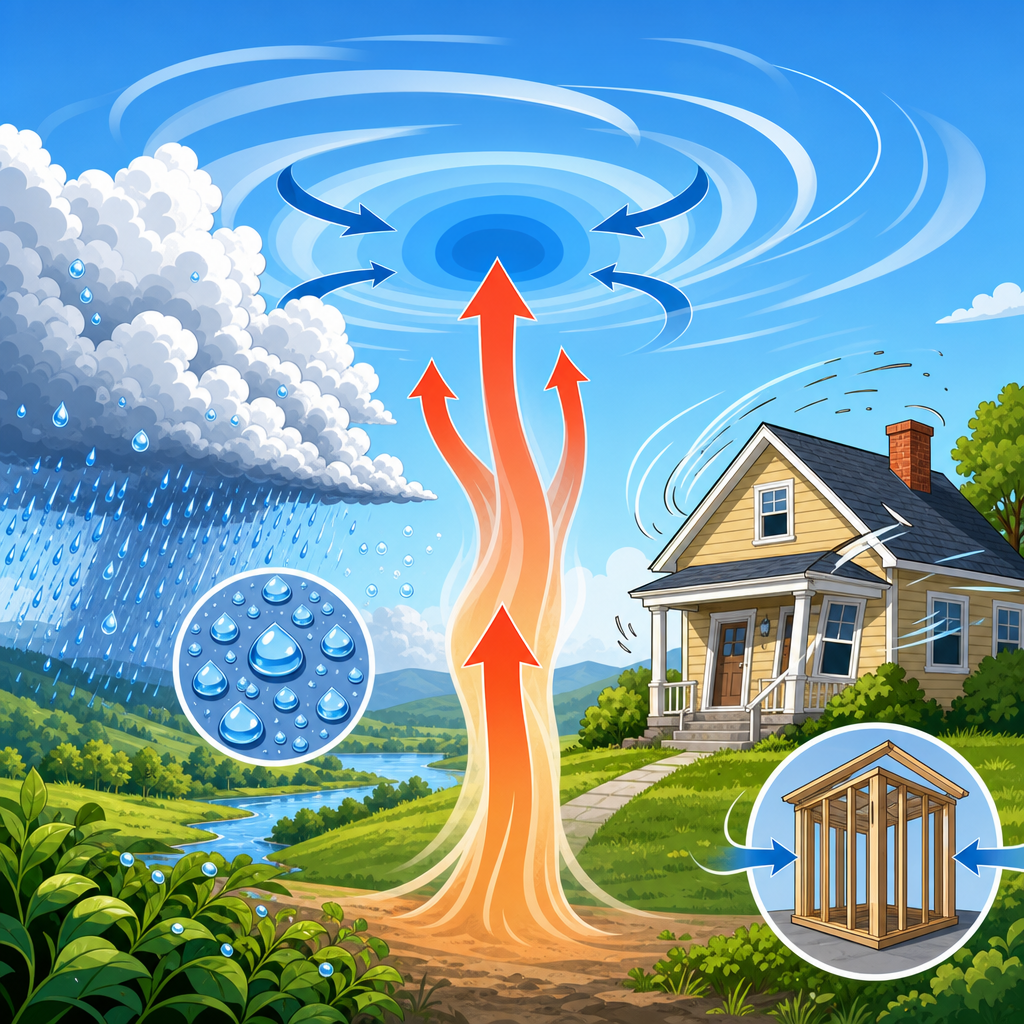
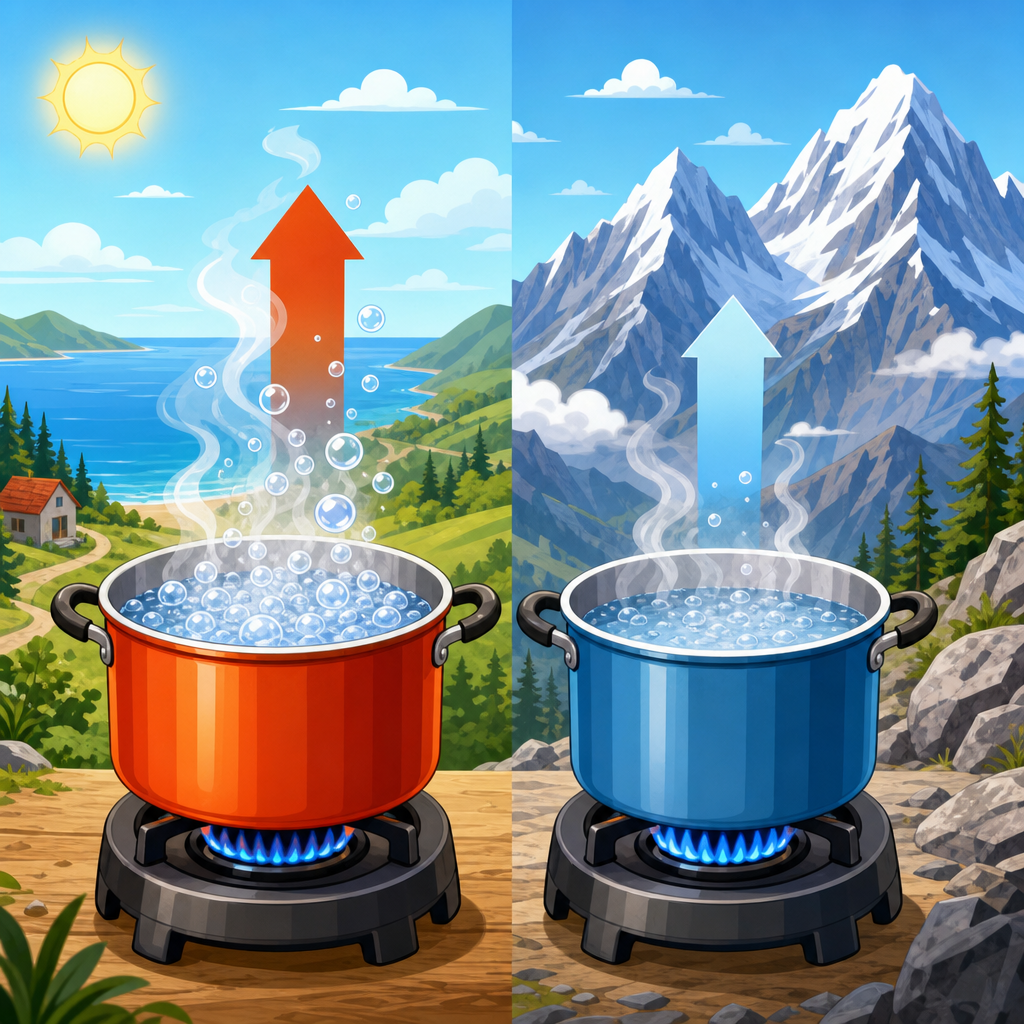
High altitude generally refers to elevations above about 3,000 feet, with stronger effects often appearing above 5,000 feet. As elevation rises, atmospheric pressure drops. That means gases expand more easily, leavening acts faster, and liquids evaporate sooner. Convection mode, whether true convection with a rear heating element or standard fan-assisted convection, circulates hot air to speed heat transfer and promote more even browning. In practice, that often means recipes bake faster and lose moisture faster. I have tested the same muffin and cookie formulas in both conventional and convection ovens at altitude, and the difference is immediate: convection can sharpen edges, set crusts earlier, and expose weaknesses in a formula that looked fine at sea level.
This matters because high-altitude baking problems rarely come from one variable. A sunken cake may be caused by too much leavening, too much sugar, underbaking, or an aggressive fan that sets the exterior before the interior can stabilize. Dry quick breads can trace back to reduced pressure, excess bake time, low oven humidity, or a convection setting left unadjusted. For a baker trying to troubleshoot efficiently, convection is not just an oven feature. It is part of the workflow decision tree: when to use it, when to avoid it, and how to pair it with recipe changes so results become predictable rather than frustrating.
What convection mode does at altitude
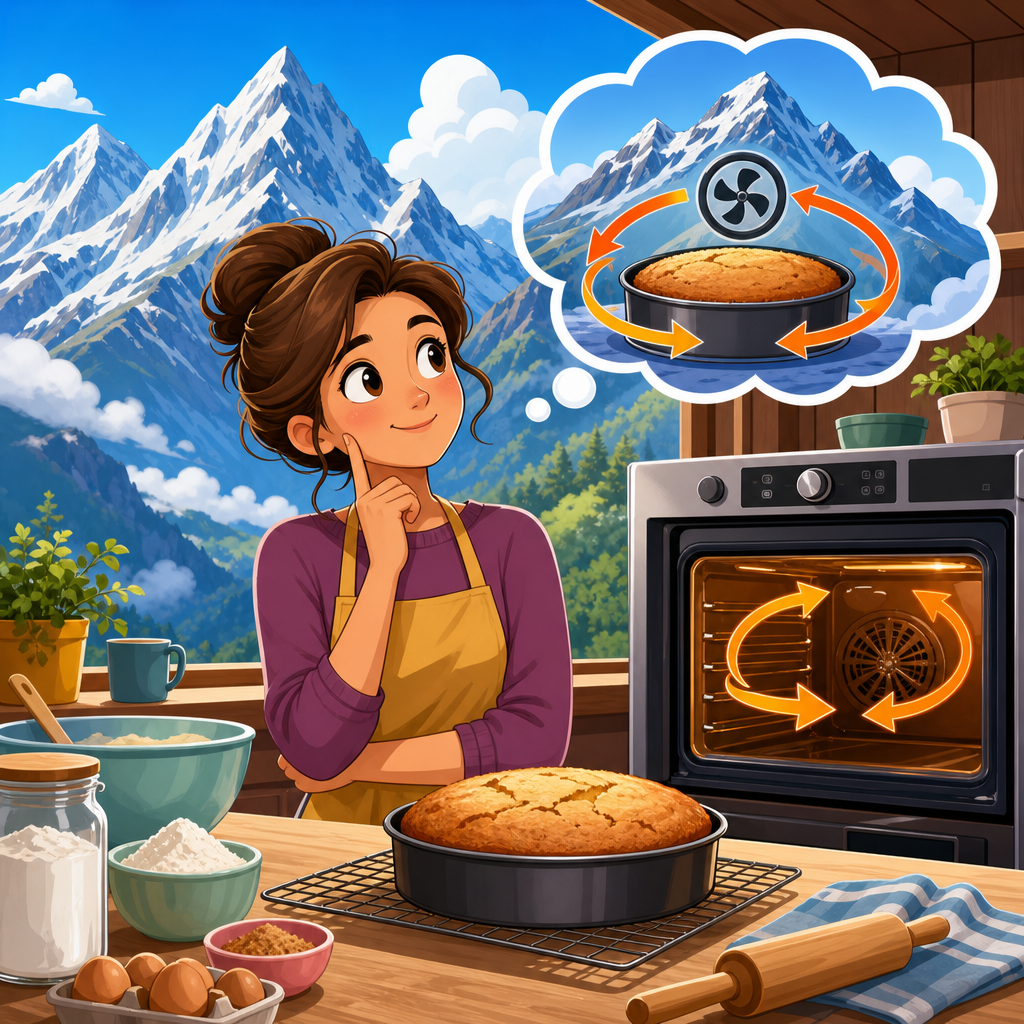
Convection mode improves heat transfer by moving hot air around the oven cavity. In a conventional oven, still air creates microclimates, so one side of a pan may brown faster than another, and the surface may take longer to set. In convection, the moving air strips away the cooler boundary layer around the food. That speeds evaporation and encourages quicker crust formation. At high altitude, where evaporation is already accelerated, this can be helpful for pies and pastry that benefit from crispness, but risky for cakes and delicate batters that need controlled expansion before the structure locks in.
The standard conversion rule is to reduce the temperature by 25°F when switching a recipe from conventional to convection. At altitude, that is a starting point, not a guarantee. If you are already increasing oven temperature slightly for altitude to help set structure earlier, you may not want the full 25°F reduction. For example, at 7,000 feet I often test a layer cake sea-level formula by raising liquid, trimming sugar, reducing chemical leavening, and then using convection only if the oven has gentle fan control. In some ovens, 350°F conventional performs better than 325°F convection because the fan dries the batter before the center stabilizes.
Oven design matters. European-style true convection systems with rear elements tend to distribute heat more evenly than basic fan-only modes. Countertop combi ovens can be even more aggressive because their cavities are smaller and air velocity is higher. If your oven runs hot, convection can magnify the issue. An oven thermometer or, better, a probe-based oven temperature monitor is essential. I have seen home ovens labeled 325°F convection drift to nearly 350°F in cycling peaks. At altitude, that difference is enough to turn a tender muffin into a peaked, dry one with tunneling.
When convection helps, and when it creates problems
Convection mode works best for foods that benefit from steady browning, quicker surface drying, and efficient heat circulation. Think cookies, scones, pie crusts, puff pastry, sheet-pan dinners, granola, and many yeasted breads. It can also help with multi-rack baking because moving air reduces hot and cool zones. At altitude, where bakers often fight uneven rise or delayed setting, convection can improve consistency if the formula already accounts for lower pressure. A properly adjusted choux pastry or cream puff recipe, for instance, often benefits from an initial high heat to drive steam followed by convection to dry the shells thoroughly.
Convection is less forgiving for cakes, cheesecakes, custards, soufflés, and delicate quick breads. These items rely on a narrow window in which gases expand, proteins denature, starches gelatinize, and moisture remains available long enough to support lift. A fan can push that sequence out of balance by drying the surface too soon or creating asymmetrical rise. Angel food cake and sponge cake are especially vulnerable because foam structure is fragile. I generally recommend conventional mode first for these recipes at altitude unless you have tested the formula repeatedly and know how your oven behaves.
There is also a timing issue. Convection usually shortens bake time, but the reduction is recipe dependent. Cookies may finish 10 to 20 percent faster. A large artisan loaf may need similar total time but a different venting and tenting strategy. A fruit pie may brown too quickly on top while the bottom crust still needs more time. Effective troubleshooting means watching doneness indicators rather than trusting clock time alone: internal temperature for enriched breads, center-set movement for cheesecakes, spring-back for cakes, and deep golden color for laminated pastry.
| Recipe type | Use convection at altitude? | Main benefit | Main risk | Best starting adjustment |
|---|---|---|---|---|
| Cookies | Usually yes | Even browning, faster set | Dry edges, overspread if formula is weak | Lower 25°F, check early, chill dough if needed |
| Muffins and quick breads | Sometimes | Better top color | Peaked tops, tunnels, dryness | Use gentle fan or conventional first |
| Layer cakes | Often no | Possible even baking in reliable ovens | Early crusting, collapse, doming | Prefer conventional unless fully tested |
| Pie crust and pastry | Usually yes | Crisper layers and shell | Top browns before filling cooks | Shield edges and monitor color |
| Yeast breads | Often yes | Stronger oven spring, crust development | Excess crust before full expansion | Use steam early, vent later |
Core recipe adjustments that matter more than the fan
The most important point in high-altitude baking troubleshooting is that convection cannot fix a formula that is not altitude adjusted. The classic changes still matter first. Many recipes need less baking powder or baking soda because gases expand more readily. Sugar often needs slight reduction because it weakens structure and increases tenderness. Liquid usually needs to increase to offset faster evaporation. Flour sometimes needs a modest increase for support, especially in cakes and muffins. Oven temperature is frequently raised in conventional baking to set the structure earlier, but with convection the ideal move may be a smaller increase, no increase, or even a reduction depending on the product.
A practical example is banana bread at 5,500 feet. If the sea-level recipe uses 2 teaspoons of baking powder, 1 cup sugar, and 2 cups flour, a successful altitude test may drop the baking powder to 1 1/2 teaspoons, trim sugar by 1 to 2 tablespoons, add 2 to 4 tablespoons extra liquid, and increase flour slightly if the batter is loose. If you then use convection without changing anything else, the loaf may brown too fast and split aggressively. But if the formula is already stabilized, convection can give a nicely domed loaf with a fully baked center and less gummy line near the base.
For cakes, egg management can be decisive. Additional egg white can strengthen structure, while overbeating whole eggs can create too much trapped air that expands rapidly at altitude. Mixing method also matters. The creaming stage should build a fine, stable emulsion rather than a huge air reservoir. In troubleshooting sessions, I often find bakers blaming convection when the real issue is a batter that was overaerated, overleavened, or mixed in a bowl too large to emulsify properly. Workflow starts before the pan enters the oven.
Troubleshooting common failures in a high-altitude convection workflow
If your cake rises quickly and then collapses, the likely causes are excess leavening, too much sugar, too low structural support, or a convection fan that sets the outside before the center can support itself. Start by reducing chemical leavening, verifying pan size, and baking in conventional mode. If you still want convection, use the lowest fan setting and move the rack to the center. For cupcakes with mushroom caps or large tunnels, lower the fan intensity if possible and avoid overfilling the wells. Batter depth strongly affects rise behavior at altitude.
If cookies come out dry, hard, or too dark underneath, first check actual oven temperature with an independent thermometer. Many ovens overbrown in convection because the bake was not shortened. Next evaluate dough hydration and sugar ratio. Brown sugar, invert sugars, and yolk can help retain moisture. At altitude, I often add a teaspoon or two of extra liquid per batch for lean cookie doughs, especially in dry winter climates. Chilling also helps because colder dough spreads more slowly, buying time for controlled setting.
If pie crust is browned before the filling bubbles, convection may be over-accelerating top color. Shield the rim, place the pie lower in the oven to improve bottom heat, and consider starting conventionally before switching to convection for the last third of baking. For yeast breads with thick crust and dense centers, the issue may be proofing rather than the oven. Dough ferments faster at warmer kitchen temperatures common in sunny mountain homes. Slightly underproofed dough can burst violently in a dry convection environment; overproofed dough can collapse before oven spring finishes.
Workflow discipline prevents many of these failures. Measure by weight, not cups. Record elevation, oven mode, rack position, pan material, and actual bake time. Aluminum pans generally promote more even cake baking than dark nonstick, which can intensify browning in convection. Rotate only when necessary and only after structure has begun to set; opening the door early is more disruptive at altitude because fragile batters are already expanding rapidly. Small notes build a reliable personal system faster than chasing one-off fixes.
Building an efficient baking workflow for mountain kitchens
A strong high-altitude baking workflow begins with triage. Before mixing, classify the recipe: delicate foam, butter cake, quick bread, cookie, pastry, custard, or yeast dough. Then choose your oven mode based on structure and moisture needs. If the product is fragile and relies on gradual setting, default to conventional. If it benefits from surface drying or multi-rack consistency, convection is a candidate. This single decision saves ingredients because it prevents using a one-size-fits-all oven setting across unrelated products.
Next, standardize your environment. Keep a scale on the counter, an oven thermometer in the cavity, and a notebook or digital log for each bake. Track humidity if possible; mountain air can be very dry, especially in winter, and that affects flour absorption. I also recommend preheating longer than you think necessary. Many ovens signal readiness before the walls, stone, or steel have fully equilibrated. Inconsistent preheat is a hidden cause of weak bottoms, erratic rise, and pale crust. For pastries and breads, a baking steel or stone can make heat delivery more stable regardless of fan use.
Pan choice and placement are part of workflow, not afterthoughts. Shiny aluminum reflects more heat and is usually better for cakes and muffins. Dark pans absorb more heat and can be useful for crusty breads but risky for sugary bakes in convection. Use the center rack for most items, the lower-middle rack for pies, and avoid overcrowding. True convection can handle multiple sheets, but airflow still needs room. If cookies on the top rack finish much faster than the bottom rack, your oven’s fan pattern may not be as even as the manual suggests.
Finally, define doneness with objective markers. An instant-read thermometer is one of the best baking troubleshooting tools available. Lean and enriched breads are typically done around 190 to 210°F depending on style; many butter cakes finish around 200 to 210°F in the center; cheesecakes should not be judged by temperature alone but by controlled jiggle. When bakers rely only on time, convection at altitude creates false confidence because surfaces look done before interiors finish. Objective checks bring consistency.
How this hub supports deeper troubleshooting articles
This page is the hub for baking troubleshooting and workflow within high-altitude cooking because convection questions rarely stand alone. A baker asking about fan mode is usually also asking why muffins tunnel, why cookies spread, why cakes sink, why pie crust dries out, or why the same recipe works in winter but fails in summer. The right next step is to connect oven mode with product-specific guidance. For example, cookie troubleshooting should break down spread, thickness, edge browning, and pan temperature. Cake troubleshooting should address leavening balance, batter temperature, pan depth, and carryover heat. Bread workflow needs separate guidance on fermentation timing, shaping tension, steam, and crust management.
The main benefit of treating convection as part of a larger workflow is that it turns guesswork into repeatable decisions. You do not need to fear convection mode at altitude, and you do not need to force it into every recipe. Use it where moving air improves browning, crispness, and batch consistency. Avoid or limit it where fragile structure and moisture retention matter more. Start with an altitude-adjusted formula, verify actual oven behavior, document your results, and change one variable at a time. If you are building a dependable mountain baking routine, use this hub as your starting point, then move to the specific troubleshooting guides for cakes, cookies, breads, pastries, and pan selection to refine each category with confidence.
Frequently Asked Questions
Can you use convection mode for high-altitude baking, or is it better to avoid it?
Yes, you can absolutely use convection mode for high-altitude baking, but it is rarely a simple switch-and-go situation. At higher elevations, reduced air pressure affects how quickly batters expand, how fast moisture evaporates, and how sugars and liquids behave during baking. Convection adds another variable by circulating hot air more aggressively around the food. That moving air can be helpful because it promotes even browning and efficient heat transfer, but at altitude it can also intensify problems you already have, such as over-rising, crusts setting too fast, dry textures, or baked goods collapsing after looking perfect in the oven.
The practical answer is that convection works best when you treat it as part of a full adjustment strategy rather than a standalone fix. If you use convection at altitude, you often need to lower the oven temperature slightly, watch for a shorter baking time, and support the recipe’s structure with thoughtful changes to flour, eggs, or liquids depending on what you are making. Cakes, muffins, quick breads, cookies, and pastries all respond differently. In many mountain kitchens, convection can improve consistency once you understand how your oven behaves, but recipes that are already delicate may need testing before convection becomes your default setting.
How should you adjust oven temperature and baking time when using convection mode at high altitude?
A good starting point is to reduce the oven temperature by about 25 degrees Fahrenheit when switching from conventional bake to convection, then begin checking for doneness earlier than the original recipe suggests. That is standard convection advice in many kitchens, but at high altitude it becomes even more important because evaporation is already happening faster and the structure of baked goods can set differently. If the oven runs too hot or the batter is exposed to strong moving heat too early, the outside may brown or firm up before the center has finished expanding and baking properly.
Timing adjustments depend on the item. Cookies may be done noticeably sooner, while cakes may need close monitoring because they can dome quickly, set a crust too early, or dry out around the edges. For high-altitude baking, you should not rely on time alone. Use visual and physical cues: cakes should spring back lightly and test clean or with a few moist crumbs, cookies should look set at the edges but not over-dark, and quick breads should be fully baked through the center without a thick dry outer layer. Keep detailed notes, because your exact elevation, oven calibration, pan color, and recipe formula all affect the ideal combination of temperature and time. In practice, many successful high-altitude bakers treat the first convection attempt as a test batch and fine-tune from there.
Does convection mode make cakes, cookies, and breads dry faster at high altitude?
It can, and that is one of the main reasons high-altitude bakers need to be cautious. High altitude already speeds moisture loss because water evaporates more readily in lower air pressure. Convection increases airflow, which can intensify surface drying and overall moisture loss during baking. The result may be cakes with dry edges, cookies that spread and crisp too much, muffins that look done before the crumb is fully balanced, or yeast breads that form a crust too quickly. In other words, convection does not automatically ruin baked goods at altitude, but it does amplify the need to manage moisture carefully.
To compensate, bakers often adjust more than one variable at once. Depending on the recipe, you may need to add a little more liquid, slightly reduce sugar, increase flour for better support, or add an extra egg white or whole egg to strengthen structure. Fat can also influence how dry the final product feels, especially in cakes and cookies. Another smart move is to avoid overbaking by checking doneness early and removing items as soon as they are properly set. If your oven has a strong fan, rotating pans may not be enough to prevent drying, so you may decide convection works better for sturdier items like cookies or pie crusts than for very tender sponge cakes. The key is to think of convection and altitude as compounding factors, not separate issues.
What kinds of baked goods respond best to convection mode at high altitude?
Convection often works well for baked goods that benefit from even heat circulation and a drier baking environment, such as cookies, scones, biscuits, pastry shells, roasted nuts, and some rustic breads. These items can gain better browning and more uniform baking from the moving air, especially when baked in multiple pans or on more than one rack. At altitude, convection may also help reduce uneven hot spots in the oven, which is useful when consistency is a challenge. That said, even with these items, you still need to account for faster evaporation and potentially shorter bake times.
More delicate baked goods usually require greater caution. Foam cakes, chiffon cakes, soufflé-like batters, and very tender layer cakes can be more vulnerable to overexpansion, premature crust formation, and collapse, especially at higher elevations. Quick breads and muffins can go either way depending on the formula: some benefit from more even heating, while others peak too quickly and then sink. Yeast breads may brown beautifully under convection, but if humidity and dough strength are not well balanced, the crust can set before full oven spring is complete. If you are deciding where to start, use convection first on recipes with a forgiving structure and clear visual doneness cues. Once you know how your oven behaves, you can experiment with more sensitive batters from a stronger position.
What is the best overall strategy for successful high-altitude baking with convection mode?
The best strategy is to make coordinated adjustments instead of changing only one thing. High-altitude baking already asks you to balance rise, moisture, sweetness, and structure because lower air pressure changes how ingredients behave. Convection changes the heat environment by moving hot air around the food more efficiently. When those two effects combine, they can either improve results or exaggerate weaknesses in the recipe. That is why experienced bakers approach convection at altitude by evaluating the whole formula: oven temperature, bake time, liquid level, flour quantity, sugar amount, leavening strength, and egg content all work together.
A practical method is to start with a familiar recipe, lower the baking temperature modestly, and monitor the bake early and often. If the item rises too fast, dries out, or browns before the center is ready, the next test may need more liquid, slightly less leavening, or stronger structure from extra flour or egg. If the final product feels heavy or under-risen, the adjustment may have gone too far and needs to be dialed back. Also remember that altitude ranges matter: a kitchen at 3,500 feet behaves differently from one at 7,500 feet, and ovens vary widely in fan strength and calibration. The most reliable path is careful observation, small controlled changes, and written notes. With that approach, convection mode can become a useful tool for high-altitude baking rather than something to avoid.