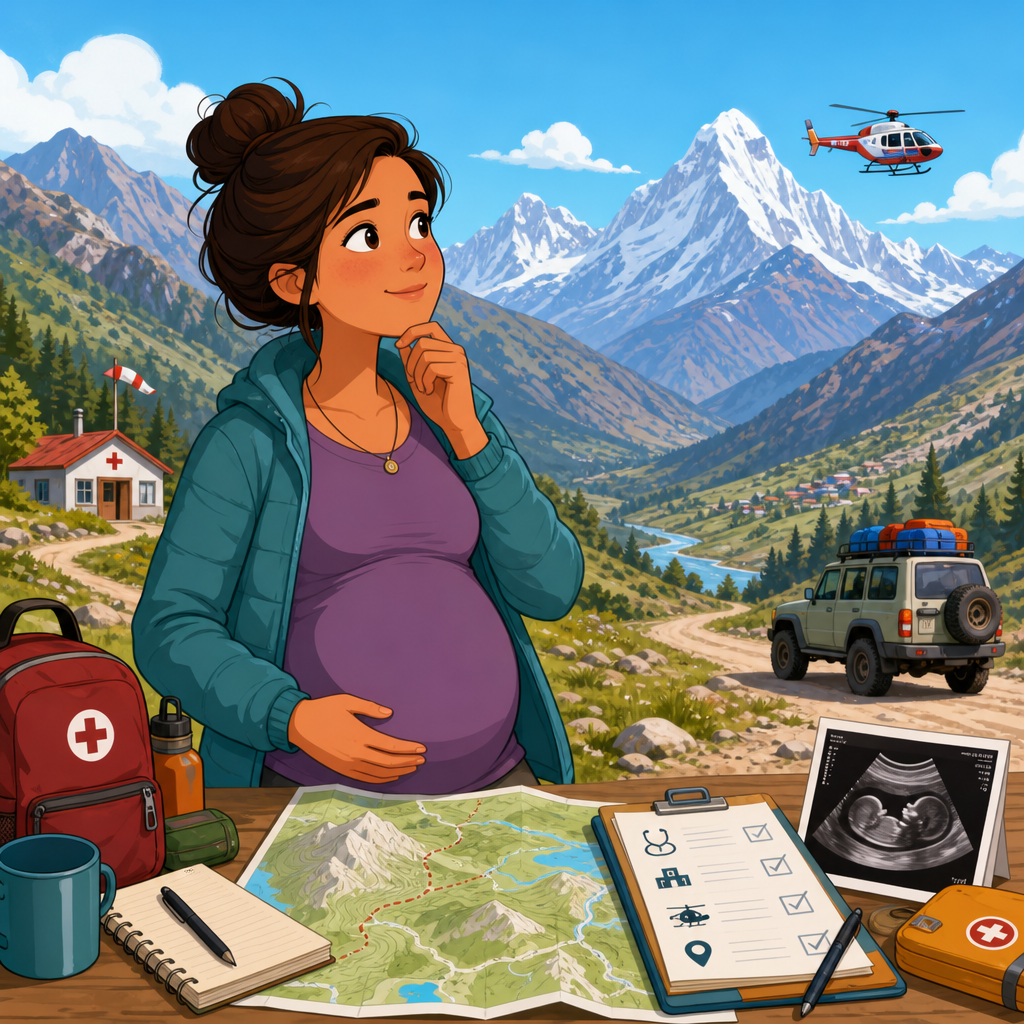
Remote mountain travel changes pregnancy risk planning because altitude, distance, weather, terrain, and delayed access to care can turn routine discomforts into time-sensitive problems. Pregnancy travel usually refers to any trip taken while pregnant, whether for work, family, recreation, or relocation, but mountain travel adds variables that standard travel advice often treats only briefly. In practice, planning for a city break at twenty-four weeks and planning for a lodge stay reached by winding roads, patchy cell service, and a small regional clinic are not remotely the same task. The goal is not to avoid mountains automatically. The goal is to match the trip to the stage of pregnancy, the traveler’s medical history, and the realities of the route.
Over years of advising pregnant travelers and reviewing travel plans before backcountry weddings, ski weekends, and national park road trips, I have seen the same mistake repeat: people focus on destination photos and ignore the care map. A healthy pregnancy can still involve nausea, dehydration, vaginal bleeding, elevated blood pressure, preterm contractions, reduced fetal movement, or a urinary infection that needs prompt treatment. In remote mountain settings, the issue is rarely one single hazard. Risk rises because several moderate stressors stack together: thinner air, longer driving times, fewer bathrooms, reduced food options, rougher evacuation, and hospitals without obstetric specialists on site. That combination is why pregnancy travel planning in the mountains deserves a separate framework.
This hub article explains how to assess pregnancy travel risk in mountain areas, what questions to ask before booking, which symptoms require immediate help, and how to prepare for road, rail, and air segments connected to alpine destinations. It also connects the wider pregnancy travel topic: timing by trimester, altitude exposure, medication and motion sickness, food and water safety, insurance, emergency transport, and practical packing. If you understand these factors early, you can make better choices about whether to go, shorten the trip, change the route, or postpone travel entirely.
Why mountains create a different pregnancy travel risk profile
Mountain trips change risk mainly by increasing uncertainty. At sea level in a large city, you are often within thirty minutes of an emergency department with imaging, laboratory testing, blood products, and obstetric consultation. In a mountain corridor, you may be two hours from a hospital, then another transfer away from a facility with labor and delivery or neonatal support. If weather grounds helicopters or closes passes, those times stretch further. For a pregnant traveler, that delay matters because some common complications are evaluated on the clock. Heavy bleeding, severe abdominal pain, preeclampsia symptoms, preterm labor, and suspected ruptured membranes cannot be managed by optimism.
Altitude is the other obvious difference, but it is often misunderstood. Moderate altitude can worsen shortness of breath, fatigue, headache, insomnia, and dehydration even in nonpregnant adults. Pregnancy already increases oxygen demand, blood volume, heart rate, and ventilation. Most healthy pregnant travelers tolerate modest elevations reasonably well, especially if they ascend gradually and stay hydrated, but symptoms that look like ordinary altitude discomfort can overlap with clinically important problems. A severe headache, visual changes, vomiting, swelling, or chest symptoms should never be dismissed simply because the cabin is high. Distinguishing benign travel symptoms from warning signs is harder when you are far from care, which is exactly why planning must be more conservative.
Terrain and transport add mechanical strain. Long drives on curving roads increase motion sickness, seat belt discomfort, and missed hydration. Limited meal stops can intensify nausea or blood sugar swings. Winter mountain travel raises slip risk and can trap travelers overnight in storms. Summer hiking destinations create heat, sun, and exertion issues even when the air feels cool. The planning principle is simple: mountains magnify the consequences of being underprepared.
How pregnancy stage and medical history affect trip suitability
The safest travel window for many pregnant people is often the second trimester, when nausea has usually eased and the risk of spontaneous miscarriage or late third-trimester labor is lower than at the edges of pregnancy. That general rule helps, but it is not enough for remote mountain travel. Individual history matters more than generic timing. A traveler with chronic hypertension, prior preeclampsia, placenta previa, twin pregnancy, cervical insufficiency, insulin-treated diabetes, recurrent bleeding, prior preterm birth, or a recent fetal growth concern needs a much stricter pre-trip review. In those cases, distance from obstetric care may be the deciding factor even if the person feels well.
I advise clients to classify trips by care access rather than by vacation style. A luxury mountain resort one hour from a tertiary hospital is very different from a rustic cabin three hours from the nearest emergency department. Likewise, a short scenic train ride differs from a full-day drive over high passes. Ask practical questions: How many weeks pregnant will you be on the travel dates? Have there been any complications in this pregnancy? When was the last prenatal visit, blood pressure check, or ultrasound? Is there a history of clotting disorders or severe nausea? Will you be traveling alone or with someone who can drive if symptoms start? This is the level of planning that prevents avoidable emergencies.
Medical clearance should be specific, not casual. “My clinician said travel is fine” is less useful than a targeted discussion covering altitude, driving time, emergency facilities, and activities. If there is any possibility of needing anti-nausea medication, antibiotics, or treatment for asthma, bring enough supply for delays plus copies of prescriptions. Remote mountain towns may have a pharmacy, but stock can be limited and weekend access unreliable.
Questions to answer before booking a mountain trip
Before confirming reservations, build a simple decision grid around route, care, communication, and cancellation. This process works whether you are planning a babymoon, family reunion, ski trip, or summer lodge stay. The point is to remove guesswork while there is still time to choose a safer option.
| Planning factor | What to verify | Why it matters in pregnancy |
|---|---|---|
| Altitude | Sleeping elevation, maximum day elevation, ascent speed | Higher altitude can worsen dehydration, headache, breathlessness, and fatigue |
| Care access | Nearest emergency department, labor and delivery unit, transfer hospital | Bleeding, contractions, and high blood pressure symptoms need rapid assessment |
| Transport | Drive time, road closures, flight diversions, winter chain rules | Delays can turn manageable symptoms into emergencies |
| Communication | Cell coverage, Wi-Fi calling, satellite messenger availability | Calling for help is harder in valleys, canyons, and storm conditions |
| Insurance | Emergency transport coverage, pregnancy exclusions, out-of-network rules | Helicopter or ground transfer bills can be substantial |
| Activities | Hiking distance, hot tub use, horseback riding, skiing plans | Falls, overheating, and exertion can raise maternal and fetal risk |
Once those answers are clear, set red lines. If the sleeping altitude is much higher than you have recently tolerated, if there is no reliable route to a capable hospital, or if cancellation terms force you to travel when your health changes, do not book as planned. Good pregnancy travel planning is not about bravery; it is about preserving options.
Altitude, exertion, hydration, and symptom monitoring
Most questions about mountain pregnancy travel center on altitude. The practical answer is that mild to moderate altitude may be acceptable for many uncomplicated pregnancies, but travelers should minimize rapid ascent, avoid overexertion on arrival, and treat hydration as a nonnegotiable safety measure. Dry mountain air increases insensible fluid loss. Nausea, vomiting, and frequent urination can push a pregnant traveler into dehydration faster than expected. Dehydration then contributes to headache, dizziness, constipation, and uterine irritability.
On arrival, keep the first day easy. Walk, eat, drink, and rest before attempting long scenic hikes or ski-village stairs. Use a pace where conversation remains comfortable. If breathlessness is out of proportion to activity, if chest pain appears, or if oxygen saturation is low in someone who uses a home monitor and knows their baseline, seek evaluation. Do not use hot tubs or saunas to “relax into the altitude.” Elevated core temperature in pregnancy is an avoidable risk, and hot tubs in mountain resorts are a common but poor choice.
Symptom monitoring should be explicit. Urgent warning signs include vaginal bleeding, leakage of fluid, regular painful contractions, severe or persistent headache, visual changes, severe swelling, right upper abdominal pain, fainting, chest pain, shortness of breath at rest, fever, painful urination with back pain, and reduced fetal movement once movements are usually felt consistently. In remote settings, the threshold to seek help should be lower, not higher. If you would call your obstetric office at home, assume the mountain version deserves at least that level of concern.
Transportation, emergency planning, and mountain-specific logistics
Getting to the mountains safely matters as much as the stay itself. For car travel, wear the lap belt low under the abdomen across the hips and the shoulder belt between the breasts and to the side of the belly. Stop every one to two hours to walk, stretch calves, urinate, and drink water. That routine reduces discomfort and lowers venous stasis risk on long drives. Keep snacks that are bland, salty, and protein-containing. In my experience, pretzels alone help less than a combination such as crackers, nuts, cheese, or yogurt when nausea alternates with hunger.
Air travel adds baggage limits and timing constraints. Many airlines restrict travel late in pregnancy, and small regional airports serving mountain destinations are more vulnerable to weather delays. Build margin into the schedule, especially after twenty-eight weeks. Compression socks can help with swelling on longer flights, though they do not replace walking and hydration. If you are connecting from a flight into a mountain drive, avoid planning a full activity day on arrival. Fatigue plus altitude plus road motion is an unpleasant triad.
Emergency planning should be written down, not kept in memory. Save the numbers for your prenatal clinician, destination hospital, local emergency services, insurer, and travel companions. Carry a printed prenatal summary if possible: due date, blood type, major conditions, medications, allergies, prior cesarean status, and recent test results. In regions with weak cell service, a satellite messenger or personal locator device can be justified, particularly for cabins, trailheads, or winter roads. That is not excessive. It is a rational response to geography.
Food, infection, medication, and activity choices at altitude
Mountain destinations create subtle food and infection risks because dining options may be limited and convenience sometimes overrides judgment. Pregnancy travel standards still apply: avoid undercooked meat, unpasteurized dairy, high-mercury fish, and foods that have sat out too long at buffets or trail events. If safe water is uncertain at camps or cabins, use bottled, boiled, or properly filtered water from a trusted system. Gastrointestinal illness in pregnancy is more than an inconvenience when the nearest clinic is distant and rehydration is difficult.
Medication planning deserves equal attention. Bring prenatal vitamins, prescribed medicines, anti-nausea options approved by your clinician, acetaminophen if appropriate, and any asthma inhalers or allergy medication you routinely use. Do not assume over-the-counter products sold in resort stores are suitable during pregnancy. Even common remedies for altitude discomfort, sleep, congestion, or motion sickness should be checked in advance because recommendations vary by gestational age and medical history.
Activity choices should reflect fall risk and overheating risk. Gentle walks, scenic drives, gondola rides where medically appropriate, and short low-intensity hikes are often workable. Downhill skiing, snowboarding, technical mountain biking, horseback riding on rough terrain, climbing, and any activity with a realistic chance of abdominal trauma are poor pregnancy choices. This is one of the clearest mountain travel rules: if losing balance is part of the sport, save it for another season.
When to postpone, reroute, or cancel the trip
Sometimes the smartest pregnancy travel decision is not to go. Postpone or reroute the trip if you have recent bleeding, uncontrolled blood pressure, threatened preterm labor, significant anemia with symptoms, severe nausea and vomiting, a new fetal concern, or any condition your clinician is actively monitoring with short follow-up intervals. Remote mountain travel also becomes a weak choice when wildfire smoke, heat, storms, or winter closures reduce access to care or worsen breathing conditions.
The main benefit of careful planning is not simply avoiding disaster. It is making travel calmer, safer, and more enjoyable by removing preventable stress. When the route is realistic, the altitude is modest, the emergency plan is clear, and activities match pregnancy, mountain trips can still be memorable for the right reasons. Review your itinerary with your prenatal clinician, map the nearest appropriate hospital before departure, pack for delays, and choose flexibility over ambition. That one habit will improve nearly every pregnancy travel decision you make.
Frequently Asked Questions
Why does remote mountain travel require different pregnancy planning than ordinary travel?
Remote mountain travel changes pregnancy planning because it adds several layers of risk at the same time: altitude, isolation, steep terrain, rapidly changing weather, limited cell service, and delayed access to medical care. On a typical urban trip, many pregnancy concerns remain manageable because rest, hydration, transportation, and urgent evaluation are usually close by. In mountain settings, even a problem that begins as mild nausea, dehydration, dizziness, swelling, shortness of breath, or cramping can become more serious if it takes hours to reach a clinic or hospital. Travel time matters more when roads are rough, weather closes routes, or evacuation depends on local rescue services rather than a short drive to labor and delivery.
Pregnancy already changes circulation, balance, breathing, and heat regulation. Mountain environments can amplify those changes. Climbing stairs, hiking uneven ground, carrying gear, or simply walking at elevation may feel much harder than expected. Fatigue arrives faster, hydration needs increase, and symptoms can be harder to interpret because normal pregnancy discomforts may overlap with altitude-related problems. That is why the planning process should be more specific than standard “check with your doctor before traveling” advice. A realistic plan includes where the nearest appropriate hospital is, how long it takes to get there in daylight and bad weather, what communication options are available if there is no signal, whether you can turn back quickly, and what symptoms would trigger immediate descent or emergency care.
Is it safe to travel to high altitude during pregnancy?
Safety depends on the altitude, your stage of pregnancy, your overall health, your obstetric history, and how remote the destination is. Many pregnant travelers can tolerate modest elevation changes without major problems, especially if they are healthy and the trip is uncomplicated. The concern rises as altitude increases because oxygen availability falls, exertion becomes more demanding, and medical access is often reduced at the same time. If you are going somewhere much higher than you are used to, the body may need time to adjust, and pregnancy can make that adjustment feel less predictable. Symptoms such as headache, unusual fatigue, breathlessness out of proportion to activity, poor sleep, dizziness, nausea, or reduced exercise tolerance may be dismissed as normal travel fatigue when they actually signal altitude stress or dehydration.
The practical question is not only “Can I go?” but “What is the margin for error if something changes?” If the destination is a high lodge reached by winding roads, snow-prone passes, boats, or long hikes, even a healthy pregnancy deserves extra caution. It is wise to discuss the exact elevation, duration of stay, sleeping altitude, planned activities, and backup routes with your prenatal clinician before you leave. Travelers with high blood pressure, bleeding, significant anemia, fetal growth concerns, prior preterm birth, multiple pregnancy, or symptoms already present before departure usually need a more conservative plan. In general, slower ascent, lighter activity, aggressive hydration, flexible scheduling, and willingness to descend if symptoms worsen are more important in pregnancy than trying to “push through” discomfort.
What pregnancy symptoms are more concerning in a remote mountain setting?
In remote mountains, the biggest issue is that ordinary symptoms can become harder to distinguish from urgent ones, and help may be far away. Warning signs that should never be minimized include vaginal bleeding, leaking fluid, regular painful contractions, significant abdominal pain, severe or persistent headache, new swelling of the face or hands, visual changes, chest pain, fainting, marked shortness of breath at rest, fever, decreased fetal movement later in pregnancy, or vomiting that prevents you from keeping down fluids. In a city, some of these symptoms might still allow for prompt same-day assessment. In a remote area, they may require immediate decisions about descent, transport, or emergency response.
There are also gray-zone symptoms that deserve more caution than usual because of the setting. Mild cramping after exertion, worsening ankle swelling after a long drive, dizziness during a hike, or breathlessness on stairs may be benign, but they can also reflect dehydration, overexertion, reduced oxygen tolerance, or the early stages of something more serious. If symptoms do not improve quickly with rest, food, fluids, and reduced exertion, they should be treated more seriously in remote terrain than they might be at home. The key mindset is not panic, but lower thresholds for action. When care is delayed by geography, weather, or communication barriers, it is safer to respond earlier rather than wait for symptoms to become unmistakably severe.
How should I prepare for a remote mountain trip while pregnant?
Preparation should begin with a destination-specific prenatal risk review, not just general travel advice. Before booking, find out the exact elevation, how long it takes to reach the nearest clinic and hospital with obstetric capability, whether the route involves long periods without fuel or phone service, and what weather can do to access roads. Ask your clinician about your current pregnancy status, any restrictions on activity or travel, and whether your history changes the plan. It is also smart to carry a concise copy of your prenatal records, blood type information if available, medication list, allergies, estimated due date, and emergency contacts. If you are farther along in pregnancy, know where the nearest hospital with labor and delivery or emergency obstetric services is located, not just the nearest urgent care.
On the practical side, build the trip around flexibility and redundancy. Avoid schedules that force long stretches without breaks. Plan regular hydration, frequent movement if traveling by car, easy access to food, warm layers, sun protection, and lodging that does not require strenuous climbing or long walks with luggage. Keep medications, water, snacks, and communication devices with you rather than packed away. If your destination is truly remote, discuss evacuation logistics in advance and make sure travel companions know the warning signs that would mean leaving immediately. Good planning is less about expecting disaster and more about reducing the chance that routine pregnancy issues become dangerous because you are far from help.
When should a pregnant traveler postpone or avoid remote mountain travel altogether?
Remote mountain travel may be best postponed when the pregnancy is already medically higher risk or when the destination leaves too little room to respond to changing symptoms. Reasons for greater caution often include a history of preterm labor or preterm birth, placenta-related bleeding, uncontrolled high blood pressure, preeclampsia concerns, significant anemia, multiple gestation, cervical insufficiency, poorly controlled diabetes, severe nausea and vomiting, fetal growth issues, reduced fetal movement under evaluation, or any recent emergency assessment that has not been clearly resolved. Even without a formal complication, a person who is already very fatigued, short of breath, dizzy, swollen, or unable to stay well hydrated may not be a good candidate for a remote, physically demanding trip.
Sometimes the deciding factor is not the pregnancy itself but the logistics. If the trip requires several hours from the nearest hospital, unreliable transportation, exposure to extreme cold or heat, strenuous hiking, horseback access, boating, off-road vehicles, or weather-sensitive routes, the risk-benefit balance changes. Late pregnancy also narrows the margin because labor, membrane rupture, blood pressure problems, and reduced comfort can arise unpredictably. In those cases, postponing is often the safer and more practical choice. A useful rule is this: if you would feel uneasy managing a sudden need for urgent evaluation from that location, the location may not be appropriate during pregnancy. Choosing a lower-risk destination is not overcautious; it is good planning that respects how quickly mountain conditions can turn a manageable issue into a time-sensitive one.