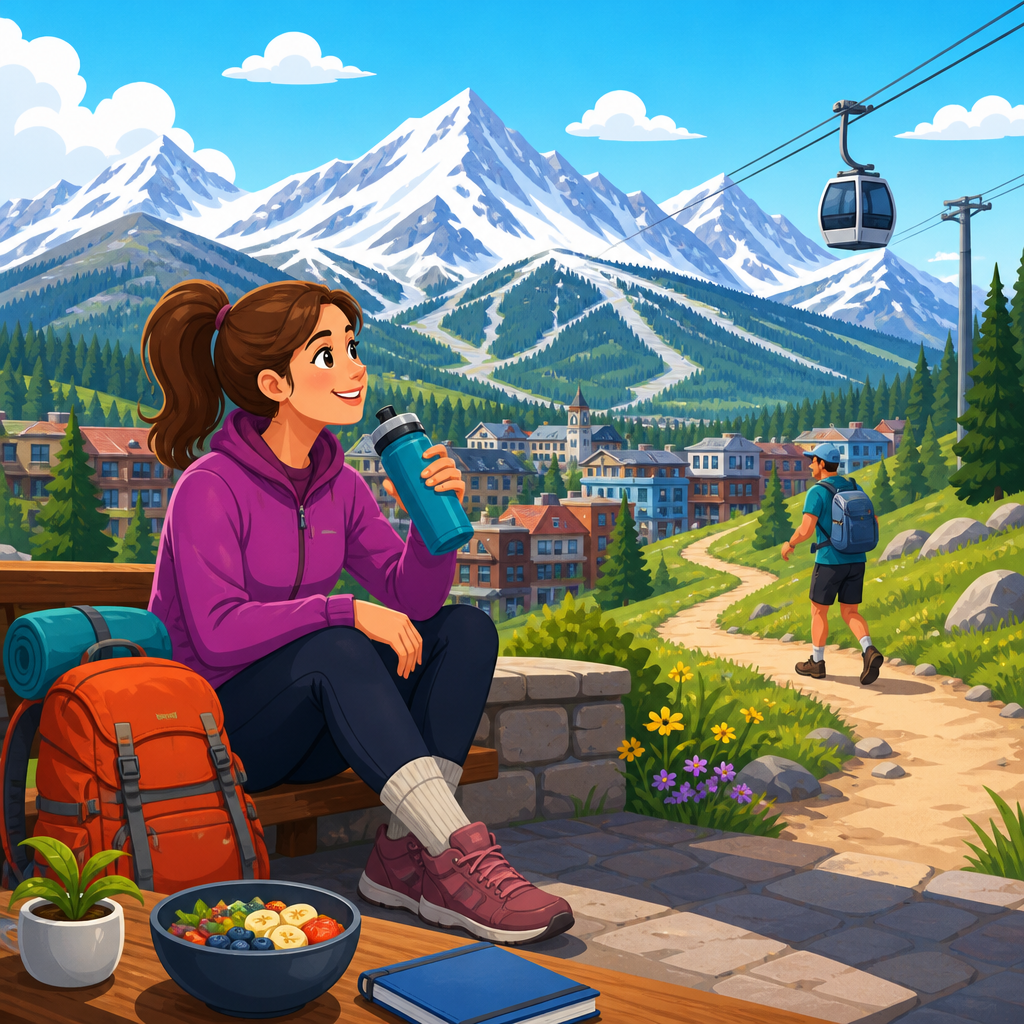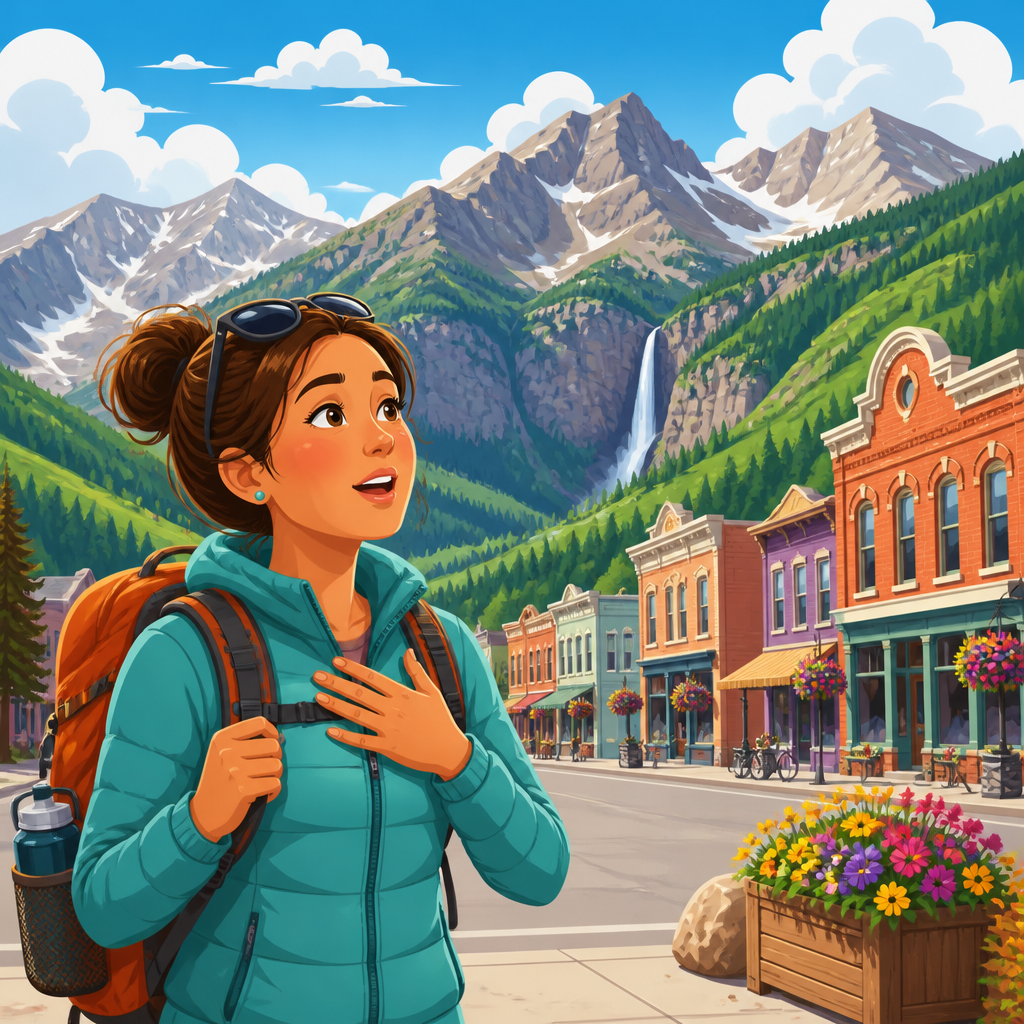
Arriving in Telluride feels different from arriving in most mountain towns because the physical setting changes your body almost immediately. Telluride sits at about 8,750 feet above sea level, and the surrounding peaks of the San Juan Mountains rise dramatically above town, which means thinner air, stronger sun, colder nights, and steeper terrain are not background details; they shape how you breathe, sleep, walk, hydrate, and recover from your first day. For travelers using this Telluride ski town guide as a starting point, the key idea is simple: your body notices elevation and alpine weather before you have time to admire the view.
That matters whether you are arriving for ski season, summer festivals, fall colors, or a long weekend built around hiking and dining. Visitors often focus on what to pack or where to stay, but the more useful first question is what to expect physically when you arrive in Telluride. The answer includes altitude effects, temperature swings, dry air, UV exposure, and the effort required to move around a compact but steep mountain town. In my experience planning mountain trips and working with travelers who underestimate elevation, most first-day discomfort comes from pushing normal sea-level habits into a high-altitude environment.
Telluride also works well as a hub within broader ski town guides because it concentrates many classic mountain-destination variables in one place. There is a historic downtown grid, a free gondola linking Telluride and Mountain Village, walkable streets, icy sidewalks in winter, summer trail access from town, and lodging spread across different elevations. That combination makes Telluride a useful benchmark for understanding how your body reacts in ski towns generally, from Aspen and Breckenridge to Park City and Jackson, even though Telluride’s box canyon setting and relative remoteness make the transition feel more intense.
Physically, the first twenty-four hours are about adaptation, not performance. You may breathe faster on stairs, feel thirsty without realizing it, tire sooner carrying luggage, or wake during the night with a dry mouth and mild headache. None of that automatically means something is wrong. It usually means your body is adjusting to lower oxygen pressure, lower humidity, and cooler mountain air. Knowing what is normal, what is preventable, and what deserves caution makes your arrival smoother and improves every itinerary choice that follows.
How altitude affects your body in Telluride
The biggest physical change on arrival is altitude. At 8,750 feet, the air still contains about 21 percent oxygen, but the barometric pressure is lower, so each breath delivers less usable oxygen than at sea level. That is why people commonly notice shortness of breath, a faster heart rate, lighter sleep, and reduced exercise capacity when they arrive. If you ski hard, walk uphill with bags, or start a hike immediately, the mismatch becomes obvious within minutes.
For most healthy travelers, mild symptoms are manageable: headache, fatigue, slight dizziness, appetite changes, or restless sleep. Acute mountain sickness can begin within six to twenty-four hours, especially if you arrive from low elevation and exert yourself quickly. Risk increases with dehydration, alcohol, poor sleep, and vigorous exercise on day one. I advise travelers to treat the first afternoon like an acclimatization window: unpack, hydrate, take an easy walk, eat a balanced meal, and leave the heroics for tomorrow.
Breathing at night often surprises people most. Many first-time visitors report waking up feeling as if they forgot to take a deep breath. Periodic breathing is common at altitude, especially the first couple of nights, and can interrupt sleep even in fit adults. A bedroom humidifier helps with comfort, but it does not solve altitude itself. Practical prevention is more effective: limit alcohol, avoid a heavy late meal, drink water steadily, and keep expectations low for maximal athletic output on arrival day.
Severe symptoms are not normal and should be taken seriously. If a traveler develops confusion, severe shortness of breath at rest, persistent vomiting, loss of coordination, or chest tightness, they need prompt medical evaluation. Telluride Regional Medical Center can handle many urgent issues, and emergency services are available, but the simplest altitude treatment is descent when symptoms escalate. That is uncommon, yet knowing the threshold matters in any serious ski town guide.
Weather, dryness, and why the environment feels harsher than the forecast
Telluride’s weather often feels sharper than the temperature reading suggests. In winter, cold air combines with wind, reflected snow glare, and very low humidity. In summer, sunny afternoons can feel warm while shaded mornings and evenings remain cool. A 40-degree swing in a single day is not unusual in the mountain West, so your body experiences repeated transitions between cold, heat, dryness, and exertion as you move from lodging to gondola, trailhead, restaurant, and back again.
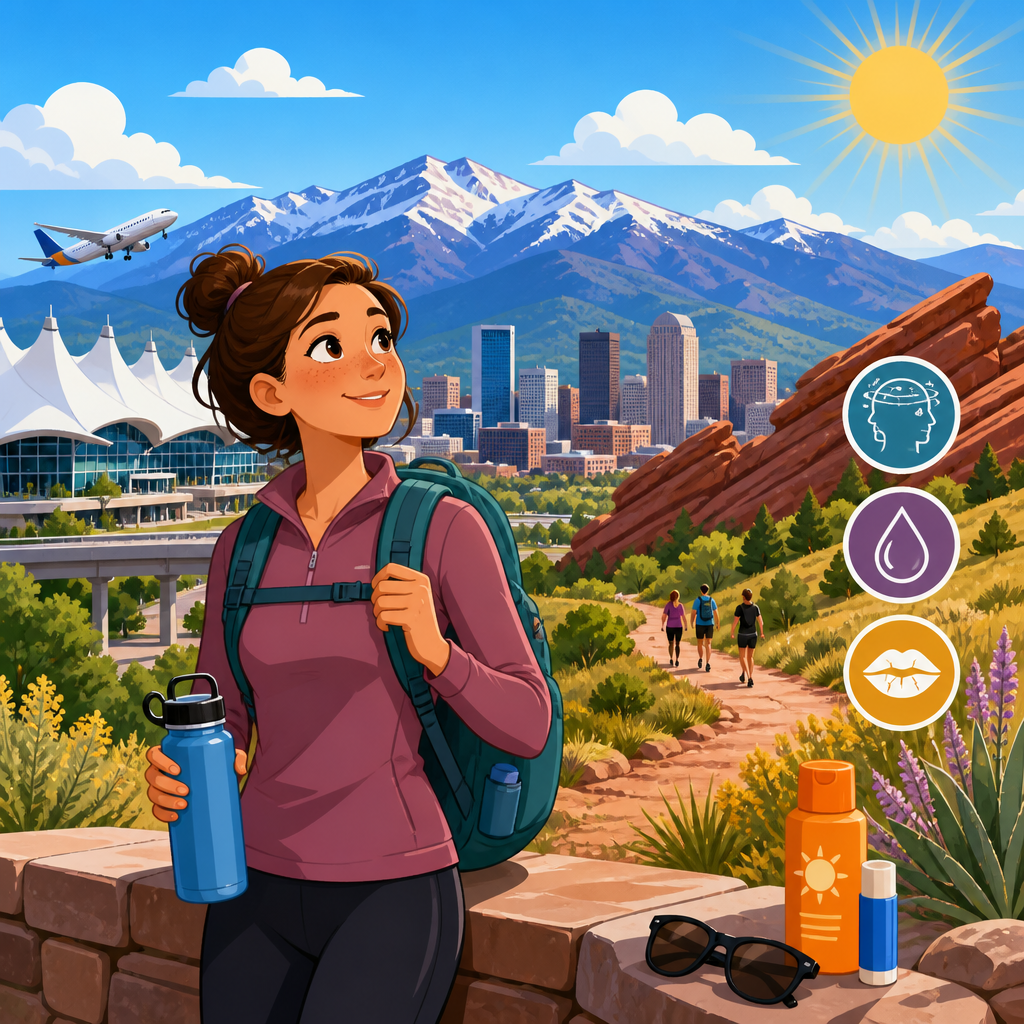
Dry air is one of the most underestimated physical stressors. Relative humidity in high-elevation Colorado can be extremely low, especially in winter, and travelers lose moisture through breathing more quickly than they expect. The result is dry lips, nose irritation, chapped skin, scratchy throat, and a sense of constant thirst. Many visitors think they are getting sick on day one when they are simply dried out. Lip balm, saline nasal spray, moisturizer, and more water than you usually drink make a measurable difference within hours.
Sun exposure is stronger too. At higher elevation, the atmosphere filters less ultraviolet radiation, and snow reflection amplifies it. I have seen visitors burn on cloudy ski days because they skipped sunscreen, assuming winter weather was protective. In Telluride, broad-spectrum SPF 30 or higher, sunglasses with UV protection, and a hat are standard gear year-round. If you wear contacts, expect your eyes to feel drier than usual; lubricating drops can help, particularly after flying into Colorado and then driving to town.
Because mountain forecasts change quickly, dress for conditions rather than averages. The right base layer, insulating mid-layer, shell, and waterproof footwear matter more than a bulky single coat. Travelers arriving from humid climates often overheat indoors and underdress outside. Layering lets your body regulate better as you move between heated hotels, cold streets, gondola cabins, and high-exertion activities.
Walking, stairs, slopes, and the hidden effort of getting around
Telluride is compact and walkable, but walkable does not mean effortless. The historic town grid is manageable, yet side streets can be slick in winter and the general terrain requires more energy than flat-city walking. Mountain Village adds another layer: it is pedestrian-friendly, but stairs, ramps, and snow-packed surfaces can make a short transfer feel demanding when you are carrying boots, skis, groceries, or a child. The free gondola reduces driving stress, but it does not eliminate physical effort.
Travelers often notice the difference during ordinary tasks: dragging a rolling suitcase through snow, climbing one flight of stairs, or walking from a parking area to check-in. At sea level those actions barely register. In Telluride, done at altitude in cold air, they can spike breathing and heart rate quickly. That is not a fitness failure. It is the predictable cost of combining lower oxygen availability with winter gear, uneven surfaces, and small elevation changes throughout the day.
Footwear becomes a health issue, not a style choice. In winter, insulated boots with traction reduce slips and preserve warmth better than smooth-soled fashion boots. In shoulder seasons, waterproof shoes help with mud, slush, and surprise storms. In summer, hikers who arrive and immediately take on steep trails such as Bear Creek often underestimate the grade because the trail starts near town. The climb is beautiful, but legs and lungs can feel it fast, especially if you came from near sea level that morning.
Families should also expect kids to tire or dehydrate earlier than usual. Strollers are useful downtown in warmer months, but snow, steps, and narrow transitions can make carriers or frequent breaks more practical. Older travelers may want lodging close to the gondola or main street to minimize repeated climbs. The best physical strategy is not to avoid movement; it is to budget energy deliberately, especially the first two days.
What your first 48 hours should look like
The smartest arrival plan in Telluride is conservative. If you fly into Montrose and transfer by shuttle or rental car, you may already be mildly dehydrated before reaching town. Start with water, a real meal containing carbohydrates and protein, and a slower pace than you would keep at home. If you ski, keep the first session short and controlled. If you hike, choose a lower-effort trail or an in-town walk. Your goal is adaptation, not proving fitness.
| Time frame | What to expect physically | Best response |
|---|---|---|
| First 2 hours | Dry mouth, mild breathlessness, cold sensitivity | Hydrate, layer up, avoid alcohol immediately |
| First night | Restless sleep, headache, frequent waking | Eat lightly, use a humidifier, go to bed early |
| Day 1 activity | Faster heart rate on stairs or slopes, early fatigue | Keep effort moderate, take breaks, snack regularly |
| Day 2 | Improving energy, lingering dryness or soreness | Increase activity gradually, continue water and sun protection |
Nutrition helps more than many travelers realize. High altitude can blunt appetite, but skipping meals makes fatigue worse. Complex carbohydrates support easier exertion because they require less oxygen to metabolize than fat during exercise, which is one reason skiers often feel better after oatmeal, rice bowls, fruit, or potatoes than after a heavy greasy lunch. Salty foods can also help replace what you lose through dry-air respiration and activity, though they should accompany adequate fluids.
Alcohol deserves special caution on arrival. One drink can feel like two at altitude, and alcohol can worsen dehydration and disrupt already fragile first-night sleep. That does not mean you cannot enjoy Telluride’s bars or wine lists; it means the wise play is to wait until you have hydrated and eaten, then keep intake modest. The same logic applies to hot tubs and saunas, which feel great but can amplify fluid loss after travel or a ski day.
If you use medications for asthma, migraines, blood pressure, or sleep, pack them in your carry-on and follow your normal routine unless your clinician has advised otherwise. People with heart or lung conditions should ask a physician about high-elevation travel before the trip. In practice, preparation solves most problems. The travelers who struggle most are usually the ones who treat Telluride like a normal weekend city break instead of an alpine environment.
Season-by-season expectations in a ski town hub
Winter arrival is the most physically demanding version of Telluride. Cold temperatures tighten muscles, ski boots change gait, and repeated transitions between indoor heat and outdoor cold can leave people drained. The reward is immediate access to lifts, groomers, expert terrain, and a town built around snow sports. If this hub leads you deeper into ski town guides, know that Telluride stands out for combining serious terrain with a non-sprawling historic base, but that same convenience can trick visitors into doing too much too soon.
Summer changes the hazards but not the need for respect. Day hiking, mountain biking, and festival weekends bring longer exposure to sun and altitude. Afternoon thunderstorms are common in the San Juans, so an easy morning can become a cold, wet, high-energy return to town by midafternoon. Light layers, rain protection, and earlier starts are the practical pattern. During peak events such as the Telluride Bluegrass Festival, people also spend hours standing, dancing, and drinking in the sun, which increases dehydration risk.
Spring and fall shoulder seasons are quieter and often excellent for travelers who want space, lower rates, and a slower physical pace. The tradeoff is variability. Some businesses close between seasons, trail conditions can be mixed, and a mild morning can turn icy by evening. For many visitors, though, these seasons are the easiest way to experience Telluride comfortably: fewer crowds, more room on sidewalks and gondolas, and less pressure to stack every day with demanding activities.
The broader lesson for ski town guides is that mountain destinations reward pacing. Telluride is memorable because the setting feels immersive the minute you arrive. If you match that setting with smart hydration, realistic activity levels, proper layering, and attention to altitude, the body adapts quickly and the town opens up in the best way. Plan your first two days around recovery and observation, then build toward skiing, hiking, dining, and exploring with more confidence. Start with the basics, listen to your body, and use Telluride as your template for traveling well in high-country destinations.
Frequently Asked Questions
Will I feel the altitude as soon as I arrive in Telluride?
Yes, many visitors notice the altitude quickly, especially if they are arriving from sea level or a much lower elevation. Telluride sits at roughly 8,750 feet, which means there is less oxygen available with every breath than your body is used to at lower elevations. Physically, that can show up as shortness of breath when walking uphill, a faster heart rate, lightheadedness, mild headache, unusual fatigue, or the feeling that simple activity takes more effort than expected. Even carrying luggage, climbing stairs, or walking through town can feel surprisingly strenuous on your first day.
That does not mean something is wrong; it means your body is adjusting. The key is to treat your arrival day differently than you would in a lower-altitude destination. Slow your pace, avoid intense exercise right away, drink water steadily, and give yourself time to adapt before skiing, hiking, or exploring aggressively. Most healthy travelers improve over the first 24 to 72 hours, but if symptoms become severe, such as vomiting, confusion, chest tightness, or trouble breathing at rest, that goes beyond normal adjustment and should be taken seriously.
Why does the sun feel so strong in Telluride, even when it is cold?
The sun feels more intense in Telluride because you are at high elevation, where the atmosphere is thinner and provides less filtering of ultraviolet radiation. In practical terms, that means your skin and eyes can be affected faster than you might expect, even on cool days, cloudy days, or in winter. Snow makes that effect even stronger by reflecting sunlight back upward, so visitors can end up with sunburned faces, lips, or under the chin without realizing how much exposure they have had.
Physically, that stronger sun can leave you feeling drained, dehydrated, and overheated during the day even when the air temperature is low. You may not sweat as obviously in the dry mountain climate, which makes it easy to underestimate fluid loss. Sunscreen, lip balm with SPF, sunglasses or goggles, and layered clothing are not just comfort items here; they directly affect how your body handles the environment. If you are arriving for skiing or any outdoor activity, expect the combination of altitude, bright sun, and reflective snow to hit harder than it would in many other mountain towns.
How will the dry air and elevation affect my breathing, hydration, and sleep?
Telluride’s dry mountain air often affects people in several ways at once. You may notice a dry nose, chapped lips, scratchy throat, thirst that seems to come back quickly, or a general feeling that your body is losing moisture faster than normal. Because higher elevation also increases your breathing rate, you lose water through respiration more quickly than you might realize. This is one reason dehydration is so common after arrival, and why some visitors mistake altitude-related symptoms for simple travel fatigue.
Sleep can also feel different during your first night or two. Some people sleep lightly, wake up more often, or feel as if their breathing pattern is unusual. Others notice vivid dreams or that they do not feel fully rested in the morning. That is a normal part of early altitude adjustment for many travelers. To help, drink water consistently throughout the day, limit alcohol on arrival, avoid overexertion, and consider using a humidifier if your lodging has one available. Good hydration, a slower pace, and a calm first evening can make a major difference in how your body responds overnight.
Should I expect walking around Telluride to feel harder than usual?
Absolutely. One of the biggest physical surprises for first-time visitors is how much effort routine movement can require. Telluride is not just high in elevation; it is surrounded by steep terrain, and even casual walks can involve inclines, uneven surfaces, packed snow, or slippery conditions depending on the season. At altitude, your muscles may fatigue faster, your breathing may become heavier sooner, and hills that would feel easy at home may suddenly demand breaks.
This is especially noticeable if you are carrying ski gear, hauling bags, or trying to do too much immediately after travel. The smart expectation is that your body will need more time and more recovery between activities than usual on your first day or two. Wearing supportive footwear, taking shorter walks at first, and allowing extra time to get from place to place can make the experience far more comfortable. If you respect the terrain and pace yourself, your body usually adapts, but if you rush into a packed itinerary, the altitude and steepness can wear you down quickly.
What is the best way to physically prepare for my first day in Telluride?
The best approach is to arrive assuming your body will need an adjustment period. Hydrate before you arrive, continue drinking water once you are in town, eat regular meals, and avoid treating your first few hours as if you are at your normal energy level. If possible, make your first day a lighter one. Use it to settle in, take a gentle walk, get organized, and let your body respond to the altitude before asking a lot from it physically. This is especially important for travelers planning to ski, snowboard, hike, or participate in any strenuous activity.
You should also prepare for rapid temperature changes. Days can feel bright and strong in the sun, while mornings, evenings, and shaded areas can feel sharply colder. Layering is essential because it helps your body regulate temperature without overexertion or sweating too heavily. It is also wise to limit alcohol early, prioritize rest, and pay attention to small symptoms before they become bigger ones. In Telluride, the environment is not just scenic; it actively affects how you breathe, move, recover, and feel from the moment you arrive. Planning with that in mind usually leads to a much better first experience.