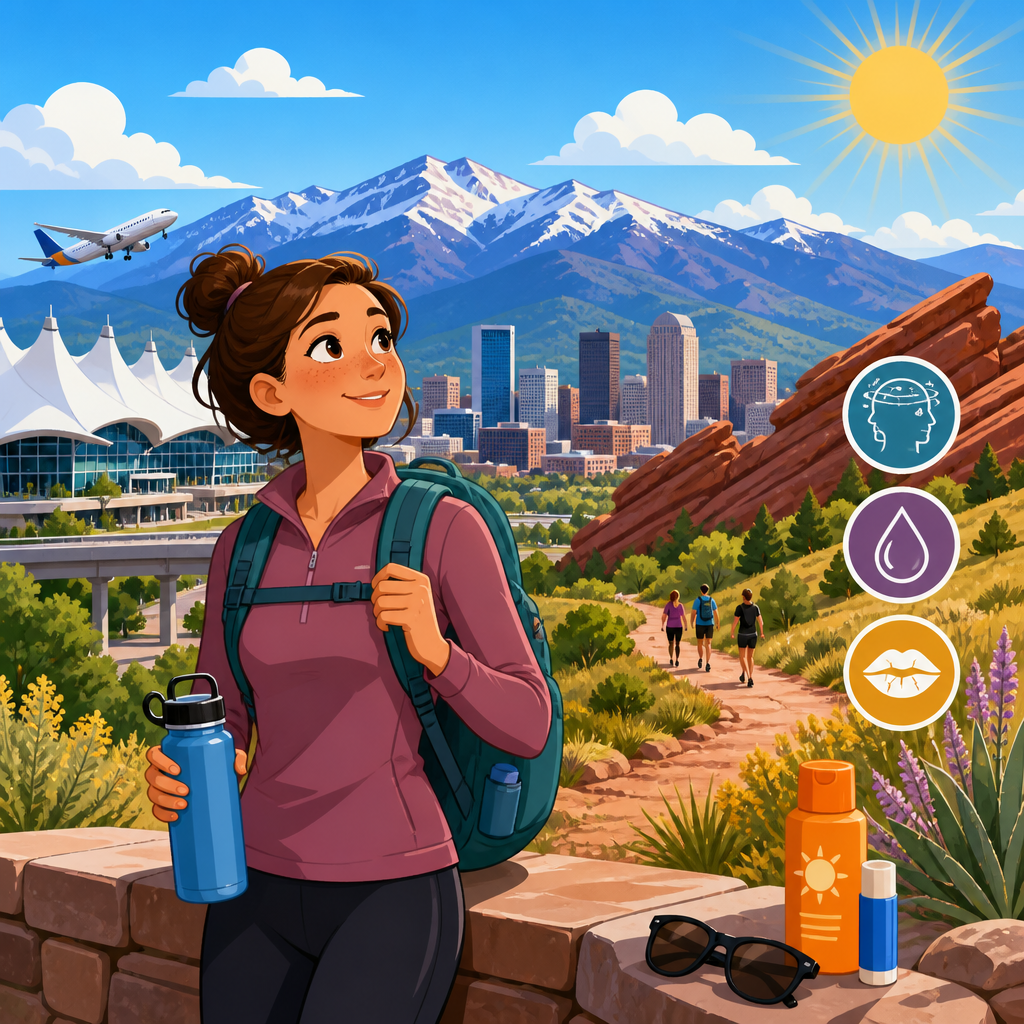
A wedding at altitude can be unforgettable, but guests who prepare poorly often feel tired, dehydrated, sunburned, or short of breath before the ceremony even begins. In travel terms, altitude usually means destinations above 5,000 feet, where thinner air reduces available oxygen and changes how the body responds to exertion, alcohol, sleep, and hydration. For wedding guests, that affects nearly every part of trip planning and logistics, from what flight to book to how formal shoes will feel on steep resort paths. I have planned and attended mountain weddings in Colorado, Utah, Wyoming, and the Andes, and the pattern is consistent: the guests who have the best experience are rarely the most adventurous; they are the ones who understand the environment and make practical choices before arrival. This guide explains how guests can prepare for a wedding at altitude, what to pack, when to arrive, how to manage health risks, and how to coordinate transportation, lodging, and schedules without stress. If you are building your trip around a high-elevation celebration, these are the essentials to know before you land.
Understand what altitude changes for wedding guests
The first question most travelers ask is simple: why does altitude matter so much? The direct answer is lower air pressure. As elevation rises, each breath delivers less oxygen than your body is used to at sea level. The result can include headache, fatigue, insomnia, reduced exercise tolerance, dizziness, nausea, and faster dehydration. According to the CDC and major mountain medicine programs, symptoms can begin for some travelers around 6,500 to 8,000 feet, especially if they ascend quickly. Many popular wedding destinations, including Aspen, Breckenridge, Park City, Santa Fe, Telluride, and Lake Tahoe, fall within or near that range.
Altitude also amplifies everyday wedding variables. One glass of champagne may feel like two. A short uphill walk from the shuttle drop-off to the venue can leave healthy guests winded. UV exposure is stronger, so outdoor ceremonies produce sunburn faster than beach travelers often expect. Even sleep can become fragmented on the first night, which matters if the rehearsal dinner runs late and the ceremony starts early. Knowing this helps guests plan smarter arrival times, meal timing, clothing, and pace.
Not every guest responds the same way. Age, fitness, medical history, hydration status, recent illness, and rate of ascent all play roles. Being fit does not guarantee an easier adjustment. In fact, active travelers sometimes overestimate their capacity and schedule hikes, ski days, or hard workouts immediately after landing, then arrive at the welcome party depleted. The safest assumption is that everyone needs a gentler first twenty-four hours than they would at lower elevations.
Build the right travel timeline before you book
If you can choose only one preparation strategy, arrive early. For a wedding at altitude, the ideal plan is to reach the destination at least forty-eight hours before the main event, and seventy-two hours is better if the venue sits above 7,000 feet. That window gives your body time to adapt, allows for weather or traffic delays, and leaves space to recover from disrupted sleep. I advise guests to protect the day before the wedding from ambitious plans. Use it for light walking, hydration, a grocery stop, and an early dinner.
Flight choice matters too. Nonstop routes reduce stress and cut the chance of baggage delays. If the airport is in a valley but the venue is several thousand feet higher, account for transfer time and road conditions. Mountain weddings often involve two-stage travel: a flight into Denver or Salt Lake City, then a long drive or shuttle climb to the resort town. In winter and shoulder seasons, snow, chain restrictions, and canyon traffic can turn a two-hour transfer into four. Book the earliest practical arrival on the day, not the last flight in, and avoid scheduling your arrival within hours of a rehearsal event.
Travel insurance deserves serious consideration for this kind of trip. Guests often prepay lodging, rental cars, event attire, and connecting transportation. A comprehensive policy can help with trip interruption, medical issues, and weather-related delays, though coverage terms vary and preexisting condition rules matter. Review cancellation windows for hotels and vacation rentals carefully, because mountain destinations can have stricter terms during peak weekends. If the wedding invitation includes a room block, book early; high-altitude resort towns have limited inventory and prices rise quickly near event dates.
Plan lodging, transportation, and local movement carefully
Where you stay can shape the entire wedding weekend. Guests should prioritize proximity over aspirational views if the destination is spread out. A charming cabin twenty-five minutes from town may look ideal online, but mountain roads, darkness, rideshare shortages, and changing weather make distance more burdensome than expected. If the couple provides a hotel block near the ceremony, that is usually the lowest-friction option. You gain easier shuttle access, simpler coordination with other guests, and a place to rest between events.
Transportation planning should start before departure. Do not assume rideshares will be plentiful in resort towns; many high-altitude destinations have limited driver availability, especially late at night or during festivals and ski weekends. Confirm whether the couple has arranged guest shuttles and whether those shuttles require advance sign-up. If you plan to rent a car, choose a vehicle appropriate for season and terrain. In snowy regions, all-wheel drive helps, but winter tires matter more than drivetrain alone. Review parking rules at the venue, because mountain lodges often have restricted parking and rely on staggered shuttle arrivals.
Local movement deserves attention too. Ceremony sites may involve gravel paths, stairs, grass, boardwalks, or uneven stone. That affects footwear, mobility planning, and timing. I have seen guests arrive exactly on schedule, then need an extra fifteen minutes to walk from the shuttle stop to the overlook. If anyone in your party has limited mobility, ask the couple or planner specific questions in advance: distance from drop-off to seating, availability of golf carts, restroom access, heating, and indoor backup options.
| Planning area | Best practice for altitude weddings | Why it helps |
|---|---|---|
| Arrival timing | Reach destination 2 to 3 days early | Improves acclimatization and buffers delays |
| Lodging | Stay close to venue or shuttle pickup | Reduces fatigue, navigation stress, and missed transfers |
| Airport transfer | Prebook shuttle or car, especially in peak season | Avoids scarce last-minute options |
| Footwear | Choose stable shoes for slopes, gravel, or grass | Prevents falls and discomfort |
| Hydration | Start drinking water before travel day | Lowers risk of headaches and fatigue |
| First-day activity | Keep exertion light and skip heavy drinking | Supports adjustment to thinner air |
Prepare your body: hydration, food, sleep, and alcohol
Guests often ask how to avoid altitude sickness naturally. The most reliable basics are hydration, moderation, sleep, and pacing. Begin increasing water intake the day before departure and continue during the flight, which is dehydrating on its own. That does not mean forcing excessive amounts of water; it means drinking consistently and pairing fluids with electrolytes and regular meals. Clear urine is not the sole target, and overhydration is unnecessary. Balance matters.
Food choices help more than many people realize. Eat normal, steady meals with carbohydrates, protein, and salt rather than skipping lunch and relying on canapés and cocktails at altitude. On the first day, avoid very heavy meals right before exertion, but do not stay underfueled. A practical mountain arrival routine is simple: water during transit, an early grocery stop, fruit or yogurt for the room, and a dinner that includes complex carbohydrates. That supports energy and can reduce the shaky feeling guests sometimes misread as altitude alone.
Sleep may be less restful at elevation, particularly on the first night. Build your itinerary around that reality. If you can, avoid red-eye flights followed by immediate social events. Limit alcohol on arrival day and again at the rehearsal dinner if the ceremony is the next morning. Alcohol impairs sleep, worsens dehydration, and can make altitude symptoms feel sharper. Caffeine is fine for most people in moderate amounts, but relying on strong coffee while neglecting water is a common mistake.
Some travelers consider preventive medication such as acetazolamide, commonly known by the brand name Diamox. That decision belongs with a clinician, especially for guests with prior altitude problems, lung disease, heart conditions, or a packed schedule involving rapid ascent. Medication may help some people acclimatize faster, but it is not a substitute for time, hydration, and sensible activity.
Pack for mountain conditions, dress codes, and ceremony realities
Packing for a wedding at altitude is really about packing for variability. Mountain weather can shift quickly across a single afternoon, and temperatures often swing widely between sunny midday conditions and cold evenings. Even summer weddings can become chilly after sunset. Guests should pack layers first and outfit perfection second. A tailored jacket, shawl, wrap, pashmina, or polished coat can preserve both comfort and the formality of your look.
Sun protection is essential. UV exposure increases with elevation, and reflective surfaces such as rock, water, and snow intensify it further. Bring broad-spectrum sunscreen, lip balm with SPF, sunglasses, and a hat for non-ceremony downtime. I have watched guests arrive for a Friday welcome event after a scenic afternoon outdoors, visibly sunburned before the wedding day started. That is avoidable.
Footwear deserves special emphasis. Stilettos sink into grass and wobble on wooden decks or gravel paths, while thin-soled formal shoes can be punishing on sloped terrain. Block heels, wedges designed for outdoor use, dress flats, loafers, and polished boots are often the better choice. If the couple mentions a mountaintop ceremony, gondola transfer, ranch venue, or meadow reception, take that language literally and dress for the ground conditions, not just the photos.
Other useful items include a refillable water bottle, basic pain relief approved by your physician, blister protection, snacks, travel-size moisturizer, and any prescriptions in your carry-on. If events span several locations, keep one bag ready with the practical items you may need between ceremony and reception. Small details are what keep a mountain wedding enjoyable.
Know the warning signs and plan around personal health needs
Most guests experience only mild adjustment symptoms, but everyone should know the signs that require more caution. Mild altitude issues can include headache, unusual fatigue, poor sleep, lightheadedness, and slight nausea. These often improve with rest, hydration, food, and reduced exertion. More serious symptoms such as persistent vomiting, confusion, severe shortness of breath at rest, chest tightness, poor coordination, or worsening headache despite rest should not be brushed aside as normal. They can indicate a significant altitude-related problem and warrant prompt medical evaluation.
Guests with asthma, COPD, cardiovascular disease, anemia, sleep apnea, pregnancy-related concerns, or recent respiratory illness should discuss the trip with a healthcare professional well before departure. Bring enough medication for the full trip plus extra in case of delays. If you use CPAP, check hotel power arrangements and extension access. If you need supplemental oxygen or have mobility equipment, coordinate with airlines, lodgings, and shuttle providers in advance rather than assuming the destination can improvise.
It is also wise to share your itinerary with someone in your party. At destination weddings, groups scatter across hotels, excursions, and transport schedules. If one guest starts feeling unwell after a reception and leaves early, a friend should know where they are staying and how they are getting back. Good logistics are also good safety planning.
Make the most of the weekend without overloading the schedule
The best guest experience at altitude comes from doing slightly less than you think you can. That may sound unglamorous, but it works. If the wedding weekend includes skiing, hiking, spa appointments, welcome drinks, and a late-night after-party, choose selectively. Pick the events that matter most to you and leave margin for transit, weather, and rest. A destination wedding is not diminished because you skipped the sunrise trail run.
Communication helps. Read the wedding website carefully, download directions before losing service, and note exact shuttle pickup times. Mountain cell coverage can be inconsistent, and navigation apps are less useful when everyone is trying to locate an overlook venue on private roads. Keep screenshots of invitations, maps, and event addresses. If children or older relatives are traveling with you, plan meals and downtime around their needs rather than forcing the whole group into a packed schedule.
Finally, respect the destination. Mountain towns often have quiet hours, wildlife precautions, wildfire restrictions, and fragile environments. Follow local parking rules, stay on marked paths, and do not treat a wedding weekend as a license to ignore community norms. Thoughtful preparation makes you a better guest for the couple and a better traveler for the place hosting you.
A wedding at altitude rewards preparation more than spontaneity. The key points are clear: arrive early, stay close to the venue, hydrate before and during travel, pace alcohol and activity, pack layers and practical shoes, and take altitude symptoms seriously instead of assuming you can push through them. When guests plan transportation, lodging, meals, and health needs in advance, they remove the common friction points that turn a beautiful mountain celebration into an exhausting trip. The benefit is not only comfort; it is presence. You are more likely to enjoy the ceremony, engage with family and friends, and remember the setting for the right reasons. Before you book anything, review the wedding schedule, map the elevation changes, and build your itinerary around adaptation rather than ambition. That one decision will improve every part of the weekend.
Frequently Asked Questions
What does “high altitude” mean for wedding guests, and why does it affect how you feel?
For most travelers, altitude starts to become noticeable at around 5,000 feet above sea level. At that elevation and higher, the air still contains oxygen, but the air pressure is lower, which means your body takes in less oxygen with each breath. That change can make even healthy guests feel winded more quickly, especially when walking uphill, climbing stairs, dancing, carrying luggage, or getting ready in a hurry. You may also notice headaches, dry skin, poor sleep, dehydration, and stronger effects from alcohol than you would experience at lower elevations.
For wedding guests, this matters because destination weddings often combine travel fatigue, disrupted sleep, celebratory drinking, sun exposure, and a tightly scheduled itinerary. In other words, many of the things people normally do on a wedding weekend can make altitude symptoms feel worse. A guest may assume they are simply tired from the flight, when in reality they are dealing with mild altitude adjustment. Understanding that ahead of time helps you plan smarter. Building in more rest, drinking more water, pacing your activity, and not overcommitting on day one can make a major difference in how comfortable and energized you feel by the time the ceremony begins.
How far in advance should guests arrive for a wedding at altitude?
If your schedule and budget allow, arriving at least 24 to 48 hours before the main wedding events is one of the best ways to prepare. That extra time gives your body a chance to begin adjusting to the elevation before you are expected to be fully social, dressed up, and on your feet for long stretches. Even a modest adjustment period can help reduce headaches, fatigue, and that “why am I so out of breath?” feeling that catches many guests off guard during the first day at altitude.
Arriving early is especially helpful if the wedding destination is significantly higher than what you are used to, if you are traveling from sea level, or if the weekend includes outdoor ceremonies, mountain transportation, long walks between venues, or welcome events scheduled soon after check-in. A same-day arrival can work for some travelers, but it leaves very little margin for delayed flights, dry cabin air, missed hydration, poor sleep, and immediate exertion. If early arrival is not possible, then the next best strategy is to keep your first day intentionally light: hydrate, eat a balanced meal, avoid overexertion, skip heavy drinking, and get to bed at a reasonable hour so you are not compounding travel stress with altitude stress.
What should guests do before traveling to reduce altitude-related fatigue, dehydration, and headaches?
Preparation should start before you leave home. In the days leading up to the trip, focus on consistent hydration, good sleep, and realistic pacing. You do not need an extreme routine, but arriving already run down, under-slept, or dehydrated makes altitude feel harsher. Air travel itself can be dehydrating, so it helps to begin your trip well hydrated rather than trying to fix everything after landing. Drinking water steadily, limiting excess alcohol before and during travel, and eating regular meals with enough carbohydrates and electrolytes can all help support smoother adjustment.
It is also smart to plan around effort. If you know the destination wedding involves mountain terrain, stairs, shuttles, outdoor photos, or a venue spread across a large property, think ahead about footwear, timing, and what you will physically be doing while dressed formally. Comfortable backup shoes, a refillable water bottle, sunscreen, lip balm, sunglasses, and layers are practical additions that matter more at altitude than many guests expect. If you take prescription medication, have asthma, heart conditions, or a history of altitude sensitivity, ask your doctor in advance whether you need any specific travel advice. For most guests, the best prevention is simple but important: arrive rested, hydrate early, eat normally, and avoid treating the first day like an endurance test.
How should guests handle alcohol, caffeine, exercise, and sleep when attending a wedding at altitude?
The safest approach is moderation across the board, especially during the first 24 hours. Alcohol tends to hit harder at altitude, and its dehydrating effects can amplify headaches, fatigue, and poor sleep. That does not mean you cannot enjoy a toast or celebrate, but it does mean guests should be more cautious than they might be at sea level. Drinking water between cocktails, eating before drinking, and avoiding the urge to “keep up” with everyone else can prevent a rough next day. This is particularly important if the ceremony, rehearsal dinner, or welcome party is outdoors in sun and dry air.
Caffeine is a little more individual. For most people, moderate caffeine is fine, but relying on large amounts of coffee or energy drinks to push through travel fatigue can backfire if it disrupts sleep or adds to dehydration. Exercise should also be scaled back at first. A wedding weekend is not the ideal time to schedule a hard hike, long run, or intense workout on arrival day unless you are already acclimated. Even fit travelers can be surprised by how much harder ordinary movement feels. Sleep can also be lighter or more interrupted at higher elevations, so it helps to protect it where you can: keep the first evening low-key, hydrate, avoid excess alcohol, and give yourself more time to rest. In short, altitude rewards restraint. Guests who pace themselves usually enjoy the event far more than those who charge into the weekend like nothing has changed.
What are the warning signs that altitude is affecting you more seriously, and when should you seek help?
Mild altitude adjustment can include headache, fatigue, dizziness, mild shortness of breath with exertion, lower appetite, and restless sleep. Those symptoms are common and often improve with rest, hydration, lighter activity, and time. However, guests should pay attention if symptoms become intense, persist despite taking it easy, or interfere with basic functioning. Concerning signs include severe headache that does not improve, vomiting, unusual confusion, difficulty walking normally, chest tightness, or shortness of breath that feels significant even at rest. Those symptoms should not be brushed off as ordinary travel discomfort.
For a wedding guest, the biggest mistake is trying to “push through” because you do not want to miss the celebration or inconvenience the couple. Serious altitude-related illness is uncommon, but it deserves prompt attention. If symptoms escalate, tell someone in your travel group, contact the hotel or venue staff, and seek medical care right away. Many mountain destinations are used to helping visitors who are not adjusting well, so asking for assistance is both appropriate and responsible. It is always better to step back from one event than to ignore symptoms and become much sicker. A memorable wedding weekend should be remembered for the celebration, not for preventable health trouble caused by underestimating altitude.